

Free Tobruk Travel Guide & Mobile App
Explore Tobruk with free travel guides. Discover regional history, expert tips, proposed trips, and audio guides on web or mobile app.


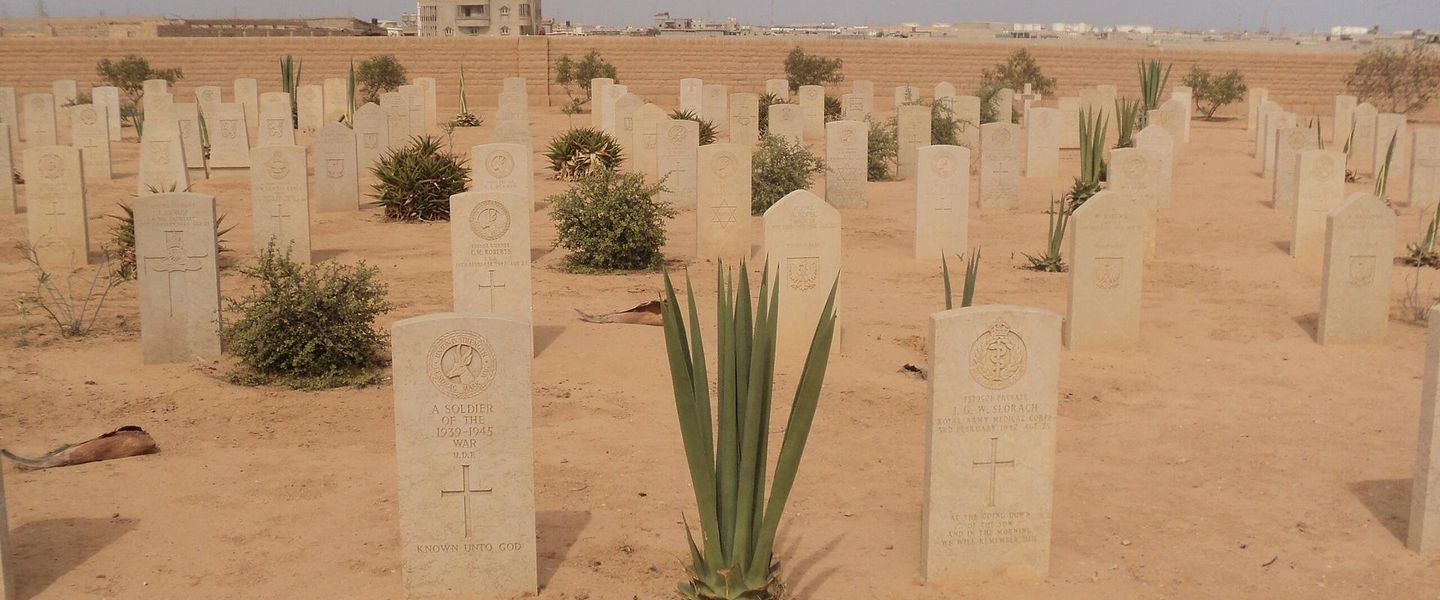


Tobruk combines a sheltered Libyan harbour, Second World War memorials and remote Cyrenaican coastlines for carefully planned historical travel.
Read more about Tobruk
When is the best time to visit Tobruk?
Best: May–June, October · 25–28°C| Month | High (°C) | Rainfall (mm) |
|---|---|---|
| January | 17 | 5 |
| February | 17 | 5 |
| March | 19 | 4 |
| April | 22 | 3 |
| May (best) | 25 | 1 |
| June (best) | 28 | 1 |
| July | 31 | 0 |
| August | 31 | 0 |
| September | 30 | 1 |
| October (best) | 26 | 3 |
| November | 21 | 4 |
| December | 18 | 5 |
Getting to and around Tobruk
How to get there
Transportation
Best landmarks in Tobruk
Tobruk’s most significant landmarks are tied to its harbour and wartime history. The natural harbour is the city’s defining geographical feature, explaining its importance as an anchorage and military supply point across successive eras. The Commonwealth War Cemetery is a carefully laid-out memorial landscape for Allied personnel who died in the North African campaign, while the German War Cemetery and Italian military cemetery represent the opposing forces and the multinational character of the fighting. Together they form a powerful historical ensemble, although each should be visited respectfully and only when local access conditions permit. The wider defensive landscape of Tobruk includes remnants and locations associated with the siege, but many are difficult to identify, poorly signposted or potentially unsafe. The ancient name Antipyrgos is another landmark of identity, linking the modern port to Cyrenaica’s Greek, Roman and Byzantine past even where visible remains are limited.
-
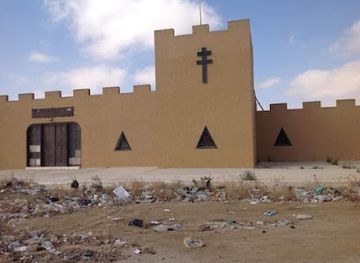
Military cemetery
French Cemetery of World War II
Explore the French Cemetery of World War II in Tobruk, a profound military memorial honoring the brave soldiers who fought in North Africa.
-
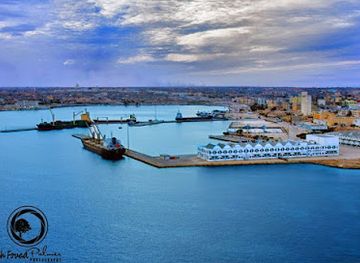
Port authority
Tobruk Commercial port
Explore the rich maritime heritage and stunning views at Tobruk Commercial Port, a vibrant gateway to Libya's Mediterranean charm.
-
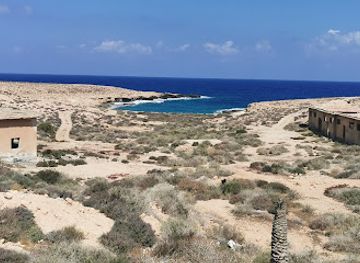
Historical landmark
WW2 Australian Beach Hospital Location during Siege of Tobruk
Discover the historical significance of the WW2 Australian Beach Hospital in Tobruk, a remarkable site of resilience and medical innovation during wartime.
-
 Cemetery
German Cemetery
Explore the solemn beauty of the German Cemetery in Tobruk, a poignant memorial to World War II soldiers in a historic Libyan city.
Explore Tobruk on the map
Plan your trip on one map. See where the top cities, national parks and sights are, and book hotels and experiences in a few clicks.
Best hotels in Tobruk
Best restaurants in Tobruk
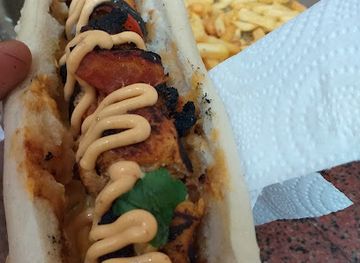
Dining in Tobruk reflects eastern Libyan and wider North African food traditions, with simple meals based on bread, couscous, rice, pasta, grilled meat, chicken, beans, salads and spiced sauces. Fish may appear in coastal restaurants, although availability depends on supply and local conditions rather than on a developed tourist seafood industry. Tea and strong coffee are important parts of social hospitality, while dates and other sweet foods are commonly offered to guests. Most eating places are modest cafés, family-run restaurants or hotel dining rooms, and service arrangements may be informal. Visitors should favour busy, reputable establishments, take local advice on water and food hygiene, and avoid assuming that menus or opening arrangements will be consistent. Tobruk’s food identity is best understood as part of Cyrenaica’s Libyan culinary culture, shaped by Mediterranean, Arab and Bedouin influences rather than by a sharply separate city cuisine.
-
Restaurant
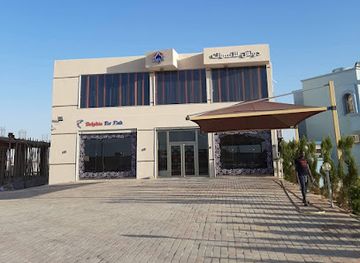
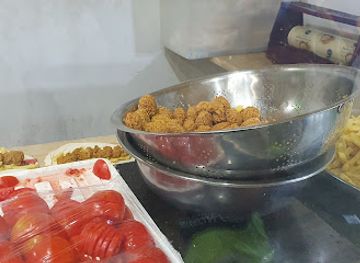
Dolphin Fish Restaurant
Experience exquisite seafood dining at Dolphin Fish Restaurant in Tobruk - where fresh flavors meet Libyan hospitality.
-
Fast Food
ماكدونالدز طبرق -McDonald's Tobruk
Experience global flavors at McDonald's Tobruk – where local charm meets international fast-food favorites.
-
Falafel
جست فلافل Just Flafel
Discover the authentic taste of falafel at Just Flafel in Tobruk - where tradition meets flavor in every bite.
-
Restaurant
Tobruk airport
Experience seamless travel at Tobruk Airport—your gateway to Libya's rich history and stunning Mediterranean landscapes.

Best bars in Tobruk
Tobruk does not have a conventional bar or nightclub scene, and alcohol is not a normal feature of public social life. Evening activity centres on cafés, tea houses, family restaurants and informal gatherings, with conversation often continuing after sunset when temperatures are more comfortable. Social life is concentrated in the city rather than in a defined entertainment district, and visitors should follow local expectations about dress, photography and public behaviour. Hotel facilities, where available, may offer private dining or refreshments, but services should be confirmed in advance and should not be assumed to operate on international resort-style schedules. Travellers seeking organised nightlife will find Tobruk considerably quieter than major Mediterranean destinations; its evening character is tied more closely to hospitality, food and local routines than to clubs or live entertainment.
-
Restaurant
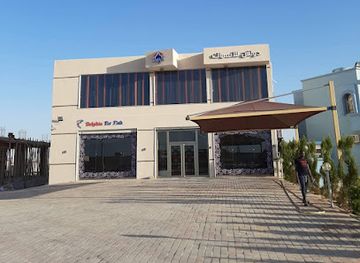
Dolphin Fish Restaurant
Experience the flavors of the Mediterranean at Dolphin Fish Restaurant in Tobruk, where fresh seafood and a vibrant atmosphere await you.
-
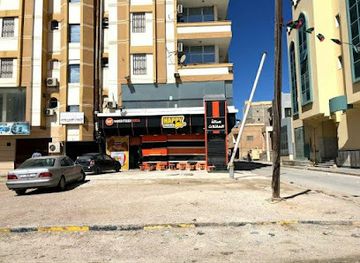
هابي تشكن Happy Chicken Tobruk
Indulge in delicious fast food at Happy Chicken Tobruk, where mouth-watering chicken dishes meet a vibrant atmosphere in the heart of Libya.
-
Al-Badin Restaurant
Experience authentic Libyan cuisine at Al-Badin Restaurant in Tobruk, where tradition meets flavor in a warm, welcoming setting.
-
Restaurant
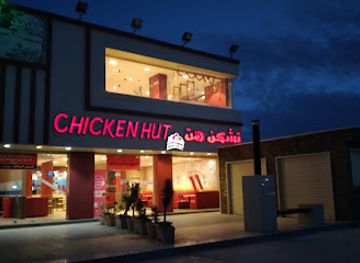
تشكن هت
Experience authentic Libyan cuisine at تشكن هت in Tobruk, where tradition meets flavor in a cozy atmosphere.
Best nightclubs in Tobruk
Tobruk does not have a conventional bar or nightclub scene, and alcohol is not a normal feature of public social life. Evening activity centres on cafés, tea houses, family restaurants and informal gatherings, with conversation often continuing after sunset when temperatures are more comfortable. Social life is concentrated in the city rather than in a defined entertainment district, and visitors should follow local expectations about dress, photography and public behaviour. Hotel facilities, where available, may offer private dining or refreshments, but services should be confirmed in advance and should not be assumed to operate on international resort-style schedules. Travellers seeking organised nightlife will find Tobruk considerably quieter than major Mediterranean destinations; its evening character is tied more closely to hospitality, food and local routines than to clubs or live entertainment.
-
طبرق ليبيا
Explore the historic and scenic beauty of Tobruk, Libya, where ancient ruins meet stunning Mediterranean vistas.
Best shops in Tobruk
Shopping in Tobruk is practical and locally oriented rather than centred on a visitor retail quarter. Small shops and markets supply clothing, household goods, food and everyday necessities, while cafés and bakeries provide familiar opportunities to observe ordinary commercial life. Visitors may find dates, packaged foods, tea, spices, embroidered items or locally made gifts, but availability and quality vary, and provenance should be checked before purchasing antiques or objects said to be archaeological. There is no dependable luxury-shopping scene or established craft market designed specifically for tourists. Bargaining may occur in informal markets, whereas fixed-price shops are more straightforward. Because border and customs regulations can change, travellers should avoid exporting antiquities, military artefacts, fossils or objects removed from historic sites, and should retain receipts for substantial purchases.
-
Pharmacy
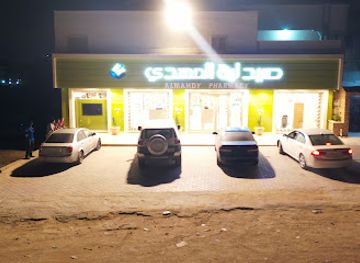
Almahdy pharmacy صيدلية المهدي
Discover Almahdy Pharmacy in Tobruk – your trusted source for health essentials and personalized care during your travels in Libya.
-
Electronics store
أب ستور/app store
Explore the best electronics at Tobruk's App Store, your one-stop destination for the latest gadgets and tech accessories.
-
Home goods store
WaLeEd212
Discover unique home goods and local crafts at WaLeEd212 in Tobruk, where culture and creativity meet in a vibrant shopping experience.
-
Children's clothing store
هابى كيدز _ Happy Kedis
Explore Happy Kedis in Tobruk for a delightful selection of stylish children's clothing that captures the fun and color of childhood!

Get your free copy of our complete guide to Tobruk, delivered straight to you.
Everything on this page, from attractions and restaurants to essentials and local phrases, in one PDF you can read offline, print or share.
Already have an account? Sign in
Your Tobruk guide is ready.
We'll send it to · Not you? Sign out

Getting your guide ready…
We are putting together a fresh copy of the Tobruk guide. This can take up to a minute.
This can take a few moments. If your browser asks, choose Allow so the download can start. You'll find the guide in your Downloads folder.
Nothing happened? Download it again
Sorry, the guide is taking longer than usual. Please try again in a minute, or get it by email instead.
Tobruk essentials
Currency and Payment
Safety
Emergency Situations
Do's and Don'ts
Local Tips
From Eve
Local phrases worth knowing
You don't need to get them perfect. A few words go a long way, and locals appreciate the effort.
Basics
| English | Local | Say it |
|---|---|---|
| Hello | مرحبا | [Marhaban] |
| Goodbye | وداعا | [Wada'an] |
| Yes | نعم | [Na'am] |
| No | لا | [La] |
| Please/You're welcome | من فضلك | [Min fadlik] |
| Thank you | شكرا | [Shukran] |
| Excuse me/Sorry | عفوا | [Afwan] |
| How are you? | كيف حالك؟ | [Kayfa halak?] |
| Fine. And you? | بخير. وأنت؟ | [Bikhayr. Wa anta?] |
| Do you speak English? | هل تتحدث الإنجليزية؟ | [Hal tatahaddath al-ingliziya?] |
| I don't understand | لا أفهم | [La afham] |
Eating & Drinking
| English | Local | Say it |
|---|---|---|
| I'd like to see the menu, please | أود رؤية القائمة، من فضلك | [Awad ru'yat al-qaimah, min fadlik] |
| I don't eat meat | لا آكل اللحم | [La akul al-lahm] |
| Cheers! | في صحتك! | [Fi sihatak!] |
| I would like to pay, please | أود الدفع، من فضلك | [Awad al-da'f, min fadlik] |
Emergencies
| English | Local | Say it |
|---|---|---|
| Help! | نجدة! | [Najda!] |
| Go away! | ابتعد! | [Ibt'id!] |
| Call the Police! | اتصل بالشرطة! | [Ittasil bil-shurta!] |
| Call a doctor! | اتصل بطبيب! | [Ittasil bi-tabib!] |
| I'm lost | أنا ضائع | [Ana da'i'] |
| I'm ill | أنا مريض | [Ana marid] |
Shopping
| English | Local | Say it |
|---|---|---|
| I'd like to buy... | أود شراء... | [Awad shira'] |
| I'm just looking | أنا فقط أبحث | [Ana faqat abhath] |
| How much is it? | كم ثمنه؟ | [Kam thamanu?] |
| That's too expensive | هذا غالي جدا | [Hatha ghali jidan] |
| Can you lower the price? | هل يمكنك تخفيض السعر؟ | [Hal yumkinuka takhfid al-si'r?] |
Time & Numbers
| English | Local | Say it |
|---|---|---|
| What time is it? | كم الساعة؟ | [Kam al-sa'ah?] |
| It's one o'clock | الساعة واحدة | [Al-sa'ah wahida] |
| Half past (10) | نصف الساعة (10) | [Nisf al-sa'ah (10)] |
| Morning | صباحا | [Sabahan] |
| Afternoon | بعد الظهر | [Ba'd al-zuhur] |
| Evening | مساءا | [Masa'an] |
| Yesterday | أمس | [Ams] |
| Today | اليوم | [Al-yawm] |
| Tomorrow | غدا | [Ghadan] |
| 1 | واحد | [Wahid] |
| 2 | اثنين | [Ithnayn] |
| 3 | ثلاثة | [Thalatha] |
| 4 | أربعة | [Arba'a] |
| 5 | خمسة | [Khamsa] |
| 6 | ستة | [Sitta] |
| 7 | سبعة | [Sab'a] |
| 8 | ثمانية | [Thamaniya] |
| 9 | تسعة | [Tis'a] |
| 10 | عشرة | [Ashara] |
Transport & Directions
| English | Local | Say it |
|---|---|---|
| Where's a/the...? | أين ...؟ | [Ayn ...?] |
| What's the address? | ما هو العنوان؟ | [Ma huwa al-'unwan?] |
| Can you show me (on the map)? | هل يمكنك أن تريني (على الخريطة)؟ | [Hal yumkinuka an turini (ala al-kharita)?] |
| When's the next (bus)? | متى يأتي (الحافلة) القادمة؟ | [Mata yati (al-hafila) al-qadima?] |
| A ticket (to ....) | تذكرة (إلى ....) | [Tadhkara (ila ....)] |
History of Tobruk
Antipyrgos and the Ancient Cyrenaican Coast
Tobruk was known in antiquity as Antipyrgos, a settlement associated with the maritime network of Cyrenaica. Its harbour offered a useful anchorage along the eastern Libyan coast, linking the area with Greek, Roman and later Byzantine centres elsewhere in the region. Tobruk never developed into one of Cyrenaica’s principal monumental cities, but its location gave it enduring strategic value. The ancient name and the wider coastal landscape show how the settlement’s history has repeatedly been shaped by shipping, military movement and its position between the Cyrenaican interior and Egypt.
Islamic and Ottoman-Era Frontier Networks
After the Arab conquest of Cyrenaica, Tobruk became part of the successive political formations that governed eastern Libya, including medieval Islamic states and the Ottoman provinces of North Africa. Its harbour and position near Egypt remained more important than large-scale urban development. Trade, pilgrimage routes and movement across the eastern desert connected the settlement to wider regional networks. During the Ottoman period, authority in the area was exercised through a mixture of coastal administration, local influence and relationships with communities moving through Cyrenaica.
The Sanusi Movement and Italian Rule
In the nineteenth and early twentieth centuries, the Sanusi movement became a major religious and political force in Cyrenaica. Its influence shaped eastern Libyan society and resistance to foreign rule. Italy invaded Libya in 1911 and gradually consolidated its control over the coast, including Tobruk, while facing sustained resistance from Sanusi forces. Italian occupation brought roads, military works and administrative change, but it was also marked by coercion, displacement and harsh counter-insurgency campaigns. The period left military and infrastructural traces around the port.
The Siege of Tobruk, 1941
Tobruk became one of the best-known battle sites of the North African campaign during the Second World War. Allied forces, including Australian, British, Indian, Polish and other units, defended the port during a siege lasting for much of 1941 against German and Italian forces. The harbour was vital because it allowed supplies to reach the Allied position by sea, reducing the length of vulnerable desert supply routes. The fighting transformed Tobruk into an international symbol of endurance, while the surrounding cemeteries and defensive remains preserve the human cost of the campaign.
The North African Campaign and the Fall of Tobruk
In June 1942, Axis forces captured Tobruk after a rapid advance across eastern Libya. The loss of the port was a serious Allied setback, although British and Commonwealth forces later regained the area as the campaign moved westwards. Combat around Tobruk formed part of the wider struggle for control of Egypt, the Suez route and the Mediterranean supply system. Military cemeteries in and around the city contain graves from these successive battles, bringing together the histories of many national armies and reflecting the international character of the campaign.
Independence and Eastern Libya after 1951
Libya became independent as a kingdom in 1951 under King Idris, whose political base and dynastic connections were strongly associated with Cyrenaica. Tobruk remained an important eastern port, though national development was concentrated unevenly and the city did not become a major industrial centre. The discovery and exploitation of petroleum transformed Libya’s economy after the 1950s, while the 1969 coup that brought Muammar Gaddafi to power ended the monarchy. Tobruk’s location and its wartime legacy continued to give it political and strategic importance.
Tobruk in the Conflicts of the Twenty-First Century
The 2011 uprising against Gaddafi’s government began in eastern Libya and quickly altered the political role of Tobruk. During the subsequent divisions and civil wars, the city became associated with eastern-based political and military institutions, including the House of Representatives, which convened there after the 2014 elections. Tobruk’s modern history therefore reflects Libya’s continuing fragmentation as well as its older frontier and military significance. Visitors should distinguish the city’s historic sites from current political and security developments, which can change rapidly.
Tobruk in Photos
Browse through our photo collection highlighting the charm and character of the destination.
Neighbouring regions of Tobruk
The closest regions to Tobruk, if you have time for more than one.
-

-

-

-

-


Swipe for more regions
Explore more

Explore more of Libya
Discover Libya: Ancient ruins, vast deserts, and Mediterranean charm await in this North African gem.
Explore Libya