

Free Cyrenaica Travel Guide & Mobile App
Explore Cyrenaica with free travel guides. Discover regional history, expert tips, proposed trips, and audio guides on web or mobile app.


Explore Cyrenaica’s ancient Greek and Roman cities, Mediterranean coast, Green Mountain landscapes and historic eastern Libyan towns with careful planning.
Read more about Cyrenaica
When is the best time to visit Cyrenaica?
Best: April–May, October · 24–28°C| Month | High (°C) | Rainfall (mm) |
|---|---|---|
| January | 17 | 10 |
| February | 18 | 8 |
| March | 20 | 6 |
| April (best) | 24 | 4 |
| May (best) | 28 | 2 |
| June | 31 | 1 |
| July | 34 | 1 |
| August | 34 | 1 |
| September | 31 | 2 |
| October (best) | 27 | 4 |
| November | 22 | 6 |
| December | 18 | 8 |
Getting to and around Cyrenaica
How to get there
Transportation
Top city travel guides in Cyrenaica
The cities of Cyrenaica, and the easiest places to base yourself.
-

-

-

-

-


Swipe for more cities
Destinations in Cyrenaica
Resorts, valleys and scenic spots worth a trip of their own.

Swipe for more destinations
Best attractions in Cyrenaica
-
Tourist attraction
Benghazi Zoo
Discover wildlife and family fun at Benghazi Zoo, a cherished park with diverse animals, recreational games, and a tranquil atmosphere.
-
Tourist attraction
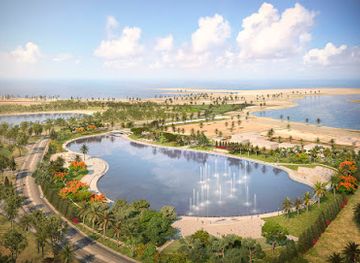
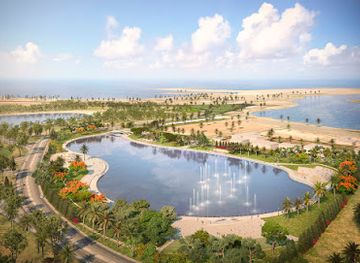
Golden Palm Tree Resort
Experience family fun at Benghazi's Golden Palm Tree Resort, offering entertainment and relaxation by the sea.
-
Park
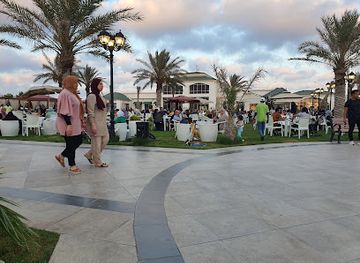
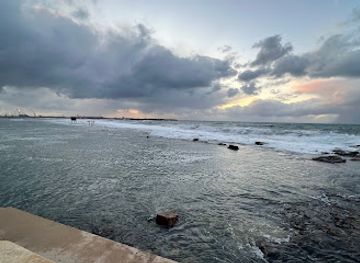
الكورنيش
Experience the vibrant heart of Benghazi at Al Kurnaysh, a beautifully reconstructed waterfront offering stunning Mediterranean views and local culture.
-
Historical place
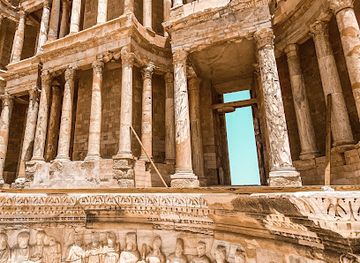
Sabratha Ancient Theatre
Explore the stunning Sabratha Ancient Theatre, a remarkably preserved Roman coastal landmark and UNESCO World Heritage Site in Libya.
Best landmarks in Cyrenaica
-
Tourist attraction
Benghazi Zoo
Explore Benghazi Zoo, a captivating combination of wildlife and greenery in Libya, perfect for families and nature enthusiasts alike.
-
Historical landmark
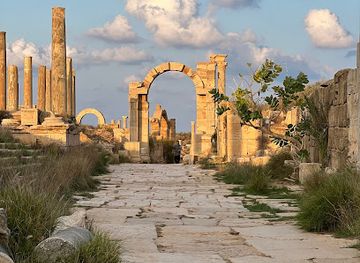
Leptis Magna
Explore Leptis Magna, a UNESCO World Heritage Site that showcases the grandeur of ancient Roman civilization amidst stunning coastal beauty.
-
Tourist attraction
Golden Palm Tree Resort
Experience the perfect blend of relaxation and adventure at Golden Palm Tree Resort in Benghazi, where hospitality meets stunning natural beauty.
-
International airport
Misrata International Airport
Discover Libya through Misrata International Airport - your gateway to stunning landscapes, rich history, and vibrant culture.


Explore Cyrenaica on the map
Plan your trip on one map. See where the top cities, national parks and sights are, and book hotels and experiences in a few clicks.
Best hotels in Cyrenaica
Best restaurants in Cyrenaica
-
Chophouse restaurant
Brisket
Savor the finest cuts at Brisket - Western Fwayhat's premier chophouse restaurant offering delicious meats in a vibrant setting.
-
Fast Food
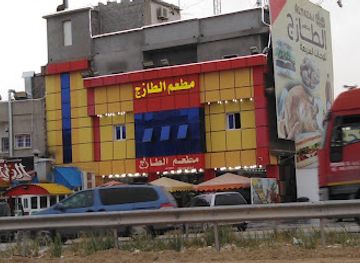
مطعم الطازج
Experience authentic Libyan fast food at مطعم الطازج in Misrata - where freshness meets flavor!
-
Restaurant
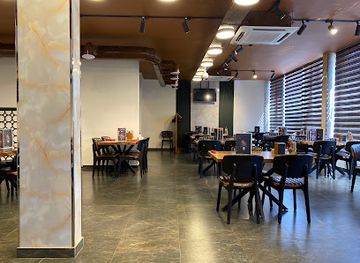
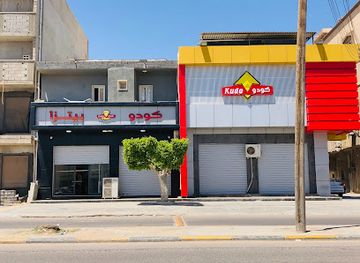
Kudo Restaurant
Experience authentic Libyan flavors at Kudo Restaurant in Misrata – where tradition meets culinary excellence.
-
Restaurant
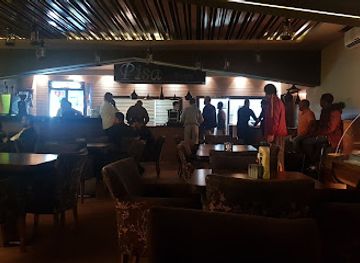
PISA مطعم بيزا
Discover the flavors of Libya at PISA Restaurant in Benghazi – where tradition meets modern dining in a cozy atmosphere.
Best bars in Cyrenaica
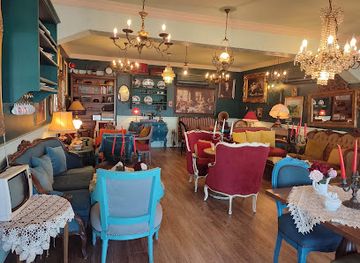
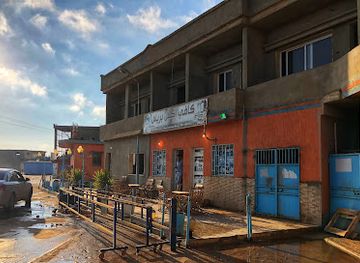
Cyrenaica does not have a conventional bar and nightclub culture: Libya is predominantly Muslim, and alcohol is restricted and not part of ordinary public hospitality. Evening life centres instead on cafés, tea rooms, family restaurants, bakeries and informal gatherings, especially in Benghazi and other larger towns. In smaller settlements, activity generally quietens earlier, while private social occasions are more significant than commercial nightlife. Visitors should avoid assuming that venues described informally as cafés operate late or provide services familiar from European destinations. Security restrictions, local sensitivities and changing conditions also affect evening movement, so going out after dark should be discussed with a trusted local host and should never involve restricted districts, political gatherings or improvised excursions.
-
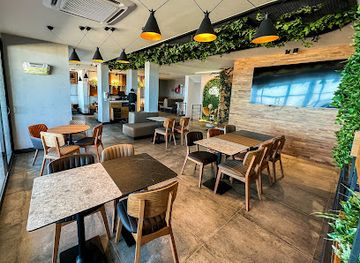
Cafe
At Home Cafe
Experience the heart of Libyan hospitality at At Home Cafe in Tripoli, serving delightful breakfasts and aromatic coffees in a cozy atmosphere.
-
Restaurant
Taknis Restaurant إستراحة تاكنس
Discover the unique tastes of Taknis at Taknis Restaurant, where local delicacies meet warm hospitality in a cozy setting.
-
Cafe
dipndip Libya
Experience the best of Tripoli at dipndip Libya, where exquisite desserts meet stunning seaside views in a charming café setting.
-
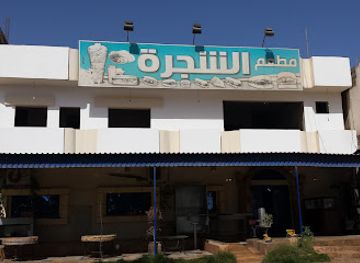
Restaurant
Tree Restaurant مطعم الشجرة
Discover the flavors of Libya at Tree Restaurant, where traditional cuisine meets modern dining in Al Marj.
Best nightclubs in Cyrenaica
-
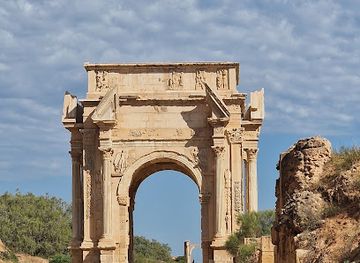
Historical landmark
Leptis Magna
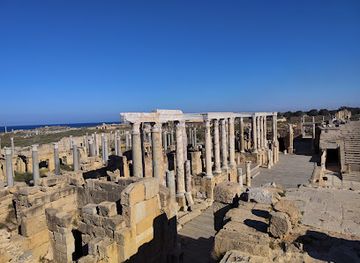
Explore Leptis Magna, a UNESCO World Heritage site, where ancient Roman architecture meets captivating history in stunning coastal surroundings.
-
Archaeological museum
Leptis Magna Museum
Uncover the ancient treasures of Libya at Leptis Magna Museum, a premier archaeological destination showcasing the splendor of Roman history.
-
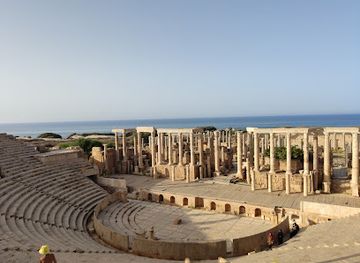
Historical landmark
The Amphitheatre of Leptis Magna
Discover the breathtaking Amphitheatre of Leptis Magna, a stunning historical landmark showcasing the glory of ancient Roman architecture and culture.
-
Lounge
Al Yamamah Hall for Wedding
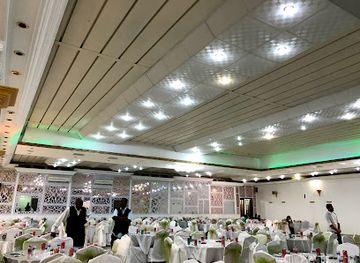
Experience elegance and celebration at Al Yamamah Hall, Benghazi's premier venue for unforgettable weddings and special events.
Best shops in Cyrenaica
Shopping in Cyrenaica is primarily practical and local rather than centred on large international retail districts. Benghazi has the region’s widest selection of shops, bakeries, food markets, clothing businesses and household goods, while Bayda, Derna and Tobruk serve their surrounding communities with smaller high streets and market areas. Useful regional purchases include dates, olives, olive oil, spices, sweets, woven goods and modest craft items, although quality and provenance should be checked carefully. Traditional market shopping may involve negotiation, but visitors should remain courteous and avoid photographing stalls or people without permission. Archaeological objects, fossils and old coins should never be purchased: removing or exporting cultural material from Libya can be illegal and may support damage to heritage sites. Outside the main towns, retail choice is limited, so carry essential supplies before travelling to the Jebel Akhdar or remote ruins.
-
Homeopathic pharmacy
Libya Pharmacy
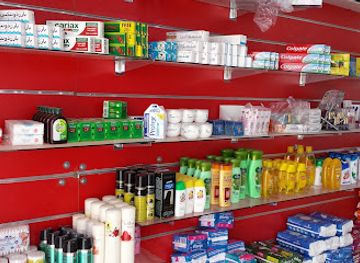
Explore the world of natural healing at Libya Pharmacy, your destination for homeopathic remedies and holistic health solutions in Al Bayyadah.
-
Electronics store
Tokens for mobile phone
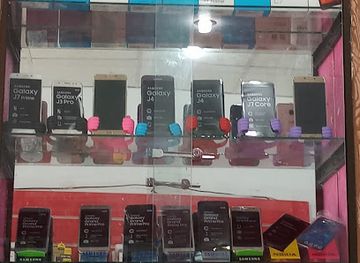
Explore the vibrant electronics scene in Taknis at Tokens for Mobile Phones, your destination for mobile accessories and gadgets.
-
 Home goods store
Zaytouneh Shops For Building Materials
Explore Zaytouneh Shops in Taknis for top-notch building materials, expert advice, and a friendly shopping experience.
-
Gift shop
Turquoise store - متجر تركواز
Explore the Turquoise Store in Tripoli for unique handcrafted gifts that capture the essence of Libyan culture.
Get your free copy of our complete guide to Cyrenaica, delivered straight to you.
Everything on this page, from attractions and restaurants to essentials and local phrases, in one PDF you can read offline, print or share.
Already have an account? Sign in
Your Cyrenaica guide is ready.
We'll send it to · Not you? Sign out

Getting your guide ready…
We are putting together a fresh copy of the Cyrenaica guide. This can take up to a minute.
This can take a few moments. If your browser asks, choose Allow so the download can start. You'll find the guide in your Downloads folder.
Nothing happened? Download it again
Sorry, the guide is taking longer than usual. Please try again in a minute, or get it by email instead.
Cyrenaica essentials
Currency and Payment
Safety
Emergency Situations
Do's and Don'ts
Local Tips
From Eve
Local phrases worth knowing
You don't need to get them perfect. A few words go a long way, and locals appreciate the effort.
Basics
| English | Local | Say it |
|---|---|---|
| Hello | مرحبا | [Marhaba] |
| Goodbye | مع السلامة | [Ma'a as-salama] |
| Yes | نعم | [Na'am] |
| No | لا | [La] |
| Please/You're welcome | من فضلك | [Min fadlik] |
| Thank you | شكرا | [Shukran] |
| Excuse me/Sorry | عفوا | [Afwan] |
| How are you? | كيف حالك؟ | [Kayfa halak?] |
| Fine. And you? | بخير. وأنت؟ | [Bikhayr. Wa anta?] |
| Do you speak English? | هل تتحدث الإنجليزية؟ | [Hal tatahadath al-ingliziyya?] |
| I don't understand | لا أفهم | [La afham] |
Eating & Drinking
| English | Local | Say it |
|---|---|---|
| I'd like to see the menu, please | أود رؤية القائمة، من فضلك | [Awad ru'yat al-qa'ima, min fadlik] |
| I don't eat meat | أنا لا آكل اللحم | [Ana la akul al-lahm] |
| Cheers! | في صحتك! | [Fi sihatak!] |
| I would like to pay, please | أود الدفع، من فضلك | [Awad ad-daf', min fadlik] |
Emergencies
| English | Local | Say it |
|---|---|---|
| Help! | مساعدة! | [Musaa'ada!] |
| Go away! | ابتعد! | [Ibta'id!] |
| Call the Police! | اتصل بالشرطة! | [Ittasil bil-shurta!] |
| Call a doctor! | اتصل بطبيب! | [Ittasil bi-tabeeb!] |
| I'm lost | أنا ضائع | [Ana dae'a] |
| I'm ill | أنا مريض | [Ana marid] |
Shopping
| English | Local | Say it |
|---|---|---|
| I'd like to buy... | أود شراء... | [Awad shira'] |
| I'm just looking | أنا فقط أنظر | [Ana faqat anzur] |
| How much is it? | كم ثمنه؟ | [Kam thamanuh?] |
| That's too expensive | هذا مكلف جدا | [Hatha mukallaf jiddan] |
| Can you lower the price? | هل يمكنك خفض السعر؟ | [Hal yumkinuka khafd as-si'r?] |
Time & Numbers
| English | Local | Say it |
|---|---|---|
| What time is it? | كم الساعة؟ | [Kam as-sa'a?] |
| It's one o'clock | الساعة الواحدة | [As-sa'a al-wahidah] |
| Half past (10) | نصف الساعة (10) | [Nisf as-sa'a (10)] |
| Morning | صباحا | [Sabahaan] |
| Afternoon | بعد الظهر | [Ba'd al-duhr] |
| Evening | مساءا | [Masa'an] |
| Yesterday | أمس | [Ams] |
| Today | اليوم | [Al-yawm] |
| Tomorrow | غدا | [Ghadan] |
| 1 | 1 | [1] |
| 2 | 2 | [2] |
| 3 | 3 | [3] |
| 4 | 4 | [4] |
| 5 | 5 | [5] |
| 6 | 6 | [6] |
| 7 | 7 | [7] |
| 8 | 8 | [8] |
| 9 | 9 | [9] |
| 10 | 10 | [10] |
Transport & Directions
| English | Local | Say it |
|---|---|---|
| Where's a/the...? | أين...؟ | [Ayn...?] |
| What's the address? | ما هو العنوان؟ | [Ma huwa al-'unwan?] |
| Can you show me (on the map)? | هل يمكنك أن تريني (على الخريطة)؟ | [Hal yumkinuka an turini (ala al-kharita)?] |
| When's the next (bus)? | متى تأتي الحافلة التالية؟ | [Mata ta'ti al-hafilah at-taliya?] |
| A ticket (to ....) | تذكرة (إلى ...) | [Tadhkirah (ila ...)] |
History of Cyrenaica
Greek Cyrene and the Pentapolis, from the seventh century BC
Greek settlers from Thera established Cyrene in the Jebel Akhdar during the seventh century BC. The city became the leading centre of a group of five Greek cities known as the Pentapolis, which also included Apollonia, Euesperides, Barca and Taucheira. Cyrene prospered through agriculture, trade and its position between the Mediterranean and the African interior. Its temples, theatres, sanctuaries and necropolis demonstrate the scale of Greek urban culture in eastern Libya, while its intellectual life produced figures such as the philosopher Aristippus and the medical writer Soranus of Cyrene.
Ptolemaic and Roman Cyrenaica
After the death of Alexander the Great, Cyrenaica came under Ptolemaic influence and later became a Roman province. Roman administration brought new roads, civic buildings, baths and legal structures, while the existing Greek cities retained much of their language and urban character. Apollonia served as Cyrene’s maritime outlet, and Ptolemais grew into an important administrative and commercial centre. Jewish communities were also significant in the region, although tensions contributed to the major revolts and destruction that affected Cyrenaica in the second century AD.
Late antiquity and Byzantine Christianity
Earthquakes, political upheaval and changing trade patterns weakened the ancient cities, but Cyrenaica remained an important Mediterranean province during late antiquity. Christianity became firmly established, and urban centres acquired basilicas, baptisteries and elaborate mosaic floors. The churches at Qasr Libya preserve some of the finest surviving examples of this period in eastern Libya. Byzantine control eventually contracted as Arab armies entered North Africa in the seventh century, beginning a long transformation in language, administration, religion and settlement.
Arab, Ottoman and regional Cyrenaican rule
Following the Arab conquest, Cyrenaica became part of successive Islamic polities linked to Egypt and the wider Maghreb. Coastal towns and inland communities experienced changing degrees of central control, while pastoral and agricultural societies remained important beyond the ports. Ottoman authority was re-established in the region in the sixteenth century, though its practical reach varied. Derna, Benghazi and the eastern ports developed as commercial centres, and the Jebel Akhdar continued to support farming, grazing and settlement in contrast to the surrounding arid lands.
Italian conquest and the Senussi resistance, 1911–1943
Italy invaded Ottoman Libya in 1911 and gradually imposed colonial rule over Cyrenaica through military campaigns, forced relocations and harsh controls. The Senussi order, which had established deep religious and social networks in the region, became the principal focus of organised resistance. Omar al-Mukhtar led resistance forces in the Jebel Akhdar and adjoining districts until his capture and execution by the Italians in 1931. His legacy remains central to Libyan historical memory, while Italian roads, administrative buildings and military sites form part of the region’s contested colonial landscape.
The Second World War and Tobruk
Cyrenaica became a major theatre of the North African campaign during the Second World War. Tobruk was besieged by Axis forces in 1941 and became internationally associated with the defence conducted by Allied and Commonwealth troops. Benghazi, the Jebel Akhdar and the coastal corridor changed hands repeatedly during the campaigns of 1941 and 1942. Military cemeteries, memorials and battlefield landscapes remain reminders of the conflict, although access and security conditions vary and many locations are not developed as conventional tourist sites.
Independence, monarchy and modern conflict
The United Kingdom of Libya became independent in 1951 under King Idris, whose Senussi base was in Cyrenaica and whose family had strong regional connections. Benghazi served as one of the kingdom’s principal capitals alongside Tripoli. The 1969 revolution replaced the monarchy with Muammar Gaddafi’s republic, and eastern Libya remained politically important despite centralisation. Benghazi was a starting point of the 2011 uprising, after which armed conflict and divided governance profoundly affected the region. The effects remain relevant to travel, infrastructure, conservation and everyday mobility.
Cyrenaica in Photos
Browse through our photo collection highlighting the charm and character of the destination.
Neighbouring regions of Cyrenaica
The closest regions to Cyrenaica, if you have time for more than one.
-

-

-

-

-


Swipe for more regions
Explore more

Explore more of Libya
Discover Libya: Ancient ruins, vast deserts, and Mediterranean charm await in this North African gem.
Explore Libya