

Free Murzuq Desert Travel Guide & Mobile App
Explore Murzuq Desert with free travel guides. Discover regional history, expert tips, proposed trips, and audio guides on web or mobile app.


Explore Libya's Murzuq Desert for vast dunes, ancient Garamantian heritage, remote oases and the extraordinary lakes of the Ubari Sand Sea.
Read more about Murzuq Desert
When is the best time to visit Murzuq Desert?
Best: March–April, November · 22–28°C| Month | High (°C) | Rainfall (mm) |
|---|---|---|
| January | 15 | 2 |
| February | 18 | 2 |
| March (best) | 22 | 2 |
| April (best) | 28 | 1 |
| May | 33 | 1 |
| June | 37 | 1 |
| July | 40 | 1 |
| August | 40 | 1 |
| September | 36 | 1 |
| October | 30 | 1 |
| November (best) | 24 | 2 |
| December | 17 | 2 |
Getting to and around Murzuq Desert
How to get there
Transportation
Destinations in Murzuq Desert
Resorts, valleys and scenic spots worth a trip of their own.

Swipe for more destinations
Best attractions in Murzuq Desert
-
Park
حديقة حي العروبة
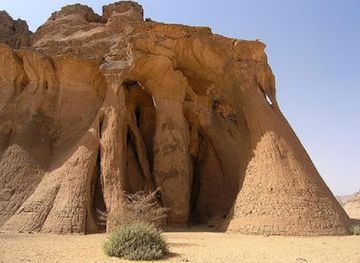
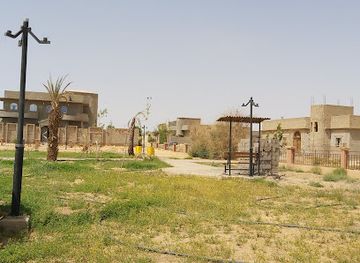
Experience the tranquility of Ghat at Hay Al Aruba Park, a serene escape for relaxation and cultural observation.
-
Tourist attraction
ساحة الوفاء البركت
Experience local life at Al Wafa Square in Al Birkah, Libya – a public space reflecting the heart of the community.
-
-
Garden
حديقة عامة
A green oasis in Al Burkat, offering a peaceful retreat for locals and visitors seeking a moment of relaxation and community connection.


Best landmarks in Murzuq Desert
Murzuq's most significant built landmark is the remnant of its historic fort, a reminder of the town's former administrative and strategic importance on Fezzan's caravan routes. The wider old settlement preserves traces of the urban life that grew around trade, defence and oasis agriculture, although its condition and accessibility require local confirmation. At Garama, near modern Germa in the Wadi al Hayaa, archaeological remains provide the region's clearest physical link with the Garamantian civilisation, whose settlements and underground water systems supported agriculture in an exceptionally dry environment. The Ubari Sand Sea supplies the desert's most recognisable natural landmarks: high dune fields and the contrasting water surfaces of lakes such as Gabraoun and Umm al-Maa. These places are geographically dispersed and may be affected by security restrictions, weather and environmental change. The Tadrart Acacus, with its rock shelters and prehistoric art, is a distinct landmark area on the wider western margins of the Fezzan and should be described as a separate excursion rather than folded casually into Murzuq town's heritage.
-
Tourist attraction
Wadi Matkhendush
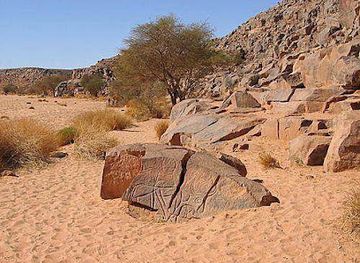
Discover the stunning natural beauty of Wadi Matkhendush in Libya, where breathtaking landscapes and rich biodiversity await your exploration.
Explore Murzuq Desert on the map
Plan your trip on one map. See where the top cities, national parks and sights are, and book hotels and experiences in a few clicks.
Best hotels in Murzuq Desert
Best restaurants in Murzuq Desert
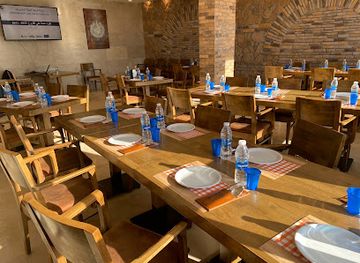
Dining in the Murzuq Desert is shaped by limited infrastructure, oasis settlements and the requirements of overland travel rather than by a developed restaurant scene. In Murzuq and other southern towns, visitors are likely to encounter simple eateries, cafés and family-run cooking based on staples such as bread, couscous, rice, pasta, legumes, vegetables and meat. Dates and other palm-oasis products are important local foods, while tea is central to hospitality and desert travel. Expedition groups normally rely on provisions purchased in advance and meals prepared by their drivers, cooks or hosts, with fresh supplies becoming less predictable as routes move into the dunes. Menus are generally part of wider Libyan and Saharan food traditions rather than a distinct cuisine exclusive to the Murzuq Desert. Visitors should communicate dietary needs early, carry suitable supplementary food and avoid assuming that remote lakes or archaeological sites have cafés, shops or reliable drinking-water supplies.
-
Lebanese
Fattoush Lebanese Restaurant
Discover authentic Lebanese flavors at Fattoush Lebanese Restaurant in Tripoli – where tradition meets taste.
-
-
Seafood
Rubian Restuarant
Experience exquisite seafood dining at Rubian Restaurant in Tripoli - where fresh flavors meet stunning ambiance.
-
Restaurant
Aldyafa Restaurant
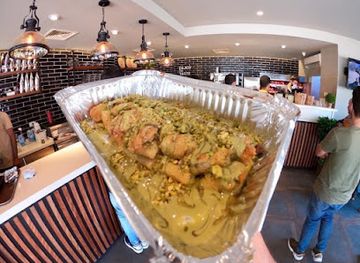
Experience authentic Libyan cuisine at Aldyafa Restaurant in Tripoli - where flavor meets hospitality.

Best bars in Murzuq Desert
The Murzuq Desert does not have a conventional bar or nightclub culture, and evening life is concentrated in homes, cafés, guest settings and the social spaces of larger settlements. Alcohol is inappropriate and may be illegal under local regulations and social expectations. In Murzuq, tea, conversation and shared meals are more relevant to the visitor experience than commercial nightlife, while in remote camps the evening usually centres on food, navigation planning and observing the desert sky. Any cafés or eateries operating in southern towns may have changing hours and limited services, so they should not be treated as dependable late-night venues. Visitors should respect local customs, dress modestly and follow the guidance of hosts, drivers and security coordinators rather than seeking nightlife in isolated areas.
-
Shopping mall
سوق ليبيا مرسى مطروح - Marsa Matrouh
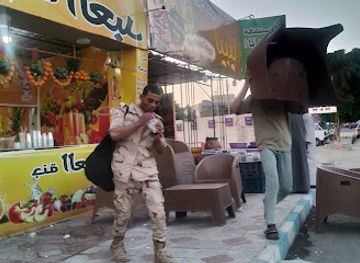
Explore the vibrant Marsa Matrouh Market for a taste of local culture, delicious food, and unique shopping experiences in Egypt's coastal gem.
-
Lebanese
Fattoush Lebanese Restaurant
Explore the flavors of Lebanon at Fattoush Restaurant, Tripoli's culinary treasure, offering a delightful array of authentic dishes in a cozy setting.
-
Hamburger
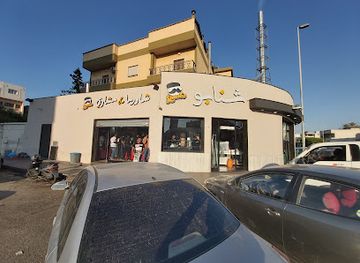
Shenabu Zawiya Dahmani restaurant
Discover the delightful hamburgers and local flavors at Shenabu Zawiya Dahmani, a culinary gem in the heart of Tripoli.
-
Cafe
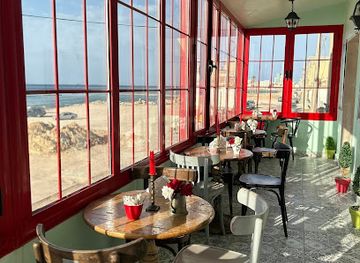
At Home Cafe
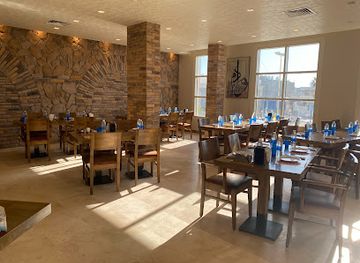
Discover the warmth and flavors of Tripoli at At Home Cafe, where breakfast becomes a delightful experience to savor.
Best nightclubs in Murzuq Desert
The Murzuq Desert does not have a conventional bar or nightclub culture, and evening life is concentrated in homes, cafés, guest settings and the social spaces of larger settlements. Alcohol is inappropriate and may be illegal under local regulations and social expectations. In Murzuq, tea, conversation and shared meals are more relevant to the visitor experience than commercial nightlife, while in remote camps the evening usually centres on food, navigation planning and observing the desert sky. Any cafés or eateries operating in southern towns may have changing hours and limited services, so they should not be treated as dependable late-night venues. Visitors should respect local customs, dress modestly and follow the guidance of hosts, drivers and security coordinators rather than seeking nightlife in isolated areas.
-
 Night club
Walter Black cucina roba blu
Unleash your spirit at Walter Black Cucina Roba Blu, Murzuq's ultimate night club for an unforgettable nightlife experience filled with music and dance.
Best shops in Murzuq Desert
Shopping in the Murzuq Desert is practical and locally focused rather than based on a formal tourist retail industry. Murzuq and other oasis settlements may offer basic food shops, markets, fuel and household goods, but stock, opening arrangements and payment facilities can be inconsistent. Travellers should buy bottled water, fuel, food, sun protection, medicines and vehicle supplies before leaving a larger regional centre. Dates and other oasis produce, when available, are useful regional purchases, while textiles, household items and small craft goods may be found through local markets or personal recommendations rather than dedicated souvenir streets. Archaeological objects, fossils and rock fragments should never be bought or removed, since trade in cultural material damages the region's heritage and may breach local or international law. Secure any desired crafts or food products through reputable local hosts and leave sufficient capacity for essential expedition supplies.
-
Shopping mall
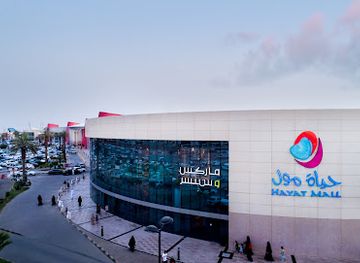
Hayat Mall
Experience the essence of shopping and entertainment at Hayat Mall - Riyadh's vibrant destination for local and international brands.
-
Shopping mall
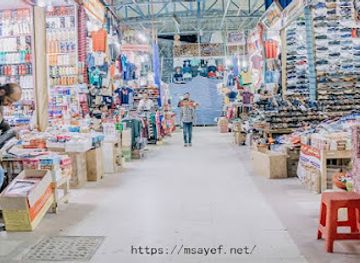
سوق ليبيا مرسى مطروح - Marsa Matrouh
Discover the lively Mersa Matrouh Market, a shopping paradise brimming with local crafts, fresh produce, and authentic Egyptian culture.
-
Shopping mall
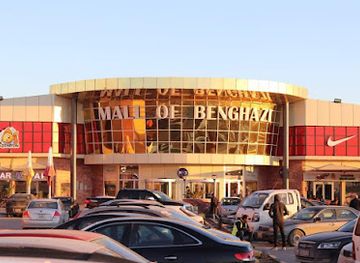
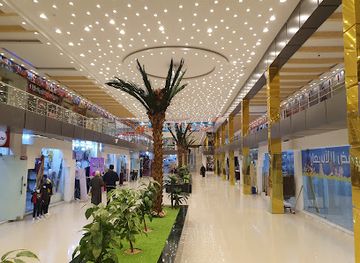
Mall Of Benghazi
Discover diverse shopping, dining, and entertainment at the Mall of Benghazi, the city's vibrant retail hub that celebrates local culture and international flair.
-
Shopping mall
Budzirh Mall
Explore the vibrant Budzirh Mall in Benghazi, where shopping, dining, and entertainment converge in a lively atmosphere.
Get your free copy of our complete guide to Murzuq Desert, delivered straight to you.
Everything on this page, from attractions and restaurants to essentials and local phrases, in one PDF you can read offline, print or share.
Already have an account? Sign in
Your Murzuq Desert guide is ready.
We'll send it to · Not you? Sign out

Getting your guide ready…
We are putting together a fresh copy of the Murzuq Desert guide. This can take up to a minute.
This can take a few moments. If your browser asks, choose Allow so the download can start. You'll find the guide in your Downloads folder.
Nothing happened? Download it again
Sorry, the guide is taking longer than usual. Please try again in a minute, or get it by email instead.
Murzuq Desert essentials
Currency and Payment
Safety
Emergency Situations
Do's and Don'ts
Local Tips
From Eve
Local phrases worth knowing
You don't need to get them perfect. A few words go a long way, and locals appreciate the effort.
Basics
| English | Local | Say it |
|---|---|---|
| Hello | مرحبا | [Marhaban] |
| Goodbye | وداعا | [Wadaa'an] |
| Yes | نعم | [Na'am] |
| No | لا | [La] |
| Please/You're welcome | من فضلك | [Min fadlik] |
| Thank you | شكرا | [Shukran] |
| Excuse me/Sorry | عفوا | [Afwan] |
| How are you? | كيف حالك؟ | [Kayfa halak?] |
| Fine. And you? | بخير. وأنت؟ | [Bikhayr. Wa anta?] |
| Do you speak English? | هل تتحدث الإنجليزية؟ | [Hal tatahadath al'ingliziyya?] |
| I don't understand | لا أفهم | [La afham] |
Eating & Drinking
| English | Local | Say it |
|---|---|---|
| I'd like to see the menu, please | أود رؤية القائمة، من فضلك | [Awad ru'yat al-qaimah, min fadlik] |
| I don't eat meat | لا أأكل اللحم | [La akul al-lahm] |
| Cheers! | في صحتك! | [Fi sihatak!] |
| I would like to pay, please | أود الدفع، من فضلك | [Awad al-daf', min fadlik] |
Emergencies
| English | Local | Say it |
|---|---|---|
| Help! | مساعدة! | [Musa'adah!] |
| Go away! | ابتعد! | [Ibt'id!] |
| Call the Police! | اتصل بالشرطة! | [Ittasil bil-shurta!] |
| Call a doctor! | اتصل بالطبيب! | [Ittasil bil-tabib!] |
| I'm lost | أنا ضائع | [Ana da'i'] |
| I'm ill | أنا مريض | [Ana marid] |
Shopping
| English | Local | Say it |
|---|---|---|
| I'd like to buy... | أود شراء... | [Awad shira'] |
| I'm just looking | أنا فقط أنظر | [Ana faqat anzur] |
| How much is it? | كم ثمنه؟ | [Kam thamanuh?] |
| That's too expensive | هذا مكلف جدا | [Hatha mukallaf jiddan] |
| Can you lower the price? | هل يمكنك تخفيض السعر؟ | [Hal yumkinuka takhfid al-si'r?] |
Time & Numbers
| English | Local | Say it |
|---|---|---|
| What time is it? | كم الساعة؟ | [Kam al-saa'ah?] |
| It's one o'clock | الساعة واحدة | [Al-saa'ah wahidah] |
| Half past (10) | نصف الساعة (10) | [Nisf al-saa'ah (10)] |
| Morning | صباحا | [Sabahan] |
| Afternoon | بعد الظهر | [Ba'd al-zahr] |
| Evening | مساءا | [Masa'an] |
| Yesterday | أمس | [Ams] |
| Today | اليوم | [Al-yawm] |
| Tomorrow | غدا | [Ghad'an] |
| 1 | 1 | [1] |
| 2 | 2 | [2] |
| 3 | 3 | [3] |
| 4 | 4 | [4] |
| 5 | 5 | [5] |
| 6 | 6 | [6] |
| 7 | 7 | [7] |
| 8 | 8 | [8] |
| 9 | 9 | [9] |
| 10 | 10 | [10] |
Transport & Directions
| English | Local | Say it |
|---|---|---|
| Where's a/the...? | أين...؟ | [Ayn...?] |
| What's the address? | ما هو العنوان؟ | [Ma huwa al-'unwan?] |
| Can you show me (on the map)? | هل يمكنك أن تريني (على الخريطة)؟ | [Hal yumkinuka an turini (ala al-kharita)?] |
| When's the next (bus)? | متى الحافلة القادمة؟ | [Mata al-hafila al-qadima?] |
| A ticket (to ....) | تذكرة (إلى....) | [Tadhkira (ila....)] |
History of Murzuq Desert
Early Oasis Communities and Prehistoric Sahara
The Fezzan preserves evidence of human occupation from periods when the Sahara was considerably wetter than it is today. Rock art, ancient routes and settlement traces show that communities moved through and inhabited landscapes now dominated by dunes and stony desert. These early remains are important because they record changing climates, pastoral life and the long relationship between people, water and seasonal movement. Many sites are remote and vulnerable to erosion, unregulated collecting and damage, making responsible access and local guidance essential.
The Garamantian Civilisation
From roughly the first millennium BCE, the Garamantes developed an organised oasis civilisation in the Fezzan, with its main centre at Garama near modern Germa in the Wadi al Hayaa. They cultivated crops using underground channels known as foggaras, managed date-palm oases and participated in trade across the Sahara. Their settlements interacted with Mediterranean powers, including Rome, while retaining a distinct regional culture. Archaeological remains around Garama and other Fezzan oases provide the clearest historical context for understanding how agriculture and urban life were sustained in this arid environment.
Trans-Saharan Trade and Islamic Fezzan
After the decline of the Garamantian political system, oasis communities in the Fezzan continued to serve as waypoints linking North Africa with the central Sahara and lands farther south. The spread of Islam reshaped political authority, law, scholarship and everyday life, while caravan trade carried salt, metals, textiles, livestock and other goods along routes that shifted according to water and security. Murzuq's position helped make it an important settlement in this network. The desert was never empty: its routes depended on detailed local knowledge of wells, wadis and seasonal conditions.
Murzuq as a Regional Political Centre
Murzuq became one of the principal political and commercial centres of Fezzan, particularly during the Ottoman period and into the nineteenth century. Its fortifications, markets and administrative role reflected the town's position within the wider caravan economy. Although changing trade patterns and modern transport reduced the importance of camel routes, the town remained a significant southern Libyan settlement. Remnants of its historic built environment, together with oasis agriculture and old routes across the surrounding desert, preserve evidence of this period of regional influence.
Italian Rule and the Colonial Reordering of Fezzan
Italy invaded Ottoman Libya in 1911 and gradually extended its control over the country's inland regions, although authority in the Fezzan was contested and uneven. Colonial rule altered administration, military movement and commercial connections, while local communities continued to negotiate, resist or adapt to outside power. The desert's distance from the Mediterranean coast made control difficult and gave transport corridors considerable strategic importance. The colonial period also formed part of the political background to the later creation of the modern Libyan state.
The Fezzan in Modern Libya
Following independence in 1951, the Fezzan became one of Libya's three historic regions alongside Tripolitania and Cyrenaica. Modern roads, state administration, communications and the expansion of the oil economy connected southern settlements more closely to the rest of the country, but remote communities continued to face long distances and limited services. The 2011 conflict and subsequent insecurity have affected travel, local governance, archaeological protection and access across southwestern Libya. Any contemporary visit must therefore recognise that the desert's cultural and natural importance exists alongside serious logistical and security constraints.
Murzuq Desert in Photos
Browse through our photo collection highlighting the charm and character of the destination.
Neighbouring regions of Murzuq Desert
The closest regions to Murzuq Desert, if you have time for more than one.
-

-

-

-

-


Swipe for more regions
Explore more

Explore more of Libya
Discover Libya: Ancient ruins, vast deserts, and Mediterranean charm await in this North African gem.
Explore Libya