

Free Ubari Travel Guide & Mobile App
Explore Ubari with free travel guides. Discover regional history, expert tips, proposed trips, and audio guides on web or mobile app.


Explore Ubari in Libya’s Fezzan for vast dunes, fragile desert lakes, oasis culture and Tuareg heritage, with careful security planning.
Read more about Ubari
When is the best time to visit Ubari?
Best: February–March, November · 21–25°C| Month | High (°C) | Rainfall (mm) |
|---|---|---|
| January | 17 | 1 |
| February (best) | 21 | 1 |
| March (best) | 25 | 1 |
| April | 32 | 1 |
| May | 37 | 1 |
| June | 41 | 0 |
| July | 43 | 0 |
| August | 42 | 0 |
| September | 38 | 1 |
| October | 33 | 1 |
| November (best) | 24 | 1 |
| December | 18 | 1 |
Getting to and around Ubari
How to get there
Transportation
Best attractions in Ubari
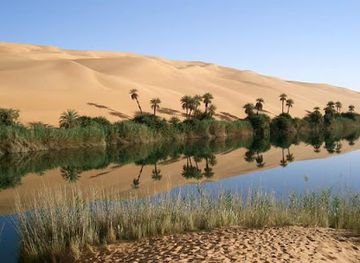
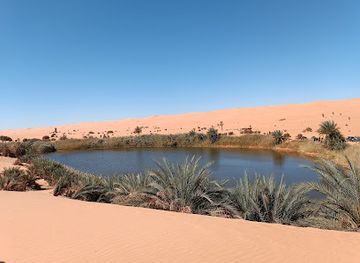
Ubari’s attractions are primarily landscapes and cultural environments rather than developed visitor facilities. The Ubari lakes, including Mandara, Um al-Maa and Gabraoun, lie among the dunes of the Erg Awbari and are valued for the contrast between water, palms, salt margins and immense sand ridges. Their exact condition and accessibility can change, so they should be approached as fragile desert sites rather than guaranteed recreational facilities. The dunes themselves offer opportunities for carefully managed four-wheel-drive excursions, landscape photography and night-sky observation, provided that local security and environmental guidance permit travel. Within and around the oasis, visitors can learn about date cultivation, groundwater dependence and Tuareg cultural traditions through arranged local encounters. The wider Fezzan also contains archaeological remains, rock art and traces of ancient settlement, although many are remote, unprotected or unsuitable for casual exploration. There are no assumptions to make about marked trails, rescue services, visitor centres or regular guided excursions; specialist local organisation is fundamental.
-
Salt lake Awbari
Discover the mesmerizing Salt Lake Awbari: a hidden oasis in the Libyan Sahara, rich in history, culture, and stunning natural beauty.
-
Ubari Sand Sea
Discover the surreal beauty of Libya's Ubari Sand Sea: Towering dunes meet shimmering saline lakes in the heart of the Sahara Desert.

Best landmarks in Ubari
The most recognisable landmarks around Ubari are natural rather than monumental. Um al-Maa is known for its water set within towering dunes, while Mandara and Gabraoun provide other striking examples of isolated Saharan lakes bordered by palms, sand and mineral-streaked ground. Their visual character has made them symbols of the Fezzan, but changing water conditions and environmental pressure mean that photographs and descriptions from earlier years may no longer represent what visitors find. The Erg Awbari itself is a defining geographical landmark: its long ridges and shifting corridors explain both the region’s isolation and the routes used by generations of desert travellers. Archaeological traces in the wider oasis landscape, including ancient settlement remains and irrigation features associated with the history of Fezzan, are historically important but often lack signs, conservation infrastructure or secure public access. No site should be entered or photographed without local permission and current security guidance.
-
Tourist attraction
بحيرة مافو Mafou lake
Explore the tranquil beauty of Mafou Lake, a serene oasis in Libya perfect for relaxation, nature walks, and unforgettable photography.
Explore Ubari on the map
Plan your trip on one map. See where the top cities, national parks and sights are, and book hotels and experiences in a few clicks.
Best hotels in Ubari
Best restaurants in Ubari
Dining in Ubari is centred on local households, simple cafés and practical meals arranged through accommodation providers or desert teams rather than a formal restaurant scene. Cuisine reflects wider Libyan and Saharan traditions, with dishes based on couscous, rice, bread, vegetables, dates and meat, alongside tea served in the customary social setting. Oasis produce, particularly dates, is important, although supplies and variety depend on deliveries from larger towns and seasonal availability. Visitors travelling to the lakes should arrange provisions in advance and should not expect reliable access to restaurants or shops in remote desert areas. In local settings, eating is often part of hospitality and social exchange, so dietary requirements should be explained clearly before departure. Bottled or treated water is essential, and food brought into the dunes should be stored securely and all packaging removed. The region’s culinary interest lies in its relationship with oasis agriculture, caravan routes and household hospitality rather than in a developed fine-dining industry.
-
Restaurant
Athar Restaurant
Discover authentic Libyan cuisine at Athar Restaurant in Tripoli - where every dish tells a story.

Best bars in Ubari
Ubari does not have a conventional bar or nightclub culture. Alcohol is illegal in Libya, and evening social life is more likely to centre on family visits, cafés, tea, conversation and community gatherings than on licensed nightlife. In the warmer months, outdoor evening activity may become more comfortable after sunset, while desert excursions can include quiet stargazing when security, weather and local arrangements allow. Cafés and simple eateries may serve tea, coffee and soft drinks, but hours, availability and atmosphere are not dependable enough to plan around. Visitors should follow local guidance on mixed-gender socialising, photography and appropriate behaviour, particularly in smaller communities. Any evening excursion beyond the town requires the same security planning as daytime travel, including a driver, communication equipment, lighting and a clear return arrangement.
-
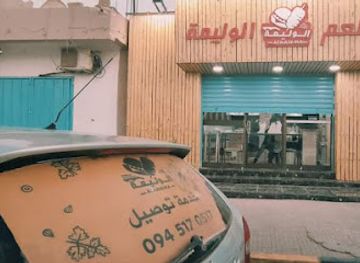
Alwalima restaurant
Discover the vibrant flavors of Libyan cuisine at Alwalima restaurant in Ubari, a must-visit for an authentic dining experience.
-
Jafar 2 fast food restaurant
Discover the vibrant taste of Libyan cuisine at Jafar 2 Fast Food Restaurant, where traditional flavors meet modern dining in Tsawah Wadi Otbh.
-
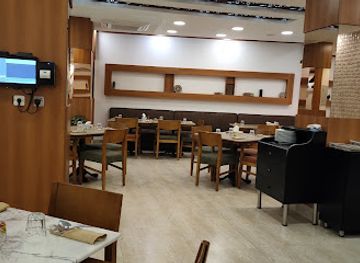
Rooftop Caffe and Bakery - روف توب كافي
Experience the charm of Rooftop Caffe and Bakery, a culinary haven in Benghazi with stunning views and delicious offerings.
-
Fast Food
عمر بن العاص
Explore the authentic taste of Libya at عمر بن العاص, where traditional dishes meet warm hospitality in the heart of Germa.
Best nightclubs in Ubari
Ubari does not have a conventional bar or nightclub culture. Alcohol is illegal in Libya, and evening social life is more likely to centre on family visits, cafés, tea, conversation and community gatherings than on licensed nightlife. In the warmer months, outdoor evening activity may become more comfortable after sunset, while desert excursions can include quiet stargazing when security, weather and local arrangements allow. Cafés and simple eateries may serve tea, coffee and soft drinks, but hours, availability and atmosphere are not dependable enough to plan around. Visitors should follow local guidance on mixed-gender socialising, photography and appropriate behaviour, particularly in smaller communities. Any evening excursion beyond the town requires the same security planning as daytime travel, including a driver, communication equipment, lighting and a clear return arrangement.
-
Maternity hospital
كوخ الصويري
Discover the electrifying nightlife of Zliten at كوخ الصويري, where music, dance, and vibrant energy come together for an unforgettable experience.
-
 Maternity hospital
مصحة النوران
مصحة النوران in Ubari: A trusted maternity hospital offering dedicated care and support for expectant mothers and their families.
Best shops in Ubari
Shopping in Ubari is limited and practical, with small local shops and market-style trading providing food, household goods, clothing, fuel-related supplies and everyday necessities rather than a dedicated tourist retail district. Dates and other oasis products may be available seasonally, while textiles, clothing and handmade items connected with Tuareg and Saharan traditions can sometimes be obtained through local contacts. Visitors should buy such goods respectfully and confirm provenance, ownership and prices without assuming that every desert-themed object is locally made. There is little reason to expect comprehensive supplies, reliable card payments or a broad selection of specialist equipment, so medicines, communications equipment, sun protection and desert essentials should be purchased before entering the region. Souvenirs should never include archaeological material, fossils, stones or objects taken from the dunes. Any commercial activity may be affected by security, transport and supply conditions, making advance preparation more important than last-minute browsing.
-
Shopping mall
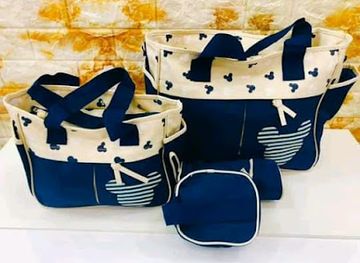
️Baby shop
Discover Ubari's Baby Shop, where quality baby products and accessories meet friendly service in a vibrant shopping atmosphere.
Get your free copy of our complete guide to Ubari, delivered straight to you.
Everything on this page, from attractions and restaurants to essentials and local phrases, in one PDF you can read offline, print or share.
Already have an account? Sign in
Your Ubari guide is ready.
We'll send it to · Not you? Sign out

Getting your guide ready…
We are putting together a fresh copy of the Ubari guide. This can take up to a minute.
This can take a few moments. If your browser asks, choose Allow so the download can start. You'll find the guide in your Downloads folder.
Nothing happened? Download it again
Sorry, the guide is taking longer than usual. Please try again in a minute, or get it by email instead.
Ubari essentials
Currency and Payment
Safety
Emergency Situations
Do's and Don'ts
Local Tips
From Eve
Local phrases worth knowing
You don't need to get them perfect. A few words go a long way, and locals appreciate the effort.
Basics
| English | Local | Say it |
|---|---|---|
| Hello | مرحباً | [Marhaban] |
| Goodbye | إلى اللقاء | [Ila al-liqaa] |
| Yes | نعم | [Na'am] |
| No | لا | [La] |
| Please/You're welcome | من فضلك | [Min fadlik] |
| Thank you | شكراً | [Shukran] |
| Excuse me/Sorry | عذراً | [Udhraan] |
| How are you? | كيف حالك؟ | [Kayfa halak?] |
| Fine. And you? | بخير، وأنت؟ | [Bikhayr, wa anta?] |
| Do you speak English? | هل تتحدث الإنجليزية؟ | [Hal tatahadath al-ingliziyya?] |
| I don't understand | لا أفهم | [La afham] |
Eating & Drinking
| English | Local | Say it |
|---|---|---|
| I'd like to see the menu, please | أود رؤية القائمة، من فضلك | [Awad ru'yat al-qa'ima, min fadlik] |
| I don't eat meat | لا أتناول اللحم | [La atanaawal al-lahm] |
| Cheers! | صحة | [Sihha] |
| I would like to pay, please | أود الدفع، من فضلك | [Awad al-daf', min fadlik] |
Emergencies
| English | Local | Say it |
|---|---|---|
| Help! | نجدة! | [Najda!] |
| Go away! | ابتعد! | [Ibt'id!] |
| Call the Police! | اتصل بالشرطة! | [Ittasil bil-shurta!] |
| Call a doctor! | اتصل بالطبيب! | [Ittasil bil-tabeeb!] |
| I'm lost | أنا ضائع | [Ana da'i'] |
| I'm ill | أنا مريض | [Ana marid] |
Shopping
| English | Local | Say it |
|---|---|---|
| I'd like to buy... | أود شراء... | [Awad shira'a...] |
| I'm just looking | أنا فقط أنظر | [Ana faqat anzur] |
| How much is it? | كم سعره؟ | [Kam si'ruhu?] |
| That's too expensive | هذا مكلف جداً | [Hatha mukallif jidan] |
| Can you lower the price? | هل يمكنك خفض السعر؟ | [Hal yumkinuka khafd al-si'r?] |
Time & Numbers
| English | Local | Say it |
|---|---|---|
| What time is it? | كم الساعة؟ | [Kam al-saa'a?] |
| It's one o'clock | الساعة الواحدة | [Al-saa'a al-wahidah] |
| Half past (10) | نصف بعد (10) | [Nisf ba'd (10)] |
| Morning | صباح | [Sabah] |
| Afternoon | بعد الظهر | [Ba'd al-zhuhr] |
| Evening | مساء | [Masa'] |
| Yesterday | أمس | [Ams] |
| Today | اليوم | [Al-yawm] |
| Tomorrow | غداً | [Ghadan] |
| 1 | واحد | [Wahid] |
| 2 | اثنان | [Ithnain] |
| 3 | ثلاثة | [Thalatha] |
| 4 | أربعة | [Arba'a] |
| 5 | خمسة | [Khamsa] |
| 6 | ستة | [Sitta] |
| 7 | سبعة | [Sab'a] |
| 8 | ثمانية | [Thamaniya] |
| 9 | تسعة | [Tis'a] |
| 10 | عشرة | [Ashara] |
Transport & Directions
| English | Local | Say it |
|---|---|---|
| Where's a/the...? | أين هو/هي...؟ | [Ayn huwa/hiya...?] |
| What's the address? | ما هو العنوان؟ | [Ma huwa al-unwan?] |
| Can you show me (on the map)? | هل يمكنك أن تُريني (على الخريطة)؟ | [Hal yumkinuka an turini (ala al-kharita)?] |
| When's the next (bus)? | متى سيكون الباص التالي؟ | [Mata sayakoon al-bas al-tali?] |
| A ticket (to ....) | تذكرة (إلى....) | [Tadhkira (ila....)] |
History of Ubari
Garamantian Fezzan and ancient oasis settlement
The wider Fezzan was the centre of the Garamantian civilisation, which flourished in the central Sahara during antiquity. Garamantian communities developed oasis agriculture using underground water channels known as foggaras, established fortified settlements and participated in long-distance trade linking the Mediterranean with sub-Saharan Africa. Archaeological remains across the Fezzan, including settlements, burial grounds and irrigation traces, demonstrate that the desert supported complex societies rather than being an empty barrier. The precise relationship between individual ruins around Ubari and particular Garamantian settlements requires specialist interpretation, but the region forms part of this broader archaeological landscape.
Caravan routes across the central Sahara
For centuries, routes through the Fezzan connected the Mediterranean coast with oases and markets farther south. Caravans carried commodities including salt, dates, textiles and other goods, while oasis communities supplied water, food and animal fodder. Ubari’s position beside the Erg Awbari placed it within a network of passages shaped by dunes, wells and seasonal knowledge. These routes also encouraged linguistic and cultural exchange among Arab, Tuareg and other Saharan communities. Their legacy remains visible in the importance of local route knowledge and in the enduring economic and social links between scattered settlements.
Islamisation and the consolidation of oasis communities
Islam spread through the Fezzan over several centuries through trade, scholarship, migration and political contact with North African states. Mosques, tombs, Islamic schools and customary systems gradually became central to oasis life, while local communities retained distinct languages and social traditions. Around Ubari, settlement patterns continued to depend on dependable groundwater, palm cultivation and access to caravan tracks. The region’s cultural identity therefore developed through interaction between indigenous Saharan traditions and wider Islamic and North African influences rather than through a single political transformation.
Ottoman and Italian rule in the Fezzan
The Fezzan was incorporated into the Ottoman province of Tripolitania before Italy invaded Libya in 1911. Italian authority in the interior was contested and uneven, and military campaigns, resistance and shifting alliances affected oasis communities across southern Libya. Colonial rule brought new administrative boundaries, military posts and transport priorities, but it did not erase older caravan networks or local authority. The later incorporation of Libya into the Italian colonial state left an important, and often difficult, historical legacy that is distinct from the older Saharan history of Ubari.
Post-independence Libya and the development of Fezzan
After Libya became independent in 1951, the Fezzan remained one of the country’s least densely populated regions, with communities concentrated around oases and transport corridors. Improved roads, state administration and modern communications gradually connected towns such as Ubari with Sabha and northern Libya. Oil development elsewhere in the country influenced national finances and migration, but desert settlements continued to depend on limited water resources and public services. These changes brought greater mobility while also intensifying the importance of groundwater, fuel distribution and reliable links across very large distances.
Conflict, reconciliation and contemporary pressures
The political upheaval that began in 2011 affected the Fezzan deeply, and Ubari became associated with armed conflict between Tuareg and Tebu forces during the mid-2010s. A local peace agreement helped reduce the fighting, but the wider south remains politically fragmented and security conditions can change quickly. In parallel, the Ubari lakes and oasis environment face pressure from evaporation, groundwater extraction, drought and infrastructure limitations. Contemporary Ubari is therefore shaped by both cultural resilience and serious practical challenges involving security, water, transport and regional governance.
Ubari in Photos
Browse through our photo collection highlighting the charm and character of the destination.
Neighbouring regions of Ubari
The closest regions to Ubari, if you have time for more than one.
-

-

-

-

-


Swipe for more regions
Explore more

Explore more of Libya
Discover Libya: Ancient ruins, vast deserts, and Mediterranean charm await in this North African gem.
Explore Libya