

Free Wadi al Shatii Travel Guide & Mobile App
Explore Wadi al Shatii with free travel guides. Discover regional history, expert tips, proposed trips, and audio guides on web or mobile app.


Wadi al Shatii reveals Libya’s remote Fezzan through oasis settlements, desert horizons, palm gardens and the enduring geography of Saharan travel.
Read more about Wadi al Shatii
When is the best time to visit Wadi al Shatii?
Best: March–April, November · 23–28°C| Month | High (°C) | Rainfall (mm) |
|---|---|---|
| January | 17 | 4 |
| February | 19 | 4 |
| March (best) | 24 | 4 |
| April (best) | 28 | 3 |
| May | 32 | 1 |
| June | 36 | 0 |
| July | 39 | 0 |
| August | 39 | 0 |
| September | 35 | 1 |
| October | 30 | 2 |
| November (best) | 23 | 4 |
| December | 18 | 4 |
Getting to and around Wadi al Shatii
How to get there
Transportation
Explore Wadi al Shatii on the map
Plan your trip on one map. See where the top cities, national parks and sights are, and book hotels and experiences in a few clicks.
Best hotels in Wadi al Shatii
Best restaurants in Wadi al Shatii
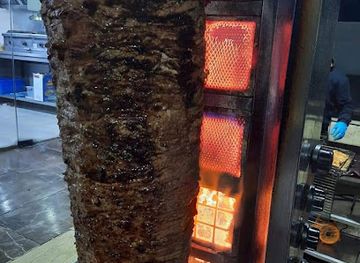
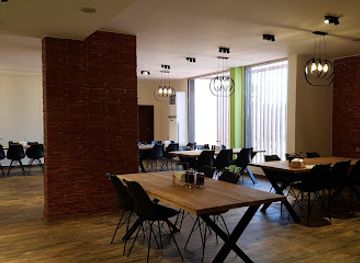
Dining in Wadi al Shatii is straightforward and community-based, with meals shaped by southern Libyan and wider Saharan traditions rather than by a specialised restaurant scene. Visitors are likely to encounter couscous, rice dishes, soups, breads, dates and grilled or stewed meat, together with tea and strong coffee served in homes, modest cafés or local eating places. Dates and other oasis produce are important to the valley’s agricultural identity, although availability varies by season and settlement. Brak and the larger communities offer the best chance of finding prepared food, while journeys beyond the inhabited corridor require provisions and water to be arranged in advance. Hospitality may be extended through local contacts, but guests should follow their host’s guidance and mention dietary restrictions clearly. There is little reason to expect international menus, formal fine dining or dependable card payment. Food shopping is generally more practical in larger southern centres before entering the valley, and travellers should avoid wasting water or food in an environment where both are comparatively precious.
-
Restaurant
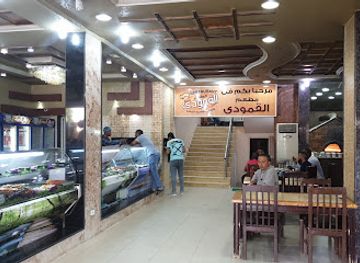
القمودي Turkish Restaurant Sabha
Savor authentic Turkish cuisine at القمودي Turkish Restaurant in Sabha - where tradition meets taste.
-
Indian
مطعم زعفران - Zafaran Restaurant
Experience the vibrant flavors of Indian, Afghan, and Pakistani cuisine at Zafaran Restaurant in Benghazi.
-
Cafe
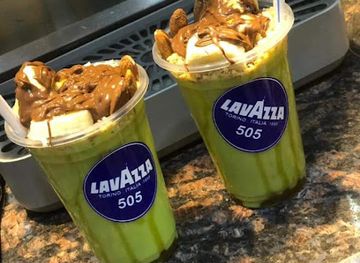
LAVAZZA Cafe
Discover the inviting atmosphere and exquisite flavors at Lavazza Cafe in Sabhā - where every sip tells a story.
-
Hookah bar
Restaurant Acacus
Experience the essence of Libyan hospitality at Restaurant Acacus – where delicious cuisine meets serene relaxation.
Best bars in Wadi al Shatii
Wadi al Shatii does not have a conventional bar or nightclub culture. Libya is a Muslim country where alcohol is prohibited, and evening social life in the valley is more likely to centre on family visits, tea, cafés, private hospitality and conversation than on commercial nightlife. Small cafés or local meeting places may remain active after sunset, particularly in larger settlements, but opening arrangements and facilities are variable and should not be assumed. The desert environment also makes darkness a practical consideration: remote travel after nightfall is inadvisable, and many visitors will spend evenings at their accommodation or with a trusted local host. Those seeking theatre, live entertainment or a broader choice of restaurants would need to look to larger Libyan cities, not Wadi al Shatii. Visiting respectfully means avoiding public behaviour that conflicts with local religious or social expectations and remembering that hospitality is not a substitute for permission to photograph people or private gatherings.
-
Lounge
مطعم حكايه
Discover authentic Libyan flavors at مطعم حكايه in Sabhā, a culinary treasure offering a delightful dining experience.
-
مطعم التركي Turkish Restaurant
Savor authentic Turkish dishes in the heart of Sabhā at مطعم التركي, where rich flavors and warm hospitality await every visitor.
-
Steak House Restaurant
Experience the best of Libyan steaks at Sabhā's Steak House Restaurant, where flavor meets tradition in every bite.
-
Lounge
مطعم مقدوري
Discover the flavors of Libya at مطعم مقدوري, where authentic cuisine meets warm hospitality in the heart of Sabhā.


Best shops in Wadi al Shatii
Shopping in Wadi al Shatii is limited and practical, centred on small local shops, provisions, tea, dates, household goods and supplies for onward travel rather than on a dedicated tourist retail district. Brak al-Shati is the most plausible place within the region to obtain everyday necessities, but visitors needing specialist equipment, substantial food stocks, fuel planning or reliable communications supplies should arrange these in Sabha or another larger centre before arrival. Dates and locally available agricultural produce can provide appropriate regional purchases when bought through local contacts and in season. Handicrafts and textiles may occasionally be available through personal networks, but they should not be assumed to form a permanent market. Bargaining practices vary, and respectful purchasing is preferable to pressing sellers over small amounts. Do not remove archaeological objects, stones or desert artefacts as souvenirs, and check transport and customs rules before taking agricultural products or locally made items across borders.
-
Shopping mall
Hamza market for materials Algdaiah
Discover the vibrant Hamza Market in Algdaiah, where local craftsmanship and unique materials come together in a lively shopping experience.
-

Nakalat alazahri
Discover the rich flavors of Libyan coffee at Nakalat alazahri, a cozy coffee shop that offers a warm atmosphere and delightful pastries.
-
محلات وادي الشاطئ للمواد البناء_
Discover the vibrant building materials market in Wadi Al-Shati, a hub of local craftsmanship and construction supplies in Libya.
Get your free copy of our complete guide to Wadi al Shatii, delivered straight to you.
Everything on this page, from attractions and restaurants to essentials and local phrases, in one PDF you can read offline, print or share.
Already have an account? Sign in
Your Wadi al Shatii guide is ready.
We'll send it to · Not you? Sign out

Getting your guide ready…
We are putting together a fresh copy of the Wadi al Shatii guide. This can take up to a minute.
This can take a few moments. If your browser asks, choose Allow so the download can start. You'll find the guide in your Downloads folder.
Nothing happened? Download it again
Sorry, the guide is taking longer than usual. Please try again in a minute, or get it by email instead.
Wadi al Shatii essentials
Currency and Payment
Safety
Emergency Situations
Do's and Don'ts
Local Tips
From Eve
Local phrases worth knowing
You don't need to get them perfect. A few words go a long way, and locals appreciate the effort.
Basics
| English | Local | Say it |
|---|---|---|
| Hello | مرحبا | [Marhaba] |
| Goodbye | وداعا | [Wada'an] |
| Yes | نعم | [Na'am] |
| No | لا | [La] |
| Please/You're welcome | من فضلك | [Min fadlik] |
| Thank you | شكرا | [Shukran] |
| Excuse me/Sorry | عفوا | [Afwan] |
| How are you? | كيف حالك؟ | [Kayfa halak?] |
| Fine. And you? | بخير. وانت؟ | [Bikhayr. Wa anta?] |
| Do you speak English? | هل تتحدث الإنجليزية؟ | [Hal tatahadath al-ingliziyya?] |
| I don't understand | لا أفهم | [La afham] |
Eating & Drinking
| English | Local | Say it |
|---|---|---|
| I'd like to see the menu, please | أود رؤية القائمة، من فضلك | [Awad ru'yat al-qaimah, min fadlik] |
| I don't eat meat | لا أتناول اللحم | [La atanawal al-lahm] |
| Cheers! | في صحتك! | [Fi sihtak!] |
| I would like to pay, please | أود الدفع، من فضلك | [Awad al-daf', min fadlik] |
Emergencies
| English | Local | Say it |
|---|---|---|
| Help! | مساعدة! | [Musa'ada!] |
| Go away! | ابتعد! | [Ibt'ead!] |
| Call the Police! | اتصل بالشرطة! | [Ittasil bil-shurta!] |
| Call a doctor! | اتصل بطبيب! | [Ittasil bi-tabeeb!] |
| I'm lost | أنا ضائع | [Ana da'i'] |
| I'm ill | أنا مريض | [Ana marid] |
Shopping
| English | Local | Say it |
|---|---|---|
| I'd like to buy... | أود شراء... | [Awad shira'] |
| I'm just looking | أنا فقط أنظر | [Ana faqat anzur] |
| How much is it? | كم ثمنه؟ | [Kam thamanuh?] |
| That's too expensive | هذا مكلف جدا | [Hatha mukallaf jidan] |
| Can you lower the price? | هل يمكنك تخفيض السعر؟ | [Hal yumkinuka takhfid al-si'r?] |
Time & Numbers
| English | Local | Say it |
|---|---|---|
| What time is it? | كم الساعة؟ | [Kam al-saa'a?] |
| It's one o'clock | الساعة الواحدة | [Al-saa'a al-wahidah] |
| Half past (10) | العاشرة والنصف | [Al-'ashirah wal-nisf] |
| Morning | صباحا | [Sabahan] |
| Afternoon | بعد الظهر | [Ba'd al-zuhur] |
| Evening | مساء | [Masa'a] |
| Yesterday | أمس | [Ams] |
| Today | اليوم | [Al-yawm] |
| Tomorrow | غدا | [Ghadan] |
| 1 | واحد | [Wahid] |
| 2 | اثنان | [Ithnan] |
| 3 | ثلاثة | [Thalatha] |
| 4 | أربعة | [Arba'a] |
| 5 | خمسة | [Khamsa] |
| 6 | ستة | [Sitta] |
| 7 | سبعة | [Sab'a] |
| 8 | ثمانية | [Thamaniya] |
| 9 | تسعة | [Tis'a] |
| 10 | عشرة | [Ashara] |
Transport & Directions
| English | Local | Say it |
|---|---|---|
| Where's a/the...? | أين...؟ | [Ayn...?] |
| What's the address? | ما هو العنوان؟ | [Ma huwa al-'unwan?] |
| Can you show me (on the map)? | هل يمكنك أن تريني (على الخريطة)؟ | [Hal yumkinuka an turini (ala al-kharita)?] |
| When's the next (bus)? | متى يأتي (الباص) التالي؟ | [Mata yati (al-bas) al-tali?] |
| A ticket (to ...) | تذكرة (إلى ...) | [Tadhkara (ila ...)] |
History of Wadi al Shatii
Early Oasis Settlement and Saharan Trade
Wadi al Shatii developed within the chain of inhabited corridors that made settlement possible in Fezzan. Wells, seasonal drainage and cultivated pockets supported communities in an otherwise arid environment, while routes through the central Sahara connected local producers and caravan travellers with larger markets. Archaeological evidence across Fezzan demonstrates long occupation and changing patterns of settlement, though individual sites in Wadi al Shatii should be interpreted by qualified specialists rather than assigned automatically to a single civilisation.
The Garamantian World
From roughly the first millennium BC into the early centuries AD, the Garamantes created a powerful Saharan society centred on Fezzan. Their economy depended on oasis agriculture, underground water channels in some areas, livestock, craft production and long-distance exchange. The best-known Garamantian remains lie around the wider Fezzan region, particularly near the former centres of Germa and the Wadi al-Ajal, rather than forming a single monumental complex in Wadi al Shatii. Their legacy nevertheless provides essential context for understanding the valley’s ancient settlement geography.
Islamisation and Medieval Caravan Networks
Islam spread through Fezzan over several centuries, becoming embedded in local institutions, scholarship, law and settlement life. Under successive North African and Saharan powers, oasis communities remained linked to caravan routes carrying goods, livestock and people across the desert. Mosques, wells, cultivated palm areas and market relationships formed the practical infrastructure of this world. Wadi al Shatii’s importance came less from a single capital than from its place within a network of settlements dependent on water and movement.
Ottoman Administration in Fezzan
The Ottoman Empire reasserted authority over Libya during the nineteenth century, although effective control in the interior varied and relied on relationships with local leaders and communities. Fezzan’s distance from the Mediterranean coast made administration difficult, while caravan commerce and oasis politics remained central to local life. The period helped connect the valley more formally with Ottoman provincial structures, but it did not erase the importance of established local networks, tribal relationships and the practical authority of settlement communities.
Italian Colonial Rule and the Second World War
Italy’s conquest and administration of Libya altered the region’s political geography and transport connections. Control of Fezzan was contested and remained difficult, particularly during the Second World War, when the Sahara became a strategic theatre linking Libya with the wider North African campaign. Military movements, supply routes and shifting authority affected inland communities. The colonial period also introduced administrative and infrastructural changes, but its legacy is inseparable from coercion, resistance and the broader disruption of Libyan society.
Independence, the Oil Era and Modern Fezzan
After Libyan independence in 1951, the state gradually expanded administrative services, roads and public institutions into the southern interior. Oil revenues transformed national development and increased the strategic importance of routes and resources in Fezzan, while oasis agriculture continued to support local communities. Wadi al Shatii has remained a sparsely populated region whose connections to Sabha and other southern centres are vital. Since 2011, political fragmentation and insecurity have made travel, administration and infrastructure especially variable.
Wadi al Shatii in Photos
Browse through our photo collection highlighting the charm and character of the destination.
Neighbouring regions of Wadi al Shatii
The closest regions to Wadi al Shatii, if you have time for more than one.
-

-

-

-

-


Swipe for more regions
Explore more

Explore more of Libya
Discover Libya: Ancient ruins, vast deserts, and Mediterranean charm await in this North African gem.
Explore Libya