

Free Al-Khums Travel Guide & Mobile App
Explore Al-Khums with free travel guides. Discover regional history, expert tips, proposed trips, and audio guides on web or mobile app.


Al-Khums combines a working Libyan port, Mediterranean landscapes and the monumental Roman ruins of Leptis Magna near Tripoli.
Read more about Al-Khums
When is the best time to visit Al-Khums?
Best: May–June, October · 25–28°C| Month | High (°C) | Rainfall (mm) |
|---|---|---|
| January | 15 | 35 |
| February | 16 | 30 |
| March | 18 | 25 |
| April | 22 | 20 |
| May (best) | 25 | 15 |
| June (best) | 28 | 10 |
| July | 31 | 5 |
| August | 31 | 5 |
| September | 29 | 10 |
| October (best) | 26 | 15 |
| November | 20 | 25 |
| December | 16 | 30 |
Getting to and around Al-Khums
How to get there
Transportation
Top city travel guides in Al-Khums
The cities of Al-Khums, and the easiest places to base yourself.
-

-

-


Swipe for more cities
Best attractions in Al-Khums
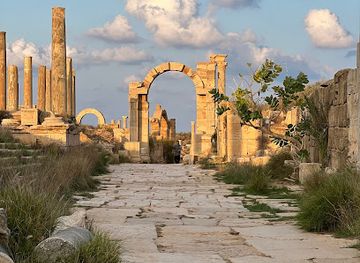
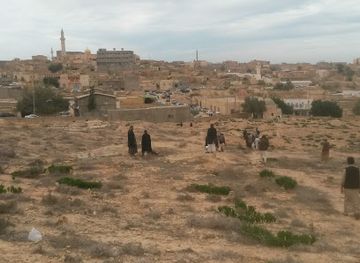
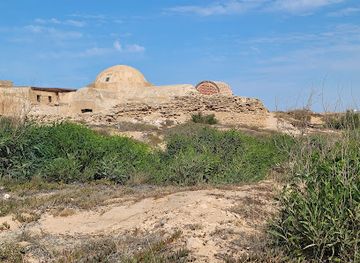
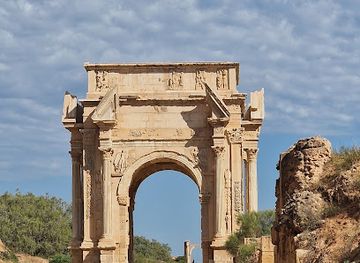
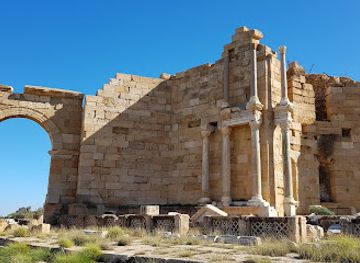
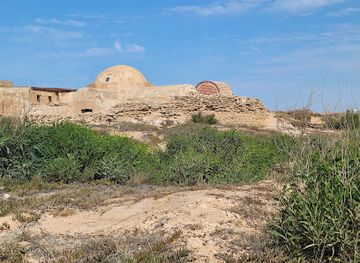
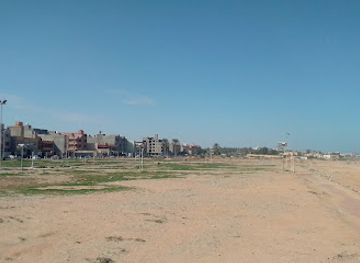
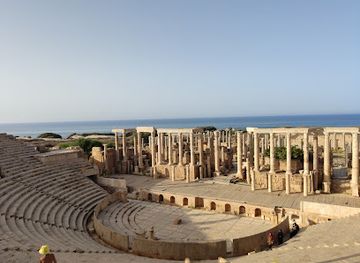
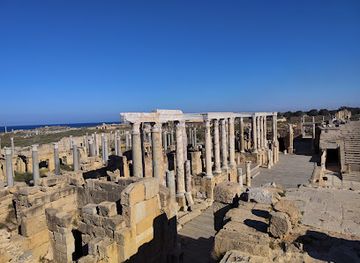
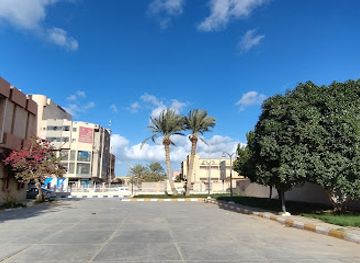
The principal attraction around Al-Khums is Leptis Magna, one of the most extensive Roman archaeological sites in the Mediterranean. Its remains include a theatre, marketplace, basilicas, baths, arches, temples, colonnaded streets and harbour-related structures, allowing visitors to read the ancient city as a connected urban landscape rather than a collection of isolated monuments. The site’s open setting beside the Mediterranean is an important part of its character. Modern Al-Khums provides a contrasting experience through its working port, mosques, commercial streets and everyday coastal life. The surrounding area includes cultivated land, palms and dry Mediterranean plains rather than developed resort scenery. Visitors interested in archaeology can spend considerable time examining architectural details and the city’s relationship with maritime trade, while those seeking outdoor recreation should plan for self-sufficient walks in hot, exposed conditions. Facilities, interpretation, transport and opening arrangements may be limited or variable, so current local confirmation and a guide are advisable. The attraction landscape is consequently defined by monumental ancient heritage and the opportunity to observe a living Libyan port, not by a dense network of commercial entertainment.
-
Leptis Magna
Discover the stunningly preserved Roman city of Leptis Magna, a UNESCO World Heritage site on the Libyan coast. Explore ancient history and architecture.
-
Masallatah Center
Escape to tranquility at Masallatah Center, a serene garden oasis in the heart of Msallata, Libya. Perfect for relaxation and nature appreciation.
-
Leptis Magna Museum
Discover the captivating history and cultural heritage of ancient Leptis Magna at this archaeological museum in Khoms, Libya.
-
Villa Celine
Explore the ancient echoes of Villa Celine in Ghunaymah, Libya, and discover the art and luxury of a bygone era.
Best landmarks in Al-Khums
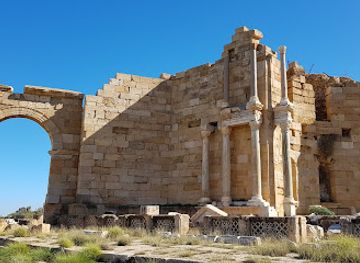
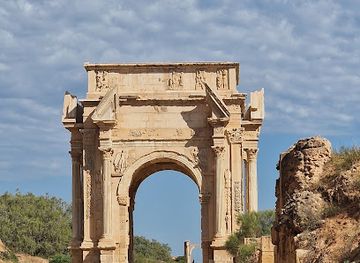
Leptis Magna is the defining landmark of Al-Khums and one of Libya’s most important ancient places. The Severan Basilica and nearby forum express the wealth and imperial connections of the city under Septimius Severus, while the Arch of Septimius Severus marks a principal ceremonial approach. The theatre, built close to the coast, is notable for the relationship between its auditorium, stage architecture and Mediterranean setting. Further remains of the ancient harbour, market, baths and long colonnaded streets show how commerce, public life and imperial representation were organised. The ruins are significant not only for their individual structures but also for their exceptional scale and continuity as an urban landscape. Modern Al-Khums supplies a contrasting set of landmarks: the port, mosques and civic streets belong to a living coastal city rather than an archaeological monument. Because port and security facilities may be restricted, visitors should admire such areas from permitted public viewpoints and avoid photography where officials prohibit it.
-
Historical landmark
Leptis Magna
Explore the majestic ruins of Leptis Magna, a UNESCO World Heritage Site and one of the best-preserved Roman cities in North Africa.
-
Archaeological museum
Leptis Magna Museum
Discover the ancient Roman splendor at Leptis Magna Museum, a UNESCO World Heritage Site in Libya, showcasing remarkable ruins and artifacts.
-
Archaeological site
Villa Celine
Explore the stunning Villa Celine, an archaeological site in Libya that showcases the rich heritage of Roman history amidst breathtaking landscapes.
-
National park
Khums Park
Explore the serene beauty of Khums Park, a national park in Libya perfect for families and nature enthusiasts who seek adventure and tranquility.
Explore Al-Khums on the map
Plan your trip on one map. See where the top cities, national parks and sights are, and book hotels and experiences in a few clicks.
Best hotels in Al-Khums
Best restaurants in Al-Khums
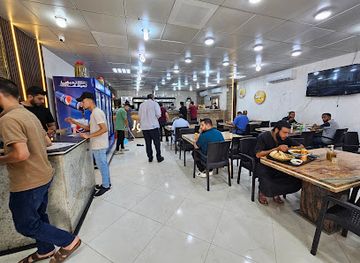
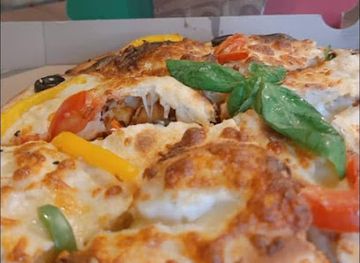
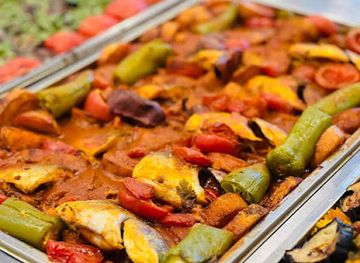
Dining in Al-Khums is rooted in Libyan and wider Tripolitanian cooking, with meals commonly built around bread, couscous, rice, vegetables, pulses, lamb, chicken and seafood from the Mediterranean coast. Local cafés and modest restaurants are more likely to provide practical everyday meals than formal tourist dining, while shared plates and sweet tea reflect the sociable character of regional eating. Dates, olives, olive oil and seasonal produce are important products of the surrounding agricultural landscape. Visitors may encounter dishes such as bazin, a firm barley-based staple served with sauce, although availability varies between establishments and households. Fresh fish can feature in coastal cooking, but menus and supply should not be assumed in advance. Al-Khums has no widely developed international restaurant circuit, so a local contact is useful for identifying currently operating places and understanding payment arrangements. During Ramadan, daytime food service changes substantially, and visitors should observe local expectations around eating and drinking in public.
-
Resort hotel
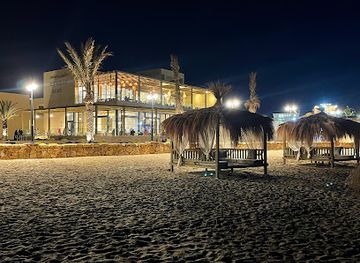
SeaPool Resort منتجع حوض البحر
Discover unparalleled relaxation and exquisite dining at SeaPool Resort in Ghneema – your perfect escape into luxury.
-
Restaurant
Engaza mountains Restaurant النقازة
Discover authentic Libyan cuisine at Engaza Mountains Restaurant, where breathtaking views meet delicious flavors in Ghneema.
-
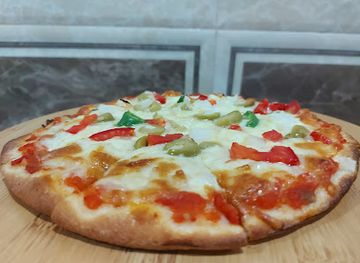
Italian
مطعم نابولي
Experience authentic Italian cuisine at مطعم نابولي in Khoms - where every dish tells a delicious story.
-
Restaurant
Blue Restaurant
Discover the flavors of Libya at Blue Restaurant in Khoms, where traditional dishes meet warm hospitality and stunning coastal views.
Best bars in Al-Khums
Al-Khums does not have a conventional bar-and-nightclub scene aimed at international visitors. Libya is a predominantly Muslim country, and alcohol is not part of ordinary public nightlife. Evening social life is more likely to centre on family visits, cafés, tea, restaurants and informal gatherings, with activity concentrated in the city rather than around a dedicated entertainment district. Some cafés may remain lively after sunset, particularly in warmer weather, but opening patterns and atmosphere can vary. Visitors should dress and behave discreetly, avoid assuming that alcohol is available, and follow local guidance during Ramadan and religious occasions. Night-time movement should be kept practical because security conditions, transport availability and road visibility may be unpredictable. The appeal of an evening in Al-Khums lies in observing local urban life respectfully, not in seeking a resort-style nightlife programme.
-
Restaurant
مقهي ومطعم المعقوله
Experience authentic Libyan cuisine at مقهي ومطعم المعقوله, where tradition meets flavor in a cozy setting.
-
Restaurant
مطعم نابولي
Delight in authentic Italian cuisine at مطعم نابولي, where traditional flavors meet warm hospitality in the heart of Khoms.
-
Blue Restaurant
Experience the best of Libyan cuisine at Blue Restaurant, a must-visit dining spot in Khoms for all travelers.
-
Restaurant
كافي ومطعم راكان
Experience the delightful blend of local cuisine and aromatic coffee at كافي ومطعم راكان in الخمس.
Best nightclubs in Al-Khums
-
Historical landmark
Leptis Magna
Explore Leptis Magna, a UNESCO World Heritage site, where ancient Roman architecture meets captivating history in stunning coastal surroundings.
-
Archaeological museum
Leptis Magna Museum
Uncover the ancient treasures of Libya at Leptis Magna Museum, a premier archaeological destination showcasing the splendor of Roman history.
-
Historical landmark
The Amphitheatre of Leptis Magna
Discover the breathtaking Amphitheatre of Leptis Magna, a stunning historical landmark showcasing the glory of ancient Roman architecture and culture.
-
Performing arts theater
National Teather - Zliten
Discover the cultural heartbeat of Libya at the National Theater in Zliten, a venue rich with artistic performances and local heritage.
Best shops in Al-Khums
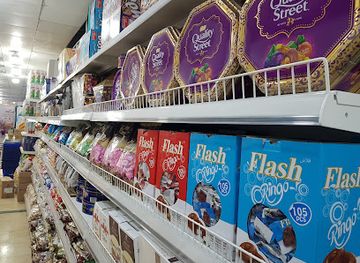
Shopping in Al-Khums is primarily local and practical, with small food shops, bakeries, general stores and market-style retail serving residents rather than a dedicated tourist quarter. Visitors may find dates, olives, olive oil, spices, packed foods and other products associated with the Tripolitanian coast, although quality, packaging and availability vary. Modest cafés and neighbourhood shops provide a more reliable impression of daily commerce than formal souvenir outlets. Traditional crafts and locally made goods may appear through individual sellers, but they should not be presented as standardised regional products without checking their origin. Carry sufficient Libyan dinars because card payment is not dependable, and ask a local contact about reputable shops and appropriate prices. Visitors should not remove archaeological fragments, stones or artefacts from Leptis Magna, and antique purchases require particular caution because cultural-property laws and export restrictions may apply.
-
Shopping mall
مركز تسوق الخمس- المدينة
Explore Khoms Shopping Mall: A vibrant hub for shopping, dining, and a taste of Libyan culture in a modern setting.
-
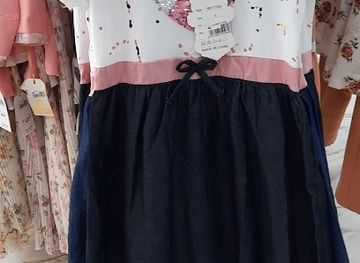
Clothing store
Asheim women's clothing
Explore the latest in women's fashion at Asheim Women's Clothing in Khoms, where style meets quality in a welcoming atmosphere.
-
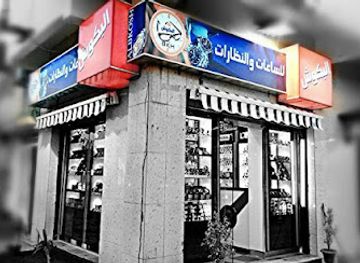
Watch store
Albakoosh for Watches and Sunglasses
Explore exquisite watches and stylish sunglasses at Albakoosh in Khoms, a must-visit destination for fashion and accessory lovers.
-
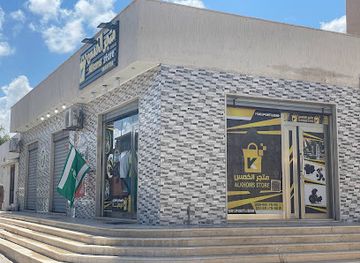
Shopping mall
متجر الخمس Store Alkoms
Discover Alkoms Store in Khoms for an unforgettable shopping experience filled with local flavors and vibrant culture.
Get your free copy of our complete guide to Al-Khums, delivered straight to you.
Everything on this page, from attractions and restaurants to essentials and local phrases, in one PDF you can read offline, print or share.
Already have an account? Sign in
Your Al-Khums guide is ready.
We'll send it to · Not you? Sign out

Getting your guide ready…
We are putting together a fresh copy of the Al-Khums guide. This can take up to a minute.
This can take a few moments. If your browser asks, choose Allow so the download can start. You'll find the guide in your Downloads folder.
Nothing happened? Download it again
Sorry, the guide is taking longer than usual. Please try again in a minute, or get it by email instead.
Al-Khums essentials
Currency and Payment
Safety
Emergency Situations
Do's and Don'ts
Local Tips
From Eve
Local phrases worth knowing
You don't need to get them perfect. A few words go a long way, and locals appreciate the effort.
Basics
| English | Local | Say it |
|---|---|---|
| Hello | مرحبا | [Marhba] |
| Goodbye | وداعا | [Wada'an] |
| Yes | نعم | [Na'am] |
| No | لا | [La] |
| Please/You're welcome | من فضلك | [Min fadlik] |
| Thank you | شكرا | [Shukran] |
| Excuse me/Sorry | عفوا | [Afwan] |
| How are you? | كيف حالك؟ | [Kayfa halak?] |
| Fine. And you? | بخير. وأنت؟ | [Bikhayr. Wa anta?] |
| Do you speak English? | هل تتحدث الإنجليزية؟ | [Hal tatahaddath al-ingliziyya?] |
| I don't understand | لا أفهم | [La afham] |
Eating & Drinking
| English | Local | Say it |
|---|---|---|
| I'd like to see the menu, please | أود رؤية القائمة، من فضلك | [Awad ru'yat al-qa'ima, min fadlik] |
| I don't eat meat | لا آكل اللحم | [La akul al-lahm] |
| Cheers! | في صحتك! | [Fi sihtak!] |
| I would like to pay, please | أود أن أدفع، من فضلك | [Awad an adfa'a, min fadlik] |
Emergencies
| English | Local | Say it |
|---|---|---|
| Help! | نجدة! | [Najda!] |
| Go away! | اذهب بعيدا! | [Idhab ba'idan!] |
| Call the Police! | اتصل بالشرطة! | [Ittasil bil-shurta!] |
| Call a doctor! | اتصل بالطبيب! | [Ittasil bil-tabeeb!] |
| I'm lost | أنا ضائع | [Ana da'i] |
| I'm ill | أنا مريض | [Ana marid] |
Shopping
| English | Local | Say it |
|---|---|---|
| I'd like to buy... | أود أن أشتري... | [Awad an ashtari...] |
| I'm just looking | أنا أتصفح فقط | [Ana atasaffah faqat] |
| How much is it? | كم ثمنه؟ | [Kam thamanuh?] |
| That's too expensive | هذا غالي جدا | [Hatha ghali jidan] |
| Can you lower the price? | هل يمكنك تخفيض السعر؟ | [Hal yumkinuka takhfid al-si'r?] |
Time & Numbers
| English | Local | Say it |
|---|---|---|
| What time is it? | كم الساعة؟ | [Kam al-saa'a?] |
| It's one o'clock | الساعة واحدة | [Al-saa'a wahida] |
| Half past (10) | نصف (10) | [Nisf (10)] |
| Morning | صباح | [Sabah] |
| Afternoon | بعد الظهر | [Ba'd al-zuhur] |
| Evening | مساء | [Masa'] |
| Yesterday | أمس | [Ams] |
| Today | اليوم | [Al-yawm] |
| Tomorrow | غدا | [Ghad] |
| 1 | واحد | [Wahid] |
| 2 | اثنان | [Ithnan] |
| 3 | ثلاثة | [Thalatha] |
| 4 | أربعة | [Arba'a] |
| 5 | خمسة | [Khamsa] |
| 6 | ستة | [Sitta] |
| 7 | سبعة | [Sab'a] |
| 8 | ثمانية | [Thamaniya] |
| 9 | تسعة | [Tis'a] |
| 10 | عشرة | [Ashara] |
Transport & Directions
| English | Local | Say it |
|---|---|---|
| Where's a/the...? | أين...؟ | [Ayn...?] |
| What's the address? | ما هو العنوان؟ | [Ma huwa al-unwan?] |
| Can you show me (on the map)? | هل يمكنك إظهار لي (على الخريطة)؟ | [Hal yumkinuka izhar li (ala al-kharita)?] |
| When's the next (bus)? | متى يأتي (الباص) التالي؟ | [Mata yati (al-bus) al-tali?] |
| A ticket (to ....) | تذكرة (إلى ....) | [Tadhkira (ila ....)] |
History of Al-Khums
Phoenician and Punic Lepcis
The ancient settlement of Lepcis, later known as Leptis Magna, began as a Phoenician foundation on the Tripolitanian coast and developed within the wider Punic world. Its position beside the Mediterranean and near productive hinterland routes supported maritime exchange and agriculture. The settlement was one of the principal urban centres of the region before Roman rule, and its early history explains why the site became more than an isolated provincial town. Punic remains are less visually dominant than the later Roman monuments, but they form the earliest layer of the archaeological landscape near Al-Khums.
Roman Expansion and Urban Development
Lepcis Magna came under Roman influence during the second century BC and was incorporated into the Roman imperial system. Its prosperity rested on trade, agriculture and its position within Tripolitania, while successive building programmes created temples, forums, markets, baths, streets and harbour facilities. The city’s surviving architecture shows how Rome adapted an existing North African settlement rather than creating an entirely new town. Its ruins remain among the most important records of Roman urbanism on the southern Mediterranean shore.
The Severan Age
The city reached its greatest monumental prominence under the emperor Septimius Severus, who was born at Lepcis Magna around AD 145 and ruled Rome from AD 193 to 211. Imperial patronage funded major construction, including an expanded forum, basilica, colonnaded street and other public works. These buildings transformed the city’s appearance and celebrated both imperial power and local prestige. The Severan monuments are the most recognisable historical legacy encountered by visitors near modern Al-Khums.
Late Antiquity and Decline
From late Roman times into the Byzantine period, changing political conditions, regional insecurity and economic pressures affected Leptis Magna. The city continued to be occupied, but its urban life contracted from the scale reached during the Severan era. Earthquakes and later changes in maritime and commercial patterns also contributed to the decline of its monumental centre. By the early medieval period, much of the ancient city had been abandoned or reduced in importance, leaving large architectural remains gradually covered by sand and soil.
Arab-Islamic and Ottoman Tripolitania
Arab-Muslim rule brought Tripolitania into new political, religious and commercial networks from the seventh century onwards. The later history of the Al-Khums area was connected to the wider region of Tripoli rather than to the ancient city’s imperial institutions. Under Ottoman rule, Tripolitania formed part of an important Mediterranean province, and the modern settlement of Al-Khums developed as a port and administrative community beside the ancient ruins. Its position supported maritime trade, agriculture and movement along the coast.
Italian Occupation and Colonial Archaeology
Italy invaded Ottoman Libya in 1911 and subsequently established colonial control over Tripolitania. Roads, ports and administrative infrastructure were developed according to colonial priorities, while Italian archaeologists conducted extensive work at Leptis Magna. Excavation helped reveal the Roman city on a large scale, but it also took place within the unequal political framework of colonial rule. Modern visitors encounter both the ancient monuments and the consequences of the period in which the site was systematically investigated and presented to the outside world.
The Modern Libyan Coast
Libya became independent in 1951, and Al-Khums developed as part of the modern coastal network linking Tripoli with eastern Tripolitania. The city’s contemporary identity is shaped by its port, municipal services, commerce and surrounding agriculture, while Leptis Magna remains a major symbol of Libya’s ancient heritage. Since the political upheaval and conflict that followed 2011, access, infrastructure and security arrangements have varied. Heritage travel therefore depends on current local conditions as much as on the enduring importance of the archaeological site.
Al-Khums in Photos
Browse through our photo collection highlighting the charm and character of the destination.
Neighbouring regions of Al-Khums
The closest regions to Al-Khums, if you have time for more than one.
-

-

-

-

-


Swipe for more regions
Explore more

Explore more of Libya
Discover Libya: Ancient ruins, vast deserts, and Mediterranean charm await in this North African gem.
Explore Libya