

Free Planken Region Travel Guide & Mobile App
Explore Planken Region with free travel guides. Discover regional history, expert tips, proposed trips, and audio guides on web or mobile app.


Planken offers mountain walks, Walser heritage and wide Rhine Valley views in Liechtenstein’s peaceful highland north.
Read more about Planken Region
When is the best time to visit Planken Region?
Best: June–August · 22–24°C| Month | High (°C) | Rainfall (mm) |
|---|---|---|
| January | 4 | 60 |
| February | 6 | 50 |
| March | 9 | 55 |
| April | 14 | 65 |
| May | 18 | 85 |
| June (best) | 22 | 90 |
| July (best) | 24 | 80 |
| August (best) | 24 | 75 |
| September | 20 | 70 |
| October | 14 | 65 |
| November | 8 | 60 |
| December | 5 | 65 |
Getting to and around Planken Region
How to get there
Transportation
Best attractions in Planken Region
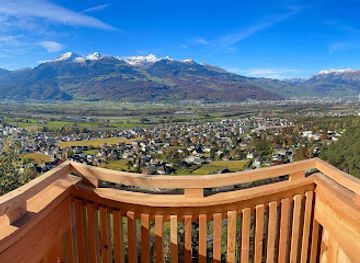
Planken’s attractions are primarily landscape-based and cultural rather than built for mass tourism. The village itself provides a concise introduction to Liechtenstein’s mountain settlements, with traditional houses, farm buildings and the Church of St Joseph arranged along the hillside. Walking paths lead through meadows and woodland to viewpoints above the Rhine Valley, while more demanding routes continue towards the Drei Schwestern mountain area. These higher paths appeal to experienced walkers seeking alpine scenery, but they require suitable equipment and careful weather planning. The municipality’s elevated setting also makes it useful for photography, particularly in clear conditions when the valley floor and distant Swiss Alps are visible. Visitors interested in rural history can observe how cultivation, pasture and settlement have been adapted to steep ground. Planken has few conventional museums or large family attractions, so it works best as part of a broader Liechtenstein itinerary, paired with nearby lowland towns and other mountain communities. Its appeal lies in the transition from a compact historic village to open upland scenery within a short distance.
-
Tourist attraction
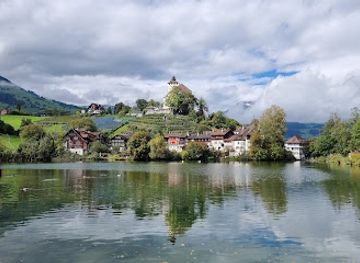
Heididorf
Experience the timeless charm of Heidi's world in the heart of the Swiss Alps. A nostalgic journey for all ages.
-
Castle
Schloss Werdenberg
Explore Schloss Werdenberg, a captivating medieval castle in Switzerland's oldest timber-frame town, offering history, culture, and stunning views.
-
Places of interest
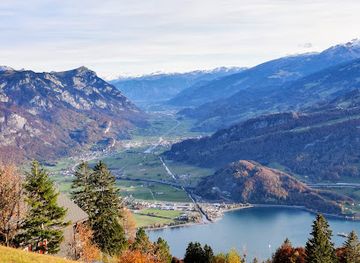
Paxmal
Discover Paxmal, a Swiss monument to peace with stunning views of Lake Walen and the Churfirsten mountains, perfect for reflection and inspiration.
-
Castle
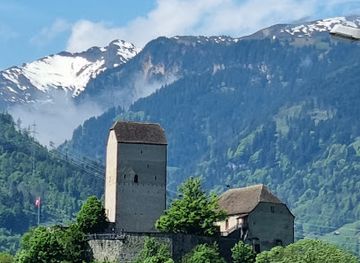
Schloss Sargans
Explore centuries of Swiss history and culture at Schloss Sargans, a majestic castle offering panoramic views and engaging museum exhibits.

Best landmarks in Planken Region
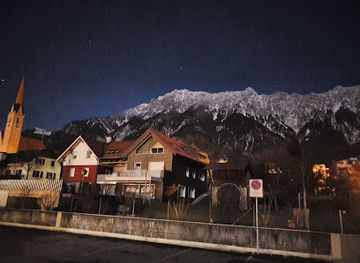
The Church of St Joseph is Planken’s principal architectural landmark, standing as both a visible village feature and a reminder of the parish institutions that shaped mountain communities. Its history reaches back to the eighteenth century, with later development reflecting the continuing needs of the local population. The settlement itself is also significant: Planken’s compact line of homes, farm buildings and roads illustrates how a community adapted to a steep terrace above the Rhine Valley. Beyond the built environment, the Drei Schwestern range forms the municipality’s defining natural backdrop. The rugged mountain crest and rising forested slopes mark the transition from Liechtenstein’s cultivated valley corridor to the Rätikon foothills. Elevated viewpoints around Planken are landmarks in a landscape rather than formal monuments, offering a clear sense of the principality’s geography and the relationship between its small mountain settlements and the densely used valley below.
-
Castle
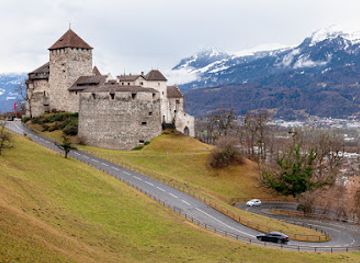
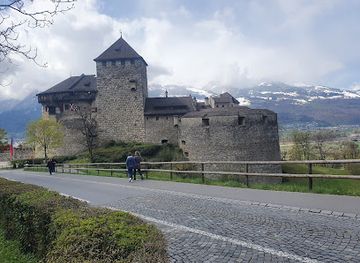
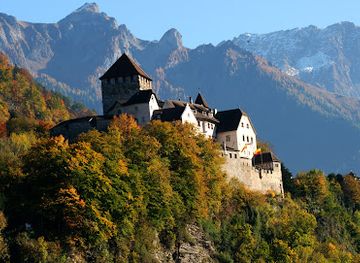
Vaduz Castle
Discover the enchanting Vaduz Castle, a historical gem in Liechtenstein offering breathtaking views and rich cultural heritage.
-
Live Music
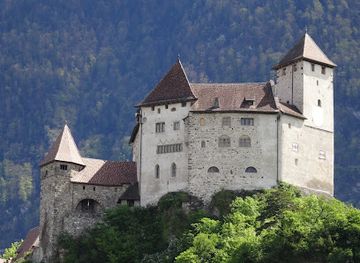
Burg Gutenberg
Experience the historical charm and vibrant culture of Burg Gutenberg, a medieval castle offering stunning views and live music in beautiful Balzers, Liechtenstein.
-
Bridge
Alte Rheinbrücke
Explore the Alte Rheinbrücke: a historic bridge offering breathtaking views and a unique connection between Switzerland and Liechtenstein.
-
Tourist attraction
Vaduz Citytrain AG
Experience the beauty and history of Vaduz, Liechtenstein through a scenic ride with Vaduz Citytrain AG, a unique sightseeing adventure for all ages.
Explore Planken Region on the map
Plan your trip on one map. See where the top cities, national parks and sights are, and book hotels and experiences in a few clicks.
Best hotels in Planken Region
Best restaurants in Planken Region
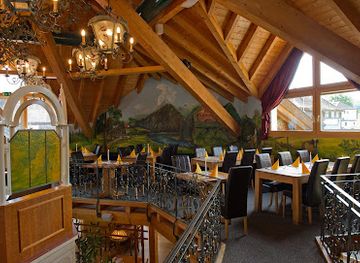
Dining in Planken is limited and local in scale, with the village better suited to a planned meal or picnic than to a broad restaurant circuit. Traditional Liechtenstein and neighbouring Alpine cooking may include hearty dishes based on potatoes, cheese, pasta and seasonal produce, while the wider national food culture reflects influences from Switzerland, Austria and the upper Rhine Valley. Visitors can expect rural inns or simple hospitality rather than a concentrated culinary district. Food shopping and a wider choice of cafés and restaurants are easier to find in Schaan, Vaduz and other lowland communities, which are close by but outside Planken. For walkers, carrying water and provisions is sensible, particularly before setting out on longer or higher routes. Regional products such as bread, cheese and seasonal farm produce can add a local dimension to a self-catered visit, though availability varies by season and business.
-
Restaurant
Landgasthof Werdenberg
Discover authentic Swiss cuisine and warm hospitality at Landgasthof Werdenberg, your perfect retreat in picturesque Switzerland.
-
Restaurant
Park Hotel Sonnenhof
Experience luxury dining and elegant accommodations at Park Hotel Sonnenhof in Vaduz – where every meal is a masterpiece.
-
Restaurant
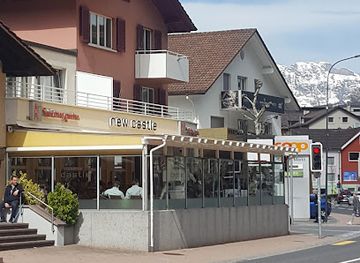
New Castle
Experience exceptional dining at New Castle in Vaduz - where local flavors meet global cuisine in a charming atmosphere.
-
Restaurant
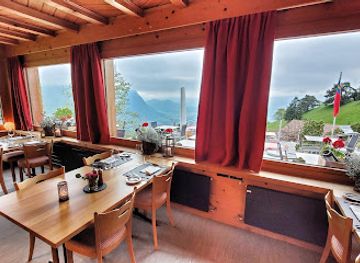
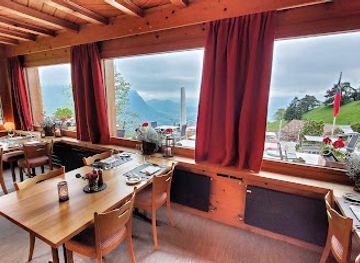
Berggasthaus Masescha
Discover culinary delights and breathtaking views at Berggasthaus Masescha in Triesenberg - a true gem of Liechtenstein.
Best bars in Planken Region
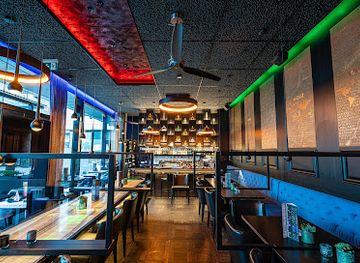
Planken does not have a nightclub scene or a dedicated nightlife district. Evening life is quiet and centres on restaurants, local social spaces and the occasional rural inn rather than late-opening entertainment. Visitors seeking a wider choice of bars, live music or cultural events should travel down to Schaan or Vaduz, where Liechtenstein’s principal evening venues are concentrated. These towns are nearby but are separate destinations, and return transport should be checked before staying out late. In Planken itself, the appeal after dark is the calm of a mountain village and, in suitable weather, the view across the illuminated Rhine Valley. Night-time walkers should use a torch, remain aware of uneven ground and avoid assuming that rural roads and paths are lit.
-
Restaurant
New Castle
Experience the rich flavors of Vaduz at New Castle, a restaurant offering local and international cuisine in a charming setting.
-
Restaurant
Berggasthaus Masescha
Discover Berggasthaus Masescha, a restaurant in Triesenberg offering exquisite local cuisine and breathtaking mountain views, perfect for any traveler.
-
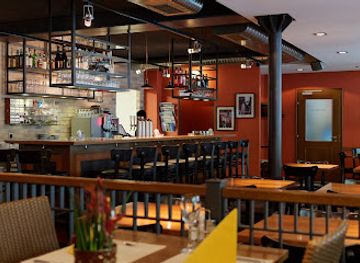
Brasserie
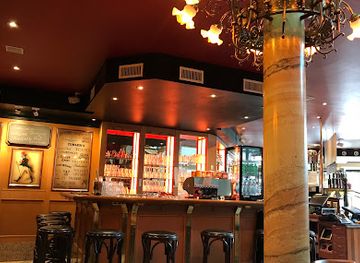
Brasserie Burg
Experience the delightful fusion of flavors at Brasserie Burg in Vaduz, offering a unique blend of traditional and contemporary cuisine.
-
Swiss
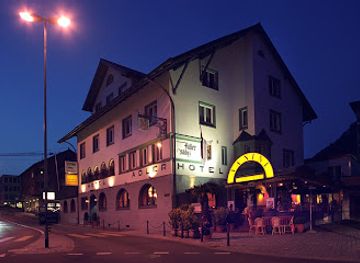
Adler
Experience authentic Swiss cuisine at Adler in Vaduz, where tradition meets exceptional taste in a charming atmosphere.
Best nightclubs in Planken Region
Planken does not have a nightclub scene or a dedicated nightlife district. Evening life is quiet and centres on restaurants, local social spaces and the occasional rural inn rather than late-opening entertainment. Visitors seeking a wider choice of bars, live music or cultural events should travel down to Schaan or Vaduz, where Liechtenstein’s principal evening venues are concentrated. These towns are nearby but are separate destinations, and return transport should be checked before staying out late. In Planken itself, the appeal after dark is the calm of a mountain village and, in suitable weather, the view across the illuminated Rhine Valley. Night-time walkers should use a torch, remain aware of uneven ground and avoid assuming that rural roads and paths are lit.
-
Barbecue
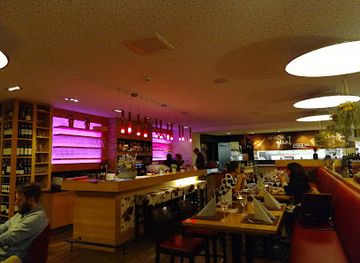
PUR - Restaurant & Bar
Explore the exquisite barbecue offerings and vibrant atmosphere at PUR - Restaurant & Bar in Schaan, a culinary gem for food lovers.
-
Bar
Esquire Bar.Bistro
Discover the perfect blend of local and international flavors at Esquire Bar.Bistro in Vaduz, where every meal is an experience to remember.
-
Bar
Black Pearl Bar
Experience the vibrant cocktail scene at Black Pearl Bar in Schaan, Liechtenstein, where creativity meets relaxation in a cozy setting.
-
Movie theater
Film Club in Takino
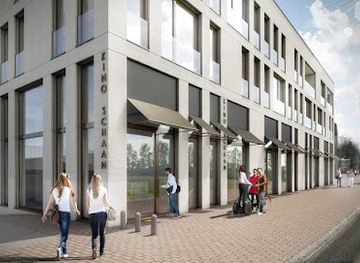
Uncover the charm of Film Club in Takino, where cinema meets café culture in the heart of Schaan, Liechtenstein.
Best shops in Planken Region
Planken offers very little conventional shopping, and visitors should not expect a large high street, department store or extensive craft quarter. Its retail character is rural and practical, with occasional opportunities to buy food or locally produced goods rather than a dedicated souvenir industry. For a broader selection, travel to Schaan or Vaduz, outside the municipality, where shops, supermarkets, galleries and food retailers serve the national visitor market. Regional purchases worth considering include Liechtenstein-produced foods, Alpine cheeses, local wine from the Rhine Valley and small craft or design items made in the principality, although stock varies between shops. Farmers’ markets and seasonal events elsewhere in Liechtenstein can provide a more direct connection with local produce. In Planken, the most appropriate souvenirs are often modest and landscape-related, such as maps, books or locally made food, rather than mass-produced mountain merchandise.
-
Supermarket
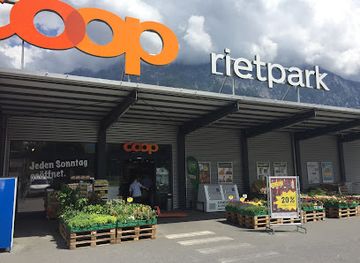
Coop Supermarkt Schaan
Explore the heart of Schaan at Coop Supermarkt, where fresh local produce meets everyday essentials in a welcoming atmosphere.
-
Grocery store
Migros-Supermarkt - Schaan
Explore local flavors and essentials at Migros-Supermarkt in Schaan, where quality meets convenience in a vibrant shopping atmosphere.
-
Farm
Lama- & Alpakahof Triesenberg
Experience the joy of interacting with llamas and alpacas in the heart of Triesenberg, surrounded by breathtaking Alpine scenery.
-
Coffee shop
American Bagel&Coffee Co.
Discover the charm of American Bagel & Coffee Co. in Vaduz, serving fresh bagels and premium coffee in a cozy atmosphere.

Get your free copy of our complete guide to Planken Region, delivered straight to you.
Everything on this page, from attractions and restaurants to essentials and local phrases, in one PDF you can read offline, print or share.
Already have an account? Sign in
Your Planken Region guide is ready.
We'll send it to · Not you? Sign out

Getting your guide ready…
We are putting together a fresh copy of the Planken Region guide. This can take up to a minute.
This can take a few moments. If your browser asks, choose Allow so the download can start. You'll find the guide in your Downloads folder.
Nothing happened? Download it again
Sorry, the guide is taking longer than usual. Please try again in a minute, or get it by email instead.
Planken Region essentials
Currency and Payment
Safety
Emergency Situations
Do's and Don'ts
Local Tips
From Eve
Local phrases worth knowing
You don't need to get them perfect. A few words go a long way, and locals appreciate the effort.
Basics
| English | Local | Say it |
|---|---|---|
| Hello | Hallo | [Hah-lo] |
| Goodbye | Auf Wiedersehen | [Owf Veed-er-zay-en] |
| Yes | Ja | [Yah] |
| No | Nein | [Nine] |
| Please/You're welcome | Bitte | [Bih-teh] |
| Thank you | Danke | [Dahn-keh] |
| Excuse me/Sorry | Entschuldigung | [Ent-shool-dee-goong] |
| How are you? | Wie geht's? | [Vee gates?] |
| Fine. And you? | Gut. Und dir? | [Gooot. Oond deer?] |
| Do you speak English? | Sprichst du Englisch? | [Shpreekst doo Engl-ish?] |
| I don't understand | Ich verstehe nicht | [Ish fer-shteh-eh nicht] |
Eating & Drinking
| English | Local | Say it |
|---|---|---|
| I'd like to see the menu, please | Ich hätte gerne die Speisekarte, bitte | [Ish het-teh gair-neh dee Shpy-zeh-kar-teh, bih-teh] |
| I don't eat meat | Ich esse kein Fleisch | [Ish ess-eh kine Flysh] |
| Cheers! | Prost! | [Prohst!] |
| I would like to pay, please | Ich möchte bezahlen, bitte | [Ish mer-chte beh-tsah-len, bih-teh] |
Emergencies
| English | Local | Say it |
|---|---|---|
| Help! | Hilfe! | [Hil-feh!] |
| Go away! | Geh weg! | [Geh vek!] |
| Call the Police! | Rufen Sie die Polizei! | [Roof-en Zee dee Pol-izei!] |
| Call a doctor! | Rufen Sie einen Arzt! | [Roof-en Zee eye-nen Artst!] |
| I'm lost | Ich habe mich verlaufen | [Ish ha-beh mikh fer-lau-fen] |
| I'm ill | Ich bin krank | [Ish bin krank] |
Shopping
| English | Local | Say it |
|---|---|---|
| I'd like to buy... | Ich möchte kaufen... | [Ish mer-chte kow-fen...] |
| I'm just looking | Ich schaue nur | [Ish shau-eh noor] |
| How much is it? | Wie viel kostet das? | [Vee feel kost-et das?] |
| That's too expensive | Das ist zu teuer | [Das ist tsoo toy-er] |
| Can you lower the price? | Können Sie den Preis senken? | [Kern-en Zee den Price sen-ken?] |
Time & Numbers
| English | Local | Say it |
|---|---|---|
| What time is it? | Wie spät ist es? | [Vee shpate ist es?] |
| It's one o'clock | Es ist ein Uhr | [Es ist ine Oor] |
| Half past (10) | Halb (10) | [Halb (zehn)] |
| Morning | Morgen | [Mor-gen] |
| Afternoon | Nachmittag | [Nach-mit-tahg] |
| Evening | Abend | [Ah-bent] |
| Yesterday | Gestern | [Gestern] |
| Today | Heute | [Hoy-teh] |
| Tomorrow | Morgen | [Mor-gen] |
| 1 | Eins | [Eyns] |
| 2 | Zwei | [Tsvy] |
| 3 | Drei | [Dry] |
| 4 | Vier | [Feer] |
| 5 | Fünf | [Foonf] |
| 6 | Sechs | [Zex] |
| 7 | Sieben | [Zee-ben] |
| 8 | Acht | [Acht] |
| 9 | Neun | [Noyn] |
| 10 | Zehn | [Tzayn] |
Transport & Directions
| English | Local | Say it |
|---|---|---|
| Where's a/the...? | Wo ist ein/das...? | [Vo ist ine/das...?] |
| What's the address? | Was ist die Adresse? | [Vas ist dee Ah-dres-se?] |
| Can you show me (on the map)? | Können Sie mir (auf der Karte) zeigen? | [Kern-en Zee meer (owf der Kar-te) tsai-gen?] |
| When's the next (bus)? | Wann kommt der nächste (Bus)? | [Vahn komt der nex-te (Boos)?] |
| A ticket (to ....) | Ein Ticket (nach ....) | [Ine Tik-et (nahkh ....)] |
History of Planken Region
Alemannic Settlement and Early Planken
The upper Rhine Valley was settled by Alemannic-speaking communities during the early medieval period, and Planken emerged within this wider cultural landscape. Its name is generally associated with an elevated settlement or mountain site, while the village’s position above the valley shaped a small agricultural economy based on pasture, woodland and limited cultivation. Planken is documented in medieval sources by the fourteenth century. Its early history is best understood alongside the development of the surrounding lordships rather than as an isolated political unit.
Walser Settlement in the Mountain Communities
During the later Middle Ages, Walser settlers established or strengthened communities in several highland areas of the Alps. Their presence contributed to forms of settlement, farming and local culture that remain part of the identity of Liechtenstein’s elevated villages, including Planken. Walser communities were accustomed to managing steep terrain and seasonal pasture, helping to bring marginal mountain land into more regular use. The legacy is visible less in grand monuments than in settlement patterns, field systems and the enduring distinction between the principality’s valley floor and its mountain villages.
From Medieval Lordships to the Principality of Liechtenstein
Planken belonged to the political and ecclesiastical world of the upper Rhine Valley, where authority was divided among local lords, church institutions and larger regional powers. The lordships of Vaduz and Schellenberg were acquired by the Liechtenstein family in the early eighteenth century. In 1719, Emperor Charles VI combined them to create the Principality of Liechtenstein. Planken consequently became part of the new principality, although everyday life continued to revolve around farming, parish institutions and relationships with neighbouring villages.
Parish Life and Mountain Agriculture
For centuries, Planken’s character was shaped by small-scale agriculture and close community organisation. The Church of St Joseph, built in the eighteenth century and later developed as the village’s parish church, reflects the importance of religious institutions in maintaining local identity and social life. Meadows and woodland were valuable resources, while the steep terrain limited the scale of farming. The municipality’s historic form therefore developed as a compact mountain settlement rather than as a market town or industrial centre.
Liechtenstein’s Sovereignty and Modernisation
Liechtenstein became a sovereign member of the Confederation of the Rhine in 1806, and later changes in its political and economic relationships helped shape the modern state. The nineteenth and twentieth centuries brought better roads, improved communications and gradual integration between mountain villages and the expanding valley economy. Planken retained its rural setting while becoming more accessible to employment, education and services elsewhere in the principality. This transition explains the present contrast between its traditional village appearance and its connection to a prosperous, highly mobile national economy.
A Contemporary Mountain Municipality
In the modern period, Planken has remained one of Liechtenstein’s smallest and most distinctly elevated municipalities. Agriculture is no longer the sole basis of local life, but meadows, woodland and mountain paths continue to shape its appearance and visitor appeal. Improved road access has made the village part of the country’s wider residential and recreational network without turning it into an urban centre. Today, Planken’s significance lies in its landscape, local heritage and position between the developed Rhine Valley and the alpine terrain of northern Liechtenstein.
Planken Region in Photos
Browse through our photo collection highlighting the charm and character of the destination.
Neighbouring regions of Planken Region
The closest regions to Planken Region, if you have time for more than one.
-

-

-

-

-


Swipe for more regions
Explore more

Explore more of Liechtenstein
Discover the charm of Liechtenstein, a tiny Alpine principality offering medieval castles, stunning hiking trails, and a rich cultural heritage in the heart of Europe.
Explore Liechtenstein