
Unterland, Liechtenstein Travel Guide
Discover Unterland in Liechtenstein: A serene escape with stunning landscapes, rich history, and authentic culture, perfect for nature lovers and history buffs alike.
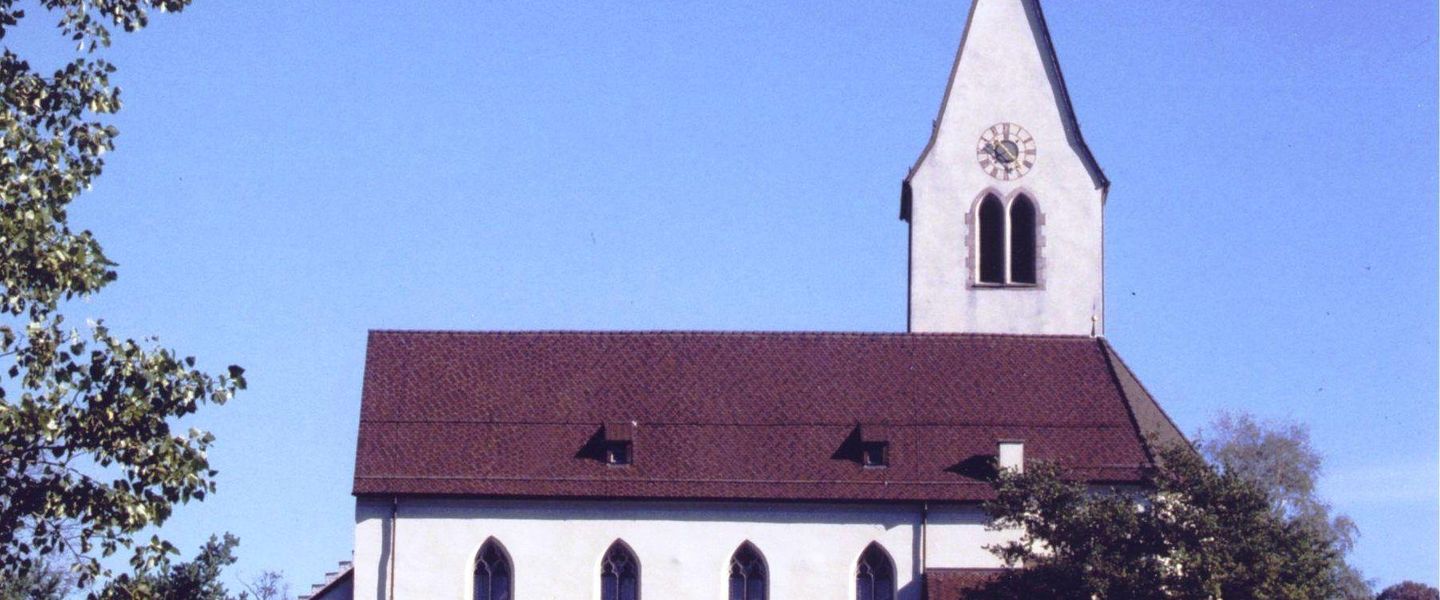
Nestled in the northern part of Liechtenstein, Unterland is a captivating region that offers a unique blend of natural beauty, rich history, and charming villages. This lesser-known area is perfect for those looking to escape the crowds and immerse themselves in the serene landscapes and authentic culture of Liechtenstein. Unterland is home to picturesque towns such as Eschen and Mauren, where you can wander through quaint streets lined with traditional buildings. The region boasts numerous hiking and biking trails that wind through lush forests, rolling hills, and along the banks of the Rhine River. These trails provide breathtaking views and a chance to connect with nature. History enthusiasts will appreciate the region's historical sites, including ancient churches and ruins that tell the story of Unterland's past. The beautiful St. Martin's Chapel in Eschen is a must-visit for its stunning architecture and serene atmosphere. Additionally, the local museums offer fascinating insights into the area's cultural heritage. Food lovers will delight in the local cuisine, which features hearty dishes made from fresh, regional ingredients. Be sure to visit one of the traditional restaurants or quaint cafes to savor the flavors of Liechtenstein. With its peaceful ambiance, friendly locals, and array of activities, Unterland is a destination that promises a memorable and enriching experience.

Know before you go
Hi, I'm Eve. Here are a few practical things to know before exploring Unterland.
- Visit during spring or autumn for the best weather and fewer crowds.
- Pack comfortable walking shoes for exploring the hiking and biking trails.
- Learn a few basic German phrases; locals appreciate the effort.
- Check the local calendar for traditional festivals and events.
- Try the local specialty, Käsknöpfle, a type of cheesy pasta.
Top City Travel Guides in Unterland
The cities of Unterland, and the easiest places to base yourself.


Destinations in Unterland
Resorts, valleys and scenic spots worth a trip of their own.
Explore Unterland: Things to Do, Places to Eat, Hotels & More
Handpicked recommendations for top attractions, local dining, accommodations, and more

Top Attractions & Sightseeing in Unterland
Top-rated picks
Best Attractions

Heididorf
Experience the timeless charm of Heidi's world in the heart of the Swiss Alps. A nostalgic journey for all ages.
Wildpark Feldkirch
Discover Vorarlberg's wildlife at Wildpark Feldkirch: A free, family-friendly park with scenic trails, diverse animals, and a charming playground.

Schattenburg
Explore Schattenburg Castle in Feldkirch: a medieval fortress with a rich history, museum, and stunning views of Vorarlberg.

Obere Burg
Explore the medieval ruins of Obere Burg in Schellenberg, Liechtenstein, offering panoramic views and a glimpse into the region's rich history.

Best landmarks in Unterland
Top-rated picks
Best Landmarks

Vaduz Castle
Discover the historic Vaduz Castle, a stunning architectural gem and the official residence of the Prince of Liechtenstein, offering breathtaking views and rich heritage.

Burg Gutenberg
Explore Burg Gutenberg, a historic castle in Balzers, Liechtenstein, where culture, music, and stunning landscapes converge for an unforgettable experience.

Kathedrale St. Florin
Discover the serene beauty of St. Florin Cathedral in Vaduz, a stunning fusion of Gothic architecture and spiritual tranquility.

Liechtenstein Center
Explore Vaduz and immerse yourself in Liechtenstein's rich culture and stunning landscapes at the Liechtenstein Center, your essential travel hub.

Best restaurants in Unterland
Top-rated picks
Best Restaurants

Gasthaus Stern Bangs
Discover authentic Austrian flavors at Gasthaus Stern in Feldkirch – where tradition meets comfort in every dish.

New Castle
Experience authentic Liechtenstein cuisine and international dishes at New Castle - where flavor meets tradition in Vaduz.

TANG
Discover the authentic taste of China at TANG in Ruggell - where tradition meets flavor in every dish.

Landgasthof Rössle
Discover authentic Liechtenstein cuisine at Landgasthof Rössle in Ruggell—where tradition meets taste.

Best bars in Unterland
Top-rated picks
Best Bars

PUR - Restaurant & Bar
Discover the perfect blend of barbecue delights and a vibrant bar atmosphere at PUR - Restaurant & Bar in Schaan.

Falken Biergarten - Bar - Pub
Experience the vibrant atmosphere of Falken Biergarten in Buchs, Switzerland, where local brews and live music create unforgettable moments.

Wirtschaft zum Löwen
Experience the authentic flavors of Liechtenstein at Wirtschaft zum Löwen, a top-rated restaurant in Schellenberg, perfect for food lovers.

Reflex
Experience the vibrant atmosphere of Reflex Lounge Bar in Buchs, offering exquisite cocktails, lively music, and a perfect social setting for all.

Best nightclubs in Unterland
Top-rated picks
Best Nightclubs

Esquire Bar.Bistro
Discover the vibrant atmosphere and delectable menu at Esquire Bar.Bistro, the culinary hotspot in Vaduz perfect for relaxation and socializing.

Black Pearl Bar
Experience the vibrant nightlife of Schaan at Black Pearl Bar, where expertly crafted cocktails and a welcoming atmosphere await.

Zwei Bar
Experience the lively atmosphere and extensive drink menu at Zwei Bar in Vaduz, a perfect nightlife spot for tourists.

Havanna Latin Club
Dive into the vibrant nightlife at Havanna Latin Club in Buchs, where Latin rhythms meet exquisite cocktails for an unforgettable experience.

Best shops in Unterland
Top-rated picks
Best Shops

Mündle Bakeries AG
Discover the heart of Mauren's culinary delight at Mündle Bakeries AG, where artisanal breads and exquisite pastries await every visitor.

Hoi Liechtenstein - Souvenir Boutique
Explore the unique charm of Hoi Liechtenstein, where local wines and handcrafted souvenirs await your discovery in Vaduz.

Mündle Bäckerei Konditorei AG
Discover the exquisite taste of freshly baked goods at Mündle Bäckerei Konditorei AG, a charming bakery and café in Eschen.

Läderach | Liechtenstein | Vaduz
Experience the art of Swiss chocolate making at Läderach in Vaduz, where every bite is a taste of luxury and tradition.

Explore Unterland on the Map
A handpicked selection of must-see spots in Unterland, mapped for you.
Unterland Essentials
-
Unterland is easily accessible from Zurich Airport (ZRH) in Switzerland, which is the nearest major international airport, approximately 120 kilometers away. From Zurich, you can rent a car or take a train to Buchs SG, and then a bus or taxi to Unterland. Alternatively, you can fly into Friedrichshafen Airport (FDH) in Germany, which is about 90 kilometers from Unterland. Public transportation is efficient, and you can use a combination of trains and buses to reach your destination.
-
Unterland is compact and many attractions are within walking distance. For longer distances, local buses and taxis are available. The Liechtenstein Bus system is reliable and connects all the municipalities. Renting a bike is also a popular option for exploring the scenic routes. If you prefer driving, car rentals are available, but note that parking can be limited in some areas.
-
The official currency in Liechtenstein is the Swiss Franc (CHF). Credit and debit cards are widely accepted in most establishments, including hotels, restaurants, and shops. However, it is advisable to carry some cash for small purchases and for use in rural areas. ATMs are available throughout Unterland, so withdrawing cash is convenient.
-
Unterland is generally very safe for tourists. Crime rates are low, and there are no specific high-crime areas targeting tourists. Standard precautions should still be taken, such as not leaving belongings unattended and being aware of your surroundings, especially in crowded places. Always lock your car and secure your valuables.
-
In case of an emergency, dial 112 for immediate assistance, which connects you to police, fire, and medical services. The local police station and medical facilities are well-equipped to handle emergencies. It is recommended to have travel insurance that covers medical emergencies. Pharmacies are available for minor health issues and over-the-counter medications.
-
Fashion: Do dress smart-casual, especially in restaurants and cultural sites. Avoid overly casual or revealing clothing. Religion: Do show respect when visiting religious sites. Silence your phone and refrain from taking photos unless permitted. Public Transport: Do validate your ticket before boarding. Don't eat or drink on public transport. Greetings: Do greet people with a friendly 'Grüezi' or 'Hallo.' A handshake is customary. Eating & Drinking: Do try local dishes and wines. Don't be loud or disruptive in restaurants.
-
To experience Unterland like a local, visit the weekly farmers' markets where fresh produce and local crafts are sold. Engage with locals, who are friendly and welcoming, and may share insights about the region's history and culture. Don't miss the scenic hiking and biking trails that offer stunning views of the Rhine Valley. Additionally, attending local festivals and events is a great way to immerse yourself in the local culture.
When is the best time to visit Unterland?
Useful Local Phrases for Unterland
You don't need to speak the language perfectly. Even learning a few simple words can make conversations warmer—and locals usually appreciate the effort.
— Eve

Here are the phrases I use most often in Unterland. Try a few—you'll be surprised how far they go! 😊
❤️
-
- HelloHowdy
[haʊdi] - GoodbyeSee ya
[si jə] - YesYup
[jʌp] - NoNope
[noʊp] - Please/You're welcomeSure thing
[ʃʊr θɪŋ] - Thank youThanks
[θæŋks] - Excuse me/SorryPardon me
[ˈpɑrdən mi] - How are you?How's it going?
[haʊz ɪt ˈɡoʊɪŋ] - Fine. And you?Good. You?
[ɡʊd ju] - Do you speak English?Do ya speak English?
[du jə spiːk ˈɪŋɡlɪʃ] - I don't understandI don't get it
[aɪ doʊnt ɡɛt ɪt]
- HelloHowdy
-
- I'd like to see the menu, pleaseCan I see the menu, please?
[kæn aɪ si ðə ˈmɛnjuː pliz] - I don't eat meatI ain't eatin' meat
[aɪ eɪnt ˈiːtɪn miːt] - Cheers!Cheers!
[ʧɪrz] - I would like to pay, pleaseI'd like to settle up, please
[aɪd laɪk tu ˈsɛtəl ʌp pliz]
- I'd like to see the menu, pleaseCan I see the menu, please?
-
- Help!Help!
[hɛlp] - Go away!Leave me alone!
[liv mi əˈloʊn] - Call the Police!Call the cops!
[kɔl ðə kɑps] - Call a doctor!Get a doctor!
[ɡɛt ə ˈdɑktər] - I'm lostI’m lost
[aɪm lɔst] - I'm illI feel sick
[aɪ fil sɪk]
- Help!Help!
-
- I'd like to buy...I wanna buy...
[aɪ ˈwɑnə baɪ] - I'm just lookingJust browsing
[dʒʌst ˈbraʊzɪŋ] - How much is it?What’s the price?
[wʌts ðə praɪs] - That's too expensiveThat's way too high
[ðæts weɪ tu haɪ] - Can you lower the price?Can ya drop the price?
[kæn jə drɑp ðə praɪs]
- I'd like to buy...I wanna buy...
-
- What time is it?What time is it?
[wʌt taɪm ɪz ɪt] - It's one o'clockIt's one
[ɪts wʌn] - Half past (10)Half past ten
[hæf pæst tɛn] - MorningMorning
[ˈmɔrnɪŋ] - AfternoonAfternoon
[ˌæftərˈnun] - EveningEvening
[ˈivnɪŋ] - YesterdayYesterday
[ˈjɛstərdeɪ] - TodayToday
[təˈdeɪ] - TomorrowTomorrow
[təˈmɔroʊ] - 1One
[wʌn] - 2Two
[tu] - 3Three
[θri] - 4Four
[fɔr] - 5Five
[faɪv] - 6Six
[sɪks] - 7Seven
[ˈsɛvən] - 8Eight
[eɪt] - 9Nine
[naɪn] - 10Ten
[tɛn]
- What time is it?What time is it?
-
- Where's a/the...?Where's the...?
[wɛrz ðə] - What's the address?What's the address?
[wʌts ði əˈdrɛs] - Can you show me (on the map)?Can you point it out?
[kæn jə pɔɪnt ɪt aʊt] - When's the next (bus)?When's the next bus?
[wɛn z ðə nɛkst bʌs] - A ticket (to ....)One ticket to...
[wʌn ˈtɪkɪt tu]
- Where's a/the...?Where's the...?
History of Unterland
-
The Principality of Liechtenstein was formed in 1719 when the Holy Roman Emperor Charles VI united the counties of Vaduz and Schellenberg. Unterland, or the 'Lower Country,' encompasses the northern regions of this tiny Alpine nation and includes municipalities such as Eschen, Mauren, Gamprin, Ruggell, and Schellenberg. These areas are instrumental in Liechtenstein's early history, contributing to the principality's agricultural and economic development.
-
Unterland is rich in medieval history, with numerous castles and fortifications dotting its landscape. Notable among them is the ruins of Schellenberg Castle, also known as Neu-Schellenberg, which dates back to the 13th century. These fortifications were pivotal in protecting the region from invasions and played a significant role in the local governance during the medieval period.
-
The Catholic Church has had a profound influence on the cultural and social fabric of Unterland. The Parish Church of St. Peter in Eschen, dating back to the 13th century, is one of the oldest and most significant religious structures in the region. It has been a center of religious life and community gatherings, reflecting the deep-rooted Catholic traditions that continue to shape the identity of Unterland.
-
Agriculture has been the backbone of Unterland's economy for centuries. The fertile plains of Ruggell and the surrounding areas have been used for farming since prehistoric times. Traditional farming methods, local produce, and livestock have not only sustained the population but also contributed to the cultural heritage of the region. Festivals and local markets continue to celebrate this agricultural legacy.
-
During World War II, Liechtenstein, including Unterland, maintained a stance of neutrality. Despite being surrounded by conflict, the principality managed to avoid direct involvement in the war. However, the impact of the war was felt through economic challenges and the influx of refugees. Unterland played a role in offering sanctuary and support to those affected by the war, reflecting the region's humanitarian spirit.
-
In recent decades, Unterland has seen significant development and modernization, with infrastructure improvements and a growing economy. Despite these changes, the region has managed to preserve its rich cultural heritage. Local museums, cultural centers, and historical societies actively work to keep the traditions and history of Unterland alive, ensuring that both residents and visitors can appreciate its unique past.
Neighbouring Regions of Unterland
The closest regions to Unterland, if you have time for more than one.


Your all‑in‑one travel companion app
Explore expert travel guides, compare and book tours, experiences, hotels, and more—all from the palm of your hand. Download now for seamless trip planning wherever your wanderlust takes you.


Explore More of Liechtenstein

Looking beyond Unterland? Discover Liechtenstein for broader travel guides, local hot-spots, and regional highlights.
Explore LiechtensteinUnterland in Photos
Browse through our photo collection highlighting the charm and character of the destination.
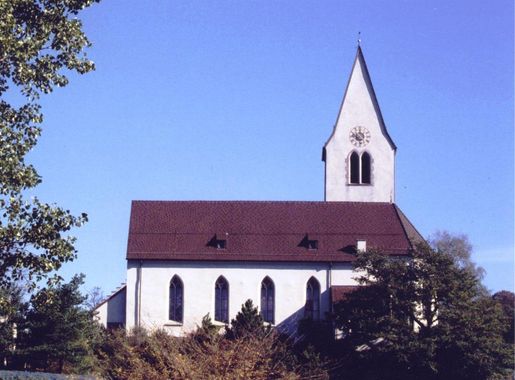


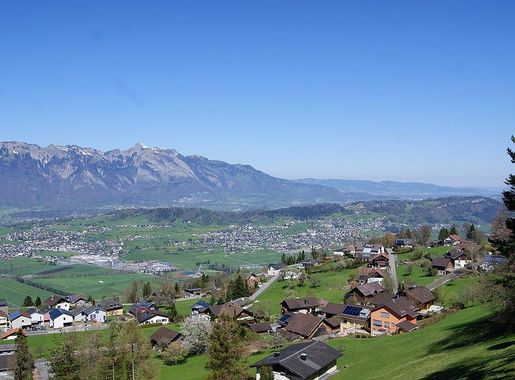

Enchanting Unterland: The Hidden Gem of Liechtenstein
Nestled in the northern part of Liechtenstein, Unterland is a captivating region that offers a unique blend of natural beauty, rich history, and charming villages. This lesser-known area is perfect for those looking to escape the crowds and immerse themselves in the serene landscapes and authentic culture of Liechtenstein. Unterland is home to picturesque towns such as Eschen and Mauren, where you can wander through quaint streets lined with traditional buildings. The region boasts numerous hiking and biking trails that wind through lush forests, rolling hills, and along the banks of the Rhine River. These trails provide breathtaking views and a chance to connect with nature. History enthusiasts will appreciate the region's historical sites, including ancient churches and ruins that tell the story of Unterland's past. The beautiful St. Martin's Chapel in Eschen is a must-visit for its stunning architecture and serene atmosphere. Additionally, the local museums offer fascinating insights into the area's cultural heritage. Food lovers will delight in the local cuisine, which features hearty dishes made from fresh, regional ingredients. Be sure to visit one of the traditional restaurants or quaint cafes to savor the flavors of Liechtenstein. With its peaceful ambiance, friendly locals, and array of activities, Unterland is a destination that promises a memorable and enriching experience.