

Gamprin Region, Liechtenstein Travel Guide
Discover Gamprin in Liechtenstein: a tranquil retreat with stunning alpine scenery, lush meadows, and rich cultural heritage perfect for nature lovers and history buffs.
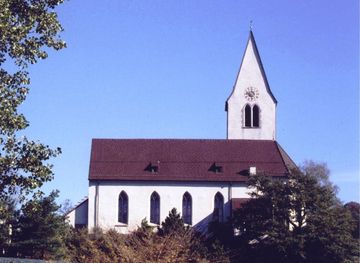
Nestled in the picturesque landscape of Liechtenstein, the Gamprin region offers a serene escape for those seeking tranquility and natural beauty. With its charming villages and stunning alpine scenery, Gamprin is a hidden gem waiting to be discovered. Visitors to Gamprin can enjoy leisurely walks through lush meadows and along the banks of the Rhine River. The region is perfect for outdoor enthusiasts, offering numerous hiking and cycling trails that cater to all levels of fitness. The peaceful surroundings and fresh mountain air make it a rejuvenating destination for nature lovers. Gamprin is also rich in history and culture. The local church, St. Maria, is a must-visit for its beautiful architecture and historical significance. The region is known for its friendly locals, who are always willing to share stories about the area's heritage and traditions. Whether you're looking to relax in nature, explore historical sites, or simply enjoy the tranquility of a small village, Gamprin provides an idyllic setting for a memorable getaway.

Know before you go
Hi, I'm Eve. Here are a few practical things to know before exploring Gamprin Region.
- Visit St. Maria Church for its stunning architecture and historical significance.
- Take a leisurely walk along the Rhine River for breathtaking views and tranquility.
- Explore the local hiking and cycling trails; they cater to all levels of fitness.
- Engage with the friendly locals to learn more about Gamprin's rich heritage.
- Pack a picnic and enjoy a meal in one of the region's lush meadows.
Top City Travel Guides in Gamprin Region
The cities of Gamprin Region, and the easiest places to base yourself.

Explore Gamprin Region: Things to Do, Places to Eat, Hotels & More
Handpicked recommendations for top attractions, local dining, accommodations, and more

Top Attractions & Sightseeing in Gamprin Region
Top-rated picks
Best Attractions
Mittelpunkt von Liechtenstein
Experience the serene beauty and geographical significance of the Mittelpunkt von Liechtenstein, a must-visit tourist attraction in the heart of the Alps.

Heidiweg
Hike through the landscapes that inspired the Heidi story on this scenic trail in Maienfeld, Switzerland. A journey into a timeless classic.

Kunstmuseum Liechtenstein
Explore modern and contemporary art at the Kunstmuseum Liechtenstein, a striking architectural landmark in the heart of Vaduz.

Heididorf
Experience the charm of Heidi's world in the authentic Swiss village of Maienfeld, where the classic story comes to life.

Best landmarks in Gamprin Region
Top-rated picks
Best Landmarks

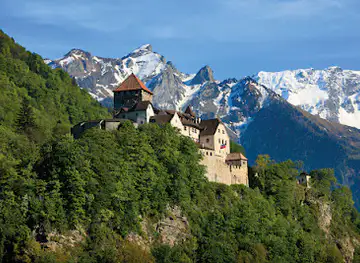
Vaduz Castle
Discover the enchanting Vaduz Castle, a historical gem of Liechtenstein offering spectacular views and rich cultural heritage.

Burg Gutenberg
Discover Burg Gutenberg in Balzers: A historic venue blending live music, culture, and stunning views in the heart of Liechtenstein.

Vaduz Citytrain AG
Discover Vaduz's beauty and history effortlessly with Vaduz Citytrain AG, your gateway to exploring Liechtenstein's charming capital.

Alte Rheinbrücke
Discover the Alte Rheinbrücke, a historic wooden bridge linking Switzerland and Liechtenstein, offering stunning views and a glimpse into the region's rich heritage.

Best restaurants in Gamprin Region
Top-rated picks
Best Restaurants

b_smart Hotel Bendern
Experience exquisite dining and comfortable stays at b_smart Hotel Bendern in charming Gamprin.

Brasserie Burg
Experience the perfect blend of local flavors and international cuisine at Brasserie Burg in Vaduz.

TANG
Discover authentic Chinese cuisine at TANG in Ruggell – where tradition meets modern culinary artistry.

Sareis
Discover Sareis: A family-friendly mountain restaurant in Malbun offering delicious meals and breathtaking views for an unforgettable dining experience.

Best bars in Gamprin Region
Top-rated picks
Best Bars

b_smart Hotel Bendern
Discover the charm of b_smart Hotel Bendern, where comfort meets culinary excellence in the heart of Gamprin.

PUR - Restaurant & Bar
Discover exceptional barbecue and vibrant nightlife at PUR - Restaurant & Bar in the heart of Schaan.

Kainer
Experience the flavors of Lichtenstein at Kainer, a charming gastropub offering local dishes and breathtaking mountain views.

Esquire Bar.Bistro
Experience the vibrant culinary scene at Esquire Bar.Bistro in Vaduz, where exquisite flavors meet a warm, inviting atmosphere for an unforgettable dining experience.

Best nightclubs in Gamprin Region
Top-rated picks
Best Nightclubs

Grand Casino Liechtenstein
Discover the excitement of Grand Casino Liechtenstein, where gaming meets luxury in a vibrant atmosphere.

Esquire Bar.Bistro
Experience the unique culinary delights of Esquire Bar.Bistro in Vaduz, Liechtenstein—where local flavors meet a cozy ambiance.

Black Pearl Bar
Experience the vibrant nightlife of Schaan at Black Pearl Bar, where expert mixology meets a lively atmosphere in a chic setting.

Zwei Bar
Experience the vibrant nightlife at Zwei Bar in Vaduz, where crafted cocktails and a lively atmosphere await.

Best shops in Gamprin Region
Top-rated picks
Best Shops

Coop Supermarkt Schaan
Explore the authentic flavors of Liechtenstein at Coop Supermarkt Schaan, where local products meet international tastes in a vibrant shopping experience.

Migros-Supermarkt - Schaan
Discover the heart of local shopping at Migros-Supermarkt in Schaan, offering fresh produce and Swiss delights for all visitors.

American Bagel&Coffee Co.
Discover a cozy haven in Vaduz with delectable bagels and rich coffee at American Bagel & Coffee Co., the perfect spot for every traveler.

Lama- & Alpakahof Triesenberg
Explore the beautiful Lama- & Alpakahof Triesenberg, a family-friendly farm experience with llamas, alpacas, and local charm.

Explore Gamprin Region on the Map
A handpicked selection of must-see spots in Gamprin Region, mapped for you.
Gamprin Region Essentials
-
Gamprin Region is located in the northern part of Liechtenstein. The nearest international airports are Zurich Airport (Switzerland) and Friedrichshafen Airport (Germany). From Zurich, you can take a train to Sargans, and then a bus directly to Gamprin. This journey typically takes around 1.5 to 2 hours. Alternatively, you can rent a car at the airport and enjoy a scenic drive through the Swiss and Liechtenstein countryside. From Friedrichshafen, you can take a train to Feldkirch (Austria) and then a bus to Gamprin, which takes about 2.5 to 3 hours.
-
Gamprin is a small, well-connected region. Public buses are frequent and reliable, connecting Gamprin to other parts of Liechtenstein and nearby Swiss towns. Taxis are also available but can be more expensive. For those who prefer exploring at their own pace, renting a car is a convenient option. Bicycles can be rented for a more eco-friendly way to tour the area, with plenty of scenic cycling routes available.
-
The official currency in Liechtenstein is the Swiss Franc (CHF). Credit and debit cards are widely accepted in hotels, restaurants, and shops. However, it is advisable to carry some cash for smaller establishments and local markets. ATMs are readily available throughout the region for withdrawing cash.
-
Gamprin Region is generally very safe for tourists, with low crime rates. Standard precautions should always be taken, such as avoiding poorly lit areas at night and keeping an eye on personal belongings in crowded places. There are no specific areas or neighborhoods with high crime rates targeting tourists. Always stay vigilant and aware of your surroundings.
-
In case of an emergency, dial 112 for immediate assistance. This is the emergency number for police, fire, and medical services. There are medical facilities and pharmacies in the region that can handle minor health issues. It is recommended to have travel insurance that covers medical emergencies.
-
Fashion: Do dress smart-casual in most public spaces. Avoid overly casual or revealing clothing, especially in churches or formal settings. Religion: Do respect local customs and traditions. When visiting religious sites, dress modestly and remain quiet. Public Transport: Do validate your ticket before boarding public transport. Don't eat or drink on public transport. Greetings: Do greet people with a friendly handshake. A polite 'Grüß Gott' (God bless) is a common greeting. Eating & Drinking: Do try local dishes and specialties. Don't refuse food or drink offered by hosts, as it may be considered impolite.
-
To experience Gamprin Region like a local, visit the weekly farmer's market for fresh produce and local specialties. Engage with the residents, who are often friendly and willing to share insights about the region's history and culture. Don't miss visiting the historical sites such as the Bendern Church and the Roman excavations. For a unique experience, attend a local festival or event, which often showcases traditional music, dance, and cuisine.
When is the best time to visit Gamprin Region?
Useful Local Phrases for Gamprin Region
You don't need to speak the language perfectly. Even learning a few simple words can make conversations warmer—and locals usually appreciate the effort.
— Eve

Here are the phrases I use most often in Gamprin Region. Try a few—you'll be surprised how far they go! 😊
❤️
-
- HelloHallo
[Hah-lo] - GoodbyeAuf Wiedersehen
[Owf Veeder-zay-en] - YesJa
[Yah] - NoNein
[Nine] - Please/You're welcomeBitte
[Bit-teh] - Thank youDanke
[Dahn-keh] - Excuse me/SorryEntschuldigung
[Ent-shool-dee-goong] - How are you?Wie geht's?
[Vee gates?] - Fine. And you?Gut. Und dir?
[Goot. Oond deer?] - Do you speak English?Sprechen Sie Englisch?
[Shprechen Zee Eng-lish?] - I don't understandIch verstehe nicht
[Ihk fer-shteh-eh niht]
- HelloHallo
-
- I'd like to see the menu, pleaseIch hätte gerne die Speisekarte, bitte
[Ihk heh-teh geh-rneh dee Shpieze-kar-teh, bit-teh] - I don't eat meatIch esse kein Fleisch
[Ihk ess-eh kyne Flysh] - Cheers!Prost!
[Prohst!] - I would like to pay, pleaseIch möchte bezahlen, bitte
[Ihk merh-teh beh-tsah-len, bit-teh]
- I'd like to see the menu, pleaseIch hätte gerne die Speisekarte, bitte
-
- Help!Hilfe!
[Hil-feh!] - Go away!Geh weg!
[Gay vek!] - Call the Police!Rufen Sie die Polizei!
[Roo-fen Zee dee Poh-litz-eye!] - Call a doctor!Rufen Sie einen Arzt!
[Roo-fen Zee eye-nen Artz!] - I'm lostIch habe mich verirrt
[Ihk hah-beh mikh feh-reert] - I'm illIch bin krank
[Ihk bin krank]
- Help!Hilfe!
-
- I'd like to buy...Ich möchte kaufen...
[Ihk merh-teh kau-fen...] - I'm just lookingIch schaue nur
[Ihk shau-eh noor] - How much is it?Wie viel kostet es?
[Vee feel kos-tet ess?] - That's too expensiveDas ist zu teuer
[Das ist tsu toyer] - Can you lower the price?Könnten Sie den Preis senken?
[Kern-ten Zee den Pryce sen-ken?]
- I'd like to buy...Ich möchte kaufen...
-
- What time is it?Wie spät ist es?
[Vee shpate ist ess?] - It's one o'clockEs ist ein Uhr
[Ess ist ine Oor] - Half past (10)Halb (10)
[Halb (10)] - MorningMorgen
[Mor-gen] - AfternoonNachmittag
[Nahkht-mit-tahg] - EveningAbend
[Ah-bent] - YesterdayGestern
[Gest-ern] - TodayHeute
[Hoy-tuh] - TomorrowMorgen
[Mor-gen] - 1Eins
[Ine-s] - 2Zwei
[Zvy] - 3Drei
[Dry] - 4Vier
[Veer] - 5Fünf
[Fünf] - 6Sechs
[Zex] - 7Sieben
[Zee-ben] - 8Acht
[Aht] - 9Neun
[Noyn] - 10Zehn
[Zayn]
- What time is it?Wie spät ist es?
-
- Where's a/the...?Wo ist ein/das...?
[Voh ist ine/das...?] - What's the address?Wie ist die Adresse?
[Vee ist dee Ah-dres-se?] - Can you show me (on the map)?Könnten Sie mir (auf der Karte) zeigen?
[Kern-ten Zee meer (owf der Kar-teh) tsai-gen?] - When's the next (bus)?Wann kommt der nächste (Bus)?
[Vahn komt der nay-sh-teh (Boos)?] - A ticket (to ....)Ein Ticket (nach ....)
[Ine Tiket (nahkh ....)]
- Where's a/the...?Wo ist ein/das...?
History of Gamprin Region
-
Gamprin's history dates back to the Roman era, with archaeological evidence indicating early settlements. The region was strategically important due to its position along the Rhine River. Roman artifacts, including coins and pottery, have been discovered, suggesting a thriving community influenced by Roman culture and trade.
-
During the medieval period, the area that is now Gamprin was part of the Holy Roman Empire. The history of Gamprin is closely tied to the formation of the Principality of Liechtenstein in the early 18th century. The region was under the control of various noble families who played a crucial role in the consolidation of what would become Liechtenstein.
-
The Reformation in the 16th century brought significant religious changes to Gamprin. The region, like much of Europe, experienced a shift from Catholicism to Protestantism and back again, reflecting the broader religious turmoil of the time. Churches and religious practices in the area were deeply impacted, influencing the cultural fabric of Gamprin.
-
The Napoleonic Wars in the early 19th century had a profound effect on Gamprin and the surrounding regions. Liechtenstein, including Gamprin, was occupied by French troops, which led to economic hardship and social changes. The aftermath of the wars saw a period of rebuilding and modernization.
-
The late 19th and early 20th centuries saw Gamprin transition from an agrarian society to one influenced by industrialization. This period brought infrastructure development, including roads and bridges, which facilitated trade and communication. The cultural landscape of Gamprin began to modernize, blending traditional practices with new influences.
-
During World War II, Liechtenstein maintained a stance of neutrality. Gamprin, like the rest of the country, was spared the direct devastation of the war, but the conflict had indirect effects, including economic challenges and the influx of refugees. The region's commitment to neutrality shaped its post-war identity and development.
-
In recent decades, Gamprin has focused on preserving its rich cultural heritage while embracing modernity. Efforts have been made to maintain historical sites, promote local traditions, and celebrate the unique history of the region. Festivals, museums, and cultural events in Gamprin offer a window into its storied past and vibrant present.
Neighbouring Regions of Gamprin Region
The closest regions to Gamprin Region, if you have time for more than one.




Your all‑in‑one travel companion app
Explore expert travel guides, compare and book tours, experiences, hotels, and more—all from the palm of your hand. Download now for seamless trip planning wherever your wanderlust takes you.


Explore More of Liechtenstein

Looking beyond Gamprin Region? Discover Liechtenstein for broader travel guides, local hot-spots, and regional highlights.
Explore LiechtensteinGamprin Region in Photos
Browse through our photo collection highlighting the charm and character of the destination.


Gamprin: The Hidden Gem of Liechtenstein
Nestled in the picturesque landscape of Liechtenstein, the Gamprin region offers a serene escape for those seeking tranquility and natural beauty. With its charming villages and stunning alpine scenery, Gamprin is a hidden gem waiting to be discovered. Visitors to Gamprin can enjoy leisurely walks through lush meadows and along the banks of the Rhine River. The region is perfect for outdoor enthusiasts, offering numerous hiking and cycling trails that cater to all levels of fitness. The peaceful surroundings and fresh mountain air make it a rejuvenating destination for nature lovers. Gamprin is also rich in history and culture. The local church, St. Maria, is a must-visit for its beautiful architecture and historical significance. The region is known for its friendly locals, who are always willing to share stories about the area's heritage and traditions. Whether you're looking to relax in nature, explore historical sites, or simply enjoy the tranquility of a small village, Gamprin provides an idyllic setting for a memorable getaway.