

Mauren Region, Liechtenstein Travel Guide
Discover the Mauren Region in Liechtenstein: A blend of natural beauty, rich history, and modern comforts in the heart of Europe.
Nestled in the heart of Europe, the Mauren Region in Liechtenstein is a hidden gem that offers a delightful mix of natural beauty, cultural heritage, and modern amenities. This charming area is known for its picturesque landscapes, dotted with lush green meadows, rolling hills, and pristine forests. The Mauren Region is perfect for outdoor enthusiasts who enjoy hiking, cycling, and exploring scenic trails that offer breathtaking views of the Swiss Alps and the Rhine Valley. The region is also rich in history and culture. Visitors can explore ancient churches, traditional houses, and local museums that provide a glimpse into the area's past. The Parish Church of St. Peter and Paul, with its striking architecture and serene surroundings, is a must-visit landmark. Mauren's well-preserved historical sites are complemented by modern amenities, including cozy cafes, delightful restaurants, and charming shops selling local crafts and products. Mauren is a great base for exploring the wider Liechtenstein area. Its central location makes it easy to visit nearby attractions such as Vaduz, the capital city, and the famous Vaduz Castle. The region also hosts various events and festivals throughout the year, offering tourists a chance to experience local traditions and hospitality. Whether you are seeking adventure or a peaceful retreat, the Mauren Region promises a memorable and enriching experience.

Know before you go
Hi, I'm Eve. Here are a few practical things to know before exploring Mauren Region.
- Visit in spring or autumn for the best weather and fewer crowds.
- Bring comfortable shoes for hiking and exploring the scenic trails.
- Try local dishes at traditional restaurants for an authentic taste of Liechtenstein.
- Check the local event calendar to catch cultural festivals and events.
- Consider renting a bike to explore the area at your own pace.
Top City Travel Guides in Mauren Region
The cities of Mauren Region, and the easiest places to base yourself.


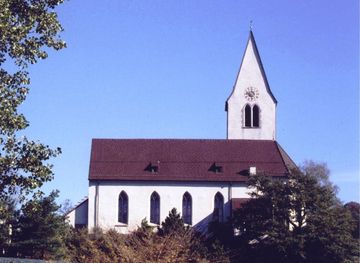
Destinations in Mauren Region
Resorts, valleys and scenic spots worth a trip of their own.
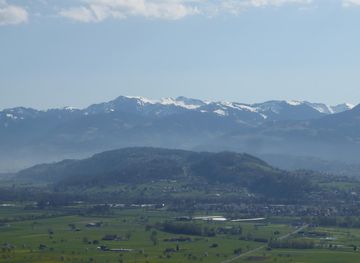
Explore Mauren Region: Things to Do, Places to Eat, Hotels & More
Handpicked recommendations for top attractions, local dining, accommodations, and more

Top Attractions & Sightseeing in Mauren Region
Top-rated picks
Best Attractions

Heididorf
Experience the enchanting world of Heidi in this charming Swiss village, where the beloved story comes to life amidst stunning alpine scenery.

Vogelparadies Birka
Discover exotic birds and native wildlife in a serene setting at Vogelparadies Birka, a charming animal park in Mauren, Liechtenstein.
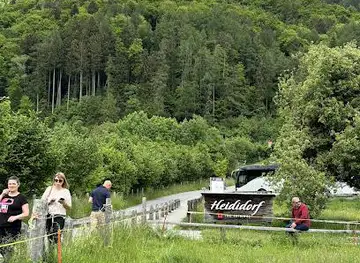
Heidiweg
Hike through the enchanting landscapes that inspired the timeless tale of Heidi in picturesque Maienfeld, Switzerland.

MuseumMura
Discover Liechtenstein's local history at MuseumMura in Schaanwald, exploring traditional crafts and historical documents that shaped the region.

Best landmarks in Mauren Region
Top-rated picks
Best Landmarks

Vaduz Castle
Explore the enchanting Vaduz Castle, a historical gem overlooking the capital of Liechtenstein, offering breathtaking views and rich cultural heritage.

Burg Gutenberg
Discover the charm and cultural richness of Burg Gutenberg, a historic castle in Balzers, Liechtenstein, known for its stunning views and live music events.

Alte Rheinbrücke
Discover the Alte Rheinbrücke, a historic wooden bridge uniting Switzerland and Liechtenstein, perfect for scenic views and cultural exploration.

Vaduz Citytrain AG
Experience the charm of Vaduz, Liechtenstein, with Vaduz Citytrain AG - a delightful sightseeing tour through a captivating city rich in history.

Best restaurants in Mauren Region
Top-rated picks
Best Restaurants

TANG
Experience authentic Chinese flavors at TANG in Ruggell - where tradition meets taste in every dish.

Brasserie Burg
Experience the flavors of Vaduz at Brasserie Burg - where delicious hamburgers meet exquisite Italian cuisine in a cozy atmosphere.

kommod - Hotel & Restaurant
Experience comfort and culinary excellence at kommod - Hotel & Restaurant in Ruggell, Liechtenstein, your gateway to local flavors and stunning landscapes.

Sareis
Experience family-friendly dining at Sareis in Malbun - where delicious food meets stunning mountain views.

Best bars in Mauren Region
Top-rated picks
Best Bars

PUR - Restaurant & Bar
Discover culinary excellence at PUR - Restaurant & Bar, where exquisite barbecue meets a vibrant bar atmosphere in the heart of Schaan.

Kainer
Experience the flavors of Liechtenstein at Kainer, a charming gastropub serving local delicacies paired with stunning views.
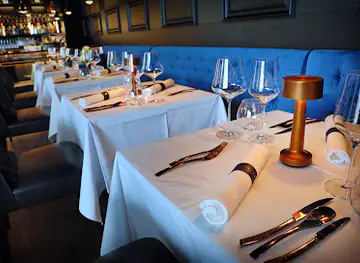
Esquire Bar.Bistro
Experience the vibrant ambiance of Esquire Bar.Bistro in Vaduz, where delicious cuisine meets a lively social atmosphere.
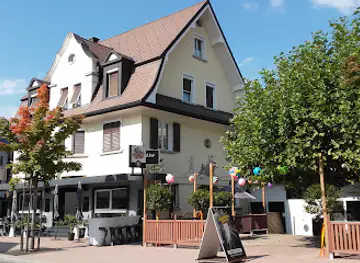
Black Pearl Bar
Discover the lively Black Pearl Bar in Schaan, where cocktails and camaraderie create unforgettable evenings in a vibrant atmosphere.

Best nightclubs in Mauren Region
Top-rated picks
Best Nightclubs

Esquire Bar.Bistro
Discover the vibrant Esquire Bar.Bistro in Vaduz, your go-to spot for exquisite cocktails and local flavors in a lively atmosphere.

Black Pearl Bar
Discover the vibrant Black Pearl Bar in Schaan, renowned for its exquisite cocktails and lively atmosphere, perfect for social gatherings and nightlife.

Zwei Bar
Experience the vibrant nightlife of Vaduz at Zwei Bar, where locals and tourists gather for great drinks and unforgettable memories.

Take 5 Vaduz
Discover the lively ambiance and delightful drinks at Take 5 Vaduz, a premier bar in Triesen, perfect for unwinding after exploring the region.

Best shops in Mauren Region
Top-rated picks
Best Shops

Coop Supermarkt Schaan
Explore Coop Supermarkt Schaan for fresh local produce, gourmet foods, and a taste of Liechtenstein’s vibrant shopping culture.

Migros-Supermarkt - Schaan
Experience local flavors and everyday essentials at Migros-Supermarkt, the perfect stop for tourists in Schaan.

Lama- & Alpakahof Triesenberg
Experience the beauty and charm of Lama- & Alpakahof Triesenberg, where friendly llamas and alpacas await in a stunning mountain setting.

American Bagel&Coffee Co.
Experience the delightful taste of freshly baked bagels and aromatic coffee at American Bagel&Coffee Co., a must-visit coffee shop in Vaduz.

Explore Mauren Region on the Map
A handpicked selection of must-see spots in Mauren Region, mapped for you.
Mauren Region Essentials
-
Mauren Region is located in the northern part of Liechtenstein. The nearest international airport is Zurich Airport in Switzerland, approximately 115 kilometers away. From Zurich, you can take a train to Sargans or Buchs in Switzerland, which are the closest train stations to Liechtenstein. From there, buses and taxis are available to take you to Mauren. Alternatively, you can drive directly from Zurich to Mauren, which takes about 1.5 to 2 hours.
-
Mauren Region is well connected by a network of buses operated by Liemobil, which makes it easy to travel within the region and to nearby areas. Buses are frequent and reliable. For more flexibility, consider renting a car. Cycling is also a popular way to explore the scenic landscapes. Taxis are available but can be costly.
-
The official currency in Liechtenstein is the Swiss Franc (CHF). Credit cards are widely accepted in most hotels, restaurants, and shops. However, it is advisable to carry some cash for smaller establishments and rural areas. ATMs are available throughout Mauren, making it easy to withdraw cash if needed.
-
Mauren Region is generally very safe for tourists. There are no specific areas with high crime rates targeting tourists. Nevertheless, it is always wise to take standard precautions such as not leaving your belongings unattended and being aware of your surroundings, especially in crowded places.
-
In case of emergency, dial 112 for immediate assistance. This number will connect you to emergency services including police, fire department, and medical services. The nearest hospital is located in Vaduz, about 10 kilometers from Mauren. Pharmacies are also available in the region for minor health issues.
-
Fashion: Do dress smart-casual. Avoid overly casual attire when dining out. Religion: Do respect local customs and traditions. When visiting churches, dress modestly. Public Transport: Do offer your seat to elderly passengers. Don’t speak loudly or play loud music. Greetings: Do greet people with a friendly 'Grüß Gott' or a firm handshake. Eating & Drinking: Do try local delicacies and be open to tasting new foods. Don’t leave food on your plate as it is considered wasteful.
-
To experience Mauren Region like a local, visit the weekly farmers' markets where you can buy fresh produce and local products. Engage with locals, who are often friendly and willing to share stories about the region's history and culture. Don't miss hiking in the scenic trails of Eschnerberg, which offers breathtaking views and a glimpse into the region's natural beauty. For a unique experience, attend local festivals and events which are held throughout the year.
When is the best time to visit Mauren Region?
Useful Local Phrases for Mauren Region
You don't need to speak the language perfectly. Even learning a few simple words can make conversations warmer—and locals usually appreciate the effort.
— Eve

Here are the phrases I use most often in Mauren Region. Try a few—you'll be surprised how far they go! 😊
❤️
-
- HelloHallo
[HAH-lo] - GoodbyeAuf Wiedersehen
[OWF VEE-der-zay-en] - YesJa
[YAH] - NoNein
[NINE] - Please/You're welcomeBitte
[BIT-tuh] - Thank youDanke
[DAHN-keh] - Excuse me/SorryEntschuldigung
[ENT-shool-dee-goong] - How are you?Wie geht's?
[VEE gates?] - Fine. And you?Gut. Und dir?
[GOOT. OOND deer?] - Do you speak English?Sprechen Sie Englisch?
[SHPRE-chen zee ENG-lish?] - I don't understandIch verstehe nicht
[IKH fer-SHTAY-eh nikht]
- HelloHallo
-
- I'd like to see the menu, pleaseIch möchte die Speisekarte sehen, bitte
[IKH MERK-teh dee SHPY-ze-kar-teh ZAY-en, BIT-tuh] - I don't eat meatIch esse kein Fleisch
[IKH ESS-eh KINE FLYSH] - Cheers!Prost!
[PROHST!] - I would like to pay, pleaseIch möchte bezahlen, bitte
[IKH MERK-teh beh-ZAH-len, BIT-tuh]
- I'd like to see the menu, pleaseIch möchte die Speisekarte sehen, bitte
-
- Help!Hilfe!
[HIL-fuh!] - Go away!Geh weg!
[GEH VEG!] - Call the Police!Rufen Sie die Polizei!
[ROO-fen zee dee PO-li-TSY!] - Call a doctor!Rufen Sie einen Arzt!
[ROO-fen zee EYE-nen ARTZ!] - I'm lostIch habe mich verlaufen
[IKH HAH-beh MIKH fer-LAU-fen] - I'm illIch bin krank
[IKH bin KRANK]
- Help!Hilfe!
-
- I'd like to buy...Ich möchte ... kaufen
[IKH MERK-teh ... KAU-fen] - I'm just lookingIch schaue nur
[IKH SHOW-eh NOOR] - How much is it?Wie viel kostet es?
[VEE FEEL KOH-stet es?] - That's too expensiveDas ist zu teuer
[DAS ist tsu TOY-er] - Can you lower the price?Können Sie den Preis senken?
[KER-nen zee den PRICE ZEN-ken?]
- I'd like to buy...Ich möchte ... kaufen
-
- What time is it?Wie spät ist es?
[VEE SHPAYT ist es?] - It's one o'clockEs ist ein Uhr
[ES ist EYN OOR] - Half past (10)Halb elf
[HALB ELF] - MorningMorgen
[MOR-gen] - AfternoonNachmittag
[NAKH-mit-tahg] - EveningAbend
[AH-bent] - YesterdayGestern
[GES-tern] - TodayHeute
[HOY-teh] - TomorrowMorgen
[MOR-gen] - 1Eins
[EYNZ] - 2Zwei
[TSVY] - 3Drei
[DRY] - 4Vier
[FEER] - 5Fünf
[FUENF] - 6Sechs
[ZEX] - 7Sieben
[ZEE-ben] - 8Acht
[AHKT] - 9Neun
[NOIN] - 10Zehn
[TSAYN]
- What time is it?Wie spät ist es?
-
- Where's a/the...?Wo ist ein/das ...?
[VOH ist EYN/DAS ...?] - What's the address?Wie lautet die Adresse?
[VEE LOUT-et dee AH-DRES-se?] - Can you show me (on the map)?Können Sie mir (auf der Karte) zeigen?
[KER-nen zee meer (OWF der KAR-teh) TSY-gen?] - When's the next (bus)?Wann kommt der nächste (Bus)?
[VAN kommt der NAYSH-te (BOOS)?] - A ticket (to ....)Ein Ticket (nach ...)
[EYN TICKET (NAKH ...)]
- Where's a/the...?Wo ist ein/das ...?
History of Mauren Region
-
Mauren, like much of the region, was originally settled in prehistoric times. Archaeological findings suggest that the area was inhabited during the Bronze Age. The influence of the Roman Empire is evident from numerous artifacts and ruins, indicating that Mauren was part of the Roman province of Raetia. The Roman road that passed through the region facilitated trade and cultural exchange, leaving a lasting impact on the local culture and infrastructure.
-
During the medieval period, Mauren was part of the Holy Roman Empire. The region saw the construction of several castles and fortifications, which played a crucial role in protecting the territory from invasions. The establishment of the County of Vaduz in the 14th century marked a significant turning point, leading to the eventual formation of the Principality of Liechtenstein in 1719. Mauren, as part of this principality, witnessed the consolidation of power under the Liechtenstein family, who continue to rule to this day.
-
The religious landscape of Mauren has been shaped by its Catholic heritage. The Church of St. Peter, built in the 19th century, stands as a testament to the region's deep-rooted Catholic traditions. The town celebrates various religious festivals with fervor, reflecting the cultural richness and communal spirit of the area. Additionally, folklore and traditional customs have been preserved and are celebrated through local events and festivities, providing a glimpse into the region's vibrant cultural tapestry.
-
Historically, Mauren's economy was predominantly agrarian, with farming and viticulture playing central roles. The 20th century brought significant economic transformation, especially after World War II, when Liechtenstein experienced rapid industrialization and economic growth. Mauren benefited from this development, with improvements in infrastructure, education, and healthcare. Today, the region boasts a mix of modern amenities and traditional charm, attracting visitors who seek to experience its unique blend of history and contemporary life.
-
During World War II, Liechtenstein, including Mauren, maintained a stance of neutrality. Despite its proximity to warring nations, the principality successfully avoided direct involvement in the conflict. This period of neutrality allowed Mauren and the rest of Liechtenstein to focus on internal development and post-war recovery. The principality's neutral stance has since become a defining aspect of its national identity, contributing to its stability and prosperity in the modern era.
-
Mauren is home to several heritage sites that offer insights into its rich history. The Mauren Regional Museum, for instance, houses a collection of artifacts and exhibits that trace the area's historical journey from prehistoric times to the present day. The museum provides an educational experience for visitors, highlighting significant events and cultural developments. Additionally, historical landmarks such as the old parish church and traditional farmhouses are preserved, showcasing the architectural and cultural heritage of the region.
Neighbouring Regions of Mauren Region
The closest regions to Mauren Region, if you have time for more than one.


Your all‑in‑one travel companion app
Explore expert travel guides, compare and book tours, experiences, hotels, and more—all from the palm of your hand. Download now for seamless trip planning wherever your wanderlust takes you.


Explore More of Liechtenstein

Looking beyond Mauren Region? Discover Liechtenstein for broader travel guides, local hot-spots, and regional highlights.
Explore LiechtensteinMauren Region in Photos
Browse through our photo collection highlighting the charm and character of the destination.


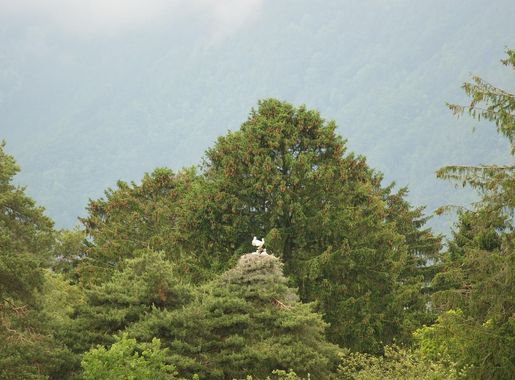

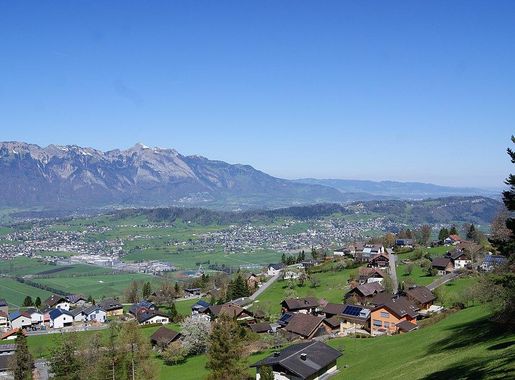
The Enchanting Mauren Region in Liechtenstein
Nestled in the heart of Europe, the Mauren Region in Liechtenstein is a hidden gem that offers a delightful mix of natural beauty, cultural heritage, and modern amenities. This charming area is known for its picturesque landscapes, dotted with lush green meadows, rolling hills, and pristine forests. The Mauren Region is perfect for outdoor enthusiasts who enjoy hiking, cycling, and exploring scenic trails that offer breathtaking views of the Swiss Alps and the Rhine Valley. The region is also rich in history and culture. Visitors can explore ancient churches, traditional houses, and local museums that provide a glimpse into the area's past. The Parish Church of St. Peter and Paul, with its striking architecture and serene surroundings, is a must-visit landmark. Mauren's well-preserved historical sites are complemented by modern amenities, including cozy cafes, delightful restaurants, and charming shops selling local crafts and products. Mauren is a great base for exploring the wider Liechtenstein area. Its central location makes it easy to visit nearby attractions such as Vaduz, the capital city, and the famous Vaduz Castle. The region also hosts various events and festivals throughout the year, offering tourists a chance to experience local traditions and hospitality. Whether you are seeking adventure or a peaceful retreat, the Mauren Region promises a memorable and enriching experience.