

Chenier Plain, Louisiana Travel Guide
Discover the Chenier Plain in Louisiana: A haven for bird-watchers, nature lovers, and history buffs alike, offering rich biodiversity and unique cultural experiences.
The Chenier Plain in Louisiana is a captivating region that offers visitors a unique glimpse into the natural beauty and rich biodiversity of the Gulf Coast. Stretching along the southwestern coast of the state, this area is characterized by its distinctive cheniers—ridges of high ground surrounded by marshes and wetlands. These ridges are formed by ancient deposits of sand and shell and provide crucial habitat for a variety of wildlife. Nature enthusiasts will be thrilled by the opportunities to explore the vast marshlands, which are teeming with birdlife, including migratory species. The Chenier Plain is a renowned bird-watching hotspot, especially during the spring and fall migrations when thousands of birds pass through the area. Additionally, visitors can spot other wildlife such as alligators, turtles, and various species of fish. The Chenier Plain is also steeped in culture and history. The region has been home to Native American tribes, early French settlers, and Creole communities. Exploring the small towns and villages within the plain, tourists can experience the unique blend of cultures that have shaped this part of Louisiana. Local cuisine, featuring fresh seafood and Creole flavors, is a must-try for any visitor. For those interested in outdoor activities, the Chenier Plain offers excellent opportunities for fishing, kayaking, and hiking. The area's natural beauty and serene landscapes make it an ideal destination for those looking to escape the hustle and bustle of city life and immerse themselves in the tranquility of nature.

Know before you go
Hi, I'm Eve. Here are a few practical things to know before exploring Chenier Plain.
- Visit during spring or fall for the best bird-watching experiences.
- Bring insect repellent; the marshlands can be buggy, especially in summer.
- Try the local seafood; it's fresh and a key part of the region's culinary heritage.
- Wear sturdy shoes if you plan to hike the trails; the terrain can be uneven.
- Consider a guided tour to learn more about the area's unique ecosystem and history.
Top City Travel Guides in Chenier Plain
The cities of Chenier Plain, and the easiest places to base yourself.

Destinations in Chenier Plain
Resorts, valleys and scenic spots worth a trip of their own.


Explore Chenier Plain: Things to Do, Places to Eat, Hotels & More
Handpicked recommendations for top attractions, local dining, accommodations, and more

Top Attractions & Sightseeing in Chenier Plain
Top-rated picks
Best Attractions

Oak Alley Plantation
Experience the grandeur of Oak Alley Plantation, a historical gem with stunning oak trees and rich stories of Louisiana's past.

Gator Country LA Alligator Park
Discover the wild side of Louisiana at Gator Country LA Alligator Park, where adventure meets education amidst alligators and diverse wildlife.
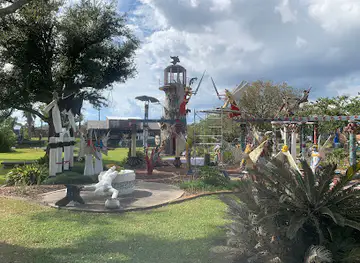
Chauvin Sculpture Garden & Art
Experience the captivating blend of art and nature at the Chauvin Sculpture Garden & Art in Louisiana, a must-visit for art lovers and nature enthusiasts alike.
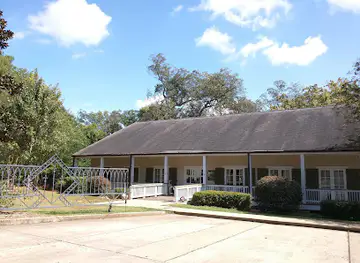
Fort St. Jean Baptiste State Historic Site
Discover the rich history of Louisiana at Fort St. Jean Baptiste State Historic Site, a captivating journey into the 18th-century French colonial era.

Best restaurants in Chenier Plain
Top-rated picks
Best Restaurants

Parrain's Seafood Restaurant
Discover the essence of Louisiana at Parrain's Seafood Restaurant with fresh seafood and Southern flavors in Baton Rouge.

Steamboat Bill's on the Lake
Experience authentic Louisiana seafood and Creole cuisine at Steamboat Bill's on the Lake in picturesque Lake Charles.

Brennan's
Experience the finest Creole cuisine at Brennan's in New Orleans - where elegance meets tradition in every bite.

Bobby Hebert's Cajun Cannon
Experience authentic Cajun cuisine at Bobby Hebert's Cajun Cannon in Metairie – where flavors come alive!

Best bars in Chenier Plain
Top-rated picks
Best Bars

Frenier Landing Restaurant and Oyster Bar
Discover the best of Louisiana's seafood at Frenier Landing Restaurant and Oyster Bar, a local favorite for fresh flavors and a welcoming atmosphere.

Voodoo Lounge
Discover the magic of New Orleans at Voodoo Lounge, where lively music, creative cocktails, and an unforgettable atmosphere await.

Laketown Bar & Grill
Experience the best of Louisiana dining at Laketown Bar & Grill, where flavor meets friendly service in a cozy atmosphere.
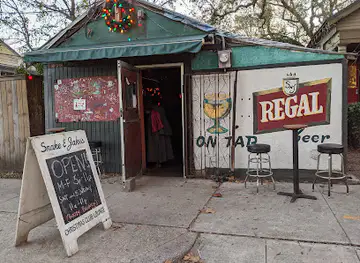
Snake and Jake's Christmas Club Lounge
Discover the unique ambiance and affordable drinks at Snake and Jake's Christmas Club Lounge, a lively bar that embodies the spirit of New Orleans.

Best nightclubs in Chenier Plain
Top-rated picks
Best Nightclubs

The Rabbit Hole
Experience the vibrant nightlife of New Orleans at The Rabbit Hole, where music, cocktails, and an electrifying atmosphere come together.

SPLASH NIGHTCLUB
Dive into the vibrant nightlife at Splash Nightclub in Baton Rouge, where music, dancing, and fun create unforgettable memories.

Haze On Texas
Discover the ultimate nightlife experience at Haze On Texas, Shreveport's premier night club, offering unforgettable parties and vibrant entertainment.

Cajun Country Lounge & Dancehall
Discover the lively Cajun Country Lounge & Dancehall, a vibrant dance hall and cocktail bar where the spirit of Louisiana music comes alive.

Best shops in Chenier Plain
Top-rated picks
Best Shops

Louisiana Boardwalk
Discover shopping, dining, and entertainment at the vibrant Louisiana Boardwalk, a must-visit destination in Bossier City, Louisiana.

Tanger Gonzales
Explore the vast selection of brand-name outlets at Tanger Gonzales, Louisiana's premier shopping destination with unbeatable deals.

Elmwood Shopping Center
Explore Elmwood Shopping Center for a delightful shopping and dining experience in the heart of Louisiana's vibrant retail scene.

Elmwood Oaks Shopping Center
Discover Elmwood Oaks Shopping Center in Harahan, LA: Where shopping meets community spirit in a vibrant setting.

Explore Chenier Plain on the Map
A handpicked selection of must-see spots in Chenier Plain, mapped for you.
Chenier Plain Essentials
-
Chenier Plain is located in southwestern Louisiana, United States. The nearest major airport is Lake Charles Regional Airport (LCH), which is approximately an hour's drive from the Chenier Plain. From the airport, you can rent a car or take a taxi to reach your destination. Alternatively, you can fly into Houston's George Bush Intercontinental Airport (IAH) or New Orleans' Louis Armstrong International Airport (MSY), both of which are about a three-hour drive from the Chenier Plain. Public transportation options from these airports are limited, so renting a car is highly recommended.
-
The Chenier Plain is best explored by car due to its vast and somewhat remote nature. Car rentals are available at major airports and in nearby cities such as Lake Charles. While there is no extensive public transportation network within the Chenier Plain itself, local taxis and ridesharing services like Uber and Lyft can be found in the more populated areas. Biking is another option for short distances, especially within nature reserves and parks.
-
The official currency in the United States is the US Dollar (USD). Credit and debit cards are widely accepted throughout the Chenier Plain, including at hotels, restaurants, and shops. ATMs are available in larger towns and cities, but it is advisable to carry some cash, especially if you plan to visit more remote areas where card acceptance may be limited.
-
The Chenier Plain is generally a safe destination for tourists. However, as with any travel destination, it is important to stay vigilant. Avoid isolated areas at night and keep an eye on your belongings in crowded places. Some areas within nearby cities like Lake Charles have higher crime rates, particularly concerning property crimes. It is advisable to stay in well-lit, populated areas and avoid displaying valuables.
-
In case of emergency, dial 911 for immediate assistance. The nearest hospitals and medical facilities are located in Lake Charles. It is recommended to have travel insurance that covers medical emergencies. For minor health issues, there are pharmacies in the larger towns where you can purchase over-the-counter medications.
-
Fashion: Do wear comfortable, weather-appropriate clothing, especially if you plan to explore the outdoors. Sunscreen and insect repellent are essential. Religion: Do respect local customs and traditions, particularly in more rural communities. Public Transport: Do be patient, as public transportation options are limited. Renting a car is advisable. Greetings: Do greet people with a friendly 'hello' or 'hi.' Southern hospitality is a hallmark of the region. Eating & Drinking: Do try local Cajun and Creole cuisine, and be prepared for spicy dishes. Don't forget to tip in restaurants, as it is customary in the United States.
-
To experience the Chenier Plain like a local, consider visiting during one of the many festivals celebrating Cajun and Creole culture. Spend time in local markets and seafood restaurants to savor fresh, local catches. Engage with locals, as they are often friendly and eager to share stories about the region's rich history and culture. Don't miss exploring the area's beautiful wetlands and wildlife refuges, such as the Cameron Prairie National Wildlife Refuge, for a chance to see unique flora and fauna.
When is the best time to visit Chenier Plain?
Useful Local Phrases for Chenier Plain
You don't need to speak the language perfectly. Even learning a few simple words can make conversations warmer—and locals usually appreciate the effort.
— Eve

Here are the phrases I use most often in Chenier Plain. Try a few—you'll be surprised how far they go! 😊
❤️
-
- HelloBonjour
[Bohn-zhoor] - GoodbyeAu revoir
[Oh ruh-vwar] - YesOui
[Wee] - NoNon
[Nohn] - Please/You're welcomeS'il vous plaît
[Seel voo pleh] - Thank youMerci
[Mehr-see] - Excuse me/SorryExcusez-moi
[Ex-kew-zay mwah] - How are you?Comment ça va?
[Coh-mahn sah vah] - Fine. And you?Bien. Et vous?
[Byen. Ay voo] - Do you speak English?Parlez-vous anglais?
[Par-lay voo ahn-glay] - I don't understandJe ne comprends pas
[Zhuh nuh kohm-prahn pah]
- HelloBonjour
-
- I'd like to see the menu, pleaseJe voudrais voir le menu, s'il vous plaît
[Zhuh voo-dray vwar luh meh-nu, seel voo pleh] - I don't eat meatJe ne mange pas de viande
[Zhuh nuh mahnj pah duh vyahnd] - Cheers!Santé!
[Sahn-tay] - I would like to pay, pleaseJe voudrais payer, s'il vous plaît
[Zhuh voo-dray pay-ay, seel voo pleh]
- I'd like to see the menu, pleaseJe voudrais voir le menu, s'il vous plaît
-
- Help!Au secours!
[Oh suh-koor] - Go away!Allez-vous-en!
[Ah-lay voo-zahn] - Call the Police!Appelez la police!
[Ah-peh-lay lah poh-lees] - Call a doctor!Appelez un médecin!
[Ah-peh-lay uhn may-deh-seen] - I'm lostJe suis perdu
[Zhuh swee pair-doo] - I'm illJe suis malade
[Zhuh swee mah-lahd]
- Help!Au secours!
-
- I'd like to buy...Je voudrais acheter...
[Zhuh voo-dray ah-she-tay] - I'm just lookingJe regarde juste
[Zhuh ruh-gard zhust] - How much is it?C'est combien?
[Say kohm-byen] - That's too expensiveC'est trop cher
[Say troh shair] - Can you lower the price?Pouvez-vous baisser le prix?
[Poo-vay voo beh-say luh pree]
- I'd like to buy...Je voudrais acheter...
-
- What time is it?Quelle heure est-il?
[Kel uhr eh-teel] - It's one o'clockIl est une heure
[Eel eh oon uhr] - Half past (10)Dix heure et demie
[Dee uhr eh duh-mee] - MorningMatin
[Mah-tahn] - AfternoonAprès-midi
[Ah-pray mee-dee] - EveningSoir
[Swar] - YesterdayHier
[Ee-air] - TodayAujourd'hui
[O-zhoor-dwee] - TomorrowDemain
[Duh-mahn] - 1Un
[Uhn] - 2Deux
[Duh] - 3Trois
[Twah] - 4Quatre
[Kah-truh] - 5Cinq
[Sank] - 6Six
[Seez] - 7Sept
[Set] - 8Huit
[Wheet] - 9Neuf
[Nurf] - 10Dix
[Dee]
- What time is it?Quelle heure est-il?
-
- Where's a/the...?Où est un/le...?
[Oo eh uhn/luh] - What's the address?Quelle est l'adresse?
[Kel eh l'ah-dress] - Can you show me (on the map)?Pouvez-vous me montrer (sur la carte)?
[Poo-vay voo muh mohn-tray (sur lah kart)] - When's the next (bus)?Quand est le prochain (autobus)?
[Kahn eh luh pro-shen (oh-toh-boos)] - A ticket (to ....)Un billet (pour....)
[Uhn bee-yay (poor....)]
- Where's a/the...?Où est un/le...?
History of Chenier Plain
-
The Chenier Plain, located in southwestern Louisiana, is a unique coastal landscape formed over thousands of years. The term 'chenier' comes from the French word for 'oak,' referencing the oak ridges that rise above the surrounding marshlands. These ridges were formed by the natural accumulation of sediment deposited by the shifting Mississippi River and the actions of the Gulf of Mexico's tides and waves. The interplay of freshwater and saltwater environments created a rich ecosystem that has supported diverse flora and fauna.
-
Long before European explorers set foot in the region, the Chenier Plain was inhabited by Native American tribes, including the Atakapa-Ishak people. These indigenous groups thrived on the abundant resources provided by the wetlands, such as fish, shellfish, and game. They developed complex societies and trade networks that spanned the Gulf Coast.
-
The French were the first Europeans to explore and settle in the Chenier Plain during the late 17th and early 18th centuries. They established trading posts and small settlements, integrating with the local indigenous populations. The region eventually came under Spanish control in the late 18th century before being sold to the United States as part of the Louisiana Purchase in 1803.
-
The Chenier Plain became a refuge for Acadian exiles from Nova Scotia (modern-day Canada) in the mid-18th century. These settlers, known as Cajuns, brought with them a rich cultural heritage that still influences the region today. The Cajun way of life, including their distinctive music, cuisine, and language, has become an integral part of the cultural fabric of the Chenier Plain.
-
During the American Civil War, the Chenier Plain saw its share of conflict and hardship. The region's strategic location along the Gulf Coast made it a target for both Union and Confederate forces. Following the war, the area underwent significant changes during Reconstruction, as former slaves sought to build new lives and the economy gradually recovered.
-
The discovery of oil and natural gas in the early 20th century transformed the Chenier Plain. The energy boom brought economic prosperity and population growth to the region. Towns like Cameron and Creole became bustling centers of activity as companies drilled for resources. However, this development also brought environmental challenges, as the delicate coastal ecosystem faced the impacts of industrialization.
-
The Chenier Plain has faced numerous hurricanes over the years, with some of the most devastating being Hurricane Audrey in 1957 and Hurricane Rita in 2005. These powerful storms caused significant damage to homes, infrastructure, and the natural landscape. Despite these challenges, the communities of the Chenier Plain have demonstrated remarkable resilience, rebuilding and adapting to the ever-present threat of hurricanes.
Neighbouring Regions of Chenier Plain
The closest regions to Chenier Plain, if you have time for more than one.
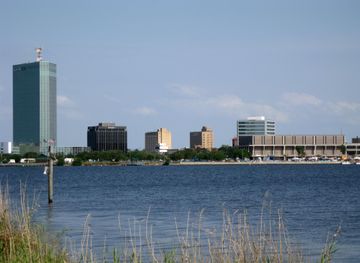


Your all‑in‑one travel companion app
Explore expert travel guides, compare and book tours, experiences, hotels, and more—all from the palm of your hand. Download now for seamless trip planning wherever your wanderlust takes you.


Explore More of Louisiana

Looking beyond Chenier Plain? Discover Louisiana for broader travel guides, local hot-spots, and regional highlights.
Explore LouisianaChenier Plain in Photos
Browse through our photo collection highlighting the charm and character of the destination.





Chenier Plain: A Natural Treasure of Louisiana
The Chenier Plain in Louisiana is a captivating region that offers visitors a unique glimpse into the natural beauty and rich biodiversity of the Gulf Coast. Stretching along the southwestern coast of the state, this area is characterized by its distinctive cheniers—ridges of high ground surrounded by marshes and wetlands. These ridges are formed by ancient deposits of sand and shell and provide crucial habitat for a variety of wildlife. Nature enthusiasts will be thrilled by the opportunities to explore the vast marshlands, which are teeming with birdlife, including migratory species. The Chenier Plain is a renowned bird-watching hotspot, especially during the spring and fall migrations when thousands of birds pass through the area. Additionally, visitors can spot other wildlife such as alligators, turtles, and various species of fish. The Chenier Plain is also steeped in culture and history. The region has been home to Native American tribes, early French settlers, and Creole communities. Exploring the small towns and villages within the plain, tourists can experience the unique blend of cultures that have shaped this part of Louisiana. Local cuisine, featuring fresh seafood and Creole flavors, is a must-try for any visitor. For those interested in outdoor activities, the Chenier Plain offers excellent opportunities for fishing, kayaking, and hiking. The area's natural beauty and serene landscapes make it an ideal destination for those looking to escape the hustle and bustle of city life and immerse themselves in the tranquility of nature.