

Free Acadiana Travel Guide & Mobile App
Explore Acadiana with free travel guides. Discover regional history, expert tips, proposed trips, and audio guides on web or mobile app.


Explore Acadiana for Cajun and Creole food, bayou wildlife, historic towns, rice country and live zydeco and fiddle music across south-west Louisiana.
Read more about Acadiana
Getting to and around Acadiana
How to get there
Transportation
Top city travel guides in Acadiana
The cities of Acadiana, and the easiest places to base yourself.
-

-

-
-

-


Swipe for more cities
Destinations in Acadiana
Resorts, valleys and scenic spots worth a trip of their own.
-

-

-

-

-

-


Swipe for more destinations
Best attractions in Acadiana
Acadiana’s attractions combine living culture with lowland landscapes rather than concentrating on a single monumental sight. Lafayette offers museums, cultural interpretation and regular opportunities to hear Cajun and zydeco music, while nearby Breaux Bridge provides access to the Atchafalaya Basin and guided swamp excursions. Historic St Martinville and the Bayou Teche corridor reveal the region’s Acadian, Creole and Catholic inheritances through churches, museums and old town streets. New Iberia and Avery Island bring together bayou scenery, gardens, salt-dome geology and the story of a well-known Louisiana pepper-sauce industry. The prairie towns around Crowley and Eunice reflect rice cultivation, dance-hall traditions and agricultural history. Outdoor options include paddling, fishing, birdwatching and wildlife tours, though many require advance planning because heat, storms and water levels affect conditions. Festivals, food events, live music and local museums are not separate from the landscape: they provide the clearest way to encounter the region’s continuing cultural life.
-
Museum
TABASCO Factory Tours
Explore the origins of TABASCO sauce at Avery Island, where history, flavor, and fun come together in a unique factory tour experience.
-
Garden
Jungle Gardens
Immerse yourself in the lush landscapes and rich biodiversity of Jungle Gardens, a breathtaking botanical haven on Avery Island, Louisiana.
-
Amusement center
Sky Zone Trampoline Park
Discover the excitement of Sky Zone Trampoline Park in Lafayette, Louisiana – where fun and fitness collide for an unforgettable experience.
-
Park
New Iberia City Park
Discover the vibrant beauty and recreational charm of New Iberia City Park, a perfect escape for nature lovers and families exploring Louisiana.


Best landmarks in Acadiana
The Atchafalaya Basin is Acadiana’s defining natural landmark, a vast network of cypress swamps and waterways whose scale can be understood from selected roads, overlooks and guided excursions. Bayou Teche, winding through the central part of the region, is both a geographical feature and a historic corridor linking communities shaped by agriculture, Catholicism and French and Creole settlement. In St Martinville, St Martin de Tours Catholic Church and the surrounding historic area embody the town’s long Acadian and Creole associations. Avery Island is another recognisable place: a raised salt dome surrounded by wetlands and known for its cultivated gardens and connection with the production of Tabasco sauce. The prairie townscape around Crowley preserves the visual legacy of rice agriculture, while Lafayette’s Cathedral of St John the Evangelist and its mature live oaks form a prominent civic and religious landmark. Together these places show why Acadiana cannot be represented by architecture alone; its most significant landmarks include waterways, working landscapes and cultural corridors.
-
History museum
Oak Alley Plantation
Explore the rich history and stunning beauty of Oak Alley Plantation, a magnificent landmark showcasing Southern heritage and architectural grandeur.
-
Museum
TABASCO Factory Tours
Explore the fascinating world of TABASCO sauce at the TABASCO Factory Tours on Avery Island—where flavor meets history in Louisiana.
-
Historical place museum
Laura Plantation: Louisiana's Créole Heritage Site
Discover the rich Creole heritage at Laura Plantation, a historical site that offers deep insights into Louisiana's past and its vibrant culture.
-
 Hotel
The Myrtles
Explore The Myrtles in Louisiana: A captivating plantation with rich history and paranormal intrigue, perfect for history buffs and thrill-seekers alike.


Explore Acadiana on the map
Plan your trip on one map. See where the top cities, national parks and sights are, and book hotels and experiences in a few clicks.
Best hotels in Acadiana
Best restaurants in Acadiana
Acadiana’s food culture is built around rice, seafood, smoked meats, local vegetables and intensely flavoured stocks, with recipes shaped by Cajun, Creole, African American, Native and French influences. Visitors will encounter gumbo, étouffée, jambalaya, boudin, cracklins, fried seafood, crawfish dishes and rice-based meals, but preparation varies significantly between families and communities. Lafayette and the larger towns offer a wide range of casual restaurants, cafés and contemporary kitchens, while rural roads lead to markets, butcher shops, plate-lunch counters and informal seafood stops. The Bayou Teche and coastal districts have strong connections to freshwater and Gulf seafood, whereas the prairie is closely linked to rice, crawfish and livestock production. Local bakeries and sweet shops add regional versions of familiar Louisiana treats, and farmers’ markets are useful for seasonal produce. Ask about daily specials and regional terminology; menus often reflect the availability of the day more than a fixed culinary formula.
-
Cajun
Prejean's Restaurant Carencro
Discover authentic Cajun and Creole flavors at Prejean's Restaurant—your go-to spot for delicious cuisine and live music in Louisiana.
-
Seafood
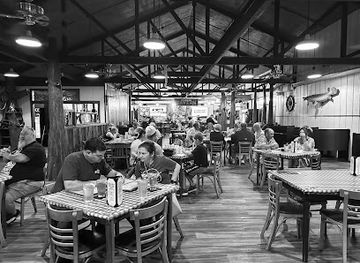
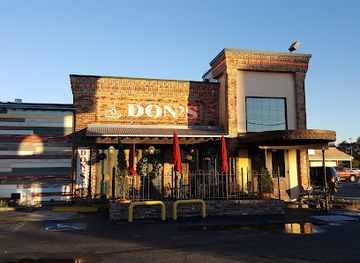
Dons Seafood - Lafayette
Experience authentic Louisiana seafood at Dons Seafood in Lafayette - where fresh flavors meet Creole traditions.
-
Restaurant
Bon Temps Grill
Experience authentic Louisiana flavors at Bon Temps Grill in Lafayette - where American comfort meets Creole tradition.
-
American
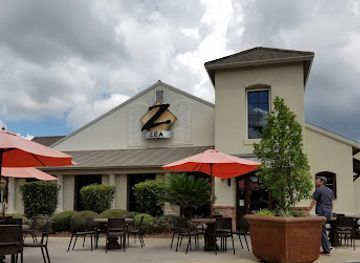
Zea Rotisserie & Bar
Indulge in flavorful American cuisine at Zea Rotisserie & Bar – where every dish tells a story of culinary excellence.
Best bars in Acadiana
Evening life in Acadiana is centred more on music, food and conversation than on a dense nightclub circuit. Lafayette has the broadest selection of bars, breweries, live-music rooms and restaurants, with Cajun, zydeco, swamp pop, country and blues appearing in different settings. Breaux Bridge, Eunice, Opelousas and other towns support dance halls, local bars and community venues where schedules often depend on touring musicians and seasonal events. Traditional bars and rural venues may be informal and widely spaced, so a car, designated driver or pre-arranged transport is important. Craft beer and cocktails are available in the larger centres, while smaller communities tend towards beer, spirits and live performance in relaxed settings. Festival evenings can be busier than ordinary nights, but visitors should check current programmes rather than assume a venue operates every day. Nightlife is best approached as a social and cultural extension of the region’s food and music traditions, not simply as a club scene.
-
Sports bar
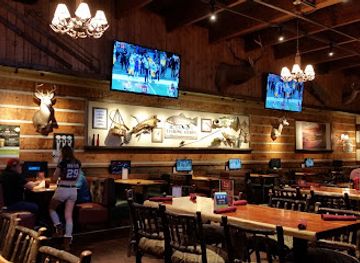
Twin Peaks
Discover Twin Peaks in Lafayette, where great food meets a vibrant sports atmosphere in a unique lodge-style setting.
-
Restaurant
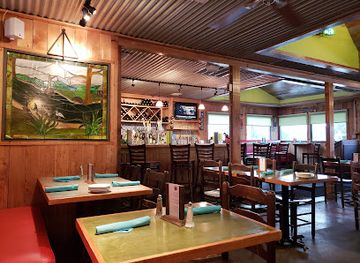
Bon Temps Grill
Experience the vibrant flavors of Southern cuisine at Bon Temps Grill, a top dining destination in Lafayette, Louisiana, known for its Creole dishes and lively atmosphere.
-
Restaurant
Walk-On's Sports Bistreaux - Lafayette Restaurant
Discover a lively sports bar atmosphere with authentic Louisiana cuisine at Walk-On's Sports Bistreaux in Lafayette, perfect for food lovers and sports fans alike.
-
Bar
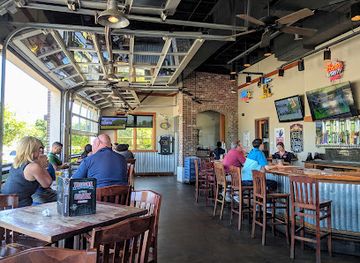
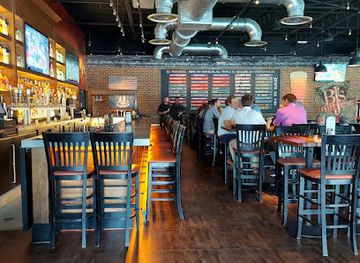
BJ's Restaurant & Brewhouse
Experience the best of Lafayette dining at BJ's Restaurant & Brewhouse, featuring handcrafted beers and mouthwatering dishes in a lively atmosphere.
Best nightclubs in Acadiana
Evening life in Acadiana is centred more on music, food and conversation than on a dense nightclub circuit. Lafayette has the broadest selection of bars, breweries, live-music rooms and restaurants, with Cajun, zydeco, swamp pop, country and blues appearing in different settings. Breaux Bridge, Eunice, Opelousas and other towns support dance halls, local bars and community venues where schedules often depend on touring musicians and seasonal events. Traditional bars and rural venues may be informal and widely spaced, so a car, designated driver or pre-arranged transport is important. Craft beer and cocktails are available in the larger centres, while smaller communities tend towards beer, spirits and live performance in relaxed settings. Festival evenings can be busier than ordinary nights, but visitors should check current programmes rather than assume a venue operates every day. Nightlife is best approached as a social and cultural extension of the region’s food and music traditions, not simply as a club scene.
-
Gay bar
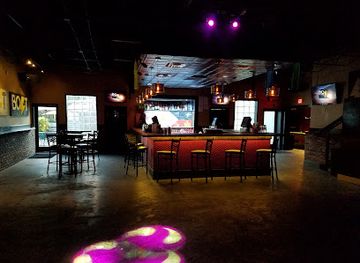
Bolt
Discover the vibrant nightlife at Bolt, Lafayette's premier gay bar, known for its lively atmosphere and unforgettable events.
-
Cocktail bar
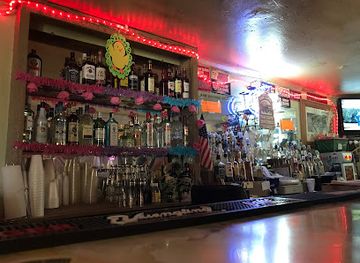
Old Coulee Lounge
Discover the vibrant atmosphere and expertly crafted cocktails at Old Coulee Lounge in Lafayette, a hidden gem for cocktail enthusiasts.
-
Bar
The Office Bar
Discover vibrant nightlife at The Office Bar in Downtown Lafayette, where dancing and drinks await every night of the week.
-
Night club
Brass Room
Discover the lively nightlife at Brass Room, Lafayette's premier night club offering great music and a vibrant atmosphere.

Best shops in Acadiana
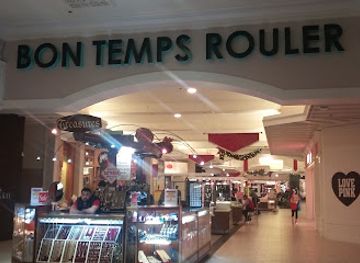
Shopping in Acadiana is strongest in its market towns, independent food businesses and specialist cultural stores rather than in luxury retail. Lafayette provides the widest choice of bookshops, galleries, boutiques, antiques, regional crafts and food retailers, while smaller centres such as Breaux Bridge, St Martinville, New Iberia, Opelousas and Eunice offer local shops and historic commercial streets with a more limited, place-based selection. Useful regional purchases include boudin and other prepared foods for immediate consumption, Louisiana hot sauces, rice and crawfish products, pralines, spices, cookbooks, handmade pottery, folk art and music recordings. Farmers’ markets and festival stalls can be good places to meet producers, although their schedules and locations change. Antique shops and galleries are particularly relevant for visitors interested in Louisiana furniture, decorative arts and contemporary work inspired by bayou and prairie life. Check food-import rules before taking perishable products or sauces across international borders, and remember that rural shops may keep shorter hours than businesses in Lafayette.
-
Shopping mall
Acadiana Mall
Experience the best of shopping, dining, and entertainment at Acadiana Mall in Lafayette, Louisiana—a vibrant hub for tourists and locals.
-
Gift shop
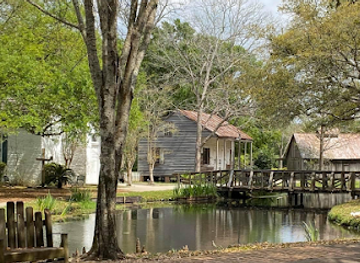
LARC's Acadian Village
Immerse yourself in the vibrant Acadian culture at LARC's Acadian Village, a historic gem in Lafayette, Louisiana.
-
Department store
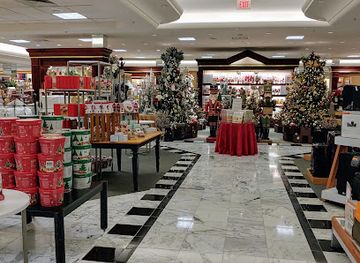
Dillard's
Explore Dillard's in Lafayette for a diverse selection of fashion, accessories, and home goods in a vibrant shopping environment.
-
Shopping mall
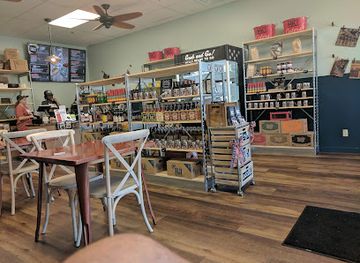
The Shops at Autumnwood
Explore diverse shopping and dining at The Shops at Autumnwood, Lafayette's premier shopping destination, perfect for tourists and locals alike.
Get your free copy of our complete guide to Acadiana, delivered straight to you.
Everything on this page, from attractions and restaurants to essentials and local phrases, in one PDF you can read offline, print or share.
Already have an account? Sign in
Your Acadiana guide is ready.
We'll send it to · Not you? Sign out

Getting your guide ready…
We are putting together a fresh copy of the Acadiana guide. This can take up to a minute.
This can take a few moments. If your browser asks, choose Allow so the download can start. You'll find the guide in your Downloads folder.
Nothing happened? Download it again
Sorry, the guide is taking longer than usual. Please try again in a minute, or get it by email instead.
Acadiana essentials
Currency and Payment
Safety
Emergency Situations
Do's and Don'ts
Local Tips
From Eve
Local phrases worth knowing
You don't need to get them perfect. A few words go a long way, and locals appreciate the effort.
Basics
| English | Local | Say it |
|---|---|---|
| Hello | Salut | [sah-loo] |
| Goodbye | Au revoir | [oh ruh-vwahr] |
| Yes | Oui | [wee] |
| No | Non | [nawn] |
| Please/You're welcome | S'il vous plaît | [seel voo pleh] |
| Thank you | Merci | [mehr-see] |
| Excuse me/Sorry | Pardon | [pahr-dohn] |
| How are you? | Comment ça va? | [koh-mohn sah vah] |
| Fine. And you? | Bien. Et vous? | [byehn. eh voo] |
| Do you speak English? | Parlez-vous anglais? | [par-lay voo ahn-glay] |
| I don't understand | Je ne comprends pas | [zhuh nuh kom-prahn pah] |
Eating & Drinking
| English | Local | Say it |
|---|---|---|
| I'd like to see the menu, please | Je voudrais voir le menu, s'il vous plaît | [zhuh voo-dray vwar luh meh-nu, seel voo pleh] |
| I don't eat meat | Je ne mange pas de viande | [zhuh nuh mahnj pah duh vyahnd] |
| Cheers! | Santé! | [sahn-tay] |
| I would like to pay, please | Je voudrais payer, s'il vous plaît | [zhuh voo-dray pay-ay, seel voo pleh] |
Emergencies
| English | Local | Say it |
|---|---|---|
| Help! | Au secours! | [oh su-koor] |
| Go away! | Allez-vous-en! | [ah-lay voo zahn] |
| Call the Police! | Appelez la police! | [ah-peh-lay lah poh-lees] |
| Call a doctor! | Appelez un docteur! | [ah-peh-lay uhn dok-teur] |
| I'm lost | Je suis perdu | [zhuh swee pehr-due] |
| I'm ill | Je suis malade | [zhuh swee mah-lahd] |
Shopping
| English | Local | Say it |
|---|---|---|
| I'd like to buy... | Je voudrais acheter... | [zhuh voo-dray ah-sheh-tay] |
| I'm just looking | Je regarde juste | [zhuh ruh-gahrd zhuhst] |
| How much is it? | C'est combien? | [say kom-byen] |
| That's too expensive | C'est trop cher | [say troh shair] |
| Can you lower the price? | Pouvez-vous baisser le prix? | [poo-vay voo beh-say luh pree] |
Time & Numbers
| English | Local | Say it |
|---|---|---|
| What time is it? | Quelle heure est-il? | [kel uhr eh-teel] |
| It's one o'clock | Il est une heure | [eel eh ewn uhr] |
| Half past (10) | Dix heures et demie | [dees uhr eh duh-mee] |
| Morning | Matin | [mah-tan] |
| Afternoon | Après-midi | [ah-pray mee-dee] |
| Evening | Soir | [swahr] |
| Yesterday | Hier | [ee-air] |
| Today | Aujourd'hui | [oh-zhoor dwee] |
| Tomorrow | Demain | [duh-mang] |
| 1 | Un | [uhn] |
| 2 | Deux | [duh] |
| 3 | Trois | [trwah] |
| 4 | Quatre | [ka-truh] |
| 5 | Cinq | [sank] |
| 6 | Six | [sees] |
| 7 | Sept | [set] |
| 8 | Huit | [weet] |
| 9 | Neuf | [nuhf] |
| 10 | Dix | [dees] |
Transport & Directions
| English | Local | Say it |
|---|---|---|
| Where's a/the...? | Où est un/une...? | [oo eh uhn/ewn] |
| What's the address? | Quelle est l'adresse? | [kel eh luh-dress] |
| Can you show me (on the map)? | Pouvez-vous me montrer (sur la carte)? | [poo-vay voo muh mohn-tray (sir lah kart)] |
| When's the next (bus)? | Quand est le prochain (bus)? | [kahn eh luh pro-shen (boos)] |
| A ticket (to ....) | Un billet (pour ....) | [uhn bee-yay (poor ....)] |
History of Acadiana
Indigenous Homelands and Early Trade
Long before European settlement, the prairies, wetlands and waterways of Acadiana were inhabited and travelled by Indigenous peoples, including communities associated with the Attakapa, Chitimacha and Atakapa-Ishak traditions, among others. Bayous and rivers provided routes for fishing, hunting and exchange, while prairies supported different seasonal activities. European colonisation disrupted Indigenous societies through disease, land appropriation and political pressure, but Native communities and cultural connections remain part of south-west Louisiana’s history. The region’s waterways, place names and surviving tribal presence cannot be understood solely through its later French and American narratives.
French Louisiana and the Acadian Arrival
French colonial Louisiana developed around the lower Mississippi and its connected waterways, bringing Catholic institutions, plantation agriculture and European trading networks into an already Indigenous landscape. From the 1760s, Acadians displaced from eastern Canada settled in south-west Louisiana, where they adapted to wetlands and prairie environments. Over time, their descendants became associated with Cajun identity, language and foodways. The Acadian story was never separate from other communities: Africans, Creoles, Native peoples, Germans, Spaniards and later migrants all shaped the society and economy that emerged in Acadiana.
Spanish Rule and Creole Development
Spain governed Louisiana between 1769 and 1803, and its administration influenced landholding, law, architecture and Catholic life in the region. Communities along Bayou Teche and the Vermilion and Mermentau waterways developed through interactions between French-speaking settlers, free people of colour, enslaved Africans, Native peoples and European colonists. The term Creole has carried several historical meanings in Louisiana, but the region’s Creole heritage is especially visible in its language traditions, religious institutions, music, food and family histories. Historic St Martinville and the surrounding Teche country retain important evidence of these layered connections.
Plantations, Slavery and the Sugar Economy
During the nineteenth century, plantations expanded along fertile waterways and increasingly produced sugar cane, relying on the labour of enslaved Africans and African Americans. The plantation economy brought wealth to some landowners while imposing violence, forced labour and profound insecurity on enslaved people and their descendants. After emancipation, racial inequality continued through debt, land loss and discriminatory laws. Sugar remains important in parts of Acadiana, but the region’s built heritage and agricultural history must be read alongside the lives and contributions of the people whose labour sustained it.
Rice, Railways and Agricultural Change
In the late nineteenth and early twentieth centuries, irrigation, railways and mechanisation helped transform the prairie districts around Crowley, Rayne and nearby communities into major rice-producing areas. Rail connections enabled crops and livestock to reach wider markets, while towns acquired grain facilities, warehouses and commercial buildings. Rice agriculture remains a defining element of the inland landscape, although mechanisation and changing markets reduced the need for agricultural labour. The open prairie, drainage canals and historic town centres still reflect this period of economic development.
Oil, Coastal Industry and the Modern Region
Petroleum and natural-gas development reshaped south-west Louisiana during the twentieth century, particularly through links to the Gulf of Mexico, coastal wetlands and service centres such as Lafayette. The energy sector created skilled employment and strengthened the region’s transport and engineering infrastructure, while also contributing to environmental pressures, wetland loss and coastal change. Fishing, shrimping, shipbuilding, petrochemical activity and agriculture continued alongside energy production. Contemporary Acadiana therefore combines cultural tourism with working landscapes and industries that remain economically and environmentally significant.
Cajun and Zydeco Cultural Renewal
For much of the twentieth century, French-language and regional cultural practices were often marginalised in schools and public life, while migration and mass media weakened older community networks. From the mid-century onwards, musicians, educators, folklorists and cultural organisations helped renew interest in Cajun French, Cajun music, zydeco, traditional dance and regional food. Festivals, archives, radio, museums and music venues made these traditions more visible within Louisiana and internationally. The revival did not freeze Acadiana in the past; it helped create a contemporary cultural identity that continues to evolve.
Acadiana in Photos
Browse through our photo collection highlighting the charm and character of the destination.
Neighbouring regions of Acadiana
The closest regions to Acadiana, if you have time for more than one.
-

-

-

-

-


Swipe for more regions
Explore more

Explore more of Louisiana
Discover Louisiana: A melting pot of cultures, flavors, and music in the heart of the American South. Experience the vibrant heritage and natural beauty of the Bayou State.
Explore Louisiana