

Free Central Louisiana Travel Guide & Mobile App
Explore Central Louisiana with free travel guides. Discover regional history, expert tips, proposed trips, and audio guides on web or mobile app.


Central Louisiana combines Red River history, pine-forest recreation, Indigenous heritage, regional food and welcoming small-town culture around Alexandria.
Read more about Central Louisiana
Getting to and around Central Louisiana
How to get there
Transportation
Top city travel guides in Central Louisiana
The cities of Central Louisiana, and the easiest places to base yourself.
-

-
-


Swipe for more cities
Destinations in Central Louisiana
Resorts, valleys and scenic spots worth a trip of their own.
-

-

-

-

-
-


Swipe for more destinations
Best attractions in Central Louisiana
Central Louisiana’s attractions combine regional history with extensive outdoor space. Alexandria and Pineville contain museums, galleries, performing arts, a zoo and institutions that interpret the Red River, the Civil War, local industry and Louisiana culture. The Alexandria Museum of Art and Louisiana History Museum offer useful introductions to the area, while Kent Plantation House presents a surviving historic estate and insight into plantation-era life. At Marksville, the Marksville State Historic Site preserves prehistoric earthworks and archaeological interpretation, and the nearby Tunica-Biloxi Cultural and Resources Center explores the heritage of the Tunica-Biloxi Tribe. Kisatchie National Forest provides the region’s broadest outdoor setting, with pine woods, streams, trails, equestrian routes, fishing and wildlife observation. Recreation areas vary considerably in facilities, so visitors should prepare independently for remote outings. Rural churches, farms, parish fairs and small-town museums add a more local dimension to the formal attractions.
-
History museum
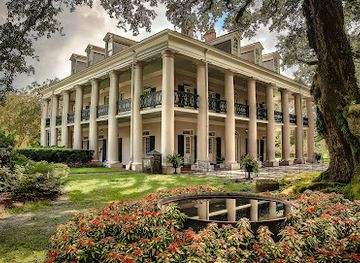
Oak Alley Plantation
Discover the elegance of Oak Alley Plantation, where history, beauty, and Southern tradition come together in a breathtaking experience.
-
Garden
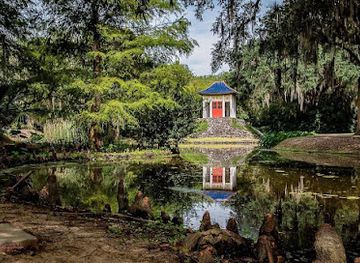
Jungle Gardens
Explore the enchanting landscapes of Jungle Gardens in Avery Island, Louisiana, a breathtaking botanical oasis teeming with nature's beauty and wildlife.
-
Museum
USS KIDD Veterans Museum
Visit the USS KIDD Veterans Museum in Baton Rouge for an immersive dive into naval history and a heartfelt tribute to those who served.
-
Children's museum
Louisiana Children's Museum
Discover a world of imagination at the Louisiana Children's Museum, where playful learning inspires young minds in the heart of New Orleans.

Best landmarks in Central Louisiana
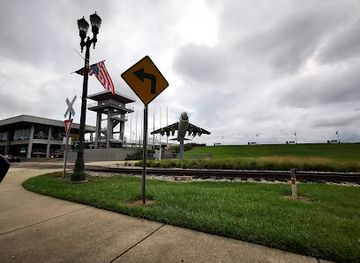
The Red River is Central Louisiana’s defining geographical landmark, separating Alexandria from Pineville and explaining much of the region’s settlement, trade and military history. In Alexandria, the historic downtown and riverfront area express the city’s development as an inland commercial centre, while nearby Kent Plantation House provides a tangible reminder of the agricultural order that shaped nineteenth-century Louisiana. The earthworks at Marksville State Historic Site are older and more fundamental still: their scale and ceremonial purpose make them important landmarks of Indigenous history in the lower Mississippi Valley. Pineville’s Camp Beauregard landscape represents the region’s twentieth-century military connection, although visitors must respect restricted areas and current access arrangements. Farther west and north, the longleaf-pine country of Kisatchie National Forest forms a natural landmark rather than a single monument, with wooded ridges, open glades and waterways distinguishing it from the flatter river lowlands. Together these places show Central Louisiana as a meeting point of river, forest, archaeology, agriculture and modern civic life.
-
 Historical landmark
Jackson Square
Explore the vibrant charm of Jackson Square, a historic landmark in the heart of New Orleans, where art, culture, and music come alive.
-
Historical place museum
Laura Plantation: Louisiana's Créole Heritage Site
Explore the captivating stories and rich heritage of Laura Plantation, a historical gem showcasing Louisiana's Creole culture and history.
-
Hotel
The Myrtles
Explore the enchanting Myrtles Plantation, a historical hotel in St. Francisville, Louisiana, known for its captivating beauty and ghostly legends.
-
Historical place
Fort Smith National Historic Site
Immerse yourself in the captivating tales of the American West at Fort Smith National Historic Site, a historical treasure in Arkansas.
Explore Central Louisiana on the map
Plan your trip on one map. See where the top cities, national parks and sights are, and book hotels and experiences in a few clicks.
Best hotels in Central Louisiana
Best restaurants in Central Louisiana
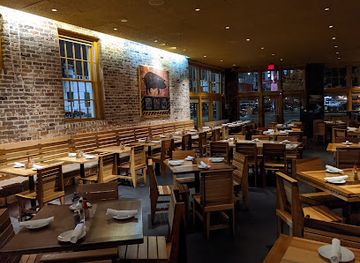
Central Louisiana’s food culture draws on Cajun, Creole, African American and broader Southern traditions, with recipes varying between households and communities. Boudin, cracklins, fried catfish, gumbo, jambalaya, red beans and rice, meat pies and seasoned rice dishes are common regional reference points, while seafood availability depends on supply from southern Louisiana and the Gulf. Alexandria and Pineville have the widest choice of cafés, family restaurants, diners and contemporary dining rooms, whereas smaller communities are more likely to centre on informal locally owned eateries, bakeries and plate-lunch cooking. Rural markets and roadside sellers may offer seasonal produce, pecans, preserves or prepared foods. Visitors should also look for Louisiana beer and spirits alongside sweet tea, coffee and classic Southern desserts. Dining is generally relaxed, but opening days and hours can be limited outside the main towns, particularly on Sundays or in rural areas.
-
Po Boys
Mother's Restaurant
Experience authentic New Orleans cuisine at Mother's Restaurant – home of legendary Po Boys and Creole dishes that celebrate local flavors.
-
Cajun
Cochon Restaurant
Experience authentic Cajun flavors at Cochon Restaurant in New Orleans—where every bite tells a story.
-
Seafood
Parrain's Seafood Restaurant
Savor authentic Louisiana seafood at Parrain's Seafood Restaurant - where fresh flavors meet Southern charm.
-
American
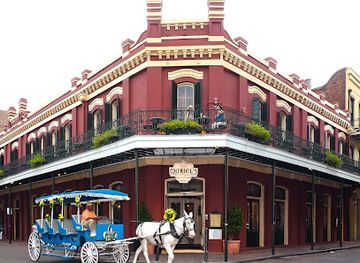
Muriel's Jackson Square
Experience the heart and soul of New Orleans at Muriel's Jackson Square—where Southern hospitality meets exquisite dining.

Best bars in Central Louisiana
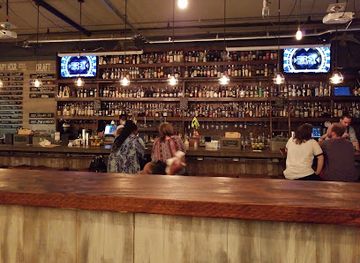
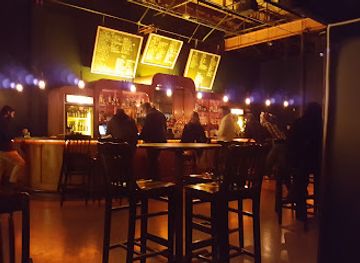
Evening life in Central Louisiana is concentrated in Alexandria and Pineville rather than spread across a large club district. Traditional pubs, casual bars, sports-oriented venues, restaurants with drinks and occasional live-music settings provide most of the region’s nightlife, while larger towns may also have cocktail-focused or late-evening establishments. Local festivals, concerts and university-related events can bring additional activity, but their dates and formats vary. In smaller communities, the evening scene usually centres on family restaurants, cafés, parish events and long-established social venues rather than nightclubs. Visitors should arrange transport before drinking, particularly when staying outside Alexandria or Pineville, where taxis and ride-hailing may be less readily available. Breweries and Louisiana-produced spirits may appear on local drinks menus, but alcohol is not necessary to engage with the region’s music, food or community life.
-
Bar
City Pork Jefferson
Experience the essence of contemporary Louisiana dining at City Pork Jefferson, where barbecue meets innovative flavors in a vibrant setting.
-
Grill
The Bulldog, Baton Rouge
Explore Baton Rouge's vibrant culinary scene at The Bulldog, where delicious grilled flavors meet a friendly atmosphere.
-
Bar
Olive or Twist
Discover Olive or Twist, Baton Rouge's lively cocktail bar, where expertly crafted drinks meet a vibrant atmosphere for an unforgettable experience.
-
Bar
The Radio Bar
Discover the vibrant nightlife at The Radio Bar in Baton Rouge, where delicious cocktails and live music create an unforgettable experience.
Best nightclubs in Central Louisiana
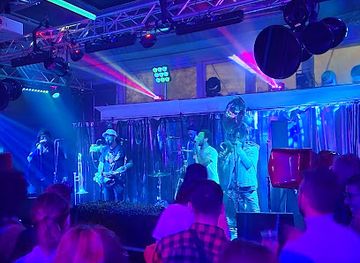
Evening life in Central Louisiana is concentrated in Alexandria and Pineville rather than spread across a large club district. Traditional pubs, casual bars, sports-oriented venues, restaurants with drinks and occasional live-music settings provide most of the region’s nightlife, while larger towns may also have cocktail-focused or late-evening establishments. Local festivals, concerts and university-related events can bring additional activity, but their dates and formats vary. In smaller communities, the evening scene usually centres on family restaurants, cafés, parish events and long-established social venues rather than nightclubs. Visitors should arrange transport before drinking, particularly when staying outside Alexandria or Pineville, where taxis and ride-hailing may be less readily available. Breweries and Louisiana-produced spirits may appear on local drinks menus, but alcohol is not necessary to engage with the region’s music, food or community life.
-
Reservoir
Toledo Bend Reservoir
Experience the breathtaking beauty of Toledo Bend Reservoir - a paradise for fishing, boating, and nature exploration in the heart of Texas and Louisiana.
-
Night club
The Rabbit Hole
Unleash your nightlife spirit at The Rabbit Hole, a vibrant club in New Orleans offering outstanding cocktails, music, and an unforgettable atmosphere.
-
Adult entertainment club
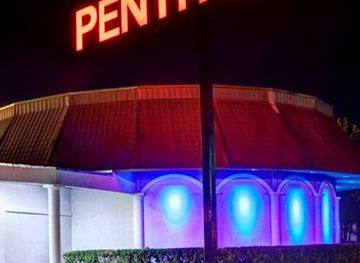
The Penthouse Club - Baton Rouge
Discover Baton Rouge's ultimate nightlife destination at The Penthouse Club, where excitement and entertainment await every night.
-
Night club
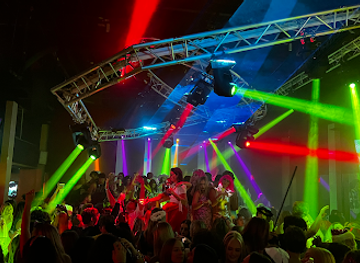
SPLASH NIGHTCLUB
Dive into the vibrant nightlife at Splash Nightclub, Baton Rouge's top destination for music, dancing, and unforgettable fun.

Best shops in Central Louisiana
Shopping in Central Louisiana is centred on Alexandria and Pineville, where visitors will find everyday retail, independent businesses, galleries, antiques and locally made goods rather than a specialised luxury-shopping scene. Downtown Alexandria is the most useful area for browsing cultural shops, art and gifts, while larger commercial areas provide practical supplies for road trips and outdoor activities. Farmers’ markets, seasonal produce stands and parish events may offer pecans, preserves, baked goods, hot sauces and other Louisiana food products, although locations and schedules should be checked locally. Marksville and smaller communities can be good places to look for regional crafts, Indigenous cultural material from appropriate and authorised sources, books and food products connected with local heritage. When buying antiques or archaeological-looking objects, ask about provenance and never purchase items that may have been removed illegally from a historic or Indigenous site.
-
Shopping mall
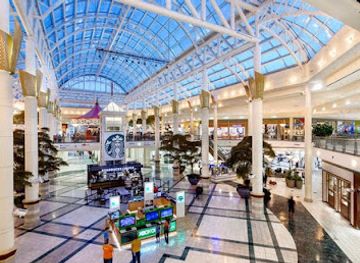
Mall of Louisiana
Explore the Mall of Louisiana in Baton Rouge, the ultimate shopping destination with diverse stores, dining options, and entertainment for everyone.
-
Shopping mall
Pecanland Mall
Explore Pecanland Mall, Monroe's leading shopping destination with diverse stores, dining options, and family-friendly entertainment.
-
Antique store
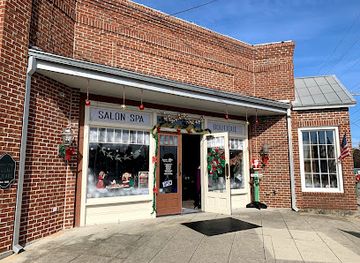
Denham Springs Antique Village
Explore Denham Springs Antique Village: your ultimate destination for unique antiques and vintage treasures in Louisiana.
-
Gift shop
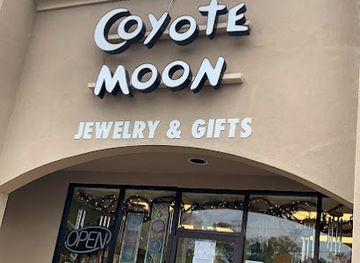
Coyote Moon Crystals & Gifts
Explore a unique selection of crystals, jewelry, and spiritual gifts at Coyote Moon Crystals & Gifts in Baton Rouge, where every item tells a story.
Get your free copy of our complete guide to Central Louisiana, delivered straight to you.
Everything on this page, from attractions and restaurants to essentials and local phrases, in one PDF you can read offline, print or share.
Already have an account? Sign in
Your Central Louisiana guide is ready.
We'll send it to · Not you? Sign out

Getting your guide ready…
We are putting together a fresh copy of the Central Louisiana guide. This can take up to a minute.
This can take a few moments. If your browser asks, choose Allow so the download can start. You'll find the guide in your Downloads folder.
Nothing happened? Download it again
Sorry, the guide is taking longer than usual. Please try again in a minute, or get it by email instead.
Central Louisiana essentials
Currency and Payment
Safety
Emergency Situations
Do's and Don'ts
Local Tips
From Eve
Local phrases worth knowing
You don't need to get them perfect. A few words go a long way, and locals appreciate the effort.
Basics
| English | Local | Say it |
|---|---|---|
| Hello | Salut | [sah-loo] |
| Goodbye | Au revoir | [oh ruh-vwahr] |
| Yes | Oui | [wee] |
| No | Non | [noh] |
| Please/You're welcome | S'il vous plaît | [seel voo pleh] |
| Thank you | Merci | [mehr-see] |
| Excuse me/Sorry | Pardonnez-moi | [par-dohn-ay mwah] |
| How are you? | Comment ça va? | [koh-mohn sah vah] |
| Fine. And you? | Bien. Et vous? | [byehn. eh voo] |
| Do you speak English? | Parlez-vous anglais? | [par-lay voo ahn-glay] |
| I don't understand | Je ne comprends pas | [zhuh nuh kom-prahn pah] |
Eating & Drinking
| English | Local | Say it |
|---|---|---|
| I'd like to see the menu, please | Je voudrais voir le menu, s'il vous plaît | [zhuh voo-dray vwar luh meh-nu, seel voo pleh] |
| I don't eat meat | Je ne mange pas de viande | [zhuh nuh mahnzh pah duh vyahnd] |
| Cheers! | Santé! | [sahn-tay] |
| I would like to pay, please | Je voudrais payer, s'il vous plaît | [zhuh voo-dray pay-ay, seel voo pleh] |
Emergencies
| English | Local | Say it |
|---|---|---|
| Help! | Au secours! | [oh suh-koor] |
| Go away! | Allez-vous-en! | [ah-lay voo zahn] |
| Call the Police! | Appelez la police! | [ah-peh-lay lah poh-lees] |
| Call a doctor! | Appelez un docteur! | [ah-peh-lay uhn dok-teur] |
| I'm lost | Je suis perdu | [zhuh swee pair-doo] |
| I'm ill | Je suis malade | [zhuh swee mah-lahd] |
Shopping
| English | Local | Say it |
|---|---|---|
| I'd like to buy... | Je voudrais acheter... | [zhuh voo-dray ah-sheh-tay] |
| I'm just looking | Je regarde juste | [zhuh ruh-gard zhoost] |
| How much is it? | C'est combien? | [say kohm-byen] |
| That's too expensive | C'est trop cher | [say troh shair] |
| Can you lower the price? | Pouvez-vous baisser le prix? | [poo-vay voo beh-say luh pree] |
Time & Numbers
| English | Local | Say it |
|---|---|---|
| What time is it? | Quelle heure est-il? | [kel uhr eh-teel] |
| It's one o'clock | Il est une heure | [eel eh ewn uhr] |
| Half past (10) | Dix heures et demie | [deez uhr eh duh-mee] |
| Morning | Matin | [mah-tan] |
| Afternoon | Après-midi | [ah-preh mee-dee] |
| Evening | Soir | [swahr] |
| Yesterday | Hier | [ee-ehr] |
| Today | Aujourd'hui | [oh-zhoor dwee] |
| Tomorrow | Demain | [duh-manh] |
| 1 | Un | [uhn] |
| 2 | Deux | [duh] |
| 3 | Trois | [trwah] |
| 4 | Quatre | [katr] |
| 5 | Cinq | [sank] |
| 6 | Six | [sees] |
| 7 | Sept | [set] |
| 8 | Huit | [weet] |
| 9 | Neuf | [nuhf] |
| 10 | Dix | [deez] |
Transport & Directions
| English | Local | Say it |
|---|---|---|
| Where's a/the...? | Où est un/une...? | [oo eh uhn/oon] |
| What's the address? | Quelle est l'adresse? | [kel eh luh-dress] |
| Can you show me (on the map)? | Pouvez-vous me montrer (sur la carte)? | [poo-vay voo muh mon-tray (sewr lah kart)] |
| When's the next (bus)? | Quand est le prochain (bus)? | [kahn eh luh pro-shen (boos)] |
| A ticket (to ....) | Un billet (pour....) | [uhn bee-yay (poor....)] |
History of Central Louisiana
Prehistoric Communities and the Marksville Tradition
Central Louisiana contains important evidence of Indigenous settlement long before European colonisation. The Marksville State Historic Site in Avoyelles Parish preserves earthen mounds associated with the Marksville culture, a Woodland-period society active roughly 1,500 to 2,000 years ago. The site reflects organised communities, ceremonial activity and wide-ranging exchange networks linking the lower Mississippi Valley with places farther east and north. Later Indigenous peoples, including the Tunica-Biloxi, continued to shape the region’s history. Mounds and related archaeological landscapes remain among Cenla’s most significant cultural resources.
French, Spanish and Indigenous Louisiana
European influence reached the Red River valley through French exploration, trade and settlement, followed by a period of Spanish administration before Louisiana became part of the United States. Indigenous diplomacy and trade remained essential as colonial communities developed. The region’s geography, especially the river and surrounding wetlands, connected inland settlements to the wider Mississippi Valley. This era established several long-lasting patterns: mixed cultural influences, agricultural settlement along waterways and a regional economy dependent on movement by river and later by road and rail.
Alexandria and the Red River Economy
Alexandria was established in the early nineteenth century near the Red River and grew as a trading and transport centre. Cotton agriculture expanded across central Louisiana, supported by river traffic, warehouses and enslaved labour. The town’s position made it an intermediary between plantation districts, the interior pine country and larger markets downstream. Although changing river channels and transport technology altered the waterway’s importance, Alexandria retained its role as the region’s principal commercial centre. Historic buildings, museum collections and the riverfront area preserve parts of this development.
The Civil War and the Red River Campaign
Central Louisiana was deeply affected by the American Civil War. In 1864, Union and Confederate forces contested the Red River valley during the Red River Campaign, a military operation intended partly to control river access and pressure Confederate Louisiana and Texas. Alexandria was occupied by Union troops, and much of the town was destroyed during the withdrawal and subsequent military actions. The campaign disrupted agriculture, transport and civilian life across the region. Its legacy remains visible in local historical interpretation and in the wider landscape of Civil War Louisiana.
Timber, Railways and Industrial Change
After the Civil War, railways and the commercial exploitation of the pine forests transformed central Louisiana. Timber companies, sawmills and rail connections encouraged new settlements and brought workers and investment into areas away from the Red River. The industry altered the landscape, stimulated urban growth in Alexandria and Pineville, and helped link inland parishes to national markets. As old-growth timber declined, forestry became more managed and diversified, while agriculture, manufacturing, public administration and services increasingly shared the region’s economy.
Military Installations and the Twentieth Century
Military activity became another important part of Central Louisiana’s modern history. Camp Beauregard, near Pineville, was established during the First World War and operated in different forms through later conflicts and periods of training. Its presence affected local employment, infrastructure and community life, while the Second World War and subsequent military mobilisation brought wider social and economic change. The installation and surrounding training areas are part of a broader twentieth-century story in which rural Louisiana became connected to national defence, modern transport and federal institutions.
Cenla’s Contemporary Cultural Identity
Modern Central Louisiana is shaped by the interaction of long-established African American, Cajun, Creole, Native American and wider Southern traditions. Alexandria developed museums, galleries, festivals and educational institutions that interpret this diverse inheritance, while rural communities retain strong connections to farming, forestry, hunting, churches and parish events. The region’s contemporary identity is therefore neither solely urban nor solely rural. It is an inland Louisiana culture shaped by the Red River, timber country, migration, regional foodways and the continuing importance of community institutions.
Central Louisiana in Photos
Browse through our photo collection highlighting the charm and character of the destination.
Neighbouring regions of Central Louisiana
The closest regions to Central Louisiana, if you have time for more than one.
-
-

-

-

-


Swipe for more regions
Explore more

Explore more of Louisiana
Discover Louisiana: A melting pot of cultures, flavors, and music in the heart of the American South. Experience the vibrant heritage and natural beauty of the Bayou State.
Explore Louisiana