

Free Southwest Louisiana Travel Guide & Mobile App
Explore Southwest Louisiana with free travel guides. Discover regional history, expert tips, proposed trips, and audio guides on web or mobile app.


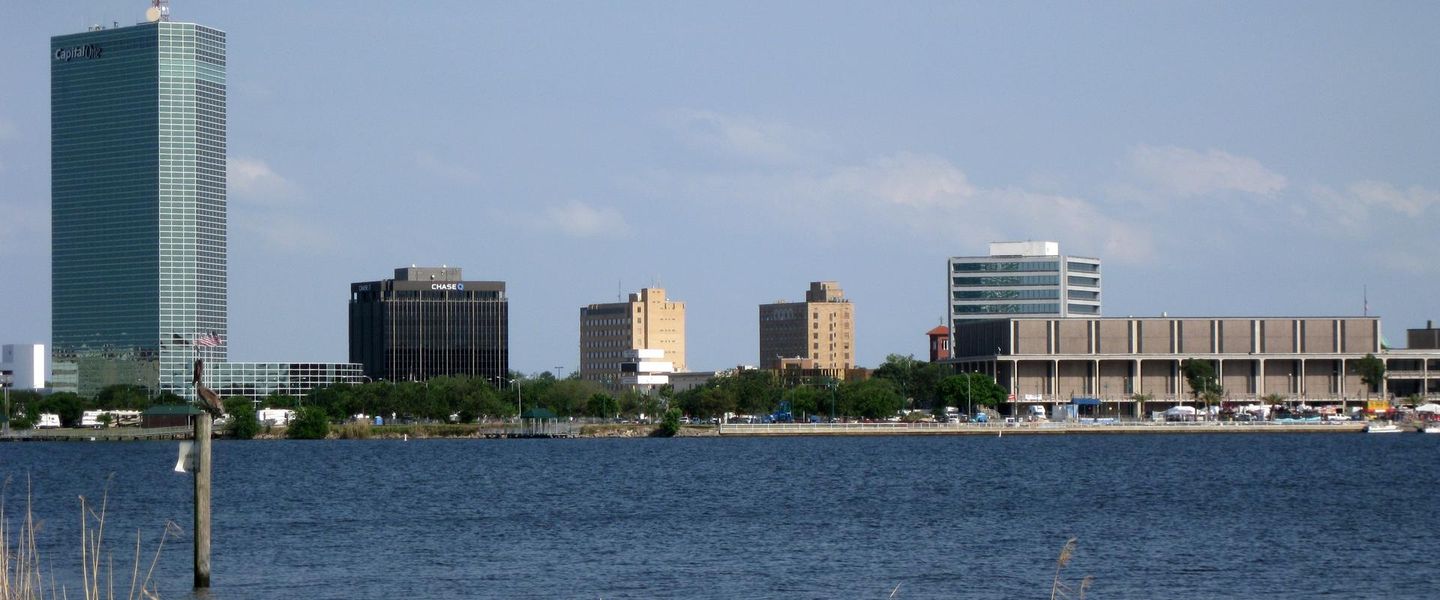


Explore Southwest Louisiana for Cajun and Creole food, wildlife-rich wetlands, Gulf coast drives, rice country and Lake Charles culture.
Read more about Southwest Louisiana
Getting to and around Southwest Louisiana
How to get there
Transportation
Top city travel guides in Southwest Louisiana
The cities of Southwest Louisiana, and the easiest places to base yourself.

Swipe for more cities
Destinations in Southwest Louisiana
Resorts, valleys and scenic spots worth a trip of their own.
-

-

-


Swipe for more destinations
Best attractions in Southwest Louisiana
Southwest Louisiana's attractions range from the museums and cultural venues of Lake Charles to long, wildlife-focused drives through the coastal marshes. The Creole Nature Trail All-American Road is the region's signature route, linking wetlands, prairies, fishing settlements and wildlife areas around Cameron and Calcasieu parishes. Sabine National Wildlife Refuge and Cameron Prairie National Wildlife Refuge provide opportunities for birdwatching, photography and observation of alligators and wetland habitats, while the coast offers boat-based exploration when conditions and operators permit. Inland, the countryside around Jennings, Welsh and Kinder is marked by rice fields, crawfish ponds and small-town food traditions. Beauregard Parish introduces a different environment of pine forests, lakes and timber heritage around DeRidder. Lake Charles adds the historic Charpentier District, the Imperial Calcasieu Museum, the Mardi Gras Museum of Imperial Calcasieu and live cultural programming. The region is best approached as a network of experiences connected by road rather than a compact sightseeing circuit, with weather, seasonal water levels and hurricane-related closures capable of changing access.
-
Casino
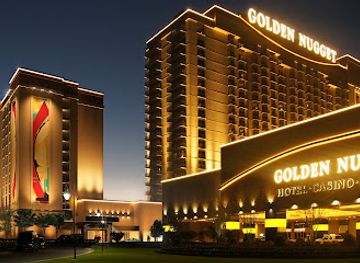
Golden Nugget Lake Charles Hotel & Casino
Experience luxury and excitement at Golden Nugget Lake Charles, where gaming, relaxation, and gourmet dining come together for the ultimate getaway.
-
History museum
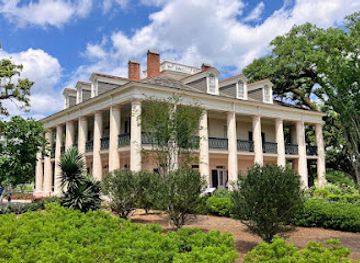
Oak Alley Plantation
Explore the enchanting Oak Alley Plantation, where history meets breathtaking landscapes, offering a glimpse into Louisiana’s rich antebellum past.
-
Park
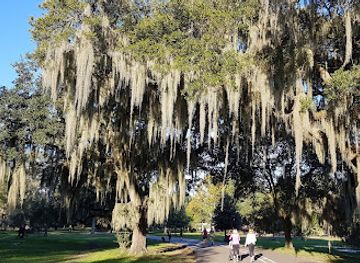
Audubon Park
Explore Audubon Park: A Green Oasis in New Orleans with Scenic Paths, Wildlife, and Family-Friendly Attractions.
-
Garden
Jungle Gardens
Discover the lush beauty and diverse wildlife of Jungle Gardens, a botanical haven on Avery Island, perfect for nature lovers and photographers.
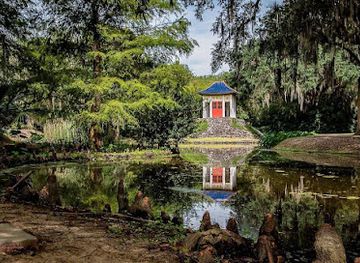
Best landmarks in Southwest Louisiana
Lake Charles' Charpentier Historic District is one of the region's most recognisable architectural areas, with late nineteenth- and early twentieth-century houses reflecting the prosperity of timber, rice, shipping and mercantile businesses. The Calcasieu River and Lake Charles waterfront form a major geographical landmark, linking the city to the port and industrial corridor beyond. In the coastal south, the Creole Nature Trail's marshes, canals and open horizons are landmarks of landscape rather than monumental architecture, while the Cameron coast expresses the region's continuing relationship with storms, fisheries and wetland change. Inland, the historic civic buildings and timber-era character of DeRidder provide a different visual identity, rooted in the pine-forest economy. The broad rice landscapes around Jennings and Welsh are also significant cultural landmarks: irrigation, grain facilities, crawfish ponds and straight rural roads reveal how agriculture transformed the prairie. Together these places show Southwest Louisiana as a region defined by the interaction of architecture, industry, water and working countryside.
-
 Historical landmark
Jackson Square
Discover the enchanting Jackson Square, a historic gem in New Orleans where art, culture, and history come alive in the heart of the French Quarter.
-
Historical place museum
Laura Plantation: Louisiana's Créole Heritage Site
Explore the captivating Creole heritage at Laura Plantation, a historical gem in Louisiana, showcasing rich culture and stunning landscapes.
-
Museum
Louisiana's Old State Capitol
Explore the Gothic beauty and rich history of Louisiana's Old State Capitol, a must-visit museum and landmark in Baton Rouge.
-
State park
Sam Houston Jones State Park
Explore the natural beauty of Sam Houston Jones State Park, where adventure, tranquility, and diverse wildlife come together in Lake Charles, Louisiana.
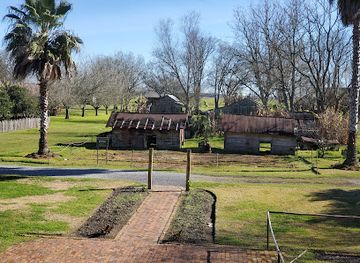
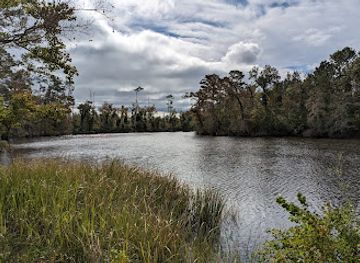
Explore Southwest Louisiana on the map
Plan your trip on one map. See where the top cities, national parks and sights are, and book hotels and experiences in a few clicks.
Best hotels in Southwest Louisiana
Best restaurants in Southwest Louisiana
Dining in Southwest Louisiana is grounded in rice, seafood, poultry, pork and the layered Cajun and Creole foodways of south-western Louisiana. Look for gumbo, jambalaya, crawfish étouffée, fried or grilled Gulf seafood, boudin, cracklins and rice dishes, while menus in coastal communities often reflect shrimping and fishing traditions. Boudin varies between producers, so comparing versions in Lake Charles, Sulphur, Jennings or smaller prairie towns can be more rewarding than seeking a single definitive recipe. Cafés, family-run counters, seafood restaurants, traditional diners, rural plate-lunch spots and pubs provide the everyday food scene, while Lake Charles has the region's broadest selection of contemporary dining. Farmers' markets and seasonal events may showcase rice, crawfish, citrus, locally made sausages and other produce. Cajun and Creole cooking overlap but are not identical, and restaurants also serve broader American, Gulf Coast and international food, reflecting the region's modern population.
-
Seafood
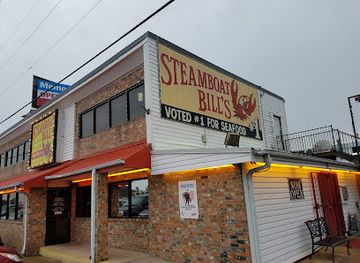
Steamboat Bill's on the Lake
Experience authentic Louisiana seafood at Steamboat Bill's on the Lake—where every dish tells a story.
-
Sandwich
Darrell's
Savor authentic Louisiana Po' Boys at Darrell's in Lake Charles - where great food meets Southern hospitality.
-
Cajun
Pat's of Henderson
Experience authentic Cajun cuisine at Pat's of Henderson—a must-visit fine dining restaurant in Lake Charles offering fresh seafood and mouthwatering steaks.
-
Restaurant
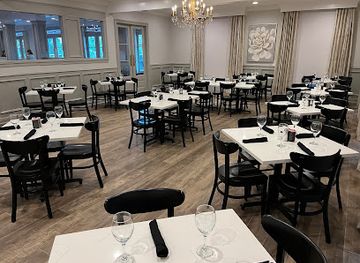
LUNA Bar & Grill Downtown
Experience Southern hospitality and innovative cuisine at LUNA Bar & Grill in downtown Lake Charles – where every meal is a celebration.

Best bars in Southwest Louisiana
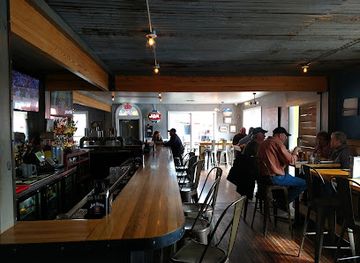
Evening life is concentrated in Lake Charles, where restaurants, casino resorts, bars and live-music venues provide the broadest choice after dark. Traditional pubs, neighbourhood bars and venues featuring Cajun, zydeco or swamp-pop music offer a more locally rooted alternative to casino entertainment, while Sulphur and the smaller towns tend to have a quieter scene centred on restaurants, bars and community events. Seasonal festivals, Mardi Gras activities and live performances can bring music and dancing to towns that are otherwise subdued in the evening. Nightclubs exist, but Southwest Louisiana is not primarily a clubbing destination; distances between communities and the region's rural character make planning transport important. Visitors should arrange a sober driver or other safe return journey, particularly when exploring outside Lake Charles, and should check current venue arrangements rather than relying on old listings.
-
Restaurant
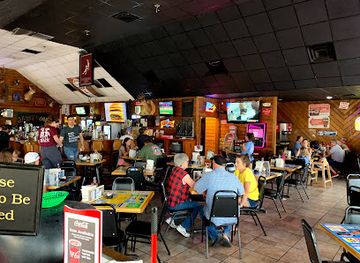
Walk-On's Sports Bistreaux - Lake Charles Restaurant
Experience the vibrant atmosphere and delicious Louisiana cuisine at Walk-On's Sports Bistreaux, the ultimate sports bar destination in Lake Charles.
-
Restaurant
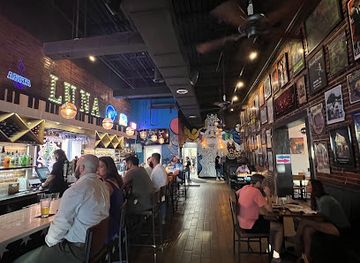
LUNA Bar & Grill Downtown
Discover a taste of Louisiana at LUNA Bar & Grill, where local flavors and a vibrant atmosphere bring dining to life in Downtown Lake Charles.
-
Irish pub
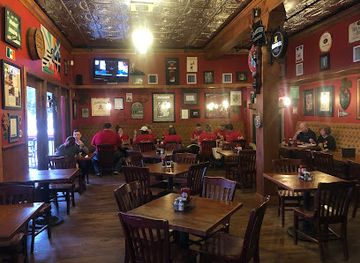
MacFarlane's Celtic Pub
Discover MacFarlane's Celtic Pub in Lake Charles, where authentic Irish culture meets delicious Cajun cuisine and vibrant live music.
-
Bar
Rikenjaks Brewing Company
Discover the lively ambiance of Rikenjaks Brewing Company, where craft beer and live music create unforgettable moments in Lake Charles.

Best nightclubs in Southwest Louisiana
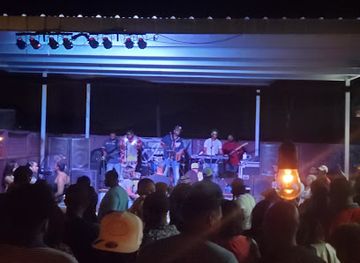
Evening life is concentrated in Lake Charles, where restaurants, casino resorts, bars and live-music venues provide the broadest choice after dark. Traditional pubs, neighbourhood bars and venues featuring Cajun, zydeco or swamp-pop music offer a more locally rooted alternative to casino entertainment, while Sulphur and the smaller towns tend to have a quieter scene centred on restaurants, bars and community events. Seasonal festivals, Mardi Gras activities and live performances can bring music and dancing to towns that are otherwise subdued in the evening. Nightclubs exist, but Southwest Louisiana is not primarily a clubbing destination; distances between communities and the region's rural character make planning transport important. Visitors should arrange a sober driver or other safe return journey, particularly when exploring outside Lake Charles, and should check current venue arrangements rather than relying on old listings.
-
Lounge
Juicy’s Lounge
Discover Juicy's Lounge in Lake Charles – a vibrant lounge known for its great music, delicious drinks, and lively atmosphere perfect for any night out.
-
Night club
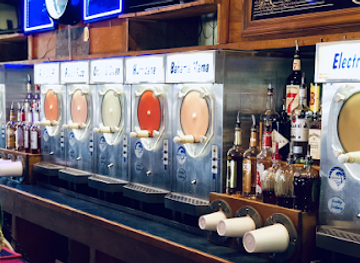
Frosty Factory
Discover Lake Charles' nightlife at Frosty Factory, where vibrant music and lively crowds unite for unforgettable evenings.
-
Night club
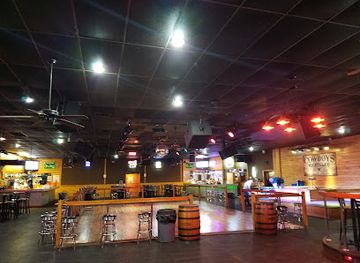
Cowboys Nightclub
Discover the essence of Southern nightlife at Cowboys Nightclub, a lively venue for dancing, live music, and unforgettable memories in Scott, Louisiana.
-
Night club
Brass Room
Brass Room: Lafayette's Premier Night Club for an Unforgettable Night Out with Live Music and Dancing.

Best shops in Southwest Louisiana
Shopping in Southwest Louisiana is strongest in Lake Charles, where conventional retail, independent businesses, galleries, food shops and visitor-oriented outlets provide the widest selection. The historic city districts are more useful for architectural browsing, gifts and locally themed products than for a single concentrated luxury-shopping quarter. In Jennings, Welsh, DeRidder, Sulphur and other small towns, high streets and local businesses offer practical goods, antiques, crafts, books and regional food products, although opening patterns can be limited outside core hours. Farmers' markets and seasonal events are good places to look for rice, preserves, baked goods, spice blends, local sausage and other products associated with south Louisiana cooking. Art, pottery, woodwork and Louisiana-themed textiles make more meaningful souvenirs than generic items, while boudin and other perishable foods should be purchased with travel and refrigeration in mind. Availability varies by town, so avoid planning a shopping itinerary around a single small retailer without checking current arrangements.
-
Shopping mall
Louisiana Boardwalk
Experience the perfect blend of shopping, dining, and scenic views at the vibrant Louisiana Boardwalk in Bossier City.
-
Shopping mall
Pecanland Mall
Discover Pecanland Mall: Monroe's ultimate shopping, dining, and entertainment destination for a fun-filled experience in Louisiana.
-
Shopping mall
Prien Lake Mall
Explore Prien Lake Mall in Lake Charles, Louisiana - a vibrant shopping haven with diverse retail, dining, and entertainment options for everyone.
-
Shopping mall
Prien Lake Plaza
Discover the vibrant shopping experience at Prien Lake Plaza, Lake Charles' premier destination for retail therapy and delicious dining options.

Get your free copy of our complete guide to Southwest Louisiana, delivered straight to you.
Everything on this page, from attractions and restaurants to essentials and local phrases, in one PDF you can read offline, print or share.
Already have an account? Sign in
Your Southwest Louisiana guide is ready.
We'll send it to · Not you? Sign out

Getting your guide ready…
We are putting together a fresh copy of the Southwest Louisiana guide. This can take up to a minute.
This can take a few moments. If your browser asks, choose Allow so the download can start. You'll find the guide in your Downloads folder.
Nothing happened? Download it again
Sorry, the guide is taking longer than usual. Please try again in a minute, or get it by email instead.
Southwest Louisiana essentials
Currency and Payment
Safety
Emergency Situations
Do's and Don'ts
Local Tips
From Eve
Local phrases worth knowing
You don't need to get them perfect. A few words go a long way, and locals appreciate the effort.
Basics
| English | Local | Say it |
|---|---|---|
| Hello | Bonjour | [Bohn-zhoor] |
| Goodbye | Au revoir | [Oh ruh-vwahr] |
| Yes | Oui | [Wee] |
| No | Non | [Nawn] |
| Please/You're welcome | S'il vous plaît | [Seel voo pleh] |
| Thank you | Merci | [Mehr-see] |
| Excuse me/Sorry | Excusez-moi | [Ex-kew-zay mwah] |
| How are you? | Comment ça va? | [Koh-mahn sah vah] |
| Fine. And you? | Ça va bien. Et vous? | [Sah vah byan. Ay voo?] |
| Do you speak English? | Parlez-vous anglais? | [Par-lay voo ahn-glay?] |
| I don't understand | Je ne comprends pas | [Zhuh nuh kom-prawn pah] |
Eating & Drinking
| English | Local | Say it |
|---|---|---|
| I'd like to see the menu, please | Je voudrais voir le menu, s'il vous plaît | [Zhuh voo-dray vwar luh meh-nu, seel voo pleh] |
| I don't eat meat | Je ne mange pas de viande | [Zhuh nuh mahnzh pah duh vyahnd] |
| Cheers! | Santé! | [Sahn-tay] |
| I would like to pay, please | Je voudrais payer, s'il vous plaît | [Zhuh voo-dray pay-ay, seel voo pleh] |
Emergencies
| English | Local | Say it |
|---|---|---|
| Help! | À l'aide! | [Ah lehd!] |
| Go away! | Allez-vous-en! | [Ah-lay voo zahn!] |
| Call the Police! | Appelez la police! | [Ah-peh-lay lah poh-lees!] |
| Call a doctor! | Appelez un docteur! | [Ah-peh-lay uhn doh-kteur!] |
| I'm lost | Je suis perdu | [Zhuh swee pair-doo] |
| I'm ill | Je suis malade | [Zhuh swee mah-lahd] |
Shopping
| English | Local | Say it |
|---|---|---|
| I'd like to buy... | Je voudrais acheter... | [Zhuh voo-dray ash-tay...] |
| I'm just looking | Je regarde juste | [Zhuh ruh-gard zhoost] |
| How much is it? | C'est combien? | [Say kohm-byen?] |
| That's too expensive | C'est trop cher | [Say troh shair] |
| Can you lower the price? | Pouvez-vous baisser le prix? | [Poo-vay voo beh-say luh pree?] |
Time & Numbers
| English | Local | Say it |
|---|---|---|
| What time is it? | Quelle heure est-il? | [Kell uhr eh teel?] |
| It's one o'clock | Il est une heure | [Eel eh uhn uhr] |
| Half past (10) | Dix heures et demie | [Dee uhr eh duh-mee] |
| Morning | Matin | [Mah-tan] |
| Afternoon | Après-midi | [Ah-pray mee-dee] |
| Evening | Soir | [Swahr] |
| Yesterday | Hier | [Yair] |
| Today | Aujourd'hui | [Oh-zhoor dwee] |
| Tomorrow | Demain | [Duh-mahn] |
| 1 | Un | [Uhn] |
| 2 | Deux | [Duh] |
| 3 | Trois | [Trwah] |
| 4 | Quatre | [Kah-truh] |
| 5 | Cinq | [Sank] |
| 6 | Six | [Sees] |
| 7 | Sept | [Set] |
| 8 | Huit | [Wheet] |
| 9 | Neuf | [Nuhf] |
| 10 | Dix | [Dee] |
Transport & Directions
| English | Local | Say it |
|---|---|---|
| Where's a/the...? | Où est un/une...? | [Oo eh uhn/oon...?] |
| What's the address? | Quelle est l'adresse? | [Kell eh l'ah-dress?] |
| Can you show me (on the map)? | Pouvez-vous me montrer (sur la carte)? | [Poo-vay voo muh mohn-tray (sur lah kart)?] |
| When's the next (bus)? | Quand est le prochain (bus)? | [Kahn eh luh pro-shen (boos)?] |
| A ticket (to ....) | Un billet (pour....) | [Uhn bee-yay (poor....)] |
History of Southwest Louisiana
Indigenous Homelands and Early Encounters
Southwest Louisiana lies within the historic homelands of Indigenous peoples including the Atakapa-Ishak, whose communities lived along the coast, waterways and prairies, using the region's abundant fish, game and plant resources. European travellers and colonial authorities encountered these communities from the eighteenth century onwards, bringing trade, disease, displacement and changing political alliances. Archaeological and cultural evidence across southern Louisiana reflects long human occupation of the wetlands, although many visible historic landscapes date from much later settlement. Indigenous history remains an essential part of the region's story rather than a prelude that ended with European arrival.
French, Spanish and Acadian Settlement
The area became part of the wider colonial Louisiana world, passing through French and Spanish administration before the Louisiana Purchase transferred it to the United States in 1803. French-speaking Acadian refugees, often called Cajuns, gradually settled across the prairies and bayous of southern Louisiana, joining earlier French, Spanish, African and Native populations. Their farming, fishing, language and Catholic traditions helped shape communities around the Mermentau and Calcasieu waterways. Enslaved Africans and their descendants also profoundly influenced agriculture, music, religion and cuisine, while later Creole identities developed from several overlapping cultural inheritances.
Rice, Cattle and Prairie Agriculture
During the nineteenth century, much of the region's economy rested on cattle raising, rice cultivation and the movement of goods along rivers and bayous. Rice proved especially suited to the flat prairie west of Lafayette and around Jennings, Welsh and nearby communities, where irrigation and drainage transformed the landscape. Railways and improved transport connected farmers with markets, mills and ports, encouraging the growth of small towns. Agriculture remains visible in the broad fields, irrigation canals, crawfish ponds and grain-processing infrastructure that distinguish inland Southwest Louisiana from the more densely wooded north.
Timber, Railways and the Growth of DeRidder
The longleaf pine forests of Beauregard Parish supported a major timber economy in the late nineteenth and early twentieth centuries. Rail connections enabled lumber companies to extract, process and ship timber, while towns such as DeRidder expanded around mills, depots and associated commerce. The industry altered forests and settlement patterns, but it also left an architectural and civic legacy in the region's older town centres. Forestry remains economically important, although modern land management, manufacturing and energy industries now share the landscape with the surviving pine woods.
Lake Charles, Industry and the Port
Lake Charles developed around the Calcasieu River and lake, becoming a regional centre for shipping, timber, rice and later petrochemical manufacturing. Canal improvements, railways and port investment linked the area to the Gulf of Mexico and national markets. During the twentieth century, refineries, chemical plants and related industries became major employers, particularly around Lake Charles and Sulphur. Their presence is an important part of the contemporary landscape: the region combines wildlife-rich wetlands and agricultural land with one of Louisiana's most substantial industrial corridors.
Music, Foodways and Cajun Cultural Renewal
Cajun French, Creole musical traditions, African American styles and the working cultures of rice farms, fishing communities and timber towns produced a distinctive regional sound and cuisine. Zydeco, Cajun music and swamp pop developed through dance halls, family gatherings, radio and community festivals, while dishes such as gumbo, boudin and crawfish preparations drew on French, African, Native and Gulf Coast influences. From the later twentieth century, cultural institutions, festivals and heritage organisations helped preserve and present these traditions, even as everyday language and rural economies changed.
Hurricanes and Coastal Change
Southwest Louisiana's coastal communities have repeatedly faced hurricanes, storm surge, flooding and land loss. Hurricane Audrey devastated Cameron Parish in 1957, and later storms including Rita, Ike, Laura, Delta and other major systems caused extensive damage across the coast and Lake Charles area. Recovery has repeatedly altered homes, businesses, habitats and transport routes, while coastal erosion and wetland loss continue to influence planning. The region's resilience is therefore modern history as well as a practical reality, visible in rebuilt communities, changing shorelines and the continuing importance of evacuation and storm preparation.
Southwest Louisiana in Photos
Browse through our photo collection highlighting the charm and character of the destination.
Neighbouring regions of Southwest Louisiana
The closest regions to Southwest Louisiana, if you have time for more than one.
-

-

-

-

-


Swipe for more regions
Explore more

Explore more of Louisiana
Discover Louisiana: A melting pot of cultures, flavors, and music in the heart of the American South. Experience the vibrant heritage and natural beauty of the Bayou State.
Explore Louisiana