

Free Cajun Heartland Travel Guide & Mobile App
Explore Cajun Heartland with free travel guides. Discover regional history, expert tips, proposed trips, and audio guides on web or mobile app.


Discover the vibrant culture, mouth-watering cuisine, and natural beauty of Louisiana's Cajun Heartland, where French, Spanish, and African influences create a unique tapestry.
Read more about Cajun Heartland
Getting to and around Cajun Heartland
How to get there
Transportation
Top city travel guides in Cajun Heartland
The cities of Cajun Heartland, and the easiest places to base yourself.
-

-


Swipe for more cities
Destinations in Cajun Heartland
Resorts, valleys and scenic spots worth a trip of their own.
-

-
-

-


Swipe for more destinations
Best attractions in Cajun Heartland
Nestled in the heart of Louisiana, the Cajun Heartland offers a vibrant tapestry of rich history, unique culture, and natural beauty that captivates every visitor. From the lively streets of Lafayette, where Zydeco music fills the air and the aroma of authentic Cajun cuisine tantalizes the senses, to the serene swamps and bayous teeming with wildlife, this region is a treasure trove of experiences. Explore the Acadian Village to step back in time and witness the life of early Cajun settlers or take a leisurely cruise through the Atchafalaya Basin, the largest swamp in the United States, where moss-draped cypress trees and alligators create a mesmerizing landscape. The heartland is also dotted with vibrant festivals like the Festival International de Louisiane, celebrating the area's multicultural roots through music and art. For history buffs, the Vermilionville Historic Village offers an in-depth look at the diverse cultures that have shaped this region, including Native American, African, and French influences. Whether you're dancing to the rhythms of a local band, savoring a bowl of gumbo, or watching the sunset over the bayou, the Cajun Heartland offers an unforgettable journey into the soul of Louisiana.
-
Garden
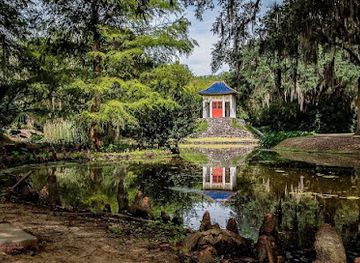
Jungle Gardens
Discover the tranquil beauty and diverse wildlife of Jungle Gardens, a botanical haven on Avery Island, Louisiana.
-
Zoo
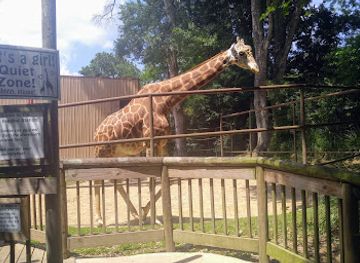
Zoosiana
Explore Zoosiana in Broussard, Louisiana, where diverse wildlife and interactive experiences create unforgettable family adventures.
-
Historical place museum
Vermilionville Historic Village
Experience the vibrant culture and rich history of Louisiana at Vermilionville Historic Village, a living museum of Cajun and Creole heritage.
-
Cultural center
LARC's Acadian Village
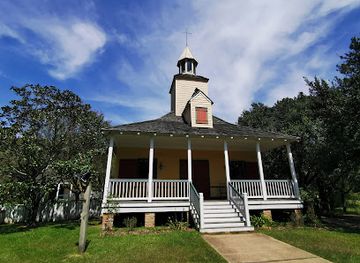
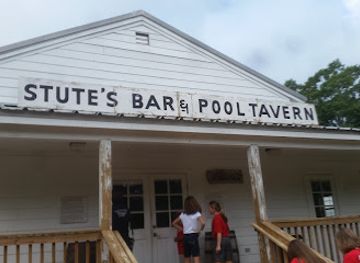
Immerse yourself in Louisiana's rich Cajun culture at LARC's Acadian Village, a lively cultural center featuring authentic architecture, events, and local crafts.
Best landmarks in Cajun Heartland
Cajun Heartland, nestled in the vibrant state of Louisiana, invites travelers to immerse themselves in a rich tapestry of history, culture, and natural beauty. Begin your journey at Vermilionville, a living history museum where costumed interpreters bring the 18th-century Creole and Acadian way of life to vivid reality. A short drive away, the Tabasco Factory on Avery Island offers a spicy insight into the iconic hot sauce's production, surrounded by lush Jungle Gardens teeming with exotic wildlife. In the heart of Lafayette, the Acadian Cultural Center provides a fascinating exploration of the Acadian people's journey and legacy. Explore the Atchafalaya Basin, the country's largest swamp, on a thrilling airboat tour, where alligators and egrets glide through the cypress trees draped in Spanish moss. For a touch of architectural grandeur, visit the Cathedral of St. John the Evangelist, boasting stained glass windows and the iconic oak tree, estimated to be over 500 years old. The Cajun Heartland is a symphony of culinary delights, lively music, and warm hospitality, where every landmark tells a story waiting to be discovered.
-
Historical place museum
Vermilionville Historic Village
Experience the rich culture and history of Louisiana at Vermilionville Historic Village, a living museum showcasing Cajun and Creole traditions.
-
Historical place museum
Longfellow-Evangeline State Historic Site
Discover the Acadian heritage at Longfellow-Evangeline State Historic Site, where history and nature intertwine in stunning Louisiana.
-
Historical landmark
Cajun
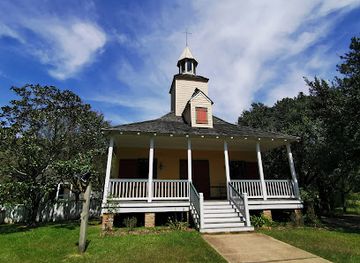
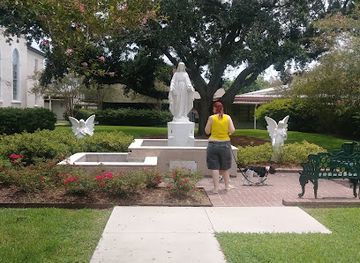
Discover the rich history and mouthwatering flavors of Cajun cuisine at this iconic landmark in Lafayette, Louisiana, a must-visit for every traveler.
Explore Cajun Heartland on the map
Plan your trip on one map. See where the top cities, national parks and sights are, and book hotels and experiences in a few clicks.
Best hotels in Cajun Heartland
Best restaurants in Cajun Heartland
In the Cajun Heartland of Louisiana, the dining scene is a vibrant tapestry of flavors that captures the soulful spirit of the region's rich cultural heritage. Visitors can indulge in authentic Cajun and Creole cuisine at bustling local eateries where the air is filled with the enticing aroma of spices, seafood, and smoked meats. Expect to find signature dishes like gumbo, jambalaya, and crawfish étouffée served with a side of warm hospitality. In Lafayette, the heart of Cajun country, food lovers can explore a range of dining experiences from rustic bistros to lively music-filled venues where zydeco and jazz provide a spirited soundtrack to your meal. The area is dotted with hidden gems, including family-owned restaurants that have been serving traditional recipes passed down through generations, offering a true taste of Louisiana's culinary legacy. Whether you're savoring boudin and cracklins in a roadside market or enjoying a decadent beignet in a charming café, the Cajun Heartland promises an unforgettable gastronomic journey that celebrates the fusion of French, Spanish, African, and Native American influences.
-
Cajun
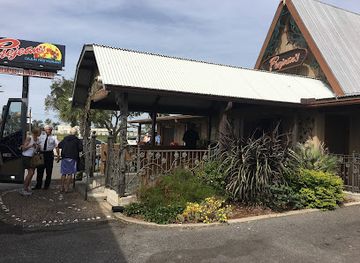
Prejean's Restaurant Carencro
Experience authentic Cajun cuisine at Prejean's Restaurant - where every meal tells a story and live music fills your soul.
-
Seafood
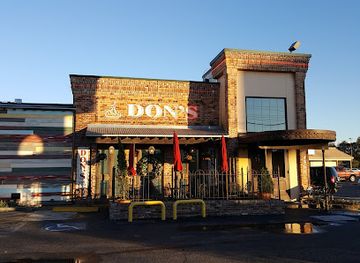
Dons Seafood - Lafayette
Experience authentic Cajun & Creole seafood at Dons Seafood in Lafayette - a family-friendly gem celebrating Louisiana's rich culinary heritage.
-
Restaurant
Bon Temps Grill
Experience authentic Creole cuisine at Bon Temps Grill in Lafayette – where every dish tells a story of flavor and tradition.
-
American
Zea Rotisserie & Bar
Experience the best of American cuisine at Zea Rotisserie & Bar in Lafayette, LA – where flavors meet warmth!

Best bars in Cajun Heartland
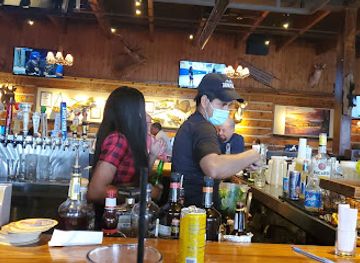
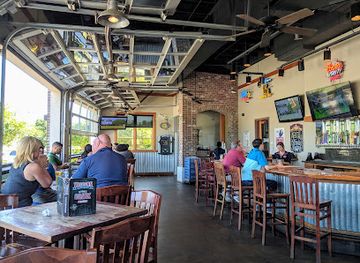
The nightlife of Cajun Heartland in Louisiana is a vibrant tapestry of music, dance, and culinary delights that captivates visitors with its rich cultural flair and infectious energy. As the sun sets, the region's towns come alive with the sounds of zydeco and Cajun music pulsating from local dance halls, where both locals and tourists groove to the mesmerizing rhythms. Dive into the lively atmosphere of Lafayette's downtown, where charming bars and eclectic clubs offer a perfect blend of traditional and contemporary vibes, serving up craft cocktails alongside authentic Cajun cuisine. Immerse yourself in the spirited ambiance of live music venues, where seasoned musicians and emerging talents share the stage, delivering unforgettable performances that echo the heart and soul of Cajun culture. Whether you're sipping on a local brew or dancing the night away, the nightlife in Cajun Heartland promises an unforgettable experience that invites you to be part of its vibrant story.
-
Sports bar
Twin Peaks
Experience the best of American cuisine and sports entertainment at Twin Peaks, Lafayette's premier sports bar and restaurant.
-
Restaurant
Walk-On's Sports Bistreaux - Lafayette Restaurant
Discover Lafayette's vibrant dining scene at Walk-On's Sports Bistreaux, where delicious food meets thrilling sports excitement.
-
Bar
New Orleans Original Daiquiris
Experience the vibrant culture of Louisiana with refreshing frozen daiquiris at New Orleans Original Daiquiris, a lively cocktail bar in Lafayette.
-
Bar
Basile Roadhouse
Discover the vibrant atmosphere of Basile Roadhouse: a unique bar and barber shop, where the heart of Louisiana hospitality shines.

Best nightclubs in Cajun Heartland
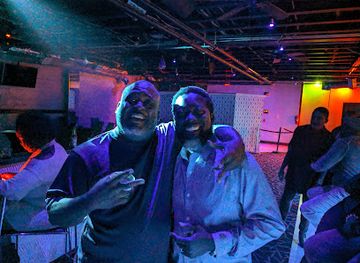
The nightlife of Cajun Heartland in Louisiana is a vibrant tapestry of music, dance, and culinary delights that captivates visitors with its rich cultural flair and infectious energy. As the sun sets, the region's towns come alive with the sounds of zydeco and Cajun music pulsating from local dance halls, where both locals and tourists groove to the mesmerizing rhythms. Dive into the lively atmosphere of Lafayette's downtown, where charming bars and eclectic clubs offer a perfect blend of traditional and contemporary vibes, serving up craft cocktails alongside authentic Cajun cuisine. Immerse yourself in the spirited ambiance of live music venues, where seasoned musicians and emerging talents share the stage, delivering unforgettable performances that echo the heart and soul of Cajun culture. Whether you're sipping on a local brew or dancing the night away, the nightlife in Cajun Heartland promises an unforgettable experience that invites you to be part of its vibrant story.
-
Night club
Haze On Texas
Discover the electrifying nightlife and vibrant atmosphere at Haze On Texas, Shreveport's premier night club for unforgettable nights.
-
Night club
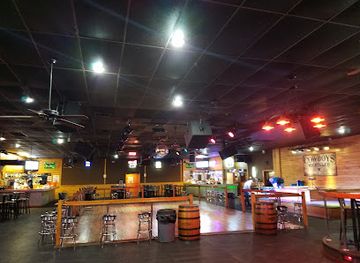
Cowboys Nightclub
Discover the lively ambiance of Cowboys Nightclub in Scott, Louisiana, where live music and dancing create unforgettable nightlife experiences.
-
Night club
Brass Room
Brass Room in Lafayette offers an electrifying nightlife experience with great music, affordable drinks, and a lively atmosphere for all party-goers.
-
Adult entertainment club
Pegasus Lounge
Explore the lively nightlife at Pegasus Lounge in Leesville, LA, where captivating performances and vibrant atmosphere await every night.


Best shops in Cajun Heartland
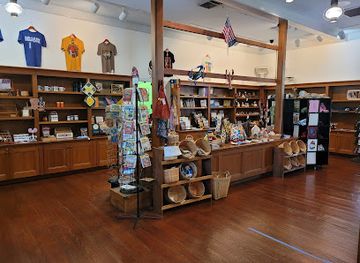
In the vibrant Cajun Heartland, the shopping scene offers an eclectic mix of unique experiences that blend cultural richness and Southern charm. Visitors can explore bustling markets and quaint boutiques where handcrafted treasures, such as intricate Acadian crafts and vibrant Zydeco-inspired artwork, await discovery. The aroma of freshly roasted coffee and the sounds of local music often waft through the air, creating an immersive sensory journey. Antique enthusiasts will revel in the numerous shops filled with vintage finds and one-of-a-kind pieces that tell the story of the region's rich history. Culinary adventurers can delight in gourmet shops offering authentic Cajun spices, sauces, and locally produced delicacies, perfect for bringing a taste of Louisiana back home. Whether strolling through historic downtowns or wandering through artisanal fairs, the Cajun Heartland's shopping scene promises an unforgettable experience that captures the essence of its unique heritage and vibrant culture.
-
Shopping mall
Acadiana Mall
Discover Acadiana Mall: Your ultimate shopping experience in Lafayette, Louisiana, featuring a wide range of stores, dining, and entertainment options.
-
Gift shop
Vermilionville Historic Village
Experience the vibrant culture and history of Louisiana at Vermilionville Historic Village, a living museum showcasing Acadian and Creole heritage.
-
Shopping mall
Ambassador Row
Explore Ambassador Row in Lafayette, LA: A premier shopping mall with diverse shops, delightful dining options, and a vibrant atmosphere.
-
Shopping mall
Ambassador Town Center
Explore the Ambassador Town Center: Lafayette's premier shopping mall with diverse stores, delicious dining, and a lively atmosphere for all ages.

Get your free copy of our complete guide to Cajun Heartland, delivered straight to you.
Everything on this page, from attractions and restaurants to essentials and local phrases, in one PDF you can read offline, print or share.
Already have an account? Sign in
Your Cajun Heartland guide is ready.
We'll send it to · Not you? Sign out

Getting your guide ready…
We are putting together a fresh copy of the Cajun Heartland guide. This can take up to a minute.
This can take a few moments. If your browser asks, choose Allow so the download can start. You'll find the guide in your Downloads folder.
Nothing happened? Download it again
Sorry, the guide is taking longer than usual. Please try again in a minute, or get it by email instead.
Cajun Heartland essentials
Currency and Payment
Safety
Emergency Situations
Do's and Don'ts
Local Tips
From Eve
Local phrases worth knowing
You don't need to get them perfect. A few words go a long way, and locals appreciate the effort.
Basics
| English | Local | Say it |
|---|---|---|
| Hello | Salut | [sah-loo] |
| Goodbye | Au revoir | [oh ruh-vwahr] |
| Yes | Oui | [wee] |
| No | Non | [noh] |
| Please/You're welcome | S'il vous plaît / De rien | [seel voo pleh / duh ree-ehn] |
| Thank you | Merci | [mehr-see] |
| Excuse me/Sorry | Pardon | [par-dohn] |
| How are you? | Comment ça va? | [koh-mohn sah vah] |
| Fine. And you? | Bien. Et toi? | [byehn. eh twah] |
| Do you speak English? | Parlez-vous anglais? | [par-lay voo ahn-glay] |
| I don't understand | Je ne comprends pas | [zhuh nuh kohm-prahn pah] |
Eating & Drinking
| English | Local | Say it |
|---|---|---|
| I'd like to see the menu, please | Je voudrais voir le menu, s'il vous plaît | [zhuh voo-dray vwar luh meh-nu, seel voo pleh] |
| I don't eat meat | Je ne mange pas de viande | [zhuh nuh mahnj pah duh vyahnd] |
| Cheers! | Santé! | [sahn-tay] |
| I would like to pay, please | Je voudrais payer, s'il vous plaît | [zhuh voo-dray pay-ay, seel voo pleh] |
Emergencies
| English | Local | Say it |
|---|---|---|
| Help! | À l'aide! | [ah led] |
| Go away! | Allez-vous-en! | [ah-lay voo zahn] |
| Call the Police! | Appelez la police! | [ah-peh-lay lah poh-lees] |
| Call a doctor! | Appelez un médecin! | [ah-peh-lay uhn meh-deh-sahn] |
| I'm lost | Je suis perdu | [zhuh swee pair-doo] |
| I'm ill | Je suis malade | [zhuh swee mah-lahd] |
Shopping
| English | Local | Say it |
|---|---|---|
| I'd like to buy... | Je voudrais acheter... | [zhuh voo-dray ah-sheh-tay] |
| I'm just looking | Je regarde juste | [zhuh ruh-gard zhoost] |
| How much is it? | C'est combien? | [seh kohm-byen] |
| That's too expensive | C'est trop cher | [seh troh shair] |
| Can you lower the price? | Vous pouvez baisser le prix? | [voo poo-vay beh-say luh pree] |
Time & Numbers
| English | Local | Say it |
|---|---|---|
| What time is it? | Quelle heure est-il? | [kel uhr eh teel] |
| It's one o'clock | Il est une heure | [eel eh toon uhr] |
| Half past (10) | Dix heures et demie | [dees uhr eh duh-mee] |
| Morning | Matin | [mah-tan] |
| Afternoon | Après-midi | [ah-preh mee-dee] |
| Evening | Soir | [swahr] |
| Yesterday | Hier | [ee-air] |
| Today | Aujourd'hui | [oh-zhoor dwee] |
| Tomorrow | Demain | [duh-man] |
| 1 | Un | [uhn] |
| 2 | Deux | [duh] |
| 3 | Trois | [twah] |
| 4 | Quatre | [katr] |
| 5 | Cinq | [sank] |
| 6 | Six | [sees] |
| 7 | Sept | [set] |
| 8 | Huit | [weet] |
| 9 | Neuf | [nurf] |
| 10 | Dix | [dees] |
Transport & Directions
| English | Local | Say it |
|---|---|---|
| Where's a/the...? | Où est un/le...? | [oo eh uhn/luh] |
| What's the address? | Quelle est l'adresse? | [kel eh luh-dress] |
| Can you show me (on the map)? | Pouvez-vous me montrer (sur la carte)? | [poo-vay voo muh mohn-tray (sur lah kart)] |
| When's the next (bus)? | Quand est le prochain (bus)? | [kahn eh luh pro-shen (bus)] |
| A ticket (to ....) | Un billet (pour ....) | [uhn bee-yay (poor ....)] |
History of Cajun Heartland
Origins of the Cajun People
The Cajun people trace their roots back to the Acadians, French settlers who lived in parts of what are now Canada. In 1755, during the Great Expulsion, the British forced thousands of Acadians from their homes. Many of these displaced Acadians found their way to Louisiana, where they settled in the swamps and bayous, creating a unique culture that blended French, Spanish, African, and Native American influences.
Settling in the Bayous
Upon arriving in Louisiana, the Acadians settled in the bayous and prairies of the region, areas that were largely uninhabited at the time. They adapted to the local environment, developing a way of life that revolved around fishing, farming, and trapping. This self-sufficient lifestyle allowed them to preserve their unique cultural identity and traditions, despite the challenges they faced.
Cajun Cuisine
Cajun cuisine is a cornerstone of the region's culture, known for its bold flavors and use of local ingredients. Dishes like gumbo, jambalaya, and boudin reflect the resourcefulness of the Cajun people, who made use of what was available to them in the swamps and bayous. The cuisine is a testament to the blending of various cultural influences, including French, Spanish, African, and Native American.
The Influence of Creole Culture
While often confused with Cajun culture, Creole culture has its distinct origins and influences. Creole culture in Louisiana is a blend of French, Spanish, African, and Caribbean influences, with a significant presence in the urban areas like New Orleans. The interplay between Cajun and Creole cultures has enriched the cultural tapestry of the region, influencing everything from language to cuisine and music.
Music and Dance
Cajun music is characterized by its lively rhythms and the use of instruments like the accordion and fiddle. It has its roots in the traditional music of the Acadians but has been influenced by African, Native American, and Creole musical traditions. Zydeco music, which originated in the Creole communities of Louisiana, also plays a significant role in the region's musical landscape. Both genres are celebrated through festivals and dance halls, where locals and visitors alike can experience the vibrant culture.
The Cajun Renaissance
In the mid-20th century, there was a renewed interest in Cajun culture, often referred to as the Cajun Renaissance. Efforts were made to preserve and promote the Cajun French language, traditional music, and other cultural aspects. This movement helped to revitalize the region's cultural heritage and foster a sense of pride among the Cajun people. Today, organizations like CODOFIL (Council for the Development of French in Louisiana) continue to support the preservation and promotion of Cajun culture.
Cajun Festivals
Festivals play a significant role in preserving and celebrating Cajun culture. Events like the Breaux Bridge Crawfish Festival, Festival International de Louisiane, and the Cajun Music and Food Festival attract thousands of visitors each year. These festivals showcase the region's music, food, and traditions, providing an immersive experience for those looking to understand and appreciate Cajun culture.
Cajun Heartland in Photos
Browse through our photo collection highlighting the charm and character of the destination.
Neighbouring regions of Cajun Heartland
The closest regions to Cajun Heartland, if you have time for more than one.
-

-

-

-

-


Swipe for more regions
Explore more

Explore more of Louisiana
Discover Louisiana: A melting pot of cultures, flavors, and music in the heart of the American South. Experience the vibrant heritage and natural beauty of the Bayou State.
Explore Louisiana