

Free Red River Valley Travel Guide & Mobile App
Explore Red River Valley with free travel guides. Discover regional history, expert tips, proposed trips, and audio guides on web or mobile app.


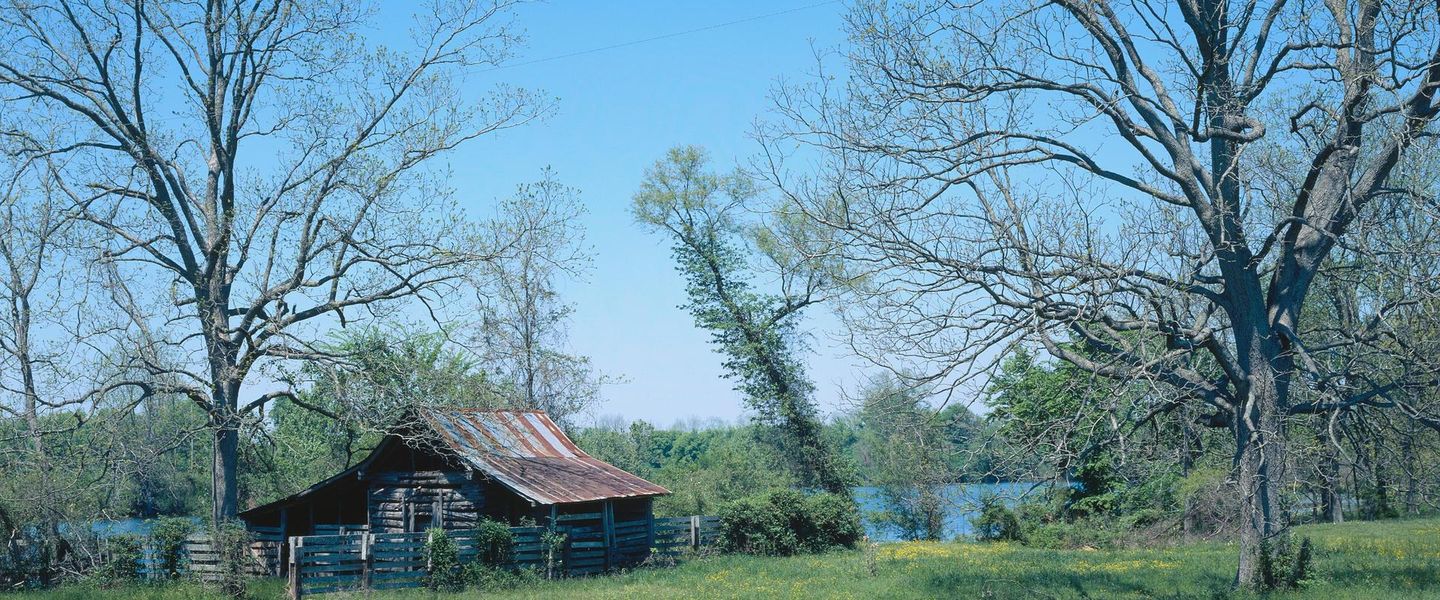


Explore Louisiana’s Red River Valley for historic Natchitoches, Cane River plantations, pine forests, river towns and layered Creole heritage.
Read more about Red River Valley
Getting to and around Red River Valley
How to get there
Transportation
Destinations in Red River Valley
Resorts, valleys and scenic spots worth a trip of their own.

Swipe for more destinations
Best attractions in Red River Valley
The Red River Valley’s attractions range from urban museums and performance venues in Shreveport–Bossier to historic settlements, plantations, forests and river overlooks farther south. Natchitoches is the principal heritage centre, with the reconstructed Fort St. Jean Baptiste, the National Historic Landmark district along Front Street and access to the Cane River National Heritage Area. Oakland, Magnolia and Melrose plantations provide different perspectives on Creole architecture, agriculture, enslavement and later preservation, while rural roads reveal how closely historic properties remain tied to waterways and working land. Around Alexandria and Pineville, museums, parks and cultural institutions provide a useful introduction to central Louisiana, while nearby Kisatchie National Forest offers hiking, equestrian routes, camping, wildlife observation and distinctive longleaf pine landscapes. Grand Ecore, north of Natchitoches, combines elevated river views with archaeological and military associations. The valley is also suited to paddling, fishing, birdwatching and scenic drives, though water levels, heat and seasonal storms can affect outdoor plans. Its strongest appeal is the relationship between cultural sites and the river environment: history is encountered in town streets, plantation landscapes, floodplain communities and managed forests rather than in a single concentrated attraction zone.
-
Wildlife refuge
Loggy Bayou Wildlife Management Area
Explore the serene beauty of Loggy Bayou Wildlife Management Area, a premier wildlife refuge in Louisiana, perfect for outdoor adventures and nature exploration.
-
State park
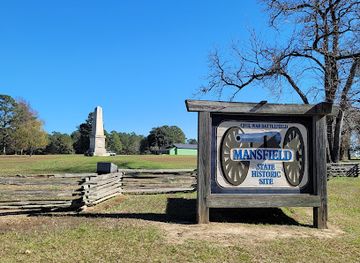
Mansfield State Historic Site
Explore the Mansfield State Historic Site, where the rich history of the Civil War meets the beauty of Louisiana's nature, perfect for every tourist's adventure.
-
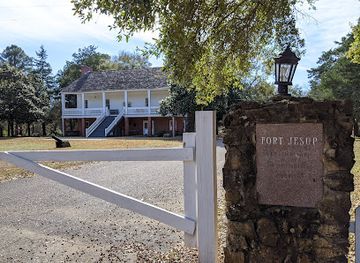
Fort Jesup State Historic Site
Discover the captivating history and natural beauty of Fort Jesup State Historic Site in Louisiana, a perfect blend of education and recreation for all ages.
-
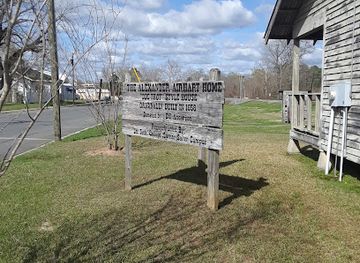
Museum of West Louisiana
Explore the captivating history and culture of West Louisiana at the Museum of West Louisiana, where local heritage comes alive through engaging exhibits.
Best landmarks in Red River Valley
The Red River Valley’s most recognisable landmarks include the brick-paved Front Street historic district in Natchitoches, where commercial buildings face the Cane River waterfront and express the town’s long history as a trading settlement. Fort St. Jean Baptiste, reconstructed near the original colonial site, represents the French military and diplomatic presence that shaped early European settlement. Along Cane River, Oakland and Magnolia plantations preserve distinctive Creole landscapes, outbuildings and domestic architecture, while Melrose reflects the artistic and architectural legacy of the region’s later Creole community. Further north, Grand Ecore forms a notable elevated viewpoint above the Red River and helps explain the importance of bluffs, navigation and defence. In central Louisiana, the Red River bridges linking Alexandria and Pineville are prominent urban features, while Kisatchie National Forest’s sandstone formations, pine woods and wooded ridges provide natural landmarks rather than monumental architecture. Together these places show the valley’s defining contrast: engineered riverfronts and historic townscapes on one hand, and broad forests, floodplains and culturally layered rural landscapes on the other.
-
Historical place museum
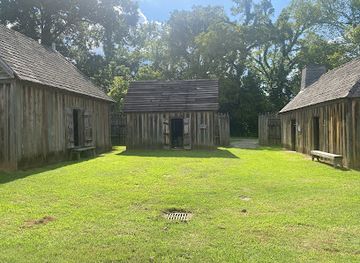
Fort St. Jean Baptiste State Historic Site
Explore Fort St. Jean Baptiste State Historic Site, a fascinating glimpse into Louisiana's colonial history with a reconstructed fort and engaging museum exhibits.
Explore Red River Valley on the map
Plan your trip on one map. See where the top cities, national parks and sights are, and book hotels and experiences in a few clicks.
Best hotels in Red River Valley
Best restaurants in Red River Valley
-
Restaurant
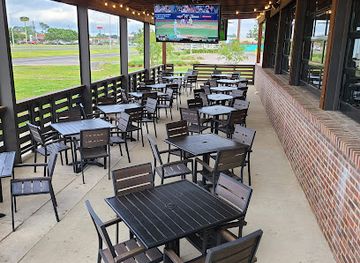
Walk-On's Sports Bistreaux - Alexandria Restaurant
Discover the ultimate dining experience at Walk-On's Sports Bistreaux in Alexandria - where delicious Southern cuisine meets exciting sports action.
-
American
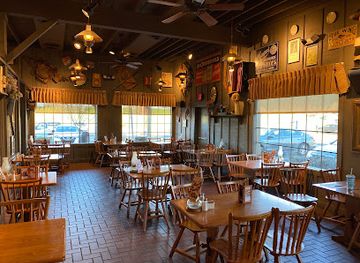
Cracker Barrel Old Country Store
Discover authentic Southern cuisine and unique shopping at Cracker Barrel Old Country Store in Alexandria.
-
Buffet
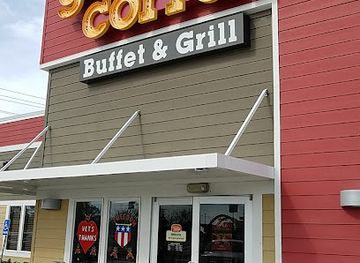
Golden Corral Buffet & Grill
Experience the best of American cuisine at Golden Corral Buffet & Grill in Alexandria – where deliciousness meets variety.
-
Creole
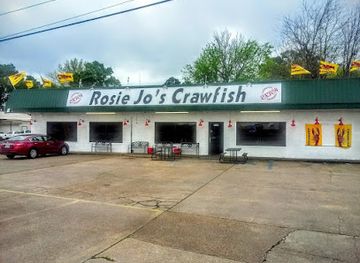
Rosie Jo's
Savor authentic Creole cuisine at Rosie Jo's in Alexandria, where every dish tells a story of Louisiana's rich culinary heritage.
Best bars in Red River Valley
Evening life varies sharply along the valley. Shreveport and Bossier City have the largest selection of bars, breweries, live-music venues, casino entertainment and late-night dining, with activity concentrated in urban and riverfront areas. Natchitoches offers a smaller scene centred on restaurants, historic-town bars, cafés and occasional live music rather than a large club circuit. Alexandria and Pineville provide neighbourhood bars, restaurants and selected entertainment venues, while smaller communities generally settle into an early evening rhythm of local restaurants, social clubs and traditional pubs or bars. Seasonal festivals and university calendars can change the atmosphere, but visitors should check current arrangements rather than assume nightly events. Rural parts of the valley are better suited to quiet dinners, porch gatherings and stargazing than to late-night entertainment. Drinking is not necessary to experience local culture, and anyone travelling between dispersed towns should arrange a sober driver or other reliable transport.
-
Restaurant
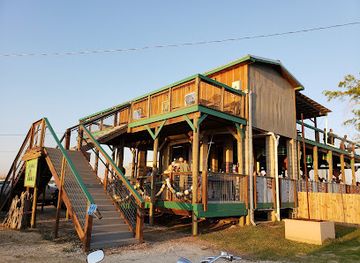
T Rivers Bar & Grill
Discover T Rivers Bar & Grill in Madisonville: a vibrant seafood restaurant and sports bar offering exceptional food and nightlife.
-
Grill
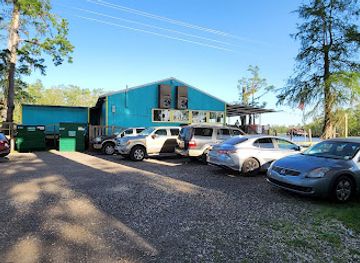
Boopalu's Bar and Grill
Experience the heart of Louisiana's culinary scene at Boopalu's Bar and Grill, where Southern flavors and vibrant atmosphere collide.
-
Grill
4th Quarter bar and grill
Experience the vibrant flavors of Louisiana at 4th Quarter Bar and Grill, where grilled delights and Southern hospitality meet in a lively atmosphere.
-
Bar
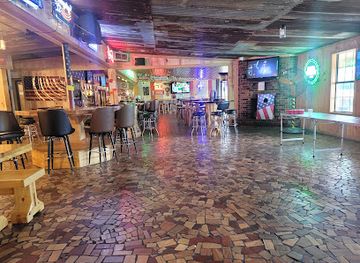
Shooters Billiards & Sports Bar
Discover the lively charm of Shooters Billiards & Sports Bar in Leesville, LA – a hub for billiards, sports, and unforgettable nightlife.

Best nightclubs in Red River Valley
-
Night club
Tokay's LLC
Discover the vibrant nightlife of Natchitoches at Tokay's LLC, where great music and lively atmosphere await every visitor.

Best shops in Red River Valley
Shopping is primarily local and practical, with the strongest concentrations in Shreveport–Bossier, Natchitoches and Alexandria–Pineville. Natchitoches offers independent shops, galleries, bookshops, boutiques and food retailers around the historic downtown and riverfront, making it a good place to look for Louisiana-made gifts, regional cookbooks, art and locally packaged produce. Shreveport and Bossier City provide larger shopping centres, department stores and specialist retailers, while Alexandria and Pineville serve as central Louisiana’s main retail hub. Farmers' markets and seasonal produce stalls may offer preserves, baked goods, vegetables and other regional foods, but operating days change through the year. Craft and gallery shopping is more likely to produce distinctive souvenirs than generic tourist outlets, particularly where artists draw on Louisiana landscapes, river life or Creole heritage. Visitors should treat plantation and museum shops as supplementary rather than comprehensive sources of local craft, and should check that food products can legally be carried across borders when returning home.
-
Shopping mall
Louisiana Boardwalk
Discover the Louisiana Boardwalk - your ultimate shopping, dining, and entertainment destination in Bossier City, Louisiana.
-
Department store
Walmart Supercenter
Discover the Walmart Supercenter in Bastrop, LA - your ultimate shopping destination for groceries, clothing, electronics, and more.
-
Department store
Target
Explore Target in Lafayette for an all-in-one shopping experience featuring clothing, home goods, electronics, and more during your visit.
-
Department store
Dillard's Clearance Center
Shop smart at Dillard's Clearance Center, your destination for high-quality fashion, home goods, and unbeatable discounts in Kenner, Louisiana.

Get your free copy of our complete guide to Red River Valley, delivered straight to you.
Everything on this page, from attractions and restaurants to essentials and local phrases, in one PDF you can read offline, print or share.
Already have an account? Sign in
Your Red River Valley guide is ready.
We'll send it to · Not you? Sign out

Getting your guide ready…
We are putting together a fresh copy of the Red River Valley guide. This can take up to a minute.
This can take a few moments. If your browser asks, choose Allow so the download can start. You'll find the guide in your Downloads folder.
Nothing happened? Download it again
Sorry, the guide is taking longer than usual. Please try again in a minute, or get it by email instead.
Red River Valley essentials
Currency and Payment
Safety
Emergency Situations
Do's and Don'ts
Local Tips
From Eve
Local phrases worth knowing
You don't need to get them perfect. A few words go a long way, and locals appreciate the effort.
Basics
| English | Local | Say it |
|---|---|---|
| Hello | Bonjour | [Bohn-zhoor] |
| Goodbye | Au revoir | [Oh ruh-vwahr] |
| Yes | Oui | [Wee] |
| No | Non | [Nohn] |
| Please/You're welcome | S'il vous plaît | [Seel voo pleh] |
| Thank you | Merci | [Mehr-see] |
| Excuse me/Sorry | Pardon | [Pahr-dohn] |
| How are you? | Comment ça va? | [Koh-mohn sah vah?] |
| Fine. And you? | Bien. Et vous? | [Byehn. Eh voo?] |
| Do you speak English? | Parlez-vous anglais? | [Par-lay voo ahn-glay?] |
| I don't understand | Je ne comprends pas | [Zhuh nuh kom-prahn pah] |
Eating & Drinking
| English | Local | Say it |
|---|---|---|
| I'd like to see the menu, please | Je voudrais voir le menu, s'il vous plaît | [Zhuh voo-dray vwar luh meh-nu, seel voo pleh] |
| I don't eat meat | Je ne mange pas de viande | [Zhuh nuh mahnzh pah duh vyahnd] |
| Cheers! | Santé! | [Sahn-tay!] |
| I would like to pay, please | Je voudrais payer, s'il vous plaît | [Zhuh voo-dray pay-ay, seel voo pleh] |
Emergencies
| English | Local | Say it |
|---|---|---|
| Help! | Au secours! | [Oh suh-koor!] |
| Go away! | Allez-vous-en! | [Ah-lay voo-zahn!] |
| Call the Police! | Appelez la police! | [Ah-peh-lay lah poh-lees!] |
| Call a doctor! | Appelez un médecin! | [Ah-peh-lay uhn med-seen!] |
| I'm lost | Je suis perdu | [Zhuh swee pair-due] |
| I'm ill | Je suis malade | [Zhuh swee mah-lahd] |
Shopping
| English | Local | Say it |
|---|---|---|
| I'd like to buy... | Je voudrais acheter... | [Zhuh voo-dray ah-sheh-tay...] |
| I'm just looking | Je regarde juste | [Zhuh ruh-gard zhuhst] |
| How much is it? | C'est combien? | [Say kohm-byen?] |
| That's too expensive | C'est trop cher | [Say troh shair] |
| Can you lower the price? | Pouvez-vous baisser le prix? | [Poo-vay voo beh-say luh pree?] |
Time & Numbers
| English | Local | Say it |
|---|---|---|
| What time is it? | Quelle heure est-il? | [Kel uhr eh-teel?] |
| It's one o'clock | Il est une heure | [Eel eh oon uhr] |
| Half past (10) | Dix heures et demie | [Dee uhr eh duh-mee] |
| Morning | Matin | [Mah-tan] |
| Afternoon | Après-midi | [Ah-preh-mee-dee] |
| Evening | Soir | [Swahr] |
| Yesterday | Hier | [E-er] |
| Today | Aujourd'hui | [Oh-zhoor-dwee] |
| Tomorrow | Demain | [Duh-man] |
| 1 | Un | [Uhn] |
| 2 | Deux | [Duh] |
| 3 | Trois | [Trwah] |
| 4 | Quatre | [Kah-truh] |
| 5 | Cinq | [Sank] |
| 6 | Six | [Sees] |
| 7 | Sept | [Set] |
| 8 | Huit | [Wheet] |
| 9 | Neuf | [Nuhf] |
| 10 | Dix | [Dee] |
Transport & Directions
| English | Local | Say it |
|---|---|---|
| Where's a/the...? | Où est un/une...? | [Oo eh uhn/oon...?] |
| What's the address? | Quelle est l'adresse? | [Kel eh lah-dress?] |
| Can you show me (on the map)? | Pouvez-vous me montrer (sur la carte)? | [Poo-vay voo muh mohn-tray (sur lah kart)?] |
| When's the next (bus)? | Quand est le prochain (bus)? | [Kahn eh luh pro-shen (boos)?] |
| A ticket (to ....) | Un billet (pour....) | [Uhn bee-yay (poor....)] |
History of Red River Valley
Caddo Homelands and River Trade
Long before European colonisation, the Red River corridor was part of the homeland and trading world of Caddo peoples. Communities used the river, its tributaries and surrounding forests for travel, hunting, fishing and agriculture, maintaining networks that extended across what are now Louisiana, Texas, Arkansas and Oklahoma. Caddo archaeological sites and traditions provide essential context for understanding the valley as an established cultural landscape rather than an empty frontier encountered by Europeans. Modern visitors should recognise that Caddo history continues beyond the region’s historic sites and museum displays.
French Natchitoches and Colonial Rivalries
French colonists established Natchitoches in 1714 under Louis Juchereau de Saint-Denis, creating one of the earliest permanent European settlements in the Louisiana interior. The post occupied a strategic position near Caddo trading routes and the boundary of French and Spanish spheres in North America. Fort St. Jean Baptiste, reconstructed at Natchitoches, interprets this period of diplomacy, trade and military competition. The settlement later developed through changing imperial administrations, but its location continued to connect river traffic, regional commerce and cultural exchange.
Plantations, Cane River and Creole Communities
The Cane River region developed a distinctive Creole society shaped by French and Spanish colonial institutions, African and European ancestry, Catholic practice, farming and the forced labour of enslaved people. Cotton, sugarcane and other crops supported plantations and smaller farms, while free people of colour established families, property and community institutions despite the restrictions of slavery and racial hierarchy. Historic places such as Oakland, Magnolia and Melrose preserve parts of this complex landscape. Their significance lies not only in architecture but also in the stories of enslaved workers, owners, artisans and later generations.
River Commerce and the Growth of Inland Towns
During the nineteenth century, the Red River served as both transport route and economic resource. Steamboats carried agricultural goods, supplies and passengers, although shifting channels, snags and seasonal water levels made navigation difficult. Natchitoches, Alexandria and other river communities expanded as commercial centres, while cotton agriculture connected the valley to national and international markets. Later railways and improved roads reduced dependence on river transport but reinforced the same urban centres. Warehouses, historic commercial streets and courthouse towns still reflect this transition from river-based trade to modern regional infrastructure.
The Civil War and the Red River Campaign
The valley was drawn directly into the American Civil War during the Red River Campaign of 1864. Union forces advanced through central Louisiana towards Shreveport, hoping to control the Red River and threaten Confederate territory in the region. Confederate resistance, difficult terrain, low water and logistical problems contributed to the campaign’s failure. The Battle of Mansfield, fought in De Soto Parish west of the core river corridor, and the subsequent Battle of Pleasant Hill were central episodes. Their wider legacy is interpreted through museums, battlefield sites and historic landscapes across north-western Louisiana.
Timber, Railways and Industrial Transformation
After the Civil War, railways and the commercial exploitation of pine forests reshaped central and northern Louisiana. Timber companies, sawmills and rail lines expanded into areas that had previously been difficult to reach, bringing new employment and accelerating the growth of towns. Logging also caused profound environmental change, although longleaf pine ecosystems survived in protected areas and remain central to the identity of Kisatchie National Forest. Agriculture, manufacturing, oil-related activity and public-sector employment later diversified the valley’s economy, while the river remained important for water management and regional planning.
Flood Control, Navigation and the Modern Valley
The modern Red River is heavily influenced by engineering. Levees, locks, dams, reservoirs and channel improvements were developed to reduce flood risk, support navigation and manage water supplies, particularly after recurring floods demonstrated the river’s disruptive power. The Red River Waterway project created a navigable route between the Mississippi River system and Shreveport, although its benefits and environmental effects have been debated. Today the river supports recreation, industry, wildlife habitat and urban waterfronts, while floodplain management continues to shape how communities use the land.
Red River Valley in Photos
Browse through our photo collection highlighting the charm and character of the destination.
Neighbouring regions of Red River Valley
The closest regions to Red River Valley, if you have time for more than one.
-

-

-

-

-


Swipe for more regions
Explore more

Explore more of Louisiana
Discover Louisiana: A melting pot of cultures, flavors, and music in the heart of the American South. Experience the vibrant heritage and natural beauty of the Bayou State.
Explore Louisiana