

Free North Louisiana Travel Guide & Mobile App
Explore North Louisiana with free travel guides. Discover regional history, expert tips, proposed trips, and audio guides on web or mobile app.


Explore North Louisiana for Red River cities, historic Natchitoches, ancient earthworks, pine forests, Delta wetlands and distinctive Southern food.
Read more about North Louisiana
Getting to and around North Louisiana
How to get there
Transportation
Top city travel guides in North Louisiana
The cities of North Louisiana, and the easiest places to base yourself.
-

-


Swipe for more cities
Destinations in North Louisiana
Resorts, valleys and scenic spots worth a trip of their own.
-

-
-

-

-


Swipe for more destinations
Best attractions in North Louisiana
North Louisiana's attractions range from major urban museums and performance venues in Shreveport and Monroe to deeply layered historic sites and expansive outdoor landscapes. The Shreveport–Bossier City area offers museums, riverfront recreation and family-oriented cultural attractions, while Ruston combines university life with access to rolling pine country and Lincoln Parish's rural scenery. Natchitoches is a destination in its own right, with its historic district, Cane River setting and nearby plantation landscapes. Cane River Creole National Historical Park interprets the architecture, agriculture and communities formed around Oakland and Magnolia plantations. At Poverty Point, visitors encounter one of North America's most important prehistoric earthwork complexes. Lake Bistineau, Bayou Bodcau and other reservoirs and wildlife areas support fishing, paddling, boating and birdwatching, while sections of Kisatchie National Forest in the region provide hiking and forest recreation. The attractions are spread across long driving distances, so a successful itinerary balances city museums with historic towns, archaeological heritage and time outdoors rather than attempting to see the entire region from one base.
-
History museum
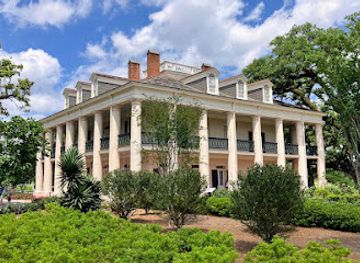
Oak Alley Plantation
Explore the enchanting Oak Alley Plantation, where history and beauty intertwine in the heart of Louisiana's antebellum countryside.
-
Tourist attraction
Duck Commander
Discover the legacy of Duck Commander in West Monroe, Louisiana - a unique blend of culture, history, and Southern charm awaits you.
-
Garden
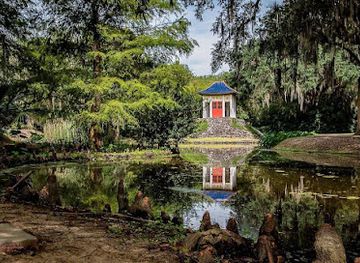
Jungle Gardens
Explore the enchanting Jungle Gardens on Avery Island, a stunning botanical haven featuring diverse flora and rich wildlife in Louisiana.
-
Zoo
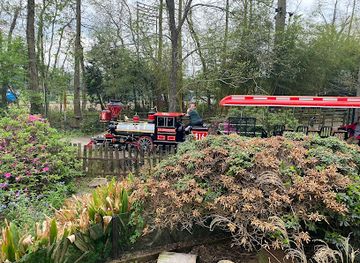
Alexandria Zoological Park
Explore the wonders of wildlife at Alexandria Zoological Park, a top-tier zoo in Louisiana with diverse species and engaging exhibits.

Best landmarks in North Louisiana
Poverty Point's enormous ridges and mounds in West Carroll Parish are North Louisiana's most extraordinary ancient landmark, expressing the scale and organisation of a society that flourished thousands of years ago. In Natchitoches, the historic district along the Cane River is defined by brick streets, early commercial buildings, galleries, churches and ironwork balconies; the town's French-founded layout remains unusually legible. The Old Natchitoches Courthouse and other surviving civic buildings add to its architectural character. South of the town, Cane River's historic plantations and church landscapes reveal how colonial and antebellum agriculture shaped the region, while the Creole heritage of the communities along the river gives these places significance beyond their façades. In Shreveport, the Red River and the Texas Street corridor help explain the city's commercial history, and the Shreveport Water Works Museum preserves an important municipal-industrial complex. The Red River itself, with its levees, bridges and broad floodplain, is a defining geographical landmark linking many of the region's settlements.
-
History museum
Oak Alley Plantation
Explore the enchanting Oak Alley Plantation, a historic treasure offering a glimpse into antebellum Louisiana's rich history amidst stunning natural beauty.
-
Historical place museum
Laura Plantation: Louisiana's Créole Heritage Site
Explore the captivating history and culture of Louisiana at Laura Plantation, a premier Creole Heritage Site brimming with stories and beauty.
-
 Hotel
The Myrtles
Discover the haunting beauty of The Myrtles, a historic plantation in Louisiana known for its rich history and ghostly legends.
-
Museum
Louisiana's Old State Capitol
Discover Louisiana's Old State Capitol - a captivating museum and historical landmark in Baton Rouge, perfect for history lovers and curious travelers alike.

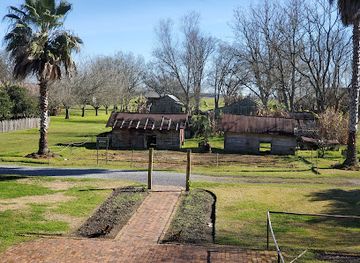
Explore North Louisiana on the map
Plan your trip on one map. See where the top cities, national parks and sights are, and book hotels and experiences in a few clicks.
Best hotels in North Louisiana
Best restaurants in North Louisiana
North Louisiana's food reflects the meeting of Louisiana cooking with the culinary influences of neighbouring Arkansas and East Texas. Menus commonly include gumbo, fried catfish, crawfish when in season, boudin, hot links, po'boys, meat pies and barbecue, while restaurants in Shreveport, Monroe, Ruston and Natchitoches add contemporary interpretations and international choices. Cane River and Natchitoches are associated with meat pies, whose fillings and pastry styles vary between makers. Rural cafés, family restaurants and barbecue counters remain important parts of the dining landscape, alongside seafood houses, bakeries and polished restaurants in the larger towns. Farmers' markets and roadside sellers may offer seasonal fruit, vegetables, preserves and baked goods. Louisiana's familiar use of rice, roux, river fish, smoked meats and bold seasoning appears throughout the region, but local recipes are not identical from parish to parish. Ask about daily specials and regional ingredients rather than assuming every restaurant serves the same style of Cajun or Creole food.
-
Restaurant
Walk-On's Sports Bistreaux - West Monroe Restaurant
Experience Southern hospitality with delicious food and live sports at Walk-On's Sports Bistreaux in West Monroe.
-
Cajun
Marilynn's Place
Experience authentic Cajun cuisine at Marilynn's Place in Shreveport - where every dish tells a story of Louisiana's culinary heritage.
-
Diner
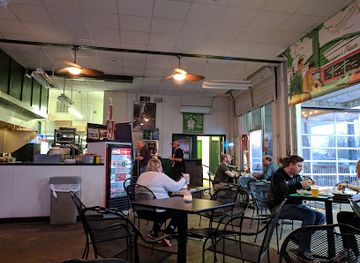
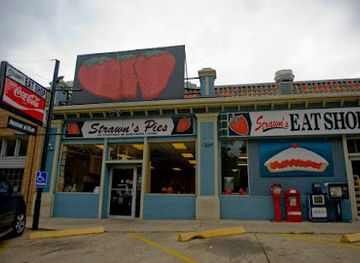
Strawn's Eat Shop
Discover the heartwarming charm of Strawn's Eat Shop – Shreveport's beloved diner serving up comfort food with Southern hospitality.
-
Cajun
Trapp's
Discover authentic Cajun cuisine at Trapp's in West Monroe; where every dish tells a story of Louisiana's rich culinary heritage.


Best bars in North Louisiana
Evening life in North Louisiana is concentrated in Shreveport, Bossier City, Monroe, Ruston and Natchitoches, while smaller towns generally centre their social life on restaurants, traditional pubs, bars and community events. Shreveport and Bossier City offer the broadest choice of cocktail bars, breweries, live music, casino entertainment and late-evening venues, whereas Monroe and Ruston draw on university, arts and local music audiences. Natchitoches has a quieter evening atmosphere around its historic riverfront, with restaurants, bars and seasonal events rather than a large club district. Across the region, blues, country, gospel, rock and Southern roots music may appear in venues ranging from dedicated stages to informal local performances. Opening arrangements and individual venues change, particularly outside the main cities, so current listings are useful. A car is important for rural evenings, and visitors should always arrange a sober driver or other safe transport.
-
American
The Blind Tiger
Experience the best of American and Cajun cuisine at The Blind Tiger in Shreveport, where delicious food meets a lively bar atmosphere.
-
Bar
Oyster Bar & Grille
Discover the vibrant flavors of seafood at the Oyster Bar & Grille in Shreveport, where every dish is crafted with fresh ingredients and passion.
-
Grill
Auntie Skinner's Riverboat Club
Experience Texas culinary delights at Auntie Skinner's Riverboat Club, a grill and bar offering vibrant atmosphere and delicious local flavors.
-
Sports bar
Hooters
Experience the ultimate sports bar atmosphere at Hooters Bossier City, where delicious American cuisine meets thrilling game days.


Best nightclubs in North Louisiana
Evening life in North Louisiana is concentrated in Shreveport, Bossier City, Monroe, Ruston and Natchitoches, while smaller towns generally centre their social life on restaurants, traditional pubs, bars and community events. Shreveport and Bossier City offer the broadest choice of cocktail bars, breweries, live music, casino entertainment and late-evening venues, whereas Monroe and Ruston draw on university, arts and local music audiences. Natchitoches has a quieter evening atmosphere around its historic riverfront, with restaurants, bars and seasonal events rather than a large club district. Across the region, blues, country, gospel, rock and Southern roots music may appear in venues ranging from dedicated stages to informal local performances. Opening arrangements and individual venues change, particularly outside the main cities, so current listings are useful. A car is important for rural evenings, and visitors should always arrange a sober driver or other safe transport.
-
Lounge
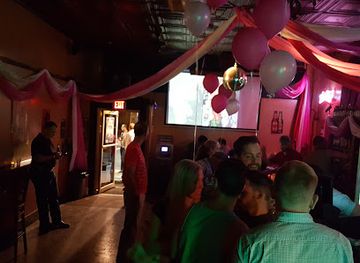
Korner Lounge
Discover the vibrant nightlife of Shreveport at Korner Lounge, where karaoke, community, and fun come together in a welcoming atmosphere.
-
Adult entertainment club
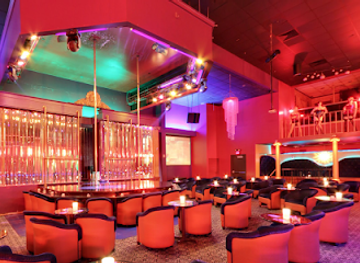
Larry Flynt's Hustler Club - Shreveport Strip Club
Discover the allure of Larry Flynt's Hustler Club in Shreveport – a premier adult entertainment destination with vibrant nightlife and unforgettable performances.
-
Night club
Haze On Texas
Experience the vibrant nightlife at Haze On Texas, Shreveport's premier night club, where music, dance, and unforgettable moments come alive.
-
Night club
J.O.S.H. Lounge
Discover the vibrant nightlife at J.O.S.H. Lounge, Shreveport's premier night club and bar, where music and fun come alive in a welcoming atmosphere.
Best shops in North Louisiana
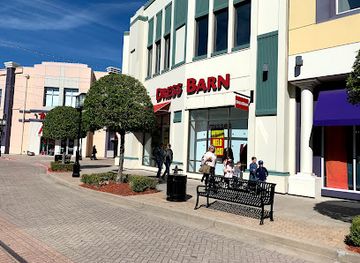
Shopping in North Louisiana is strongest in the principal cities and historic town centres rather than in one continuous retail district. Shreveport and Bossier City have the region's broadest selection of department stores, shopping centres, independent retailers, antiques and galleries, while Monroe and Ruston provide additional high-street, university-town and regional shopping. Natchitoches is more suited to browsing small shops, art galleries, bookshops, local food sellers and craft-oriented businesses around its historic district. Farmers' markets across the region can be good places to find seasonal produce, preserves, baked goods and locally made items, although market days vary and some operate only during part of the year. Rural communities may offer distinctive food products, handmade goods and antiques rather than extensive commercial choice. Practical souvenirs include Louisiana-produced sauces, spice blends, pecans, preserves, regional cookbooks, pottery and artwork, but visitors should distinguish genuinely local products from generic state-themed merchandise.
-
Shopping mall
Louisiana Boardwalk
Explore Louisiana Boardwalk: A vibrant shopping and entertainment destination with scenic views, delightful restaurants, and fun family activities.
-
Shopping mall
Pecanland Mall
Explore Pecanland Mall: Your Ultimate Shopping Destination in Monroe, Louisiana with Great Stores, Dining, and Family Fun.
-
Gift shop
Port Jefferson Outpost
Discover unique gifts and tasty treats at Port Jefferson Outpost, a charming gift shop and diner in the heart of Jefferson, Texas.
-
Shopping mall
Shoppes at Bellemead
Explore a vibrant shopping experience at The Shoppes at Bellemead, where retail meets relaxation in Shreveport, Louisiana.


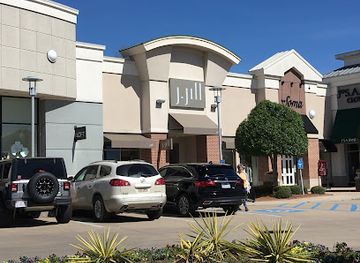
Get your free copy of our complete guide to North Louisiana, delivered straight to you.
Everything on this page, from attractions and restaurants to essentials and local phrases, in one PDF you can read offline, print or share.
Already have an account? Sign in
Your North Louisiana guide is ready.
We'll send it to · Not you? Sign out

Getting your guide ready…
We are putting together a fresh copy of the North Louisiana guide. This can take up to a minute.
This can take a few moments. If your browser asks, choose Allow so the download can start. You'll find the guide in your Downloads folder.
Nothing happened? Download it again
Sorry, the guide is taking longer than usual. Please try again in a minute, or get it by email instead.
North Louisiana essentials
Currency and Payment
Safety
Emergency Situations
Do's and Don'ts
Local Tips
From Eve
Local phrases worth knowing
You don't need to get them perfect. A few words go a long way, and locals appreciate the effort.
Basics
| English | Local | Say it |
|---|---|---|
| Hello | Howdy | [How-dee] |
| Goodbye | See ya later | [See ya lay-ter] |
| Yes | Yep | [Yep] |
| No | Nah | [Nah] |
| Please/You're welcome | Please/No problem | [Please/No prob-lem] |
| Thank you | Thank ya | [Thank ya] |
| Excuse me/Sorry | Excuse me/Sorry 'bout that | [Ex-cuse me/Sorry 'bout that] |
| How are you? | How ya doin'? | [How ya doin'?] |
| Fine. And you? | I’m good. And you? | [I'm good. And you?] |
| Do you speak English? | Ya speakin' English? | [Ya speakin' English?] |
| I don't understand | I ain't got it | [I ain't got it] |
Eating & Drinking
| English | Local | Say it |
|---|---|---|
| I'd like to see the menu, please | Can I see the menu, please? | [Can I see the menu, please?] |
| I don't eat meat | I don't eat no meat | [I don't eat no meat] |
| Cheers! | Cheers! | [Cheers!] |
| I would like to pay, please | Can I pay, please? | [Can I pay, please?] |
Emergencies
| English | Local | Say it |
|---|---|---|
| Help! | Help! | [Help!] |
| Go away! | Get outta here! | [Get outta here!] |
| Call the Police! | Call the law! | [Call the law!] |
| Call a doctor! | Call a doc! | [Call a doc!] |
| I'm lost | I’m lost | [I’m lost] |
| I'm ill | I ain't feelin' good | [I ain't feelin' good] |
Shopping
| English | Local | Say it |
|---|---|---|
| I'd like to buy... | I wanna buy... | [I wanna buy...] |
| I'm just looking | Just lookin' | [Just lookin'] |
| How much is it? | How much it cost? | [How much it cost?] |
| That's too expensive | That's too high | [That's too high] |
| Can you lower the price? | Can ya bring down the price? | [Can ya bring down the price?] |
Time & Numbers
| English | Local | Say it |
|---|---|---|
| What time is it? | What time it be? | [What time it be?] |
| It's one o'clock | It's one o'clock | [It's one o'clock] |
| Half past (10) | Half past ten | [Half past ten] |
| Morning | Mornin' | [Mornin'] |
| Afternoon | Afternoon | [Afternoon] |
| Evening | Evenin' | [Evenin'] |
| Yesterday | Yestiddy | [Yestiddy] |
| Today | Today | [Today] |
| Tomorrow | Tomorrah | [Tomorrah] |
| 1 | One | [One] |
| 2 | Two | [Two] |
| 3 | Three | [Three] |
| 4 | Four | [Four] |
| 5 | Five | [Five] |
| 6 | Six | [Six] |
| 7 | Seven | [Seven] |
| 8 | Eight | [Eight] |
| 9 | Nine | [Nine] |
| 10 | Ten | [Ten] |
Transport & Directions
| English | Local | Say it |
|---|---|---|
| Where's a/the...? | Where that...? | [Where that...?] |
| What's the address? | What the address? | [What the address?] |
| Can you show me (on the map)? | Can ya show me on the map? | [Can ya show me on the map?] |
| When's the next (bus)? | When the next bus comin'? | [When the next bus comin'?] |
| A ticket (to ...) | A ticket to ... | [A ticket to ...] |
History of North Louisiana
Poverty Point and Indigenous Exchange, c. 1700–1100 BCE
Poverty Point in present-day West Carroll Parish contains enormous earthworks built by Indigenous communities during the Late Archaic period. The site includes ridges, mounds and a large plaza arranged on a scale that required extensive planning and cooperation. Stone and other materials found there originated far beyond the immediate region, demonstrating long-distance exchange across much of what is now the United States. The monument was not simply a settlement but part of a complex social and ceremonial landscape. Its preservation provides North Louisiana with one of the clearest physical connections to the continent's deep Indigenous past.
Caddoan and Other Indigenous Homelands
Long before European colonisation, northern Louisiana was occupied and used by Indigenous peoples including Caddoan communities and groups associated with the wider Mississippi Valley. Villages, hunting territories, trade routes and river crossings connected the Red River, Ouachita and Mississippi systems. European descriptions often reduced these societies to political labels that do not capture their complexity, while disease, warfare, displacement and colonial land policies transformed Indigenous life. Today, archaeological research and Native interpretation continue to shape understanding of the region's first communities, particularly at places such as Poverty Point.
Natchitoches and Colonial Louisiana, 1714–1803
Louis Juchereau de Saint-Denis established Natchitoches in 1714 near the Red River and an important route towards Spanish Texas. The settlement became a meeting point for French, Spanish, Indigenous, African and later American influences. Trade, farming and river transport supported its growth, while the surrounding Cane River area developed a distinctive Creole society. Colonial control shifted between France, Spain and the United States before the Louisiana Purchase in 1803. Natchitoches's surviving street plan, masonry buildings and Creole heritage make the town one of the region's most legible historic landscapes.
Plantation Agriculture and Cane River Creole Communities
From the colonial period through the nineteenth century, the Cane River corridor south of Natchitoches was shaped by agricultural estates growing cotton, tobacco, indigo and other crops. Their wealth depended on the labour of enslaved Africans, whose skills, family networks and cultural practices helped form Cane River's Creole communities. After emancipation, African American landownership and community institutions remained central to the area's history, although economic inequality and changing agricultural systems brought continuing pressure. Cane River Creole National Historical Park preserves buildings and landscapes associated with this history while interpreting the lives of owners, workers and descendants.
The Civil War and the Red River Campaign, 1864
North Louisiana was strategically important during the American Civil War because the Red River offered a route for military movement and because Union forces sought to control the interior cotton-producing region. The Red River Campaign of 1864 ended in failure for the Union expedition after fighting in Louisiana and difficult conditions along the river. The Battle of Mansfield, fought south of present-day Shreveport, was a Confederate victory and part of the campaign's decisive turning point. Civil War sites and museums across the region help place local communities within the wider conflict, including its effects on enslaved and newly emancipated people.
Railways, Cotton and the Rise of Shreveport and Monroe
During the late nineteenth and early twentieth centuries, railways and improved river transport connected northern Louisiana's farms and timber districts with regional markets. Shreveport developed as a commercial and transportation centre near the Texas and Arkansas borders, while Monroe grew around the Ouachita River and the agricultural economy of north-eastern Louisiana. Cotton remained important, but lumber, manufacturing, wholesale trade and later oil and gas also influenced urban growth. Courthouses, warehouses, commercial blocks and historic neighbourhoods in towns across the region reflect this period of expansion and changing transport networks.
Oil, Industry and Modern Energy Landscapes
The discovery and development of oil fields around Shreveport helped alter north-western Louisiana's economy during the twentieth century, adding energy production to agriculture, timber and river commerce. Later industrial development and the Haynesville Shale brought renewed attention to natural gas in parts of northern Louisiana, with associated employment, infrastructure and debates about land use and environmental effects. The region today has a mixed economy that includes education, healthcare, manufacturing, logistics, agriculture, forestry and energy rather than relying on one historic industry.
Neighbouring regions of North Louisiana
The closest regions to North Louisiana, if you have time for more than one.
-
-

-

-

-


Swipe for more regions
Explore more

Explore more of Louisiana
Discover Louisiana: A melting pot of cultures, flavors, and music in the heart of the American South. Experience the vibrant heritage and natural beauty of the Bayou State.
Explore Louisiana