

Free Sauer Valley Travel Guide & Mobile App
Explore Sauer Valley with free travel guides. Discover regional history, expert tips, proposed trips, and audio guides on web or mobile app.


Explore Luxembourg’s Sauer Valley for Echternach’s abbey, riverside walks, Roman heritage, wooded hills and calm cross-border landscapes.
Read more about Sauer Valley
When is the best time to visit Sauer Valley?
Best: June–August · 20–22°C| Month | High (°C) | Rainfall (mm) |
|---|---|---|
| January | 3 | 60 |
| February | 5 | 55 |
| March | 9 | 65 |
| April | 12 | 70 |
| May | 16 | 75 |
| June (best) | 20 | 80 |
| July (best) | 22 | 85 |
| August (best) | 21 | 80 |
| September | 18 | 75 |
| October | 14 | 70 |
| November | 8 | 65 |
| December | 3 | 60 |
Getting to and around Sauer Valley
How to get there
Transportation
Top city travel guides in Sauer Valley
The cities of Sauer Valley, and the easiest places to base yourself.
-

-

-


Swipe for more cities
Destinations in Sauer Valley
Resorts, valleys and scenic spots worth a trip of their own.
-

-


Swipe for more destinations
Best attractions in Sauer Valley
The Sauer Valley’s attractions combine living heritage with accessible outdoor recreation. Echternach is the principal cultural centre, with its abbey complex, basilica, historic streets and museums, while the Roman Villa nearby introduces the area’s much earlier settlement history. Rosport adds the Tudor Museum and a different perspective on the valley’s scientific and industrial past. Along the river, walking and cycling routes pass farmland, wooded banks, bridges and villages, with the scenery becoming more rugged towards the adjoining Mullerthal landscape. The Mullerthal Region is nearby rather than synonymous with the Sauer Valley, but its marked trails and sandstone formations can be incorporated into a wider itinerary. Wasserbillig offers a lower-valley experience at the confluence of the Sauer and Moselle, with cross-border views and access to the broader Moselle corridor. Visitors interested in nature can explore quiet woodland and river environments, while families and casual walkers may prefer the easier paths around Echternach and the valley floor. The region’s appeal lies in the relationship between archaeology, religious history, rural scenery and modest-scale outdoor activity rather than in a concentration of large commercial attractions.
-
Tourist attraction
Escher Tier Park
Immerse yourself in the woodland charm of Escher Tierpark, where native Luxembourgish wildlife, tranquil trails, and family adventures unite above Esch-sur-Alzette.
-
Tourist attraction
National Museum of Military History (MNHM) Asbl
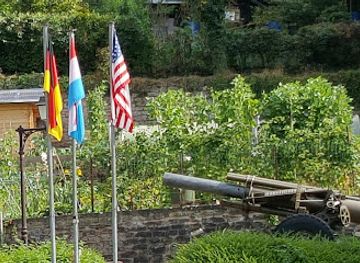
A compelling museum in Diekirch with immersive dioramas, rare artifacts, and poignant stories illuminating Luxembourg’s wartime experience and military heritage.
-
War museum
Bastogne Barracks
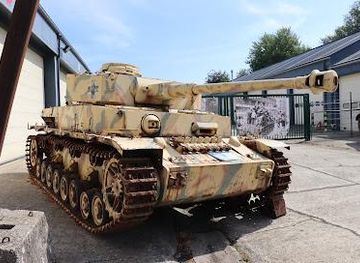
Explore Bastogne Barracks, the legendary WWII headquarters in Belgium’s Ardennes, featuring original command rooms, restored tanks, and powerful Battle of the Bulge exhibits.
-
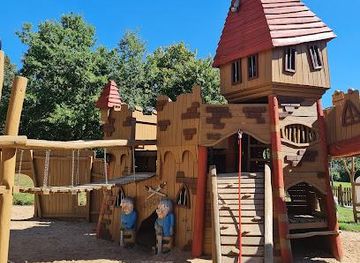
Playground
Castle Playground
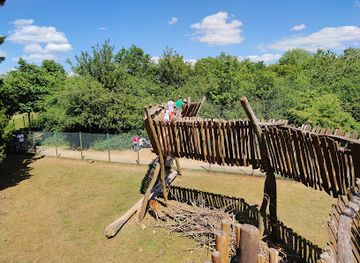
Discover Luxembourg's Castle Playground in Belair—a beloved, free-entry fantasy playworld with castle turrets, safe zones for every age, and lush, tranquil surroundings.
Best landmarks in Sauer Valley
The Basilica of Saint Willibrord and the former abbey complex in Echternach are the Sauer Valley’s defining landmarks. The religious foundation established by Saint Willibrord in the seventh century shaped the town’s history for more than a millennium, and the surviving buildings and public spaces express Echternach’s importance as a centre of pilgrimage and learning. The Roman Villa at Echternach is a landmark of a different kind: its exposed remains mark the scale of Roman rural settlement in the valley’s hinterland. In Rosport, the Tudor Museum occupies the former family home associated with Henri Tudor, whose electrical inventions connect a small Sauer-side community with wider industrial history. At Wasserbillig, the meeting of the Sauer and Moselle is the region’s most important natural landmark, revealing why the lower valley has long been a corridor of movement and exchange. Bridges, wooded riverbanks and the open agricultural slopes around the smaller villages complete a landscape whose significance lies in the close relationship between water, settlement and border.
-
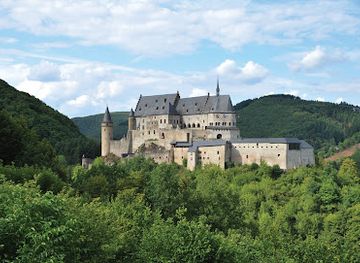
Castle
Vianden Castle
One of Europe's best-kept medieval secrets, Vianden Castle soars above Luxembourg’s Ardennes, offering evocative halls, sweeping vistas, and immersive history.
-
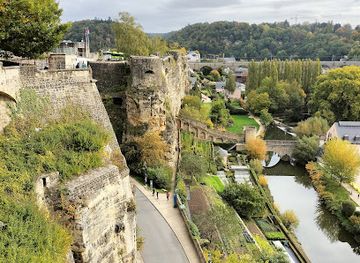
Historical landmark
Bock Casemates
Discover the Bock Casemates, Luxembourg's iconic UNESCO-listed fortress tunnels, echoing centuries of military history beneath breathtaking city views.
-
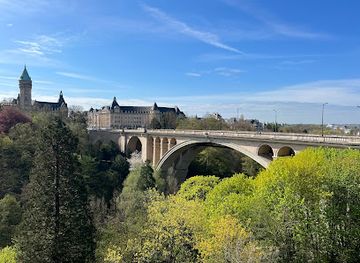
Bridge
Pont Adolphe
Pont Adolphe, Luxembourg’s iconic and historic arch bridge, connects Ville Haute with the Gare district and offers sweeping views across the dramatic Pétrusse valley.
-
Catholic cathedral
Cathédrale Notre-Dame
Cathédrale Notre-Dame, Luxembourg’s national sanctuary, blends Gothic mastery with Baroque grace above Ville Haute—stunning stained glass, royal crypts, and layered city history.
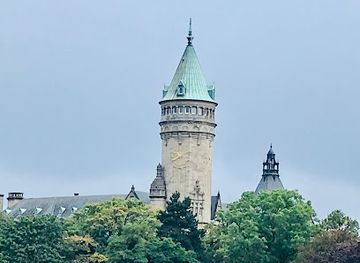
Explore Sauer Valley on the map
Plan your trip on one map. See where the top cities, national parks and sights are, and book hotels and experiences in a few clicks.
Best hotels in Sauer Valley
Best restaurants in Sauer Valley
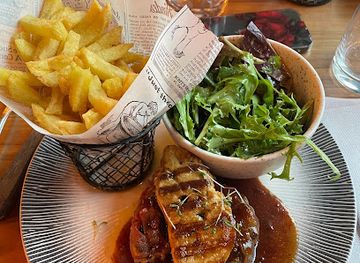
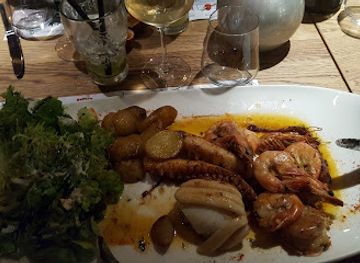
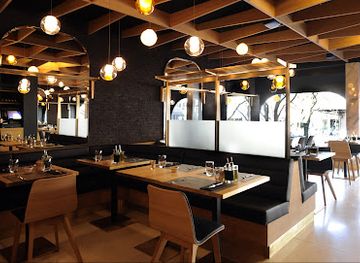
Dining in the Sauer Valley is centred on Echternach, Wasserbillig, Rosport and village inns, with a mixture of cafés, bakeries, traditional restaurants and contemporary European menus. Luxembourgish cooking shares influences with neighbouring German and French traditions, so menus may include hearty meat dishes, soups, potatoes, seasonal vegetables and pastries alongside more modern interpretations. Echternach is the strongest choice for combining sightseeing with cafés and evening meals, while rural restaurants provide a slower setting in the surrounding communities. The lower valley’s proximity to the Moselle brings regional wines and river-corridor food culture into the picture, although wine production is more strongly associated with the Moselle than with the Sauer itself. Markets and specialist shops are useful for bread, confectionery, cheese and locally produced goods, while visitors should expect opening patterns to be quieter outside the principal towns. Reservations can be sensible for popular dining periods, particularly during major events in Echternach.
-
Portuguese
Piri Piri Portuguese Restaurant & Bar - Luxembourg Kirchberg
Discover authentic Portuguese cuisine at Piri Piri Restaurant & Bar in Luxembourg Kirchberg – where flavor meets tradition.
-
South American
Batucada
Discover Batucada: A vibrant Brazilian restaurant in Luxembourg offering authentic South American flavors and an unforgettable dining experience.
-
Restaurant
Grand Café
Experience culinary excellence at Grand Café in Luxembourg City - where gourmet grilling meets elegant dining.
-
Lebanese
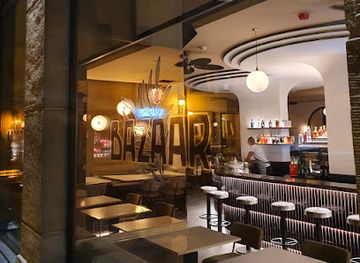
Bazaar Bar and Restaurant
Discover vibrant Lebanese cuisine and nightlife at Bazaar Bar and Restaurant in Luxembourg - where every visit is an unforgettable experience.
Best bars in Sauer Valley
Nightlife in the Sauer Valley is modest and sociable rather than club-focused. Echternach has the broadest evening choice, with cafés, hotel bars, restaurants and traditional pubs where visitors can linger after exploring the old town. Wasserbillig and Rosport offer smaller local options, while villages generally centre their evening life on inns and community-oriented establishments rather than dedicated nightclubs. Live music and cultural events may appear seasonally or as part of town celebrations, but schedules change and should be checked locally. Beer, Luxembourgish and neighbouring regional wines, and non-alcoholic drinks are all common choices; alcohol is not necessary to experience the valley’s evening culture. Travellers staying in rural areas should plan their return transport in advance, since late public connections are more limited than in Luxembourg City.
-
Gastropub
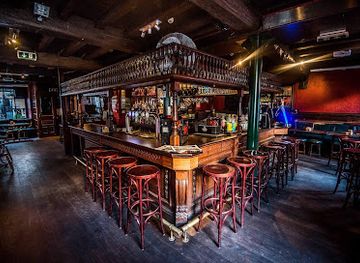
Scott's Pub
Experience the best of gastropub dining at Scott's Pub in Grund, where delicious burgers and cocktails create unforgettable moments.
-
Bar
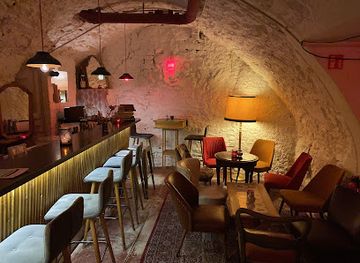
Konrad Café & Bar
Discover the vibrant atmosphere of Konrad Café & Bar, a perfect blend of café, pub, and cocktail bar in the heart of Luxembourg's Ville Haute.
-
Bar
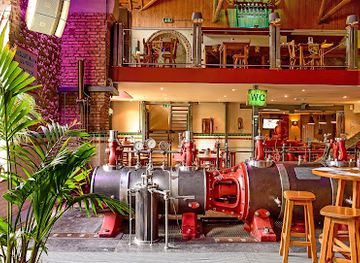
Restaurant Bar Brauerei - Big Beer Company - Rives de clausen
Discover the essence of Bavarian cuisine and craft beers at the Big Beer Company in Luxembourg's scenic Rives de Clausen.
-
Sports bar
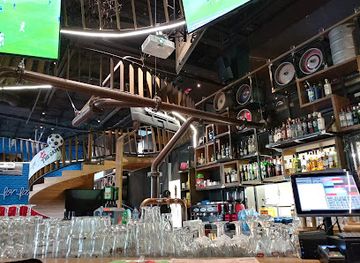
The Game Sportsbar & Steakhouse
Experience the perfect blend of sports excitement and culinary delights at The Game Sportsbar & Steakhouse in Kirchberg, Luxembourg.
Best nightclubs in Sauer Valley
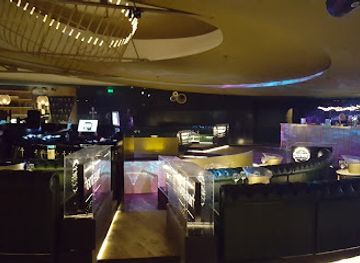
Nightlife in the Sauer Valley is modest and sociable rather than club-focused. Echternach has the broadest evening choice, with cafés, hotel bars, restaurants and traditional pubs where visitors can linger after exploring the old town. Wasserbillig and Rosport offer smaller local options, while villages generally centre their evening life on inns and community-oriented establishments rather than dedicated nightclubs. Live music and cultural events may appear seasonally or as part of town celebrations, but schedules change and should be checked locally. Beer, Luxembourgish and neighbouring regional wines, and non-alcoholic drinks are all common choices; alcohol is not necessary to experience the valley’s evening culture. Travellers staying in rural areas should plan their return transport in advance, since late public connections are more limited than in Luxembourg City.
-
Disco club
Apoteca
Experience the vibrant nightlife of Luxembourg at Apoteca, a premier disco club and Italian restaurant, where good food meets great music.
-
Night club
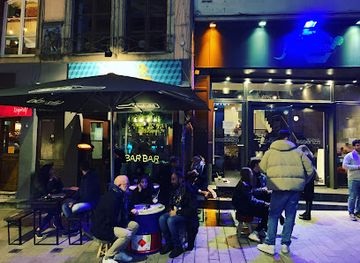
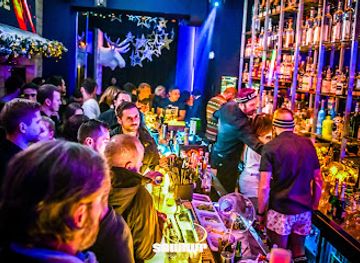
Saumur Crystal Club
Saumur Crystal Club: A premier nightlife destination in Luxembourg, blending lively entertainment with a unique dining experience.
-
Disco club
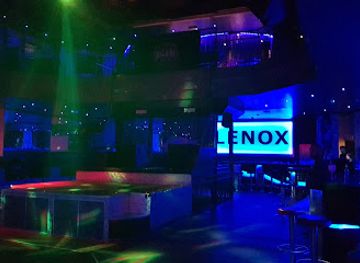
Lenox Club
Discover Lenox Club: Luxembourg's premier disco destination for an unforgettable nightlife experience with electrifying music and vibrant energy.
-
Night club
Gotham
Experience the electric nightlife of Gotham in Limpertsberg, Luxembourg's premier night club offering unique cocktails and vibrant DJ performances.
Best shops in Sauer Valley
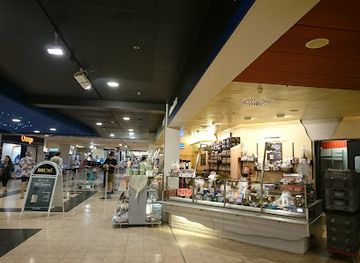
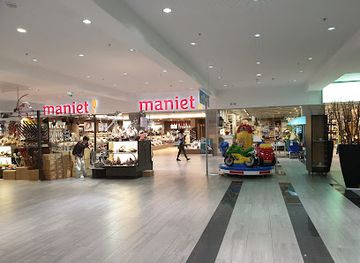
Shopping in the Sauer Valley is focused on useful local commerce, food and crafts rather than large-scale retail. Echternach has the widest choice of independent shops, bakeries, cafés, galleries and small stores, with the historic centre providing the most attractive setting for browsing. Wasserbillig serves local residents and travellers with everyday shops and food outlets, while Rosport and smaller villages have a more limited rural selection. Look for Luxembourgish specialities, regional confectionery, bread, preserves, cheese, wine from the wider Moselle area and small craft products that travel well. Markets and seasonal town events can provide better opportunities for local produce than permanent souvenir shops, but dates vary. Visitors crossing into Germany may encounter different retail opening patterns and prices, so check the country and town before planning a dedicated shopping trip. Echternach is also the best place in the valley to combine shopping with historic streets, cafés and visits to the abbey precinct.
-
Shopping mall
Belle Etoile Shopping Center
Explore the bustling Belle Etoile Shopping Center in Luxembourg for a diverse shopping experience with fashion, dining, and more all in one place.
-
Shopping mall
Knauf Shopping Center Pommerloch
Explore the Knauf Shopping Center Pommerloch: A shopping haven in Luxembourg with diverse stores, dining, and family-friendly entertainment options.
-
Supermarket
Auchan Kirchberg
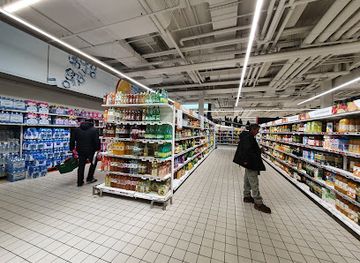
Experience the vibrant shopping scene at Auchan Kirchberg, Luxembourg's leading hypermarket for local and international products.
-
Shopping mall
Knauf Shopping Schmiede
Explore the vibrant shopping scene at Knauf Shopping Schmiede, where local charm meets international brands in the heart of Luxembourg.

Get your free copy of our complete guide to Sauer Valley, delivered straight to you.
Everything on this page, from attractions and restaurants to essentials and local phrases, in one PDF you can read offline, print or share.
Already have an account? Sign in
Your Sauer Valley guide is ready.
We'll send it to · Not you? Sign out

Getting your guide ready…
We are putting together a fresh copy of the Sauer Valley guide. This can take up to a minute.
This can take a few moments. If your browser asks, choose Allow so the download can start. You'll find the guide in your Downloads folder.
Nothing happened? Download it again
Sorry, the guide is taking longer than usual. Please try again in a minute, or get it by email instead.
Sauer Valley essentials
Currency and Payment
Safety
Emergency Situations
Do's and Don'ts
Local Tips
From Eve
Local phrases worth knowing
You don't need to get them perfect. A few words go a long way, and locals appreciate the effort.
Basics
| English | Local | Say it |
|---|---|---|
| Hello | Moïen | [moy-en] |
| Goodbye | Äddi | [ad-dee] |
| Yes | Jo | [yo] |
| No | Nee | [nay] |
| Please/You're welcome | Wéi gär | [way gar] |
| Thank you | Merci | [mehr-see] |
| Excuse me/Sorry | Entschëllegt | [ent-shell-eht] |
| How are you? | Wéi geet et Iech? | [way gate eht eesh] |
| Fine. And you? | Gutt. A bei Iech? | [goot. ah bye eesh] |
| Do you speak English? | Sprecht Dir Englesch? | [sprookht deer eng-laysh] |
| I don't understand | Ech verstinn net | [esh fer-shtin net] |
Eating & Drinking
| English | Local | Say it |
|---|---|---|
| I'd like to see the menu, please | Ech hätt gär de Menu gesin, w.e.g. | [esh het gar deh meh-nu ge-sin, way-g] |
| I don't eat meat | Ech iessen keen Fleesch | [esh ees-en keen flesh] |
| Cheers! | Prost! | [prohst] |
| I would like to pay, please | Ech hätt gär ze payen, w.e.g. | [esh het gar ze pay-en, way-g] |
Emergencies
| English | Local | Say it |
|---|---|---|
| Help! | Hëllef! | [hel-lehf] |
| Go away! | Géi fort! | [gay fort] |
| Call the Police! | Rufft d'Police! | [roof-t dee police] |
| Call a doctor! | Rufft e Dokter! | [roof-t eh dock-ter] |
| I'm lost | Ech sinn verluer | [esh sin ver-loor] |
| I'm ill | Ech sinn krank | [esh sin krank] |
Shopping
| English | Local | Say it |
|---|---|---|
| I'd like to buy... | Ech wëll kafen... | [esh vell kah-fen] |
| I'm just looking | Ech kucken just | [esh kook-en yoost] |
| How much is it? | Wéi vill kascht et? | [way feel kasht eht] |
| That's too expensive | Dat ass ze deier | [daht ass ze die-er] |
| Can you lower the price? | Kënnt Dir den Präis erofsetzen? | [kent deer den price er-off-setzen] |
Time & Numbers
| English | Local | Say it |
|---|---|---|
| What time is it? | Wéi spät ass et? | [way shpate ass eht] |
| It's one o'clock | Et ass een Auer | [et ass een ow-er] |
| Half past (10) | Hallscht (10) | [hal-sht (10)] |
| Morning | Moien | [moy-en] |
| Afternoon | Noon | [noon] |
| Evening | Owend | [ow-end] |
| Yesterday | Gëschter | [gesh-ter] |
| Today | Haut | [howt] |
| Tomorrow | Mëdesch | [me-day-sh] |
| 1 | Eent | [eent] |
| 2 | Zwee | [zway] |
| 3 | Dräi | [dry] |
| 4 | Véier | [fee-er] |
| 5 | Fënnef | [fin-ef] |
| 6 | Sechs | [zex] |
| 7 | Sieve | [see-v] |
| 8 | Acht | [acht] |
| 9 | Neun | [noyn] |
| 10 | Zehn | [zane] |
Transport & Directions
| English | Local | Say it |
|---|---|---|
| Where's a/the...? | Wou ass e/d'...? | [woo ass eh/deh...?] |
| What's the address? | Wéi ass d'Adresse? | [way ass dee ad-reh-seh] |
| Can you show me (on the map)? | Kënnt Dir mir weisen (op der Kaart)? | [kent deer meer vy-zen (op der kart)?] |
| When's the next (bus)? | Wéini ass den nächste (Bus)? | [way-nee ass den nay-ste (boos)?] |
| A ticket (to ....) | E Ticket (an ....) | [eh tee-ket (an ....)] |
History of Sauer Valley
Roman Settlement and the Echternach Villa
The Sauer Valley formed part of the Roman world linking the Moselle corridor with inland settlements. The Roman Villa at Echternach, one of the region’s most important archaeological sites, shows the scale and sophistication of rural estate life in late antiquity. Its remains point to agricultural production, status and cultural exchange in a landscape already connected to wider routes. Although the modern valley is largely rural, the villa demonstrates that settlement and land use here have deep roots rather than beginning with the medieval town.
Saint Willibrord and the Foundation of Echternach
In 698, the Anglo-Saxon missionary Saint Willibrord founded the monastery of Echternach with support from Irmina of Oeren, traditionally associated with land in the area. The monastery became one of the most influential religious institutions in the region and helped establish Echternach as a centre of learning, manuscript production and pilgrimage. Its importance extended well beyond the Sauer Valley, connecting eastern Luxembourg with the wider Christian and political networks of the early medieval western European world.
The Medieval Abbey and Town
Echternach developed around its abbey and gradually acquired the characteristics of a medieval town, including religious buildings, markets and defensive structures. The abbey’s power shaped landholding and settlement across the surrounding countryside, while the Sauer helped connect the town with neighbouring territories. Later rebuilding has altered the appearance of the monastic complex, but the basilica, abbey precinct and historic streets still convey the town’s long ecclesiastical history. The medieval foundation remains central to the region’s cultural identity.
Borderland Life and the Growth of Rosport
For centuries, communities along the Sauer lived within a politically shifting borderland where local estates, ecclesiastical lands and neighbouring German territories interacted closely. Rosport and the surrounding villages developed through farming, river crossings and regional trade rather than heavy industry. The Tudor family became particularly associated with Rosport in the nineteenth century, and the Tudor Museum preserves the memory of Henri Tudor, whose work in electrical engineering and storage batteries linked this rural community to the industrial innovations of modern Europe.
Wasserbillig and the Sauer–Moselle Confluence
Wasserbillig occupies a strategic position where the Sauer joins the Moselle, creating a natural meeting point between eastern Luxembourg, the Moselle corridor and Germany. The confluence encouraged transport, commerce and settlement, while the nearby Moselle later became important for wine production and river trade. Wasserbillig’s history is therefore tied not only to the Sauer Valley but also to the broader economic geography of Luxembourg’s eastern border. Its location continues to give the lower valley particular transport and cross-border significance.
War, Occupation and Border Memory in the Twentieth Century
The Sauer Valley’s position beside Germany gave it renewed strategic importance during the Second World War. Luxembourg was occupied by Nazi Germany, and the eastern borderlands experienced military movement, disruption and the pressures of occupation. The wider Sauer and Our frontier later became associated with fighting during the final German offensive in the Ardennes in 1944–45. War memorials and commemorative sites across eastern Luxembourg preserve memories of military and civilian experiences, although the valley’s present character is defined more by reconciliation and cross-border movement than by conflict.
Modern Cross-Border Cooperation and Rural Tourism
After the Second World War, improved relations between Luxembourg and Germany transformed the Sauer from a political boundary into a shared environmental and recreational landscape. European integration, modern roads and coordinated tourism have made cross-border walking, cycling and cultural visits straightforward. At the same time, Echternach and the surrounding communities have developed a careful form of rural tourism based on heritage, archaeology, nature and outdoor recreation. The valley’s current identity rests on this combination of historic depth, local settlement and open-border cooperation.
Sauer Valley in Photos
Browse through our photo collection highlighting the charm and character of the destination.
Neighbouring regions of Sauer Valley
The closest regions to Sauer Valley, if you have time for more than one.
-

-

-

-

-


Swipe for more regions
Explore more

Explore more of Luxembourg
Discover Luxembourg: A charming blend of historical wonders, breathtaking landscapes, and cultural vibrancy in the heart of Europe.
Explore Luxembourg