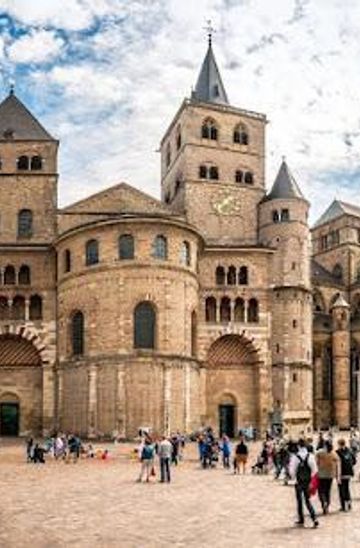
Ancient Wonders and City Life in Trier
Trier blends Roman grandeur, medieval charm, and lively student culture on the banks of the Moselle—where ancient World Heritage sites meet vineyard landscapes.
Trier, Germany’s oldest city, sits by the Moselle River, where Roman emperors once ruled. Famed for its UNESCO-listed monuments, this historical gem beckons travelers with its blend of millennia-old architecture and vibrant cafes. Layered in history and surrounded by vineyard-dotted hills, Trier’s atmospheric squares, Roman ruins, and medieval churches invite both leisurely wanderers and avid history lovers.
A brief summary to Trier
- Trier, DE
- Click to display
Local tips
- Multi-attraction tickets covering major Roman sites offer value for visitors keen on exploring several landmarks.
- Cafés in the Hauptmarkt are perfect for sampling regional Moselle wines after a day of exploring.
- Summer brings open-air concerts and Roman reenactments in the amphitheater—check the event calendar before arriving.
- Plan at least half a day for museum visits; the Rheinisches Landesmuseum houses some of Europe’s finest Roman artifacts.
- Vineyard walks along the city’s edge reward with panoramic views and wine-tasting opportunities, especially in autumn.

Do you manage this location?
Take control to get all the benefits, like improved information, better appearance, and stronger visibility across AI-powered discovery. Learn more
Activate your presence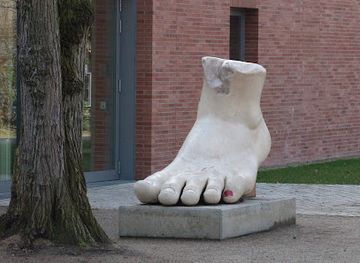
Getting There
-
Orientation
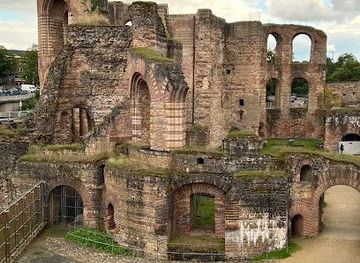
Trier’s key Roman sites fan out from the Old Town center, with the iconic Porta Nigra anchoring one side and the amphitheater, Imperial Baths, and Basilica of Constantine reachable with leisurely walks. Most attractions cluster within a 2 km radius, so a full day on foot lets you soak in history at your own pace.
-
Cost
Entry to central sites such as the Porta Nigra or Kaiserthermen typically ranges from €4 to €6. Combination tickets for multiple Roman monuments offer good savings (around €10–€14) compared to individual admissions.
-
Landmarks
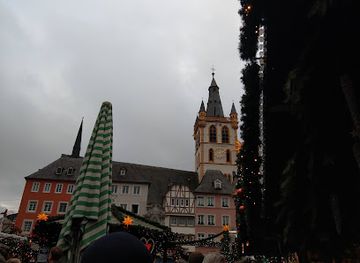
Orientation is easy: the Moselle River marks the city’s southwestern edge, with terraced vineyards and walking paths. Hauptmarkt, Trier’s bustling market square, lies at the heart—acting as a gateway to museums, cafes, and shopping lanes.
-
Transportation
Rail and bus stations sit northeast of the Porta Nigra, enabling swift connections to the rest of the region. Bicycle rental is a popular and efficient alternative for tracing the scenic river and reaching neighboring wineries.
Discover more about Trier
Explore the best of what Trier has to offer















More about Vianden
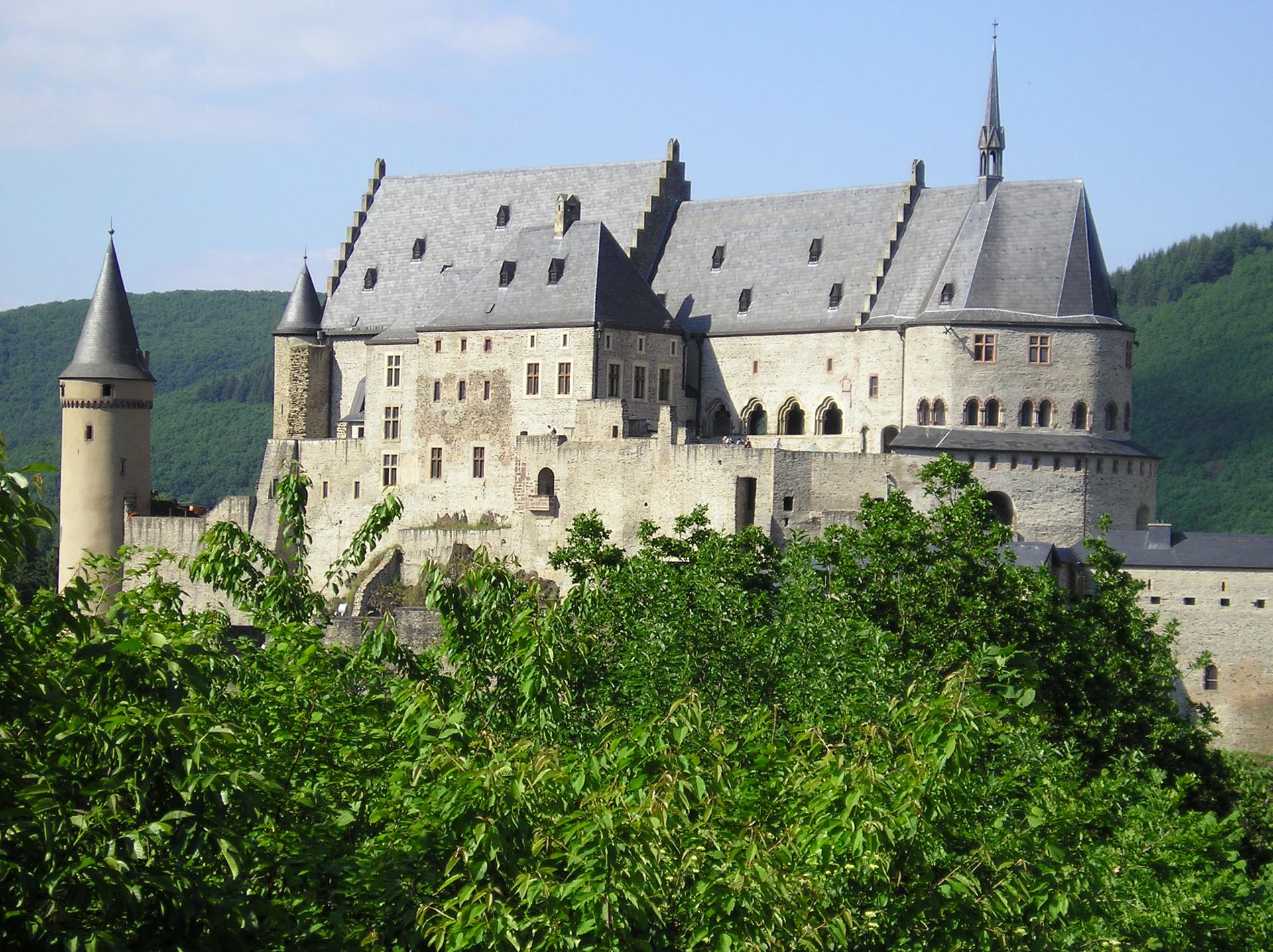
Discover the medieval charm and natural beauty of Vianden, Luxembourg – a picturesque town nestled in the Ardennes with its iconic castle, rich history, and vibrant cultural scene.
Tell me more about Vianden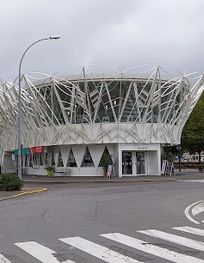
Cycle the heart of Luxembourg’s Moselle Valley—scenic rides, vineyards, and cross-border adventures await from Rentabike Miselerland in Remich.
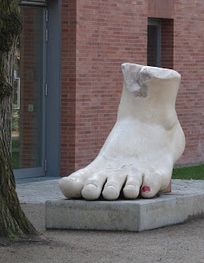
Discover Fuß des Konstantin in Trier—a captivating, history-rich plaza beneath the ancient Basilica of Constantine, offering sweeping views and a window to Roman grandeur.