

Free Analanjirofo Travel Guide & Mobile App
Explore Analanjirofo with free travel guides. Discover regional history, expert tips, proposed trips, and audio guides on web or mobile app.


Explore Analanjirofo in north-eastern Madagascar for clove plantations, rainforest parks, whale-rich waters and the island shores of Sainte-Marie.
Read more about Analanjirofo
When is the best time to visit Analanjirofo?
Best: June–August · 26–27°C| Month | High (°C) | Rainfall (mm) |
|---|---|---|
| January | 30 | 300 |
| February | 29 | 250 |
| March | 29 | 200 |
| April | 29 | 150 |
| May | 28 | 100 |
| June (best) | 27 | 50 |
| July (best) | 26 | 50 |
| August (best) | 26 | 50 |
| September | 27 | 100 |
| October | 28 | 150 |
| November | 29 | 200 |
| December | 29 | 250 |
Getting to and around Analanjirofo
How to get there
Transportation
Best attractions in Analanjirofo
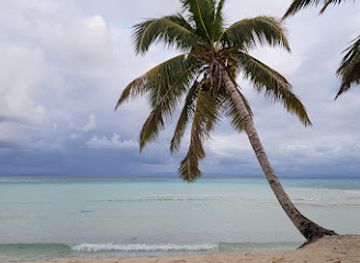
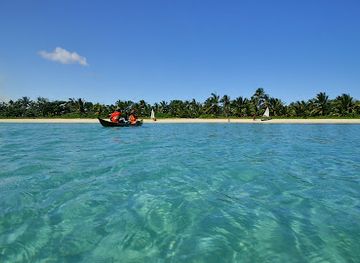
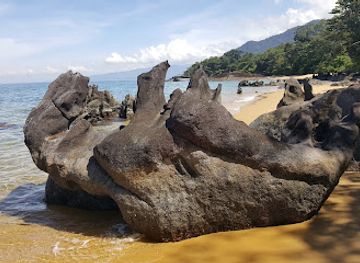
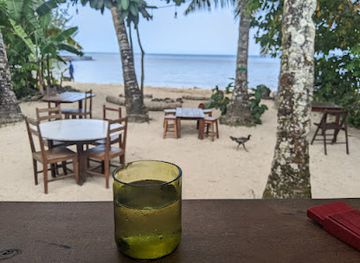
Analanjirofo’s attractions combine marine environments, agricultural landscapes and protected rainforest rather than a dense chain of conventional sightseeing sites. On Sainte-Marie, visitors can explore palm-lined beaches, reefs, coastal villages and the smaller Île aux Nattes, while seasonal whale-watching is a major draw from July into September. The island also offers opportunities for diving, snorkelling and boat trips, subject to weather and responsible-operator practices. On the mainland, Fenerive Est and the surrounding coast provide access to market life, lagoons, rice fields and clove-growing countryside. Maroantsetra is the principal starting point for guided journeys into Masoala National Park, where lowland rainforest, rivers, mangroves and endemic wildlife create a demanding but rewarding environment for walkers and naturalists. Mananara Nord National Park offers another combination of rainforest, coastal habitats and marine ecosystems, with access arrangements that require advance planning. Smaller experiences, including canoe travel, village visits, forest walks and time in rural farming areas, are often more revealing than hurried monument-collecting. Distances, rain and limited infrastructure are part of the experience, so attractions are best organised by geographical cluster.
-
 Tourist attraction
Apurba Point
Discover the serene beauty of Apurba Point in Ambodiatafa, a must-visit destination for nature lovers and photography enthusiasts.
-
Tourist attraction
Phare Bleuvec
Discover Phare Bleuvec, a serene tourist attraction on Ile aux Nattes, where natural beauty meets rich marine life and local culture.
-
Tourist attraction
Ambodilaitry, Madagascar
Explore Ambodilaitry, Madagascar – a stunning blend of lush landscapes, rich biodiversity, and vibrant local culture at the gateway to Masoala National Park.
-
Tourist attraction
Mango Island
Explore the serene beauty of Mango Island, a tropical haven in Madagascar, perfect for relaxation and adventure amidst stunning natural landscapes.

Best landmarks in Analanjirofo
The most recognisable natural landmark in Analanjirofo is the Masoala peninsula, whose forested mountains and deeply indented coastline form one of Madagascar’s most important remaining lowland rainforest landscapes. Masoala National Park gives this geography international significance, though its trails and access points lie far from conventional urban sightseeing. Sainte-Marie’s elongated island is another defining feature, with its beaches, reef-fringed shores and offshore Île aux Nattes shaping the visual identity of the region. The island’s historic cemetery, commonly known as the Sainte-Marie pirate cemetery, reflects the island’s maritime associations, although its stories should be treated with historical care rather than romantic legend alone. In and around Fenerive Est, the meeting of coastal waterways, rice fields and spice-growing settlements is more characteristic than a single monumental building. Mananara Nord’s forested terrain and marine setting provide a second major protected landscape. Across the region, outrigger canoes, clove-drying areas, old coastal settlements and broad estuaries are important working landmarks: they show how Analanjirofo’s people have adapted to a wet, ocean-facing environment.
-
Nature preserve
Réserve spéciale d'Analamazoatra
Discover the breathtaking beauty and unique wildlife of Analamazoatra Special Reserve, Madagascar's lush haven for nature lovers and adventurers.
-
Island
Nosy Boraha
Experience the untouched beauty of Nosy Boraha, an island paradise with stunning beaches, rich history, and vibrant marine life.
-
Indoor lodging
Princesse Bora Lodge & Spa
Discover the serene beauty of Princesse Bora Lodge & Spa, a luxurious retreat on Madagascar's Île Sainte-Marie, blending relaxation and adventure.
-
National park
Masoala National Park
Explore Masoala National Park, Madagascar’s largest national park, where lush rainforests meet stunning coastlines and unique wildlife thrives.
Explore Analanjirofo on the map
Plan your trip on one map. See where the top cities, national parks and sights are, and book hotels and experiences in a few clicks.
Best hotels in Analanjirofo
Best restaurants in Analanjirofo
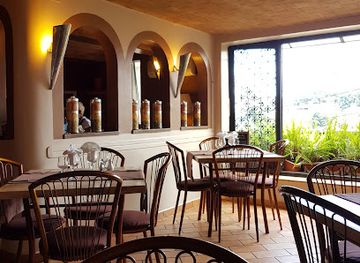
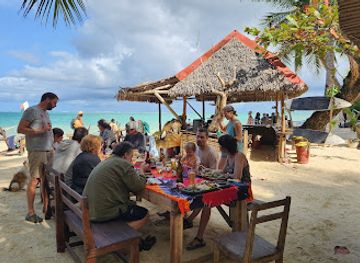
Dining in Analanjirofo reflects Madagascar’s eastern coast, where rice is the everyday foundation and seafood, poultry, zebu, leafy greens, cassava, sweet potatoes and tropical fruit appear in home cooking and modest restaurants. Coconut, ginger, chilli and locally grown spices contribute flavour, while cloves and vanilla are important agricultural products even when they are not used heavily in savoury dishes. In Fenerive Est, Maroantsetra and Sainte-Marie, visitors will find simple Malagasy eateries, hotel restaurants, cafés and informal seafood places; in villages, meals are more likely to be arranged through accommodation or family-run establishments. Sainte-Marie is particularly associated with freshly caught fish, crab and other seafood, though availability follows weather and local landings. French culinary influence is visible in some bakeries and tourist-oriented menus, but the most regionally grounded meals are generally rice-based dishes served with a stew, sauce or grilled produce. Markets are useful for fruit and snacks, while bottled water and careful food hygiene are sensible in remote areas.
-
Italian
Nerone Ristorante Italiano (Madagascar)
Discover authentic Italian cuisine at Nerone Ristorante Italiano in Antananarivo—where tradition meets local flavor in a charming setting.
-
Brasserie
La petite Brasserie
Discover authentic Malagasy cuisine blended with international flavors at La Petite Brasserie in Antananarivo.
-
Seafood
Le Fafana
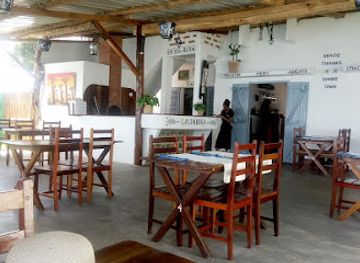
Experience exquisite seafood dining at Le Fafana in Îles aux Nattes—where local flavors meet stunning ocean views.
-
Restaurant
Pizzeria La Cambusa
Discover authentic Italian cuisine at Pizzeria La Cambusa on Île Sainte-Marie, where every bite transports you to Italy's culinary heart.
Best bars in Analanjirofo
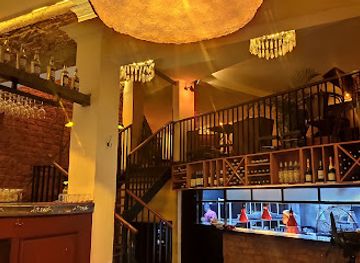
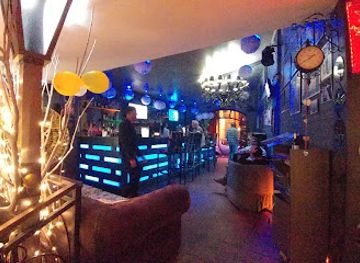
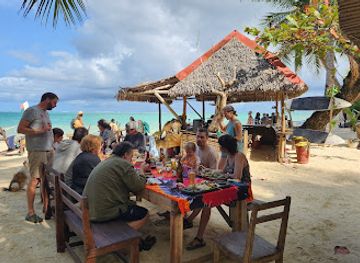
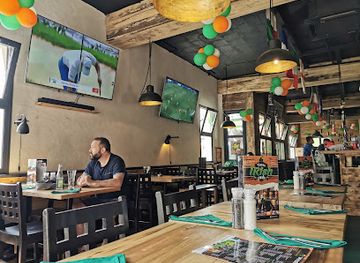
Evening life in Analanjirofo is concentrated in Fenerive Est, Maroantsetra and the tourist areas of Sainte-Marie rather than spread through a large regional club circuit. Sainte-Marie has the broadest choice of beach bars, hotel bars, small restaurants and occasional live-music settings, with activity often increasing during the dry-season visitor period. Fenerive Est and Maroantsetra offer modest bars and places serving beer, rum-based drinks and soft beverages, while rural areas generally become quiet after dinner. Local music and community events may provide more atmosphere than formal nightlife venues, but schedules are changeable and should be confirmed locally. Drink responsibly, take care on unlit roads and arrange transport back to accommodation in advance, especially on islands or in remote coastal settlements. Night-time wildlife excursions and beach activities should only be undertaken with qualified local operators.
-
Restaurant
Le Carnivore - Restaurant Bar Lounge
Experience the vibrant flavors of Madagascar at Le Carnivore, a top-notch restaurant bar lounge in Antananarivo, perfect for meat lovers and night owls.
-
Seafood
Le Fafana
Experience fresh, authentic seafood dining at Le Fafana on Îles aux Nattes, where the flavors of the ocean meet breathtaking views.
-
Irish pub
Irish Pub Tana
Discover the charm of Irish Pub Tana in Antananarivo, where lively music, delicious food, and a welcoming atmosphere await every traveler.
-
Tapas Bar
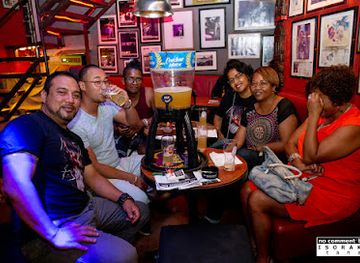
No Comment BAR
Discover the lively No Comment BAR in Antananarivo, where tapas and drinks create an unforgettable culinary experience!
Best nightclubs in Analanjirofo
Evening life in Analanjirofo is concentrated in Fenerive Est, Maroantsetra and the tourist areas of Sainte-Marie rather than spread through a large regional club circuit. Sainte-Marie has the broadest choice of beach bars, hotel bars, small restaurants and occasional live-music settings, with activity often increasing during the dry-season visitor period. Fenerive Est and Maroantsetra offer modest bars and places serving beer, rum-based drinks and soft beverages, while rural areas generally become quiet after dinner. Local music and community events may provide more atmosphere than formal nightlife venues, but schedules are changeable and should be confirmed locally. Drink responsibly, take care on unlit roads and arrange transport back to accommodation in advance, especially on islands or in remote coastal settlements. Night-time wildlife excursions and beach activities should only be undertaken with qualified local operators.
-
Night club
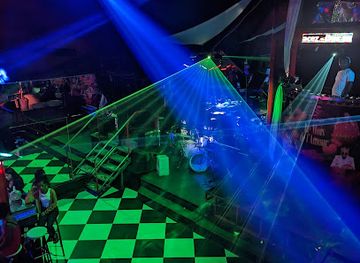
KUDéTA Urban Club
Unleash your night at KUDéTA Urban Club, Antananarivo's vibrant nightlife hub featuring live music and a chic atmosphere.
-
Cabaret club
Cabaret Jao's Pub
Discover the enchanting nightlife of Antananarivo at Cabaret Jao's Pub, where vibrant performances and local culture come alive.
-
Night club
Taxi Be
Dive into the vibrant nightlife of Antananarivo at Taxi Be, where music, dancing, and fun come alive in Madagascar's premier night club.
-
Night club
Espace Riantsoa
Discover the vibrant nightlife of Antananarivo at Espace Riantsoa, where music, dance, and culture come together for an unforgettable experience.


Best shops in Analanjirofo
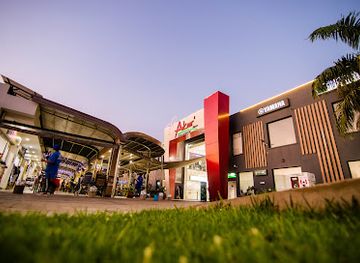
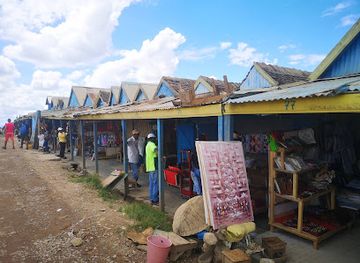
Shopping in Analanjirofo is oriented towards markets, useful local produce and small-scale handicrafts rather than large retail centres. Fenerive Est and Maroantsetra are practical places to look for cloves, vanilla, coffee, fruit, woven goods and everyday Malagasy products, while Sainte-Marie has shops and stalls aimed more directly at visitors. Quality and prices vary, so compare products and ask how locally they were made before buying. Raffia, woven baskets, mats, carved wood and simple jewellery may be available, but visitors should avoid anything made from protected wildlife, coral or questionable archaeological material. Packaged spices and vanilla can travel well when properly labelled, although import rules in the destination country should be checked before departure. Market shopping is also a way to observe the regional economy: rice, fish, cassava, tropical fruit and household goods move through these spaces daily. Carry ariary in small denominations, bargain politely where bargaining is customary, and remember that many rural sellers have limited access to change.
-
Souvenir store
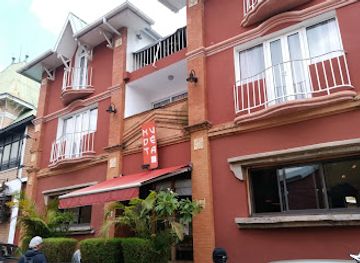
Kudéta Shop
Discover the charm of Madagascar at Kudéta Shop, your go-to destination for exquisite local souvenirs and unique gifts.
-
Shopping mall
Akoor Digue
Explore Akoor Digue in Antananarivo, a vibrant shopping mall offering local and international brands, diverse dining, and family-friendly entertainment.
-
Shopping mall
Digue Market
Explore Digue Market in Antananarivo for a unique shopping experience filled with local culture, crafts, and cuisine.
-
Cosmetics store
Crazy Co'CooL
Explore Crazy Co'CooL: Your destination for high-quality cosmetics inspired by the beauty and artistry of Madagascar.
Get your free copy of our complete guide to Analanjirofo, delivered straight to you.
Everything on this page, from attractions and restaurants to essentials and local phrases, in one PDF you can read offline, print or share.
Already have an account? Sign in
Your Analanjirofo guide is ready.
We'll send it to · Not you? Sign out

Getting your guide ready…
We are putting together a fresh copy of the Analanjirofo guide. This can take up to a minute.
This can take a few moments. If your browser asks, choose Allow so the download can start. You'll find the guide in your Downloads folder.
Nothing happened? Download it again
Sorry, the guide is taking longer than usual. Please try again in a minute, or get it by email instead.
Analanjirofo essentials
Currency and Payment
Safety
Emergency Situations
Do's and Don'ts
Local Tips
From Eve
Local phrases worth knowing
You don't need to get them perfect. A few words go a long way, and locals appreciate the effort.
Basics
| English | Local | Say it |
|---|---|---|
| Hello | Salama | [sah-lah-mah] |
| Goodbye | Veloma | [veh-loo-mah] |
| Yes | Eny | [eh-nee] |
| No | Tsia | [tsiah] |
| Please/You're welcome | Azafady | [ah-zah-fah-dee] |
| Thank you | Misaotra | [mee-sah-oh-trah] |
| Excuse me/Sorry | Azafady | [ah-zah-fah-dee] |
| How are you? | Inona ny vaovao? | [ee-no-nah nee vah-vah-oo] |
| Fine. And you? | Tsara. Ary ianao? | [tsah-rah. ah-ree ee-nah-oh] |
| Do you speak English? | Miteny anglisy ve ianao? | [mee-teh-nee ahn-glee-see veh ee-nah-oh] |
| I don't understand | Tsy azoko | [tsih ah-zoo-koo] |
Eating & Drinking
| English | Local | Say it |
|---|---|---|
| I'd like to see the menu, please | Te-hahita ny menu azafady | [teh-hah-ee-tah nee meh-noo ah-zah-fah-dee] |
| I don't eat meat | Tsy mihinana hena aho | [tsih mee-hee-nah-nah heh-nah ah-hoo] |
| Cheers! | Santé! | [sahn-teh] |
| I would like to pay, please | Te-handoa ny vola azafady | [teh-hahn-do-ah nee voh-lah ah-zah-fah-dee] |
Emergencies
| English | Local | Say it |
|---|---|---|
| Help! | Vonjeo! | [vohn-jeh-oh] |
| Go away! | Mandehana! | [mahn-deh-hah-nah] |
| Call the Police! | Antsoy ny Polisy! | [ahn-tsoh-ee nee poh-lee-see] |
| Call a doctor! | Antsoy ny dokotera! | [ahn-tsoh-ee nee doh-koh-teh-rah] |
| I'm lost | Very very! | [veh-ree veh-ree] |
| I'm ill | Marary aho | [mah-rah-ree ah-hoo] |
Shopping
| English | Local | Say it |
|---|---|---|
| I'd like to buy... | Te-hividy... | [teh-hee-vee-dee] |
| I'm just looking | Mijery fotsiny aho | [mee-jeh-ree foht-see-nee ah-hoo] |
| How much is it? | Ohatrinona izany? | [oo-hah-tree-noo-nah ee-zah-nee] |
| That's too expensive | Lany be loatra izany | [lah-nee beh loo-trah ee-zah-nee] |
| Can you lower the price? | Afaka manamaivana ny vidiny ve ianao? | [ah-fah-kah mah-nah-mai-vah-nah nee vee-dee-nee veh ee-nah-oh] |
Time & Numbers
| English | Local | Say it |
|---|---|---|
| What time is it? | Miafina ora? | [mee-ah-fee-nah oh-rah] |
| It's one o'clock | Tsy zoma ora iray | [tsih zo-mah oh-rah ee-rah-ee] |
| Half past (10) | Tapany folo | [tah-pah-nee fo-loo] |
| Morning | Maraina | [mah-rah-ee-nah] |
| Afternoon | Toa fanao | [too-ah fah-nah-oh] |
| Evening | Hariva | [hah-ree-vah] |
| Yesterday | Omaly | [oh-mah-lee] |
| Today | Anio | [ah-nee-oh] |
| Tomorrow | Rahampitso | [rah-hahm-pee-tso] |
| 1 | Iray | [ee-rah-ee] |
| 2 | Roa | [roh-ah] |
| 3 | Telo | [teh-loo] |
| 4 | Efatra | [eh-fah-trah] |
| 5 | Dimy | [dee-mee] |
| 6 | Enina | [eh-nee-nah] |
| 7 | Fito | [fee-toh] |
| 8 | Valo | [vah-loh] |
| 9 | Sivy | [see-vee] |
| 10 | Folo | [foh-loh] |
Transport & Directions
| English | Local | Say it |
|---|---|---|
| Where's a/the...? | Aiza ny...? | [ah-ee-zah nee] |
| What's the address? | Inona ny adiresy? | [ee-no-nah nee ah-dee-reh-see] |
| Can you show me (on the map)? | Afaka mampiseho ahy ve ianao? | [ah-fah-kah mahm-pee-seh-ho ah-hee veh ee-nah-oh] |
| When's the next (bus)? | Rahoviana ny bus manaraka? | [rah-hoh-vee-ah-nah nee boos mah-nah-rah-kah] |
| A ticket (to ....) | Tapakila (ho an...) | [tah-pah-kee-lah hoh ahn] |
History of Analanjirofo
Early Austronesian and African Settlement
The eastern coast of Madagascar was settled through movements of people whose ancestry reflects both Austronesian seafaring origins and African connections. Rice cultivation, outrigger-canoe traditions, fishing and knowledge of coastal forests formed part of the long cultural background from which later communities developed. Archaeological and linguistic evidence across Madagascar demonstrates that the island’s societies were connected to the wider Indian Ocean while also developing distinctive local practices. Analanjirofo’s waterways and sheltered coastline made it a natural zone for movement and exchange.
The Rise of Betsimisaraka Society
During the eighteenth century, the eastern coast became associated with the expansion of Betsimisaraka political and cultural influence. The name refers broadly to communities brought into a larger alliance under charismatic coastal leadership, although local identities remained varied. Trade in rice, cattle, timber and coastal products linked river valleys with ports and settlements. This period helped shape the social and cultural landscape encountered today in Analanjirofo, where Betsimisaraka traditions remain particularly important.
Indian Ocean Trade and Maritime Exchange
For centuries, the eastern coast participated in Indian Ocean networks involving Malagasy, Arab, African, European and other maritime traders. Cloves and other agricultural products later became especially important, but earlier exchange also involved foodstuffs, timber, cattle and manufactured goods. Sainte-Marie’s position offshore made it a useful stopping place for vessels, while mainland ports and river mouths connected coastal trade with inland production. These links explain why the region’s history cannot be understood solely through its rural settlements.
French Colonial Rule
France established colonial control over Madagascar in the late nineteenth century, and the eastern coast was drawn more tightly into export agriculture and administrative networks. Roads, ports and commercial systems served the movement of commodities, including cloves, coffee and other products, but colonial development was uneven and imposed new forms of taxation and political authority. Fenerive Est and other coastal centres acquired administrative importance, while local communities continued to depend on farming, fishing and regional trade.
Plantation Agriculture and the Clove Economy
Clove cultivation became one of Analanjirofo’s defining economic activities, particularly around the eastern lowlands and coastal hinterland. Smallholders commonly combine cloves with rice, vanilla, fruit and other crops, creating agricultural systems shaped by seasonal labour and fluctuating international prices. The region’s wet climate suits dense vegetation but also brings cyclones and transport disruption. Clove drying, village markets and roadside produce stalls remain visible reminders of the crop’s importance.
Protected Forests and Contemporary Conservation
During the twentieth century and after Madagascar’s independence in 1960, growing recognition of the island’s endemic wildlife led to the creation and strengthening of protected areas. Masoala National Park and Mananara Nord National Park protect rainforest and associated marine or coastal environments within Analanjirofo. Conservation has brought international attention and opportunities for ecotourism, but it also raises practical questions about local livelihoods, access to natural resources and the responsibilities of visitors travelling through fragile landscapes.
Analanjirofo in Photos
Browse through our photo collection highlighting the charm and character of the destination.
Neighbouring regions of Analanjirofo
The closest regions to Analanjirofo, if you have time for more than one.
-

-

-

-

-


Swipe for more regions
Explore more

Explore more of Madagascar
Discover Madagascar: A unique island paradise with unparalleled wildlife, breathtaking landscapes, and a rich cultural heritage.
Explore Madagascar