

Free Atsinanana Travel Guide & Mobile App
Explore Atsinanana with free travel guides. Discover regional history, expert tips, proposed trips, and audio guides on web or mobile app.


Explore Atsinanana’s Indian Ocean coast, Toamasina, Pangalanes Canal, tropical plantations and historic Foulpointe in eastern Madagascar.
Read more about Atsinanana
When is the best time to visit Atsinanana?
Best: June–August · 25°C| Month | High (°C) | Rainfall (mm) |
|---|---|---|
| January | 29 | 260 |
| February | 29 | 220 |
| March | 29 | 200 |
| April | 28 | 170 |
| May | 27 | 120 |
| June (best) | 25 | 80 |
| July (best) | 25 | 70 |
| August (best) | 25 | 60 |
| September | 26 | 70 |
| October | 28 | 120 |
| November | 29 | 170 |
| December | 29 | 220 |
Getting to and around Atsinanana
How to get there
Transportation
Top city travel guides in Atsinanana
The cities of Atsinanana, and the easiest places to base yourself.
-

-

-


Swipe for more cities
Destinations in Atsinanana
Resorts, valleys and scenic spots worth a trip of their own.

Swipe for more destinations
Best attractions in Atsinanana
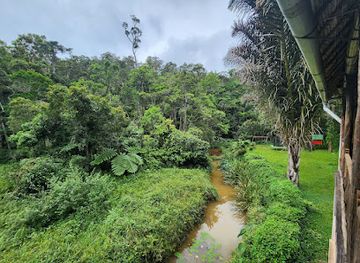
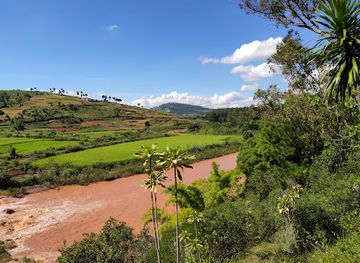
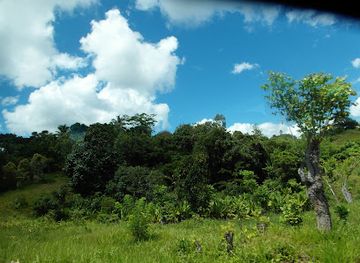
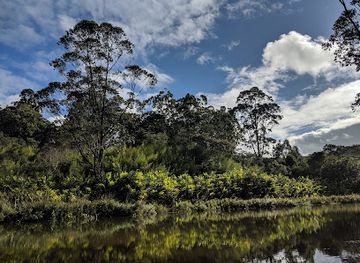
Atsinanana’s attractions combine coastal recreation, waterways, wildlife education and everyday regional life. Toamasina provides the strongest base for exploring the area, with its markets, seafront, colonial-era urban traces and access to the Ivoloina Zoological Park, where visitors can learn about Madagascar’s endemic fauna and conservation initiatives. North-east of the city, Foulpointe, or Mahavelona, is known for its beach, lagoon and the remains of Fort Manda, while nearby coastal villages offer a quieter setting. The Pangalanes Canal is the region’s defining travel experience: guided boat journeys pass through lagoons, wetlands, fishing settlements, plantations and forested margins. Inland districts around Brickaville, Mahanoro and Vatomandry offer rivers, rural landscapes and opportunities for slower, locally arranged excursions. Nature here is best approached through responsible guides, since wildlife encounters are not guaranteed and access can be affected by rain. The eastern climate supports lush vegetation and productive agricultural areas, while beaches and coral-fringed waters require attention to tides, surf and seasonal conditions. Rather than a concentrated collection of monuments, Atsinanana offers a connected landscape in which ports, waterways, villages, plantations and coastal habitats form the main visitor experience.
-
Nature preserve
Réserve spéciale d'Analamazoatra
Discover the breathtaking biodiversity of Analamazoatra Special Reserve, home to the iconic Indri lemurs and a sanctuary of Madagascar's unique wildlife.
-
Park
Lemurs Park
Experience Madagascar's unique wildlife at Lemurs Park, where you can observe lemurs in their natural habitat and explore rich biodiversity.
-
Heritage museum
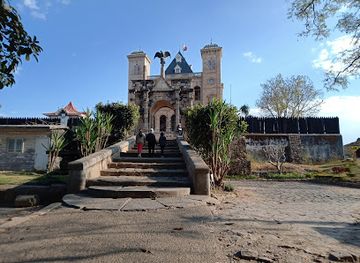
Queen's Palace
Explore the majestic Queen's Palace in Antananarivo, a historical gem showcasing Madagascar's royal heritage and cultural history.
-
Zoo
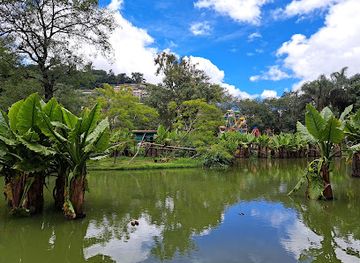
Tsimbazaza Zoo and Botanical Gardens
Discover Madagascar's unique wildlife and stunning plant life at Tsimbazaza Zoo and Botanical Gardens in Antananarivo.
Best landmarks in Atsinanana
Toamasina’s broad seafront avenues and port landscape are the region’s most recognisable urban markers, reflecting the city’s development as Madagascar’s principal eastern harbour. The city’s older commercial and administrative buildings provide reminders of the colonial period, although the urban character is more strongly defined by movement, trade and coastal life than by a single monumental centre. At Foulpointe, the remains of Fort Manda are the most important historic landmark. Built during the nineteenth-century reign of Radama I, the fort formed part of a coastal defensive and trading network and its surviving walls stand near one of Atsinanana’s best-known beaches. The Pangalanes Canal is a landmark on a different scale: its linked lagoons and waterways are a major feat of transport geography and a defining feature of the eastern lowlands. Rivers, coconut-lined shores and lagoon passages around Vatomandry and Mahanoro also function as geographical landmarks, showing how settlements and agriculture depend on water. These places are significant because they express the region’s overlapping histories of coastal politics, colonial commerce, transport and everyday riverine life.
-
Nature preserve
Réserve spéciale d'Analamazoatra
Explore the breathtaking Analamazoatra Special Reserve in Madagascar, a paradise for wildlife enthusiasts and a sanctuary for unique ecosystems.
-
National park
Andasibe-Mantadia National Park
Explore the enchanting Andasibe-Mantadia National Park, home to unique wildlife and stunning landscapes in Madagascar.
-
Zoo
Parc Ivoloina
Explore the enchanting Parc Ivoloina, a premier zoo and nature reserve in Madagascar, showcasing unique wildlife and lush landscapes.
-
Historical landmark
Monument de l’Ange Noir
Discover the rich history and cultural significance of the Monument de l’Ange Noir in Antananarivo, a must-visit for every traveler in Madagascar.

Explore Atsinanana on the map
Plan your trip on one map. See where the top cities, national parks and sights are, and book hotels and experiences in a few clicks.
Best hotels in Atsinanana
Best restaurants in Atsinanana
Dining in Atsinanana reflects its humid coast, port-city connections and productive agricultural hinterland. Toamasina has the broadest choice, from simple eateries and market stalls to cafés, hotel restaurants and establishments influenced by French, Chinese, Indian and other Indian Ocean traditions. Rice remains central to meals, often accompanied by seafood, poultry, meat, greens and richly seasoned sauces. Along the coast, grilled or stewed fish, prawns and other seafood are common where the daily catch permits, while inland and rural menus depend more closely on local farming. The region is recognised for produce associated with the eastern climate, including cloves, vanilla, coffee, bananas, lychees and coconut, although availability is seasonal. Markets are useful places to see the trade in fruit, spices and prepared snacks, but visitors should choose busy stalls with good turnover and take care with untreated water. In Foulpointe and other coastal settlements, dining may be simpler and shaped by guesthouse kitchens, small restaurants and local seafood rather than a formal food scene.
-
Indoor lodging
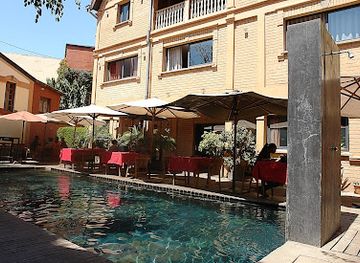
Sakamanga Hôtel
Experience authentic Malagasy hospitality at Sakamanga Hôtel - your cozy retreat in the heart of Antananarivo.
-
Italian
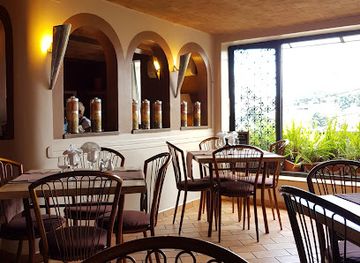
Nerone Ristorante Italiano (Madagascar)
Experience authentic Italian cuisine at Nerone Ristorante Italiano in Antananarivo, where fresh ingredients meet vibrant flavors.
-
Restaurant
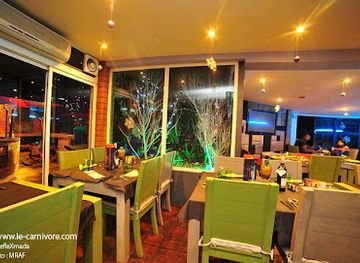
Le Carnivore - Restaurant Bar Lounge
Experience the essence of Madagascar's flavors at Le Carnivore – where culinary artistry meets vibrant ambiance in Antananarivo.
-
Brasserie
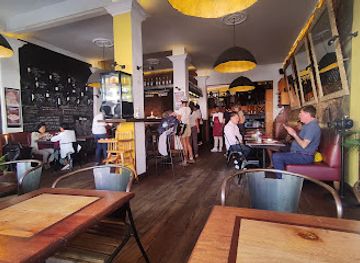
La petite Brasserie
Experience exquisite flavors at La Petite Brasserie in Antananarivo - where Malagasy meets French cuisine in an inviting atmosphere.
Best bars in Atsinanana
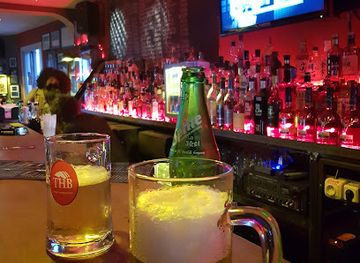
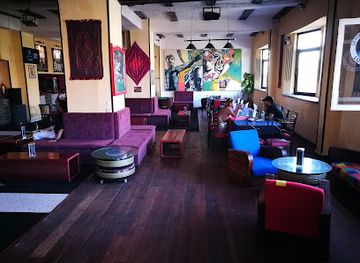
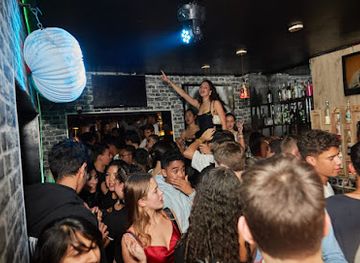
Evening life in Atsinanana is concentrated in Toamasina, where hotel bars, modest restaurants, music venues and informal drinking places provide more choice than in the smaller towns. The city’s port character gives its nightlife a mixed local and international influence, but venues and opening arrangements can change, so current advice from accommodation providers is useful. Foulpointe has a seasonal seaside evening scene, particularly when domestic visitors and holidaymakers are present, while Vatomandry and other coastal settlements tend to centre on restaurants, small bars and community gatherings rather than dedicated clubs. In rural areas, evenings are usually quiet, and a guesthouse meal or an early start for a canal journey is more typical than late-night entertainment. Beer, rum-based drinks and soft drinks are widely available, but alcohol should not be treated as the defining feature of regional culture. Keep valuables secure and arrange transport before going out after dark.
-
Irish pub
Irish Pub Tana
Discover the essence of Ireland in Antananarivo at Irish Pub Tana, where hearty food and vibrant culture blend seamlessly.
-
Tapas Bar
No Comment BAR
Discover the lively No Comment BAR in Antananarivo, where tapas and vibrant nightlife come together for an unforgettable experience.
-
Bar
Le Point d'Exclamation Lounge Bar
Experience the vibrant nightlife of Antananarivo at Le Point d'Exclamation Lounge Bar, where cocktails meet live music and an unforgettable atmosphere.
-
Bar
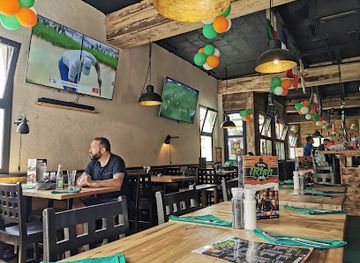
Old 7 bar
Discover the vibrant nightlife at Old 7 Bar in Antananarivo, where local culture meets a lively bar scene with live music and delicious drinks.
Best nightclubs in Atsinanana
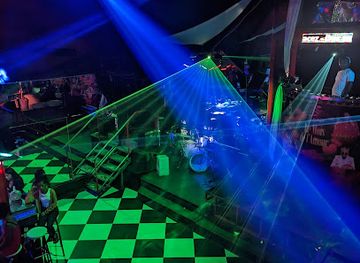
Evening life in Atsinanana is concentrated in Toamasina, where hotel bars, modest restaurants, music venues and informal drinking places provide more choice than in the smaller towns. The city’s port character gives its nightlife a mixed local and international influence, but venues and opening arrangements can change, so current advice from accommodation providers is useful. Foulpointe has a seasonal seaside evening scene, particularly when domestic visitors and holidaymakers are present, while Vatomandry and other coastal settlements tend to centre on restaurants, small bars and community gatherings rather than dedicated clubs. In rural areas, evenings are usually quiet, and a guesthouse meal or an early start for a canal journey is more typical than late-night entertainment. Beer, rum-based drinks and soft drinks are widely available, but alcohol should not be treated as the defining feature of regional culture. Keep valuables secure and arrange transport before going out after dark.
-
Night club
KUDéTA Urban Club
Experience the vibrant nightlife of Antananarivo at KUDéTA Urban Club, where live music and dancing come together for an unforgettable evening.
-
Night club
Taxi Be
Experience the vibrant nightlife at Taxi Be, Antananarivo's premier night club offering eclectic music and an energetic ambiance for an unforgettable evening.
-
Night club
Le Pandora
Discover the vibrant nightlife at Le Pandora in Toamasina, where great music and lively ambiance create unforgettable nights.
-
Night club
TAXI BE NIGHT CLUB
Discover the vibrant nightlife at TAXI BE NIGHT CLUB in Toamasina, Madagascar, where the music, dancing, and local culture come alive every night.



Best shops in Atsinanana
Toamasina is Atsinanana’s main shopping centre, with busy markets and independent streets selling clothing, household goods, fresh produce, spices and practical travel supplies. Markets are particularly worthwhile for seasonal fruit, vanilla, cloves, coffee, coconut products and other goods from the eastern agricultural economy, although quality and prices vary and bargaining should remain courteous. Small shops and craft stalls may offer woven items, carved objects, raffia work and Madagascar-themed souvenirs, but visitors should ask about materials and avoid products made from protected wildlife or plants. Foulpointe and other coastal destinations have a smaller, more seasonal retail scene, focused on beach necessities, local produce and modest handicrafts rather than extensive fashion or luxury shopping. Rural markets near transport routes can provide a more direct view of regional commerce, though payment is generally in ariary and choice is limited. Buy food products securely packaged for travel and allow space for locally made crafts, while remembering that export rules may restrict the movement of certain natural or antique materials.
-
Shopping mall
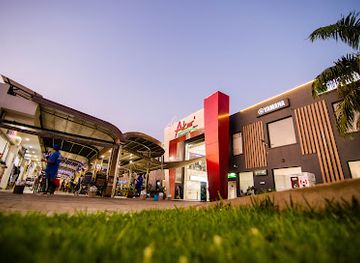
Akoor Digue
Explore Akoor Digue in Antananarivo: A lively shopping mall with diverse stores, delicious local food, and a vibrant atmosphere perfect for every tourist.
-
Shopping mall
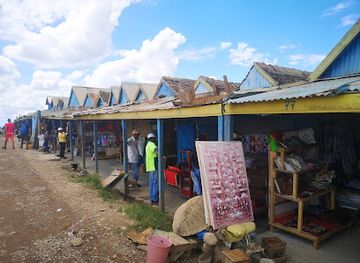
Digue Market
Explore the vibrant Digue Market in Antananarivo for a unique shopping experience filled with local crafts, fresh produce, and cultural immersion.
-
Gift shop
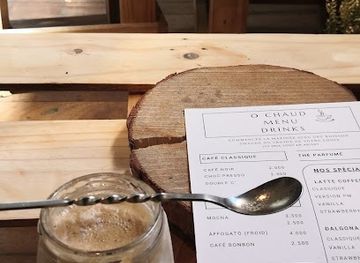
Ô Chaud & Tia Perso
Explore the vibrant culture of Madagascar through unique gifts and artisan crafts at Ô Chaud & Tia Perso in Antananarivo.
-
Gift shop
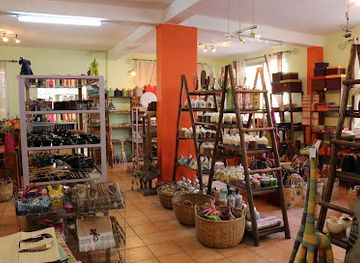
La Case Verte
Explore La Case Verte in Antananarivo for authentic Madagascar handicrafts, fashion accessories, and unique home goods to take home.
Get your free copy of our complete guide to Atsinanana, delivered straight to you.
Everything on this page, from attractions and restaurants to essentials and local phrases, in one PDF you can read offline, print or share.
Already have an account? Sign in
Your Atsinanana guide is ready.
We'll send it to · Not you? Sign out

Getting your guide ready…
We are putting together a fresh copy of the Atsinanana guide. This can take up to a minute.
This can take a few moments. If your browser asks, choose Allow so the download can start. You'll find the guide in your Downloads folder.
Nothing happened? Download it again
Sorry, the guide is taking longer than usual. Please try again in a minute, or get it by email instead.
Atsinanana essentials
Currency and Payment
Safety
Emergency Situations
Do's and Don'ts
Local Tips
From Eve
Local phrases worth knowing
You don't need to get them perfect. A few words go a long way, and locals appreciate the effort.
Basics
| English | Local | Say it |
|---|---|---|
| Hello | Salama | [sah-lah-mah] |
| Goodbye | Veloma | [veh-loo-mah] |
| Yes | Eny | [eh-nee] |
| No | Tsia | [tsee-ah] |
| Please/You're welcome | Azafady | [ah-zah-fah-dee] |
| Thank you | Misaotra | [mee-sah-oh-trah] |
| Excuse me/Sorry | Azafady | [ah-zah-fah-dee] |
| How are you? | Inona ny vaovao? | [ee-no-nah nee vah-vah-oo] |
| Fine. And you? | Tsara. Ary ianao? | [tsah-rah. ah-ree ee-nah-o] |
| Do you speak English? | Miteny anglisy ve ianao? | [mee-teh-nee ahng-lee-see veh ee-nah-o] |
| I don't understand | Tsy azoko | [tsee ah-zoo-koo] |
Eating & Drinking
| English | Local | Say it |
|---|---|---|
| I'd like to see the menu, please | Te-hijery ny menu aho, azafady | [teh-hee-jeh-ree nee meh-noo ah-hoo, ah-zah-fah-dee] |
| I don't eat meat | Tsy mihinana hena aho | [tsee mee-hee-nah-nah heh-nah ah-hoo] |
| Cheers! | Santé! | [sahn-teh] |
| I would like to pay, please | Te-hana-bola aho, azafady | [teh-hah-nah-boo-lah ah-hoo, ah-zah-fah-dee] |
Emergencies
| English | Local | Say it |
|---|---|---|
| Help! | Vonjeo! | [vohn-jeh-oh] |
| Go away! | Mandehana! | [mahn-deh-hah-nah] |
| Call the Police! | Antsoy ny polisy! | [ahn-tso-ee nee poh-lee-see] |
| Call a doctor! | Antsoy ny dokotera! | [ahn-tso-ee nee doh-koh-teh-rah] |
| I'm lost | Very very! | [veh-ree veh-ree] |
| I'm ill | Marary aho | [mah-rah-ree ah-hoo] |
Shopping
| English | Local | Say it |
|---|---|---|
| I'd like to buy... | Te-hividy... | [teh-hee-vee-dee] |
| I'm just looking | Mijery fotsiny aho | [mee-jeh-ree fo-tsee-nee ah-hoo] |
| How much is it? | Ohatrinona izany? | [oo-hah-tree-noo-nah ee-zah-nee] |
| That's too expensive | Mahalana be izany | [mah-hah-lah-nah beh ee-zah-nee] |
| Can you lower the price? | Azonao atao ve ny manampy ny vidiny? | [ah-zoo-nah-oo ah-tah-oo veh nee mah-nahm-pee nee vee-dee-nee] |
Time & Numbers
| English | Local | Say it |
|---|---|---|
| What time is it? | Inona ny ora? | [ee-no-nah nee oo-rah] |
| It's one o'clock | Tsy amin'ny iray ora | [tsee ah-meen ee ee-rah-ee oo-rah] |
| Half past (10) | Mivonona (10) | [mee-voh-noo-nah] |
| Morning | Maraina | [mah-rah-ee-nah] |
| Afternoon | Tolakandro | [tah-lah-kahn-droo] |
| Evening | Hariva | [hah-ree-vah] |
| Yesterday | Taloha | [tah-loo-hah] |
| Today | Anio | [ah-nee-oh] |
| Tomorrow | Rahampitso | [rah-hahm-pee-tso] |
| 1 | 1 | [1] |
| 2 | 2 | [2] |
| 3 | 3 | [3] |
| 4 | 4 | [4] |
| 5 | 5 | [5] |
| 6 | 6 | [6] |
| 7 | 7 | [7] |
| 8 | 8 | [8] |
| 9 | 9 | [9] |
| 10 | 10 | [10] |
Transport & Directions
| English | Local | Say it |
|---|---|---|
| Where's a/the...? | Aiza ny...? | [ah-ee-zah nee] |
| What's the address? | Inona ny adiresy? | [ee-no-nah nee ah-dee-reh-see] |
| Can you show me (on the map)? | Azonao aseho ahy (amin'ny sarintany)? | [ah-zoo-nah-oo ah-seh-ho ah-ee (ah-meen ee sah-ree-n-tah-nee)] |
| When's the next (bus)? | Rahoviana ny (bus) manaraka? | [rah-hoh-vee-ah-nah nee bus mah-nah-rah-kah] |
| A ticket (to ....) | Tapakila (manaraka ....) | [tah-pah-kee-lah (mah-nah-rah-kah)] |
History of Atsinanana
Austronesian settlement and the eastern waterways
Madagascar’s first permanent settlers arrived through Indian Ocean networks, probably from Island Southeast Asia and later East Africa, bringing maritime skills, rice cultivation and language traditions that remain fundamental to Malagasy culture. In Atsinanana, the navigable rivers, lagoons and coastal plain encouraged settlement and exchange. The region’s waterways were not merely scenic features: they connected communities, agricultural areas and the coast long before modern roads and railways. Later arrivals from Africa, Arabia and the wider Indian Ocean added further cultural and commercial influences.
Betsimisaraka communities and coastal trade
The Atsinanana coast is closely associated with the Betsimisaraka, a major eastern Malagasy cultural group whose historic communities occupied a broad zone of coastal plain, river valleys and forest margins. During the eighteenth century, local political power became more organised under leaders including Ratsimilaho, whose influence helped shape the Betsimisaraka confederation. Coastal trade linked the area with other parts of Madagascar and with Indian Ocean merchants, exchanging rice, cattle, timber and other goods. These histories remain visible in settlement patterns, language and regional cultural life.
European commerce and the rise of Tamatave
European merchants and colonial interests increasingly used Madagascar’s eastern ports from the seventeenth century onwards. Tamatave, now Toamasina, became the principal harbour for trade between the island’s east coast, the highlands and overseas markets. The port’s importance grew through the export of agricultural products and imported manufactured goods, while the town developed a cosmopolitan population and commercial infrastructure. European involvement was entangled with coercive labour systems and the wider slave trade that affected Indian Ocean societies, making the period an important but complex part of the region’s history.
French colonial rule and the port economy
France established colonial control over Madagascar in the late nineteenth century, and Atsinanana became central to the administration’s transport and export ambitions. Toamasina was expanded as a port, while plantations and commercial agriculture were developed across the humid east. Colonial rule brought new roads, administrative buildings and transport links, but it also imposed taxation, labour demands and economic priorities that benefited the colonial system more than local communities. The region’s continuing importance in cloves, coffee, vanilla, timber and other commodities is partly rooted in this transformation.
Railways, plantations and the Pangalanes Canal
During the colonial era and after independence, transport infrastructure tied the coast more closely to Madagascar’s interior. The railway from Toamasina towards Antananarivo became a major artery for passengers and goods, although its operation has often been affected by difficult terrain and maintenance challenges. The Pangalanes Canal system also supported movement along the eastern lowlands, linking lakes, lagoons and coastal settlements. Together, rail, road and water transport shaped the distribution of agricultural produce and reinforced Toamasina’s role as the eastern gateway to the highlands.
Independence and contemporary eastern Madagascar
Madagascar became independent from France in 1960, and Atsinanana retained a prominent role in national commerce through the port of Toamasina. The region has since combined urban growth with economies based on farming, fishing, plantations, transport and trade. Cyclones, flooding, fluctuating commodity prices and infrastructure constraints have repeatedly affected communities along the coast. At the same time, conservation, ecotourism and interest in canal travel have encouraged new forms of regional tourism. Contemporary Atsinanana is therefore shaped by both its historic maritime connections and the practical challenges of a wet, exposed tropical environment.
Atsinanana in Photos
Browse through our photo collection highlighting the charm and character of the destination.
Neighbouring regions of Atsinanana
The closest regions to Atsinanana, if you have time for more than one.
-

-

-

-

-


Swipe for more regions
Explore more

Explore more of Madagascar
Discover Madagascar: A unique island paradise with unparalleled wildlife, breathtaking landscapes, and a rich cultural heritage.
Explore Madagascar