
Betsiboka, Madagascar Travel Guide
Discover the vibrant red waters of Betsiboka in Madagascar, a captivating natural wonder surrounded by lush greenery and rich biodiversity.
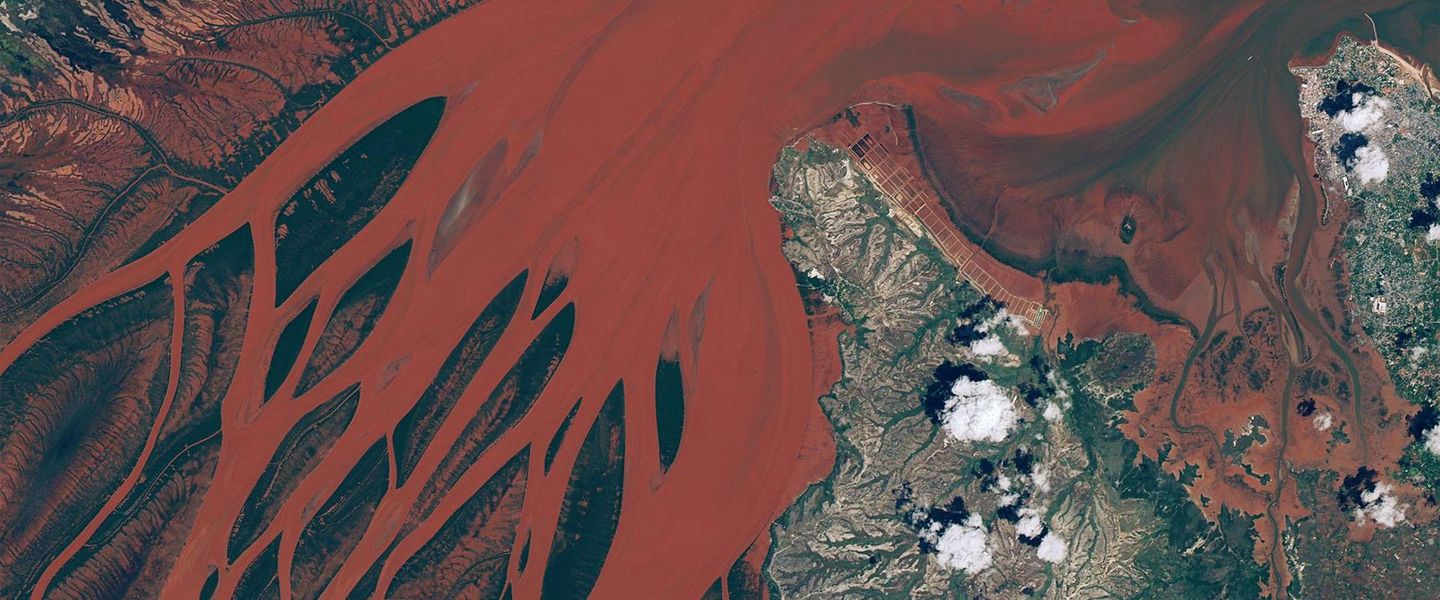
Betsiboka is one of Madagascar's most striking natural wonders, renowned for its vibrant red waters. This unique coloration is due to the high levels of sediment carried by the river, especially evident during the rainy season. The river flows through the northwestern part of the island, creating a mesmerizing landscape that is both beautiful and dramatic. Visitors to Betsiboka will be captivated by the contrast between the lush greenery of the surrounding vegetation and the vivid red of the river. It's a perfect spot for nature photography, and the region offers numerous vantage points to capture the stunning scenery. The river's journey through the landscape also reveals the rich biodiversity of Madagascar, home to many unique species of flora and fauna. In addition to its natural beauty, Betsiboka has a fascinating history. The river has played a crucial role in the lives of the local communities, providing water and supporting agriculture. Exploring the area offers insight into the traditional ways of life in Madagascar, as well as the challenges faced by these communities due to environmental changes. Whether you're an adventure seeker, a nature lover, or a history enthusiast, Betsiboka offers a memorable and enriching experience.

Know before you go
Hi, I'm Eve. Here are a few practical things to know before exploring Betsiboka.
- Visit during the rainy season to see the river at its most vibrant red.
- Bring a camera for stunning nature photography opportunities.
- Wear sturdy shoes for exploring the surrounding terrain.
- Consider hiring a local guide for deeper insight into the area's history and biodiversity.
- Pack insect repellent to stay comfortable during your visit.
Top City Travel Guides in Betsiboka
The cities of Betsiboka, and the easiest places to base yourself.


Destinations in Betsiboka
Resorts, valleys and scenic spots worth a trip of their own.

Explore Betsiboka: Things to Do, Places to Eat, Hotels & More
Handpicked recommendations for top attractions, local dining, accommodations, and more

Top Attractions & Sightseeing in Betsiboka
Top-rated picks
Best Attractions

Lemuria Land
Explore Lemuria Land in Hell-Ville, Madagascar, where adventure meets conservation in an enchanting animal park dedicated to the island's unique lemurs.

Avenue of the Baobabs
Explore the breathtaking Avenue of the Baobabs, where Madagascar's iconic trees create a stunning backdrop for unforgettable memories and stunning photographs.

Analakely Market
Explore Analakely Market in Antananarivo for an authentic taste of Madagascar's culture, crafts, and captivating street food experiences.

Rovan' Ambohimanga
Explore the historical grandeur of Rovan' Ambohimanga, a UNESCO World Heritage site showcasing Madagascar's royal heritage and stunning landscapes.

Best landmarks in Betsiboka
Top-rated picks
Best Landmarks

Isalo National Park
Explore the breathtaking landscapes and diverse wildlife of Isalo National Park, Madagascar's stunning natural gem and a must-visit for adventure seekers.

Lemurs Park
Explore Lemurs Park in Madagascar, a must-visit eco-tourism destination dedicated to the conservation of the island's unique lemurs and wildlife.

Queen's Palace
Visit Queen's Palace in Antananarivo, a stunning heritage museum revealing the royal history and cultural richness of Madagascar.

Andasibe-Mantadia National Park
Discover the rich biodiversity and breathtaking landscapes of Andasibe-Mantadia National Park, Madagascar's ecological treasure.

Best restaurants in Betsiboka
Top-rated picks
Best Restaurants

Sakamanga Hôtel
Discover comfort and local culture at Sakamanga Hôtel in Antananarivo - your perfect retreat in Madagascar.

Relais des Plateaux Hotel & Spa
Experience unparalleled luxury at Relais des Plateaux Hotel & Spa in Talatamaty, Madagascar - your ultimate relaxation destination with stunning amenities.

Hotel Restaurant La Varangue
Discover the charm of Antananarivo at Hotel Restaurant La Varangue - where comfort meets cultural authenticity.
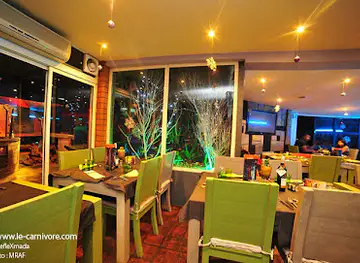
Le Carnivore - Restaurant Bar Lounge
Experience culinary excellence at Le Carnivore in Antananarivo—where vibrant flavors meet warm hospitality.

Best bars in Betsiboka
Top-rated picks
Best Bars

Old 7 bar
Discover the lively atmosphere of Old 7 Bar in Antananarivo, a perfect spot for enjoying drinks and local nightlife.

RESTO SNACK ESCALE
Experience the authentic taste of Madagascar at Resto Snack Escale, a cozy restaurant in Maevatanana offering delightful local cuisine.

Le Chalet
Experience local charm and a vibrant atmosphere at Le Chalet, the perfect bar retreat in Alakamisy Ambohidratrimo.

Bon coin Resto Karaoke ambohidratrimo
Experience the vibrant nightlife at Bon Coin Resto Karaoke in Antananarivo, where food and music come together for an unforgettable evening.

Best nightclubs in Betsiboka
Top-rated picks
Best Nightclubs

KUDéTA Urban Club
Experience the best of Antananarivo's nightlife at KUDéTA Urban Club with live music, exquisite cocktails, and an electrifying atmosphere.

Taxi Be
Experience the electrifying nightlife of Antananarivo at Taxi Be, where vibrant music and a lively crowd create unforgettable memories.

TAXI BE NIGHT CLUB
Dive into the vibrant nightlife of Toamasina at TAXI BE NIGHT CLUB, where music, dance, and culture come alive in a thrilling atmosphere.

DJEMBE Discotheque TANA (ex le six)
Experience the electrifying nightlife at DJEMBE Discotheque TANA, the heart of Antananarivo's vibrant club scene.

Best shops in Betsiboka
Top-rated picks
Best Shops

Akoor Digue
Explore Akoor Digue, a premier shopping destination in Antananarivo, blending local culture with modern retail experiences for every traveler.

ABC BY BRICORAMA
Explore ABC by Bricorama, Antananarivo's go-to destination for DIY supplies, vibrant home décor, and unique local craftsmanship.

Digue Market
Experience the vibrant culture and local flavors at Digue Market in Antananarivo, Madagascar, a must-visit for every traveler.

Akany Concept Store
Explore the cultural heart of Madagascar at Akany Concept Store, where local craftsmanship meets unique shopping experiences.

Explore Betsiboka on the Map
A handpicked selection of must-see spots in Betsiboka, mapped for you.
Betsiboka Essentials
-
Betsiboka is accessible via the international airport in Antananarivo (Ivato International Airport), which is approximately 280 kilometers away. From Antananarivo, you can take a domestic flight to Mahajanga, which is closer to Betsiboka. Alternatively, you can travel by road from Antananarivo to Betsiboka; this journey takes around 8 to 10 hours by car or bus, passing through scenic landscapes and small towns.
-
Within Betsiboka, local transportation options include taxis and tuk-tuks (known locally as 'bajajs'). These are affordable and convenient for short distances. For exploring the wider region, car rentals are available in Mahajanga, though it is advisable to rent a 4x4 vehicle due to the varying road conditions. Public buses and minibuses (taxi-brousses) connect Betsiboka with other regions, but they can be crowded and less punctual.
-
The official currency in Madagascar is the Malagasy Ariary (MGA). Credit cards are accepted in some hotels, restaurants, and larger shops, but it is advisable to carry cash, especially in smaller towns and local markets. ATMs are available in Mahajanga and other larger towns, but it’s wise to withdraw sufficient cash before heading to more remote areas. Ensure you have smaller denominations, as change can sometimes be a problem.
-
Betsiboka is generally safe for tourists, but it is important to take standard precautions. Avoid walking alone at night in unfamiliar areas and keep your belongings secure. While most areas are safe, be cautious in crowded places like markets, where pickpocketing can occur. It is also recommended to avoid displaying valuable items publicly. Stay informed about local safety advisories and follow the advice of local authorities.
-
In case of emergency, dial 117 for police assistance and 124 for medical emergencies. Major hospitals and medical facilities are located in Mahajanga. It is highly recommended to have comprehensive travel insurance that covers medical emergencies and evacuation. Pharmacies are available for minor health issues, but it is wise to bring a basic first-aid kit and any necessary medications with you.
-
Fashion: Do dress modestly, especially when visiting religious or rural areas. Avoid wearing revealing clothing. Religion: Do respect local customs and traditions. Always ask for permission before taking photos, especially in sacred sites. Public Transport: Do be respectful and patient while using public transport. Don't expect strict adherence to schedules. Greetings: Do greet people with a handshake or a smile. Using basic Malagasy phrases can go a long way. Eating & Drinking: Do try local dishes and accept food offerings graciously. Don't refuse hospitality, as it is considered impolite.
-
To experience Betsiboka like a local, visit the bustling local markets where you can buy fresh produce and artisanal goods. Engage with locals, who are often friendly and willing to share stories about their culture and daily life. Don’t miss the opportunity to explore the natural beauty of the region, including the Betsiboka River and surrounding landscapes. Participate in local festivals and events to gain a deeper understanding of the local culture.
When is the best time to visit Betsiboka?
Useful Local Phrases for Betsiboka
You don't need to speak the language perfectly. Even learning a few simple words can make conversations warmer—and locals usually appreciate the effort.
— Eve

Here are the phrases I use most often in Betsiboka. Try a few—you'll be surprised how far they go! 😊
❤️
-
- HelloSalama
[sah-lah-mah] - GoodbyeVeloma
[veh-loo-mah] - YesEny
[eh-nee] - NoTsia
[tsee-ah] - Please/You're welcomeAzafady
[ah-zah-fah-dee] - Thank youMisaotra
[mee-sah-ooh-trah] - Excuse me/SorryMiala tsiny
[mee-ah-lah tsee-nee] - How are you?Inona ny vaovao?
[ee-noh-nah nee vah-vah-oo] - Fine. And you?Tsara. Ary ianao?
[tsah-rah. ah-ree ee-ahn-oh] - Do you speak English?Miteny anglisy ve ianao?
[mee-teh-nee ahn-glee-see veh ee-ahn-oh] - I don't understandTsy azoko
[tsee ah-zoo-koo]
- HelloSalama
-
- I'd like to see the menu, pleaseTe-hahita ny menu aho, azafady
[teh-hah-ee-tah nee meh-noo ah-hoo, ah-zah-fah-dee] - I don't eat meatTsy mihinana hena aho
[tsee mee-hee-nah-nah heh-nah ah-hoo] - Cheers!Fety!
[feh-tee] - I would like to pay, pleaseTe-handoa aho, azafady
[teh-han-do-ah ah-hoo, ah-zah-fah-dee]
- I'd like to see the menu, pleaseTe-hahita ny menu aho, azafady
-
- Help!Vonjeo!
[vohn-jay-oh] - Go away!Mandehana!
[mahn-deh-hah-nah] - Call the Police!Antsoy ny polisy!
[ahn-tsoh-ee nee poh-lee-see] - Call a doctor!Antsoy dokotera!
[ahn-tsoh-ee doh-koh-teh-rah] - I'm lostVery very
[veh-ree veh-ree] - I'm illMarary aho
[mah-rah-ree ah-hoo]
- Help!Vonjeo!
-
- I'd like to buy...Te-hividy...
[teh-hee-vee-dee] - I'm just lookingMijery fotsiny aho
[mee-jeh-ree foht-see-nee ah-hoo] - How much is it?Ohatrinona izany?
[oo-hah-tree-noh-nah ee-zah-nee] - That's too expensiveLafo loatra izany
[lah-foh loo-ah-trah ee-zah-nee] - Can you lower the price?Afaka manapa-kevitra ve ianao?
[ah-fah-kah ma-nah-pah-keh-vee-trah veh ee-ahn-oh]
- I'd like to buy...Te-hividy...
-
- What time is it?Firy ora izao?
[fee-ree oh-rah ee-zah-oh] - It's one o'clockTsy iray ora
[tsee ee-rah-ee oh-rah] - Half past (10)Atoandro efatra
[ah-too-ahn-droh eh-fah-trah] - MorningMaraina
[mah-rah-ee-nah] - AfternoonToa
[too-ah] - EveningHariva
[hah-ree-vah] - YesterdayOmaly
[oh-mah-lee] - TodayAnio
[ah-nee-oh] - TomorrowRahampitso
[rah-hahm-pee-tso] - 1Iray
[ee-rah-ee] - 2Roa
[roh-ah] - 3Telo
[teh-loo] - 4Efatra
[eh-fah-trah] - 5Dimy
[dee-mee] - 6Enina
[eh-nee-nah] - 7Fito
[fee-toh] - 8Valo
[vah-loo] - 9Sivy
[see-vee] - 10Folo
[foh-loo]
- What time is it?Firy ora izao?
-
- Where's a/the...?Aiza ny...?
[ah-ee-zah nee] - What's the address?Inona ny adiresy?
[ee-noh-nah nee ah-dee-reh-see] - Can you show me (on the map)?Afaka mampiseho ahy ve ianao?
[ah-fah-kah mahn-pee-seh-hoo ah-ee veh ee-ahn-oh] - When's the next (bus)?Rahoviana ny (bus) manaraka?
[rah-hoh-vee-ah-nah nee bus mah-nah-rah-kah] - A ticket (to ....)Tapakila (ho...)
[tah-pah-kee-lah hoh]
- Where's a/the...?Aiza ny...?
History of Betsiboka
-
Betsiboka's history dates back thousands of years with the early Austronesian settlers who arrived on the island of Madagascar. These settlers brought with them agricultural techniques, maritime skills, and cultural practices that laid the foundation for the region's development. Archaeological evidence suggests that the Betsiboka region was one of the early areas of human settlement due to its fertile lands and strategic location.
-
During the 17th century, the Sakalava people established dominance over the western regions of Madagascar, including Betsiboka. This period marked the rise of the Sakalava Kingdom, which controlled vital trade routes and ports. The Sakalava were known for their prowess in cattle herding and trade, particularly in exchanging goods such as cattle, rice, and slaves with European traders.
-
In the late 19th century, Madagascar fell under French colonial rule, significantly impacting the Betsiboka region. The French established infrastructure projects, including the construction of roads and railways, to facilitate the extraction of resources such as coffee, vanilla, and timber. The colonial period also saw the introduction of new agricultural practices and the establishment of plantations, which altered the local economy and social structures.
-
The Betsiboka River is a prominent feature of the region, known for its striking red waters caused by soil erosion and sediment. The river has historically been a critical waterway for transportation and trade, linking inland areas with the coastal ports. Over time, the river has also become a symbol of environmental challenges, highlighting issues such as deforestation and land degradation that affect the region.
-
The mid-20th century saw a surge in nationalist movements across Madagascar, including in Betsiboka. The struggle for independence from French colonial rule culminated in 1960, when Madagascar became an independent nation. The Betsiboka region played a role in these movements, with local leaders and communities contributing to the broader national efforts to gain sovereignty and self-determination.
-
Today, Betsiboka is a vibrant region that reflects the diverse cultural heritage of Madagascar. The area is known for its rich biodiversity, traditional crafts, and agricultural products. Efforts are ongoing to balance development with conservation, ensuring that the natural and cultural treasures of Betsiboka are preserved for future generations.
Neighbouring Regions of Betsiboka
The closest regions to Betsiboka, if you have time for more than one.


Your all‑in‑one travel companion app
Explore expert travel guides, compare and book tours, experiences, hotels, and more—all from the palm of your hand. Download now for seamless trip planning wherever your wanderlust takes you.


Explore More of Madagascar

Looking beyond Betsiboka? Discover Madagascar for broader travel guides, local hot-spots, and regional highlights.
Explore MadagascarBetsiboka in Photos
Browse through our photo collection highlighting the charm and character of the destination.


The Fiery Waters of Betsiboka: Madagascar's Natural Wonder
Betsiboka is one of Madagascar's most striking natural wonders, renowned for its vibrant red waters. This unique coloration is due to the high levels of sediment carried by the river, especially evident during the rainy season. The river flows through the northwestern part of the island, creating a mesmerizing landscape that is both beautiful and dramatic. Visitors to Betsiboka will be captivated by the contrast between the lush greenery of the surrounding vegetation and the vivid red of the river. It's a perfect spot for nature photography, and the region offers numerous vantage points to capture the stunning scenery. The river's journey through the landscape also reveals the rich biodiversity of Madagascar, home to many unique species of flora and fauna. In addition to its natural beauty, Betsiboka has a fascinating history. The river has played a crucial role in the lives of the local communities, providing water and supporting agriculture. Exploring the area offers insight into the traditional ways of life in Madagascar, as well as the challenges faced by these communities due to environmental changes. Whether you're an adventure seeker, a nature lover, or a history enthusiast, Betsiboka offers a memorable and enriching experience.