

Free Sava Travel Guide & Mobile App
Explore Sava with free travel guides. Discover regional history, expert tips, proposed trips, and audio guides on web or mobile app.


Explore Sava in north-eastern Madagascar for vanilla plantations, Marojejy rainforest, coastal towns and demanding but rewarding nature journeys.
Read more about Sava
When is the best time to visit Sava?
Best: June–August · 23°C| Month | High (°C) | Rainfall (mm) |
|---|---|---|
| January | 28 | 350 |
| February | 28 | 300 |
| March | 27 | 250 |
| April | 26 | 200 |
| May | 25 | 150 |
| June (best) | 23 | 100 |
| July (best) | 23 | 90 |
| August (best) | 23 | 100 |
| September | 24 | 120 |
| October | 26 | 150 |
| November | 27 | 200 |
| December | 27 | 250 |
Getting to and around Sava
How to get there
Transportation
Destinations in Sava
Resorts, valleys and scenic spots worth a trip of their own.

Swipe for more destinations
Best attractions in Sava
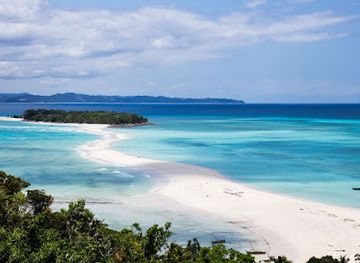
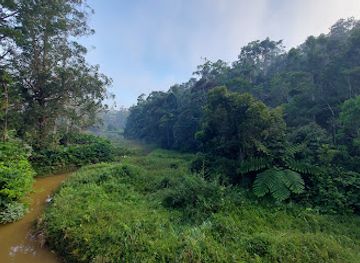
Sava’s attractions are defined by living landscapes rather than a dense concentration of built monuments. Marojejy National Park is the region’s principal draw, offering humid mountain forest, steep trails, waterfalls, orchids, palms, chameleons and opportunities to look for lemurs with a trained guide. Around Andapa, the forested slopes and productive basin provide a clear contrast between protected habitat and smallholder agriculture. The coastal towns of Sambava, Antalaha and Vohemar offer beaches, working harbours and access to rural communities, although facilities and swimming conditions vary. Vanilla gardens, rice fields, coconut groves and markets reveal the agricultural economy that gives Sava much of its character. Birdwatching, forest trekking, botanical observation and cultural visits are more significant here than conventional resort entertainment. Journeys themselves are part of the experience, linking humid coast, river valleys and upland roads while exposing visitors to the region’s varied ecology.
-
Whale watching tour agency
Les Baleines Rand'Eau
Explore the wonders of Madagascar's marine life with whale watching and scuba diving tours at Les Baleines Rand'Eau.
-
Tourist attraction
Kirindy Mitea National Park
Discover the enchanting Kirindy Mitea National Park, where Madagascar's unique wildlife and stunning landscapes await your exploration.
-
Tourist attraction
Masoala National Park
Explore the lush ecosystems and unique wildlife of Masoala National Park, Madagascar's natural paradise filled with adventure and stunning landscapes.
-
Tourist attraction
Sam Run
Experience unforgettable family fun and thrilling attractions at Sam Run Amusement Park in Antananarivo, where adventure awaits around every corner.
Best landmarks in Sava
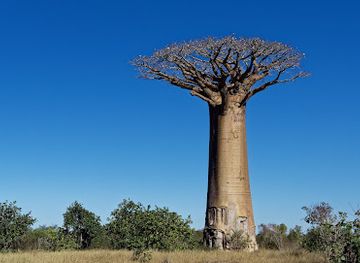
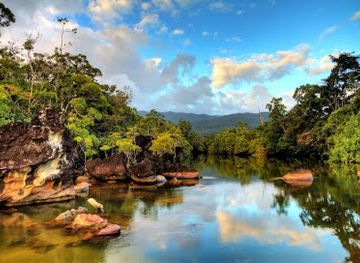
Marojejy’s forested mountain mass is Sava’s most important natural landmark, rising dramatically above the Andapa basin and forming a recognisable symbol of the region’s remaining rainforest. Its ridges, valleys and high-elevation habitats are significant not only visually but also for the rare species and plant communities they protect. On the coast, the broad bays and shoreline settlements around Sambava and Antalaha express Sava’s maritime geography, while working harbours connect daily life to fishing and transport. Vohemar’s coastal setting marks the drier northern transition within the region. The urban landmarks of Sava are comparatively modest: market streets, churches, administrative buildings, port facilities and houses reflect successive Malagasy and colonial-era influences rather than a single monumental architectural tradition. Around Andapa, the contrast between the cultivated basin and steep forested escarpments is itself a defining geographical landmark. These places are best understood in combination, as a sequence from ocean-facing settlements through agricultural country to protected mountain forest.
-
Nature preserve
Réserve spéciale d'Analamazoatra
Explore the Analamazoatra Special Reserve, a biodiversity hotspot in Madagascar, home to the iconic Indri lemurs and breathtaking natural beauty.
-
Heritage museum
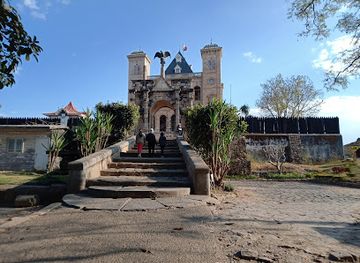
Queen's Palace
Explore the rich history of Madagascar at Queen's Palace, a stunning heritage museum in Antananarivo showcasing royal legacy and breathtaking views.
-
Castle
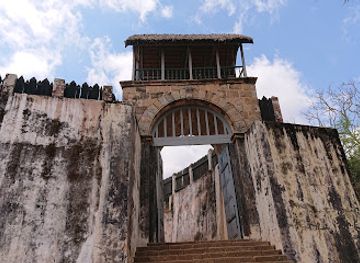
Rovan' Ambohimanga
Explore Rovan' Ambohimanga, a UNESCO World Heritage site in Madagascar, showcasing royal history and breathtaking views amidst lush landscapes.
-
Tourist attraction
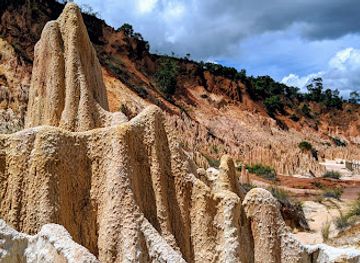
Tsingy Rouge
Discover the breathtaking beauty of Tsingy Rouge: Madagascar's unique red limestone formations offering stunning views and rich biodiversity.
Explore Sava on the map
Plan your trip on one map. See where the top cities, national parks and sights are, and book hotels and experiences in a few clicks.
Best hotels in Sava
Best restaurants in Sava
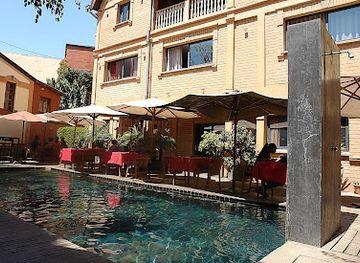
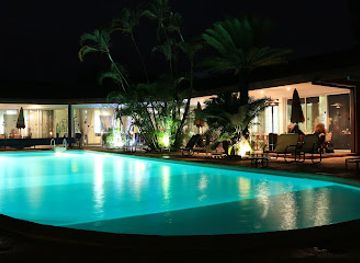
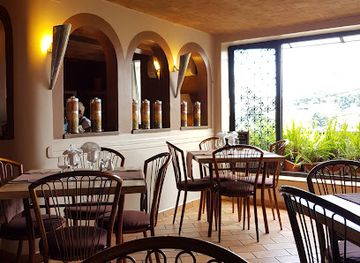
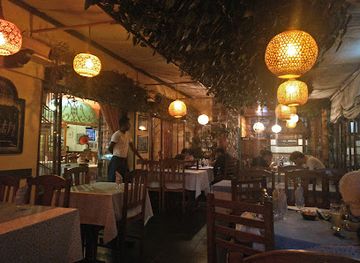
Eating in Sava is closely tied to Madagascar’s wider rice-based food culture and to the produce of a wet tropical region. Rice is commonly served with sauces, greens, beans, poultry, meat or fish, while coastal towns offer locally caught seafood when supplies and weather permit. Coconut, banana, cassava, sweet potato, pineapple and other seasonal fruit appear in household cooking and market stalls. Vanilla is primarily an agricultural product rather than a flavour added to every dish, but visitors may encounter it in desserts, drinks or locally made specialities. Sambava and Antalaha have the broadest choice of modest restaurants, hotel dining rooms, cafés and market food; Andapa and Vohemar are more limited and are best approached with flexible expectations. Simple Malagasy meals, French-influenced dishes and Indian Ocean flavours coexist, and a guide or accommodation host can identify reliable food locally. Carry snacks on long road journeys, since roadside choices are intermittent.
-
Restaurant
Sakamanga Hôtel
Discover the perfect blend of comfort and culinary delight at Sakamanga Hôtel in Antananarivo, Madagascar's vibrant capital.
-
Restaurant
Relais des Plateaux Hotel & Spa
Discover unparalleled luxury and relaxation at Relais des Plateaux Hotel & Spa, where comfort meets nature in Talatamaty.
-
Italian
Nerone Ristorante Italiano (Madagascar)
Experience authentic Italian cuisine at Nerone Ristorante Italiano in Antananarivo - where flavor meets warmth in every bite.
-
Restaurant
Le Chalet des Roses
Discover authentic Malagasy flavors at Le Chalet des Roses, where delightful dishes meet warm hospitality in Antananarivo.
Best bars in Sava
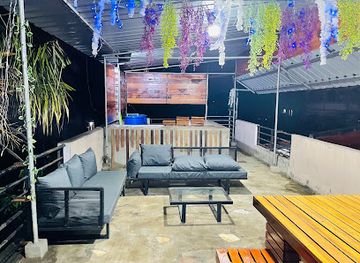
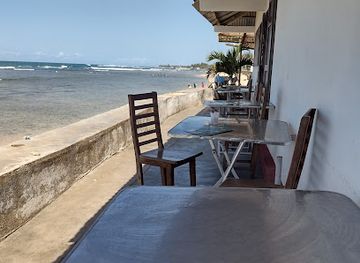
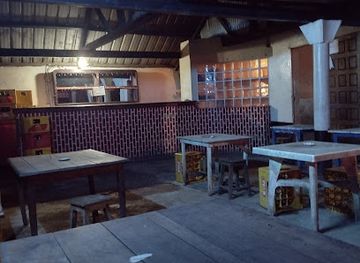
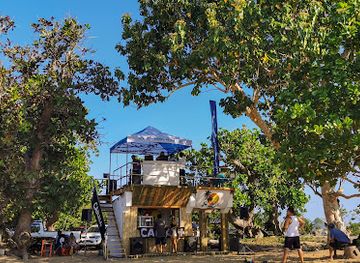
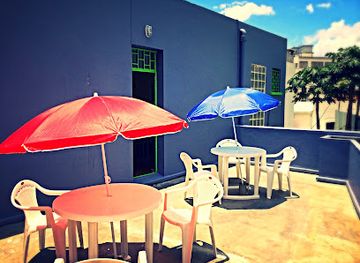
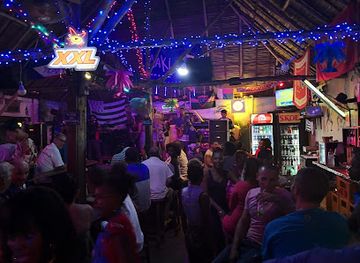
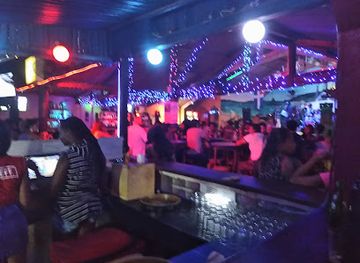
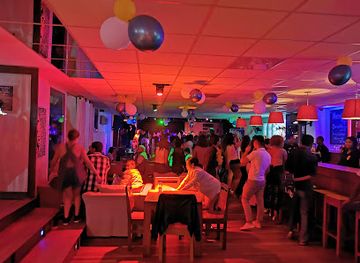
Sava does not have a large, internationally oriented nightclub scene. Evening life is concentrated in hotel bars, small town restaurants, informal drinking places and music-led venues in Sambava, Antalaha and, to a lesser extent, Vohemar and Andapa. Local beer, rum and soft drinks are widely available, while music and social gatherings may become more animated at weekends or around community celebrations; schedules are not dependable enough to plan around. In rural districts, nights are generally quiet and darkness arrives early, so visitors staying near forest areas should expect conversation, meals and rest rather than organised entertainment. Use discretion with alcohol, keep valuables secure and arrange transport before going out, particularly in unfamiliar towns. The most rewarding evening experiences often come from sharing a meal, listening to local music or watching town life rather than seeking a dedicated club district.
-
Restaurant
Le Moger
Experience authentic Malagasy cuisine and connectivity at Le Moger, your culinary oasis in the heart of Sambava.
-
Bar
La paillote
Experience the vibrant atmosphere of La Paillote in Antalaha, where affordable drinks and local charm await every traveler.
-
Restaurant
Pazzo
Experience the authentic flavors of Madagascar at Pazzo in Sambava, where every dish tells a story of local culture and culinary excellence.
-
Bar
SUNSET BAR
Discover the enchanting atmosphere of Sunset Bar in Sambava, where breathtaking sunsets meet refreshing drinks in a serene setting.
Best nightclubs in Sava
Sava does not have a large, internationally oriented nightclub scene. Evening life is concentrated in hotel bars, small town restaurants, informal drinking places and music-led venues in Sambava, Antalaha and, to a lesser extent, Vohemar and Andapa. Local beer, rum and soft drinks are widely available, while music and social gatherings may become more animated at weekends or around community celebrations; schedules are not dependable enough to plan around. In rural districts, nights are generally quiet and darkness arrives early, so visitors staying near forest areas should expect conversation, meals and rest rather than organised entertainment. Use discretion with alcohol, keep valuables secure and arrange transport before going out, particularly in unfamiliar towns. The most rewarding evening experiences often come from sharing a meal, listening to local music or watching town life rather than seeking a dedicated club district.
-
Bar
Madagascar Underground
Experience the vibrant nightlife and authentic Mexican cuisine at Madagascar Underground, Antananarivo's ultimate social hub.
-
Bar
Le Taxi-Be
Experience the vibrant nightlife of Ambatoloaka at Le Taxi-Be, where live music and delicious cocktails blend for an unforgettable evening.
-
Bar
Taxi Be
Experience the vibrant nightlife and local culture at Taxi Be, the premier bar in Antsiranana, Madagascar, brimming with energy and fun.
-
Night club
KUDéTA Urban Club
Dive into the vibrant nightlife of Antananarivo at KUDéTA Urban Club, where live music and exquisite drinks create unforgettable nights.
Best shops in Sava
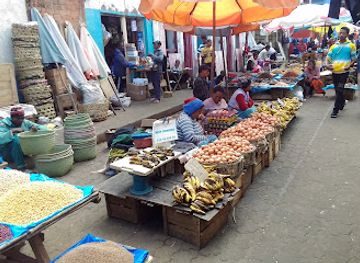
Shopping in Sava is primarily local and practical, with the strongest choices found in the markets and central streets of Sambava, Antalaha, Vohemar and Andapa. Fresh fruit, vegetables, rice, spices, coffee and small prepared foods reveal the region’s agricultural abundance, while vanilla is the signature product. Visitors should buy cured vanilla only from reputable sellers, ask about packaging and export requirements, and avoid assuming that an attractive price guarantees quality or legal provenance. Small shops and market stalls may also sell woven goods, baskets, carved items, clothing and household products, although ranges vary considerably between towns. Antalaha and Sambava generally offer more choice than rural settlements, while villages along the roads are useful for seasonal produce rather than extensive souvenirs. Bargaining may be customary for some market goods but is not appropriate everywhere; establish the price politely and pay attention to weights and quantities. Carry purchases securely during long journeys, since transport space and storage conditions can be limited.
-
Market
Analakely Market
Explore Analakely Market in Antananarivo: A vibrant local market bursting with culture, flavors, and unique crafts.
-
Art gallery
Lisy Art Gallery
Explore the vibrant artistry and rich cultural heritage at Lisy Art Gallery in Antananarivo, Madagascar's premier art destination.
-
Shopping mall
Akoor Digue
Explore Akoor Digue Shopping Mall: A vibrant shopping destination in Antananarivo, offering local crafts, diverse dining, and a taste of Malagasy culture.
-
Shopping mall
Digue Market
Explore Digue Market in Antananarivo for an authentic shopping experience filled with local crafts, fresh produce, and vibrant culture.


Get your free copy of our complete guide to Sava, delivered straight to you.
Everything on this page, from attractions and restaurants to essentials and local phrases, in one PDF you can read offline, print or share.
Already have an account? Sign in
Your Sava guide is ready.
We'll send it to · Not you? Sign out

Getting your guide ready…
We are putting together a fresh copy of the Sava guide. This can take up to a minute.
This can take a few moments. If your browser asks, choose Allow so the download can start. You'll find the guide in your Downloads folder.
Nothing happened? Download it again
Sorry, the guide is taking longer than usual. Please try again in a minute, or get it by email instead.
Sava essentials
Currency and Payment
Safety
Emergency Situations
Do's and Don'ts
Local Tips
From Eve
Local phrases worth knowing
You don't need to get them perfect. A few words go a long way, and locals appreciate the effort.
Basics
| English | Local | Say it |
|---|---|---|
| Hello | Howdy | [hau-dee] |
| Goodbye | See ya | [see yah] |
| Yes | Yep | [yehp] |
| No | Nah | [nah] |
| Please/You're welcome | No problem | [noh prob-luhm] |
| Thank you | Thanks | [thangs] |
| Excuse me/Sorry | Pardon me | [par-duhn mee] |
| How are you? | How's it going? | [how's it go-in?] |
| Fine. And you? | Good. And you? | [gud. an' you?] |
| Do you speak English? | Do ya speak English? | [doo yah speek ing-glish?] |
| I don't understand | I don't get it | [I don't get it] |
Eating & Drinking
| English | Local | Say it |
|---|---|---|
| I'd like to see the menu, please | Can I see the menu? | [kan I see the men-yoo?] |
| I don't eat meat | I'm a vegetarian | [I'm a vege-tair-ee-an] |
| Cheers! | Cheers! | [cheerz] |
| I would like to pay, please | Can I get the check? | [kan I get the chek?] |
Emergencies
| English | Local | Say it |
|---|---|---|
| Help! | Help! | [help] |
| Go away! | Leave me alone! | [leev me uh-lone] |
| Call the Police! | Call the cops! | [call the cops] |
| Call a doctor! | Get a doctor! | [get a dok-tor] |
| I'm lost | I'm lost | [I'm lost] |
| I'm ill | I'm not feeling well | [I'm not feel-ing wel] |
Shopping
| English | Local | Say it |
|---|---|---|
| I'd like to buy... | I'm looking to buy... | [I'm look-in' to buy...] |
| I'm just looking | Just browsing | [just brows-ing] |
| How much is it? | What's the price? | [What's the prys?] |
| That's too expensive | That's a bit pricey | [That's a bit pry-see] |
| Can you lower the price? | Can you give me a better price? | [Can you give me a bet-ter prys?] |
Time & Numbers
| English | Local | Say it |
|---|---|---|
| What time is it? | What time is it? | [what time is it?] |
| It's one o'clock | It's one | [It's wun] |
| Half past (10) | Half past ten | [half past ten] |
| Morning | Morning | [mor-ning] |
| Afternoon | Afternoon | [af-ter-noon] |
| Evening | Evening | [eev-ning] |
| Yesterday | Yesterday | [yes-ter-day] |
| Today | Today | [to-day] |
| Tomorrow | Tomorrow | [to-mor-row] |
| 1 | One | [wun] |
| 2 | Two | [too] |
| 3 | Three | [three] |
| 4 | Four | [for] |
| 5 | Five | [fiv] |
| 6 | Six | [siks] |
| 7 | Seven | [sev-en] |
| 8 | Eight | [eyt] |
| 9 | Nine | [nayn] |
| 10 | Ten | [ten] |
Transport & Directions
| English | Local | Say it |
|---|---|---|
| Where's a/the...? | Where's the...? | [where's the...?] |
| What's the address? | What's the address? | [what's the ad-dress?] |
| Can you show me (on the map)? | Can you show me on the map? | [can you show me on the map?] |
| When's the next (bus)? | When's the next bus? | [when's the next bus?] |
| A ticket (to ....) | A ticket to ... | [a tik-it to ...] |
History of Sava
Early settlement and Austronesian heritage
Madagascar’s earliest settled communities developed from peoples whose ancestors crossed the Indian Ocean from Island Southeast Asia, later joined by African and other Indian Ocean populations. In Sava, this long history is reflected in agricultural practices, language, boat traditions and foodways rather than in a single monumental archaeological site. Coastal exchange connected north-eastern Madagascar with wider Indian Ocean networks, while inland communities adapted to forested mountains and river valleys. The region’s present cultural diversity is the result of these successive movements, marriages and trading relationships over many centuries.
Indian Ocean trade and northern coastal communities
Before European colonial rule, Madagascar’s northern and eastern coasts participated in maritime commerce involving the Comoros, the Swahili coast, Arabia and other parts of the Indian Ocean. Coastal settlements exchanged food, timber and agricultural products for imported goods, while local political authority developed around ports, river mouths and inland routes. Sava’s position facing the ocean made it part of this wider trading world, although commerce was often seasonal and dispersed. Oral traditions, Islamic influences in some coastal communities and continuing seafaring practices preserve elements of that history.
Sakalava, Betsimisaraka and Tsimihety political worlds
The area now called Sava has long contained overlapping cultural and political communities rather than a single historical identity. Betsimisaraka influence is especially associated with the eastern coastal zone, while Tsimihety communities have strong roots in the north-central highlands around areas such as Andapa. Local authority historically operated through kinship, village leadership and regional alliances, alongside the power of larger Malagasy kingdoms. These distinctions remain culturally meaningful, although modern administrative borders, migration and urbanisation have created mixed communities in the principal towns.
French colonial rule and new administrative networks
France established colonial control over Madagascar in the late nineteenth century, reorganising existing systems of authority and developing roads, ports and administrative settlements to serve colonial interests. In the north-east, commercial agriculture and the extraction of forest products became increasingly connected to external markets. Colonial rule also introduced new forms of land administration, taxation and forced labour, whose consequences were felt by rural communities. After independence in 1960, roads and public institutions continued to link Sava to Madagascar’s national economy, although the region remained relatively remote.
The rise of vanilla cultivation
Vanilla became central to Sava’s economy during the twentieth century, after the crop and hand-pollination techniques introduced elsewhere in Madagascar were adapted to the humid north-east. Production depends heavily on smallholder labour: vines are trained on support trees, flowers are pollinated by hand, and mature pods undergo careful curing. International prices have fluctuated sharply, creating periods of prosperity and hardship. Vanilla has shaped rural calendars, household finances and local trading networks, while also encouraging agroforestry systems that can retain more tree cover than some alternative forms of cultivation.
Marojejy and the modern conservation era
The forests of Marojejy became increasingly recognised for their exceptional biodiversity and were placed under formal protection in the twentieth century. The national park now represents both a major conservation responsibility and an important source of local guiding and hospitality income. Protection has not removed the pressures affecting north-eastern Madagascar, including agricultural expansion, illegal extraction and limited livelihood opportunities. Contemporary travel to Marojejy therefore sits within a broader story of balancing forest conservation, scientific research, community interests and the economic needs of people living around the park.
Sava in Photos
Browse through our photo collection highlighting the charm and character of the destination.
Neighbouring regions of Sava
The closest regions to Sava, if you have time for more than one.
-

-

-

-

-


Swipe for more regions
Explore more

Explore more of Madagascar
Discover Madagascar: A unique island paradise with unparalleled wildlife, breathtaking landscapes, and a rich cultural heritage.
Explore Madagascar