

Free Sofia Travel Guide & Mobile App
Explore Sofia with free travel guides. Discover regional history, expert tips, proposed trips, and audio guides on web or mobile app.


Explore Sofia in northern Madagascar for lemur forests, river valleys, coastal villages, rice country and the marine landscapes of Sahamalaza.
Read more about Sofia
When is the best time to visit Sofia?
Best: May–June, September · 23–28°C| Month | High (°C) | Rainfall (mm) |
|---|---|---|
| January | 6 | 30 |
| February | 7 | 26 |
| March | 12 | 35 |
| April | 17 | 46 |
| May (best) | 23 | 56 |
| June (best) | 28 | 66 |
| July | 30 | 61 |
| August | 29 | 56 |
| September (best) | 24 | 50 |
| October | 18 | 45 |
| November | 11 | 36 |
| December | 6 | 30 |
Getting to and around Sofia
How to get there
Transportation
Top city travel guides in Sofia
The cities of Sofia, and the easiest places to base yourself.
-

-

-


Swipe for more cities
Destinations in Sofia
Resorts, valleys and scenic spots worth a trip of their own.
-

-


Swipe for more destinations
Best attractions in Sofia
Sofia’s attractions are primarily ecological, rural and cultural rather than concentrated in large purpose-built sites. The Sahamalaza protected landscape near the north-western coast is the region’s most internationally recognised draw, combining dry forest, mangroves, coastal waters and island environments where guided visits may reveal the blue-eyed black lemur and varied birdlife. Access is logistically demanding, and conservation rules and local arrangements are central to a responsible visit. Around Analalava, coastal excursions offer fishing communities, tidal landscapes and boat journeys across sheltered waters, although facilities are modest. Inland, the road corridors around Antsohihy, Bealanana and Mandritsara lead through rice valleys, cattle country, upland farms and changing vegetation. These journeys are attractions in themselves for travellers interested in rural Madagascar, provided sufficient time is allowed. River scenery, market towns and village life offer a more grounded alternative to conventional sightseeing. Visitors should use local guides for forest paths, wetlands and culturally sensitive places, and should not treat unmarked woodland as open-access tourism land. The region has little established nightlife or formal museum infrastructure, so its appeal lies in landscape, biodiversity, human geography and the opportunity to observe how coastal and upland communities are connected by difficult but important routes.
-
Tourist attraction
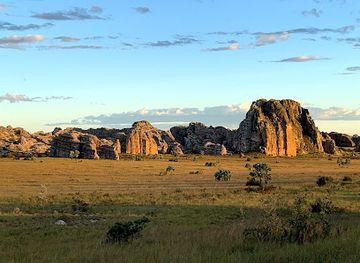
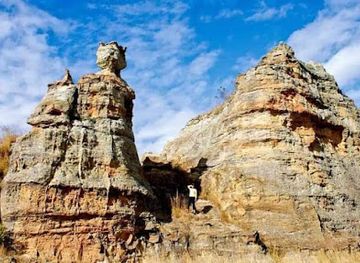
Isalo window
Discover the breathtaking Isalo Window in Madagascar, a natural rock formation offering stunning views, unique wildlife, and unforgettable hiking experiences.
-
Tourist attraction
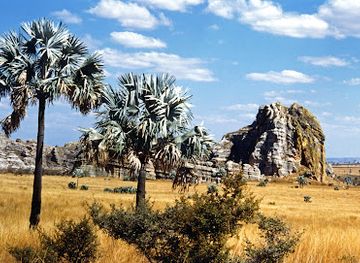
Nationalpark Andohahela
Explore the natural beauty of Andohahela National Park, a diverse landscape teeming with wildlife and stunning vistas in Madagascar.
-
Nature preserve
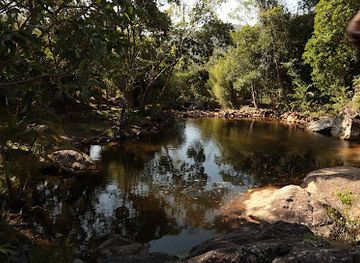
Domaine de la Cascade | Plantation Lansargues
Explore the breathtaking waterfalls and rich biodiversity at Domaine de la Cascade, a nature preserve in Taolagnaro, Madagascar.
-
Tourist attraction
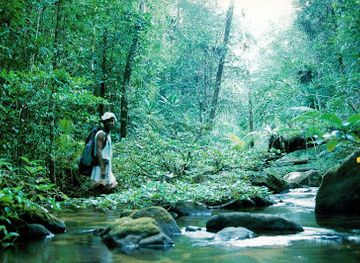
Parc national de Mananara-Nord
Explore the diverse ecosystems and natural wonders of Parc National de Mananara-Nord in Madagascar, a haven for adventure and nature enthusiasts.
Best landmarks in Sofia
The Sofia River is the region’s defining natural landmark, giving its name to the administrative territory and shaping agriculture, settlement and movement across the north-west. Its valleys and tributaries are more significant as a living geographical system than as a single riverside monument. The coastal environment around Analalava and Sahamalaza Bay provides another important visual marker, with broad tidal waters, mangroves, low islands and fishing settlements reflecting Sofia’s relationship with the Mozambique Channel. The protected forests of Sahamalaza are landmarks of global ecological importance because they preserve habitat for the blue-eyed black lemur, a species found only in north-western Madagascar. In the towns, Antsohihy’s role as the regional administrative and trading centre is expressed through its roads, market areas and public buildings rather than monumental architecture. Analalava’s former port character, low-rise streets and maritime setting preserve traces of its historical commercial importance, although visitors should not expect a large conserved colonial quarter. Across the inland districts, rice terraces and cultivated river plains form a cultural landscape shaped by generations of farming, while zebu herds and upland routes emphasise the contrast between Sofia’s agricultural interior and its western coast.
-
National park
Isalo National Park
Discover the breathtaking landscapes and unique biodiversity of Isalo National Park, Madagascar's gem for adventure and nature lovers.
-
Park
Lemurs Park
Explore Lemurs Park, a captivating sanctuary in Madagascar dedicated to preserving its unique wildlife and enchanting nature for an unforgettable adventure.
-
 Heritage museum
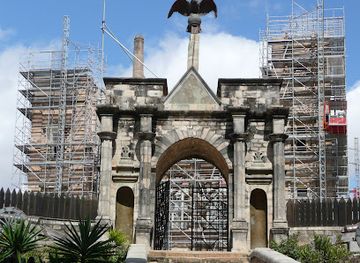
Queen's Palace
Explore the majestic Queen's Palace in Antananarivo, a heritage museum showcasing Madagascar's rich royal history and stunning architecture.
-
National park
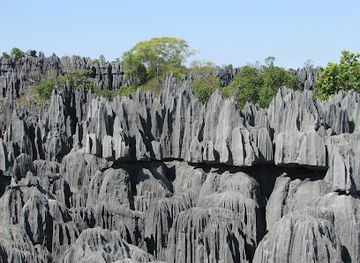
Tsingy De Bemaraha National Park
Discover the dramatic landscapes and unique wildlife of Tsingy De Bemaraha National Park, a UNESCO World Heritage site in Madagascar, perfect for adventure seekers.
Explore Sofia on the map
Plan your trip on one map. See where the top cities, national parks and sights are, and book hotels and experiences in a few clicks.
Best hotels in Sofia
Best restaurants in Sofia
Dining in Sofia is closely tied to Madagascar’s national food culture and to the produce available in each district. Rice is the daily foundation, commonly served with beef or zebu, chicken, fish, seafood, leafy greens, beans or sauces made from local vegetables. Along the coast near Analalava and Sahamalaza, freshly caught fish, prawns and other seafood may be available when boats and markets have had a productive day; inland towns rely more heavily on zebu, poultry, cassava, maize and rice-growing agriculture. Small hotely restaurants and family-run eateries in Antsohihy and other district centres provide the most practical meals, while rural stops may offer simple rice dishes, fritters, fruit and tea rather than a broad menu. Tropical produce such as mangoes, bananas, papaya and coconuts varies with season. Bottled drinks are easier to find than filtered water outside established accommodation, and travellers should ask how water and raw foods have been handled. Formal fine dining is limited, but local meals are often the best way to understand the region’s links between river valleys, cattle country and the western coast.
-
Indoor lodging
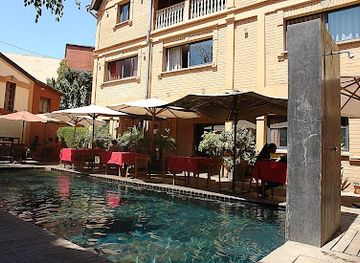
Sakamanga Hôtel
Experience the charm of Madagascar at Sakamanga Hôtel - where comfort meets local culture in Antananarivo.
-
Hotel
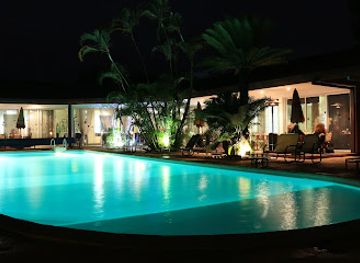
Relais des Plateaux Hotel & Spa
Experience unparalleled luxury at Relais des Plateaux Hotel & Spa in Talatamaty, Madagascar – where relaxation meets exquisite service.
-
Italian
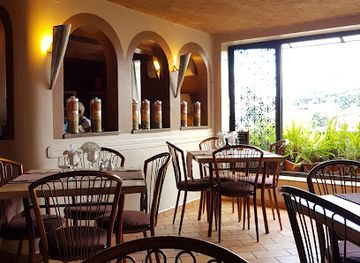
Nerone Ristorante Italiano (Madagascar)
Savor authentic Italian cuisine in the heart of Antananarivo at Nerone Ristorante Italiano – a must-visit for culinary enthusiasts.
-
Restaurant
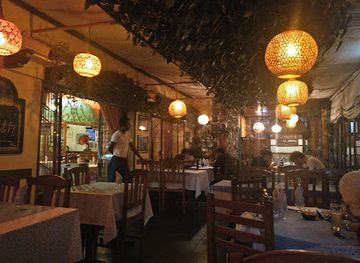
Le Chalet des Roses
Experience the vibrant flavors of Madagascar at Le Chalet des Roses in Antananarivo – where culinary tradition meets modern dining.
Best bars in Sofia
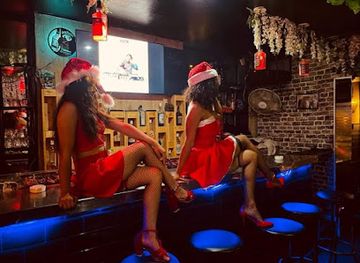
Sofia has a modest evening scene centred on local bars, hotely restaurants and informal meeting places rather than a developed nightclub circuit. Antsohihy offers the widest choice of places to eat or have a drink, while smaller district towns and coastal settlements generally wind down early. In Analalava, the waterfront and port setting can provide a relaxed evening atmosphere when local businesses are open, but entertainment remains seasonal and dependent on transport, weather and electricity. Beer, soft drinks and locally made spirits may be available, although visitors should drink cautiously and avoid buying alcohol of uncertain preparation. Live music and celebrations are more likely to arise through community events than through permanently advertised venues. Rural evenings are usually quiet, with social life focused on family, local gatherings and small establishments. Arrange transport back to accommodation before going out, carry minimal valuables and avoid walking unfamiliar roads after dark, particularly where street lighting and mobile coverage are limited.
-
Bar
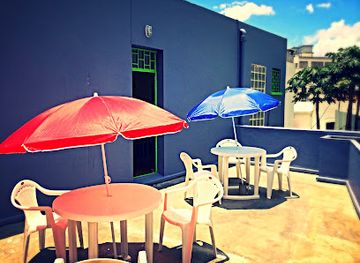
Madagascar Underground
Discover the vibrant atmosphere of Madagascar Underground, a unique bar and hostel in Antananarivo offering delicious Mexican cuisine and local drinks.
-
Hotel
Hôtel Restaurant Gourmand Coco Lodge Majunga
Discover the charm of Hôtel Restaurant Gourmand Coco Lodge in Mahajanga, Madagascar – your tropical haven for relaxation, dining, and adventure.
-
Bar
Le Taxi-Be
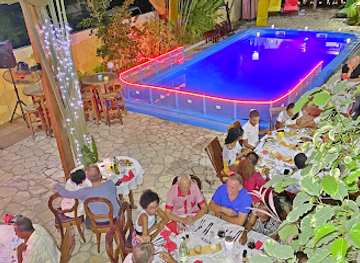
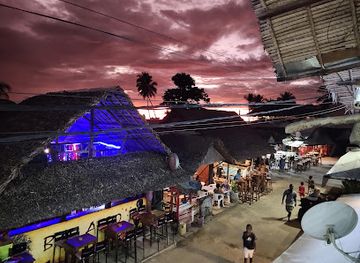
Experience the lively atmosphere and refreshing drinks at Le Taxi-Be, the heart of Ambatoloaka's vibrant nightlife.
-
Irish pub
Irish Pub Tana
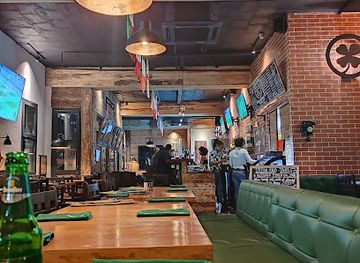
Experience the heart of Irish hospitality at Irish Pub Tana in Antananarivo, where local culture meets authentic Irish cuisine and drinks.
Best nightclubs in Sofia
Sofia has a modest evening scene centred on local bars, hotely restaurants and informal meeting places rather than a developed nightclub circuit. Antsohihy offers the widest choice of places to eat or have a drink, while smaller district towns and coastal settlements generally wind down early. In Analalava, the waterfront and port setting can provide a relaxed evening atmosphere when local businesses are open, but entertainment remains seasonal and dependent on transport, weather and electricity. Beer, soft drinks and locally made spirits may be available, although visitors should drink cautiously and avoid buying alcohol of uncertain preparation. Live music and celebrations are more likely to arise through community events than through permanently advertised venues. Rural evenings are usually quiet, with social life focused on family, local gatherings and small establishments. Arrange transport back to accommodation before going out, carry minimal valuables and avoid walking unfamiliar roads after dark, particularly where street lighting and mobile coverage are limited.
-
Night club
KUDéTA Urban Club
Discover the heart of Antananarivo's nightlife at KUDéTA Urban Club, where live music and vibrant energy create an unforgettable experience.
-
Bar
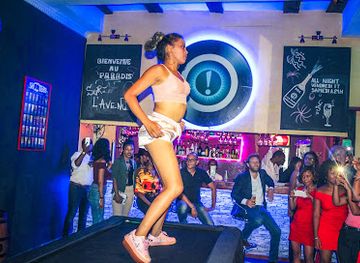
Le Point d'Exclamation Lounge Bar
Discover the lively ambiance of Le Point d'Exclamation Lounge Bar in Antananarivo, where cocktails, music, and fun come together for an unforgettable night out.
-
Bar
Old 7 bar
Discover the lively nightlife of Antananarivo at Old 7 Bar, where vibrant atmosphere and delicious drinks await you in Madagascar.
-
Pub
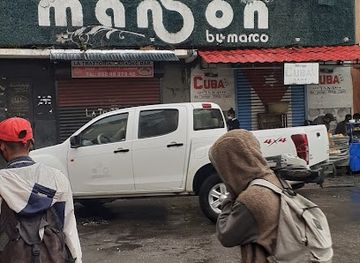
Manson by Marco
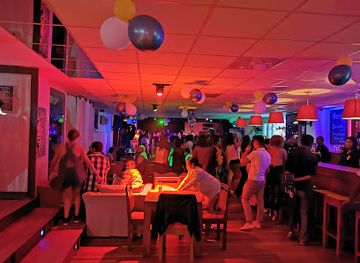
Unwind at Manson by Marco, the go-to pub in Antananarivo for great drinks, live music, and a vibrant social scene.
Best shops in Sofia
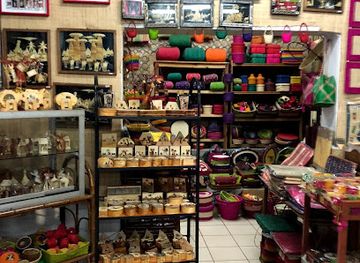
Shopping in Sofia is practical and local, with markets and small independent shops providing food, household goods, clothing and transport supplies rather than a concentrated retail experience. Antsohihy has the broadest choice for provisions, while district towns such as Analalava, Bealanana, Boriziny, Mampikony and Mandritsara serve surrounding rural communities on market days. Seasonal fruit, rice, cassava, spices, handmade baskets and other agricultural products are the most characteristic purchases. Coastal settlements may offer dried or smoked fish and simple handicrafts connected with fishing life, although availability changes with supply and weather. Visitors may find woven items, carved objects or locally made textiles, but should buy directly from craftspeople or reputable sellers and avoid anything made from protected wildlife, rare timber or archaeological material. Packaged Madagascan coffee, vanilla or spices can be useful gifts when sourced legally, though northern regional supply is not always consistently labelled. Bring cash in small notes, expect limited opening arrangements and remember that markets are places of everyday commerce rather than staged tourist attractions.
-
Art gallery
Lisy Art Gallery
Explore the artistic heart of Madagascar at Lisy Art Gallery, a vibrant showcase of local talent and culture in Antananarivo.
-
Shopping mall
Akoor Digue
Explore Akoor Digue: Antananarivo's vibrant shopping mall, featuring local boutiques, international brands, and a diverse food court.
-
Shopping mall
Digue Market
Discover the colorful Digue Market in Antananarivo, a vibrant shopping hub blending local culture, crafts, and delicious street food.
-
Store
Akany Concept Store
Explore the essence of Madagascar through unique handmade crafts and local artistry at Akany Concept Store in Antananarivo.

Get your free copy of our complete guide to Sofia, delivered straight to you.
Everything on this page, from attractions and restaurants to essentials and local phrases, in one PDF you can read offline, print or share.
Already have an account? Sign in
Your Sofia guide is ready.
We'll send it to · Not you? Sign out

Getting your guide ready…
We are putting together a fresh copy of the Sofia guide. This can take up to a minute.
This can take a few moments. If your browser asks, choose Allow so the download can start. You'll find the guide in your Downloads folder.
Nothing happened? Download it again
Sorry, the guide is taking longer than usual. Please try again in a minute, or get it by email instead.
Sofia essentials
Currency and Payment
Safety
Emergency Situations
Do's and Don'ts
Local Tips
From Eve
Local phrases worth knowing
You don't need to get them perfect. A few words go a long way, and locals appreciate the effort.
Basics
| English | Local | Say it |
|---|---|---|
| Hello | Salama | [sah-lah-mah] |
| Goodbye | Veloma | [veh-loo-mah] |
| Yes | Eny | [eh-nee] |
| No | Tsia | [tsiah] |
| Please/You're welcome | Azafady | [ah-zah-fah-dee] |
| Thank you | Misaotra | [mee-sah-oh-trah] |
| Excuse me/Sorry | Azafady | [ah-zah-fah-dee] |
| How are you? | Inona ny vaovao? | [ee-no-nah nee vah-vah-oo] |
| Fine. And you? | Tsara. Ary ianao? | [tsah-rah. ah-ree ee-nah-oo] |
| Do you speak English? | Miteny anglisy ve ianao? | [mee-teh-nee ahn-glee-see veh ee-nah-oo] |
| I don't understand | Tsy azoko | [ts-ee ah-zoh-koo] |
Eating & Drinking
| English | Local | Say it |
|---|---|---|
| I'd like to see the menu, please | Te-hijery ny menio aho, azafady | [teh-hee-jeh-ree nee meh-nee-oh ah-hoo, ah-zah-fah-dee] |
| I don't eat meat | Tsy mihinana hena aho | [ts-ee mee-hee-nah-nah heh-nah ah-hoo] |
| Cheers! | Arahaba! | [ah-rah-hah-bah] |
| I would like to pay, please | Te-han-kesika aho, azafady | [teh-hahn-keh-see-kah ah-hoo, ah-zah-fah-dee] |
Emergencies
| English | Local | Say it |
|---|---|---|
| Help! | Vonjeo! | [vohn-jeh-oh] |
| Go away! | Mandehana any! | [mahn-deh-hah-nah ahn-ee] |
| Call the Police! | Antsoy ny Polisy! | [ahn-tsoh-ee nee poh-lee-see] |
| Call a doctor! | Antsoy dokotera! | [ahn-tsoh-ee doh-koh-teh-rah] |
| I'm lost | Very very! | [veh-ree veh-ree] |
| I'm ill | Marary aho | [mah-rah-ree ah-hoo] |
Shopping
| English | Local | Say it |
|---|---|---|
| I'd like to buy... | Te-hividy... | [teh-hee-vee-dee] |
| I'm just looking | Mijery fotsiny aho | [mee-jeh-ree fo-tsin-ee ah-hoo] |
| How much is it? | Ohatrinona izany? | [oo-hah-tree-no-nah ee-zah-nee] |
| That's too expensive | Lafo loatra izany | [lah-foh loo-ah-trah ee-zah-nee] |
| Can you lower the price? | Azonao atao ve ny mampihena ny vidiny? | [ah-zoh-nah-oh ah-tah-oo veh nee mahm-pee-hay-nah nee vee-dee-nee] |
Time & Numbers
| English | Local | Say it |
|---|---|---|
| What time is it? | Aiza ny ora? | [ah-ee-zah nee oh-rah] |
| It's one o'clock | Tsy iray ora | [ts-ee ee-rah-ee oh-rah] |
| Half past (10) | Atoandro (10) | [ah-toh-ahn-droh] |
| Morning | Maraina | [mah-rah-ee-nah] |
| Afternoon | Tontolo tolakandro | [ton-toh-loo toh-lah-kahn-droh] |
| Evening | Hariva | [hah-ree-vah] |
| Yesterday | Omaly | [oo-mah-lee] |
| Today | Anio | [ah-nee-oh] |
| Tomorrow | Rahampitso | [rah-hahm-pee-tso] |
| 1 | 1 | [1] |
| 2 | 2 | [2] |
| 3 | 3 | [3] |
| 4 | 4 | [4] |
| 5 | 5 | [5] |
| 6 | 6 | [6] |
| 7 | 7 | [7] |
| 8 | 8 | [8] |
| 9 | 9 | [9] |
| 10 | 10 | [10] |
Transport & Directions
| English | Local | Say it |
|---|---|---|
| Where's a/the...? | Aiza ny...? | [ah-ee-zah nee] |
| What's the address? | Inona ny adiresy? | [ee-no-nah nee ah-dee-reh-see] |
| Can you show me (on the map)? | Afaka mampiseho ahy ve ianao (amin'ny sarintany)? | [ah-fah-kah mahm-pee-seh-hoh ah-ee veh ee-nah-oo (ah-meen-nee sah-reen-tah-nee)] |
| When's the next (bus)? | Rahoviana ny (bis) manaraka? | [rah-hoh-vee-ah-nah nee bis mah-nah-rah-kah] |
| A ticket (to ....) | Tapakila (ho any ...) | [tah-pah-kee-lah hoh ahn-ee] |
History of Sofia
Early settlement and regional exchange
Northern Madagascar has long been connected to Indian Ocean trading networks. Archaeological and historical evidence across the north points to contact between Malagasy communities and merchants travelling from the Comoros, East Africa, Arabia and other parts of the western Indian Ocean. Coastal waterways and river mouths encouraged exchange in food, livestock and imported goods, while inland communities developed around farming, cattle keeping and local trade. Although the surviving evidence is uneven, these connections help explain the cultural diversity of Sofia and the historical importance of its western ports.
Sakalava and Tsimihety societies
The western part of present-day Sofia has strong Sakalava historical associations, while the interior is closely associated with Tsimihety communities. These identities developed through migration, political alliances, farming, cattle ownership and relationships between lowland and upland settlements. Sakalava history is also linked to western coastal kingdoms, whose influence extended through parts of northern and north-western Madagascar. Tsimihety society became particularly prominent in the northern interior, where settlements and agricultural life followed a different pattern from the coastal plains. Their legacies remain visible in language, ceremonies, social organisation and local geography.
Coastal ports and the colonial period
Ports such as Analalava became connected to the wider commercial geography of Madagascar during the nineteenth and early twentieth centuries. Coastal trade carried agricultural produce, livestock and other goods, while foreign merchants and later French administrators reshaped local political and economic relationships. French colonial rule brought new administrative boundaries, roads and forms of taxation, but infrastructure remained limited compared with the major centres of the island. Former port buildings, administrative traces and the continuing importance of coastal transport provide reminders of this period, although much of Sofia’s population remained engaged in rural production.
Rice, cattle and changing rural economies
Agriculture has continued to shape Sofia’s history after independence. Rice cultivation is concentrated in suitable valleys and lowland areas, while cattle keeping, cassava, maize and other crops support households in drier or more elevated districts. River systems such as the Sofia are central to farming but also expose communities to seasonal flooding and difficult transport conditions. Market towns developed as links between producing villages and regional trade routes. These economic patterns explain the region’s dispersed settlements and the importance of roads, bridges and river crossings in contemporary travel.
Independence and regional administration
Madagascar became independent from France in 1960, and the territories now forming Sofia were subsequently administered within the country’s changing provincial and regional systems. Antsohihy emerged as the principal administrative and commercial centre for the north-western interior, while district towns retained their own links to surrounding countryside. National political and economic changes have often been felt in Sofia through fluctuating road investment, public services and agricultural markets rather than through large-scale industrial development. The region’s present identity is therefore strongly regional and rural, with government, trade and transport concentrated in a small number of towns.
Conservation and the Sahamalaza landscape
From the late twentieth century onwards, the forests, mangroves and coastal waters around Sahamalaza gained international conservation importance. The area supports the blue-eyed black lemur, a species found only in a restricted part of north-western Madagascar, as well as diverse birds, reptiles and marine habitats. Conservation initiatives have increasingly involved local communities because forest use, fishing, farming and habitat protection are closely connected. This work has added a new dimension to Sofia’s history: its coastal districts are now important not only for settlement and trade but also for scientific research and biodiversity protection.
Sofia in Photos
Browse through our photo collection highlighting the charm and character of the destination.
Neighbouring regions of Sofia
The closest regions to Sofia, if you have time for more than one.
-

-

-

-

-


Swipe for more regions
Explore more

Explore more of Madagascar
Discover Madagascar: A unique island paradise with unparalleled wildlife, breathtaking landscapes, and a rich cultural heritage.
Explore Madagascar