

Alaotra Mangoro, Madagascar Travel Guide
Discover Alaotra Mangoro, Madagascar's largest wetland region known for its rich biodiversity, traditional culture, and adventurous outdoor activities.
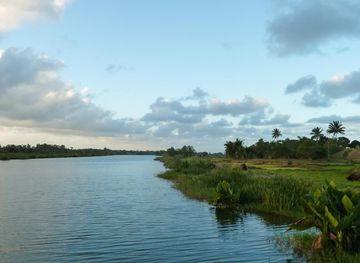
Alaotra Mangoro is a hidden gem located in the eastern part of Madagascar. It is famed for its extensive wetlands, making it the largest rice-growing region in the country. This region offers a unique blend of natural beauty and rich biodiversity. Visitors can explore the serene lakes, lush marshes, and rolling hills that form an idyllic landscape. The area is also home to a variety of wildlife, including the rare Alaotra gentle lemur, which can only be found here. A visit to Alaotra Mangoro is an opportunity to witness traditional Malagasy culture. The local communities are known for their rice cultivation techniques and friendly hospitality. Tourists can immerse themselves in the daily life of the villagers, learning about their customs and traditions. Additionally, the region's natural reserves and conservation projects provide excellent opportunities for eco-tourism. Trekking, bird-watching, and boat trips on the lakes are popular activities that allow visitors to connect with nature. For those seeking adventure, Alaotra Mangoro does not disappoint. The region offers various outdoor activities such as hiking, fishing, and canoeing. The surrounding forests and hills are perfect for exploration, offering breathtaking views and a chance to encounter unique flora and fauna. Whether you are a nature lover, an adventurer, or a cultural enthusiast, Alaotra Mangoro promises an unforgettable experience in one of Madagascar's most captivating regions.

Know before you go
Hi, I'm Eve. Here are a few practical things to know before exploring Alaotra Mangoro.
- Visit during the dry season (April to October) for the best weather conditions.
- Hire a local guide for a more informative and immersive experience.
- Carry insect repellent to protect against mosquitoes, especially around the wetlands.
- Respect local customs and traditions when visiting villages.
- Bring binoculars for bird-watching and spotting wildlife.
Explore Alaotra Mangoro: Things to Do, Places to Eat, Hotels & More
Handpicked recommendations for top attractions, local dining, accommodations, and more

Top Attractions & Sightseeing in Alaotra Mangoro


Best restaurants in Alaotra Mangoro
Top-rated picks
Best Restaurants

Sakamanga Hôtel
Experience comfort and delicious cuisine at Sakamanga Hôtel in Antananarivo, Madagascar – your perfect retreat in the heart of the city.

Relais des Plateaux Hotel & Spa
Discover luxury at Relais des Plateaux Hotel & Spa in Madagascar - where comfort meets exceptional service amidst breathtaking landscapes.

Nerone Ristorante Italiano (Madagascar)
Discover the best Italian cuisine in Antananarivo at Nerone Ristorante Italiano – where every meal is an authentic taste of Italy.

Le Carnivore - Restaurant Bar Lounge
Discover the vibrant flavors of Madagascar at Le Carnivore - Antananarivo's premier restaurant bar lounge.

Best bars in Alaotra Mangoro
Top-rated picks
Best Bars

Le Carnivore - Restaurant Bar Lounge
Experience the vibrant flavors of Madagascar at Le Carnivore, Antananarivo's premier restaurant bar lounge for meat lovers and food enthusiasts.

Dzama Cocktail Café Antananarivo
Discover the vibrant flavors of Madagascar at Dzama Cocktail Café, where cocktails meet local culture in the heart of Antananarivo.

Irish Pub Tana
Discover the cozy charm of Irish Pub Tana in Antananarivo, where local culture meets authentic Irish hospitality in a delightful pub setting.

No Comment BAR
Experience the vibrant flavors of Madagascar at No Comment BAR, a lively tapas bar in Antananarivo offering a delightful culinary escape.

Best nightclubs in Alaotra Mangoro
Top-rated picks
Best Nightclubs

KUDéTA Urban Club
Discover the energetic vibe of KUDéTA Urban Club, Antananarivo's top nightlife destination, featuring live music and electrifying dance floors.

Cabaret Jao's Pub
Discover the vibrant nightlife and captivating performances at Cabaret Jao's Pub in Antananarivo, Madagascar.

Taxi Be
Experience the vibrant nightlife at Taxi Be, Antananarivo's premier night club, where music, dance, and fun converge.

Espace Riantsoa
Experience the vibrant nightlife of Antananarivo at Espace Riantsoa, where delicious Malagasy cuisine and lively music come together.

Best shops in Alaotra Mangoro
Top-rated picks
Best Shops

Akoor Digue
Explore Akoor Digue, Antananarivo's bustling shopping mall, offering diverse shops, delightful dining, and a vibrant atmosphere for all tourists.

Digue Market
Explore Digue Market: A vibrant shopping mall in Antananarivo offering unique souvenirs, local cuisine, and a taste of Malagasy culture.

La Ferme de Morarano
Discover the rich spices of Madagascar at La Ferme de Morarano, a unique spice store in Antananarivo showcasing local flavors and culinary heritage.

Akany Concept Store
Explore the essence of Madagascar at Akany Concept Store, where unique crafts and local artistry come together in Antananarivo.

Explore Alaotra Mangoro on the Map
A handpicked selection of must-see spots in Alaotra Mangoro, mapped for you.
Alaotra Mangoro Essentials
-
Alaotra Mangoro is located in the eastern part of Madagascar. The nearest major airport is Ivato International Airport in Antananarivo, the capital city. From Antananarivo, you can take a domestic flight to Ambatondrazaka Airport, which is the main town in the Alaotra Mangoro region. Alternatively, you can travel by road; the journey from Antananarivo to Ambatondrazaka takes approximately 5 to 6 hours by car or bus. Be prepared for variable road conditions.
-
Transportation options in Alaotra Mangoro include taxis, buses, and bicycle rentals. Taxis are widely available in towns and are a convenient option for short trips. For longer distances, local buses (taxi-brousse) connect various towns and villages. Bicycle rentals are popular for exploring the rural areas and enjoying the scenic landscape. Renting a car is also an option, but it's advisable to hire a driver due to challenging road conditions.
-
The official currency in Madagascar is the Malagasy Ariary (MGA). Credit cards are accepted in some hotels and larger establishments, but it is advisable to carry cash, especially in rural areas and smaller towns like those in Alaotra Mangoro. ATMs are available in Ambatondrazaka, but it is recommended to withdraw enough cash in Antananarivo before traveling to ensure you have sufficient funds.
-
Alaotra Mangoro is generally safe for tourists, but it is important to take standard precautions. Avoid walking alone at night in unfamiliar areas and be cautious of your belongings in crowded places. There are no specific high-crime areas targeting tourists, but it is always best to stay vigilant. Petty theft can occur, so keep your valuables secure. Be aware of your surroundings and avoid displaying expensive items.
-
In case of emergency, dial 117 for police assistance or 124 for medical emergencies. The local police station and medical facilities are available in Ambatondrazaka. It is highly recommended to have travel insurance that covers medical emergencies. For minor health issues, there are pharmacies in the town where you can purchase over-the-counter medications. Make sure to carry a basic first-aid kit.
-
Fashion: Do dress modestly, especially when visiting rural areas and religious sites. Avoid wearing revealing clothing. Religion: Do respect local customs and traditions. Always ask for permission before taking photos of people or religious ceremonies. Public Transport: Do be respectful and give up your seat to elderly passengers. Don't eat or drink on public transport. Greetings: Do greet people with a handshake or a slight bow of the head. It is polite to use the local greeting 'Salama'. Eating & Drinking: Do try local dishes and accept food offerings graciously. Don’t refuse hospitality, as it is considered impolite.
-
To experience Alaotra Mangoro like a local, visit the local markets where you can buy fresh produce and traditional Malagasy goods. Engage with locals, who are often friendly and willing to share stories about the region's history and culture. Don’t miss the opportunity to explore Lake Alaotra, the largest lake in Madagascar, which is home to unique wildlife. For a unique experience, consider participating in community-based tourism initiatives that allow you to stay with local families and learn about their way of life.
When is the best time to visit Alaotra Mangoro?
Useful Local Phrases for Alaotra Mangoro
You don't need to speak the language perfectly. Even learning a few simple words can make conversations warmer—and locals usually appreciate the effort.
— Eve

Here are the phrases I use most often in Alaotra Mangoro. Try a few—you'll be surprised how far they go! 😊
❤️
-
- HelloSalama
[sah-lah-mah] - GoodbyeVeloma
[veh-loo-mah] - YesEny
[eh-nee] - NoTsia
[ts-ee-ah] - Please/You're welcomeAzafady
[ah-zah-fah-dee] - Thank youMisaotra
[mee-sah-oh-trah] - Excuse me/SorryAzafady
[ah-zah-fah-dee] - How are you?Inona ny vaovao?
[ee-no-nah nee vah-vah-oo] - Fine. And you?Tsara. Ary ianao?
[tsah-rah ah-ree ee-nah-oo] - Do you speak English?Miteny anglisy ve ianao?
[mee-teh-nee ahn-glee-see veh ee-nah-oo] - I don't understandTsy azoko
[tsee ah-zoo-koo]
- HelloSalama
-
- I'd like to see the menu, pleaseTe-hijery ny menu azafady
[teh-ee-jeh-ree nee meh-noo ah-zah-fah-dee] - I don't eat meatTsy mihinana hena aho
[tsee mee-hee-nah-nah heh-nah ah-hoo] - Cheers!Manakory!
[mah-nah-koh-ree] - I would like to pay, pleaseTe-handoa aho azafady
[teh-han-do-ah ah-hoo ah-zah-fah-dee]
- I'd like to see the menu, pleaseTe-hijery ny menu azafady
-
- Help!Vonjeo!
[vohn-jeh-oh] - Go away!Mandehana!
[mahn-deh-hah-nah] - Call the Police!Antsoy ny polisy!
[ahn-tsoh-ee nee poh-lee-see] - Call a doctor!Antsoy ny dokotera!
[ahn-tsoh-ee nee doh-koh-teh-rah] - I'm lostVery very aho
[veh-ree veh-ree ah-hoo] - I'm illMarary aho
[mah-rah-ree ah-hoo]
- Help!Vonjeo!
-
- I'd like to buy...Te-hividy...
[teh-hee-vee-dee] - I'm just lookingMijery fotsiny aho
[mee-jeh-ree fo-tsin-ee ah-hoo] - How much is it?Ohatrinona izany?
[oo-hah-tree-noo-nah ee-zah-nee] - That's too expensiveLany loatra izany
[lah-nee loo-ah-trah ee-zah-nee] - Can you lower the price?Afaka mampihena ny vidiny ve ianao?
[ah-fah-kah mahm-pee-hay-nah nee vee-dee-nee veh ee-nah-oo]
- I'd like to buy...Te-hividy...
-
- What time is it?Firy ora izao?
[fee-ree oh-rah ee-zah-oo] - It's one o'clockTsy iray ora
[tsee ee-rah-ee oh-rah] - Half past (10)Miadana (10)
[mee-ah-dah-nah] - MorningMaraina
[mah-rah-ee-nah] - AfternoonAtoandro
[ah-toh-ahn-droo] - EveningHariva
[hah-ree-vah] - YesterdayOmaly
[oh-mah-lee] - TodayAnio
[ah-nee-oh] - TomorrowRahampitso
[rah-hahm-pee-tso] - 11
[1] - 22
[2] - 33
[3] - 44
[4] - 55
[5] - 66
[6] - 77
[7] - 88
[8] - 99
[9] - 1010
[10]
- What time is it?Firy ora izao?
-
- Where's a/the...?Aiza ny...?
[ah-ee-zah nee] - What's the address?Inona ny adiresy?
[ee-no-nah nee ah-dee-reh-see] - Can you show me (on the map)?Afaka mampiseho ahy ve ianao?
[ah-fah-kah mahm-pee-seh-ho ah-ee veh ee-nah-oo] - When's the next (bus)?Rahoviana ny bus manaraka?
[rah-hoh-vee-ah-nah nee boos mah-nah-rah-kah] - A ticket (to ....)Tapakila (ho ...)
[tah-pah-kee-lah]
- Where's a/the...?Aiza ny...?
History of Alaotra Mangoro
-
The Betsimisaraka Confederation, which emerged in the early 18th century, was a significant political and social force in eastern Madagascar, including the Alaotra Mangoro region. The confederation was founded by Ratsimilaho, who united various clans to resist European colonization and slave trading. This period marked the beginning of a more structured and unified society in the region, laying the groundwork for future developments.
-
In the late 19th century, Madagascar fell under French colonial rule, and the Alaotra Mangoro region was no exception. The French introduced new agricultural practices, infrastructure projects, and administrative reforms. They also exploited the region's natural resources, particularly its fertile lands and forests. The colonial period significantly altered the social and economic landscape of Alaotra Mangoro, with lasting impacts that can still be observed today.
-
The mid-20th century was a time of political upheaval and nationalistic fervor in Madagascar. The Alaotra Mangoro region played a role in the broader movement for independence, which culminated in Madagascar gaining independence from French rule on June 26, 1960. Local leaders and communities in Alaotra Mangoro contributed to the national struggle, advocating for self-determination and the preservation of Malagasy culture and identity.
-
Lac Alaotra, the largest lake in Madagascar, is located in the Alaotra Mangoro region and has been a critical resource for local communities for centuries. In recent decades, conservation efforts have been implemented to protect the lake's unique ecosystem, which is home to several endemic species, including the critically endangered Alaotra gentle lemur. These efforts have involved collaboration between local communities, government agencies, and international conservation organizations, highlighting the region's commitment to sustainable development and biodiversity preservation.
-
The Alaotra Mangoro region is rich in cultural traditions and practices that have been passed down through generations. One notable event is the Famadihana, or 'turning of the bones,' a traditional Malagasy funerary practice where families exhume the remains of their ancestors to clean and rewrap them in fresh cloth. This ritual is a celebration of life and an opportunity to honor the deceased. Additionally, the region hosts various festivals and ceremonies that showcase its vibrant music, dance, and artisanal crafts, reflecting the deep cultural heritage of the local communities.
Neighbouring Regions of Alaotra Mangoro
The closest regions to Alaotra Mangoro, if you have time for more than one.



Your all‑in‑one travel companion app
Explore expert travel guides, compare and book tours, experiences, hotels, and more—all from the palm of your hand. Download now for seamless trip planning wherever your wanderlust takes you.


Explore More of Madagascar

Looking beyond Alaotra Mangoro? Discover Madagascar for broader travel guides, local hot-spots, and regional highlights.
Explore MadagascarAlaotra Mangoro in Photos
Browse through our photo collection highlighting the charm and character of the destination.



The Enchanting Wetlands of Alaotra Mangoro
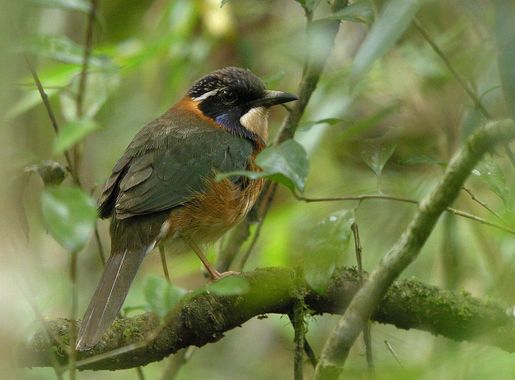
Alaotra Mangoro is a hidden gem located in the eastern part of Madagascar. It is famed for its extensive wetlands, making it the largest rice-growing region in the country. This region offers a unique blend of natural beauty and rich biodiversity. Visitors can explore the serene lakes, lush marshes, and rolling hills that form an idyllic landscape. The area is also home to a variety of wildlife, including the rare Alaotra gentle lemur, which can only be found here. A visit to Alaotra Mangoro is an opportunity to witness traditional Malagasy culture. The local communities are known for their rice cultivation techniques and friendly hospitality. Tourists can immerse themselves in the daily life of the villagers, learning about their customs and traditions. Additionally, the region's natural reserves and conservation projects provide excellent opportunities for eco-tourism. Trekking, bird-watching, and boat trips on the lakes are popular activities that allow visitors to connect with nature. For those seeking adventure, Alaotra Mangoro does not disappoint. The region offers various outdoor activities such as hiking, fishing, and canoeing. The surrounding forests and hills are perfect for exploration, offering breathtaking views and a chance to encounter unique flora and fauna. Whether you are a nature lover, an adventurer, or a cultural enthusiast, Alaotra Mangoro promises an unforgettable experience in one of Madagascar's most captivating regions.