

Free Ihorombe Travel Guide & Mobile App
Explore Ihorombe with free travel guides. Discover regional history, expert tips, proposed trips, and audio guides on web or mobile app.


Explore Ihorombe in Madagascar for Isalo’s sandstone canyons, Bara cultural heritage, highland plateaux, wildlife and RN7 overland adventure.
Read more about Ihorombe
When is the best time to visit Ihorombe?
Best: May–June, August · 23–26°C| Month | High (°C) | Rainfall (mm) |
|---|---|---|
| January | 31 | 75 |
| February | 31 | 70 |
| March | 30 | 65 |
| April | 29 | 60 |
| May (best) | 26 | 45 |
| June (best) | 23 | 35 |
| July | 23 | 35 |
| August (best) | 24 | 45 |
| September | 26 | 55 |
| October | 28 | 60 |
| November | 30 | 65 |
| December | 31 | 70 |
Getting to and around Ihorombe
How to get there
Transportation
Top city travel guides in Ihorombe
The cities of Ihorombe, and the easiest places to base yourself.

Swipe for more cities
Destinations in Ihorombe
Resorts, valleys and scenic spots worth a trip of their own.

Swipe for more destinations
Best attractions in Ihorombe
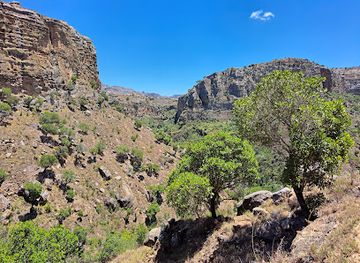
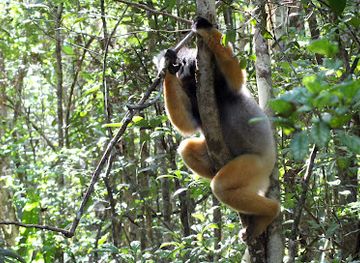
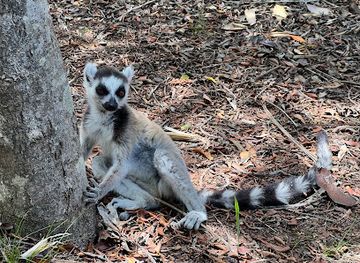
Ihorombe’s attractions are led by Isalo National Park, where guided walks pass through eroded sandstone ridges, narrow canyons, dry forest, grassland and natural pools. Routes vary in length and difficulty, and the park’s flora and wildlife reward patient observation rather than hurried sightseeing. Ranohira is the principal access point, with local guides helping visitors match walks to weather, fitness and available time. Beyond Isalo, the RN7 journey itself reveals the region’s broad plateaux, cattle country and changing vegetation around Ihosy. The eastern side of Ihorombe offers a contrasting experience in and around the Ivohibe protected area, where higher, wetter landscapes and native forest replace Isalo’s dry rock scenery. Cultural interest is found in market activity, rural settlements and the living Bara pastoral tradition, although respectful observation is essential and community life should not be treated as a staged attraction. The region is not densely packed with museums or formal visitor facilities; its appeal lies in geology, walking, wildlife, long-distance landscapes and the relationship between people and an environmentally varied interior.
-
National park
Isalo National Park
Explore the stunning landscapes and unique biodiversity of Isalo National Park, a natural gem in Madagascar offering unforgettable hiking and adventure experiences.
-
Nature preserve
Réserve spéciale d'Analamazoatra
Explore the lush landscapes and unique wildlife of Analamazoatra Special Reserve, a premier nature preserve in Madagascar, home to the iconic indri lemurs.
-
National park
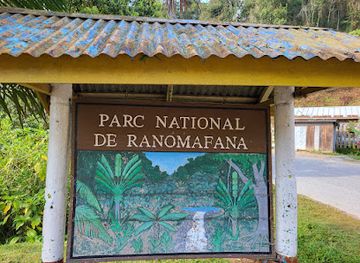
Ranomafana National Park
Explore the breathtaking biodiversity and stunning landscapes of Ranomafana National Park, a must-visit destination for nature lovers in Madagascar.
-
 Heritage museum
Queen's Palace
Discover the rich history and cultural heritage of Madagascar at the iconic Queen's Palace in Antananarivo, a must-visit for every traveler.

Best landmarks in Ihorombe
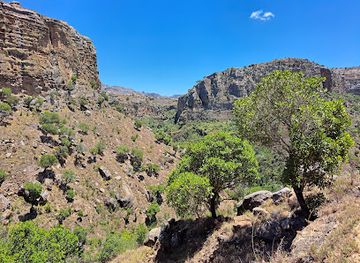
The great landmark of Ihorombe is the sandstone massif of Isalo National Park, whose ridges, cliffs and deeply cut canyons form one of Madagascar’s most recognisable inland landscapes. Its sculpted rock walls are the result of long erosion, while pockets of vegetation and seasonal water create striking contrasts within an otherwise dry environment. Ranohira, at the park’s edge, is the associated gateway settlement and an important reference point for understanding the region’s tourism geography. Ihosy is another significant regional landmark in a civic and transport sense: its position on the RN7 and its role as the capital of Ihorombe make it the principal meeting point for the surrounding plateau. In the east, the forested highlands around Ivohibe provide a very different geographical marker, representing the region’s wetter ecological edge. Together these places express Ihorombe’s defining contrast between open Bara-associated grasslands, dramatic sandstone country and elevated eastern forest.
-
National park
Isalo National Park
Discover the breathtaking landscapes and unique biodiversity of Isalo National Park, a natural wonder in Madagascar that offers adventure and tranquility.
-
Park
Lemurs Park
Explore Lemurs Park in Madagascar, a wildlife haven dedicated to lemur conservation and an immersive experience in lush natural surroundings.
-
National park
Ranomafana National Park
Explore the rich biodiversity and lush landscapes of Ranomafana National Park, a must-visit destination for nature lovers in Madagascar.
-
Heritage museum
Queen's Palace
Explore the rich history and stunning architecture of Queen's Palace, a heritage museum in Antananarivo that showcases Madagascar's royal past.
Explore Ihorombe on the map
Plan your trip on one map. See where the top cities, national parks and sights are, and book hotels and experiences in a few clicks.
Best hotels in Ihorombe
Best restaurants in Ihorombe
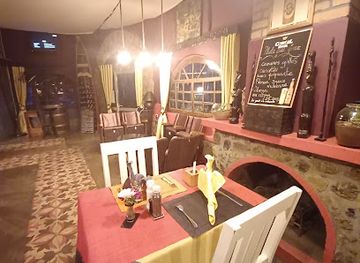
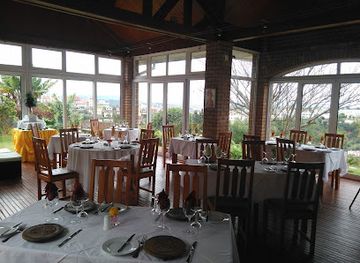
Dining in Ihorombe is primarily practical and local, centred on small restaurants, hotel dining rooms, roadside eateries and market stalls in Ihosy and Ranohira. Rice is a staple, commonly served with meat, poultry, vegetables or sauces, while zebu beef is an important part of the wider southern Malagasy food culture. Menus depend on supply and season, so travellers may find a concise selection rather than extensive choice. Simple broths, grilled foods, rice dishes and fresh fruit are common possibilities, with snacks and drinks available along the RN7. Accommodation around Ranohira may offer more visitor-oriented meals, including familiar continental options, but local Malagasy dishes are the better way to understand the region’s everyday food. Carrying drinking water and a few provisions is sensible for park excursions, since there are no restaurant services deep inside Isalo. Markets can provide an informal glimpse of regional produce, although opening days and availability vary.
-
Hotel
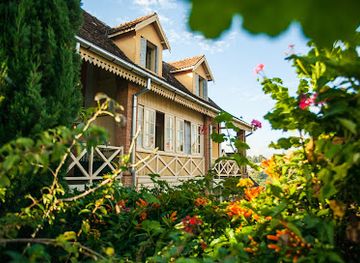
Le Jardin du Roy
Experience unparalleled hospitality at Le Jardin du Roy, your gateway to Madagascar's stunning landscapes and rich culture.
-
Italian
Nerone Ristorante Italiano (Madagascar)
Experience authentic Italian flavors at Nerone Ristorante Italiano in Antananarivo – where tradition meets local charm.
-
Wellness hotel
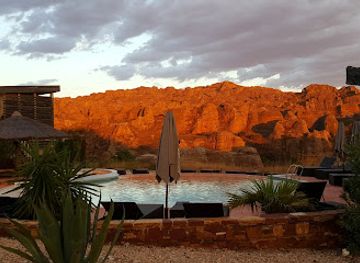
Hôtel le Relais de la Reine de l'Isalo
Discover serenity at Hôtel le Relais de la Reine de l'Isalo – a wellness haven amidst Madagascar's stunning natural landscapes.
-
Restaurant
Chez Jenny
Discover the flavors of Madagascar at Chez Jenny in Antsirabe – where culinary delight meets warm hospitality.
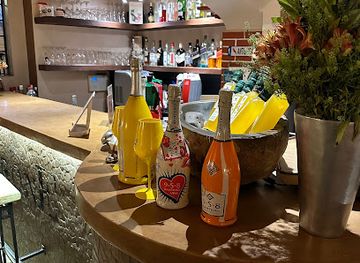
Best bars in Ihorombe
-
Hotel
Le Jardin du Roy
Experience the ultimate blend of luxury and nature at Le Jardin du Roy, your perfect retreat in Ranohira, Madagascar, near Isalo National Park.
-
Hotel
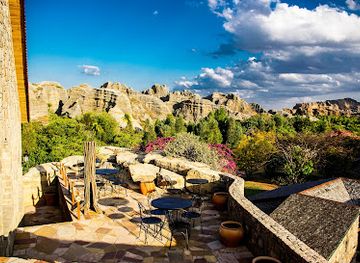
Isalo Rock Lodge
Experience the breathtaking beauty of Madagascar at Isalo Rock Lodge, your gateway to Isalo National Park's stunning landscapes and wildlife.
-
Restaurant
La Riziere
Discover the rich flavors of Madagascar at La Riziere, a captivating restaurant in Fianarantsoa offering local delights and a warm atmosphere.
-
Hotel
Tsara Guest House
Discover the charm of Fianarantsoa at Tsara Guest House, where comfort meets Malgasy hospitality in a serene setting.
Best nightclubs in Ihorombe
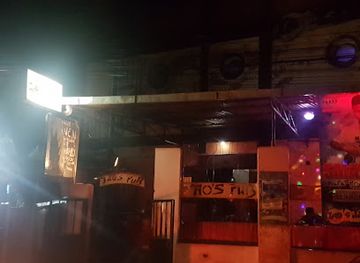
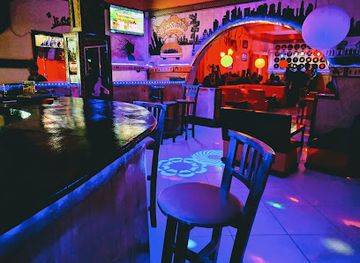
Ihorombe does not have a major clubbing scene. Evening life is concentrated in the bars, small restaurants and hotel terraces of Ihosy and Ranohira, where residents, drivers and travellers may meet for conversation, music and a drink. Traditional Malagasy rum and locally available beers can appear alongside soft drinks, but alcohol is not necessary to participate in local social life. In smaller settlements, evenings are quiet and shaped by early starts, transport schedules and limited lighting rather than late-night entertainment. Some accommodation providers near Ranohira offer a relaxed outdoor setting after a day in Isalo, while Ihosy has the broader selection of informal cafés and bars. Visitors should return to accommodation on foot with care after dark and arrange transport rather than assuming that taxis or venues will remain available late.
-
Night club
KUDéTA Urban Club
Discover the pulse of Antananarivo's nightlife at KUDéTA Urban Club, a premier destination for vibrant music and unforgettable experiences.
-
Cabaret club
Cabaret Jao's Pub
Discover the vibrant atmosphere of Cabaret Jao's Pub in Antananarivo, Madagascar - a hub for exciting performances and unforgettable nightlife.
-
Hookah bar
CODE 110
Discover the vibrant nightlife at CODE 110 in Antsirabe, where exotic hookah flavors and a lively atmosphere await you.
-
Night club
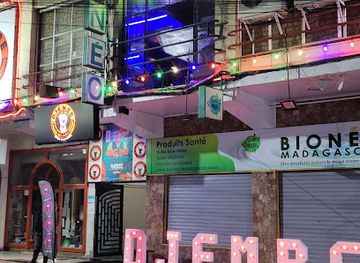
DJEMBE Discotheque TANA (ex le six)
Dive into the electrifying nightlife of Antananarivo at DJEMBE Discotheque TANA, where music, dance, and culture collide for an unforgettable experience.

Best shops in Ihorombe
Shopping in Ihorombe is modest and useful rather than centred on large retail complexes. Ihosy has the broadest range of everyday shops, market stalls and provisions, while Ranohira caters more directly to travellers heading into Isalo. Markets and roadside stalls may offer fruit, vegetables, snacks, household goods and practical travel supplies, with selection changing according to season and transport. Visitors can look for locally made woven items, small handicrafts and Malagasy textiles, but quality and provenance vary, so purchases should be made respectfully and without assuming that every item represents Bara cultural production. Regional food products and simple souvenirs are easier to find than specialist fashion or antiques. Carrying sufficient cash is important, and bargaining should remain polite and proportionate. The most appropriate souvenirs are durable, legally acquired items bought from identifiable local sellers, rather than stones, plants, fossils or historical objects taken from the landscape.
-
Shopping mall
Akoor Digue
Discover Akoor Digue, a shopping paradise in Antananarivo, blending local culture with modern retail experiences.
-
Shopping mall
Digue Market
Discover the essence of Antananarivo at Digue Market, a vibrant hub for shopping, local crafts, and delicious Malagasy cuisine.
-
Store
SAFRAS MASHA GEMS
Explore the dazzling world of gemstones at Safras Masha Gems in Ilakaka, Madagascar's gem capital, for an unforgettable shopping experience.
-
Aromatherapy supply store
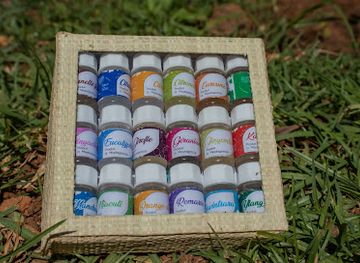
Les Boutik Coeur de Foret Madagascar
Experience ultimate relaxation at Les Boutik Coeur de Foret Madagascar, where aromatherapy meets the serenity of nature.


Get your free copy of our complete guide to Ihorombe, delivered straight to you.
Everything on this page, from attractions and restaurants to essentials and local phrases, in one PDF you can read offline, print or share.
Already have an account? Sign in
Your Ihorombe guide is ready.
We'll send it to · Not you? Sign out

Getting your guide ready…
We are putting together a fresh copy of the Ihorombe guide. This can take up to a minute.
This can take a few moments. If your browser asks, choose Allow so the download can start. You'll find the guide in your Downloads folder.
Nothing happened? Download it again
Sorry, the guide is taking longer than usual. Please try again in a minute, or get it by email instead.
Ihorombe essentials
Currency and Payment
Safety
Emergency Situations
Do's and Don'ts
Local Tips
From Eve
Local phrases worth knowing
You don't need to get them perfect. A few words go a long way, and locals appreciate the effort.
Basics
| English | Local | Say it |
|---|---|---|
| Hello | Salama | [sah-lah-mah] |
| Goodbye | Veloma | [veh-loo-mah] |
| Yes | Eny | [eh-nee] |
| No | Tsia | [tsee-ah] |
| Please/You're welcome | Azafady | [ah-zah-fah-dee] |
| Thank you | Misaotra | [mee-sao-trah] |
| Excuse me/Sorry | Azafady | [ah-zah-fah-dee] |
| How are you? | Inona ny vaovao? | [ee-no-nah nee vah-vah-oo] |
| Fine. And you? | Tsara. Ary ianao? | [tsah-rah. ah-ree ee-nah-oo] |
| Do you speak English? | Miteny anglisy ve ianao? | [mee-teh-nee ahn-glee-see veh ee-nah-oo] |
| I don't understand | Tsy azoko | [tsee ah-zoo-koo] |
Eating & Drinking
| English | Local | Say it |
|---|---|---|
| I'd like to see the menu, please | Te-hahita ny menio aho, azafady | [teh-hah-eet-ah nee meh-nee-oh ah-hoo, ah-zah-fah-dee] |
| I don't eat meat | Tsy mihinana hena aho | [tsee mee-hee-nah-nah heh-nah ah-hoo] |
| Cheers! | Manakory! | [mah-nah-koh-ree] |
| I would like to pay, please | Te-hanova ny vola aho, azafady | [teh-hah-no-vah nee voh-lah ah-hoo, ah-zah-fah-dee] |
Emergencies
| English | Local | Say it |
|---|---|---|
| Help! | Vonjeo! | [vohn-jeh-oh] |
| Go away! | Mandehana! | [mahn-deh-hah-nah] |
| Call the Police! | Antsoy ny polisy! | [ahn-tsoh-ee nee poh-lee-see] |
| Call a doctor! | Antsoy ny dokotera! | [ahn-tsoh-ee nee do-koh-teh-rah] |
| I'm lost | Very very! | [veh-ree veh-ree] |
| I'm ill | Marary aho | [mah-rah-ree ah-hoo] |
Shopping
| English | Local | Say it |
|---|---|---|
| I'd like to buy... | Te-hividy... | [teh-hee-vee-dee] |
| I'm just looking | Mijery fotsiny aho | [mee-jeh-ree fot-see-nee ah-hoo] |
| How much is it? | Ohatrinona izany? | [oo-hah-tree-noo-nah zee-zah-nee] |
| That's too expensive | Lafo loatra izany | [lah-foo loo-ah-trah zee-zah-nee] |
| Can you lower the price? | Afaka manapa-kevitra ve ianao? | [ah-fah-kah mah-nah-pah-keh-vee-trah veh ee-nah-oo] |
Time & Numbers
| English | Local | Say it |
|---|---|---|
| What time is it? | Inona ny ora? | [ee-no-nah nee oh-rah] |
| It's one o'clock | Tsy misy ora iray | [tsee mee-see oh-rah ee-rah-ee] |
| Half past (10) | Tsy tapany ny folo | [tsee tah-pah-nee nee foh-loo] |
| Morning | Maraina | [mah-rah-ee-nah] |
| Afternoon | Tolakandro | [too-lah-kahn-droo] |
| Evening | Hariva | [hah-ree-vah] |
| Yesterday | Omaly | [oo-mah-lee] |
| Today | Anio | [ah-nee-oh] |
| Tomorrow | Rahampitso | [rah-hahm-pee-tso] |
| 1 | Iray | [ee-rah-ee] |
| 2 | Roa | [roh-ah] |
| 3 | Telo | [teh-loo] |
| 4 | Efatra | [eh-fah-trah] |
| 5 | Dimy | [dee-mee] |
| 6 | Enim | [eh-neem] |
| 7 | Fito | [fee-toh] |
| 8 | Valo | [vah-loo] |
| 9 | Sivy | [see-vee] |
| 10 | Folo | [foh-loo] |
Transport & Directions
| English | Local | Say it |
|---|---|---|
| Where's a/the...? | Aiza ny...? | [ai-zah nee] |
| What's the address? | Inona ny adiresy? | [ee-no-nah nee ah-dee-reh-see] |
| Can you show me (on the map)? | Afaka mampiseho ahy ve ianao? | [ah-fah-kah mahm-pee-seh-ho ah-ee veh ee-nah-oo] |
| When's the next (bus)? | Rahoviana ny (bus) manaraka? | [rah-ho-vee-ah-nah nee bus mah-nah-rah-kah] |
| A ticket (to ....) | Tapakila (manaraka) | [tah-pah-kee-lah] |
History of Ihorombe
Early settlement and highland lifeways
The Ihorombe plateau has been shaped by the wider settlement of Madagascar, whose Austronesian and African influences developed over many centuries. Communities adapted to an elevated interior marked by grasslands, seasonal water and difficult overland routes. Archaeological and cultural evidence across the southern highlands points to long-established patterns of cattle keeping, cultivation and movement between ecological zones. The region’s later identity cannot be reduced to a single origin story, but its open plateaux and access routes helped make pastoralism and cattle ownership important features of social and economic life.
Bara society and cattle culture
Ihorombe is closely associated with the Bara, a people whose historical heartlands extend across southern Madagascar. Bara social and economic life has traditionally placed considerable importance on zebu cattle, which may represent wealth, status, ritual value and household security as well as livestock. Cattle movement, marriage customs and relationships between settled and mobile communities contributed to the cultural character of the region. Visitors should understand that these traditions are living aspects of local society, not simply performances for tourism, and should seek permission before taking photographs or entering private activities.
The rise of regional kingdoms and trade routes
Before French colonial rule, southern and central Malagasy territories were governed through local authorities, chiefly networks and kingdoms whose influence shifted over time. The Bara kingdoms and related political groupings controlled access to land, cattle and routes across the interior, while exchange linked the plateau with western and southern markets. Ihosy developed as an important regional centre because of its position on routes crossing the interior. Political authority was often negotiated through kinship, allegiance and cattle wealth rather than through the centralised institutions familiar from modern states.
French colonial administration and the RN7 corridor
France established colonial control over Madagascar in the late nineteenth century, reorganising local administration, taxation and transport. Roads and later motor routes connected highland centres with the south, although they were built within an extractive colonial system that imposed labour and new political structures. The modern RN7 follows a corridor that became increasingly important for administration and commerce. Ihorombe’s contemporary travel geography still reflects this history: a small number of road-linked centres serve a large rural hinterland, and the main route remains the region’s principal connection with Antananarivo and Toliara.
Isalo’s protected landscape
Isalo National Park was established in 1962 to protect a distinctive sandstone massif, its canyons, dry forests, grasslands and associated wildlife. Protection brought national and international attention to a landscape already known locally through its geographical and cultural significance. Park management has also created employment and guiding opportunities around Ranohira, while placing responsibilities on visitors to follow marked routes, use authorised guides where required and avoid damaging fragile vegetation or rock surfaces. Isalo’s importance lies both in its scenery and in the conservation of habitats found within a wider region affected by land pressure and seasonal drought.
Conservation in the eastern highlands
The eastern part of Ihorombe has a markedly different ecological character from the dry landscapes around Isalo. The Ivohibe protected area preserves forest and highland habitats in a zone influenced by Madagascar’s central-eastern environment, where endemic species depend on remaining stands of native vegetation. Conservation has to balance biodiversity protection with the needs of nearby communities, including agriculture and access to natural resources. This contrast between Ivohibe’s forested highlands and Isalo’s sandstone country illustrates the ecological range contained within the modern region.
Ihorombe in Photos
Browse through our photo collection highlighting the charm and character of the destination.
Neighbouring regions of Ihorombe
The closest regions to Ihorombe, if you have time for more than one.
-

-

-

-

-


Swipe for more regions
Explore more

Explore more of Madagascar
Discover Madagascar: A unique island paradise with unparalleled wildlife, breathtaking landscapes, and a rich cultural heritage.
Explore Madagascar