

Free Haute Matsiatra Travel Guide & Mobile App
Explore Haute Matsiatra with free travel guides. Discover regional history, expert tips, proposed trips, and audio guides on web or mobile app.


Explore Haute Matsiatra’s Betsileo culture, terraced rice fields, historic Fianarantsoa, tea country and wildlife reserves in Madagascar’s central highlands.
Read more about Haute Matsiatra
When is the best time to visit Haute Matsiatra?
Best: May, August–September · 16–19°C| Month | High (°C) | Rainfall (mm) |
|---|---|---|
| January | 24 | 250 |
| February | 25 | 200 |
| March | 24 | 150 |
| April | 22 | 100 |
| May (best) | 19 | 50 |
| June | 15 | 10 |
| July | 14 | 10 |
| August (best) | 16 | 10 |
| September (best) | 19 | 50 |
| October | 21 | 100 |
| November | 23 | 150 |
| December | 24 | 200 |
Getting to and around Haute Matsiatra
How to get there
Transportation
Top city travel guides in Haute Matsiatra
The cities of Haute Matsiatra, and the easiest places to base yourself.

Swipe for more cities
Destinations in Haute Matsiatra
Resorts, valleys and scenic spots worth a trip of their own.

Swipe for more destinations
Best attractions in Haute Matsiatra
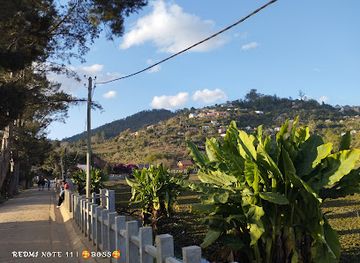
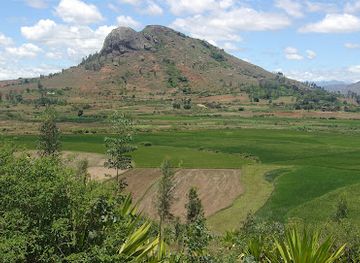
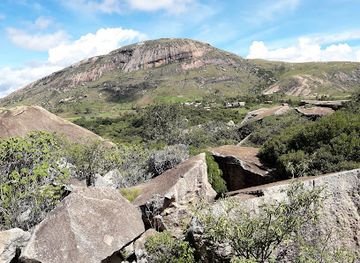
Haute Matsiatra’s attractions combine highland culture, agricultural landscapes and community-based nature experiences. Fianarantsoa’s upper town is the region’s principal cultural visit, with steep lanes, traditional houses, churches and viewpoints that reveal the city’s layered history. Around the capital, rice terraces and brick villages offer opportunities for guided walks that focus on Betsileo farming and architecture rather than conventional sightseeing. Sahambavy provides a contrasting excursion into tea-growing country, with cool green hills and a lake setting. South of Fianarantsoa, Ambalavao is a useful base for Anja Community Reserve, where granite formations, dry woodland and ring-tailed lemurs create a compact wildlife experience. Markets and artisan workshops add a human dimension to the journey, while the Fianarantsoa–Manakara railway offers a demanding scenic adventure when services are operating. The region is better suited to gradual exploration than to a checklist of major monuments: travel between towns, village walks, reserve visits and encounters with working agricultural landscapes are central to its appeal.
-
Tourist attraction
Anja Community Reserve
Discover the stunning beauty and rich biodiversity of Anja Community Reserve, Madagascar's natural sanctuary for wildlife and culture.
-
Tourist attraction
Jardin Botanique Anosy
Explore the stunning biodiversity of Jardin Botanique Anosy, a serene botanical haven in Fianarantsoa, Madagascar, perfect for nature lovers.
-
Tourist attraction
Ambalavo
Explore the enchanting beauty and rich culture of Ambalavo, Madagascar's hidden gem, filled with local traditions, stunning landscapes, and vibrant markets.
-
Tourist attraction
Andrainjato Fianarantsoa
Explore the enchanting landscapes and rich biodiversity of Andrainjato Fianarantsoa, Madagascar's hidden gem for nature lovers and cultural enthusiasts.

Best landmarks in Haute Matsiatra
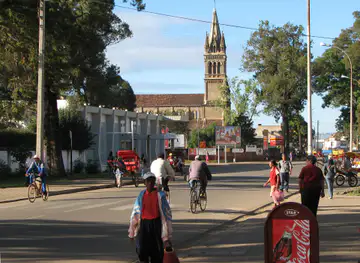
Fianarantsoa’s historic upper town is Haute Matsiatra’s most recognisable built landmark, rising across a ridge with dense clusters of traditional highland houses, churches and narrow lanes. Its elevated position expresses the political and religious importance the city acquired during the nineteenth century. The city’s many church towers and mission-era buildings form a distinctive skyline, while the surrounding hills provide broad views over the urban area and rice-growing valleys. Around Ambalavao, the granite outcrops and dry woodland of Anja Community Reserve create a natural landmark closely associated with the region’s southern highlands; the reserve is also notable for its ring-tailed lemurs and community management. Sahambavy’s lake and tea-growing slopes offer a different visual emblem, representing the region’s agricultural economy. The railway infrastructure connected with Fianarantsoa is another important historic presence, although its most dramatic sections extend eastwards beyond Haute Matsiatra. Together these landmarks show how settlement, faith, agriculture, geology and transport have shaped the regional landscape.
-
National park
Ranomafana National Park
Experience the breathtaking beauty and rich biodiversity of Ranomafana National Park, Madagascar's natural treasure and a wildlife enthusiast's paradise.
-
Tourist attraction
Anja Community Reserve
Discover the breathtaking Anja Community Reserve in Madagascar, where lush landscapes, playful lemurs, and vibrant ecosystems await adventure seekers.
-
River
Matsiatra
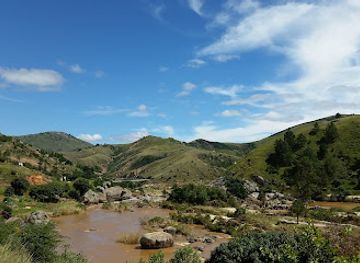
Discover the tranquil beauty of the Matsiatra River in Madagascar, a serene escape perfect for nature lovers and adventurers alike.
-
 Garden
TILY HAUTE MATSIATRA
Experience the tranquil charm of Tily Haute Matsiatra, a captivating garden in Fianarantsoa, Madagascar, showcasing nature's beauty and cultural richness.
Explore Haute Matsiatra on the map
Plan your trip on one map. See where the top cities, national parks and sights are, and book hotels and experiences in a few clicks.
Best hotels in Haute Matsiatra
Best restaurants in Haute Matsiatra
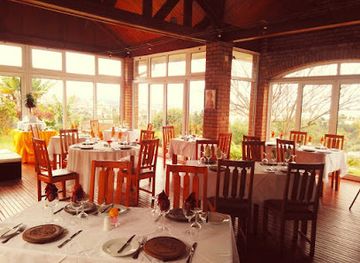
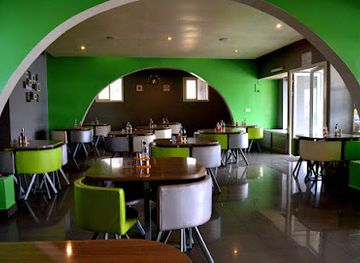
Dining in Haute Matsiatra reflects the highland staples of Madagascar, with rice forming the foundation of most meals and dishes commonly accompanied by vegetables, beans, chicken, pork or zebu. Fianarantsoa has the widest choice of modest restaurants, hotel dining rooms, cafés and Malagasy eateries, while smaller towns rely more heavily on local restaurants and market food. In Ambalavao, visitors may encounter produce connected to the surrounding agricultural economy, including rice, vegetables, fruit and zebu. Tea is particularly associated with Sahambavy and is a natural regional drink to seek out. Street stalls and market areas offer simple snacks, but standards vary, so choose busy outlets and ensure food is freshly cooked. French culinary influence appears in bread, pastries and some restaurant menus, yet the most characteristic meals are rice-based, seasonal and shaped by household cooking rather than elaborate restaurant presentation.
-
Restaurant
La Riziere
Experience the authentic flavors of Madagascar at La Riziere, where every dish is crafted with love and local ingredients.
-
Restaurant
Résidence Matsiatra
Experience authentic Malagasy cuisine at Résidence Matsiatra in Fianarantsoa - where local flavors meet warm hospitality.
-
Restaurant
BABI FOOD
Discover authentic Malagasy cuisine at BABI FOOD in Fianarantsoa - a must-visit restaurant for every traveler seeking local flavors.
-
Restaurant
Maison d'Hôtes Three Palms
Experience authentic Malagasy cuisine in a cozy atmosphere at Maison d'Hôtes Three Palms in Fianarantsoa.
Best bars in Haute Matsiatra
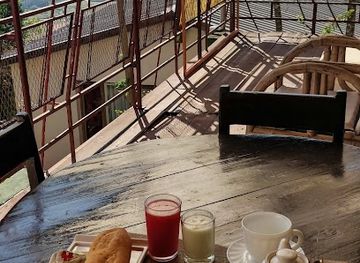
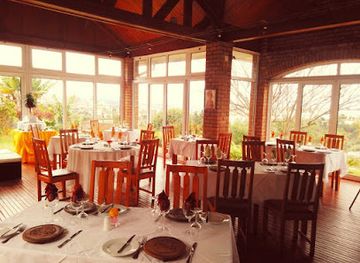
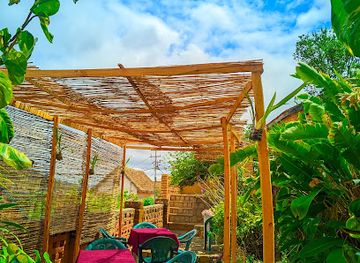
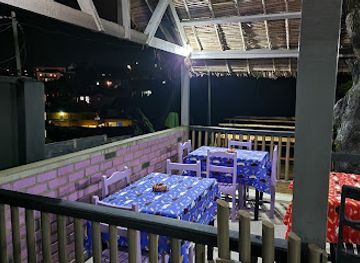
Haute Matsiatra is not a major late-night destination, and evening life generally centres on restaurants, hotel bars, neighbourhood cafés and traditional Malagasy music rather than large clubs. Fianarantsoa has the region’s broadest choice of places to meet after dark, with activity concentrated around the commercial city and established accommodation rather than a single entertainment district. Ambalavao and Sahambavy are quieter, and evenings there are usually oriented towards conversation, dinner and early starts for markets or rural excursions. Some venues may host live music or local dancing, but programmes and opening arrangements are changeable. Travellers should avoid walking unfamiliar streets late at night, use trusted transport and remember that nightlife is modest outside the principal town. Sampling local drinks or tea can be part of an evening, but neither alcohol nor clubbing is necessary to understand the region’s social life.
-
Restaurant
La Riziere
Experience the authentic tastes of Madagascar at La Riziere, a charming restaurant in Fianarantsoa known for its delectable local cuisine.
-
Restaurant
La Table du Rova (le palais)
Experience the authentic flavors of Madagascar at La Table du Rova, where every dish tells a story of tradition and passion.
-
Restaurant
Résidence Matsiatra
Experience the authentic flavors of Madagascar at Résidence Matsiatra, where local cuisine meets warm hospitality.
-
Restaurant
Chez Ninie
Experience the authentic flavors of Madagascar at Chez Ninie, a beloved restaurant in Fianarantsoa known for its local dishes and warm hospitality.
Best nightclubs in Haute Matsiatra
Haute Matsiatra is not a major late-night destination, and evening life generally centres on restaurants, hotel bars, neighbourhood cafés and traditional Malagasy music rather than large clubs. Fianarantsoa has the region’s broadest choice of places to meet after dark, with activity concentrated around the commercial city and established accommodation rather than a single entertainment district. Ambalavao and Sahambavy are quieter, and evenings there are usually oriented towards conversation, dinner and early starts for markets or rural excursions. Some venues may host live music or local dancing, but programmes and opening arrangements are changeable. Travellers should avoid walking unfamiliar streets late at night, use trusted transport and remember that nightlife is modest outside the principal town. Sampling local drinks or tea can be part of an evening, but neither alcohol nor clubbing is necessary to understand the region’s social life.
-
Night club
KUDéTA Urban Club
Discover Antananarivo's vibrant nightlife at KUDéTA Urban Club, where live music and dancing create unforgettable memories.
-
Night club
DJEMBE Discotheque TANA (ex le six)
Unleash your inner dancer at DJEMBE Discotheque TANA, where the nights are alive with music, energy, and unforgettable moments in Antananarivo.
-
Night club
Palmó Night-Club
Discover the pulsating heartbeat of Antananarivo's nightlife at Palmó Night-Club, where electrifying music and vibrant crowds create unforgettable memories.
-
Bar
Androka_ivomana.
Discover the charm of Androka Ivomana, a unique bar in Madagascar where locals meet, drinks flow, and authentic experiences await.


Best shops in Haute Matsiatra
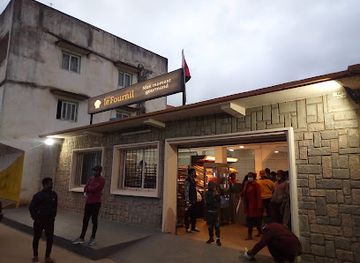
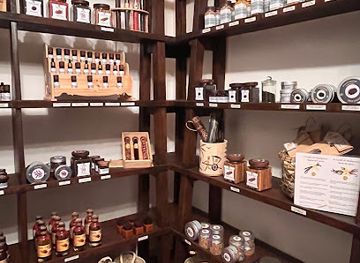
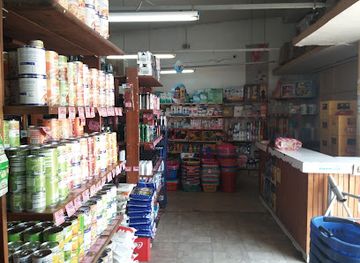
Shopping in Haute Matsiatra is strongest in Fianarantsoa and Ambalavao, where markets and independent stalls serve both local communities and visitors. Fianarantsoa offers everyday produce, clothing, household goods, books and Malagasy craftwork, while Ambalavao is particularly associated with its large market, zebu trade and handmade products. Visitors may find woven goods, woodwork, baskets, embroidery, paper products and locally made souvenirs, but quality and provenance differ, so inspect items carefully and ask sellers about materials and production. Tea connected with Sahambavy is a practical regional purchase when available, and packaged agricultural products may be easier to transport than fresh food. Market shopping is usually more rewarding than searching for a formal retail district, especially outside Fianarantsoa. Bargain politely where bargaining is customary, carry small ariary notes and avoid buying wildlife products, antiquities or anything that may have been removed from a protected or sacred place.
-
Supermarket
Score Fianarantsoa
Experience the vibrant culture of Fianarantsoa at Score Supermarket, where local flavors meet international convenience.
-
Spice store
MÍS Boutique Épices de Madagascar
Explore the vibrant spices of Madagascar at MÍS Boutique Épices, where every visit is a culinary adventure filled with rich aromas and flavors.
-
Supermarket
Supermarché 3000
Discover Supermarché 3000 in Fianarantsoa, Madagascar: Your one-stop shop for local and international products, perfect for tourists seeking authentic experiences.
-
Used clothing store
Le Relais Madagascar
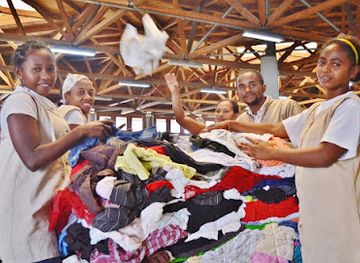
Explore the vibrant world of second-hand fashion at Le Relais Madagascar, where every piece has a story to tell.
Get your free copy of our complete guide to Haute Matsiatra, delivered straight to you.
Everything on this page, from attractions and restaurants to essentials and local phrases, in one PDF you can read offline, print or share.
Already have an account? Sign in
Your Haute Matsiatra guide is ready.
We'll send it to · Not you? Sign out

Getting your guide ready…
We are putting together a fresh copy of the Haute Matsiatra guide. This can take up to a minute.
This can take a few moments. If your browser asks, choose Allow so the download can start. You'll find the guide in your Downloads folder.
Nothing happened? Download it again
Sorry, the guide is taking longer than usual. Please try again in a minute, or get it by email instead.
Haute Matsiatra essentials
Currency and Payment
Safety
Emergency Situations
Do's and Don'ts
Local Tips
From Eve
Local phrases worth knowing
You don't need to get them perfect. A few words go a long way, and locals appreciate the effort.
Basics
| English | Local | Say it |
|---|---|---|
| Hello | Salama | [sah-lah-mah] |
| Goodbye | Veloma | [veh-loo-mah] |
| Yes | Eny | [eh-nee] |
| No | Tsia | [tsee-ah] |
| Please/You’re welcome | Azafady | [ah-zah-fah-dee] |
| Thank you | Misaotra | [mee-sah-oh-trah] |
| Excuse me/Sorry | Azafady | [ah-zah-fah-dee] |
| How are you? | Inona ny vaovao? | [ee-noo-nah nee vah-vah-oo] |
| Fine. And you? | Tsara. Ary ianao? | [tsah-rah. ah-ree ee-nah-oo] |
| Do you speak English? | Miteny anglisy ve ianao? | [mee-teh-nee ahn-glee-see veh ee-nah-oo] |
| I don't understand | Tsy azoko | [tsee ah-zoh-koo] |
Eating & Drinking
| English | Local | Say it |
|---|---|---|
| I’d like to see the menu, please | Te-hahita ny sakafo azafady | [teh-hah-ee-tah nee sah-kah-foo ah-zah-fah-dee] |
| I don't eat meat | Tsy mihinana hena aho | [tsee mee-hee-nah-nah heh-nah ah-hoo] |
| Cheers! | Sakafo! | [sah-kah-foo] |
| I would like to pay, please | Te-handoa azafady | [teh-han-do-ah ah-zah-fah-dee] |
Emergencies
| English | Local | Say it |
|---|---|---|
| Help! | Fanampiana! | [fah-nahm-pee-ah-nah] |
| Go away! | Mandehana! | [mahn-deh-hah-nah] |
| Call the Police! | Antsoy ny polisy! | [ahn-tsoh-ee nee poh-lee-see] |
| Call a doctor! | Antsoy dokotera! | [ahn-tsoh-ee doh-koh-teh-rah] |
| I’m lost | Very very | [veh-ree veh-ree] |
| I’m ill | Marary aho | [mah-rah-ree ah-hoo] |
Shopping
| English | Local | Say it |
|---|---|---|
| I’d like to buy... | Te-hividy... | [teh-hee-vee-dee] |
| I’m just looking | Mijery fotsiny aho | [mee-jeh-ree foht-see-nee ah-hoo] |
| How much is it? | Ohatr'inona izany? | [oo-ha-tri-noo-nah ee-zah-nee] |
| That’s too expensive | Lany be loatra izany | [lah-nee beh loo-trah ee-zah-nee] |
| Can you lower the price? | Afaka mampihena ny vidiny ve? | [ah-fah-kah mahm-pee-hen-ah nee vee-dee-nee veh] |
Time & Numbers
| English | Local | Say it |
|---|---|---|
| What time is it? | Inona ny ora? | [ee-noo-nah nee oo-rah] |
| It’s one o'clock | Tsy iray ora | [tsee ee-rah-ee oo-rah] |
| Half past (10) | Amin'ny (10) sy tapany | [ah-meen-nee (ten) see tah-pah-nee] |
| Morning | Maraina | [mah-rah-ee-nah] |
| Afternoon | Tohiny | [toh-hee-nee] |
| Evening | Hariva | [hah-ree-vah] |
| Yesterday | Omaly | [oo-mah-lee] |
| Today | Anio | [ah-nee-oh] |
| Tomorrow | Rahampitso | [rah-hahm-peet-soo] |
| 1 | Iray | [ee-rah-ee] |
| 2 | Roa | [roh-ah] |
| 3 | Telo | [teh-loo] |
| 4 | Efatra | [eh-fah-trah] |
| 5 | Dimy | [dee-mee] |
| 6 | Enina | [eh-nee-nah] |
| 7 | Fito | [fee-toh] |
| 8 | Valo | [vah-loo] |
| 9 | Sivy | [see-vee] |
| 10 | Folo | [foh-loo] |
Transport & Directions
| English | Local | Say it |
|---|---|---|
| Where's a/the...? | Aiza ny...? | [ah-ee-zah nee] |
| What’s the address? | Inona ny adiresy? | [ee-noo-nah nee ah-dee-reh-see] |
| Can you show me (on the map)? | Afaka mampiseho ahy ve? | [ah-fah-kah mahm-pee-seh-ho ah-ee veh] |
| When's the next (bus)? | Rahoviana ny (bus) manaraka? | [rah-hoh-vee-ah-nah nee (bus) mah-nah-rah-kah] |
| A ticket (to ....) | Tapakila (ho ...) | [tah-pah-kee-lah (ho ...)] |
History of Haute Matsiatra
Betsileo Settlement and Highland Agriculture
The central highlands of Haute Matsiatra were shaped by Betsileo communities whose settlement, rice cultivation and cattle husbandry developed into a distinctive regional society. Terraced paddies made productive use of steep valleys and slopes, while villages and family compounds were organised around agricultural land and kinship networks. Zebu cattle became important economically, socially and ceremonially. Many of the terraces, irrigation systems and brick-built settlements visible today are the result of long-term adaptation to the upland environment rather than a single period of construction.
Fianarantsoa and the Nineteenth-Century Kingdom
Fianarantsoa was founded in 1830 during the reign of Queen Ranavalona I of the Merina kingdom, which was extending its influence into the southern central highlands. The settlement developed as a political, religious and educational centre, and its hilltop position gave it strategic importance. The upper town, with its dense pattern of traditional houses, churches and lanes, preserves the physical character of this era. Fianarantsoa later became a major centre for Christian missions and schooling, strengthening its reputation as a place of learning.
Missionary Education and Christian Institutions
Christian missions established a lasting presence in Fianarantsoa and surrounding highland communities during the nineteenth century. Catholic and Protestant institutions founded schools, churches and training establishments, while Malagasy converts and local communities adapted foreign religious forms within their own social setting. The resulting concentration of educational and ecclesiastical buildings helped distinguish Fianarantsoa from many other regional towns. Religious affiliation remains an important part of public and family life in Haute Matsiatra, although it exists alongside older customs and local understandings of sacred landscapes.
The Colonial Highland Economy and the Railway
Under French colonial rule, roads, administrative structures and commercial agriculture altered the region’s connections with the rest of Madagascar. The Fianarantsoa–Côte Est railway, constructed in the early twentieth century, linked Fianarantsoa with the east-coast port of Manakara and created a difficult but important route across the highlands. Its bridges, tunnels and steep gradients reflect the engineering challenges of the terrain. Although much of the line lies beyond Haute Matsiatra, Fianarantsoa remains its western terminus and the railway is an important part of the region’s transport history.
Rice, Tea and Regional Trade
Agriculture continued to define Haute Matsiatra through the colonial and post-colonial periods. Rice remained central to household food security and the regional economy, while tea production developed around Sahambavy in the cooler highlands. Towns such as Fianarantsoa and Ambalavao became trading points for agricultural produce, cattle and craft goods moving between upland districts and routes towards the south and east. The landscape of paddies, tea fields, market towns and livestock roads therefore reflects both subsistence practices and wider commercial networks.
Independence and Modern Regional Identity
Madagascar became independent from France in 1960, and Haute Matsiatra continued to function as a major cultural and administrative centre in the central highlands. Fianarantsoa’s schools, churches and civic institutions gave it influence beyond its size, while rural communities maintained strong links to rice farming, cattle and local markets. Modern pressures include road maintenance, changing agricultural conditions, migration and the need to protect forests and community-managed wildlife areas. Contemporary Haute Matsiatra is consequently defined by both enduring Betsileo traditions and the practical demands of a changing regional economy.
Haute Matsiatra in Photos
Browse through our photo collection highlighting the charm and character of the destination.
Neighbouring regions of Haute Matsiatra
The closest regions to Haute Matsiatra, if you have time for more than one.
-

-

-

-
-


Swipe for more regions
Explore more

Explore more of Madagascar
Discover Madagascar: A unique island paradise with unparalleled wildlife, breathtaking landscapes, and a rich cultural heritage.
Explore Madagascar