

Free Anosy Travel Guide & Mobile App
Explore Anosy with free travel guides. Discover regional history, expert tips, proposed trips, and audio guides on web or mobile app.


Explore Anosy in south-eastern Madagascar for Fort-Dauphin, Andohahela rainforest, Indian Ocean beaches, Antanosy culture and remote coastal landscapes.
Read more about Anosy
When is the best time to visit Anosy?
Best: May, August–September · 23–25°C| Month | High (°C) | Rainfall (mm) |
|---|---|---|
| January | 29 | 150 |
| February | 29 | 130 |
| March | 28 | 120 |
| April | 27 | 110 |
| May (best) | 25 | 100 |
| June | 23 | 90 |
| July | 22 | 80 |
| August (best) | 23 | 80 |
| September (best) | 24 | 90 |
| October | 26 | 100 |
| November | 27 | 110 |
| December | 28 | 130 |
Getting to and around Anosy
How to get there
Transportation
Top city travel guides in Anosy
The cities of Anosy, and the easiest places to base yourself.
-

-



Swipe for more cities
Best attractions in Anosy
Anosy’s attractions are defined by the contrast between Tolagnaro’s historic waterfront setting and the region’s extensive natural landscapes. Around the capital, visitors can explore the remains of Fort Flacourt, visit beaches such as Libanona and arrange excursions towards the Evatra and Lokaro coastline, where bays, forest and rocky shore combine in a largely rural setting. Nahampoana Reserve, near Tolagnaro, offers guided walks through landscaped and forested habitats with opportunities to observe southern Madagascar’s distinctive wildlife and plants. The major natural attraction is Andohahela National Park, whose trails enter a remarkable transition between humid eastern rainforest and drier southern vegetation. Access points and conditions vary, and a guide is essential for making sense of both the ecology and the terrain. The Mandena area adds another dimension, bringing together coastal forest, conservation work and the visible effects of mineral development. Further inland, the scenery becomes more sparsely settled, with agricultural communities, hills and long road journeys rather than a dense concentration of formal attractions. Anosy is best experienced through several carefully planned outings, allowing time for walking, wildlife observation, coastal exploration and conversations about the region’s environmental pressures.
-
Beach
Libanona Beach
Discover Libanona Beach, a stunning tropical paradise in Madagascar with white sands, clear waters, and breathtaking sunsets, perfect for relaxation and adventure.
-
Park
Nahampoana Reserve
Experience the tranquility of Nahampoana Reserve, a stunning park in Madagascar showcasing rich biodiversity and serene landscapes ideal for nature lovers.
-
Tourist attraction
Nationalpark Andohahela
Explore the diverse ecosystems of Andohahela National Park, a paradise for nature lovers and adventure seekers in Madagascar.
-
Nature preserve
Domaine de la Cascade | Plantation Lansargues
Explore the stunning beauty of Domaine de la Cascade, a serene nature preserve in Taolagnaro, showcasing Madagascar's unique landscapes and wildlife.



Best landmarks in Anosy
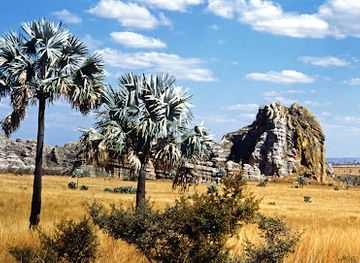
Fort Flacourt at Tolagnaro is Anosy’s most recognisable historic landmark, a surviving reminder of the French settlement founded in 1643 and of the region’s early colonial encounters. Its significance lies not only in the remaining fortifications but also in the way the site reflects the strategic importance of the south-eastern coast and the difficult relationship between European settlers and local communities. The landscape around Tolagnaro supplies several natural landmarks: Pic Saint-Louis rises above the town and coast, while the headlands and bays around Evatra and Lokaro create a distinctive sequence of granite, forest and sea. The region’s coastal forests are landmarks of ecological importance as well as scenic places, particularly around Mandena and protected areas near the capital. Andohahela’s mountain and rainforest landscapes are less a single monument than a large-scale natural feature, notable for the sharp ecological transition across its terrain. These places are best understood through local guides, who can explain access, conservation rules and the cultural meanings attached to the land.
-
Tourist attraction
Nationalpark Andohahela
Discover the breathtaking biodiversity and stunning landscapes of Nationalpark Andohahela, a must-visit destination for nature lovers and adventurers in Madagascar.

Explore Anosy on the map
Plan your trip on one map. See where the top cities, national parks and sights are, and book hotels and experiences in a few clicks.
Best hotels in Anosy
Best restaurants in Anosy
Dining in Anosy centres on Malagasy staples prepared in homes, small restaurants, hotels and roadside establishments. Rice is the foundation of many meals, accompanied by seasonal vegetables, beans, greens, poultry, zebu or locally caught fish. Along the coast around Tolagnaro and Evatra, seafood may include fresh fish, prawns and other locally landed produce, although availability depends on weather and fishing conditions. Visitors can expect dishes flavoured with ginger, garlic, chilli and local herbs, together with fruit when in season. Café-style establishments and hotel restaurants provide the most predictable choice for travellers, while modest eateries offer a more direct introduction to everyday regional cooking. Madagascar’s wider food traditions are also present, including broths, rice-based meals and French-influenced bread and pastries. In rural areas, menus can be short and supplies intermittent, so carrying snacks is sensible on excursions. Ask about prices and portions before ordering, and favour food that is freshly cooked and served hot.
-
Italian
Le Rossini
Experience authentic Italian cuisine at Le Rossini in Antananarivo - where delicious flavors meet warm hospitality.
-
Brasserie
La petite Brasserie
Experience authentic Malagasy flavors at La Petite Brasserie in Antananarivo - where delightful cuisine meets charming ambiance.
-
Restaurant
L' Arrivage
Experience the essence of Madagascar's culinary heritage at L' Arrivage in Antananarivo—where every dish is a celebration of local flavors.
-
Hotel
Hotel restaurant Niaouly
Experience authentic Malagasy flavors at Hotel Restaurant Niaouly in Antananarivo—where comfort meets culinary excellence.


Best bars in Anosy
Tolagnaro provides Anosy’s main evening life, with hotel bars, modest local bars, restaurants and occasional live music rather than a large nightclub circuit. The atmosphere is generally more social and low-key than in Madagascar’s major cities, and evenings may revolve around conversation, music and dining. Some venues serve Malagasy beer, rum-based drinks and soft drinks, while locally produced or flavoured rums may appear in informal settings; drink cautiously and use reputable establishments. Outside Tolagnaro, nightlife is concentrated in accommodation venues or community gatherings and is limited by transport, electricity and the early start required for excursions. The coast is not a place to assume safe late-night swimming or isolated walks, and visitors should arrange transport back to their accommodation in advance. Seasonal activity can vary, so ask locally about current music, cultural events or restaurant openings rather than relying on old listings.
-
Irish pub
Irish Pub Tana
Discover the warmth of Irish culture at Irish Pub Tana in Antananarivo, where hearty food and friendly vibes create an unforgettable experience.
-
Tapas Bar
No Comment BAR
Discover the vibrancy of Antananarivo at No Comment BAR - a tapas haven with a lively atmosphere and delightful flavors.
-
Restaurant
Chez Vivie
Experience the heart of Madagascar through the exquisite local cuisine at Chez Vivie, a treasured restaurant in Taolagnaro.
-
Seafood
L’Arrivage Ft Dauphin
Discover the essence of Madagascar's seafood at L’Arrivage Ft Dauphin, where fresh flavors meet stunning coastal views.


Best nightclubs in Anosy
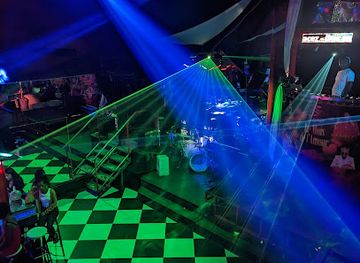
Tolagnaro provides Anosy’s main evening life, with hotel bars, modest local bars, restaurants and occasional live music rather than a large nightclub circuit. The atmosphere is generally more social and low-key than in Madagascar’s major cities, and evenings may revolve around conversation, music and dining. Some venues serve Malagasy beer, rum-based drinks and soft drinks, while locally produced or flavoured rums may appear in informal settings; drink cautiously and use reputable establishments. Outside Tolagnaro, nightlife is concentrated in accommodation venues or community gatherings and is limited by transport, electricity and the early start required for excursions. The coast is not a place to assume safe late-night swimming or isolated walks, and visitors should arrange transport back to their accommodation in advance. Seasonal activity can vary, so ask locally about current music, cultural events or restaurant openings rather than relying on old listings.
-
Night club
KUDéTA Urban Club
Discover the vibrant nightlife and live music scene at KUDéTA Urban Club in Antananarivo, a top destination for an unforgettable evening.
-
Cabaret club
Cabaret Jao's Pub
Discover the vibrant nightlife of Antananarivo at Cabaret Jao's Pub, where entertainment meets Malagasy culture in an unforgettable experience.
-
Night club
Taxi Be
Discover the vibrant nightlife of Antananarivo at Taxi Be, a bustling night club filled with music, dance, and cultural energy.
-
Bar
Cafe Bar Colorado
Experience the vibrant atmosphere and exquisite cocktails at Cafe Bar Colorado, Taolagnaro's premier destination for relaxation and sports.



Best shops in Anosy
Shopping in Anosy is concentrated in Tolagnaro, where small shops, market stalls and food sellers provide everyday supplies rather than an extensive retail scene. Local markets are useful for fruit, vegetables, rice, snacks and household goods, while crafts may include woven items, carved objects, baskets and simple textiles made in the wider south-east. Availability and quality vary, so ask whether an item is locally produced and bargain politely rather than treating negotiation as a contest. Regional food products and Malagasy spices can make practical souvenirs, provided they are packed and legally permitted for onward travel. Outside the capital, shopping is limited to village markets and roadside sellers, often on particular market days. Avoid purchasing coral, rare timber, protected plants, shells or animal products, and be wary of souvenirs presented as archaeological artefacts. Contemporary Malagasy craftwork and fairly purchased local produce offer more responsible reminders of Anosy than materials taken from its forests or coastline.
-
Shopping mall
Akoor Digue
Discover the vibrant shopping experience at Akoor Digue in Antananarivo, Madagascar, where retail meets local culture and cuisine.
-
Shopping mall
Digue Market
Discover the vibrant Digue Market in Antananarivo, a cultural haven for shopping, food, and local crafts in Madagascar.
-
Coffee shop
Sucre Sale
Experience the essence of Madagascar at Sucre Sale, Taolagnaro’s premier coffee destination, where local charm meets exquisite brews.
-
Produce market
Marché De Tanambao
Discover the vibrant flavors and local culture at Marché De Tanambao, Taolagnaro's bustling produce market in Madagascar.


Get your free copy of our complete guide to Anosy, delivered straight to you.
Everything on this page, from attractions and restaurants to essentials and local phrases, in one PDF you can read offline, print or share.
Already have an account? Sign in
Your Anosy guide is ready.
We'll send it to · Not you? Sign out

Getting your guide ready…
We are putting together a fresh copy of the Anosy guide. This can take up to a minute.
This can take a few moments. If your browser asks, choose Allow so the download can start. You'll find the guide in your Downloads folder.
Nothing happened? Download it again
Sorry, the guide is taking longer than usual. Please try again in a minute, or get it by email instead.
Anosy essentials
Currency and Payment
Safety
Emergency Situations
Do's and Don'ts
Local Tips
From Eve
Local phrases worth knowing
You don't need to get them perfect. A few words go a long way, and locals appreciate the effort.
Basics
| English | Local | Say it |
|---|---|---|
| Hello | Salama | [sah-lah-mah] |
| Goodbye | Veloma | [veh-loo-mah] |
| Yes | Eny | [eh-nee] |
| No | Tsia | [tsee-ah] |
| Please/You're welcome | Azafady | [ah-zah-fah-dee] |
| Thank you | Misaotra | [mee-sah-oh-trah] |
| Excuse me/Sorry | Azafady | [ah-zah-fah-dee] |
| How are you? | Inona ny vaovao? | [ee-noo-nah nee vah-vah-oo] |
| Fine. And you? | Tsara. Ary ianao? | [tsah-rah. ah-ree ee-nah-oo] |
| Do you speak English? | Miteny anglisy ve ianao? | [mee-teh-nee ahn-glee-see veh ee-nah-oo] |
| I don't understand | Tsy azoko | [tsee ah-zoo-koo] |
Eating & Drinking
| English | Local | Say it |
|---|---|---|
| I'd like to see the menu, please | Te-hahita ny menu aho, azafady | [tay-hah-ee-tah nee meh-noo ah-hoo, ah-zah-fah-dee] |
| I don't eat meat | Tsy mihinana hena aho | [tsee mee-hee-nah-nah heh-nah ah-hoo] |
| Cheers! | Sakafo! | [sah-kah-foo] |
| I would like to pay, please | Te-hanome vola aho, azafady | [tay-hah-no-meh voh-lah ah-hoo, ah-zah-fah-dee] |
Emergencies
| English | Local | Say it |
|---|---|---|
| Help! | Vonjeo! | [vohn-jay-oh] |
| Go away! | Mandehana! | [mahn-deh-hah-nah] |
| Call the Police! | Antsoy ny Polisy! | [ahn-tsoh-ee nee poh-lee-see] |
| Call a doctor! | Antsoy ny dokotera! | [ahn-tsoh-ee nee doh-koh-teh-rah] |
| I'm lost | Very very! | [veh-ree veh-ree] |
| I'm ill | Marary aho | [mah-rah-ree ah-hoo] |
Shopping
| English | Local | Say it |
|---|---|---|
| I'd like to buy... | Te-hividy... | [tay-hee-vee-dee] |
| I'm just looking | Mijery fotsiny aho | [mee-jeh-ree fot-see-nee ah-hoo] |
| How much is it? | Ohatrinona izany? | [oo-hah-tree-noo-nah zah-nee] |
| That's too expensive | Lafo loatra izany | [lah-foo loo-ah-trah zah-nee] |
| Can you lower the price? | Azonao atao ve ny manamaivana ny vidiny? | [ah-zoo-nah-oo ah-tah-oo veh nee mah-nah-my-vah-nah nee vee-dee-nee] |
Time & Numbers
| English | Local | Say it |
|---|---|---|
| What time is it? | Inona ny ora? | [ee-noo-nah nee oh-rah] |
| It's one o'clock | Tsy ora iray | [tsee oh-rah ee-rah-ee] |
| Half past (10) | Iray sy antsasaky ny folo | [ee-rah-ee see ahn-tsah-sah-kee nee foh-loo] |
| Morning | Maraina | [mah-rah-ee-nah] |
| Afternoon | Tompoko | [tohm-poh-koo] |
| Evening | Hariva | [hah-ree-vah] |
| Yesterday | Omaly | [oo-mah-lee] |
| Today | Anio | [ah-nee-oh] |
| Tomorrow | Rahampitso | [rah-hahm-peet-soo] |
| 1 | Iray | [ee-rah-ee] |
| 2 | Roa | [roo-ah] |
| 3 | Telo | [teh-loo] |
| 4 | Efatra | [eh-fah-trah] |
| 5 | Dimy | [dee-mee] |
| 6 | Enina | [eh-nee-nah] |
| 7 | Fito | [fee-toh] |
| 8 | Valo | [vah-loh] |
| 9 | Sivy | [see-vee] |
| 10 | Folo | [foh-loh] |
Transport & Directions
| English | Local | Say it |
|---|---|---|
| Where's a/the...? | Aiza ny...? | [ah-ee-zah nee] |
| What's the address? | Inona ny adiresy? | [ee-noo-nah nee ah-dee-reh-see] |
| Can you show me (on the map)? | Afaka mampiseho ahy ve ianao? | [ah-fah-kah mahm-pee-seh-ho ah-hee veh ee-nah-oo] |
| When's the next (bus)? | Rahoviana ny bus manaraka? | [rah-hoh-vee-ah-nah nee boos mah-nah-rah-kah] |
| A ticket (to ....) | Tapakila (ho an...) | [tah-pah-kee-lah (hoh ahn)] |
History of Anosy
Antanosy settlement and regional identity
Anosy is historically associated with the Antanosy people, whose communities developed around the south-eastern coast, river valleys and inland uplands. Rice cultivation, fishing, trading and zebu husbandry shaped settlement patterns, while kinship, local authority and ancestral customs connected villages across the region. Antanosy history was never isolated from the rest of Madagascar: coastal exchange linked Anosy with other parts of the island and with merchants operating across the Indian Ocean. Contemporary visitors should understand the region’s colonial forts and later industries as layers added to an older cultural landscape rather than as its sole historical definition.
Early European contact and Fort Dauphin
European navigators reached Madagascar’s south-eastern coast during the early modern period, drawn by its position on Indian Ocean routes. In 1643, the French established a settlement at the site now known as Tolagnaro and built Fort Flacourt, named after Étienne de Flacourt, one of the settlement’s leading figures. The colony struggled with supply, disease, unfamiliar conditions and difficult relations with local communities. It was abandoned after several decades, but the settlement left a lasting place-name and a surviving military presence in the history and physical landscape of Anosy.
Trade, diplomacy and resistance in the eighteenth and nineteenth centuries
After the early French settlement, Anosy remained connected to changing networks of trade and political power along Madagascar’s southern and eastern coasts. European merchants, missionaries and colonial agents encountered established Antanosy authorities and communities with their own interests and diplomatic strategies. Competition over land, labour and commerce produced cooperation in some contexts and resistance in others. The region’s distance from Madagascar’s central highlands also gave it a distinctive political trajectory, although expanding influence from the Merina kingdom and later European imperial ambitions increasingly affected local affairs.
French colonial rule and Tolagnaro’s port
Madagascar became a French colony in 1896, and Tolagnaro served as an important administrative and maritime centre in the south-east. Colonial rule reshaped land administration, taxation, transport and commercial agriculture, while introducing new institutions and forms of labour control. Roads and port facilities strengthened links with other parts of the island, but access remained difficult and many rural communities continued to rely on local agriculture and exchange. Colonial architecture and the remains of Fort Flacourt are visible reminders of this period, although they represent only one part of Anosy’s social history.
Conservation and the protection of Andohahela
During the twentieth century, scientific research and conservation planning drew attention to Anosy’s unusual ecological transition. Andohahela National Park, formally established in 1997, protects habitats ranging from humid eastern forest to drier southern vegetation across a mountainous area. Its importance reflects Madagascar’s exceptional endemism, but conservation has also raised practical questions about access to land, livelihoods and the relationship between park authorities and neighbouring communities. The region’s protected areas are therefore both wildlife destinations and places where modern environmental policy meets long-established rural use.
Ilmenite mining and environmental debate
From the late twentieth century onwards, mineral development became a major influence on Anosy, particularly through the extraction of ilmenite-bearing sands near the Mandena coastal area. The project brought investment, employment and infrastructure, while also generating sustained debate over biodiversity, land use, water, resettlement and the long-term effects of mining near sensitive forests and wetlands. This modern chapter is important to understanding the region’s present economy and environmental politics. Anosy’s protected landscapes and mining zones exist in close proximity, making sustainable development a central local concern.
Anosy in Photos
Browse through our photo collection highlighting the charm and character of the destination.
Neighbouring regions of Anosy
The closest regions to Anosy, if you have time for more than one.
-

-

-

-

-


Swipe for more regions
Explore more

Explore more of Madagascar
Discover Madagascar: A unique island paradise with unparalleled wildlife, breathtaking landscapes, and a rich cultural heritage.
Explore Madagascar