

Atsimo-Atsinanana, Madagascar Travel Guide
Discover Atsimo-Atsinanana: Madagascar's serene region with lush rainforests, unique wildlife, pristine beaches, and rich cultural experiences.
Nestled in the southeastern region of Madagascar, Atsimo-Atsinanana is a hidden gem waiting to be discovered. This area is known for its lush rainforests, diverse wildlife, and pristine beaches. Unlike some of the more frequented parts of Madagascar, Atsimo-Atsinanana offers a more tranquil experience, allowing visitors to connect deeply with nature. The forests here are home to many unique species, including lemurs, chameleons, and various birds. For those interested in botany, the region boasts an array of endemic plant species. One of the highlights is the Andohahela National Park, where you can explore different types of ecosystems, from rainforests to dry forests. Atsimo-Atsinanana is also rich in cultural experiences. The local communities are known for their warm hospitality and vibrant traditions. Visitors can immerse themselves in the Malagasy way of life by participating in local festivals, tasting traditional cuisine, and exploring quaint villages. The coastal areas offer stunning beaches, perfect for relaxation or water activities like snorkeling and diving. Whether you're an adventure seeker, a nature lover, or someone looking to experience authentic Malagasy culture, Atsimo-Atsinanana has something to offer. Its unspoiled beauty and serene atmosphere make it a perfect escape from the hustle and bustle of urban life.

Know before you go
Hi, I'm Eve. Here are a few practical things to know before exploring Atsimo-Atsinanana.
- Visit Andohahela National Park for diverse ecosystems and unique wildlife.
- Engage with local communities to experience Malagasy traditions and hospitality.
- Try traditional Malagasy dishes like Ravitoto and Romazava.
- Pack light, breathable clothing suitable for both rainforest and coastal environments.
- Hire a local guide for the best experience exploring the region's natural and cultural sights.
Top City Travel Guides in Atsimo-Atsinanana
The cities of Atsimo-Atsinanana, and the easiest places to base yourself.
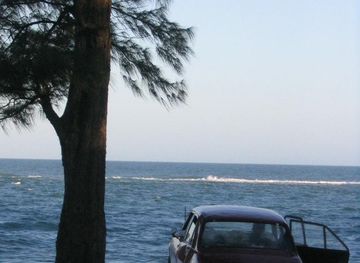
Explore Atsimo-Atsinanana: Things to Do, Places to Eat, Hotels & More
Handpicked recommendations for top attractions, local dining, accommodations, and more

Top Attractions & Sightseeing in Atsimo-Atsinanana
Top-rated picks
Best Attractions

Nahampoana Reserve
Discover the wonders of Nahampoana Reserve in Madagascar, a biodiversity hotspot where nature meets adventure.

Andringitra National Park
Explore Andringitra National Park: A breathtaking blend of adventure, wildlife, and stunning landscapes in Madagascar's heart.

Canal des Pangalanes
Explore the tranquil waters and vibrant culture of Canal des Pangalanes in Madagascar, a hidden gem for nature lovers and adventurers alike.

Andringitra Massif
Discover the breathtaking Andringitra Massif in Madagascar, a hiker's paradise filled with stunning peaks, diverse ecosystems, and unforgettable adventures.

Best landmarks in Atsimo-Atsinanana
Top-rated picks
Best Landmarks

Andringitra National Park
Explore Andringitra National Park, a majestic national park in Madagascar, renowned for its stunning landscapes, diverse wildlife, and vibrant local culture.

Réserve spéciale de Manombo
Explore the breathtaking biodiversity of Réserve Spéciale de Manombo, a must-visit natural sanctuary in Madagascar for nature lovers and adventurers.
Mananara
Experience the enchanting beauty of Mananara River in Madagascar, where nature, adventure, and tranquility converge in a stunning landscape.

Best restaurants in Atsimo-Atsinanana
Top-rated picks
Best Restaurants

Restaurant Mirana
Experience authentic Malagasy cuisine at Restaurant Mirana in Taolagnaro - a culinary journey filled with flavor and culture.

Tsienimparihy Lodge
Experience authentic Malagasy cuisine at Tsienimparihy Lodge in Ambalavao – where every meal tells a story.

La Guinguette
Experience authentic Malagasy cuisine at La Guinguette in Manakara - where every meal tells a story.

Vangai Lodge
Discover tranquility at Vangai Lodge in Vangaindrano - where comfort meets stunning rice field views.

Best bars in Atsimo-Atsinanana
Top-rated picks
Best Bars

No Comment BAR
Savor authentic tapas and vibrant nightlife at No Comment BAR in Antananarivo, the perfect spot for food lovers and social gatherings.

Le Point d'Exclamation Lounge Bar
Discover vibrant nightlife and exquisite cocktails at Le Point d'Exclamation Lounge Bar in Antananarivo, the ultimate destination for relaxation and entertainment.

Old 7 bar
Discover the lively nightlife and authentic Malagasy experiences at Old 7 Bar in Antananarivo.

Cafe Bar Colorado
Experience the lively atmosphere and creative cocktails at Cafe Bar Colorado, a must-visit bar in Taolagnaro for tourists and locals alike.

Best nightclubs in Atsimo-Atsinanana
Top-rated picks
Best Nightclubs

KUDéTA Urban Club
Discover the pulse of Antananarivo's nightlife at KUDéTA Urban Club, where live music and vibrant energy await every visitor.

Cabaret Jao's Pub
Discover the heart of Antananarivo's nightlife at Cabaret Jao's Pub, where vibrant performances and local culture come alive.

RED.Night.tana
Unleash the Night: Dive into the Heart of Antananarivo's Vibrant Nightlife at RED.Night.tana, a Unique Workers' Club Experience.

Palmó Night-Club
Discover the electric nightlife at Palmó Night-Club in Antananarivo, where music, dancing, and vibrant energy come together for an unforgettable experience.

Best shops in Atsimo-Atsinanana
Top-rated picks
Best Shops

Akoor Digue
Discover the lively Akoor Digue Shopping Mall in Antananarivo, where shopping meets local culture and delectable dining.

Digue Market
Explore the vibrant Digue Market in Antananarivo, where local culture, unique crafts, and delicious street food await every visitor.

Akany Concept Store
Explore the rich culture of Madagascar at Akany Concept Store, a haven for unique crafts and local artistry in Antananarivo.

MASTER SHOP
Explore local flavors and international goods at MASTER SHOP, the premier supermarket in Amboasary Sud, Madagascar.

Explore Atsimo-Atsinanana on the Map
A handpicked selection of must-see spots in Atsimo-Atsinanana, mapped for you.
Atsimo-Atsinanana Essentials
-
Atsimo-Atsinanana is located in the southeastern part of Madagascar. The nearest major airport is Ivato International Airport in Antananarivo, the capital city. From Antananarivo, you can take a domestic flight to Manakara Airport, which is the closest airport to Atsimo-Atsinanana. Alternatively, you can travel by road; the journey from Antananarivo to Atsimo-Atsinanana takes approximately 10-12 hours by car or bus. The Fianarantsoa-Côte Est (FCE) railway also offers a scenic route from Fianarantsoa to Manakara, passing through lush landscapes and offering a unique travel experience.
-
Within Atsimo-Atsinanana, transportation options include taxis, pousse-pousse (rickshaws), and minibuses (taxi-be). For longer distances, you can hire a private car or use regional buses. The roads in the region can be challenging, especially during the rainy season, so a 4x4 vehicle is recommended for off-road travel. Bicycle rentals are also available for those who prefer to explore at a slower pace.
-
The official currency in Madagascar is the Malagasy Ariary (MGA). Credit cards are accepted in some hotels, restaurants, and larger shops, but it is advisable to carry cash, especially in smaller establishments and rural areas. ATMs are available in major towns like Manakara, but it is wise to withdraw sufficient cash before traveling to more remote areas. Currency exchange services are available at banks and exchange offices.
-
Atsimo-Atsinanana is generally safe for tourists, but it is important to take standard precautions. Avoid walking alone at night and be cautious in crowded places to prevent pickpocketing. Some areas, particularly remote regions, may have higher crime rates, so it is best to stay informed and seek local advice. Always keep your belongings secure and be aware of your surroundings.
-
In case of emergency, dial 117 for police assistance. Medical facilities are available in major towns like Manakara, but they may be limited in rural areas. It is recommended to have travel insurance that covers medical emergencies. For minor health issues, pharmacies are available where you can purchase over-the-counter medications. Keep a list of emergency contacts, including your embassy or consulate, and inform someone of your travel plans.
-
Fashion: Do dress modestly, especially in rural areas and when visiting religious sites. Avoid wearing revealing clothing. Religion: Do respect local customs and traditions. Always remove your shoes before entering a home or sacred place. Public Transport: Do be respectful and courteous to drivers and fellow passengers. Don’t eat or drink on public transport. Greetings: Do greet people with a friendly 'Salama'. A handshake is also appropriate. Eating & Drinking: Do try local dishes and accept food offerings graciously. Don’t refuse hospitality, as it is considered impolite.
-
To experience Atsimo-Atsinanana like a local, visit the bustling markets where you can buy fresh produce, handicrafts, and traditional Malagasy goods. Engage with locals, who are often friendly and willing to share stories about their culture and way of life. Don’t miss the chance to explore the region’s natural beauty, including rainforests, beaches, and national parks. For a unique experience, take a guided tour to learn about the local flora and fauna, and enjoy traditional music and dance performances.
When is the best time to visit Atsimo-Atsinanana?
Useful Local Phrases for Atsimo-Atsinanana
You don't need to speak the language perfectly. Even learning a few simple words can make conversations warmer—and locals usually appreciate the effort.
— Eve

Here are the phrases I use most often in Atsimo-Atsinanana. Try a few—you'll be surprised how far they go! 😊
❤️
-
- HelloSalama
[sah-lah-mah] - GoodbyeVeloma
[veh-loo-mah] - YesEny
[eh-nee] - NoTsia
[tsee-ah] - Please/You're welcomeAzafady
[ah-zah-fah-dee] - Thank youMisaotra
[mee-sah-oh-trah] - Excuse me/SorryAzafady
[ah-zah-fah-dee] - How are you?Inona ny vaovao?
[ee-noo-nah nee vah-vah-oo] - Fine. And you?Tsara. Ary ianao?
[tsah-rah. ah-ree ee-nah-oo] - Do you speak English?Miteny anglisy ve ianao?
[mee-teh-nee ahn-glee-see veh ee-nah-oo] - I don't understandTsy azoko
[tsee ah-zoh-koo]
- HelloSalama
-
- I'd like to see the menu, pleaseTiako ny hijery ny menu, azafady
[tee-ah-koo nee hee-jeh-ree nee meh-noo, ah-zah-fah-dee] - I don't eat meatTsy mihinana hena aho
[tsee mee-hee-nah-nah hay-nah ah-hoo] - Cheers!Tsara ny fisotroana!
[tsah-rah nee fee-soh-troh-ah-nah] - I would like to pay, pleaseTiako ny handoa, azafady
[tee-ah-koo nee han-doo-ah, ah-zah-fah-dee]
- I'd like to see the menu, pleaseTiako ny hijery ny menu, azafady
-
- Help!Vonjeo!
[vohn-jay-oh] - Go away!Mandehana!
[mahn-deh-hah-nah] - Call the Police!Antsoy ny polisy!
[ahn-tsoh-ee nee poh-lee-see] - Call a doctor!Antsoy ny dokotera!
[ahn-tsoh-ee nee doh-koh-teh-rah] - I'm lostVery very loatra aho
[veh-ree veh-ree loo-ah-trah ah-hoo] - I'm illMarary aho
[mah-rah-ree ah-hoo]
- Help!Vonjeo!
-
- I'd like to buy...Tiako ny hividy...
[tee-ah-koo nee hee-vee-dee] - I'm just lookingMijery fotsiny aho
[mee-jeh-ree fo-tsin-ee ah-hoo] - How much is it?Ohatrinona izany?
[oo-hah-tree-noo-nah zah-nee] - That's too expensiveLafo loatra izany
[lah-foo loo-ah-trah zah-nee] - Can you lower the price?Afaka mampihena ny vidiny ve ianao?
[ah-fah-kah mahm-pee-hay-nah nee vee-dee-nee veh ee-nah-oo]
- I'd like to buy...Tiako ny hividy...
-
- What time is it?Inona ny ora?
[ee-noo-nah nee oh-rah] - It's one o'clockAmin'ny iray ora
[ah-meen-nee ee-rah-ee oh-rah] - Half past (10)Amin'ny sasany (10)
[ah-meen-nee sah-sah-nee] - MorningMaraina
[mah-rye-nah] - AfternoonTolak'andro
[too-lah-kahn-droo] - EveningHariva
[hah-ree-vah] - YesterdayOmaly
[oo-mah-lee] - TodayAnio
[ah-nee-oh] - TomorrowRahampitso
[rah-hahm-peet-soo] - 1Iray
[ee-rah-ee] - 2Roa
[roo-ah] - 3Telo
[teh-loo] - 4Efatra
[eh-fah-trah] - 5Dimy
[dee-mee] - 6Enina
[eh-nee-nah] - 7Fito
[fee-toh] - 8Valo
[vah-loo] - 9Sivy
[see-vee] - 10Folo
[foh-loo]
- What time is it?Inona ny ora?
-
- Where's a/the...?Aiza ny...?
[ah-ee-zah nee] - What's the address?Inona ny adiresy?
[ee-noo-nah nee ah-dee-reh-see] - Can you show me (on the map)?Afaka mampiseho ahy ve ianao?
[ah-fah-kah mahm-pee-seh-ho ah-ee veh ee-nah-oo] - When's the next (bus)?Rahoviana ny bus manaraka?
[rah-ho-vee-ah-nah nee boos mah-nah-rah-kah] - A ticket (to ....)Tapakila (ho any ...)
[tah-pah-kee-lah ho ah-nee]
- Where's a/the...?Aiza ny...?
History of Atsimo-Atsinanana
-
Atsimo-Atsinanana, like much of Madagascar, was first settled by Austronesian people who arrived by canoe from Southeast Asia around 500 CE. These early settlers brought with them rice cultivation, which would become a staple of the Malagasy diet. Over time, Bantu-speaking peoples from East Africa also arrived, blending with the existing population and creating a unique cultural and genetic heritage.
-
In the 16th century, the Antemoro Kingdom rose to prominence in the Atsimo-Atsinanana region. The Antemoro people, who claimed descent from Arab traders, became known for their knowledge of astrology and divination, as well as their production of Antemoro paper, which is still made today using traditional techniques. The kingdom played a crucial role in the regional trade networks of the time.
-
In the late 19th century, Madagascar became a target of European colonial ambitions. The French established control over the island in 1896, integrating Atsimo-Atsinanana into the colony. The colonial period brought significant changes to the region, including the introduction of new crops such as coffee and vanilla, the development of infrastructure, and the imposition of French cultural and administrative norms.
-
The mid-20th century saw a growing movement for independence across Madagascar, with Atsimo-Atsinanana being no exception. The region's inhabitants participated in the broader national struggle against French rule, which culminated in Madagascar gaining independence on June 26, 1960. This period was marked by political activism, social change, and a renewed emphasis on Malagasy identity and culture.
-
Atsimo-Atsinanana is rich in cultural heritage, with traditions that have been preserved for generations. The region is known for its music, particularly the use of traditional instruments like the valiha (a bamboo tube zither) and the marovany (a box zither). The local cuisine reflects the agricultural bounty of the region, featuring dishes made from rice, fresh seafood, and tropical fruits. Festivals and ceremonies, such as the Famadihana (a funerary tradition), continue to play a vital role in community life.
Neighbouring Regions of Atsimo-Atsinanana
The closest regions to Atsimo-Atsinanana, if you have time for more than one.

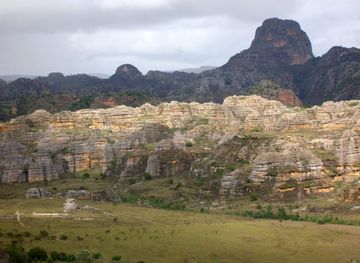


Your all‑in‑one travel companion app
Explore expert travel guides, compare and book tours, experiences, hotels, and more—all from the palm of your hand. Download now for seamless trip planning wherever your wanderlust takes you.


Explore More of Madagascar

Looking beyond Atsimo-Atsinanana? Discover Madagascar for broader travel guides, local hot-spots, and regional highlights.
Explore MadagascarAtsimo-Atsinanana in Photos
Browse through our photo collection highlighting the charm and character of the destination.


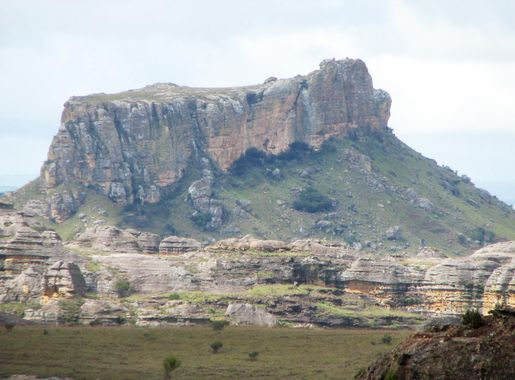


Atsimo-Atsinanana: Madagascar's Untouched Wilderness
Nestled in the southeastern region of Madagascar, Atsimo-Atsinanana is a hidden gem waiting to be discovered. This area is known for its lush rainforests, diverse wildlife, and pristine beaches. Unlike some of the more frequented parts of Madagascar, Atsimo-Atsinanana offers a more tranquil experience, allowing visitors to connect deeply with nature. The forests here are home to many unique species, including lemurs, chameleons, and various birds. For those interested in botany, the region boasts an array of endemic plant species. One of the highlights is the Andohahela National Park, where you can explore different types of ecosystems, from rainforests to dry forests. Atsimo-Atsinanana is also rich in cultural experiences. The local communities are known for their warm hospitality and vibrant traditions. Visitors can immerse themselves in the Malagasy way of life by participating in local festivals, tasting traditional cuisine, and exploring quaint villages. The coastal areas offer stunning beaches, perfect for relaxation or water activities like snorkeling and diving. Whether you're an adventure seeker, a nature lover, or someone looking to experience authentic Malagasy culture, Atsimo-Atsinanana has something to offer. Its unspoiled beauty and serene atmosphere make it a perfect escape from the hustle and bustle of urban life.