

Free Vatovavy Fitovinany Travel Guide & Mobile App
Explore Vatovavy Fitovinany with free travel guides. Discover regional history, expert tips, proposed trips, and audio guides on web or mobile app.


Explore Vatovavy Fitovinany in south-eastern Madagascar for rainforest-fringed waterways, coastal towns, Antemoro culture and slow-paced journeys.
Read more about Vatovavy Fitovinany
When is the best time to visit Vatovavy Fitovinany?
Best: June–August · 24°C| Month | High (°C) | Rainfall (mm) |
|---|---|---|
| January | 29 | 300 |
| February | 29 | 260 |
| March | 28 | 240 |
| April | 27 | 200 |
| May | 26 | 140 |
| June (best) | 24 | 80 |
| July (best) | 24 | 60 |
| August (best) | 24 | 70 |
| September | 25 | 110 |
| October | 27 | 160 |
| November | 28 | 220 |
| December | 29 | 280 |
Getting to and around Vatovavy Fitovinany
How to get there
Transportation
Top city travel guides in Vatovavy Fitovinany
The cities of Vatovavy Fitovinany, and the easiest places to base yourself.
-

-


Swipe for more cities
Destinations in Vatovavy Fitovinany
Resorts, valleys and scenic spots worth a trip of their own.

Swipe for more destinations
Best attractions in Vatovavy Fitovinany
The attractions of Vatovavy Fitovinany are rooted in landscape and living culture rather than a dense concentration of formal tourist sites. Manakara and Mananjary provide access to beaches, lagoons, rivers and sections of the Pangalanes waterway, where locally arranged boat journeys reveal fishing settlements, plantations and wetland scenery. Inland excursions lead through agricultural country shaped by rice, coffee, cloves, fruit and forest products, although road access can be slow and seasonal. Vohipeno is important for visitors seeking an introduction to Antemoro cultural traditions, while markets in the larger towns provide a practical window into regional trade and food. Walks around rural tracks and forest margins can offer birdwatching and botanical interest, but wildlife expectations should remain realistic and guides are strongly advisable. The region is not defined by large museums or heavily developed resorts; its appeal lies in seeing how waterways, farming, religion, craft traditions and coastal life remain interconnected. Visitors should allow time for conversation, weather changes and unhurried travel rather than treating the area as a collection of quick stops.
-
Tourist attraction
Ranomafana National Park
Discover the enchanting beauty of Ranomafana National Park, Madagascar's biodiversity hotspot, where nature and adventure await every traveler.
-
Garden
Ranomafana Arboretum
Discover the enchanting Ranomafana Arboretum, a botanical paradise showcasing Madagascar's unique flora amidst serene surroundings.
-
Thermal baths
Thermal Bath Ranomafana
Experience the healing powers of nature at Thermal Bath Ranomafana, a serene oasis in Madagascar's lush rainforest.
-
Hiking area
Ranomafana Soarano Trail
Experience the breathtaking beauty of the Ranomafana Soarano Trail, a premier hiking destination in Madagascar, rich in biodiversity and stunning landscapes.


Best landmarks in Vatovavy Fitovinany
The most recognisable landmarks of Vatovavy Fitovinany are associated with its coastal towns, waterways and cultural centres. Manakara’s position between the Indian Ocean and the Pangalanes Canal gives it a distinctive geographical identity, with bridges, canal crossings, river margins and maritime activity shaping the town’s visual character. Mananjary occupies a comparable coastal and riverine setting and is known as an important gateway to the southern part of the former region. The Pangalanes waterways themselves are a living infrastructural landmark rather than a single monument: linked lagoons, canals, landing places and boat traffic express the long relationship between the interior and the coast. Vohipeno is a significant cultural landmark for Antemoro heritage, although its importance is better understood through local history and guided interpretation than through monumental architecture alone. Beaches, river mouths, coconut-lined shorelines and forested hills complete the region’s physical identity. Many sites are working environments or culturally sensitive places, so photography, access and boat landings should be negotiated respectfully rather than assumed.
-
National park
Ranomafana National Park
Explore the lush rainforests and unique wildlife of Ranomafana National Park, Madagascar's natural paradise and UNESCO World Heritage site.
-
Water
Canal des Pangalanes
Discover the beauty and tranquility of Canal des Pangalanes in Manakara, Madagascar - a must-see for nature lovers and cultural explorers.
-
River
Faraony
Discover the serene beauty of Faraony River in Madagascar, a perfect blend of tranquility and adventure amidst lush landscapes.
-
 Waterfall
Sakaleona Falls
Explore the breathtaking Sakaleona Falls in Madagascar, a tranquil escape featuring cascading waters and lush greenery, perfect for nature lovers and adventurers alike.


Explore Vatovavy Fitovinany on the map
Plan your trip on one map. See where the top cities, national parks and sights are, and book hotels and experiences in a few clicks.
Best hotels in Vatovavy Fitovinany
Best restaurants in Vatovavy Fitovinany
Dining in Vatovavy Fitovinany is generally informal and closely connected to local markets, household agriculture and the coast. Rice is the everyday foundation of meals, often accompanied by romazava, a leafy meat or vegetable preparation, or ravitoto, pounded cassava leaves cooked with meat or other ingredients. Fish, prawns and other seafood are available in coastal towns, while coconut, banana, cassava, sweet potato and seasonal fruit are common in rural cooking. Coffee, cloves and other locally grown products reflect the agricultural character of the region, although availability varies with season. Manakara and Mananjary have the broadest choice of simple Malagasy restaurants, hotel dining rooms, cafés and takeaway stalls; smaller settlements offer fewer formal options and may require advance arrangements. Food in this part of Madagascar is usually more about freshness and local supply than elaborate presentation, and visitors should carry snacks when travelling between towns. Bottled or treated water is advisable, particularly in rural areas.
-
Hotel
Le Grenat Hotel and Restaurant
Experience comfort and local culture at Le Grenat Hotel & Restaurant - your gateway to Ranomafana's natural wonders.
-
Indoor lodging
Centrest Hotel Restaurant
Discover comfort and authentic Malagasy cuisine at Centrest Hotel Restaurant in beautiful Ranomafana.
-
Hotel
Hôtel Restaurant Vohitsoa
Experience authentic Malagasy hospitality at Hôtel Restaurant Vohitsoa in Antsirabe—your gateway to comfort and culture.
-
Restaurant
Tsienimparihy Lodge
Experience authentic Malagasy cuisine at Tsienimparihy Lodge in Ambalavao - where every dish tells a story.

Best bars in Vatovavy Fitovinany
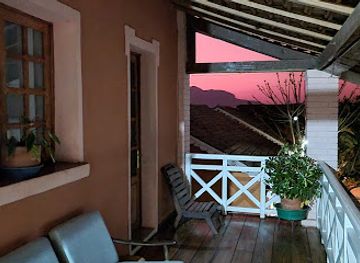
Evening life in the former Vatovavy Fitovinany region is modest and concentrated in Manakara, Mananjary and other larger settlements. Visitors will find hotel bars, small restaurants, beer sellers and traditional gatherings rather than a sustained nightclub circuit. Coastal towns may have occasional music, dancing or seasonal celebrations, but programmes and opening arrangements are changeable. Local rum and beer are widely available, while coffee and soft drinks provide non-alcoholic alternatives. In rural areas, darkness, limited electricity and long distances mean that evenings usually centre on accommodation, family life or a meal rather than public nightlife. Use sensible caution after dark, arrange transport in advance and follow local advice about where visitors are welcome. The most rewarding evening experiences may be informal: listening to music, observing a town’s night market where one operates, or talking with a guide about regional customs without treating alcohol consumption as the main cultural activity.
-
Restaurant
La Guinguette
Experience the vibrant culinary scene at La Guinguette in Manakara, where local flavors meet international cuisine in a welcoming atmosphere.
-
Restaurant
Buvette Sharon
Experience the flavors of Madagascar at Buvette Sharon, a must-visit restaurant in Manakara offering local and international dishes.
-
Restaurant
LE RENDEZ-VOUS
Discover the best of Malagasy cuisine at Le Rendez-Vous, the premier dining destination in Manakara, offering authentic flavors and a warm atmosphere.
-
Bar
Chez Paola
Experience the vibrant atmosphere and local flavors at Chez Paola, the perfect bar for relaxation and socializing in Manakara.


Best nightclubs in Vatovavy Fitovinany
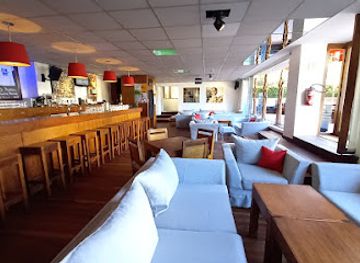
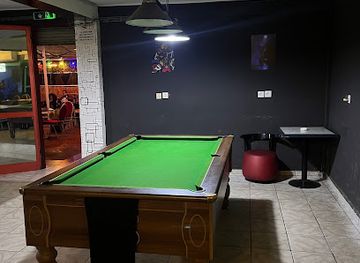
Evening life in the former Vatovavy Fitovinany region is modest and concentrated in Manakara, Mananjary and other larger settlements. Visitors will find hotel bars, small restaurants, beer sellers and traditional gatherings rather than a sustained nightclub circuit. Coastal towns may have occasional music, dancing or seasonal celebrations, but programmes and opening arrangements are changeable. Local rum and beer are widely available, while coffee and soft drinks provide non-alcoholic alternatives. In rural areas, darkness, limited electricity and long distances mean that evenings usually centre on accommodation, family life or a meal rather than public nightlife. Use sensible caution after dark, arrange transport in advance and follow local advice about where visitors are welcome. The most rewarding evening experiences may be informal: listening to music, observing a town’s night market where one operates, or talking with a guide about regional customs without treating alcohol consumption as the main cultural activity.
-
Night club
KUDéTA Urban Club
Discover the vibrant nightlife of Antananarivo at KUDéTA Urban Club, where live music and dancing come alive in a chic atmosphere.
-
Hotel
Hotel Parthenay Club
Experience the essence of Madagascar at Hotel Parthenay Club, where comfort meets local culture in the heart of Manakara.
-
Night club
Nirvana Night-club
Experience the vibrant nightlife of Antananarivo at Nirvana Night-club, where music, dancing, and unforgettable memories await.
-
Night club
Palmó Night-Club
Discover the vibrant nightlife of Antananarivo at Palmó Night-Club, where music, dance, and culture come together for an unforgettable experience.

Best shops in Vatovavy Fitovinany
Shopping in Vatovavy Fitovinany is centred on markets, small town high streets and locally produced goods rather than large retail centres. Manakara and Mananjary have the widest choice of food stalls, household goods, clothing, basic supplies and small independent shops, while rural markets follow local trading patterns and may be held on particular days. Visitors can look for coffee, cloves, vanilla where available, dried or fresh produce, woven items and handmade paper associated with south-eastern craft traditions. Antemoro paper is particularly meaningful when purchased through a reputable local maker or cooperative, and buyers should ask about its origin rather than assuming that every product labelled with a regional name was made locally. Bargaining may be customary in markets, but it should remain polite and proportionate. Packaged food, small textiles and practical crafts are usually easier to transport than fragile or untreated natural materials, and wildlife products should never be bought.
-
Spice store
MÍS Boutique Épices de Madagascar
Experience the vibrant flavors of Madagascar at MÍS Boutique Épices, where local spices and culinary heritage come alive.
-
Grocery store
Mananjary
Experience the authentic charm of Mananjary, Madagascar's coastal gem, where culture, nature, and community come together.
-
Grocery store
Vohiparara
Explore the vibrant local flavors and community spirit at Vohiparara, the heart of grocery shopping in Vorondolo.
-
Souvenir store
Fyara boutique de Souvenir
Discover authentic Malagasy souvenirs at Fyara Boutique de Souvenir, where local craftsmanship meets cultural heritage in every unique piece.


Get your free copy of our complete guide to Vatovavy Fitovinany, delivered straight to you.
Everything on this page, from attractions and restaurants to essentials and local phrases, in one PDF you can read offline, print or share.
Already have an account? Sign in
Your Vatovavy Fitovinany guide is ready.
We'll send it to · Not you? Sign out

Getting your guide ready…
We are putting together a fresh copy of the Vatovavy Fitovinany guide. This can take up to a minute.
This can take a few moments. If your browser asks, choose Allow so the download can start. You'll find the guide in your Downloads folder.
Nothing happened? Download it again
Sorry, the guide is taking longer than usual. Please try again in a minute, or get it by email instead.
Vatovavy Fitovinany essentials
Currency and Payment
Safety
Emergency Situations
Do's and Don'ts
Local Tips
From Eve
Local phrases worth knowing
You don't need to get them perfect. A few words go a long way, and locals appreciate the effort.
Basics
| English | Local | Say it |
|---|---|---|
| Hello | Salama | [sah-lah-mah] |
| Goodbye | Veloma | [veh-loo-mah] |
| Yes | Eny | [eh-nee] |
| No | Tsia | [tsee-ah] |
| Please/You're welcome | Azafady | [ah-zah-fah-dee] |
| Thank you | Misaotra | [mee-sah-oh-trah] |
| Excuse me/Sorry | Azafady | [ah-zah-fah-dee] |
| How are you? | Inona ny vaovao? | [ee-no-nah nee vah-vah-oo] |
| Fine. And you? | Tsara. Ary ianao? | [tsah-rah. ah-ree ee-nah-oo] |
| Do you speak English? | Miteny anglisy ve ianao? | [mee-teh-nee ahn-glee-see veh ee-nah-oo] |
| I don't understand | Tsy azoko | [tsee ah-zoo-koo] |
Eating & Drinking
| English | Local | Say it |
|---|---|---|
| I'd like to see the menu, please | Tiako ny hahita ny menu, azafady | [tee-ah-koo nee hah-hee-tah nee meh-noo, ah-zah-fah-dee] |
| I don't eat meat | Tsy mihinana hena aho | [tsee mee-hee-nah-nah heh-nah ah-hoo] |
| Cheers! | Mandraisa! | [mahn-drah-ee-sah] |
| I would like to pay, please | Tiako ny handoa, azafady | [tee-ah-koo nee hahn-doo-ah, ah-zah-fah-dee] |
Emergencies
| English | Local | Say it |
|---|---|---|
| Help! | Vonjeo! | [vohn-jeh-oh] |
| Go away! | Mandehana! | [mahn-deh-hah-nah] |
| Call the Police! | Antsoy ny Polisy! | [ahn-tsoh-ee nee poh-lee-see] |
| Call a doctor! | Antsoy dokotera! | [ahn-tsoh-ee doh-koh-teh-rah] |
| I'm lost | Very very! | [veh-ree veh-ree] |
| I'm ill | Marary aho | [mah-rah-ree ah-hoo] |
Shopping
| English | Local | Say it |
|---|---|---|
| I'd like to buy... | Tiako ny hividy... | [tee-ah-koo nee hee-vee-dee] |
| I'm just looking | Mijery fotsiny aho | [mee-jeh-ree foht-see-nee ah-hoo] |
| How much is it? | Ohatrinona izany? | [oo-hah-tree-noo-nah zah-nee] |
| That's too expensive | Lany be loatra io | [lah-nee beh loo-ah-trah ee-oh] |
| Can you lower the price? | Afaka manao vidiny ambany ve ianao? | [ah-fah-kah mah-nah-oh vee-dee-nee ahm-bah-nee veh ee-nah-oo] |
Time & Numbers
| English | Local | Say it |
|---|---|---|
| What time is it? | Manao ora firy? | [mah-nah-oh oh-rah fee-ree] |
| It's one o'clock | Tsy nisy ora iray | [tsee nee-see oh-rah ee-rah-ee] |
| Half past (10) | Amin'ny efatra sy sasany | [ah-meen-ee eh-fah-trah see sah-sah-nee] |
| Morning | Maraina | [mah-rye-nah] |
| Afternoon | Tohiny | [toh-hee-nee] |
| Evening | Hariva | [hah-ree-vah] |
| Yesterday | Omaly | [oh-mah-lee] |
| Today | Anio | [ah-nee-oh] |
| Tomorrow | Rahampitso | [rah-hahm-pee-tsoh] |
| 1 | Iray | [ee-rah-ee] |
| 2 | Roa | [roh-ah] |
| 3 | Telo | [teh-loo] |
| 4 | Efatra | [eh-fah-trah] |
| 5 | Dimy | [dee-mee] |
| 6 | Enina | [eh-nee-nah] |
| 7 | Fito | [fee-toh] |
| 8 | Valo | [vah-loo] |
| 9 | Sivy | [see-vee] |
| 10 | Folo | [foh-loo] |
Transport & Directions
| English | Local | Say it |
|---|---|---|
| Where's a/the...? | Aiza ny...? | [ah-ee-zah nee] |
| What's the address? | Inona ny adiresy? | [ee-no-nah nee ah-dee-reh-see] |
| Can you show me (on the map)? | Afaka mampiseho ahy (amin'ny sarintany)? | [ah-fah-kah mahn-pee-seh-ho ah-ee (ah-meen-ee sah-reen-tah-nee)] |
| When's the next (bus)? | Rahoviana ny (bus) manaraka? | [rah-hoh-vee-ah-nah nee (boos) mah-nah-rah-kah] |
| A ticket (to ....) | Tapakila (ho any....) | [tah-pah-kee-lah (hoo ah-nee)] |
History of Vatovavy Fitovinany
Early Austronesian and African Settlement
The cultural history of south-eastern Madagascar began with the movement of Austronesian-speaking seafarers across the Indian Ocean, followed by continuing connections with East Africa and other maritime communities. Rice cultivation, canoe technology, settlement patterns and elements of language reflect this long interaction. In Vatovavy Fitovinany, rivers, lagoons and the coast shaped movement and exchange, while forested inland areas supported smaller and more dispersed settlements. Archaeological knowledge for the region remains less accessible to visitors than its living traditions, but the wider south-east is important for understanding how Madagascar developed a society with both African and Austronesian foundations.
Antemoro Cultural and Religious Traditions
The Antemoro communities of the south-east developed influential traditions of Islamic learning, astrology, writing and hereditary religious authority. Vohipeno is widely regarded as an important centre of Antemoro identity and scholarship. Antemoro scribes historically produced texts on handmade paper, and learned specialists travelled beyond the coast, contributing to political and cultural life elsewhere in Madagascar. These traditions were not isolated from the wider island: they formed part of regional networks linking kinship, trade, religion and diplomacy. Visitors should understand that sacred manuscripts, tombs and ceremonies have cultural significance beyond their appearance as historic curiosities.
Coastal Trade and the Pangalanes Waterways
The waterways running along Madagascar’s eastern coast supported movement of people and goods long before modern roads became important. Rivers, lagoons and linked sections of the Pangalanes Canal connected settlements, plantations and fishing communities. During the nineteenth century, coastal trade involved rice, cattle, forest products and imported goods, with local authorities negotiating with merchants and foreign interests. The waterways later became important for colonial transport and remain part of the region’s economic landscape. Around Mananjary and Manakara, boats, wharves and canal-side settlements still reflect this enduring relationship between inland production and the coast.
French Colonial Rule and Plantation Agriculture
Madagascar became a French colony in 1896, bringing new administrative structures, taxation, roads and commercial land use to the south-east. French companies and settlers expanded the production and export of crops such as coffee, cloves and other tropical commodities, while local communities continued subsistence farming and fishing. Colonial development was uneven and often imposed through labour obligations and economic controls. The region’s later identity as a producer of coffee, spices and other agricultural goods is partly rooted in this period, although cultivation has always depended on local farmers as well as commercial enterprises.
The 1947 Uprising
The anti-colonial uprising that began in Madagascar in 1947 affected much of the eastern side of the island, including areas linked by the coastal corridor and inland routes of the south-east. The rebellion was met with severe French repression, resulting in large numbers of deaths, arrests and displacement. Its memory remains important in Madagascar’s struggle for independence and in discussions of colonial violence. The region’s forests, towns and transport routes formed part of the wider setting in which insurgency and military operations unfolded, although individual local experiences differed considerably between communities.
Independence and Regional Change
Madagascar regained independence in 1960, but the south-eastern coast continued to face difficult transport, limited infrastructure and vulnerability to cyclones and flooding. Manakara and Mananjary remained regional service centres, while agriculture, fisheries and small-scale trade supported much of the population. Improvements and setbacks in roads, schools, health services and communications have shaped the modern landscape. The region was long administered as Vatovavy-Fitovinany, but this large unit was later divided into Vatovavy and Fitovinany, with Mananjary and Manakara respectively serving as principal regional centres.
Contemporary Environmental and Cultural Pressures
Today the region’s future is closely tied to the condition of its forests, waterways and agricultural land. Population growth, fuelwood collection, changing rainfall, cyclones and pressure on natural resources affect both rural livelihoods and biodiversity. At the same time, Antemoro heritage, local crafts, food traditions and water-based travel offer opportunities for carefully managed cultural and nature tourism. The challenge is to create income without reducing living traditions or fragile environments to displays. Community knowledge and locally organised guiding are therefore especially important in understanding the region responsibly.
Vatovavy Fitovinany in Photos
Browse through our photo collection highlighting the charm and character of the destination.
Neighbouring regions of Vatovavy Fitovinany
The closest regions to Vatovavy Fitovinany, if you have time for more than one.
-

-

-
-

-


Swipe for more regions
Explore more

Explore more of Madagascar
Discover Madagascar: A unique island paradise with unparalleled wildlife, breathtaking landscapes, and a rich cultural heritage.
Explore Madagascar