

Free Amoron'i Mania Travel Guide & Mobile App
Explore Amoron'i Mania with free travel guides. Discover regional history, expert tips, proposed trips, and audio guides on web or mobile app.


Explore Amoron'i Mania for Ambositra's woodcraft, highland rice valleys, Zafimaniry culture and rewarding rural journeys through central Madagascar.
Read more about Amoron'i Mania
When is the best time to visit Amoron'i Mania?
Best: May, August–September · 17–20°C| Month | High (°C) | Rainfall (mm) |
|---|---|---|
| January | 23 | 220 |
| February | 23 | 190 |
| March | 23 | 160 |
| April | 21 | 100 |
| May (best) | 19 | 40 |
| June | 17 | 20 |
| July | 16 | 20 |
| August (best) | 17 | 20 |
| September (best) | 20 | 40 |
| October | 22 | 80 |
| November | 22 | 120 |
| December | 23 | 200 |
Getting to and around Amoron'i Mania
How to get there
Transportation
Top city travel guides in Amoron'i Mania
The cities of Amoron'i Mania, and the easiest places to base yourself.
-
-


Swipe for more cities
Destinations in Amoron'i Mania
Resorts, valleys and scenic spots worth a trip of their own.

Swipe for more destinations
Best attractions in Amoron'i Mania
Amoron'i Mania's attractions centre on highland landscapes, living craft traditions and encounters with rural communities rather than a dense concentration of formal tourist sites. Ambositra is the region's principal cultural base, with woodcarving workshops, market activity, churches and streets of highland houses providing an introduction to local life. The surrounding valleys offer walks through rice fields, brickmaking areas, cultivated hills and scattered settlements, best experienced with a guide who understands land access and local customs. Around Ambatofinandrahana, organised excursions can introduce visitors to Zafimaniry communities and their timber architecture, carved decoration and mountain environment. These visits require more planning than a conventional town tour, particularly because roads and footpaths can be difficult. The region also suits travellers interested in birdwatching, landscape photography and gentle rural trekking, although facilities are limited and wildlife should not be expected on demand. Market days are valuable for observing the movement of produce, livestock and household goods, while churches and historic highland buildings reveal the influence of Christianity and nineteenth-century urban development. Amoron'i Mania is best approached as a place of gradual discovery, where the agricultural landscape, craft economy and social geography are themselves the central visitor experience.
-
Hiking area
Pays Zafimaniry
Explore the breathtaking hiking trails and rich cultural heritage of Pays Zafimaniry in Madagascar, a perfect destination for nature lovers and adventure seekers.

Best landmarks in Amoron'i Mania
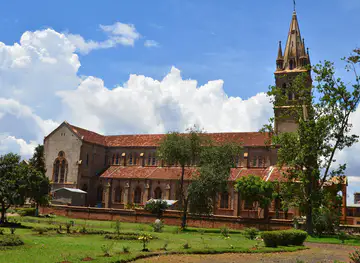
The strongest landmarks in Amoron'i Mania are closely tied to its highland settlements and craft traditions. Ambositra's churches, steep streets and brick-and-timber buildings form the region's most recognisable urban townscape, while its woodcarving workshops provide a visible expression of the area's artistic identity. In the Ambatofinandrahana district, Zafimaniry villages are notable for timber houses and geometric carved decoration adapted to a rugged upland environment; these are living communities, not open-air monuments, so visits should be arranged with permission and local mediation. Beyond built features, the terraced rice valleys and red-soil hills are defining geographical landmarks, showing how generations have transformed difficult terrain into productive farmland. Hilltop settlements, old church compounds and rural market spaces add further layers to the landscape, although their significance is often local and best explained by residents or guides. The region's landmarks are therefore less about monumental scale than about the relationship between architecture, agriculture, belief and craft. Respect for privacy, sacred places and working land is essential when viewing or photographing them.
-
National park
Isalo National Park
Discover the breathtaking landscapes and unique biodiversity of Isalo National Park, Madagascar's gem of natural wonders and adventure.
-
Nature preserve
Réserve spéciale d'Analamazoatra
Explore the stunning biodiversity of Réserve Spéciale d'Analamazoatra, a natural haven showcasing Madagascar's unique wildlife and lush landscapes.
-
Park
Lemurs Park
Explore Lemurs Park, a sanctuary in Madagascar where you can observe lemurs in their natural habitat and connect with unique wildlife.
-
National park
Ranomafana National Park
Explore the breathtaking Ranomafana National Park, a UNESCO World Heritage Site, rich in biodiversity and stunning natural beauty in Madagascar.


Explore Amoron'i Mania on the map
Plan your trip on one map. See where the top cities, national parks and sights are, and book hotels and experiences in a few clicks.
Best hotels in Amoron'i Mania
Best restaurants in Amoron'i Mania
Dining in Amoron'i Mania is generally straightforward and closely connected to highland agriculture. Rice is the foundation of most meals, accompanied by vegetables, beans, greens, chicken, beef or pork, while regional eateries and hotelys provide inexpensive dishes for travellers along the RN7. Ambositra has the broadest choice, ranging from small cafés and market stalls to modest restaurants attached to hotels and guesthouses. Look for soupy broths, rice-based plates, seasonal vegetables and snacks such as fried fritters, while fresh fruit varies with the season. Rural inns may offer meals if arranged in advance, but supplies and menus can be limited away from the main road. Local produce, including rice, potatoes, legumes and dairy products from the highlands, is more significant here than a specialised restaurant cuisine. Visitors should carry drinking water and avoid assuming that every establishment can accommodate unusual dietary requirements. Meals are often unhurried and practical, reflecting the region's role as an agricultural landscape rather than a restaurant destination.
-
Italian
Nerone Ristorante Italiano (Madagascar)
Experience the best of Italian cuisine in Antananarivo at Nerone Ristorante Italiano - where every dish tells a story.
-
Restaurant
Zandina
Experience authentic Malagasy cuisine at Zandina in Antsirabe—where every meal is a celebration of local flavors and hospitality.
-
 Hotel
Artisan Hotel
Discover cultural richness and comfort at Artisan Hotel in Ambositra - your gateway to Madagascar's artisan treasures.
-
Restaurant
Chez Jenny
Discover authentic Malagasy flavors at Chez Jenny, a top-rated restaurant in Antsirabe offering delightful dishes in a warm atmosphere.


Best bars in Amoron'i Mania
Nightlife in Amoron'i Mania is quiet and concentrated mainly in Ambositra. Evening social life revolves around hotel restaurants, small cafés, modest bars and local gathering places rather than a formal club circuit. Some venues may play Malagasy music, and occasional live performances or celebrations can bring more activity to town, but schedules are changeable and should be confirmed locally. Along rural stretches of the RN7, guesthouse dining rooms and traditional inns are the principal options after dark. Alcohol is available in some establishments, including locally produced beer and spirits, but it is not necessary to participate in the region's evening culture. Because roads are poorly lit and transport becomes scarce outside town, return to accommodation before travelling late, particularly after visiting a rural venue. The most rewarding evenings may involve conversation over a meal, music at a community event or an early-night walk through the cooler highland air rather than nightclub entertainment.
-
Bar
Le Point d'Exclamation Lounge Bar
Experience the vibrant nightlife of Antananarivo at Le Point d'Exclamation Lounge Bar, featuring cocktails, dancing, and delicious pizza in a lively setting.
-
Restaurant
L'Oasis
Experience the culinary delights of L'Oasis in Ambositra, where exquisite pastries and diverse dining options await in a warm, inviting atmosphere.
-
Bar
Hôtel Restaurant LE MIAMIAM GLOUGLOU
Discover the perfect blend of comfort and local flavors at Hôtel Restaurant LE MIAMIAM GLOUGLOU in Madagascar.
-
Bar
Old 7 bar
Experience the vibrant nightlife of Antananarivo at Old 7 Bar, a local gem that offers drinks, music, and a taste of Malagasy culture.


Best nightclubs in Amoron'i Mania
Nightlife in Amoron'i Mania is quiet and concentrated mainly in Ambositra. Evening social life revolves around hotel restaurants, small cafés, modest bars and local gathering places rather than a formal club circuit. Some venues may play Malagasy music, and occasional live performances or celebrations can bring more activity to town, but schedules are changeable and should be confirmed locally. Along rural stretches of the RN7, guesthouse dining rooms and traditional inns are the principal options after dark. Alcohol is available in some establishments, including locally produced beer and spirits, but it is not necessary to participate in the region's evening culture. Because roads are poorly lit and transport becomes scarce outside town, return to accommodation before travelling late, particularly after visiting a rural venue. The most rewarding evenings may involve conversation over a meal, music at a community event or an early-night walk through the cooler highland air rather than nightclub entertainment.
-
Night club
KUDéTA Urban Club
Experience the vibrant nightlife at KUDéTA Urban Club in Antananarivo, where live music and dancing create unforgettable memories.
-
Bar
Le Point d'Exclamation Lounge Bar
Discover the vibrant nightlife and exquisite cocktail selection at Le Point d'Exclamation Lounge Bar in Antananarivo, Madagascar.
-
Night club
Nirvana Night-club
Dive into the vibrant nightlife of Antananarivo at Nirvana Night-club, where electrifying music and a lively atmosphere await you.
-
Workers' club
RED.Night.tana
Discover the vibrant nightlife of Antananarivo at RED.Night.tana, where local culture and entertainment come alive in a lively Workers' club atmosphere.


Best shops in Amoron'i Mania
Shopping in Amoron'i Mania is led by Ambositra's woodcraft. Workshops and small outlets sell carved panels, boxes, furniture, utensils and decorative objects, with quality and provenance varying considerably between sellers. Ask how an item was made and what timber was used, and favour pieces that can be transported legally and responsibly; large furniture may require complex shipping arrangements. The town market is more useful for everyday Malagasy goods, woven articles, clothing, baskets, produce and snacks than for polished souvenirs. Visitors may also find locally made textiles, household objects and small craft items in surrounding market towns, although selection is seasonal and limited. Bargaining is common in informal markets but should remain courteous and proportionate, especially when buying directly from individual makers. Keep cash in smaller denominations and pack fragile purchases carefully. The most meaningful regional purchases are usually modest, well-documented craft objects that support artisans without encouraging the removal of culturally important or environmentally sensitive materials.
-
Art gallery
Lisy Art Gallery
Explore the vibrant world of Malagasy art at Lisy Art Gallery in Antananarivo, where creativity and culture come alive.
-
Shopping mall
Akoor Digue
Discover the vibrant Akoor Digue Shopping Mall in Antananarivo, a hub for shopping, dining, and cultural experiences in Madagascar.
-
Shopping mall
Tana Water Front
Explore Tana Water Front: Antananarivo's premier shopping mall blending local culture with modern retail and dining experiences.
-
Shopping mall
Digue Market
Explore the vibrant Digue Market in Antananarivo for a unique shopping experience filled with local culture, crafts, and delicious Malagasy cuisine.


Get your free copy of our complete guide to Amoron'i Mania, delivered straight to you.
Everything on this page, from attractions and restaurants to essentials and local phrases, in one PDF you can read offline, print or share.
Already have an account? Sign in
Your Amoron'i Mania guide is ready.
We'll send it to · Not you? Sign out

Getting your guide ready…
We are putting together a fresh copy of the Amoron'i Mania guide. This can take up to a minute.
This can take a few moments. If your browser asks, choose Allow so the download can start. You'll find the guide in your Downloads folder.
Nothing happened? Download it again
Sorry, the guide is taking longer than usual. Please try again in a minute, or get it by email instead.
Amoron'i Mania essentials
Currency and Payment
Safety
Emergency Situations
Do's and Don'ts
Local Tips
From Eve
Local phrases worth knowing
You don't need to get them perfect. A few words go a long way, and locals appreciate the effort.
Basics
| English | Local | Say it |
|---|---|---|
| Hello | Salama | [sah-lah-mah] |
| Goodbye | Veloma | [veh-loo-mah] |
| Yes | Eny | [eh-nee] |
| No | Tsia | [tsee-ah] |
| Please/You're welcome | Azafady | [ah-zah-fah-dee] |
| Thank you | Misaotra | [mee-sah-oh-trah] |
| Excuse me/Sorry | Azafady | [ah-zah-fah-dee] |
| How are you? | Inona ny vaovao? | [ee-noo-nah nee vah-vah-oo] |
| Fine. And you? | Tsara. Ary ianao? | [tsah-rah. ah-ree ee-nah-oo] |
| Do you speak English? | Miteny anglisy ve ianao? | [mee-teh-nee ahn-glee-see veh ee-nah-oo] |
| I don't understand | Tsy azoko | [tsee ah-zoo-koo] |
Eating & Drinking
| English | Local | Say it |
|---|---|---|
| I'd like to see the menu, please | Te-hahazo ny menio aho, azafady | [teh-hah-zoo nee meh-nee-oh ah-hoo, ah-zah-fah-dee] |
| I don't eat meat | Tsy mihinana hena aho | [tsee mee-hee-nah-nah heh-nah ah-hoo] |
| Cheers! | Salama! | [sah-lah-mah] |
| I would like to pay, please | Te-hahazo mandoa aho, azafady | [teh-hah-zoo mahn-doo-ah ah-hoo, ah-zah-fah-dee] |
Emergencies
| English | Local | Say it |
|---|---|---|
| Help! | Vonjeo! | [vohn-jay-oh] |
| Go away! | Mandehana! | [mahn-day-hah-nah] |
| Call the Police! | Antsoy ny Polisy! | [ahn-tsoh-ee nee poh-lee-see] |
| Call a doctor! | Antsoy dokotera! | [ahn-tsoh-ee doh-koh-teh-rah] |
| I'm lost | Very very | [veh-ree veh-ree] |
| I'm ill | Marary aho | [mah-rah-ree ah-hoo] |
Shopping
| English | Local | Say it |
|---|---|---|
| I'd like to buy... | Te-hividy... | [teh-hee-vee-dee] |
| I'm just looking | Mijery fotsiny aho | [mee-jeh-ree foht-see-nee ah-hoo] |
| How much is it? | Ohatrinona izany? | [oo-hah-tree-noo-nah zah-nee] |
| That's too expensive | Lafo loatra izany | [lah-foo loo-ah-trah zah-nee] |
| Can you lower the price? | Afaka mampihena ny vidiny ve ianao? | [ah-fah-kah mahm-pee-hay-nah nee vee-dee-nee veh ee-nah-oo] |
Time & Numbers
| English | Local | Say it |
|---|---|---|
| What time is it? | Inona ny ora? | [ee-noo-nah nee oh-rah] |
| It's one o'clock | Tsy ora iray | [ts-ee oh-rah ee-rah-ee] |
| Half past (10) | Atoandro iray sy sasany | [ah-too-ahn-droo ee-rah-ee see sah-sah-nee] |
| Morning | Maraina | [mah-rye-nah] |
| Afternoon | Tohivolana | [toh-ee-voh-lah-nah] |
| Evening | Hariva | [hah-ree-vah] |
| Yesterday | Omaly | [oo-mah-lee] |
| Today | Anio | [ah-nee-oh] |
| Tomorrow | Rahampitso | [rah-hahm-pee-tso] |
| 1 | Iray | [ee-rah-ee] |
| 2 | Roa | [roo-ah] |
| 3 | Telo | [teh-loo] |
| 4 | Efatra | [eh-fah-trah] |
| 5 | Dimy | [dee-mee] |
| 6 | Enina | [eh-nee-nah] |
| 7 | Fito | [fee-toh] |
| 8 | Valo | [vah-loo] |
| 9 | Sivy | [see-vee] |
| 10 | Folo | [foh-loo] |
Transport & Directions
| English | Local | Say it |
|---|---|---|
| Where's a/the...? | Aiza ny...? | [ah-ee-zah nee] |
| What's the address? | Inona ny adiresy? | [ee-noo-nah nee ah-dee-reh-see] |
| Can you show me (on the map)? | Afaka mampiseho ahy (amin'ny sarintany)? | [ah-fah-kah mahm-pee-seh-ho ah-ee (ah-min-nee sah-rin-tah-nee)] |
| When's the next (bus)? | Rahoviana ny bus manaraka? | [rah-oh-vee-ah-nah nee boos mah-nah-rah-kah] |
| A ticket (to ....) | Taratasy (ho any ....) | [tah-rah-tah-see (ho ah-nee)] |
History of Amoron'i Mania
Early Highland Settlement and Rice Cultivation
The central highlands of Madagascar were shaped over centuries by settlement, terracing and rice cultivation. Communities adapted steep valleys and upland basins for agriculture, creating the patterned fields that remain central to Amoron'i Mania's appearance. Rice became more than a staple crop: it structured labour, seasonal movement, social obligations and household wealth. Archaeological evidence and oral traditions indicate long processes of settlement and political change rather than a single founding event, while local communities developed distinctive building, farming and craft practices suited to the plateau.
Betsileo Kingdoms and Regional Communities
Much of present-day Amoron'i Mania lies within the wider cultural world of the Betsileo, whose communities developed several chiefly polities in the southern central highlands. Political authority was expressed through fortified hill settlements, rice-growing territories, kinship networks and relationships between local rulers and farming communities. The region was not a uniform kingdom, and local histories differ from one district to another. Remnants of elevated settlements, oral histories and patterns of land use continue to reflect this period of regional state formation.
Merina Expansion in the Central Highlands
During the nineteenth century, the expanding Merina state from the central highlands extended political influence southwards into Betsileo territories. This process altered systems of taxation, administration, military control and trade, while local elites and communities responded in different ways. The highland routes linking the capital area with southern Madagascar became increasingly important. The resulting political and cultural connections help explain why Amoron'i Mania shares features with the broader highland world while retaining a strong Betsileo identity.
Christian Missions and Highland Towns
Christian missions became influential in the highlands during the nineteenth century, alongside the growing authority of the Merina monarchy and later colonial administration. Churches, schools and mission networks changed education, architecture and public life in towns such as Ambositra. Christianity became deeply established in the region, though it developed alongside older social practices and local beliefs rather than simply replacing them. Church buildings and religious institutions remain prominent features of the built landscape and community life.
French Colonial Rule and the RN7 Corridor
Madagascar became a French colony in 1896, bringing new administrative structures, taxation, labour demands and infrastructure projects to the central highlands. Roads and later transport links strengthened connections between Antananarivo and the southern plateau, helping towns such as Ambositra develop as commercial and administrative centres. Colonial rule also redirected production and trade while placing pressure on local communities. The modern road corridor through the region continues to influence where visitors stay, how goods move and which settlements function as service centres.
Woodcarving, Zafimaniry Heritage and Cultural Recognition
Woodworking has long been important in the highlands, but the finely carved architecture and household objects associated with Zafimaniry communities have brought particular attention to the area around Ambatofinandrahana. Zafimaniry knowledge of timber selection, construction and geometric ornament is transmitted through family and community practice. UNESCO inscribed the Woodcrafting Knowledge of the Zafimaniry on its Representative List of the Intangible Cultural Heritage of Humanity in 2008. The recognition highlights living knowledge, not a frozen museum tradition, and makes respectful, locally mediated visits especially important.
Post-Independence Rural Change
Since Madagascar gained independence in 1960, Amoron'i Mania has remained predominantly rural, with agriculture, livestock, craft production and regional commerce underpinning the economy. Population growth, pressure on land, road conditions, changing markets and periodic environmental stress have influenced how households combine farming with other work. Ambositra has expanded as a service and trading centre, while remote communities continue to face limited access to transport and public services. Contemporary travel therefore reveals both enduring highland practices and the practical challenges of rural development.
Amoron'i Mania in Photos
Browse through our photo collection highlighting the charm and character of the destination.
Neighbouring regions of Amoron'i Mania
The closest regions to Amoron'i Mania, if you have time for more than one.
-
-

-

-

-


Swipe for more regions
Explore more

Explore more of Madagascar
Discover Madagascar: A unique island paradise with unparalleled wildlife, breathtaking landscapes, and a rich cultural heritage.
Explore Madagascar