

Free Salima Lakeshore Travel Guide & Mobile App
Explore Salima Lakeshore with free travel guides. Discover regional history, expert tips, proposed trips, and audio guides on web or mobile app.


Explore Salima Lakeshore in Malawi for sandy bays, freshwater activities, village life, wildlife and quiet views across Lake Malawi.
Read more about Salima Lakeshore
When is the best time to visit Salima Lakeshore?
Best: June–August · 25–26°C| Month | High (°C) | Rainfall (mm) |
|---|---|---|
| January | 30 | 221 |
| February | 30 | 200 |
| March | 29 | 170 |
| April | 29 | 95 |
| May | 26 | 40 |
| June (best) | 25 | 15 |
| July (best) | 25 | 15 |
| August (best) | 26 | 20 |
| September | 28 | 41 |
| October | 29 | 70 |
| November | 30 | 120 |
| December | 30 | 171 |
Getting to and around Salima Lakeshore
How to get there
Transportation
Top city travel guides in Salima Lakeshore
The cities of Salima Lakeshore, and the easiest places to base yourself.

Swipe for more cities
Best attractions in Salima Lakeshore
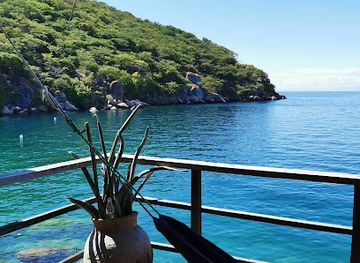
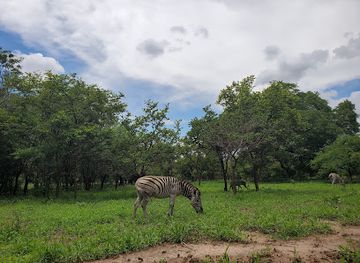
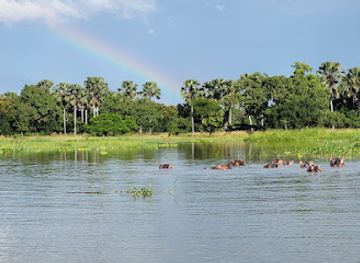
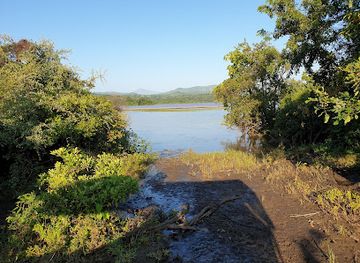
The main attraction of Salima Lakeshore is Lake Malawi itself: broad sandy beaches, changing light, freshwater swimming in suitable conditions and locally arranged outings by boat, kayak or paddleboard. Senga Bay is the most established visitor area, while quieter stretches of shore offer a more rural setting and opportunities to observe fishing boats and birdlife. Water activities depend on weather, equipment and local safety advice, and visitors should not assume that every beach has lifeguards or formal facilities. Inland, Kuti Wildlife Reserve provides a contrasting experience of grassland, woodland and wetland habitats, with guided game drives or walks and the possibility of seeing giraffe, zebra, antelope and numerous birds. Salima town adds markets, everyday commerce and a useful regional perspective rather than a concentrated collection of monuments. The wider district is also suited to scenic drives, informal village encounters arranged with local consent and quiet time beside the lake. The attraction landscape is therefore low-key and nature-led, combining freshwater recreation, working shoreline communities, small-scale tourism and accessible wildlife experiences rather than large entertainment complexes or dense resort development.
-
Lodge
Mumbo Island
Experience the serene beauty of Mumbo Island, a family-friendly eco-lodge in Lake Malawi offering stunning landscapes and vibrant wildlife.
-
Wildlife park
Kuti Wildlife Reserve
Experience the thrill of the wild at Kuti Wildlife Reserve - a natural sanctuary for wildlife lovers in Malawi.
-
Tourist attraction
Kuti Wildlife Reserve Main Gate
Explore Kuti Wildlife Reserve Main Gate, Malawi's premier wildlife refuge offering breathtaking landscapes and unforgettable animal encounters.
-
Tourist attraction
Malawi
Experience the serene beauty and vibrant culture of Lake Salima, a must-visit destination for travelers in Malawi seeking relaxation and adventure.

Best landmarks in Salima Lakeshore
The defining landmark of Salima Lakeshore is the meeting of Senga Bay’s sandy shore with the wide expanse of Lake Malawi, whose opposite horizon and changing colours give the area its visual identity. Fishing landing points, wooden boats and lakeside communities are not monuments, but they are important working features of the cultural landscape and should be observed respectfully. The surrounding Senga hills and inland rises provide a changing backdrop as roads approach the water, contrasting with the open lake and low beach vegetation. Salima town’s civic and commercial centre is a regional landmark in a practical sense, marking the connection between the lakeshore, agricultural hinterland and routes towards central Malawi. Kuti Wildlife Reserve is better understood as a conservation landscape than an architectural landmark, yet its protected grasslands and woodland represent an important local counterpoint to the lake. Together these places express Salima’s character: a freshwater coast shaped by transport, fishing, rural settlement, recreation and conservation rather than by a dense concentration of historic buildings.
-
Hotel
Sigelege Beach Resort
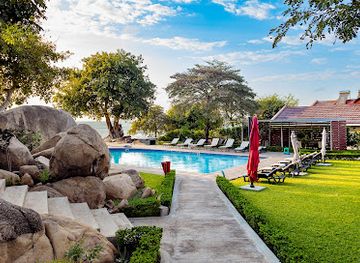
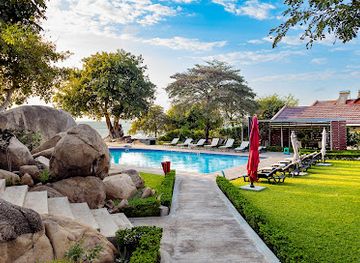
Discover the beauty and tranquility of Sigelege Beach Resort, your perfect getaway on the shores of Lake Malawi.
-
National park
Liwonde National Park
Explore the stunning and diverse wildlife of Liwonde National Park in Malawi, a true gem for nature lovers and adventure seekers alike.
-
 Lodge
LodgeBlue Zebra Island Lodge
Discover the serene beauty and luxury of Blue Zebra Island Lodge on Nankoma Island, your ultimate escape in Malawi.
-
Tourist attraction
Majete Wildlife Reserve
Discover the wonders of Majete Wildlife Reserve, Malawi's premier destination for wildlife enthusiasts and nature lovers amidst breathtaking landscapes.
Explore Salima Lakeshore on the map
Plan your trip on one map. See where the top cities, national parks and sights are, and book hotels and experiences in a few clicks.
Best hotels in Salima Lakeshore
Best restaurants in Salima Lakeshore
Dining around Salima Lakeshore is generally informal, with accommodation restaurants, small local eateries and roadside food sellers providing the main choices. Freshwater fish is an important part of the lakeside food culture, with chambo, usipa and other locally available species appearing when supplies permit; preparation varies from grilled or fried fish to dishes served with nsima, Malawi’s maize staple. Rice, beans, leafy vegetables, chicken and chips are also common, while fruit and simple breakfasts are widely available in visitor-oriented accommodation. Salima town offers a broader selection of everyday Malawian food than the more dispersed beaches, so it is sensible to buy snacks and basic provisions before travelling to a quieter shoreline. Menus and supplies can be seasonal, and imported products may be limited. Visitors should favour clean, well-established food outlets, carry drinking water and ask about ingredients when dietary restrictions matter. Local markets are useful for fruit and packaged supplies, though they are not usually set up as formal international food halls.
-
Restaurant
ZATHU Cape Community Kitchen & Bar
Discover culinary delights at ZATHU Cape Community Kitchen & Bar in stunning Cape Maclear – where local flavors meet breathtaking lake views.
-
Restaurant
Kambiri Beach By Serendib
Discover delightful dining and stunning views at Kambiri Beach By Serendib in Senga Bay - a true lakeside gem.
-
Restaurant
Oceana Cuisine
Experience exquisite local cuisine with stunning lakeside views at Oceana Cuisine - your perfect dining destination on Lake Malawi.
-
Restaurant
Kips' Express
Discover the vibrant flavors of Malawi at Kips' Express - a must-visit restaurant in Salima offering local delicacies and international favorites.


Best bars in Salima Lakeshore
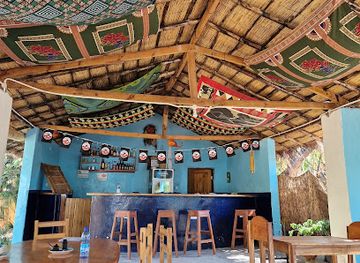
Evening life at Salima Lakeshore centres on relaxed accommodation bars, locally used drinking places and restaurants rather than a substantial nightclub scene. Around Senga Bay, visitors may find drinks, music and conversation in waterfront or resort settings, but facilities and closing arrangements vary and should be confirmed locally. In Salima town, evening activity is more closely tied to ordinary local commerce and socialising than to a dedicated entertainment district. Beer and soft drinks are widely available, while Malawi’s gin-based drinks and locally produced spirits may appear on some menus; alcohol is not necessary to enjoy the lakeshore. After dark, use transport arranged through accommodation, keep valuables secure and avoid isolated beaches. Seasonal or one-off music events may occur, but they should be treated as temporary rather than assumed features of the destination.
-
Hotel
Blue Waters Lake Resort by Serendib
Discover tranquility and adventure at Blue Waters Lake Resort by Serendib, a lakeside retreat offering stunning views and delightful dining.
-
Lodge
Wheelhouse Marina
Experience the serene beauty of Wheelhouse Marina in Senga Bay, Malawi, where adventure meets relaxation amidst breathtaking lakeside views.
-
Restaurant
Kips' Express
Discover the authentic flavors of Malawi at Kips' Express in Salima, where local cuisine meets warm hospitality.
-
Cafe
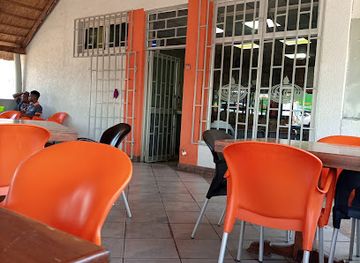
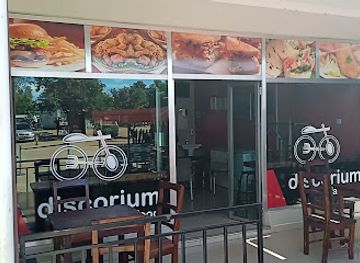
Discorium fast food
Discover the flavors of Malawi at Discorium Fast Food, a vibrant cafe in Salima offering delicious local cuisine in a casual setting.
Best nightclubs in Salima Lakeshore
Evening life at Salima Lakeshore centres on relaxed accommodation bars, locally used drinking places and restaurants rather than a substantial nightclub scene. Around Senga Bay, visitors may find drinks, music and conversation in waterfront or resort settings, but facilities and closing arrangements vary and should be confirmed locally. In Salima town, evening activity is more closely tied to ordinary local commerce and socialising than to a dedicated entertainment district. Beer and soft drinks are widely available, while Malawi’s gin-based drinks and locally produced spirits may appear on some menus; alcohol is not necessary to enjoy the lakeshore. After dark, use transport arranged through accommodation, keep valuables secure and avoid isolated beaches. Seasonal or one-off music events may occur, but they should be treated as temporary rather than assumed features of the destination.
-
Hotel
Sunbird Livingstonia Beach Hotel
Experience the serene beauty and vibrant culture of Malawi at Sunbird Livingstonia Beach Hotel, your ultimate lakeside retreat.
-
Wildlife park
Kuti Wildlife Reserve
Discover the captivating wildlife and serene landscapes of Kuti Wildlife Reserve, a true gem for eco-tourists in Malawi.
-
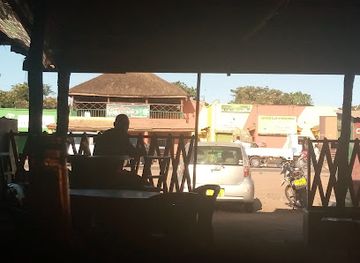
Night club
Culture Club International Salima
Discover the vibrant nightlife of Salima at Culture Club International, where music and dance come alive until dawn.
-
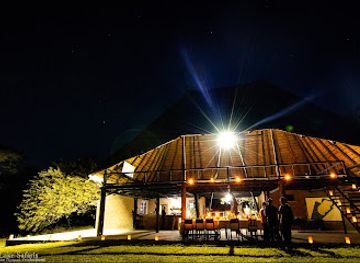
Night club
Riverside Bar & Lodge
Discover the vibrant nightlife at Riverside Bar & Lodge in Salima, where music, dance, and delicious drinks create unforgettable memories.
Best shops in Salima Lakeshore
Shopping in Salima Lakeshore is practical and locally oriented. Senga Bay has small shops and stalls for drinks, snacks, basic toiletries and beach necessities, while Salima town provides a wider range of everyday goods and is the better place to stock up before visiting quieter lakeside areas. Local markets may sell seasonal fruit, vegetables, fish and household products, and visitors should ask before photographing vendors or displays. Craft items can include woven products, woodwork, baskets and locally made souvenirs, although selection and quality vary between sellers. Malawi-branded tea, coffee and packaged foods may be suitable gifts when purchased from reputable shops, but visitors should check customs restrictions when taking plant or animal products abroad. Bargaining can be part of informal market shopping, but it should remain courteous and proportionate. The area is not a major designer-shopping destination; its appeal lies in small-scale commerce, market produce and objects connected with everyday life around the lake.
-
Hotel
Sigelege Beach Resort
Experience tranquility and beauty at Sigelege Beach Resort, a premier destination on the stunning shores of Senga Bay, Malawi.
-
Hotel
Sunbird Livingstonia Beach Hotel
Experience the serene beauty of Lake Malawi at Sunbird Livingstonia Beach Hotel, where comfort meets adventure in a tropical paradise.
-
Hotel
Blue Waters Lake Resort by Serendib
Experience the perfect blend of relaxation and adventure at Blue Waters Lake Resort, your gateway to Lake Malawi's stunning beauty.
-
Shopping mall
The Gateway Mall
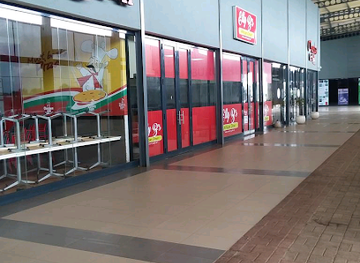
Discover the vibrant shopping experience at The Gateway Mall in Lilongwe, where local culture meets international brands and delicious dining.
Get your free copy of our complete guide to Salima Lakeshore, delivered straight to you.
Everything on this page, from attractions and restaurants to essentials and local phrases, in one PDF you can read offline, print or share.
Already have an account? Sign in
Your Salima Lakeshore guide is ready.
We'll send it to · Not you? Sign out

Getting your guide ready…
We are putting together a fresh copy of the Salima Lakeshore guide. This can take up to a minute.
This can take a few moments. If your browser asks, choose Allow so the download can start. You'll find the guide in your Downloads folder.
Nothing happened? Download it again
Sorry, the guide is taking longer than usual. Please try again in a minute, or get it by email instead.
Salima Lakeshore essentials
Currency and Payment
Safety
Emergency Situations
Do's and Don'ts
Local Tips
From Eve
Local phrases worth knowing
You don't need to get them perfect. A few words go a long way, and locals appreciate the effort.
Basics
| English | Local | Say it |
|---|---|---|
| Hello | Moni | [moh-nee] |
| Goodbye | Tsalani bwino | [tsah-lah-nee bwee-noh] |
| Yes | Inde | [een-deh] |
| No | Ayi | [ah-yee] |
| Please/You’re welcome | Chonde | [chon-deh] |
| Thank you | Zikomo | [zee-koh-moh] |
| Excuse me/Sorry | Pepani | [peh-pah-nee] |
| How are you? | Muli bwanji? | [moo-lee bwan-jee] |
| Fine. And you? | Ndili bwino. Inu? | [ndee-lee bwee-noh. ee-noo?] |
| Do you speak English? | Mukufuna kuwerenga Chingerezi? | [moo-koo-funa koo-weh-ren-gah cheen-geh-reh-zee] |
| I don't understand | Sindikumva | [seen-dee-koo-mvah] |
Eating & Drinking
| English | Local | Say it |
|---|---|---|
| I’d like to see the menu, please | Ndingafune kuona menyu, chonde | [neen-gee-fu-neh koo-oh-nah men-yoo, chon-deh] |
| I don't eat meat | Sindidya nyama | [seen-dee-jah nyah-mah] |
| Cheers! | Muli bwanji! | [moo-lee bwan-jee] |
| I would like to pay, please | Ndingafune kulipira, chonde | [neen-gee-fu-neh koo-lee-pee-rah, chon-deh] |
Emergencies
| English | Local | Say it |
|---|---|---|
| Help! | Thandizani! | [than-dee-zah-nee] |
| Go away! | Choka! | [cho-kah] |
| Call the Police! | Fufuzani polisi! | [foo-foo-zah-nee poh-lee-see] |
| Call a doctor! | Fufuzani dokotala! | [foo-foo-zah-nee doh-koh-tah-lah] |
| I’m lost | Ndakhalapo | [ndah-khah-lah-poh] |
| I’m ill | Ndine wosauka | [ndee-neh woh-sow-kah] |
Shopping
| English | Local | Say it |
|---|---|---|
| I’d like to buy... | Ndingafune kugula... | [neen-gee-fu-neh koo-goo-lah...] |
| I’m just looking | Ndikungowona chete | [ndee-koong-oh-won-ah cheh-teh] |
| How much is it? | Ndi ndalama zingati? | [ndee ndah-lah-mah zing-gah-tee?] |
| That’s too expensive | Izi ndizovuta mtengo | [ee-zee ndee-zoh-voo-tah mteng-oh] |
| Can you lower the price? | Mungathe kuthetsa mtengo? | [moon-gah-theh koo-thet-sah mteng-oh?] |
Time & Numbers
| English | Local | Say it |
|---|---|---|
| What time is it? | Ndi nthawi yanji? | [ndee nthah-whee yah-ngee?] |
| It’s one o'clock | Ndi saizi imodzi | [ndee sah-ee-zee ee-moh-dzee] |
| Half past (10) | Ndi hafu ya (10) | [ndee hah-foo yah (10)] |
| Morning | M'mawa | [mm-ah-wah] |
| Afternoon | Masana | [mah-sah-nah] |
| Evening | Madzulo | [mah-dzoo-loh] |
| Yesterday | Kale | [kah-leh] |
| Today | Lero | [leh-roh] |
| Tomorrow | M'mawa | [mm-ah-wah] |
| 1 | Chimodzi | [chee-moh-dzee] |
| 2 | Chiwiri | [chee-wee-ree] |
| 3 | Chitatu | [chee-tah-too] |
| 4 | Chinayi | [chee-nah-yee] |
| 5 | Chitano | [chee-tah-noh] |
| 6 | Chisanu | [chee-sah-noo] |
| 7 | Chisanu ndi chimodzi | [chee-sah-noo nd-ee chee-moh-dzee] |
| 8 | Chisanu ndi chiwiri | [chee-sah-noo nd-ee chee-wee-ree] |
| 9 | Chisanu ndi chitatu | [chee-sah-noo nd-ee chee-tah-too] |
| 10 | Chisanu ndi chinayi | [chee-sah-noo nd-ee chee-nah-yee] |
Transport & Directions
| English | Local | Say it |
|---|---|---|
| Where's a/the...? | Kodi pa ... pali kuti? | [koh-dee pah ... pah-lee koo-tee?] |
| What’s the address? | Ndi adiresi yanji? | [ndee ah-dee-reh-see yah-ngee?] |
| Can you show me (on the map)? | Mungandionetse (pa chithunzi)? | [moon-gahn-dee-oh-neh-tseh (pah chee-thoon-zee)?] |
| When’s the next (bus)? | Ndi liti basi ikubwera? | [ndee lee-tee bah-see ee-koo-bweh-rah?] |
| A ticket (to ....) | Tikiti (ku ...) | [tee-kee-tee (koo ...)] |
History of Salima Lakeshore
Early settlement and Iron Age communities
The Salima area has long been occupied by farming and fishing communities whose livelihoods were shaped by the lake, seasonal wetlands and surrounding plateau. Iron Age settlement across central Malawi introduced technologies and social patterns that continued to develop over many centuries. Archaeological evidence in the wider region points to changing farming practices, pottery traditions and ironworking, although the visible landscape today is more strongly defined by living villages, cultivated land and fishing beaches than by monumental ruins.
Chewa society and the Maravi past
Salima lies within a central Malawian cultural landscape strongly associated with Chewa communities and the historical Maravi states. Political authority, agriculture, trade and ritual life developed through interconnected settlements rather than a single urban centre. The Chewa language and cultural traditions remain important in the district, alongside other Malawian identities. Visitors may encounter elements of this heritage through local languages, foodways, farming patterns and community life, but these should be understood as living culture rather than as a museum display.
Lake trade and nineteenth-century disruption
Lake Malawi was a major route for movement and exchange before the colonial period, carrying fish, agricultural goods and people between lakeside settlements and inland markets. During the nineteenth century, long-distance trade in the region was also affected by armed raiding and the slave trade, which disrupted communities around the lake and along routes leading into the interior. These events formed part of wider regional upheavals involving several political and commercial networks, rather than a history confined to Salima alone.
Colonial administration and transport links
In the late nineteenth and early twentieth centuries, the territory that became Malawi was incorporated into the British colonial system, then known as Nyasaland. Administrative centres, roads and rail connections gradually linked Salima with the central plateau and the country’s wider transport network. The town’s position between Lake Malawi and routes towards Lilongwe and the lakeshore helped give the district continuing commercial importance. Colonial economic priorities reshaped land use and transport, while local farming and fishing remained central to everyday life.
Independence and the formation of modern Malawi
Nyasaland became independent as Malawi in 1964, and the Salima district subsequently developed within the new nation’s central administrative and economic framework. Roads, public services, markets and lakeshore tourism expanded unevenly over the following decades. Salima’s location between the capital region and Lake Malawi made it a practical destination for domestic as well as international travel. The area’s modern identity combines national development, rural livelihoods and a growing interest in lake-based recreation.
Conservation and lakeshore tourism
More recent development has brought greater attention to the ecological value of Lake Malawi and the habitats around Salima. Kuti Wildlife Reserve, inland from the lakeshore, represents one local effort to protect wildlife habitat while supporting guided visits and conservation awareness. Around Senga Bay, tourism is concentrated in small-scale accommodation and water-based recreation rather than a large urban resort. This gradual pattern of development leaves the region closely connected to fishing, agriculture and the environmental health of the lake.
Salima Lakeshore in Photos
Browse through our photo collection highlighting the charm and character of the destination.
Neighbouring regions of Salima Lakeshore
The closest regions to Salima Lakeshore, if you have time for more than one.
-

-

-

-

-


Swipe for more regions
Explore more

Explore more of Malawi
Discover Malawi, the Warm Heart of Africa, where pristine landscapes, diverse wildlife, and rich cultural heritage await to enchant every traveler.
Explore Malawi