
Kasungu Plain, Malawi Travel Guide
Discover the wild beauty and cultural heritage of Kasungu Plain in Malawi, a sprawling national park teeming with wildlife and historical treasures.
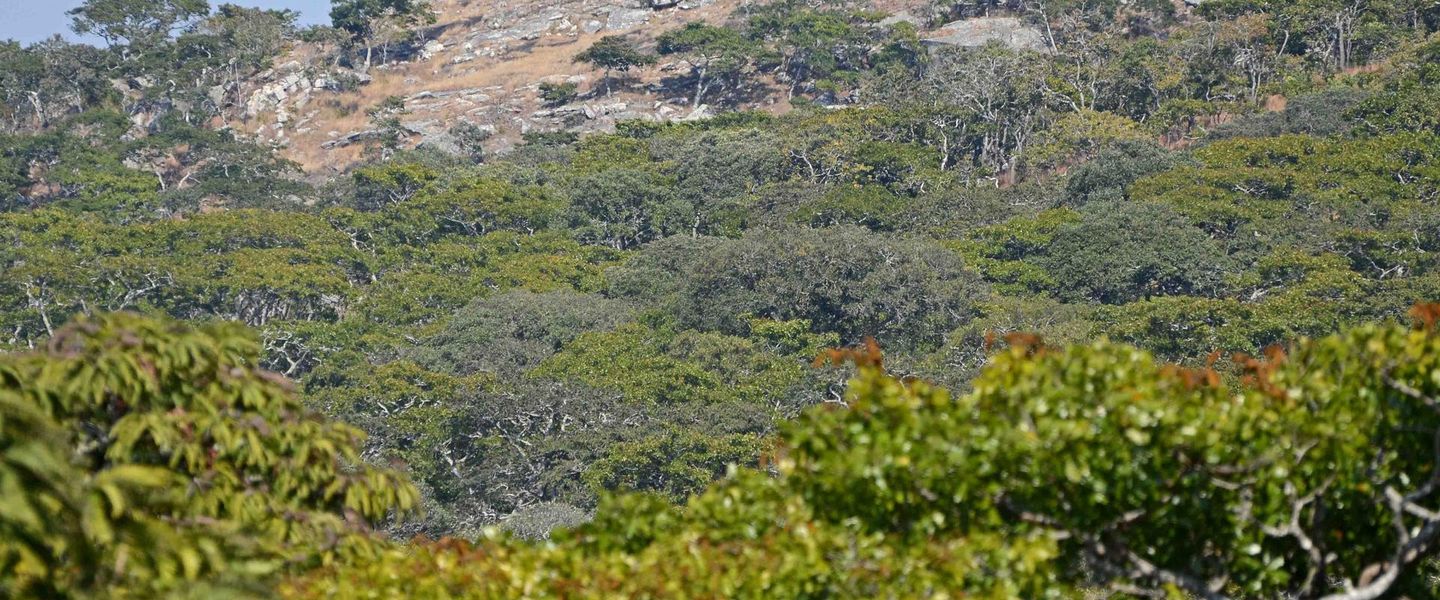
Kasungu Plain in Malawi is a hidden gem waiting to be discovered by adventurous travelers. This expansive plain is part of the Kasungu National Park, offering a rich tapestry of wildlife and striking landscapes. The park spans over 2,000 square kilometers, providing a haven for diverse flora and fauna. Visitors to Kasungu Plain can expect to see a variety of wildlife, including elephants, antelopes, and a plethora of bird species. The park is also home to the rare and elusive roan antelope. Kasungu Plain is perfect for those who enjoy game drives and guided walking safaris, giving you an up-close and personal experience with nature. Apart from wildlife, Kasungu Plain also offers cultural insights. The area is dotted with historical sites, including ancient rock paintings and remnants of iron smelting furnaces. These sites provide a glimpse into the rich cultural heritage of the local Chewa people. The combination of natural beauty and cultural history makes Kasungu Plain a unique destination that offers something for every type of traveler.

Know before you go
Hi, I'm Eve. Here are a few practical things to know before exploring Kasungu Plain.
- Best time to visit is during the dry season, from May to October, when wildlife is easier to spot.
- Hire a local guide for game drives and walking safaris to maximize your chances of seeing wildlife.
- Bring binoculars and a good camera for birdwatching and capturing stunning landscapes.
- Wear comfortable, sturdy shoes for walking safaris and exploring historical sites.
Top City Travel Guides in Kasungu Plain
The cities of Kasungu Plain, and the easiest places to base yourself.

Explore Kasungu Plain: Things to Do, Places to Eat, Hotels & More
Handpicked recommendations for top attractions, local dining, accommodations, and more

Top Attractions & Sightseeing in Kasungu Plain
Top-rated picks
Best Attractions

Kasungu National Park
Explore the hidden treasures of Kasungu National Park, a serene natural haven in Malawi filled with diverse wildlife and breathtaking landscapes.

KASUNGU PARK
Discover the stunning landscapes and diverse wildlife of Kasungu Park, a national treasure in Malawi, perfect for nature lovers and adventurers.

Kasungu Hill
Explore the breathtaking landscapes and rich biodiversity of Kasungu Hill, a stunning mountain peak in Malawi perfect for adventure and tranquility.

Best landmarks in Kasungu Plain
Top-rated picks
Best Landmarks

Kasungu National Park
Discover the natural wonders of Kasungu National Park, where wildlife encounters and breathtaking landscapes await in Malawi's pristine wilderness.

Tongole Wildernes Lodge
Discover the tranquility and wildlife adventures at Tongole Wilderness Lodge, your eco-friendly getaway in Malawi's stunning Nkhotakota Game Reserve.

KASUNGU DAM
Discover the breathtaking beauty and historical significance of Kasungu Dam, a must-see landmark in Malawi's stunning landscape, perfect for nature lovers.

Best restaurants in Kasungu Plain
Top-rated picks
Best Restaurants

Chicken, Pizza Hut Restaurant
Savor the best chicken and pizza in Kasungu at Chicken, Pizza Hut Restaurant - where every bite is a flavor-packed delight.

Backyard J³ Restaurant
Discover delectable local and international cuisine at Backyard J³ Restaurant in Kasungu – a culinary gem that delights every palate.

Mayiye restaurant and take away
Discover authentic Malawian flavors at Mayiye Restaurant in Ntchisi—where every meal is a delightful journey into local cuisine.
LA FACE CAFE
Discover mouthwatering grilled delights at La Face Cafe in Kasungu—where local flavors meet warm hospitality.

Best bars in Kasungu Plain
Top-rated picks
Best Bars

Wayekha Hotels
Experience authentic Malawian hospitality at Wayekha Hotels in Kasungu, where comfort meets convenience for every traveler.
Kasungu Inn
Experience the warmth and comfort of Kasungu Inn, your cozy retreat in the heart of Malawi’s vibrant Kasungu.

Backyard J³ Restaurant
Experience the best of local cuisine and freshly baked treats at Backyard J³ Restaurant, a must-visit spot in Kasungu, Malawi.
Kasungu ADD Club
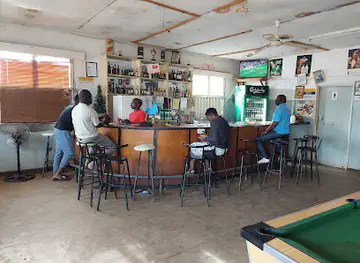
Embrace the local spirit at Kasungu ADD Club, where great drinks and warm hospitality meet in the heart of Kasungu.

Best nightclubs in Kasungu Plain
Top-rated picks
Best Nightclubs

Illusionz
Discover the vibrant nightlife at Illusionz, Lilongwe’s premier nightclub for music, dance, and unforgettable experiences.

Muslim Sports Club
Discover the vibrant nightlife of Lilongwe at the Muslim Sports Club, a hub of music, dance, and local culture.

Epic Exclusive Lounge
Discover the serene ambiance and exquisite drinks at Epic Exclusive Lounge, the ultimate relaxation spot in Lilongwe.

Chez Ntemba Night Club
Discover the electrifying atmosphere of Chez Ntemba Night Club, a must-visit destination for nightlife enthusiasts in Lilongwe.

Best shops in Kasungu Plain
Top-rated picks
Best Shops

Kasungu National Park
Explore the stunning landscapes and diverse wildlife of Kasungu National Park, a true gem in the heart of Malawi's wilderness.

Pacific Parade
Experience the vibrant shopping culture at Pacific Parade in Lilongwe, offering diverse shops, local cuisine, and engaging community events.

Lumbadzi Market
Experience the heart of Malawian culture at Lumbadzi Market, where local flavors, crafts, and community spirit come together.

Chipiku
Discover the vibrant flavors of Malawi at Chipiku, a local grocery store in Kasungu offering fresh produce and authentic snacks.

Explore Kasungu Plain on the Map
A handpicked selection of must-see spots in Kasungu Plain, mapped for you.
Kasungu Plain Essentials
-
Kasungu Plain is located in the central region of Malawi. The nearest major airport is Kamuzu International Airport in Lilongwe, approximately 130 kilometers away. From Lilongwe, you can take a taxi or rent a car to reach Kasungu Plain. The journey typically takes around 2 to 3 hours by road. Alternatively, there are bus services that operate between Lilongwe and Kasungu town, from where you can arrange local transport to reach the Plain.
-
Within Kasungu Plain, transportation options are limited. Renting a car is recommended for flexibility, especially for exploring the more remote areas. Local taxis are available but may not be as reliable. Bicycles can also be rented for short distances and are a popular way to explore the area at a leisurely pace.
-
The official currency in Malawi is the Malawian Kwacha (MWK). Credit cards are accepted in some hotels and restaurants, but it is advisable to carry cash, especially in rural areas. ATMs are available in Kasungu town, but it is wise to withdraw sufficient cash in Lilongwe before traveling to Kasungu Plain to ensure you have enough funds for your trip.
-
Kasungu Plain is generally a safe destination for tourists. However, like any travel destination, it is advisable to take standard precautions. Avoid walking alone at night in unfamiliar areas and keep an eye on your belongings in crowded places. While there are no specific high-crime areas targeting tourists, it is always best to stay vigilant and aware of your surroundings.
-
In case of emergency, dial 997 for police assistance or 998 for medical emergencies. The local police station and medical facilities are available in Kasungu town. It is recommended to have travel insurance that covers medical emergencies. For minor health issues, there are pharmacies in the town where you can purchase over-the-counter medications.
-
Fashion: Do dress modestly, especially when visiting local villages. Avoid wearing revealing clothing. Religion: Do respect local customs and traditions. Always ask for permission before taking photos of people or religious sites. Public Transport: Do be respectful and give up your seat to elderly passengers. Don’t eat or drink on public transport. Greetings: Do greet people with a handshake. A warm smile and a greeting in Chichewa, the local language, such as 'Moni' (Hello) or 'Muli bwanji' (How are you?) are appreciated. Eating & Drinking: Do try local delicacies and accept food offerings graciously. Don’t refuse hospitality, as it is considered impolite.
-
To experience Kasungu Plain like a local, visit the local markets where you can buy fresh produce and traditional Malawian goods. Engage with locals, as they are often friendly and willing to share stories about the area's history and culture. Don’t miss visiting Kasungu National Park, which offers opportunities to see wildlife such as elephants and zebras. For a unique experience, consider participating in a guided village tour to learn about the local way of life.
When is the best time to visit Kasungu Plain?
Useful Local Phrases for Kasungu Plain
You don't need to speak the language perfectly. Even learning a few simple words can make conversations warmer—and locals usually appreciate the effort.
— Eve

Here are the phrases I use most often in Kasungu Plain. Try a few—you'll be surprised how far they go! 😊
❤️
-
- HelloMoni
[Monyi] - GoodbyeTsalani bwino
[Tsah-lah-nee bwee-no] - YesInde
[In-deh] - NoAyi
[Ah-yee] - Please/You're welcomeChonde
[Chon-deh] - Thank youZikomo
[Zee-koh-mo] - Excuse me/SorryPepani
[Pe-pah-nee] - How are you?Muli bwanji?
[Moo-lee bwan-jee] - Fine. And you?Ndili bwino. Nanga inu?
[Ndee-lee bwee-no. Nan-ga ee-noo?] - Do you speak English?Mukufuna kulankhula Chingerezi?
[Moo-koo-foon-ah koo-lan-khoo-lah Ching-eh-reh-zee?] - I don't understandSindikumva
[Sin-dee-koo-mah]
- HelloMoni
-
- I'd like to see the menu, pleaseNdikufuna kuona menyu, chonde
[Ndee-koo-foon-ah koo-oh-nah men-yoo, chon-deh] - I don't eat meatSindikudya nyama
[Sin-dee-koo-dyah nyah-mah] - Cheers!Tiwonane!
[Tee-wo-nah-neh!] - I would like to pay, pleaseNdikufuna kulipira, chonde
[Ndee-koo-foon-ah koo-lee-pee-rah, chon-deh]
- I'd like to see the menu, pleaseNdikufuna kuona menyu, chonde
-
- Help!Thandizani!
[Than-dee-zah-nee!] - Go away!Chokani!
[Cho-kah-nee!] - Call the Police!Fufuzani apolisi!
[Foo-foo-zah-nee ah-po-lee-see!] - Call a doctor!Fufuzani dokotala!
[Foo-foo-zah-nee doh-koh-tah-lah!] - I'm lostNdakuwononga
[Nda-koo-won-ong-ah] - I'm illNdili ndi matenda
[Ndee-lee n-dee mah-ten-dah]
- Help!Thandizani!
-
- I'd like to buy...Ndikufuna kugula...
[Ndee-koo-foon-ah koo-goo-lah...] - I'm just lookingNdikungowona chabe
[Ndee-kung-oh-won-ah chah-beh] - How much is it?Kuma ndalama zingati?
[Koo-mah n-dah-lah-mah zing-gah-tee?] - That's too expensiveIzi ndi mtengo wopanda
[Ee-zee ndee mten-go woh-pahn-dah] - Can you lower the price?Mungathe kuthetsa mtengo?
[Moo-ngah-tay koo-theh-tsah mten-go?]
- I'd like to buy...Ndikufuna kugula...
-
- What time is it?Ndi nthawi yanji?
[Ndee n-thah-wee yah-nee?] - It's one o'clockNdi saa imodzi
[Ndee sah ee-moh-dzee] - Half past (10)Ndi hafu ya (10)
[Ndee hah-foo yah (10)] - MorningMkati
[Mkah-tee] - AfternoonMasana
[Mah-sah-nah] - EveningMadzulo
[Mah-dzoo-loh] - YesterdayKale
[Kah-leh] - TodayLero
[Lair-oh] - TomorrowMawa
[Mah-wah] - 1Chimodzi
[Chee-moh-dzee] - 2Chiwiri
[Chee-we-ree] - 3Chitatu
[Chee-tah-too] - 4Chinayi
[Chee-nah-yee] - 5Chitano
[Chee-tah-no] - 6Chisanu
[Chee-sah-noo] - 7Chisanu
[Chee-sah-noo] - 8Chisanu
[Chee-sah-noo] - 9Chisanu
[Chee-sah-noo] - 10Chikumbutso
[Chee-kum-boo-tso]
- What time is it?Ndi nthawi yanji?
-
- Where's a/the...?Kuli kuti ...?
[Koo-lee koo-tee ...?] - What's the address?Chingakhale kuli?
[Cheen-gah-kah-leh koo-lee?] - Can you show me (on the map)?Munganditengere (pakanthawi)?
[Moo-ngah-ndi-ten-ge-reh (pah-kahn-thah-wee)?] - When's the next (bus)?Ndi liti (basi) yotsatira?
[Ndee lee-tee (bah-see) yo-tsah-tee-rah?] - A ticket (to ....)Tiketi (ku ...)
[Tee-keh-tee (koo ...)]
- Where's a/the...?Kuli kuti ...?
History of Kasungu Plain
-
Kasungu Plain has a rich history dating back to ancient times. The area was originally inhabited by the Chewa people, one of the Bantu ethnic groups. These early settlers were known for their agricultural practices, which included the cultivation of millet and sorghum. Archaeological evidence suggests that the Chewa people established organized communities and engaged in trade with neighboring regions.
-
In the 16th century, the Kasungu Plain became part of the Maravi Empire, a powerful kingdom that extended across parts of present-day Malawi, Mozambique, and Zambia. The Maravi Empire was known for its complex social structure and advanced iron-smelting technology. Kasungu served as an important agricultural hub within the empire, contributing to its economic strength.
-
The late 19th century marked the advent of British colonial rule in Malawi, then known as Nyasaland. The Kasungu Plain saw significant changes during this period, as the British introduced new agricultural practices and cash crops like tobacco. The area also experienced infrastructural development, including the construction of roads and schools to support colonial administration.
-
The mid-20th century was a time of political awakening and nationalist movements across Africa, and Kasungu Plain was no exception. Local leaders like John Chilembwe and later Hastings Kamuzu Banda played pivotal roles in advocating for independence. The region's residents actively participated in the struggle for Malawi’s independence, which was finally achieved in 1964.
-
In 1970, Kasungu National Park was established, covering a significant portion of the Kasungu Plain. The park aimed to protect the region's diverse wildlife and ecosystems, ensuring the conservation of species such as elephants, antelopes, and various bird species. Today, Kasungu National Park is a major tourist attraction, offering visitors a glimpse of Malawi's natural beauty and biodiversity.
-
Kasungu Plain is a vibrant cultural landscape, rich in traditional practices and ceremonies. The local Chewa people celebrate various cultural festivals, such as the Kulamba Ceremony, which honors ancestral spirits. Traditional music, dance, and art continue to play a vital role in the community, preserving the cultural heritage for future generations.
Neighbouring Regions of Kasungu Plain
The closest regions to Kasungu Plain, if you have time for more than one.


Your all‑in‑one travel companion app
Explore expert travel guides, compare and book tours, experiences, hotels, and more—all from the palm of your hand. Download now for seamless trip planning wherever your wanderlust takes you.


Explore More of Malawi

Looking beyond Kasungu Plain? Discover Malawi for broader travel guides, local hot-spots, and regional highlights.
Explore MalawiKasungu Plain in Photos
Browse through our photo collection highlighting the charm and character of the destination.


The Untamed Beauty of Kasungu Plain
Kasungu Plain in Malawi is a hidden gem waiting to be discovered by adventurous travelers. This expansive plain is part of the Kasungu National Park, offering a rich tapestry of wildlife and striking landscapes. The park spans over 2,000 square kilometers, providing a haven for diverse flora and fauna. Visitors to Kasungu Plain can expect to see a variety of wildlife, including elephants, antelopes, and a plethora of bird species. The park is also home to the rare and elusive roan antelope. Kasungu Plain is perfect for those who enjoy game drives and guided walking safaris, giving you an up-close and personal experience with nature. Apart from wildlife, Kasungu Plain also offers cultural insights. The area is dotted with historical sites, including ancient rock paintings and remnants of iron smelting furnaces. These sites provide a glimpse into the rich cultural heritage of the local Chewa people. The combination of natural beauty and cultural history makes Kasungu Plain a unique destination that offers something for every type of traveler.