

Free Mangochi Lakeshore Travel Guide & Mobile App
Explore Mangochi Lakeshore with free travel guides. Discover regional history, expert tips, proposed trips, and audio guides on web or mobile app.


Mangochi Lakeshore brings together Lake Malawi’s islands, beaches, wildlife-rich waters, Yao heritage and relaxed lakeside travel in southern Malawi.
Read more about Mangochi Lakeshore
When is the best time to visit Mangochi Lakeshore?
Best: June–August · 25–26°C| Month | High (°C) | Rainfall (mm) |
|---|---|---|
| January | 31 | 200 |
| February | 31 | 175 |
| March | 31 | 150 |
| April | 30 | 125 |
| May | 28 | 100 |
| June (best) | 26 | 75 |
| July (best) | 25 | 60 |
| August (best) | 26 | 65 |
| September | 29 | 75 |
| October | 31 | 100 |
| November | 31 | 125 |
| December | 31 | 150 |
Getting to and around Mangochi Lakeshore
How to get there
Transportation
Best attractions in Mangochi Lakeshore
The central attraction is Lake Malawi itself, experienced through boat trips, kayaking, snorkelling, swimming in suitable areas and quiet observation of the shoreline. Around Cape Maclear and Chembe, Lake Malawi National Park offers protected waters, islands and reefs associated with the lake’s remarkable cichlid diversity, while the Nankumba Peninsula provides a mixture of wooded slopes, villages and coves. Monkey Bay has a long-standing connection with lake transport and is a useful base for excursions. Inland and around Mangochi town, visitors encounter markets, river landscapes, cultivated countryside and the commercial life of a regional centre rather than a purpose-built resort. Walking, cycling and village-based activities can reveal fishing practices, local food production and the relationship between settlements and the water, but should be arranged respectfully. The region is also well placed for travellers combining lakeshore time with nearby southern Malawi destinations; Liwonde National Park, for example, is outside Mangochi Lakeshore and requires a separate journey. The strongest experiences here are generally low-key and place-based, combining freshwater recreation, protected habitats, cultural encounters and the changing light of the southern lake.
-
 Resort hotel
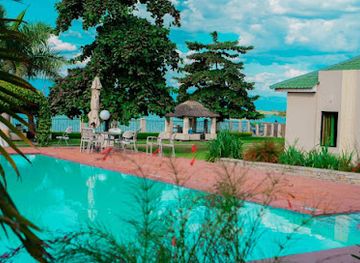
The Makokola Retreat
Experience the ultimate relaxation at The Makokola Retreat, a serene resort hotel on the beautiful shores of Lake Malawi, where adventure awaits.
-
Museum
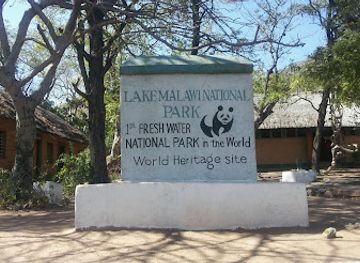
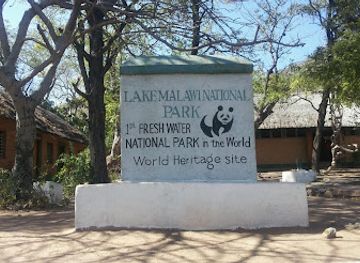
Lake Malawi National Park Visitors Center
Explore Lake Malawi National Park Visitors Center, a remarkable gateway to Africa's stunning biodiversity and conservation efforts in a UNESCO World Heritage site.
-
Mosque
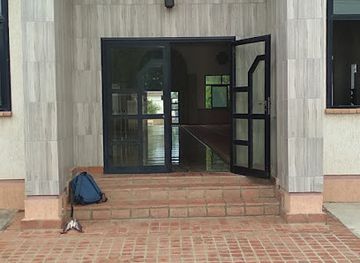
Abdur Rahman Masjid, Mangochi Boma
Discover the tranquil beauty of Abdur Rahman Masjid in Mangochi, a stunning example of Islamic architecture and local culture.
-
Bridge
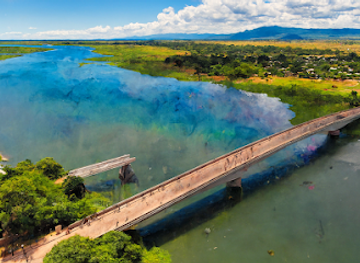
Bakili Muluzi Bridge
Discover the scenic beauty and cultural richness at Bakili Muluzi Bridge in Mangochi, a stunning landmark connecting communities and offering breathtaking views.
Best landmarks in Mangochi Lakeshore
Lake Malawi National Park is the region’s defining protected landmark, combining the Cape Maclear peninsula, shoreline habitats and offshore islands within a World Heritage Site recognised for its freshwater biodiversity. Cape Maclear itself is a prominent geographical and historical reference point on the southern lake, named during nineteenth-century European exploration, while the surrounding Nankumba Peninsula creates a distinctive backdrop of wooded hills and rocky margins. Mangochi town’s historic association with Fort Johnston, the former colonial post near the Shire River, reflects the strategic importance once attached to the lake’s southern outlet; surviving colonial-era traces should be understood as part of a broader townscape rather than an isolated monument. The meeting of Lake Malawi and the Shire River is another important geographical feature, linking the open lake to the river system flowing southwards. Around Monkey Bay, lake transport infrastructure and working beaches provide a more contemporary landmarkscape, showing that the region’s most significant places are shaped as much by water, movement and conservation as by monumental architecture.
-
Resort hotel
The Makokola Retreat
Experience tranquility and natural beauty at The Makokola Retreat, a serene resort hotel on the stunning shores of Lake Malawi, perfect for relaxation and adventure.
-
Resort hotel
Boadzulu Lakeshore Resort
Discover tranquility and adventure at Boadzulu Lakeshore Resort, a serene hideaway on the shores of Lake Malawi, perfect for relaxation and exploration.
-
Museum
Lake Malawi National Park Visitors Center
Discover the vibrant biodiversity and rich cultural heritage at Lake Malawi National Park Visitors Center, a UNESCO World Heritage site.
-
Serviced accommodation
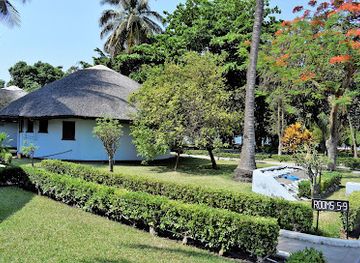
La Riviera Lodge
Experience the charm of La Riviera Lodge, a serene retreat by Lake Malawi offering cozy accommodations and delectable local cuisine for the perfect getaway.
Explore Mangochi Lakeshore on the map
Plan your trip on one map. See where the top cities, national parks and sights are, and book hotels and experiences in a few clicks.
Best hotels in Mangochi Lakeshore
Best restaurants in Mangochi Lakeshore
Dining around Mangochi Lakeshore is shaped by Malawian home cooking, freshwater fish, seasonal produce and the practical menus of lodges and guesthouses. Chambo, a popular lake fish, may appear where supplies permit, alongside other locally caught fish, nsima, rice, beans, vegetables, chicken and grilled meats. Cape Maclear and Monkey Bay have the broadest choice for visitors, ranging from simple local eateries and cafés to lodge restaurants serving a mixture of Malawian and international dishes. In Mangochi town, markets and modest restaurants provide a more everyday view of regional food, although standards and availability vary. Expect menus to reflect deliveries and seasonality rather than a fixed catalogue, particularly at remote lakeside properties. Fresh fruit, tea and locally sourced vegetables are common, while beer and soft drinks are widely available. Travellers with dietary requirements should explain them clearly when booking and allow extra time for meals outside the main visitor centres.
-
Resort hotel
The Makokola Retreat
Experience tranquility and adventure at The Makokola Retreat by Lake Malawi - your ultimate escape into nature's paradise.
-
Hotel
Sunbird Nkopola Lodge
Discover tranquility at Sunbird Nkopola Lodge - your lakeside haven on the shores of beautiful Lake Malawi.
-
Hotel
Sun 'n' Sand Holiday Resort
Experience tranquility at Sun 'n' Sand Holiday Resort in Malawi – where stunning lake views meet luxurious accommodations.
-
Cafe
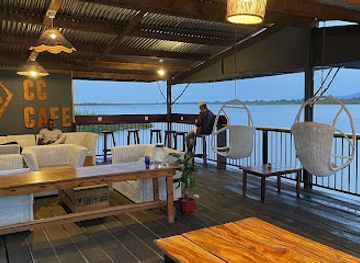
CC Cafe Malawi
Discover CC Cafe Malawi - A cozy café in Mangochi offering artisanal coffee, delicious snacks, and a welcoming atmosphere.
Best bars in Mangochi Lakeshore
Evening life in Mangochi Lakeshore is generally social and low-key rather than centred on large nightclubs. Mangochi town has ordinary local bars, restaurants and places where residents meet, while Monkey Bay and Cape Maclear offer a mixture of lodge bars, relaxed waterfront settings and small venues with occasional music. Some accommodation providers organise informal evening entertainment or have space for guests to sit outdoors, but schedules and opening arrangements are changeable. In rural lakeside settlements, nightlife usually consists of community socialising and local bars rather than a formal visitor scene. Keep valuables secure, arrange transport back to accommodation before drinking, and remember that swimming or boating after dark is unsafe. The region’s evening appeal lies more in conversation, music, warm air and views across the lake than in a concentrated club district.
-
Cafe
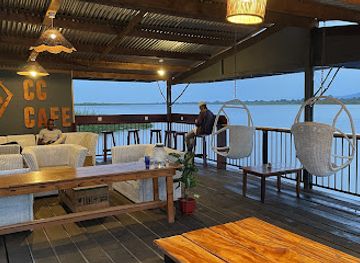
CC Cafe Malawi
Discover the heart of Mangochi at CC Cafe Malawi, where delicious coffee meets vibrant local culture in a cozy setting.
-
Restaurant
Kalibu-Lek Cafe and Restaurant
Experience the rich flavors of Malawi at Kalibu-Lek Cafe and Restaurant in Mangochi, where every dish tells a story.
-
Bar
Waterfront Bar and Lodge
Discover relaxation at the Waterfront Bar and Lodge, a hidden gem by Lake Malawi offering scenic views and a friendly atmosphere.
-
Bar
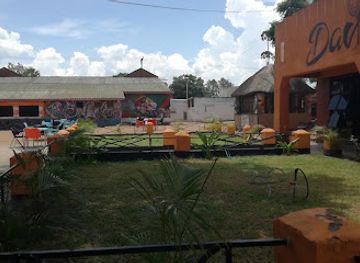
DAVIDO LOUNGE
Discover the vibrant nightlife of Mangochi at Davido Lounge, a lively bar with great drinks, music, and a welcoming atmosphere for every traveler.
Best nightclubs in Mangochi Lakeshore
Evening life in Mangochi Lakeshore is generally social and low-key rather than centred on large nightclubs. Mangochi town has ordinary local bars, restaurants and places where residents meet, while Monkey Bay and Cape Maclear offer a mixture of lodge bars, relaxed waterfront settings and small venues with occasional music. Some accommodation providers organise informal evening entertainment or have space for guests to sit outdoors, but schedules and opening arrangements are changeable. In rural lakeside settlements, nightlife usually consists of community socialising and local bars rather than a formal visitor scene. Keep valuables secure, arrange transport back to accommodation before drinking, and remember that swimming or boating after dark is unsafe. The region’s evening appeal lies more in conversation, music, warm air and views across the lake than in a concentrated club district.
-
Resort hotel
The Makokola Retreat
Discover the ultimate getaway at The Makokola Retreat, where luxury meets nature by the stunning shores of Lake Malawi.
-
Hotel
Sunbird Nkopola Lodge
Discover the serene beauty of Lake Malawi at Sunbird Nkopola Lodge, where comfort meets adventure in a stunning natural setting.
-
Resort hotel
Boadzulu Lakeshore Resort
Discover tranquility and adventure at Boadzulu Lakeshore Resort, your perfect lakeside retreat in Malawi.
-
Resort hotel
Mogfords Lake Resort
Discover tranquility and adventure at Mogfords Lake Resort, your perfect getaway in the serene landscapes of Mtakataka, Malawi.
Best shops in Mangochi Lakeshore
Shopping in Mangochi Lakeshore is practical and locally focused. Mangochi town has the region’s strongest concentration of everyday shops, markets and services, while Monkey Bay and Cape Maclear provide smaller selections of food, drinks, basic travel supplies and locally made items. Markets are useful for fruit, vegetables, snacks and household goods, and visitors may encounter handmade baskets, woven articles, carvings or other crafts, although quality and provenance vary. Ask before photographing vendors or workshops and bargain politely only where negotiation is clearly part of the transaction. Lakeside lodges and craft sellers may offer souvenirs connected with Malawi’s woodcarving and textile traditions, but visitors should avoid objects made from protected wildlife, rare timber or natural material taken from the park. Packaged tea, coffee, spices and locally produced food items can make practical gifts, subject to customs rules and transport requirements. Do not expect extensive designer retail or large shopping centres; the character of shopping here lies in markets, small traders and locally useful products.
-
Resort hotel
The Makokola Retreat
Experience luxury and tranquility at The Makokola Retreat, a premier resort hotel on the stunning shores of Lake Malawi.
-
Hotel
Sunbird Nkopola Lodge
Discover the beauty of Lake Malawi at Sunbird Nkopola Lodge, a serene hotel offering relaxation, adventure, and cultural experiences.
-
Hotel
Sun 'n' Sand Holiday Resort
Discover luxurious comfort and breathtaking views at Sun 'n' Sand Holiday Resort, your perfect escape in Malawi's tropical paradise.
-
Resort hotel
Boadzulu Lakeshore Resort
Experience the tranquil beauty of Lake Malawi at Boadzulu Lakeshore Resort, your perfect getaway for relaxation and adventure.
Get your free copy of our complete guide to Mangochi Lakeshore, delivered straight to you.
Everything on this page, from attractions and restaurants to essentials and local phrases, in one PDF you can read offline, print or share.
Already have an account? Sign in
Your Mangochi Lakeshore guide is ready.
We'll send it to · Not you? Sign out

Getting your guide ready…
We are putting together a fresh copy of the Mangochi Lakeshore guide. This can take up to a minute.
This can take a few moments. If your browser asks, choose Allow so the download can start. You'll find the guide in your Downloads folder.
Nothing happened? Download it again
Sorry, the guide is taking longer than usual. Please try again in a minute, or get it by email instead.
Mangochi Lakeshore essentials
Currency and Payment
Safety
Emergency Situations
Do's and Don'ts
Local Tips
From Eve
Local phrases worth knowing
You don't need to get them perfect. A few words go a long way, and locals appreciate the effort.
Basics
| English | Local | Say it |
|---|---|---|
| Hello | Moni | [moh-nee] |
| Goodbye | Tiwonana | [tee-woh-nah-nah] |
| Yes | Inde | [een-deh] |
| No | Ayi | [ah-yee] |
| Please/You’re welcome | Chonde | [chon-deh] |
| Thank you | Zikomo | [zee-koh-moh] |
| Excuse me/Sorry | Pepani | [peh-pah-nee] |
| How are you? | Muli bwanji? | [moo-lee bwahn-jee] |
| Fine. And you? | Ndili bwino. Nthawi yanu? | [ndee-lee bwee-noh. n-tah-wee yah-noo?] |
| Do you speak English? | Mukhala ndi Chingerezi? | [moo-khah-lah n-dee cheen-geh-reh-zee?] |
| I don't understand | Sindinena | [seen-dee-neh-nah] |
Eating & Drinking
| English | Local | Say it |
|---|---|---|
| I’d like to see the menu, please | Ndingafune kuona menyu, chonde | [ndeeng-ah-foo-neh kwee-oh-nah men-yoo, chon-deh] |
| I don’t eat meat | Sindikudya nyama | [seen-dee-koo-jah nyah-mah] |
| Cheers! | Zikomo! | [zee-koh-moh] |
| I would like to pay, please | Ndingafune kulipira, chonde | [ndeeng-ah-foo-neh koo-lee-pee-rah, chon-deh] |
Emergencies
| English | Local | Say it |
|---|---|---|
| Help! | Thandizani! | [than-dee-zah-nee] |
| Go away! | Khalani kutali! | [khah-lah-nee koo-tah-lee] |
| Call the Police! | Fufuzani apolisi! | [foo-foo-zah-nee ah-poh-lee-see] |
| Call a doctor! | Fufuzani dokotala! | [foo-foo-zah-nee doh-koh-tah-lah] |
| I’m lost | Ndakhalapo | [ndah-khah-lah-poh] |
| I’m ill | Ndili ndi matenda | [ndee-lee n-dee mah-ten-dah] |
Shopping
| English | Local | Say it |
|---|---|---|
| I’d like to buy... | Ndingafune kugula... | [ndeeng-ah-foo-neh koo-goo-lah...] |
| I’m just looking | Ndikungowona | [ndee-koon-goh-won-ah] |
| How much is it? | Chifukwa chingati? | [chee-fu-wah cheen-gah-tee?] |
| That’s too expensive | Izi zili mtengo wopanda | [ee-zee zee-lee em-ten-goh woh-pahn-dah] |
| Can you lower the price? | Mungathe kutsetsereka mtengo? | [moon-gah-theh koo-tse-tse-reh-kah em-ten-goh?] |
Time & Numbers
| English | Local | Say it |
|---|---|---|
| What time is it? | Ndi nthawi yanji? | [ndee n-tah-wee yahn-jee?] |
| It’s one o’clock | Ndi saa imodzi | [ndee sah ah-moh-dzee] |
| Half past (10) | Pafupifupi (10) | [pah-foo-pee-foo-pee (10)] |
| Morning | M'mawa | [m'mah-wah] |
| Afternoon | Masana | [mah-sah-nah] |
| Evening | Madzulo | [mah-dzoo-loh] |
| Yesterday | Zana | [zah-nah] |
| Today | Lero | [leh-roh] |
| Tomorrow | M'mawa | [m'mah-wah] |
| 1 | Chimodzi | [chee-moh-dzee] |
| 2 | Chiwiri | [chee-wee-ree] |
| 3 | Chitatu | [chee-tah-too] |
| 4 | Chinayi | [chee-nah-yee] |
| 5 | Chisanu | [chee-sah-noo] |
| 6 | Chitanzi | [chee-tahn-zee] |
| 7 | Chisanu ndi chimodzi | [chee-sah-noo n-dee chee-moh-dzee] |
| 8 | Chisanu ndi ziwiri | [chee-sah-noo n-dee zee-wee-ree] |
| 9 | Chisanu ndi chitatu | [chee-sah-noo n-dee chee-tah-too] |
| 10 | Chikhalidwe | [chee-khah-lee-dweh] |
Transport & Directions
| English | Local | Say it |
|---|---|---|
| Where's a/the...? | Kuli ...? | [koo-lee ...?] |
| What's the address? | Kuti ndi adiresi yanji? | [koo-tee n-dee ah-deh-ree-see yahn-jee?] |
| Can you show me (on the map)? | Munganditsogolere (pa mepu)? | [moon-gahn-dee-tsoh-goh-leh-reh (pah meh-poo)?] |
| When's the next (bus)? | Ndi liti basi yotsatira? | [ndee lee-tee bah-see yoh-tsah-tee-rah?] |
| A ticket (to ....) | Matikiti (ku ...) | [mah-tee-kee-tee (koo ...)] |
History of Mangochi Lakeshore
Early settlement and lakeshore societies
The southern Lake Malawi basin has long supported communities through fishing, cultivation, river transport and exchange between the lake and the Shire valley. Archaeological evidence from the wider region records settlement and farming traditions extending back many centuries, while later communities developed social and economic links along the shoreline and its river outlets. The area’s history cannot be reduced to its colonial period: local political authority, kinship networks, religious practice and seasonal movement shaped the lakeshore before European powers established formal control.
Yao expansion, Islam and long-distance commerce
From the eighteenth and nineteenth centuries, Yao communities became influential across much of southern Malawi, including the Mangochi area. Yao traders connected the lake and Shire valley with routes reaching towards present-day Mozambique and Tanzania, and Islam established a lasting presence through commerce, settlement and religious networks. Trade could involve ivory and other commodities, but the same routes were also entangled with the east African slave trade. The region’s Yao heritage and Muslim communities remain important parts of its cultural identity.
European exploration of Lake Malawi
European interest in the lake intensified during the nineteenth century. David Livingstone’s expedition reached the southern lake in 1859, and the headland now known as Cape Maclear was named after Thomas Maclear, the Astronomer Royal at the Cape. Such expeditions were linked to missionary and commercial ambitions as well as geographical exploration. They brought the lake and its river routes into European maps and political strategies, but they operated within landscapes already occupied, governed and economically connected by African communities.
The colonial era and Fort Johnston
British authority expanded over the territory that became the Nyasaland Protectorate in the late nineteenth century. A colonial administrative and military post known as Fort Johnston was established at Mangochi, near the Shire River, helping the British supervise transport and political affairs in the southern lake region. The settlement later became known as Mangochi. Colonial rule altered systems of taxation, labour, education and land administration, while churches, trading centres and transport links added new institutions to an older network of lakeshore communities.
Missionary, commercial and transport development
During the twentieth century, missions, schools, plantations, government offices and commercial trading centres expanded around the southern lake and Shire valley. Monkey Bay developed particular importance as a port and transport point, linking lake movement with roads serving the interior. Fishing and smallholder agriculture remained central to local livelihoods, even as administrative boundaries and national infrastructure changed. These developments helped shape the modern pattern in which Mangochi is an inland commercial centre and the Cape Maclear and Monkey Bay areas serve a mixture of residents, fisherfolk and visitors.
Lake Malawi National Park and conservation
Lake Malawi National Park, centred around Cape Maclear and parts of the Nankumba Peninsula, was established to protect a representative section of the lake’s shoreline, islands and aquatic habitats. Its cichlid fish are especially significant: Lake Malawi contains an exceptional diversity of these freshwater species, many of which have highly localised ranges. UNESCO recognised the park as a World Heritage Site in 1984. Conservation now exists alongside fishing, tourism and village life, making responsible boating, waste management and respect for local access particularly important.
Contemporary lakeshore livelihoods
Today the Mangochi Lakeshore economy combines farming, fishing, transport, small-scale trade, public services and tourism. Cape Maclear and nearby settlements have become established bases for lake recreation, while Mangochi town remains a regional centre rather than a conventional beach resort. Seasonal rainfall, fluctuating fish stocks, changing transport conditions and pressure on freshwater habitats all influence local life. The region’s contemporary character therefore reflects both the appeal of Lake Malawi to visitors and the continuing importance of the lake as a source of food, work and movement.
Mangochi Lakeshore in Photos
Browse through our photo collection highlighting the charm and character of the destination.
Neighbouring regions of Mangochi Lakeshore
The closest regions to Mangochi Lakeshore, if you have time for more than one.
-

-

-

-

-


Swipe for more regions
Explore more

Explore more of Malawi
Discover Malawi, the Warm Heart of Africa, where pristine landscapes, diverse wildlife, and rich cultural heritage await to enchant every traveler.
Explore Malawi