

Lilongwe Plain, Malawi Travel Guide
Explore the natural beauty and cultural richness of Lilongwe Plain in Malawi, a serene destination with diverse wildlife, vibrant local markets, and traditional villages.
Lilongwe Plain, nestled in the heart of Malawi, offers a serene escape into nature and culture. This expansive plain is a perfect blend of natural beauty and rich traditions, making it a must-visit for any traveler. The plain is known for its lush landscapes and diverse wildlife. You can explore the various nature reserves, where you might spot elephants, antelopes, and a myriad of bird species. The plains are also a gateway to the famous Lilongwe Wildlife Sanctuary, where conservation efforts are in full swing. Apart from its natural allure, Lilongwe Plain is steeped in cultural history. Visit local villages to experience Malawi's warm hospitality and learn about traditional crafts and music. The local markets are vibrant with fresh produce, handmade goods, and the sounds of daily life. Lilongwe Plain is not just a visual feast but also a place to unwind and connect with the slower rhythms of life. Whether you're an adventurer, a nature lover, or someone looking to immerse yourself in culture, Lilongwe Plain offers a unique and enriching experience.

Know before you go
Hi, I'm Eve. Here are a few practical things to know before exploring Lilongwe Plain.
- Best visited during the dry season (May to October) for optimal wildlife viewing and comfortable weather conditions.
- Hire a local guide to enhance your experience and gain deeper insights into the area's wildlife and culture.
- Carry enough cash, as ATMs may be scarce in rural areas and local markets usually operate on cash transactions.
- Respect local customs and traditions; always ask for permission before taking photographs of people.
- Stay hydrated and use sunscreen to protect yourself from the sun, as the plains can get quite hot during the day.
Top City Travel Guides in Lilongwe Plain
The cities of Lilongwe Plain, and the easiest places to base yourself.

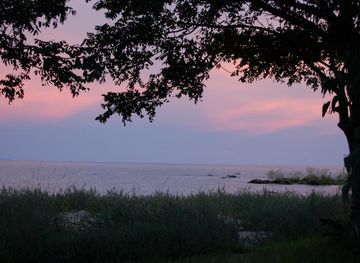

Destinations in Lilongwe Plain
Resorts, valleys and scenic spots worth a trip of their own.


Explore Lilongwe Plain: Things to Do, Places to Eat, Hotels & More
Handpicked recommendations for top attractions, local dining, accommodations, and more

Top Attractions & Sightseeing in Lilongwe Plain
Top-rated picks
Best Attractions

Four Seasons
Discover serenity at Four Seasons Garden, Lilongwe's lush sanctuary of flora and tranquility, perfect for relaxation and exploration.

Lilongwe Wildlife Centre
Explore the Lilongwe Wildlife Centre, a premier nature preserve and wildlife refuge showcasing Malawi's rich biodiversity and conservation efforts.

Eden Estates & Resort
Experience the serene beauty of Eden Estates & Resort in Lilongwe, a perfect blend of comfort, nature, and local cuisine.
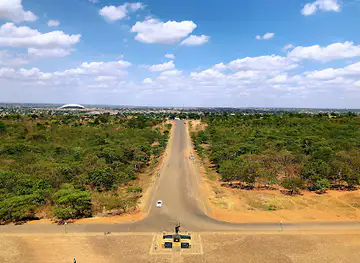
World War I Memorial
Explore the World War I Memorial in Lilongwe, a serene park honoring the bravery of Malawian soldiers, surrounded by lush landscapes and historical significance.

Best landmarks in Lilongwe Plain
Top-rated picks
Best Landmarks
Sunbird Capital Hotel
Discover the charm of Lilongwe with a stay at Sunbird Capital Hotel, where comfort meets authentic Malawian hospitality.

Kamuzu International Airport
Discover the gateway to Malawi at Kamuzu International Airport, a vibrant hub welcoming travelers to experience the beauty and culture of this unique African nation.

Four Seasons
Discover tranquility in the heart of Lilongwe at Four Seasons, an enchanting garden oasis showcasing Malawi's natural beauty.

Lilongwe Wildlife Centre
Explore the Lilongwe Wildlife Centre, a serene nature preserve and wildlife refuge in Malawi's capital, dedicated to conservation and education.

Best restaurants in Lilongwe Plain
Top-rated picks
Best Restaurants

Mamma Mia Restaurant
Discover the essence of Italy at Mamma Mia Restaurant in Lilongwe, offering authentic flavors and a cozy atmosphere for all food enthusiasts.

Lark Cafe
Experience the charm of Lark Cafe in Lilongwe - where delightful flavors meet cozy ambiance in an inviting setting.

La Cantina
Discover authentic Spanish and Mexican cuisine at La Cantina in Lilongwe – where every meal is a celebration of flavor.

Mediterraneo
Savor authentic Italian cuisine at Mediterraneo in Lilongwe – where every meal is a delightful experience.

Best bars in Lilongwe Plain
Top-rated picks
Best Bars
Mgoza Lodge
Discover the serene beauty of Mgoza Lodge, where comfort meets adventure on the shores of Lake Malawi.

Thumbi View Lodge
Discover the tranquil beauty of Thumbi View Lodge, a serene escape on the shores of Lake Malawi, perfect for relaxation and adventure.
The Funky Cichlid
Discover the vibrant charm of The Funky Cichlid, your beachfront retreat in Cape Maclear, offering adventure and relaxation by Lake Malawi.

Black Pepper Cafe & takeaway
Discover the culinary delights of Chembe at Black Pepper Cafe & Takeaway, where local flavors meet international cuisine in a cozy setting.

Best nightclubs in Lilongwe Plain
Top-rated picks
Best Nightclubs
Mgoza Lodge
Experience the perfect getaway at Mgoza Lodge, where comfort meets adventure in the stunning landscapes of Cape Maclear, Lake Malawi.

ZATHU Cape Community Kitchen & Bar
Discover ZATHU Cape Community Kitchen & Bar in Cape Maclear, where local flavors meet vibrant community spirit for an unforgettable dining experience.

WB Restaurant
Explore the culinary delights of WB Restaurant in Cape Maclear, where local flavors and fresh ingredients come together in a charming lakeside setting.

Nocturne
Discover Nocturne, Lilongwe's serene cocktail bar offering expertly crafted drinks and a captivating atmosphere perfect for relaxation.

Best shops in Lilongwe Plain
Top-rated picks
Best Shops

Sana Cash N Carry Malawi
Experience the best of local and international shopping at Sana Cash N Carry, Lilongwe's premier supermarket, where quality meets affordability.

Game Stores Lilongwe
Explore a diverse range of products at Game Stores in Lilongwe City Mall, your go-to destination for shopping in Malawi's capital.

Shoprite Lilongwe
Shoprite Lilongwe: Experience the Best of Local Shopping, Fresh Produce, and Malawian Culture in One Convenient Place.

Chipiku Food Store
Explore the vibrant flavors and local goods at Chipiku Food Store in Lilongwe - your gateway to Malawian culture and cuisine.

Explore Lilongwe Plain on the Map
A handpicked selection of must-see spots in Lilongwe Plain, mapped for you.
Lilongwe Plain Essentials
-
Lilongwe Plain is accessible via Kamuzu International Airport, located approximately 35 kilometers from the city center of Lilongwe. Direct flights are available from major African hubs such as Johannesburg, Nairobi, and Addis Ababa. From the airport, you can take a taxi or arrange for a private transfer to your accommodation. Alternatively, you can reach Lilongwe Plain by road from neighboring countries, though border formalities may apply.
-
Within Lilongwe Plain, transportation options include taxis, minibuses (commonly known as 'matolas'), and car rentals. Taxis are generally reliable and can be hailed from any major intersection or called through hotel reception desks. Matolas are an affordable but crowded option for getting around. Car rentals are available and offer the flexibility to explore the region at your own pace; however, note that driving is on the left side of the road.
-
The official currency in Malawi is the Malawian Kwacha (MWK). Credit cards are accepted at larger hotels, restaurants, and shops in Lilongwe, but it is advisable to carry cash, especially when traveling to rural areas. ATMs are available in Lilongwe, but they may not always be reliable. Therefore, it's recommended to withdraw enough cash upon arrival to cover your expenses.
-
Lilongwe is generally safe for tourists, but standard precautions should be taken. Avoid walking alone at night, especially in poorly lit areas. Neighborhoods such as Area 2 and Area 36 have higher crime rates, and tourists should exercise caution. Keep an eye on your belongings in crowded places and avoid displaying valuables openly. Consult local authorities or your accommodation for up-to-date safety advice.
-
In case of emergency, dial 997 for police assistance or 998 for medical emergencies. Kamuzu Central Hospital in Lilongwe provides emergency medical services, but it is advisable to have comprehensive travel insurance that covers medical evacuation. For minor health issues, pharmacies are available in the city where you can purchase over-the-counter medications.
-
Fashion: Do dress modestly; avoid revealing clothing, especially in rural areas. Religion: Do respect local customs and traditions; remove shoes when entering religious sites and dress conservatively. Public Transport: Do be respectful and give up your seat to elderly passengers; don't eat or drink on public transport. Greetings: Do greet people with a handshake; a friendly nod or verbal greeting is also appreciated. Eating & Drinking: Do try local foods and accept food offerings graciously; don't refuse hospitality as it may be considered impolite.
-
To experience Lilongwe Plain like a local, visit the local markets such as Lizulu Market for fresh produce and traditional Malawian crafts. Engage with locals, who are often friendly and willing to share insights about their culture and history. Don't miss the opportunity to explore the Lilongwe Wildlife Centre and take a leisurely walk along the banks of the Lilongwe River.
When is the best time to visit Lilongwe Plain?
Useful Local Phrases for Lilongwe Plain
You don't need to speak the language perfectly. Even learning a few simple words can make conversations warmer—and locals usually appreciate the effort.
— Eve

Here are the phrases I use most often in Lilongwe Plain. Try a few—you'll be surprised how far they go! 😊
❤️
-
- HelloMoni
[moh-nee] - GoodbyeTsalani bwino
[tsah-lah-nee bwee-noh] - YesInde
[een-day] - NoAyi
[ah-yee] - Please/You're welcomeChonde
[chon-day] - Thank youZikomo
[zee-koh-moh] - Excuse me/SorryPepani
[peh-pah-nee] - How are you?Muli bwanji?
[moo-lee bwan-jee] - Fine. And you?Ndili bwino. Inu?
[ndee-lee bwee-noh. ee-noo?] - Do you speak English?Mukufuna kuzungulira Chingerezi?
[moo-koo-funa koo-zoo-ngoo-lee-rah cheen-geh-reh-zee] - I don't understandSindikumva
[seen-dee-koo-mvah]
- HelloMoni
-
- I'd like to see the menu, pleaseNdikufuna kuona menyu, chonde
[ndee-koo-funa koo-oh-nah men-yoo, chon-day] - I don't eat meatSindikudya nyama
[seen-dee-koo-jah nyah-mah] - Cheers!Zikomo!
[zee-koh-moh] - I would like to pay, pleaseNdikufuna kulipira, chonde
[ndee-koo-funa koo-lee-pee-rah, chon-day]
- I'd like to see the menu, pleaseNdikufuna kuona menyu, chonde
-
- Help!Thandizeni!
[thahn-dee-zeh-nee] - Go away!Tengani mbali!
[ten-gah-nee mbah-lee] - Call the Police!Funsani apolisi!
[foon-sah-nee ah-poh-lee-see] - Call a doctor!Funsani dokotala!
[foon-sah-nee doh-koh-tah-lah] - I'm lostNdakhala m'kati
[ndah-khah-lah em-kah-tee] - I'm illNdili ndi matenda
[ndee-lee n-dee mah-ten-dah]
- Help!Thandizeni!
-
- I'd like to buy...Ndikufuna kugula...
[ndee-koo-funa koo-goo-lah] - I'm just lookingNdikungowona
[ndee-koon-goh-won-ah] - How much is it?Ndi ndalama zingati?
[ndee n-dah-lah-mah zing-ah-tee] - That's too expensiveIzi ndizokwera mtengo
[ee-zee n-dee-zoh-kweh-rah m-teng-oh] - Can you lower the price?Mungathe kuthandiza mtengo?
[moon-gah-theh koo-thahn-dee-zah m-teng-oh]
- I'd like to buy...Ndikufuna kugula...
-
- What time is it?Ndi nthawi yanji?
[ndee n-thah-wee yah-n-jee] - It's one o'clockNdi saa imodzi
[ndee sah ee-moh-dzee] - Half past (10)Ndi theka la (10)
[ndee teh-kah lah (10)] - MorningM'mawa
[mm-ah-wah] - AfternoonMadzulo
[mah-dzoo-loh] - EveningMadzulo
[mah-dzoo-loh] - YesterdayKale
[kah-leh] - TodayLero
[leh-roh] - TomorrowM'mawa
[mm-ah-wah] - 1Chimodzi
[chee-moh-dzee] - 2Chiwiri
[chee-wee-ree] - 3Chitatu
[chee-tah-too] - 4Chinayi
[chee-nah-yee] - 5Chitano
[chee-tah-noh] - 6Chisanu
[chee-sah-noo] - 7Chisanu ndi chimodzi
[chee-sah-noo n-dee chee-moh-dzee] - 8Chisanu ndi chiwiri
[chee-sah-noo n-dee chee-wee-ree] - 9Chisanu ndi chitatu
[chee-sah-noo n-dee chee-tah-too] - 10Chisanu ndi chinayi
[chee-sah-noo n-dee chee-nah-yee]
- What time is it?Ndi nthawi yanji?
-
- Where's a/the...?Kodi pali...?
[koh-dee pah-lee] - What's the address?Kodi adiresi ndi chiyani?
[koh-dee ah-dee-reh-see n-dee chee-yah-nee] - Can you show me (on the map)?Munganditsatire (pa mappa)?
[moon-gahn-deet-sah-tih-reh pah mah-pah] - When's the next (bus)?Ndi nthawi yanji yotsatira (basi)?
[ndee n-thah-wee yah-n-jee yoh-tsah-tee-rah] - A ticket (to ....)Tiketi (ku....)
[tee-keh-tee koo]
- Where's a/the...?Kodi pali...?
History of Lilongwe Plain
-
The Lilongwe Plain has been inhabited for thousands of years. Archaeological findings suggest that early human settlements in this region date back to the Stone Age. The ancient inhabitants were primarily hunter-gatherers, living off the rich natural resources of the plain. Over time, these early communities began to develop more complex societal structures and agricultural practices.
-
In the 16th century, the Maravi Empire rose to prominence in the region. The Maravi people, known for their ironworking skills and trade networks, established a powerful kingdom that spanned across present-day Malawi, Mozambique, and Zambia. The Lilongwe Plain was an important part of this empire, serving as a strategic location for trade and agriculture. The legacy of the Maravi Empire is still evident in the region's cultural and social structures today.
-
The late 19th century marked the beginning of significant European influence in the Lilongwe Plain with the arrival of British colonialists. In 1891, Malawi, then known as Nyasaland, became a British protectorate. The colonial administration established Lilongwe as an important administrative and trading center. This period saw the introduction of new agricultural practices, infrastructure development, and the spread of Christianity, which have had a lasting impact on the region.
-
Malawi gained independence from British rule on July 6, 1964. The post-independence era brought significant changes to the Lilongwe Plain, particularly with the establishment of Lilongwe as the capital city in 1975. This decision was made by Malawi's first president, Dr. Hastings Kamuzu Banda, who envisioned the city as a symbol of national unity and development. Since then, Lilongwe has grown into a bustling urban center, blending modern infrastructure with its rich historical heritage.
-
The Lilongwe Plain is a melting pot of various ethnic groups, including the Chewa, Ngoni, and Yao, each contributing to the region's diverse cultural landscape. Traditional dances, music, and festivals are an integral part of life on the plain. The Gule Wamkulu, a secretive ritual dance performed by the Chewa people, is recognized by UNESCO as an Intangible Cultural Heritage of Humanity. This vibrant cultural heritage continues to thrive, offering visitors a unique glimpse into the region's rich traditions.
-
In recent years, the Lilongwe Plain has seen significant development, with efforts focused on sustainable agriculture, wildlife conservation, and tourism. The Lilongwe Wildlife Centre, a sanctuary for rescued animals, plays a crucial role in conservation education and environmental protection. Additionally, initiatives to promote eco-friendly farming practices aim to balance the region's agricultural needs with the preservation of its natural resources. These developments highlight the ongoing efforts to ensure a sustainable future for the Lilongwe Plain.
Neighbouring Regions of Lilongwe Plain
The closest regions to Lilongwe Plain, if you have time for more than one.




Your all‑in‑one travel companion app
Explore expert travel guides, compare and book tours, experiences, hotels, and more—all from the palm of your hand. Download now for seamless trip planning wherever your wanderlust takes you.


Explore More of Malawi

Looking beyond Lilongwe Plain? Discover Malawi for broader travel guides, local hot-spots, and regional highlights.
Explore MalawiLilongwe Plain in Photos
Browse through our photo collection highlighting the charm and character of the destination.


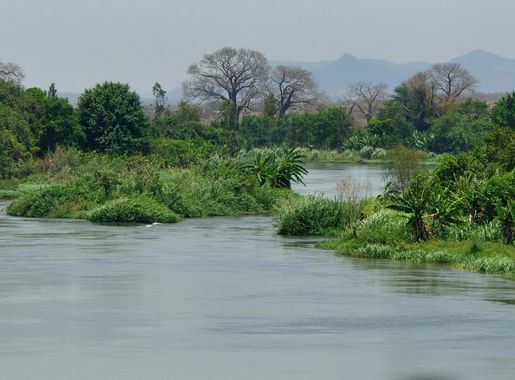


The Heart of Malawi: Lilongwe Plain
Lilongwe Plain, nestled in the heart of Malawi, offers a serene escape into nature and culture. This expansive plain is a perfect blend of natural beauty and rich traditions, making it a must-visit for any traveler. The plain is known for its lush landscapes and diverse wildlife. You can explore the various nature reserves, where you might spot elephants, antelopes, and a myriad of bird species. The plains are also a gateway to the famous Lilongwe Wildlife Sanctuary, where conservation efforts are in full swing. Apart from its natural allure, Lilongwe Plain is steeped in cultural history. Visit local villages to experience Malawi's warm hospitality and learn about traditional crafts and music. The local markets are vibrant with fresh produce, handmade goods, and the sounds of daily life. Lilongwe Plain is not just a visual feast but also a place to unwind and connect with the slower rhythms of life. Whether you're an adventurer, a nature lover, or someone looking to immerse yourself in culture, Lilongwe Plain offers a unique and enriching experience.