

Dedza Highlands, Malawi Travel Guide
Discover the serene beauty of Dedza Highlands in Malawi, a haven for nature enthusiasts, art lovers, and those seeking a peaceful retreat in stunning landscapes.
Nestled in the heart of Malawi, the Dedza Highlands offer a serene escape from the bustling city life. This picturesque region is known for its rolling hills, lush forests, and cool climate, providing a perfect setting for nature lovers and adventure seekers alike. The Dedza Highlands are home to Malawi's highest peak, Dedza Mountain, which offers stunning panoramic views and challenging hiking trails for outdoor enthusiasts. Visitors can also explore the Dedza Pottery, where local artisans create beautiful ceramics using traditional techniques. This is a great place to purchase unique souvenirs and learn about the rich cultural heritage of the area. Additionally, the Chongoni Rock Art Area, a UNESCO World Heritage site, showcases some of the oldest and most significant rock art in Southern Africa, dating back thousands of years. The Dedza Highlands are also known for their welcoming communities and peaceful atmosphere. Travelers can enjoy the hospitality of local lodges and guesthouses, which provide a comfortable base for exploring the highlands. Whether you are interested in hiking, cultural experiences, or simply relaxing in a tranquil environment, the Dedza Highlands offer something for everyone.

Know before you go
Hi, I'm Eve. Here are a few practical things to know before exploring Dedza Highlands.
- Wear comfortable hiking shoes for exploring the trails around Dedza Mountain.
- Visit the Dedza Pottery early in the day to avoid crowds and get the best selection of handmade ceramics.
- Carry a light jacket or sweater, as the highlands can be cooler than other parts of Malawi.
- Hire a local guide to gain deeper insights into the Chongoni Rock Art and its historical significance.
Top City Travel Guides in Dedza Highlands
The cities of Dedza Highlands, and the easiest places to base yourself.


Destinations in Dedza Highlands
Resorts, valleys and scenic spots worth a trip of their own.

Explore Dedza Highlands: Things to Do, Places to Eat, Hotels & More
Handpicked recommendations for top attractions, local dining, accommodations, and more

Top Attractions & Sightseeing in Dedza Highlands
Top-rated picks
Best Attractions

World War I Memorial
Explore the World War I Memorial in Lilongwe, a serene tribute to history and sacrifice in a beautiful park setting.

Dedza-Salima Forest Reserve
Discover the stunning landscapes and vibrant wildlife of Dedza-Salima Forest Reserve, a nature lover's paradise in Malawi.

Chongoni Rock Art Area
Explore the Chongoni Rock Art Area, a UNESCO World Heritage Site filled with ancient rock art that offers a glimpse into Malawi's rich cultural heritage.

Stone House Museum
Explore the Stone House Museum in Livingstonia, where local history and culture come to life through fascinating exhibits and stories.

Best landmarks in Dedza Highlands
Top-rated picks
Best Landmarks

Dedza Pottery and Lodge
Discover the artistry of Malawi at Dedza Pottery and Lodge, where culture, nature, and hospitality come together in a beautiful setting.

World War I Memorial
Explore the World War I Memorial in Lilongwe, a peaceful tribute to the courage of those who served in the Great War, nestled in a beautiful park setting.

Dedza-Salima Forest Reserve
Discover the breathtaking landscapes and rich biodiversity of Dedza-Salima Forest Reserve, a hidden gem for nature enthusiasts in Malawi.

Chongoni Rock Art Area
Explore the Chongoni Rock Art Area in Malawi, home to ancient rock paintings and stunning landscapes, offering a glimpse into the region's rich history.

Best restaurants in Dedza Highlands
Top-rated picks
Best Restaurants

Mediterraneo
Discover authentic Italian flavors at Mediterraneo, where every dish is crafted with passion amidst the vibrant ambiance of Lilongwe.

Ama Khofi
Discover authentic Malawian flavors at Ama Khofi - where culinary tradition meets modern dining in Lilongwe.
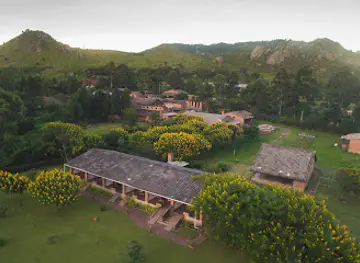
Dedza Pottery and Lodge
Experience authentic Malawian culture at Dedza Pottery and Lodge—dine deliciously, create beautifully.
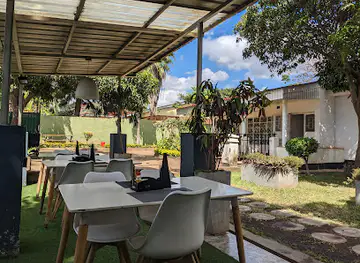
M'dede Restaurant
Discover the rich flavors of Malawi at M'dede Restaurant in Lilongwe - where tradition meets taste.


Best nightclubs in Dedza Highlands
Top-rated picks
Best Nightclubs

Chez Ntemba Night Club
Unleash the night at Chez Ntemba Night Club in Lilongwe, where vibrant music and dancing create unforgettable experiences.

Ashley's Lounge Dedza
Discover the charm of Dedza at Ashley's Lounge, where local flavors and a friendly atmosphere await every visitor.

Boiz Club
Experience the best of Malawian cuisine at Boiz Club, a vibrant grill restaurant in Dedza offering delicious flavors and a welcoming atmosphere.
Chapter's Pub
Immerse yourself in the vibrant atmosphere of Chapter's Pub, Dedza's premier night club for unforgettable nights filled with music and culture.

Best shops in Dedza Highlands
Top-rated picks
Best Shops

Dedza Pottery and Lodge
Explore Dedza Pottery and Lodge for a unique fusion of art, culture, and comfort in the heart of Malawi's enchanting landscapes.

Dedza Handmade Art Gallery
Explore the Dedza Handmade Art Gallery, a vibrant showcase of Malawian craftsmanship and unique artistic expressions in the heart of Dedza.

Explore Dedza Highlands on the Map
A handpicked selection of must-see spots in Dedza Highlands, mapped for you.
Dedza Highlands Essentials
-
Dedza Highlands is located in the central region of Malawi, approximately 85 kilometers southeast of Lilongwe, the capital city. The nearest international airport is Kamuzu International Airport in Lilongwe. From Lilongwe, you can take a taxi or rent a car to Dedza, which typically takes about 1.5 to 2 hours by road. Alternatively, there are regular bus services operating from Lilongwe to Dedza.
-
Within Dedza Highlands, transportation options include local taxis and minibuses (matolas). These are convenient for short distances, but for more flexibility and comfort, renting a car is recommended. Roads in the highlands can be rugged, so a 4x4 vehicle might be necessary for exploring more remote areas. Walking and hiking are also popular ways to explore the scenic landscapes.
-
The official currency in Malawi is the Malawian Kwacha (MWK). Credit cards are accepted in some hotels and larger establishments, but cash is preferred in smaller shops and rural areas. ATMs are available in Dedza town, but it is advisable to carry enough cash, especially when heading into the highlands where banking facilities may be scarce.
-
Dedza Highlands is generally a safe destination for tourists. However, standard precautions should be taken. Avoid walking alone at night and keep an eye on your belongings in crowded places. There are no specific high-crime areas targeting tourists, but it is always best to stay vigilant and aware of your surroundings.
-
In case of emergency, dial the national emergency number 997 for police assistance and 998 for medical emergencies. Dedza town has a hospital and several clinics that provide medical care. It is recommended to have travel insurance that covers medical emergencies. For minor health issues, there are pharmacies in Dedza town where you can purchase over-the-counter medications.
-
Fashion: Do dress modestly, especially when visiting local communities and religious sites. Avoid wearing revealing clothing. Religion: Do respect local customs and traditions, and always ask for permission before taking photos of people or religious ceremonies. Public Transport: Do be respectful and give up your seat to elderly passengers. Don’t eat or drink on public transport. Greetings: Do greet people with a handshake. A smile and a friendly 'Muli bwanji?' (How are you?) are appreciated. Eating & Drinking: Do try local delicacies and accept food offerings graciously. Don’t refuse hospitality, as it is considered impolite.
-
To experience Dedza Highlands like a local, visit the Dedza Pottery where you can see traditional pottery making and purchase unique handmade souvenirs. Engage with locals at the weekly markets where you can buy fresh produce and traditional Malawian foods. Don’t miss hiking up Dedza Mountain for panoramic views of the highlands. Additionally, visiting the Chongoni Rock Art Area, a UNESCO World Heritage Site, offers a glimpse into the ancient history of the region.
When is the best time to visit Dedza Highlands?
Useful Local Phrases for Dedza Highlands
You don't need to speak the language perfectly. Even learning a few simple words can make conversations warmer—and locals usually appreciate the effort.
— Eve

Here are the phrases I use most often in Dedza Highlands. Try a few—you'll be surprised how far they go! 😊
❤️
-
- HelloMoni
[moh-nee] - GoodbyeTiwonana
[tee-woh-nah-nah] - YesInde
[een-day] - NoAyi
[ah-ee] - Please/You're welcomeChonde
[chon-day] - Thank youZikomo
[zee-koh-moh] - Excuse me/SorryPepani
[peh-pah-nee] - How are you?Muli bwanji?
[moo-lee bwahn-jee] - Fine. And you?Ndili bwino. Inu?
[n-dee-lee bwee-noh. ee-noo?] - Do you speak English?Mukufuna kulankhula Chingerezi?
[moo-koo-foo-nah koo-lahn-khoo-lah cheen-geh-reh-zee?] - I don't understandSindikumva
[seen-dee-koo-m-vah]
- HelloMoni
-
- I'd like to see the menu, pleaseNdikufuna kuona menyu, chonde
[n-dee-koo-foo-nah koo-oh-nah men-yoo, chon-day] - I don't eat meatSindikudya nyama
[seen-dee-koo-jah nyah-mah] - Cheers!Zikomo
[zee-koh-moh] - I would like to pay, pleaseNdikufuna kulipira, chonde
[n-dee-koo-foo-nah koo-lee-pee-rah, chon-day]
- I'd like to see the menu, pleaseNdikufuna kuona menyu, chonde
-
- Help!Thandizani!
[than-dee-zah-nee!] - Go away!Tengani!
[ten-gah-nee!] - Call the Police!Dialani apolisi!
[dee-ah-lah-nee ah-poh-lee-see!] - Call a doctor!Dialani dokotala!
[dee-ah-lah-nee doh-koh-tah-lah!] - I'm lostNdapeza kuti
[n-dah-peh-zah koo-tee] - I'm illNdili ndi matenda
[n-dee-lee n-dee mah-ten-dah]
- Help!Thandizani!
-
- I'd like to buy...Ndikufuna kugula...
[n-dee-koo-foo-nah koo-goo-lah...] - I'm just lookingNdikungotengera
[n-dee-kung-oh-ten-gah-rah] - How much is it?Zingati?
[zing-gah-tee?] - That's too expensiveIzi zili mtengo wopanda
[ee-zee zee-lee m-ten-go woh-pahn-dah] - Can you lower the price?Mungathe kutentha mtengo?
[moon-gah-theh koo-ten-thah m-ten-go?]
- I'd like to buy...Ndikufuna kugula...
-
- What time is it?Ndi nthawi yanga?
[n-dee n-tha-wee yah-ngah?] - It's one o'clockNdi ola limodzi
[n-dee oh-lah lee-moh-tzee] - Half past (10)Pafupifupi (10)
[pah-foo-fee-foo-pee (10)] - MorningM'mawa
[mm-mah-wah] - AfternoonMadzulo
[mah-dzoo-loh] - EveningUsiku
[oo-see-koo] - YesterdayDziweli
[dzee-weh-lee] - TodayLero
[leh-roh] - TomorrowM'mawa
[mm-mah-wah] - 1Imodzi
[ee-moh-dzee] - 2Ziwiri
[zee-wee-ree] - 3Zitatu
[zee-tah-too] - 4Zinayi
[zee-nah-yee] - 5Zisanu
[zee-sah-noo] - 6Zisanu ndi chimodzi
[zee-sah-noo n-dee chee-moh-dzee] - 7Zisanu ndi ziwiri
[zee-sah-noo n-dee zee-wee-ree] - 8Zisanu ndi zitatu
[zee-sah-noo n-dee zee-tah-too] - 9Zisanu ndi zinayi
[zee-sah-noo n-dee zee-nah-yee] - 10Zisanu
[zee-sah-noo]
- What time is it?Ndi nthawi yanga?
-
- Where's a/the...?Kuli ...?
[koo-lee ...?] - What's the address?Kuli adiresi?
[koo-lee ah-dee-reh-see?] - Can you show me (on the map)?Munganditengere (pa maphunziro)?
[moon-gahn-dee-ten-gah-reh (pah mah-pun-zee-roh)?] - When's the next (bus)?Ndi liti (basi) yotsatira?
[n-dee lee-tee (bah-see) yoh-tsah-tee-rah?] - A ticket (to ....)Tikiti (ku ...)
[tee-kee-tee (koo ...)]
- Where's a/the...?Kuli ...?
History of Dedza Highlands
-
Dedza Highlands is home to some of the most fascinating ancient rock art in Malawi. These rock paintings, found in the Chongoni Rock-Art Area, date back to the Late Stone Age. Created by the Batwa people and later by the Chewa, these paintings depict a variety of scenes, including human figures, animals, and abstract patterns. The Chongoni Rock-Art Area is a UNESCO World Heritage Site, reflecting its global significance.
-
Before the arrival of European colonizers, Dedza Highlands was part of the powerful Chewa Kingdom. The Chewa people, known for their rich cultural heritage, including the Gule Wamkulu dance, settled in the area and developed a sophisticated society. Their influence is still evident today in the cultural practices and traditions of the local communities.
-
In the late 19th century, Dedza Highlands came under British colonial rule. The British established administrative centers and introduced new systems of governance, education, and infrastructure. The colonial period also saw the introduction of cash crops, such as tobacco, which significantly impacted the local economy and lifestyle.
-
During World War II, Dedza Highlands played a crucial role as a strategic location. The area was used as a training ground for Allied forces, and many locals were recruited to serve in the King's African Rifles. The war left a lasting impact on the region, influencing both its economy and social structure.
-
Following Malawi's independence in 1964, Dedza Highlands underwent significant changes. The new government focused on developing rural areas, improving infrastructure, and promoting education. Dedza became an important center for agricultural research, with efforts to improve crop yields and farming techniques. These developments have contributed to the region's growth and modernization.
-
Dedza Highlands is renowned for its vibrant cultural festivals and traditions. One of the most notable is the Gule Wamkulu, an elaborate dance performed by the Chewa people. This dance, recognized by UNESCO as a Masterpiece of the Oral and Intangible Heritage of Humanity, is deeply rooted in the spiritual and social life of the community. Visitors to Dedza Highlands can witness these cultural expressions, gaining insight into the rich heritage of the region.
-
Dedza Highlands is not only historically significant but also known for its natural beauty. The region boasts lush forests, stunning mountain vistas, and diverse wildlife. Efforts have been made to conserve these natural resources, with initiatives to protect the environment and promote sustainable tourism. These conservation efforts ensure that the natural and historical treasures of Dedza Highlands are preserved for future generations.
Neighbouring Regions of Dedza Highlands
The closest regions to Dedza Highlands, if you have time for more than one.




Your all‑in‑one travel companion app
Explore expert travel guides, compare and book tours, experiences, hotels, and more—all from the palm of your hand. Download now for seamless trip planning wherever your wanderlust takes you.


Explore More of Malawi

Looking beyond Dedza Highlands? Discover Malawi for broader travel guides, local hot-spots, and regional highlights.
Explore MalawiDedza Highlands in Photos
Browse through our photo collection highlighting the charm and character of the destination.


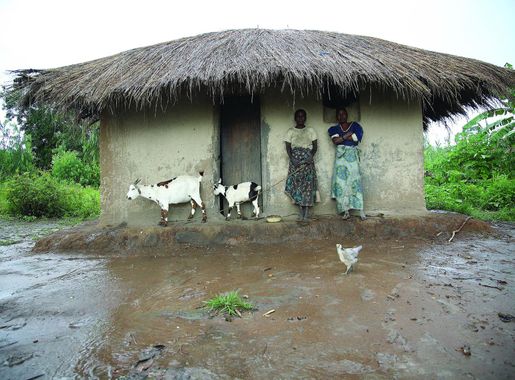

Exploring the Enchanting Dedza Highlands
Nestled in the heart of Malawi, the Dedza Highlands offer a serene escape from the bustling city life. This picturesque region is known for its rolling hills, lush forests, and cool climate, providing a perfect setting for nature lovers and adventure seekers alike. The Dedza Highlands are home to Malawi's highest peak, Dedza Mountain, which offers stunning panoramic views and challenging hiking trails for outdoor enthusiasts. Visitors can also explore the Dedza Pottery, where local artisans create beautiful ceramics using traditional techniques. This is a great place to purchase unique souvenirs and learn about the rich cultural heritage of the area. Additionally, the Chongoni Rock Art Area, a UNESCO World Heritage site, showcases some of the oldest and most significant rock art in Southern Africa, dating back thousands of years. The Dedza Highlands are also known for their welcoming communities and peaceful atmosphere. Travelers can enjoy the hospitality of local lodges and guesthouses, which provide a comfortable base for exploring the highlands. Whether you are interested in hiking, cultural experiences, or simply relaxing in a tranquil environment, the Dedza Highlands offer something for everyone.