

Free Central Region Travel Guide & Mobile App
Explore Central Region with free travel guides. Discover regional history, expert tips, proposed trips, and audio guides on web or mobile app.


Explore Malawi’s Central Region for Lilongwe, Chewa culture, Chongoni rock art, highland scenery, wildlife reserves and Lake Malawi beaches.
Read more about Central Region
When is the best time to visit Central Region?
Best: May–June, August · 20–23°C| Month | High (°C) | Rainfall (mm) |
|---|---|---|
| January | 27 | 150 |
| February | 27 | 150 |
| March | 28 | 140 |
| April | 25 | 100 |
| May (best) | 23 | 50 |
| June (best) | 20 | 20 |
| July | 20 | 20 |
| August (best) | 23 | 50 |
| September | 25 | 100 |
| October | 27 | 150 |
| November | 27 | 150 |
| December | 27 | 150 |
Getting to and around Central Region
How to get there
Transportation
Top city travel guides in Central Region
The cities of Central Region, and the easiest places to base yourself.
-

-

-


Swipe for more cities
Destinations in Central Region
Resorts, valleys and scenic spots worth a trip of their own.
-

-

-

-


Swipe for more destinations
Best attractions in Central Region
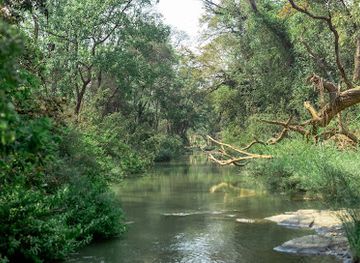
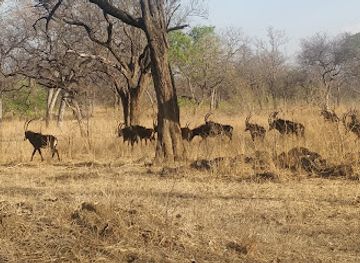
Central Malawi offers a broad range of experiences, beginning with Lilongwe’s Nature Sanctuary, urban markets, cultural centres and green suburban spaces. The Dzalanyama Range provides a wooded highland setting for scenic drives, birdwatching and outdoor excursions, while the Dedza area combines cooler upland landscapes with pottery and the internationally important Chongoni Rock-Art Area. Around Lake Malawi, Salima and Senga Bay are associated with swimming, boating, fishing and lakeside relaxation, subject to local safety advice. Wildlife enthusiasts can explore Kasungu National Park in the west and Nkhotakota Wildlife Reserve near the northern lakeshore, where miombo woodland and conservation landscapes offer a quieter alternative to the country’s busier safari areas. Mua’s Kungoni Centre of Culture and Art adds carefully interpreted displays of sculpture, music, religion and social history. Rural markets, craft workshops, birdlife and agricultural landscapes complete the attraction mix, but distances are considerable and many sites work best with advance transport and guiding arrangements.
-
Museum
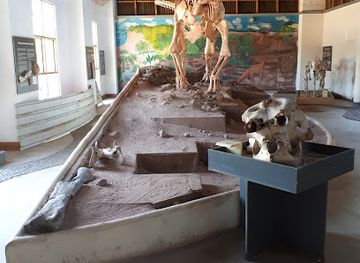
Karonga Museum
Explore the rich cultural heritage and natural history at Karonga Museum, a must-visit attraction in Malawi.
-
Tourist attraction
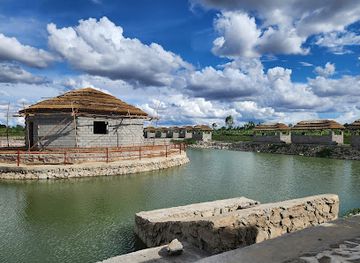
Lynod and Eunice Leisure farms
Discover the scenic beauty and engaging experiences at Lynod and Eunice Leisure Farms, a hidden gem in Malawi perfect for all travelers.
-
Lodge
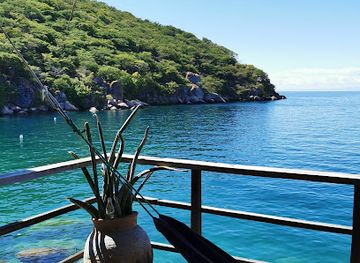
Mumbo Island
Experience the beauty of Mumbo Island, a sustainable oasis in Lake Malawi, perfect for families and nature lovers seeking adventure and relaxation.
-
Park
Havilah Park
Explore Havilah Park in Lilongwe: A tranquil escape with lush landscapes, recreational activities, and stunning photo opportunities.
Best landmarks in Central Region
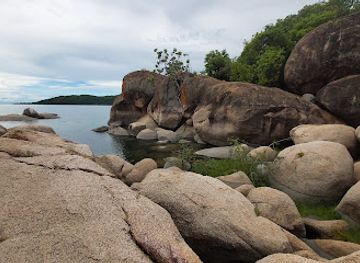
Lilongwe’s most recognisable modern landmark is the parliamentary and governmental precinct, a reminder that the city was developed as Malawi’s national capital in the post-independence era. In the older parts of the city, markets and commercial streets convey the continuity between the former town and the expanding administrative capital. The Dedza highlands contain the Chongoni Rock-Art Area, whose rock shelters are important archaeological and cultural landmarks rather than conventional monumental buildings; their painted imagery connects the contemporary landscape with earlier communities and ritual traditions. Mua Mission and the Kungoni Centre form another significant cultural landmark, combining a long-established mission setting with one of the region’s leading centres for the study and presentation of Malawian art and culture. On the eastern side of the region, the broad shoreline of Lake Malawi around Salima and Senga Bay is a defining natural landmark, while the forested terrain of Dzalanyama and the extensive miombo landscapes of Kasungu and Nkhotakota give Central Malawi a strong geographical identity beyond its towns.
-
Lake
Lake Malawi
Discover the enchanting landscapes and vibrant culture of Lake Malawi, an aquatic paradise rich in biodiversity and local heritage.
-
Nature preserve
Lilongwe Wildlife Centre
Explore Malawi's rich biodiversity at Lilongwe Wildlife Centre, a nature preserve dedicated to wildlife rescue and conservation efforts.
-
National park
Liwonde National Park
Experience the breathtaking wildlife and diverse ecosystems of Liwonde National Park, Malawi's premier destination for nature enthusiasts and adventure seekers.
-
Nature preserve
Lake Malawi National Park
Explore the stunning biodiversity and serene beauty of Lake Malawi National Park, a must-visit destination for nature lovers and adventure seekers in Malawi.

Explore Central Region on the map
Plan your trip on one map. See where the top cities, national parks and sights are, and book hotels and experiences in a few clicks.
Best hotels in Central Region
Best restaurants in Central Region
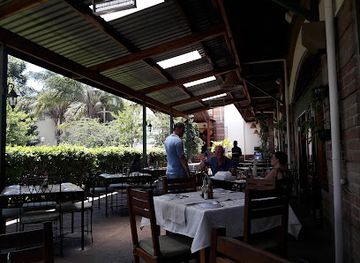
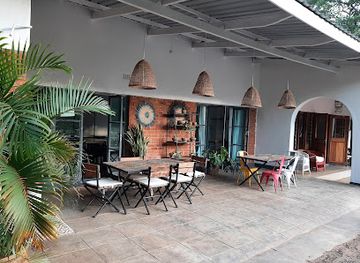
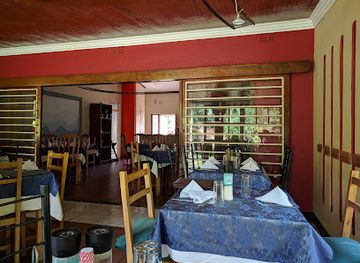
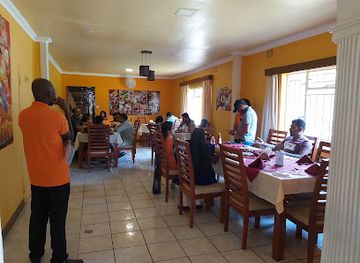
Dining in the Central Region is grounded in Malawi’s everyday food culture rather than a single distinctive cuisine. Nsima, made from maize, is commonly served with relish such as leafy vegetables, beans, groundnuts, chicken or meat, while rice and chips are also widely available in towns. Near Lake Malawi, freshwater fish is an important option, with chambo particularly associated with the national lakeside food tradition, alongside smaller local fish. Lilongwe has the widest choice of hotel restaurants, cafés, international food and contemporary dining, while smaller towns rely more on simple cafés, takeaway counters, markets and informal restaurants. Lakeside lodges and guesthouses often serve fish, rice and seasonal produce. Local beer and soft drinks are readily found, and visitors should expect menus and supplies to be more limited in parks, rural districts and smaller settlements. Food markets are useful for fruit, roasted maize, groundnuts and baked snacks, but choose cooked food carefully where refrigeration and clean water are uncertain.
-
Italian
Mamma Mia Restaurant
Discover authentic Italian flavors at Mamma Mia Restaurant in Lilongwe - where every meal is a celebration of taste.
-
Restaurant
La Cantina
Discover authentic Malawian flavors at La Cantina - a vibrant restaurant in Lilongwe offering delightful dishes in a welcoming atmosphere.
-
Italian
Mediterraneo
Savor authentic Italian flavors at Mediterraneo in Lilongwe—where every dish tells a story of tradition and passion.
-
Indian
Chennai Spice
Experience authentic Indian cuisine at Chennai Spice in Lilongwe - where every dish tells a story.
Best bars in Central Region
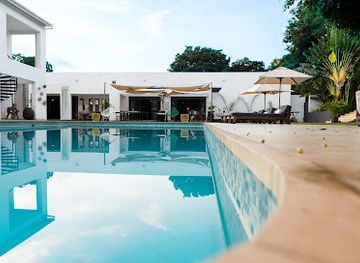
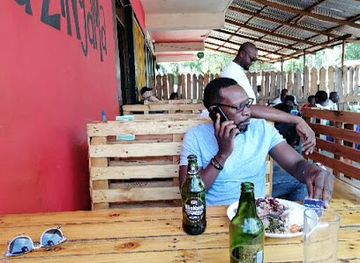
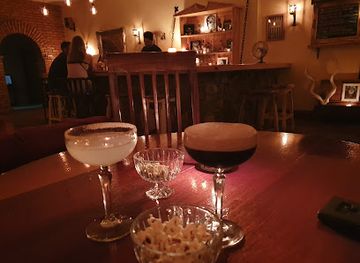
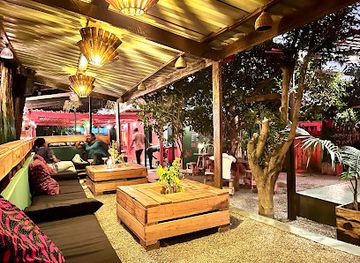
Nightlife is concentrated in Lilongwe, where hotel lounges, restaurants, bars and occasional live-music venues provide the region’s broadest evening choice. The City Centre and surrounding commercial areas tend to offer more formal settings, while Old Town has a more local, everyday social atmosphere; visitors should take normal precautions when travelling after dark. In smaller towns such as Dedza, Salima, Kasungu and Nkhotakota, evenings generally centre on pubs, hotel bars, restaurants and social gatherings rather than a substantial club scene. Senga Bay has a more seasonal lakeside evening culture, with accommodation venues sometimes hosting music or informal entertainment, but arrangements vary. Rural lodges and safari camps usually offer quiet dinners, a bar and stargazing rather than late-night entertainment. Drinking is not necessary to engage with local culture, and visitors should follow venue rules and arrange reliable transport rather than walking unfamiliar roads at night.
-
Bar
Latitude 13 Degrees
Discover the elegance of Latitude 13 Degrees in Lilongwe - a premier hotel and bar offering relaxation, dining, and vibrant nightlife.
-
African
PaZinyama
Discover the vibrant tastes of Africa at PaZinyama in Lilongwe, where authentic flavors meet a cozy lounge atmosphere for an unforgettable dining experience.
-
Cocktail bar
Nocturne
Experience the vibrant nightlife of Lilongwe at Nocturne, where expertly crafted cocktails meet captivating ambiance.
-
Bar
Hideout Bar and Grill
Experience the vibrant atmosphere of Hideout Bar and Grill in Lilongwe, a perfect spot for drinks, food, and socializing.
Best nightclubs in Central Region
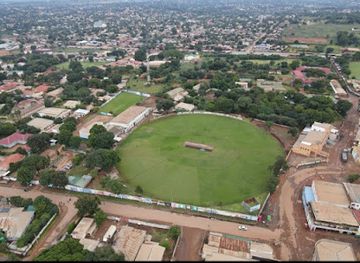
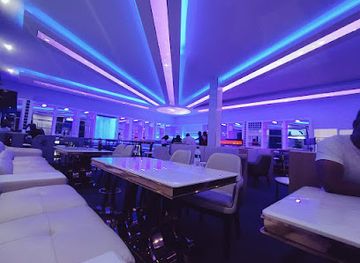
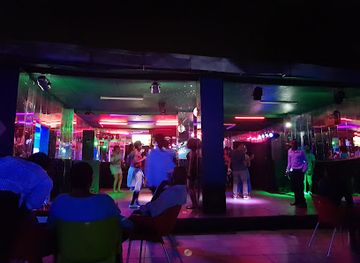
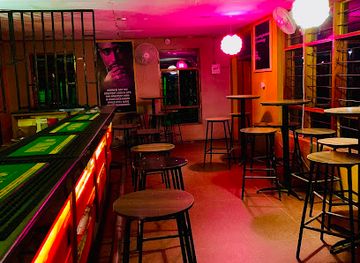
Nightlife is concentrated in Lilongwe, where hotel lounges, restaurants, bars and occasional live-music venues provide the region’s broadest evening choice. The City Centre and surrounding commercial areas tend to offer more formal settings, while Old Town has a more local, everyday social atmosphere; visitors should take normal precautions when travelling after dark. In smaller towns such as Dedza, Salima, Kasungu and Nkhotakota, evenings generally centre on pubs, hotel bars, restaurants and social gatherings rather than a substantial club scene. Senga Bay has a more seasonal lakeside evening culture, with accommodation venues sometimes hosting music or informal entertainment, but arrangements vary. Rural lodges and safari camps usually offer quiet dinners, a bar and stargazing rather than late-night entertainment. Drinking is not necessary to engage with local culture, and visitors should follow venue rules and arrange reliable transport rather than walking unfamiliar roads at night.
-
Night club
Muslim Sports Club
Discover the vibrant nightlife of Lilongwe at Muslim Sports Club, a lively venue offering music, dancing, and an unforgettable experience.
-
Lounge
Epic Exclusive Lounge
Discover the serene ambiance of Epic Exclusive Lounge in Lilongwe, where relaxation meets sophistication in the heart of Malawi.
-
Night club
Chez Ntemba Night Club
Discover the vibrant nightlife at Chez Ntemba Night Club in Lilongwe, where music, dance, and local culture come together for an unforgettable experience.
-
Bar
Queens Night Club
Discover the vibrant nightlife at Queens Night Club in Mzuzu, where music, dance, and camaraderie come together for an unforgettable experience.
Best shops in Central Region
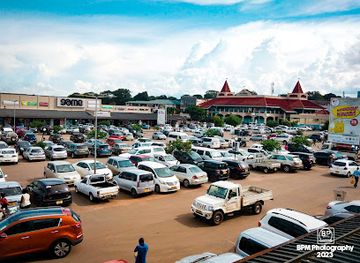
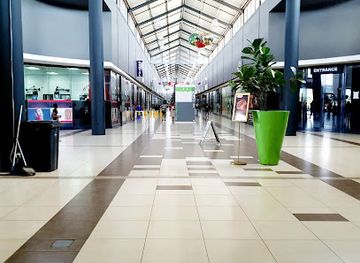
Lilongwe provides the Central Region’s widest range of shopping, from supermarkets and formal retail areas to markets, craft stalls, bookshops and small independent businesses. Old Town is useful for observing everyday commerce and buying practical goods, while craft outlets and cultural centres may offer carved wood, woven baskets, textiles and locally produced art; quality and provenance vary, so ask about materials and negotiate politely where appropriate. Dedza is associated with pottery, and locally made ceramics can be a practical regional purchase when safely packed for travel. Markets in Salima, Kasungu, Mchinji, Nkhotakota and smaller towns are better suited to fruit, vegetables, clothing and household goods than polished souvenirs. Visitors may also find groundnuts, tea, coffee, dried fish and other Malawian produce, subject to customs and airline restrictions. Carry cash for informal shopping and remember that retail choice becomes more limited away from Lilongwe.
-
Department store
Game Stores Lilongwe
Explore a wide range of products at Game Stores Lilongwe, your ultimate shopping destination for electronics, baby items, and more.
-
Shopping mall
The Gateway Mall
Discover The Gateway Mall, Lilongwe's top shopping destination, offering a unique blend of local and international brands, dining, and entertainment.
-
Shopping mall
Pacific Parade
Discover the vibrant shopping and dining experience at Pacific Parade, Lilongwe's premier shopping destination.
-
Shopping mall
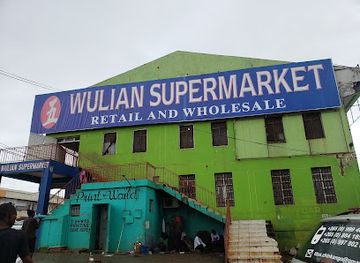
Wulian Shopping Mall
Discover shopping bliss at Wulian Shopping Mall in Lilongwe, Malawi with diverse retail, delicious dining, and vibrant community events.
Get your free copy of our complete guide to Central Region, delivered straight to you.
Everything on this page, from attractions and restaurants to essentials and local phrases, in one PDF you can read offline, print or share.
Already have an account? Sign in
Your Central Region guide is ready.
We'll send it to · Not you? Sign out

Getting your guide ready…
We are putting together a fresh copy of the Central Region guide. This can take up to a minute.
This can take a few moments. If your browser asks, choose Allow so the download can start. You'll find the guide in your Downloads folder.
Nothing happened? Download it again
Sorry, the guide is taking longer than usual. Please try again in a minute, or get it by email instead.
Central Region essentials
Currency and Payment
Safety
Emergency Situations
Do's and Don'ts
Local Tips
From Eve
Local phrases worth knowing
You don't need to get them perfect. A few words go a long way, and locals appreciate the effort.
Basics
| English | Local | Say it |
|---|---|---|
| Hello | Moni | [moh-nee] |
| Goodbye | Tsalani bwino | [tsah-lah-nee bwee-no] |
| Yes | Inde | [een-deh] |
| No | Ayi | [ah-yee] |
| Please/You're welcome | Chonde | [chon-deh] |
| Thank you | Zikomo | [zee-koh-moh] |
| Excuse me/Sorry | Pepani | [peh-pah-nee] |
| How are you? | Muli bwanji? | [moo-lee bwan-jee] |
| Fine. And you? | Ndiri bwino. Inu mukukumana bwanji? | [ndee-ree bwee-no. ee-noo moo-koo-kumah-nah bwan-jee] |
| Do you speak English? | Mukutha kulankhula Chingerezi? | [moo-koo-thah koo-lahn-khoo-lah chin-geh-reh-zee] |
| I don't understand | Sindikudziwa | [seen-ee-koo-dzee-wah] |
Eating & Drinking
| English | Local | Say it |
|---|---|---|
| I'd like to see the menu, please | Ndikufuna kuona menyu, chonde | [ndee-koo-fuh-nah koo-oh-nah men-yoo, chon-deh] |
| I don't eat meat | Sindikudya nyama | [seen-ee-koo-dyah nyah-mah] |
| Cheers! | Kukhala bwino! | [koo-khah-lah bwee-no] |
| I would like to pay, please | Ndikufuna kulipira, chonde | [ndee-koo-fuh-nah koo-lee-pee-rah, chon-deh] |
Emergencies
| English | Local | Say it |
|---|---|---|
| Help! | Thandizani! | [tahn-dee-zah-nee] |
| Go away! | Tengani! | [teh-ngah-nee] |
| Call the Police! | Fufuzani apolisi! | [foo-foo-zah-nee ah-poh-lee-see] |
| Call a doctor! | Fufuzani dokotala! | [foo-foo-zah-nee doh-koh-tah-lah] |
| I'm lost | Ndawona | [ndah-woh-nah] |
| I'm ill | Ndili ndi vuto | [ndee-lee ndee voo-toh] |
Shopping
| English | Local | Say it |
|---|---|---|
| I'd like to buy... | Ndikufuna kugula... | [ndee-koo-fuh-nah koo-goo-lah] |
| I'm just looking | Ndikungowona | [ndee-koon-goh-won-ah] |
| How much is it? | Nchiyani? | [nchee-yah-nee] |
| That's too expensive | Izi ndizopanda mtengo | [ee-zee ndee-zoh-pahn-dah mten-go] |
| Can you lower the price? | Mungathe kuthetsa mtengo? | [moon-gah-theh koo-theh-tsah mten-go] |
Time & Numbers
| English | Local | Say it |
|---|---|---|
| What time is it? | Ndi nthawi yanji? | [ndee n-thah-wee yah-njee] |
| It's one o'clock | Ndi saizi imodzi | [ndee sah-ee-zee ee-moh-dzee] |
| Half past (10) | Pachikhalidwe cha (10) | [pah-chee-khah-lee-dweh chah] |
| Morning | Madzulo | [mah-dzoo-loh] |
| Afternoon | Masana | [mah-sah-nah] |
| Evening | Madzulo | [mah-dzoo-loh] |
| Yesterday | Dziwani | [dzee-wah-nee] |
| Today | Lero | [leh-roh] |
| Tomorrow | Mmawa | [mm-ah-wah] |
| 1 | Chimodzi | [chee-moh-dzee] |
| 2 | Chiwiri | [chee-wee-ree] |
| 3 | Chitatu | [chee-tah-too] |
| 4 | Chinayi | [chee-nah-yee] |
| 5 | Chitano | [chee-tah-noh] |
| 6 | Chisanu | [chee-sah-noo] |
| 7 | Chisanu ndi chimodzi | [chee-sah-noo n-dee chee-moh-dzee] |
| 8 | Chisanu ndi ziwiri | [chee-sah-noo n-dee zee-wee-ree] |
| 9 | Chisanu ndi zitatu | [chee-sah-noo n-dee zee-tah-too] |
| 10 | Chisanu ndi chinayi | [chee-sah-noo n-dee chee-nah-yee] |
Transport & Directions
| English | Local | Say it |
|---|---|---|
| Where's a/the...? | Kodi kuti pa...? | [koh-dee koo-tee pah] |
| What's the address? | Kodi adilesi yake ndi chiyani? | [koh-dee ah-dee-leh-see yah-keh n-dee chee-yah-nee] |
| Can you show me (on the map)? | Mungathe kunditsogolera (pa mapepe)? | [moon-gah-theh koon-deet-soh-goh-leh-rah pah mah-peh-peh] |
| When's the next (bus)? | Ndi liti basi yotsatira? | [ndee lee-tee bah-see yoh-tsah-tee-rah] |
| A ticket (to ....) | Kadhi (ku....) | [kah-dhee koo] |
History of Central Region
Early settlement and Chongoni rock art
The hills around Dedza contain the Chongoni Rock-Art Area, a UNESCO-listed group of rock-art shelters associated with successive hunter-gatherer and farming communities. The imagery records changing relationships with the landscape and later ritual traditions, including paintings linked to Chewa initiation practices. The sites demonstrate that central Malawi has a human history extending far beyond the colonial period. Their value lies not only in the age of individual images but also in the continuity of cultural meaning attached to particular places.
The Maravi tradition and Chewa society
From around the late first millennium, communities connected with the wider Maravi cultural and political world became important across central and southern Malawi. Over time, Chewa-speaking societies developed social, agricultural and ritual traditions that remain influential in the Central Region. The institution of the Gule Wamkulu masked dance, associated with the Nyau tradition, is one of the best-known expressions of this heritage, although it should be understood as a living cultural practice rather than simply a performance for visitors.
Trade, missionaries and the nineteenth century
During the nineteenth century, long-distance trade routes crossed the territory around Lake Malawi and the central plateau, linking inland communities with lakeside and wider regional networks. Missionaries, explorers and traders also travelled through the area, contributing to new religious, educational and commercial institutions. Mua Mission, established by the White Fathers in the early twentieth century, later became a significant centre for Catholic education and cultural work. These developments unfolded alongside local political authority and should not be understood as replacing existing societies overnight.
British rule and the Nyasaland protectorate
The territory became part of the British Central Africa Protectorate in 1891 and was renamed Nyasaland in 1907. Colonial administration reshaped landholding, taxation, labour and transport, while agriculture became increasingly tied to export markets. The central plateau’s roads and administrative stations helped connect districts with Blantyre, the lakeshore and neighbouring territories. The legacy is visible in some older government buildings, mission institutions, plantation landscapes and the enduring importance of cash crops, although colonial development was uneven and imposed substantial burdens on local communities.
Independence and the rise of Lilongwe
Nyasaland became independent Malawi in 1964, with Hastings Kamuzu Banda as the country’s first prime minister and later president. Lilongwe, a modest colonial-era town, was selected to replace Zomba as the national capital and was developed as the seat of government during the 1960s and 1970s. The planned capital transformed the central plateau, attracting ministries, businesses, schools and residents from across the country. The contrast between the newer administrative city and older commercial settlements remains an important feature of Lilongwe.
Contemporary agriculture, conservation and culture
Since independence, the Central Region has remained important for maize, tobacco and other forms of agriculture, while Lilongwe has grown into Malawi’s largest concentration of national institutions and international organisations. Conservation areas such as Kasungu National Park and Nkhotakota Wildlife Reserve reflect more recent efforts to protect woodland and wildlife amid pressure on land and resources. Cultural institutions, including the Kungoni Centre at Mua, have also helped document artistic and historical traditions while presenting them to visitors in a locally grounded setting.
Central Region in Photos
Browse through our photo collection highlighting the charm and character of the destination.
Neighbouring regions of Central Region
The closest regions to Central Region, if you have time for more than one.
-

-

-

-

-


Swipe for more regions
Explore more

Explore more of Malawi
Discover Malawi, the Warm Heart of Africa, where pristine landscapes, diverse wildlife, and rich cultural heritage await to enchant every traveler.
Explore Malawi