

Free Shire Highlands Travel Guide & Mobile App
Explore Shire Highlands with free travel guides. Discover regional history, expert tips, proposed trips, and audio guides on web or mobile app.


Explore Malawi’s Shire Highlands for Zomba’s plateau, Blantyre’s history, Thyolo tea estates and mountain landscapes around Mulanje.
Read more about Shire Highlands
When is the best time to visit Shire Highlands?
Best: June, August–September · 22–25°C| Month | High (°C) | Rainfall (mm) |
|---|---|---|
| January | 27 | 150 |
| February | 27 | 150 |
| March | 26 | 150 |
| April | 25 | 100 |
| May | 24 | 50 |
| June (best) | 22 | 20 |
| July | 22 | 20 |
| August (best) | 24 | 20 |
| September (best) | 25 | 50 |
| October | 27 | 100 |
| November | 27 | 150 |
| December | 27 | 150 |
Getting to and around Shire Highlands
How to get there
Transportation
Top city travel guides in Shire Highlands
The cities of Shire Highlands, and the easiest places to base yourself.
-

-


Swipe for more cities
Destinations in Shire Highlands
Resorts, valleys and scenic spots worth a trip of their own.
-

-

-


Swipe for more destinations
Best attractions in Shire Highlands
The Shire Highlands offer a varied combination of urban heritage, mountain scenery, working agricultural landscapes and outdoor activity. In Blantyre, early mission buildings, historic churches and commercial architecture explain the city’s role in the making of modern Malawi, while nearby Michiru Mountain provides woodland and viewpoints close to the urban area. Zomba is the gateway to the Zomba Plateau, where forest roads, streams, picnic areas and elevated viewpoints create opportunities for walking and photography. The plateau is best explored with attention to weather and route conditions rather than as a quick roadside stop. South-east of Blantyre, the Thyolo and Mulanje districts are known for tea estates, rural scenery and access to the foothills and trails of Mount Mulanje. The massif supports hiking routes ranging from shorter walks to demanding multi-day excursions, with local guides particularly important on unfamiliar terrain. Markets, mission sites, agricultural communities and small cultural venues add human context to the scenery. The region has fewer large purpose-built tourist attractions than Malawi’s lakeshore areas, but its appeal lies in the close succession of different landscapes and the chance to see how cities, farms, forests and mountain communities connect.
-
Tourist attraction
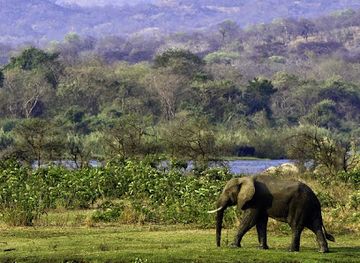
Majete Wildlife Reserve
Discover the breathtaking beauty of Majete Wildlife Reserve, Malawi's premier wildlife sanctuary, teeming with diverse species and stunning landscapes.
-
Tourist attraction
Thyolo Tea Estate
Experience the lush landscapes and rich heritage of Thyolo Tea Estate, a tranquil retreat in Malawi's tea-growing region.
-
Park
Michiru Gardens
Explore the serene beauty of Michiru Gardens in Blantyre, a perfect escape for nature lovers and a tranquil spot for relaxation amid lush landscapes.
-
Tourist attraction
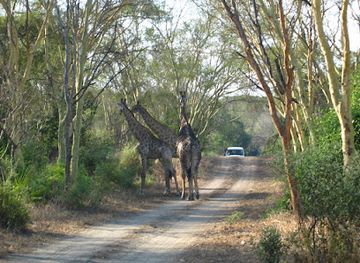
Lengwe National Park
Experience the breathtaking wildlife and serene landscapes of Lengwe National Park in Malawi, a true paradise for nature lovers and adventure seekers.


Best landmarks in Shire Highlands
The Shire Highlands’ most recognisable landmarks combine built heritage with prominent upland scenery. St Michael and All Angels Church in Blantyre is an important late-nineteenth-century mission building, constructed in a locally significant adaptation of European ecclesiastical architecture and closely associated with the city’s early Christian history. The surrounding Blantyre Mission area and older civic buildings help explain how the settlement developed under colonial rule. In Zomba, the broad wooded rise of the Zomba Plateau dominates the town and remains the region’s defining natural landmark, with elevated viewpoints over the surrounding countryside. Mount Mulanje is more imposing still: its isolated mass of rock and forest rises abruptly above the tea-growing plains, creating a distinctive skyline visible from roads around Mulanje and Thyolo. The mountain’s individual peaks, escarpments and valleys are geographical features as well as hiking destinations. In the wider southern highlands, tea plantations form a cultural landscape rather than a single monument, their ordered fields recording the long economic history of commercial agriculture in Malawi.
-
Tourist attraction
Majete Wildlife Reserve
Explore Majete Wildlife Reserve, a conservation success story and a paradise for wildlife lovers in Malawi, offering unforgettable safari experiences.
-
Tourist attraction
Thyolo Tea Estate
Experience the lush beauty and rich culture of Thyolo Tea Estate in southern Malawi, where stunning landscapes meet the art of tea production.
-
Tourist attraction
Lengwe National Park
Immerse yourself in the breathtaking landscapes and diverse wildlife of Lengwe National Park, a hidden treasure in Malawi for nature lovers and adventurers.

Explore Shire Highlands on the map
Plan your trip on one map. See where the top cities, national parks and sights are, and book hotels and experiences in a few clicks.
Best hotels in Shire Highlands
Best restaurants in Shire Highlands
Dining in the Shire Highlands combines Malawian staples with food shaped by the region’s farms, estates and urban population. Nsima, commonly served with beans, leafy vegetables, chicken, beef or fish, is widely available, while rice, chips, grilled meat and vegetable dishes appear in restaurants and takeaway cafés. Blantyre has the broadest choice, including Malawian, Indian, African and international cooking, and Zomba offers a smaller selection around its central streets and accommodation areas. In the tea-growing districts, tea is central to the local agricultural identity, though estate access and visitor facilities vary and should be arranged in advance. Markets and roadside stalls are useful for seasonal bananas, citrus, avocados and other produce, but hygiene standards differ, so choose busy outlets with good turnover and drink treated or bottled water. Rural inns and guesthouses often provide simple meals if requested ahead of time, making advance notice helpful outside the main towns.
-
Restaurant
21 Grill Restaurant
Experience authentic Malawian cuisine blended with international flavors at Blantyre's finest dining destination.
-
Lodge
Casa Mia Lodge & Restaurant
Discover Casa Mia Lodge & Restaurant: Your gateway to exceptional continental dining and cozy accommodations in Blantyre's picturesque Kabula district.
-
Italian
Hostaria Restaurant
Experience authentic Italian cuisine at Hostaria Restaurant in Blantyre – where every dish tells a story.
-
Restaurant
Veg-Delight Blantyre
Discover delectable vegetarian dishes at Veg-Delight Blantyre, where healthy eating meets Malawian flavors in a cozy setting.


Best bars in Shire Highlands
Evening life in the Shire Highlands is concentrated in Blantyre, Limbe and, on a smaller scale, Zomba. Blantyre has the widest range of hotel bars, restaurants, casual drinking places, live entertainment and occasional dancing, while Limbe’s commercial character gives it a distinct evening atmosphere. Zomba’s nightlife is more modest and tends to centre on restaurants, guesthouse bars, informal music and socialising rather than a large club circuit. Outside the main towns, evenings usually revolve around local pubs, lodge restaurants and community gatherings, with little reason to expect late-night facilities around tea estates or mountain trailheads. Breweries, imported drinks and non-alcoholic refreshments are available in established urban venues, but opening arrangements and entertainment schedules can change. Visitors should use registered taxis or accommodation-arranged transport after dark and avoid treating alcohol as a substitute for exploring the region’s cultural and natural attractions.
-
Lodge
Blend. Lodge & Kitchen
Experience the perfect blend of comfort and culinary delights at Blend. Lodge & Kitchen in Zomba, Malawi.
-
Bar
Red Pub & Grub
Discover the vibrant atmosphere and delicious flavors of Red Pub & Grub, a must-visit bar in the heart of Blantyre, Malawi.
-
Fine Dining
Max & Sherry Dine and Lounge
Experience fine dining at Max & Sherry Dine and Lounge in Blantyre, where exquisite cuisine meets impeccable service in a sophisticated setting.
-
Bar
TJ's Bar
Experience the vibrant nightlife of Blantyre at TJ's Bar, where great drinks and friendly vibes come together in a local favorite.


Best nightclubs in Shire Highlands
Evening life in the Shire Highlands is concentrated in Blantyre, Limbe and, on a smaller scale, Zomba. Blantyre has the widest range of hotel bars, restaurants, casual drinking places, live entertainment and occasional dancing, while Limbe’s commercial character gives it a distinct evening atmosphere. Zomba’s nightlife is more modest and tends to centre on restaurants, guesthouse bars, informal music and socialising rather than a large club circuit. Outside the main towns, evenings usually revolve around local pubs, lodge restaurants and community gatherings, with little reason to expect late-night facilities around tea estates or mountain trailheads. Breweries, imported drinks and non-alcoholic refreshments are available in established urban venues, but opening arrangements and entertainment schedules can change. Visitors should use registered taxis or accommodation-arranged transport after dark and avoid treating alcohol as a substitute for exploring the region’s cultural and natural attractions.
-
Night club
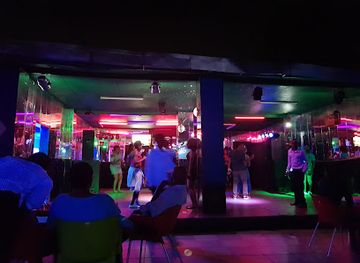
Chez Ntemba Night Club
Discover the pulse of Lilongwe's nightlife at Chez Ntemba Night Club, where music, dance, and local culture come alive.
-
Night club
Indian Sports Club
Discover the energy of Indian Sports Club in Blantyre, a vibrant nightlife destination perfect for socializing and celebrating.
-
Night club
Chez Ntemba
Discover the essence of Blantyre's nightlife at Chez Ntemba, where music, dance, and culture collide in a vibrant atmosphere.
-
Night club
Discorium
Discover the vibrant nightlife at Discorium, Lilongwe's premier night club known for its lively atmosphere and electrifying music.


Best shops in Shire Highlands
Shopping in the Shire Highlands ranges from urban retail in Blantyre and Limbe to produce markets and small trading centres in Zomba, Thyolo and Mulanje. Blantyre provides the greatest choice of supermarkets, pharmacies, clothing shops, mobile-phone services, crafts and contemporary retail, while Limbe is strongly associated with commerce and busy market activity. Zomba’s centre is more compact and useful for everyday goods, books, clothing, food and locally made craft items. Markets across the region sell seasonal fruit, vegetables, baskets, textiles and household products, although quality and prices vary and bargaining should remain courteous. Tea is the most obvious regional purchase, but packaged products should be bought from established retailers or directly from reputable estates when visitor sales are available. Other practical souvenirs include carved wood, woven goods and Malawi-made art, provided they are legally sourced and not made from protected wildlife materials. Rural stalls may offer memorable produce but are unlikely to accept cards, so carry small notes in kwacha.
-
Shopping mall
The Gateway Mall
Discover the vibrant shopping and dining experience at The Gateway Mall in Lilongwe, Malawi – where local culture meets convenience.
-
Gift shop
Marceline Gifts
Explore the finest selection of handcrafted Malawian gifts and souvenirs at Marceline Gifts, a must-visit shop in Blantyre.
-
Shopping mall
Old Town Mall
Discover shopping and dining delights at Old Town Mall in Lilongwe, where local culture meets modern convenience.
-
Shopping mall
Mall of Africa
Experience shopping like never before at the Mall of Africa in Blantyre, where fashion, food, and fun await under one roof.



Get your free copy of our complete guide to Shire Highlands, delivered straight to you.
Everything on this page, from attractions and restaurants to essentials and local phrases, in one PDF you can read offline, print or share.
Already have an account? Sign in
Your Shire Highlands guide is ready.
We'll send it to · Not you? Sign out

Getting your guide ready…
We are putting together a fresh copy of the Shire Highlands guide. This can take up to a minute.
This can take a few moments. If your browser asks, choose Allow so the download can start. You'll find the guide in your Downloads folder.
Nothing happened? Download it again
Sorry, the guide is taking longer than usual. Please try again in a minute, or get it by email instead.
Shire Highlands essentials
Currency and Payment
Safety
Emergency Situations
Do's and Don'ts
Local Tips
From Eve
Local phrases worth knowing
You don't need to get them perfect. A few words go a long way, and locals appreciate the effort.
Basics
| English | Local | Say it |
|---|---|---|
| Hello | Moni | [moh-nee] |
| Goodbye | Tsalani bwino | [tsah-lah-nee bwee-noh] |
| Yes | Inde | [een-deh] |
| No | Ayi | [ah-yee] |
| Please/You're welcome | Chonde | [chohn-deh] |
| Thank you | Zikomo | [zee-koh-moh] |
| Excuse me/Sorry | Pepani | [peh-pah-nee] |
| How are you? | Muli bwanji? | [moo-lee bwan-jee] |
| Fine. And you? | Ndili bwino. Inu? | [ndee-lee bwee-noh. ee-noo?] |
| Do you speak English? | Mukhala ndi Chingerezi? | [moo-khah-lah n-dee cheen-geh-reh-zee] |
| I don't understand | Sikhulupirira | [see-khoo-loo-pee-ree-rah] |
Eating & Drinking
| English | Local | Say it |
|---|---|---|
| I'd like to see the menu, please | Ndikufuna kuona chikalata, chonde | [ndee-koo-funah koo-oh-nah chee-kah-lah-tah, chohn-deh] |
| I don't eat meat | Sindikudya nyama | [seen-dee-koo-jah nyah-mah] |
| Cheers! | Muli bwino! | [moo-lee bwee-noh!] |
| I would like to pay, please | Ndikufuna kulipira, chonde | [ndee-koo-funah koo-lee-pee-rah, chohn-deh] |
Emergencies
| English | Local | Say it |
|---|---|---|
| Help! | Thandizeni! | [than-dee-zeh-nee!] |
| Go away! | Tengani! | [teh-ngah-nee!] |
| Call the Police! | Yambitsani apolisi! | [yahm-bee-tsah-nee ah-poh-lee-see!] |
| Call a doctor! | Yambitsani dokotala! | [yahm-bee-tsah-nee doh-koh-tah-lah!] |
| I'm lost | Ndikuphwanya | [ndee-koo-pwan-yah] |
| I'm ill | Ndikuvuta | [ndee-koo-voo-tah] |
Shopping
| English | Local | Say it |
|---|---|---|
| I'd like to buy... | Ndikufuna kugula... | [ndee-koo-funah koo-goo-lah...] |
| I'm just looking | Ndikungowona | [ndee-koon-goh-woh-nah] |
| How much is it? | Ndalama zingati? | [ndah-lah-mah zing-gah-tee?] |
| That's too expensive | Izi ndizachibadwa | [ee-zee n-dee-zah-chee-bah-dwah] |
| Can you lower the price? | Mungathe kuthetseratu mtengo? | [moon-gah-theh koo-theh-tseh-rah-too mteng-oh?] |
Time & Numbers
| English | Local | Say it |
|---|---|---|
| What time is it? | Ndi nthawi yanji? | [ndee n-thah-wee yah-njee?] |
| It's one o'clock | Ndi saa imwe | [ndee sah ee-mweh] |
| Half past (10) | Ndi hafu ya (10) | [ndee hah-foo yah (10)] |
| Morning | M'tsogolo | [m'tsoh-goh-loh] |
| Afternoon | Pachikondi | [pah-chee-kohn-dee] |
| Evening | Chikondi | [chee-kohn-dee] |
| Yesterday | Dzuwa lapita | [dzu-wah lah-pee-tah] |
| Today | Lero | [leh-roh] |
| Tomorrow | M'mawa | [m'mah-wah] |
| 1 | Imodzi | [ee-moh-dzee] |
| 2 | Ziwiri | [zee-wee-ree] |
| 3 | Zitatu | [zee-tah-too] |
| 4 | Zina | [zee-nah] |
| 5 | Tano | [tah-noh] |
| 6 | Tseka | [tseh-kah] |
| 7 | Chisanu | [chee-sah-noo] |
| 8 | Chisanu ndi chimodzi | [chee-sah-noo n-dee chee-moh-dzee] |
| 9 | Chisanu ndi ziwiri | [chee-sah-noo n-dee zee-wee-ree] |
| 10 | Chikhalidwe | [chee-khah-lee-dweh] |
Transport & Directions
| English | Local | Say it |
|---|---|---|
| Where's a/the...? | Kukhala kuti...? | [koo-khah-lah koo-tee...?] |
| What's the address? | Ndi adiresi yanji? | [ndee ah-dee-reh-see yah-njee?] |
| Can you show me (on the map)? | Mungandithandize (pa msempha)? | [moon-gahn-dee-than-dih-zeh (pah m-seh-mpah)?] |
| When's the next (bus)? | Ndi liti (basi) yotsatira? | [ndee lee-tee (bah-see) yo-tahs-ee-rah?] |
| A ticket (to ....) | Khadzidzi (kupita ku ....) | [khah-dzee-dzee (koo-pee-tah koo ....)] |
History of Shire Highlands
Early Settlement and the Maravi World
The Shire Highlands have long been occupied by farming communities whose histories are connected with the wider Maravi cultural and political world of central and southern Malawi. Agriculture, seasonal movement and trade linked the uplands with the Shire Valley and the Lake Chilwa basin. Later movements of Yao and Ngoni people, together with the activities of local chiefs, altered political relationships and patterns of settlement during the eighteenth and nineteenth centuries. The region’s present cultural geography therefore reflects several layers of migration, authority and exchange rather than a single ancestral tradition.
Missionaries and the Founding of Blantyre, 1876
The Blantyre Mission was established in 1876 by the Church of Scotland missionaries associated with the memory of David Livingstone. It became one of the most influential Christian and educational centres in the territory then known as Nyasaland. The mission helped shape the growth of Blantyre, although missionary expansion also formed part of a wider colonial system that transformed landholding, education, labour and political authority. St Michael and All Angels Church, completed in the late nineteenth century, remains an important architectural reminder of this period.
Zomba and the Colonial Capital
Zomba became the administrative capital of the British protectorate of Nyasaland in the 1890s and remained the seat of government after the territory became the Federation of Rhodesia and Nyasaland. Its position below the Zomba Plateau offered a cooler climate and a setting favoured by colonial officials. Government buildings, avenues and institutional estates altered the town’s landscape, while the plateau became associated with forestry, recreation and official residences. Zomba ceased to be Malawi’s national capital in 1975, when the government moved to Lilongwe, but its administrative and educational importance continues.
The Growth of Tea in Thyolo and Mulanje
Commercial tea cultivation expanded in the uplands around Thyolo and Mulanje during the colonial period and became one of southern Malawi’s defining industries. Estate production brought roads, processing facilities and wage labour, while also concentrating land and economic power in commercial plantations. Tea remains an important export and employer, alongside smallholder agriculture and other crops. The carefully managed rows of tea beneath the Thyolo hills and Mount Mulanje are therefore not simply scenic landscapes: they record a long history of agricultural policy, labour and global commodity markets.
The Chilembwe Rising, 1915
The 1915 uprising led by John Chilembwe was one of the most significant anti-colonial events in Nyasaland. Chilembwe, a Baptist pastor and educator, opposed exploitative labour conditions, racial inequality and the demands placed on African communities during the First World War. The rising began in the Shire Highlands, including the area around his mission at Mbombwe in present-day Chiradzulu District, and was suppressed by colonial authorities. Chilembwe is now regarded as a major figure in Malawi’s national history, and 15 January is commemorated as John Chilembwe Day.
Independence and the Changing Role of the Southern Highlands
Nyasaland became independent Malawi in 1964, and the Shire Highlands continued to play a major role in national economic, political and cultural life. Blantyre developed as the country’s commercial and industrial centre, while Zomba retained important educational and governmental institutions after losing the capital. Tea, transport, manufacturing and public administration shaped employment and urban growth, although rural communities remained closely tied to smallholder farming. In the decades since independence, the region has balanced its colonial-built towns and export agriculture with expanding local enterprise, conservation and domestic tourism.
Shire Highlands in Photos
Browse through our photo collection highlighting the charm and character of the destination.
Neighbouring regions of Shire Highlands
The closest regions to Shire Highlands, if you have time for more than one.
-

-

-

-

-


Swipe for more regions
Explore more

Explore more of Malawi
Discover Malawi, the Warm Heart of Africa, where pristine landscapes, diverse wildlife, and rich cultural heritage await to enchant every traveler.
Explore Malawi