

Free Chiradzulu Highlands Travel Guide & Mobile App
Explore Chiradzulu Highlands with free travel guides. Discover regional history, expert tips, proposed trips, and audio guides on web or mobile app.


Explore the Chiradzulu Highlands in southern Malawi for mountain scenery, rural landscapes, forested slopes and close access to the region’s communities.
Read more about Chiradzulu Highlands
When is the best time to visit Chiradzulu Highlands?
Best: June–August · 21–22°C| Month | High (°C) | Rainfall (mm) |
|---|---|---|
| January | 27 | 250 |
| February | 27 | 225 |
| March | 26 | 200 |
| April | 25 | 125 |
| May | 23 | 50 |
| June (best) | 21 | 10 |
| July (best) | 21 | 10 |
| August (best) | 22 | 20 |
| September | 24 | 50 |
| October | 26 | 100 |
| November | 26 | 150 |
| December | 27 | 200 |
Getting to and around Chiradzulu Highlands
How to get there
Transportation
Top city travel guides in Chiradzulu Highlands
The cities of Chiradzulu Highlands, and the easiest places to base yourself.

Swipe for more cities
Best attractions in Chiradzulu Highlands
The principal attraction of the Chiradzulu Highlands is Mount Chiradzulu and the surrounding upland landscape. Guided walks can provide access to forested slopes, cultivated valleys, open ridges and viewpoints across southern Malawi, although routes are generally informal rather than presented as a large, fully equipped hiking network. The changing vegetation with altitude and the contrast between mountain greenery and densely farmed lowlands are central to the experience. Village landscapes, local trading centres and smallholder fields add cultural and geographical interest, provided visitors observe privacy and obtain permission where appropriate. Birdwatching and nature observation are possible in quieter wooded areas, but visitors should not expect the signage, visitor centres or guaranteed wildlife sightings associated with a major national park. Chiradzulu town offers a useful base for understanding the district’s everyday commercial and administrative life rather than a concentration of formal museums or monuments. The region also works well as a slower rural component of a southern Malawi itinerary, with Blantyre and the Zomba Plateau nearby but outside the highlands. Access, guiding and walking conditions should be confirmed locally, particularly during and immediately after the rains.
-
National park
Kasungu National Park
Explore the wildlife and breathtaking beauty of Kasungu National Park, a hidden gem in Malawi, perfect for adventure seekers and nature lovers.
-
Heritage museum
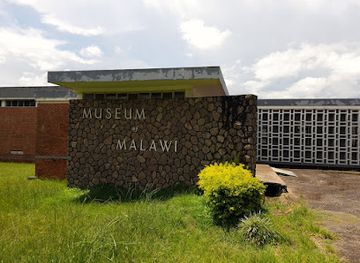
Museum of Malawi
Explore the Museum of Malawi: A Cultural Journey Through Artifacts and History in Blantyre.
-
Tourist attraction
Castel Malawi Brewery
Discover the rich brewing heritage of Malawi at Castel Malawi Brewery in Blantyre, a must-visit for beer lovers and cultural enthusiasts alike.
-
Tourist attraction
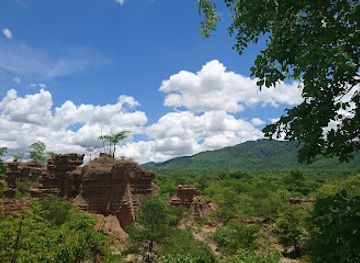
Malape pillars
Explore the stunning Malape Pillars in Malawi, a breathtaking natural attraction rich in cultural heritage and perfect for outdoor enthusiasts.


Best landmarks in Chiradzulu Highlands
Mount Chiradzulu is the defining natural landmark of the region, rising as a distinct wooded massif above the agricultural country of southern Malawi. Its slopes are visually important as a local watershed and as a reference point for communities living around the mountain. The ridgelines and upper viewpoints, when reached safely with local guidance, offer broad perspectives towards the settled plains and neighbouring highlands. Chiradzulu town is the district’s principal civic landmark in a broader sense: its administrative buildings, market activity and road connections reveal how the mountain landscape is organised and served. The area’s most meaningful human landmarks are often modest rather than monumental, including churches, schools, village meeting places and trading centres that structure everyday life. These should be approached as working community spaces, not open-air attractions. The better-known Zomba Plateau and urban landmarks of Blantyre are nearby reference points but lie outside the Chiradzulu Highlands and should be treated as separate destinations.
-
 Lodge
Game Haven Lodge
Experience the perfect blend of wildlife adventures and family-friendly dining at Game Haven Lodge in Chigumula, Malawi.
-
National park
Liwonde National Park
Experience the natural wonders of Liwonde National Park in Malawi, a sanctuary for wildlife and a paradise for nature lovers and adventure seekers alike.
-
Tourist attraction
Majete Wildlife Reserve
Immerse yourself in the untamed wilderness of Majete Wildlife Reserve, home to diverse wildlife and stunning landscapes in Malawi.
-
Tourist attraction
Likhubula Falls (Dziwe la Nkhalamba)
Explore Likhubula Falls, a breathtaking waterfall in Mulanje, Malawi, perfect for nature lovers and adventure seekers looking for serenity and stunning views.


Explore Chiradzulu Highlands on the map
Plan your trip on one map. See where the top cities, national parks and sights are, and book hotels and experiences in a few clicks.
Best hotels in Chiradzulu Highlands
Best restaurants in Chiradzulu Highlands
Dining in the Chiradzulu Highlands is primarily local and practical, centred on small eateries, market stalls, guesthouse cooking and family-run food outlets rather than a large restaurant scene. Common meals in southern Malawi include nsima, a thick maize staple, served with beans, leafy vegetables, chicken, eggs or fish where available. Rice, sweet potatoes, cassava and seasonal produce may also appear, while tea and simple snacks are useful during road journeys. Trading centres provide opportunities to buy fruit, roasted maize and other everyday foods, but choice and opening arrangements vary. Visitors staying in rural accommodation should arrange meals in advance and carry provisions for longer walks. Blantyre, outside the region, offers the broadest selection of restaurants and international food, making it a convenient place to stock up before travelling into the highlands. Eating locally is best approached with flexibility, attention to hygiene and respect for customary meal settings.
-
Lodge
Game Haven Lodge
Discover tranquility at Game Haven Lodge – a family-friendly retreat surrounded by Malawi's stunning wildlife and breathtaking landscapes.
-
Coffee shop
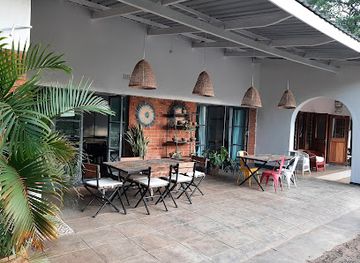
Mijn Kitchen
Experience the warmth of Blantyre at Mijn Kitchen, where every cup of coffee tells a story and every visit feels like home.
-
Restaurant
La Cantina
Discover La Cantina in Lilongwe - where authentic Malawian flavors meet global culinary delights in a welcoming atmosphere.
-
Restaurant
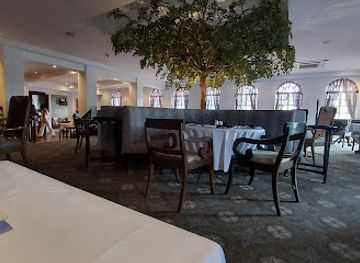
21 Grill Restaurant
Experience the rich flavors of Malawi at 21 Grill Restaurant in Blantyre—where local cuisine meets international flair.

Best bars in Chiradzulu Highlands
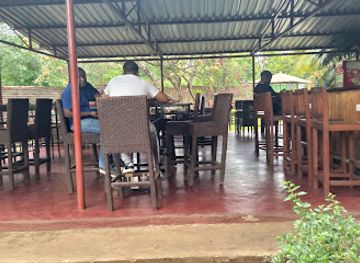
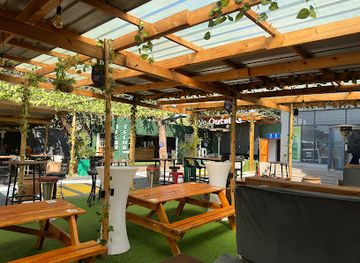
Evening life in the Chiradzulu Highlands is quiet and community-based. Small local bars and bottle shops may serve as social meeting places in larger settlements, while rural evenings generally revolve around homes, family gatherings and early closing times rather than organised nightlife. There is no substantial nightclub district in the highlands, and visitors should not expect a dependable programme of live music or late-night venues. Blantyre, outside the region, has Malawi’s most extensive choice of restaurants, hotel bars and entertainment venues, while Zomba provides another nearby urban option. In Chiradzulu, arrange transport before going out, avoid isolated roads after dark and respect local residential surroundings. Malawi’s locally produced beers and soft drinks are commonly available, but alcohol is not necessary to engage with the region’s culture or communities.
-
Restaurant
21 Grill Restaurant
Experience the best of local and international cuisine at 21 Grill Restaurant in Blantyre, Malawi, a top dining destination for every food lover.
-
Lodge
Casa Mia Lodge & Restaurant
Discover the perfect blend of comfort and local cuisine at Casa Mia Lodge & Restaurant in Blantyre, Malawi.
-
Art gallery
La Caverna
Explore La Caverna: A unique blend of art and cuisine in Blantyre, Malawi's cultural treasure, perfect for every traveler.
-
Bar
Red Pub & Grub
Discover the lively spirit of Red Pub & Grub in Blantyre, where great drinks and local culture come together in a vibrant atmosphere.


Best nightclubs in Chiradzulu Highlands
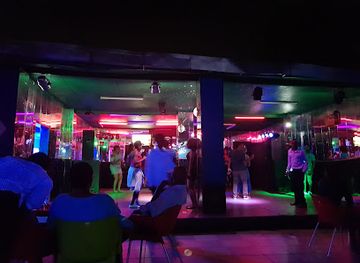
Evening life in the Chiradzulu Highlands is quiet and community-based. Small local bars and bottle shops may serve as social meeting places in larger settlements, while rural evenings generally revolve around homes, family gatherings and early closing times rather than organised nightlife. There is no substantial nightclub district in the highlands, and visitors should not expect a dependable programme of live music or late-night venues. Blantyre, outside the region, has Malawi’s most extensive choice of restaurants, hotel bars and entertainment venues, while Zomba provides another nearby urban option. In Chiradzulu, arrange transport before going out, avoid isolated roads after dark and respect local residential surroundings. Malawi’s locally produced beers and soft drinks are commonly available, but alcohol is not necessary to engage with the region’s culture or communities.
-
Grill
Sky Lounge Bar
Experience the perfect blend of scenic views, delicious grilled cuisine, and vibrant nightlife at Sky Lounge Bar in Blantyre.
-
Night club
Illusionz
Discover the electrifying atmosphere of Illusionz Night Club, Lilongwe's hotspot for nightlife filled with music, dancing, and unforgettable experiences.
-
Night club
Muslim Sports Club
Discover the lively nightlife at Muslim Sports Club, a must-visit night club in Lilongwe offering music, dance, and cultural experiences.
-
Night club
Chez Ntemba Night Club
Dive into the energetic nightlife of Lilongwe at Chez Ntemba Night Club, where music, dance, and culture collide for an unforgettable experience.
Best shops in Chiradzulu Highlands
Shopping in the Chiradzulu Highlands is concentrated in local trading centres and markets, where residents buy food, household goods, clothing and basic travel supplies. Fresh produce, maize, beans, fruit and seasonal vegetables reflect the surrounding agricultural economy, while small shops may carry drinks, snacks and toiletries. The region is not a major destination for luxury retail or specialist craft shopping. Visitors seeking locally made items should ask discreetly and buy directly from established sellers rather than photographing or purchasing objects without permission. Blantyre, outside the highlands, offers the widest choice of supermarkets, galleries, craft outlets and reliable places to obtain provisions before a rural excursion. Practical souvenirs may include Malawian textiles, woven goods or packaged food products, but availability varies and provenance should be considered. Carry purchases in reusable bags and avoid buying protected natural materials, archaeological objects or items that may have been taken from the mountain environment.
-
Art gallery
La Caverna
Experience the vibrant fusion of art and cuisine at La Caverna, Blantyre's premier art gallery and restaurant.
-
Shopping mall
Kapani Kanengo Shopping Centre
Explore the Kapani Kanengo Shopping Centre in Lilongwe for a unique blend of shopping, culture, and local flavors.
-
Home goods store
Lizulu Trading Centre Malawi
Explore Lizulu Trading Centre Malawi for unique home goods and authentic crafts reflecting the rich culture and artistry of Malawi.
-
Market
Lizulu Horticulture Market
Explore the vibrant Lizulu Horticulture Market in Lilongwe, where fresh produce meets local culture and authentic Malawian experiences await.


Get your free copy of our complete guide to Chiradzulu Highlands, delivered straight to you.
Everything on this page, from attractions and restaurants to essentials and local phrases, in one PDF you can read offline, print or share.
Already have an account? Sign in
Your Chiradzulu Highlands guide is ready.
We'll send it to · Not you? Sign out

Getting your guide ready…
We are putting together a fresh copy of the Chiradzulu Highlands guide. This can take up to a minute.
This can take a few moments. If your browser asks, choose Allow so the download can start. You'll find the guide in your Downloads folder.
Nothing happened? Download it again
Sorry, the guide is taking longer than usual. Please try again in a minute, or get it by email instead.
Chiradzulu Highlands essentials
Currency and Payment
Safety
Emergency Situations
Do's and Don'ts
Local Tips
From Eve
Local phrases worth knowing
You don't need to get them perfect. A few words go a long way, and locals appreciate the effort.
Basics
| English | Local | Say it |
|---|---|---|
| Hello | Moni | [Moh-nee] |
| Goodbye | Tiwonana | [Tee-woh-nah-nah] |
| Yes | Inde | [In-deh] |
| No | Ayi | [Ah-yee] |
| Please/You're welcome | Chonde | [Chon-deh] |
| Thank you | Zikomo | [Zee-koh-moh] |
| Excuse me/Sorry | Pepani | [Pe-pah-nee] |
| How are you? | Muli bwanji? | [Moo-lee b-wan-jee?] |
| Fine. And you? | Ndili bwino. Nthawi yanu? | [Ndee-lee bwee-noh. N-thah-wee yah-noo?] |
| Do you speak English? | Mukudziwira Chingerezi? | [Moo-kood-zee-weera Chin-geh-reh-zee?] |
| I don't understand | Sindikumva | [Seen-dee-kum-vah] |
Eating & Drinking
| English | Local | Say it |
|---|---|---|
| I'd like to see the menu, please | Ndikufuna kuwona menyu, chonde | [Ndee-koo-funah koo-won-ah men-yoo, chon-deh] |
| I don't eat meat | Sindikudya nyama | [Seen-dee-koo-jah nyah-mah] |
| Cheers! | Zikomo! | [Zee-koh-moh!] |
| I would like to pay, please | Ndikufuna kulipira, chonde | [Ndee-koo-fun-ah koo-lee-pee-rah, chon-deh] |
Emergencies
| English | Local | Say it |
|---|---|---|
| Help! | Thandizani! | [Than-dee-zah-nee!] |
| Go away! | Kachitani! | [Kah-chee-tah-nee!] |
| Call the Police! | Dziwani polisi! | [Dzee-wah-nee poh-lee-see!] |
| Call a doctor! | Dziwani dokotala! | [Dzee-wah-nee doh-koh-tah-lah!] |
| I'm lost | Ndakhalapo | [Nda-khah-lah-poh] |
| I'm ill | Ndikuvuta | [Ndee-koo-voo-tah] |
Shopping
| English | Local | Say it |
|---|---|---|
| I'd like to buy... | Ndikufuna kugula... | [Ndee-koo-fun-ah koo-goo-lah...] |
| I'm just looking | Ndikungowona | [Ndee-koong-oh-won-ah] |
| How much is it? | Nchifukwa chingati? | [N-chee-foo-vah cheen-gah-tee?] |
| That's too expensive | Izi ndi mtengo wapamwamba | [Ee-zee n-dee m-ten-go wah-pah-m-vah] |
| Can you lower the price? | Mukhoza kutsika mtengo? | [Moo-koh-zah koot-see-kah m-ten-go?] |
Time & Numbers
| English | Local | Say it |
|---|---|---|
| What time is it? | Nthawi ili bwanji? | [N-thah-wee ee-lee b-wan-jee?] |
| It's one o'clock | Ili pa nthawi imodzi | [Ee-lee pah n-thah-wee ee-moh-dzee] |
| Half past (10) | Pafupifupi (10) | [Pah-foo-pee-foo-pee (10)] |
| Morning | M'mawa | [M'mah-wah] |
| Afternoon | Chilimwe | [Chi-leem-way] |
| Evening | Madzulo | [Mah-dzoo-loh] |
| Yesterday | Dziwemi | [Dzee-wheh-mee] |
| Today | Lero | [Leh-roh] |
| Tomorrow | M'mawa | [M'mah-wah] |
| 1 | Imodzi | [Ee-moh-dzee] |
| 2 | Ziwiri | [Zee-wee-ree] |
| 3 | Zitatu | [Zee-tah-too] |
| 4 | Zina | [Zee-nah] |
| 5 | Tano | [Tah-noh] |
| 6 | Sitanthatu | [See-tahn-thah-too] |
| 7 | Sichimwe | [See-cheem-way] |
| 8 | Siyambiri | [See-yahm-bee-ree] |
| 9 | Siyisi | [See-yee-see] |
| 10 | Zikwi | [Zee-kwee] |
Transport & Directions
| English | Local | Say it |
|---|---|---|
| Where's a/the...? | Kuli ...? | [Koo-lee ...?] |
| What's the address? | Nchifukwa chani? | [N-chee-foo-vah chah-nee?] |
| Can you show me (on the map)? | Mukhoza kunditshowa (pa mamepu)? | [Moo-koh-zah koon-dee-tshow-ah (pah mah-meh-poo)?] |
| When's the next (bus)? | Nthawi yotsatira ndi ya chibasi chotsatira? | [N-thah-wee yoh-tsah-tee-rah n-dee yah chee-bah-see choh-tsah-tee-rah?] |
| A ticket (to ....) | Chikwe cha ... | [Cheek-weh chah ...] |
History of Chiradzulu Highlands
Early Settlement and Southern Malawi’s Upland Communities
The Chiradzulu area has long formed part of the settled cultural landscape of southern Malawi. Farming communities developed livelihoods suited to the region’s rainfall, soils and uneven terrain, while movement, marriage and trade connected upland villages with the surrounding plains. The highlands were not isolated from wider southern African history: languages, customs and political relationships changed through migration and contact among neighbouring communities over many generations.
Nineteenth-Century Trade and Political Change
During the nineteenth century, southern Malawi was affected by expanding regional trade networks, political rivalries and the movement of Yao, Ngoni and other groups. Commerce in ivory and agricultural goods connected inland communities with routes leading towards Lake Malawi and the Indian Ocean coast. These changes altered local leadership and settlement patterns, although the mountain communities around Chiradzulu remained principally agricultural.
Christian Missions and Colonial Rule
Missionary activity expanded in southern Malawi during the late nineteenth and early twentieth centuries, bringing churches, schools and new forms of literacy alongside older religious and social institutions. In 1891 the territory became the British Central Africa Protectorate, later Nyasaland. Colonial administration introduced taxation, labour demands and new systems of authority, linking places such as Chiradzulu more closely to district government and regional markets.
Agriculture, Labour and the Colonial Economy
Under colonial rule, agriculture shaped both household life and the wider economy. Smallholder production remained fundamental, while estates and commercial farming elsewhere in southern Malawi created demand for labour and transport links. Crop choices, land pressure and seasonal work influenced family strategies across the Chiradzulu district. Roads and trading centres gradually connected upland settlements with Blantyre, Zomba and other parts of the southern region.
Independence and the Republic of Malawi
Malawi became independent from Britain in 1964, and the country became a republic in 1966. Chiradzulu subsequently developed within Malawi’s decentralised district framework, with local government, schools, health services and agricultural programmes shaping daily life. Population growth and pressure on cultivable land have made careful management of mountain forests, water sources and productive soils increasingly important.
Contemporary Environmental and Rural Challenges
Today the Chiradzulu Highlands reflect the wider opportunities and pressures of southern Malawi. Farming remains central, but variable rainfall, soil erosion, population density and limited infrastructure affect livelihoods. Forested mountain slopes have importance beyond scenery because they support biodiversity and water catchments. Conservation, sustainable agriculture and better rural access are therefore part of the region’s continuing story, alongside the everyday work of its villages and trading centres.
Chiradzulu Highlands in Photos
Browse through our photo collection highlighting the charm and character of the destination.
Neighbouring regions of Chiradzulu Highlands
The closest regions to Chiradzulu Highlands, if you have time for more than one.
-

-

-

-

-


Swipe for more regions
Explore more

Explore more of Malawi
Discover Malawi, the Warm Heart of Africa, where pristine landscapes, diverse wildlife, and rich cultural heritage await to enchant every traveler.
Explore Malawi