

Free Zomba Plateau Travel Guide & Mobile App
Explore Zomba Plateau with free travel guides. Discover regional history, expert tips, proposed trips, and audio guides on web or mobile app.


Explore Zomba Plateau’s forest trails, waterfalls, viewpoints and cool highland landscapes above Malawi’s historic southern capital.
Read more about Zomba Plateau
When is the best time to visit Zomba Plateau?
Best: June, August–September · 21–23°C| Month | High (°C) | Rainfall (mm) |
|---|---|---|
| January | 25 | 220 |
| February | 25 | 190 |
| March | 26 | 160 |
| April | 24 | 70 |
| May | 23 | 30 |
| June (best) | 21 | 10 |
| July | 21 | 10 |
| August (best) | 21 | 10 |
| September (best) | 23 | 30 |
| October | 25 | 70 |
| November | 25 | 120 |
| December | 25 | 190 |
Getting to and around Zomba Plateau
How to get there
Transportation
Top city travel guides in Zomba Plateau
The cities of Zomba Plateau, and the easiest places to base yourself.

Swipe for more cities
Best attractions in Zomba Plateau
Zomba Plateau’s attractions are primarily natural and experiential rather than formal ticketed sites. Scenic drives lead to Queen’s View and Emperor’s View, where the plateau edge opens towards the Shire Highlands and surrounding southern Malawi. Mulunguzi Dam provides a calm setting for short walks and picnics, while Chingwe’s Hole and Williams Falls are reached through woodland and upland paths. A network of tracks offers opportunities for hiking, birdwatching, landscape photography and quiet observation of forest and grassland habitats. Longer walks reward visitors with changing vegetation, streams and broad highland horizons, although route conditions and access can vary. The plateau is also a useful setting for understanding the relationship between a mountain environment and Zomba city below: historic roads, planted forest and old retreat infrastructure sit alongside more natural-looking woodland. Visitors seeking cultural context can combine the upland excursion with Zomba’s churches, markets, civic buildings and educational institutions at the foot of the mountain. The experience is best approached as a day of outdoor exploration rather than a concentration of conventional attractions, with local guidance particularly useful for lesser-known routes.
-
National park
Liwonde National Park Main Entrance Gate
Discover the captivating wildlife and stunning landscapes of Liwonde National Park, a must-visit destination in Malawi for nature lovers.
-
Tourist attraction
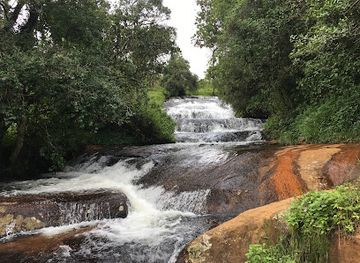
Williams Falls
Experience the breathtaking beauty of Williams Falls in Zomba, Malawi, where nature's wonders await with cascading waters and stunning landscapes.
-
Botanical garden
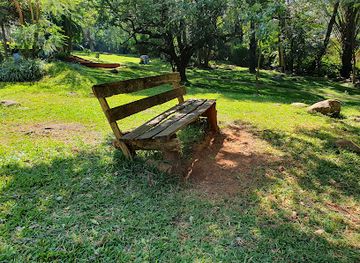
Botanical Garden
Explore the beauty and tranquility of Zomba's Botanical Garden, a serene escape filled with vibrant flora and stunning landscapes.
-
Mountain peak
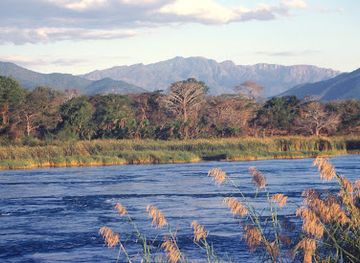
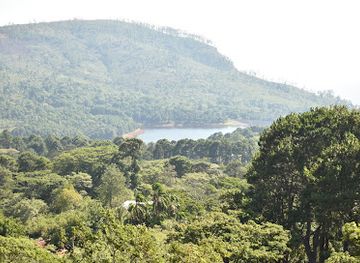
Zomba Massif
Explore the breathtaking beauty of Zomba Massif, a mountain peak in Malawi offering stunning views, diverse wildlife, and unforgettable hiking experiences.
Best landmarks in Zomba Plateau
The defining landmark of the area is the elevated escarpment of Zomba Plateau itself, a broad highland mass rising dramatically above the city and the surrounding southern Malawi plain. Queen’s View and Emperor’s View are recognisable promontories because their names and open vistas have long been associated with the plateau’s retreat and administrative history. Mulunguzi Dam is another prominent man-made feature, set among upland woodland and streams. Chingwe’s Hole provides a more geological landmark: a striking rock formation reached by a walking route rather than by a city road. The plateau’s winding ascent, forested ridges and succession of steep ravines create a distinctive visual approach from below. In Zomba city, the former-capital civic landscape and long-established institutional buildings provide an important historical counterpoint to the mountain, although the city lies at the foot of the plateau rather than on its upland summit. Together these features express the area’s dual identity as both a dramatic natural highland and a historic administrative centre.
-
 Hotel
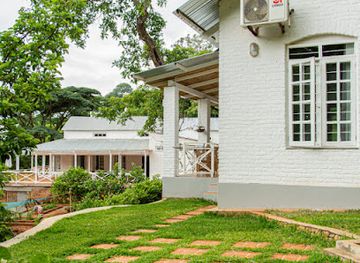
HotelSunbird Ku Chawe
Discover the serene beauty of Sunbird Ku Chawe, a mountain hotel in Zomba with breathtaking views and a perfect retreat for nature lovers.
-
National park
Liwonde National Park
Explore Liwonde National Park: A haven of wildlife and natural beauty, perfect for adventure seekers and nature lovers alike in Malawi.
-
Wildlife and safari park
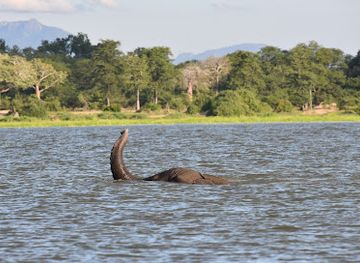
Mvuu Camp
Experience the captivating wildlife and natural beauty at Mvuu Camp, the ideal base for exploring Liwonde National Park in Malawi.
-
Hotel
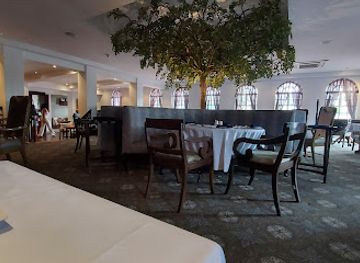
Kefi Hotel Café
Discover the culinary delights of Kefi Hotel Café, a perfect blend of comfort and local flavors in the heart of Malawi.

Explore Zomba Plateau on the map
Plan your trip on one map. See where the top cities, national parks and sights are, and book hotels and experiences in a few clicks.
Best hotels in Zomba Plateau
Best restaurants in Zomba Plateau
Dining around Zomba Plateau is concentrated mainly in Zomba city and at accommodation serving visitors to the mountain, rather than in a large upland restaurant district. Menus commonly draw on Malawian staples such as nsima with relishes, rice, beans, vegetables, chicken and freshwater fish, alongside broadly international dishes in hotels and guesthouses. The city’s markets and small food businesses provide a more local setting for everyday meals, while cafés and hotel restaurants are convenient before or after a plateau excursion. Travellers should not expect numerous food outlets at viewpoints or trailheads, so carrying water and a packed meal is sensible. Southern Malawi’s produce includes maize, vegetables, fruit and tea from the wider Shire Highlands, and these may appear in seasonal dishes or drinks. Dining is generally informal, with meal times and availability varying between establishments; advance arrangements are useful when staying outside the city or returning from a long walk.
-
Restaurant
21 Grill Restaurant
Discover authentic Malawian cuisine at 21 Grill Restaurant in Blantyre - a culinary haven featuring local delicacies like Chambo fish from Lake Malawi.
-
Lodge
Casa Mia Lodge & Restaurant
Experience the best of Malawian hospitality at Casa Mia Lodge & Restaurant in Blantyre, where comfort meets culinary excellence.
-
Italian
Hostaria Restaurant
Experience authentic Italian flavors at Hostaria Restaurant in Blantyre—where every dish tells a story of tradition and passion.
-
Hotel
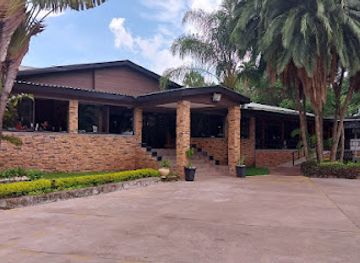
Kefi Hotel Café
Experience exceptional cuisine and warm hospitality at Kefi Hotel Café in Malawi - a must-visit for every traveler.
Best bars in Zomba Plateau
Evening life associated with Zomba Plateau is centred on Zomba city rather than the upland roads and viewpoints. Visitors will find the most dependable choice of pubs, hotel bars, restaurants and informal social venues in town, with a quieter atmosphere than the large urban nightlife scenes of Lilongwe or Blantyre. Accommodation in or near the plateau may offer drinks and dinner, but options are limited and often close early compared with city venues. Live music and social gatherings can occur in local establishments, although schedules are changeable and should be checked locally. The plateau itself is better suited to sunset views, stargazing where conditions allow and an early night before walking. Travellers should arrange a safe return rather than assuming that taxis or public transport will be readily available late at night, particularly away from central Zomba.
-
Restaurant
Kefi Hotel Café
Experience the perfect blend of local cuisine and cozy ambiance at Kefi Hotel Café, a must-visit for every traveler in the region.
-
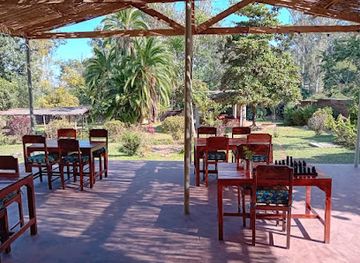
Restaurant
Casa Rossa
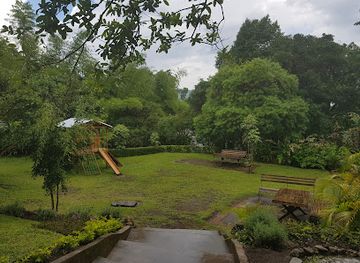
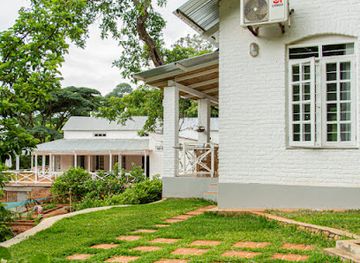
Experience the best of local and international cuisine at Casa Rossa, Zomba's premier restaurant in a beautiful garden setting.
-
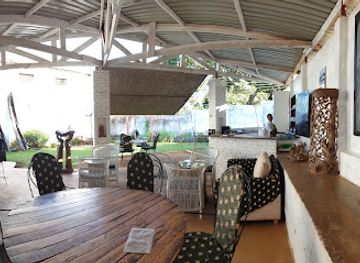
Bar
Blend. Lodge & Kitchen
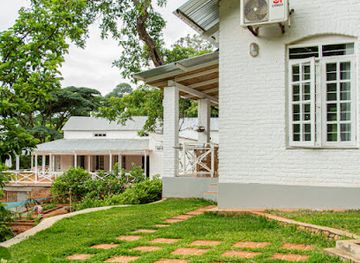
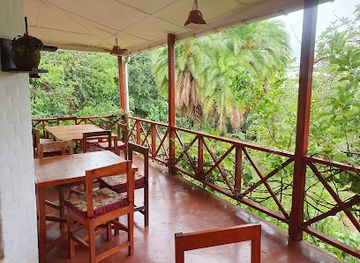
Discover Blend. Lodge & Kitchen, a unique bar and restaurant in Zomba, offering delicious local cuisine and cozy accommodations in a vibrant atmosphere.
-
Guest house
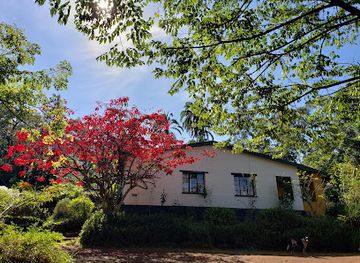
Zomba Forest Lodge
Discover the serene beauty of Zomba Forest Lodge, a charming guesthouse nestled in the heart of Malawi's stunning Zomba Plateau.

Best nightclubs in Zomba Plateau
Evening life associated with Zomba Plateau is centred on Zomba city rather than the upland roads and viewpoints. Visitors will find the most dependable choice of pubs, hotel bars, restaurants and informal social venues in town, with a quieter atmosphere than the large urban nightlife scenes of Lilongwe or Blantyre. Accommodation in or near the plateau may offer drinks and dinner, but options are limited and often close early compared with city venues. Live music and social gatherings can occur in local establishments, although schedules are changeable and should be checked locally. The plateau itself is better suited to sunset views, stargazing where conditions allow and an early night before walking. Travellers should arrange a safe return rather than assuming that taxis or public transport will be readily available late at night, particularly away from central Zomba.
-
Lodge
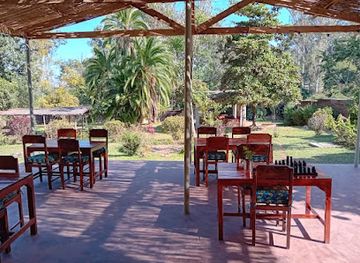
Blend. Lodge & Kitchen
Discover Blend. Lodge & Kitchen in Zomba – where culinary delights meet a warm, inviting atmosphere amidst stunning surroundings.
-
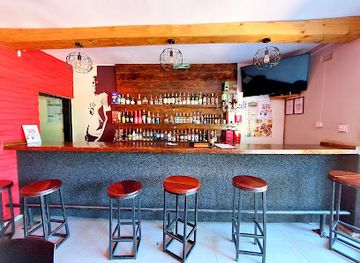
Bar
The Mixed Booze and BBQ
Experience the best of Zomba's culinary scene at The Mixed Booze and BBQ, where BBQ delights meet a vibrant bar atmosphere.
-
Sports club
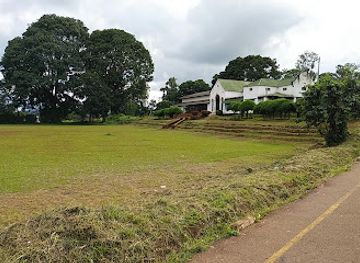
Zomba Gymkhana Club
Experience the unique blend of sport and leisure at Zomba Gymkhana Club, a historic sports venue nestled in the breathtaking landscapes of Malawi.
-
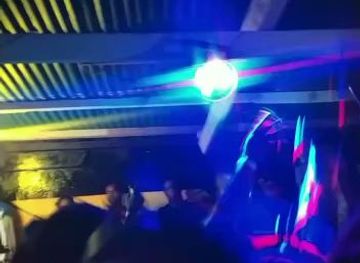
Night club
Vogue Africana
Experience the vibrant nightlife at Vogue Africana, Zomba's premier night club, where music and culture come alive.
Best shops in Zomba Plateau
Shopping on Zomba Plateau is limited, with visitors usually buying practical supplies, food and locally made items in Zomba city before heading uphill. The city’s markets and independent shops are the best places to look for fruit, vegetables, snacks, fabric, household goods and everyday Malawian products, while small craft sellers may offer carvings, woven items or locally produced souvenirs. Selection and availability vary, so it is worth comparing items and checking that wood or plant products can legally be taken across borders. Regional tea and other agricultural products from southern Malawi can make useful gifts when properly packaged. The plateau itself is not a major retail destination, and viewpoints and walking routes should not be treated as shopping areas. Carry cash in smaller denominations, ask permission before photographing craftwork or sellers, and favour fairly made goods over items that appear to use protected wildlife materials.
-
Lodge
Blend. Lodge & Kitchen
Experience the perfect blend of relaxation and culinary delight at Blend. Lodge & Kitchen in Zomba, Malawi.
-
Coffee shop
African Heritage Culture & Heritage Tours
Experience the essence of Malawi at African Heritage Culture & Heritage Tours – where coffee meets culture in Zomba.
-
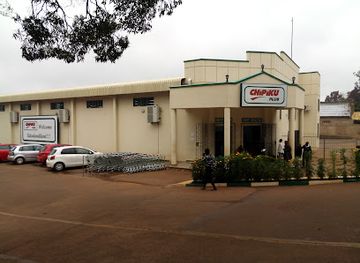
Supermarket
Chipiku Plus Zomba
Discover Chipiku Plus Zomba: a vibrant supermarket offering local products and essentials for every traveler exploring Malawi.
-
Office supply store
Misha Maize and Rice suppliers
Discover the authentic tastes of Zomba at Misha Maize and Rice Suppliers, where local grains meet rich Malawian culture.

Get your free copy of our complete guide to Zomba Plateau, delivered straight to you.
Everything on this page, from attractions and restaurants to essentials and local phrases, in one PDF you can read offline, print or share.
Already have an account? Sign in
Your Zomba Plateau guide is ready.
We'll send it to · Not you? Sign out

Getting your guide ready…
We are putting together a fresh copy of the Zomba Plateau guide. This can take up to a minute.
This can take a few moments. If your browser asks, choose Allow so the download can start. You'll find the guide in your Downloads folder.
Nothing happened? Download it again
Sorry, the guide is taking longer than usual. Please try again in a minute, or get it by email instead.
Zomba Plateau essentials
Currency and Payment
Safety
Emergency Situations
Do's and Don'ts
Local Tips
From Eve
Local phrases worth knowing
You don't need to get them perfect. A few words go a long way, and locals appreciate the effort.
Basics
| English | Local | Say it |
|---|---|---|
| Hello | Moni | [moh-nee] |
| Goodbye | Tsalani bwino | [tsah-lah-nee bwee-no] |
| Yes | Inde | [een-deh] |
| No | Ayi | [ah-yee] |
| Please/You're welcome | Chonde | [chon-deh] |
| Thank you | Zikomo | [zee-koh-mo] |
| Excuse me/Sorry | Pepani | [peh-pah-nee] |
| How are you? | Muli bwanji? | [moo-lee bwan-jee] |
| Fine. And you? | Ndili bwino, inu? | [Ndee-lee bwee-no, ee-noo?] |
| Do you speak English? | Mukufuna kulankhula Chingerezi? | [moo-koo-foona koo-lank-hoo-lah cheen-geh-reh-zee?] |
| I don't understand | Sindikumvetsa | [seen-dee-koom-vet-sah] |
Eating & Drinking
| English | Local | Say it |
|---|---|---|
| I'd like to see the menu, please | Ndikufuna kuona menyu, chonde | [ndee-koo-foona koo-oh-nah men-yoo, chon-deh] |
| I don't eat meat | Sindikudya nyama | [seen-dee-koo-jah nyah-mah] |
| Cheers! | Maboko! | [mah-boh-koh] |
| I would like to pay, please | Ndikufuna kulipira, chonde | [ndee-koo-foona koo-lee-pee-rah, chon-deh] |
Emergencies
| English | Local | Say it |
|---|---|---|
| Help! | Thandizani! | [than-dee-zah-nee] |
| Go away! | Pitani! | [pee-tah-nee] |
| Call the Police! | Fufuzani apolisi! | [foo-foo-zah-nee ah-poh-lee-see] |
| Call a doctor! | Fufuzani dokotala! | [foo-foo-zah-nee doh-koh-tah-lah] |
| I'm lost | Ndapeza chinthu chachitatu | [ndah-peh-zah chin-thu cha-chee-tah-too] |
| I'm ill | Ndili ndi matenda | [ndee-lee ndee mah-ten-dah] |
Shopping
| English | Local | Say it |
|---|---|---|
| I'd like to buy... | Ndikufuna kugula... | [ndee-koo-foona koo-goo-lah] |
| I'm just looking | Ndikungotengera | [ndee-koong-oh-ten-ge-rah] |
| How much is it? | Ndi ndalama zingati? | [ndee ndah-mah-lah zing-gah-tee?] |
| That's too expensive | Izi ndi mtengo wapamwamba | [ee-zee ndee mten-go wah-pam-wah] |
| Can you lower the price? | Mungathe kuthetsa mtengo? | [moon-gah-theh koo-teh-tsah mten-go?] |
Time & Numbers
| English | Local | Say it |
|---|---|---|
| What time is it? | Ndi nthawi yanji? | [ndee n-thah-wee yah-nee?] |
| It's one o'clock | Ndi ola limodzi | [ndee oh-lah lee-moh-dzee] |
| Half past (10) | Pafupi ndi (10) | [pah-foo-pee n-dee] |
| Morning | Madzulo | [mah-dzoo-loh] |
| Afternoon | Pakhomo | [pah-koh-mo] |
| Evening | Madzulo abwino | [mah-dzoo-loh ah-bwee-no] |
| Yesterday | Kale | [kah-leh] |
| Today | Lero | [leh-roh] |
| Tomorrow | Mawa | [mah-wah] |
| 1 | Chimodzi | [chee-moh-dzee] |
| 2 | Chiwiri | [chee-wee-ree] |
| 3 | Chitatu | [chee-tah-too] |
| 4 | Chinayi | [chee-nah-yee] |
| 5 | Chitano | [chee-tah-no] |
| 6 | Chimphamvu | [chee-mpah-mvoo] |
| 7 | Chisanu | [chee-sah-noo] |
| 8 | Chisanu ndi m'modzi | [chee-sah-noo n-dee m'moh-dzee] |
| 9 | Chitatu ndi m'modzi | [chee-tah-too n-dee m'moh-dzee] |
| 10 | Chikhalidwe | [chee-khah-lee-dweh] |
Transport & Directions
| English | Local | Say it |
|---|---|---|
| Where's a/the...? | Kuli ...? | [koo-lee] |
| What's the address? | Kodi adiresi ndi chiyani? | [koh-dee ah-dee-reh-see n-dee chee-yah-nee?] |
| Can you show me (on the map)? | Munganditole (pa mapu)? | [moon-gahn-dee-toh-leh (pah mah-poo)?] |
| When's the next (bus)? | Ndi liti basi yotsatira? | [ndee lee-tee bah-see yoh-tsah-tee-rah?] |
| A ticket (to ....) | Tiketi (ku ...) | [tee-keh-tee (koo ...)] |
History of Zomba Plateau
Early Settlement and Highland Landscapes
The Zomba area has long formed part of the inhabited southern Malawi highlands, whose fertile lower slopes, streams and elevated grasslands supported farming and local communities. The plateau itself was used for woodland resources, grazing and seasonal activities rather than developed as an urban settlement. Its steep escarpments and isolated upland character helped distinguish it from the densely cultivated plains around the foot of the mountain. Much of the present landscape therefore reflects an interaction between natural vegetation, local use and later forestry.
The Formation of the Nyasaland Capital
Zomba became the administrative capital of the British Central Africa Protectorate, later known as Nyasaland, in the late nineteenth century. Its position near routes through the Shire Highlands and its relatively healthy, elevated setting made it attractive to colonial administrators. Government offices and institutional buildings developed in the town below the plateau, while the mountain supplied a cooler retreat from the lowlands. This political role established Zomba as one of the most important centres in the history of modern Malawi.
Colonial Forestry and the Plateau Retreat
During the colonial period, the plateau was shaped by forestry, road building and recreational use by officials and residents of Zomba. Planted trees altered parts of the upland vegetation, while roads and tracks made viewpoints, streams and waterfalls more accessible. Buildings and hospitality facilities associated with the period helped establish the plateau as a retreat rather than simply a remote mountain environment. The resulting mixture of forest, open ground and engineered access remains part of its contemporary character.
Missionary, Educational and Civic Development
Zomba’s history was also influenced by Christian missions, government institutions and education. Churches, schools and later colleges contributed to the town’s role as an administrative and intellectual centre in southern Malawi. These developments took place principally around the foot of the plateau, but they shaped how visitors encounter the mountain today: the upland scenery is closely connected to a historic town rather than standing in isolation. The area’s institutions also helped preserve Zomba’s importance after the capital moved elsewhere.
From Capital to Regional Centre
Malawi gained independence in 1964, retaining Zomba as its national capital for the first years of self-government. In 1975 the capital was transferred to Lilongwe, a change that reduced Zomba’s national administrative prominence but did not erase its historical significance. Zomba continued as a major southern centre, while the plateau developed an increasingly important role in domestic recreation, tourism and outdoor activity. Its former-capital legacy is still apparent in the town’s civic architecture and institutional landscape.
Contemporary Conservation and Tourism
Today, Zomba Plateau is valued for its forested catchments, scenic viewpoints, biodiversity and walking routes, as well as for its cultural connection to Zomba city. Conservation challenges include pressure on woodland, fire, erosion, litter and unregulated use of natural areas. Tourism remains relatively low-key compared with Malawi’s lakeshore and major wildlife destinations, so local guides, accommodation providers and community knowledge are important to the visitor experience. The modern history of the plateau is therefore increasingly linked to responsible recreation and landscape protection.
Zomba Plateau in Photos
Browse through our photo collection highlighting the charm and character of the destination.
Neighbouring regions of Zomba Plateau
The closest regions to Zomba Plateau, if you have time for more than one.
-

-

-

-

-


Swipe for more regions
Explore more

Explore more of Malawi
Discover Malawi, the Warm Heart of Africa, where pristine landscapes, diverse wildlife, and rich cultural heritage await to enchant every traveler.
Explore Malawi