

Free Shire Valley Travel Guide & Mobile App
Explore Shire Valley with free travel guides. Discover regional history, expert tips, proposed trips, and audio guides on web or mobile app.


Discover the enchanting beauty of Shire Valley in Malawi, where lush landscapes, abundant wildlife, and vibrant local culture await in this hidden gem.
Read more about Shire Valley
When is the best time to visit Shire Valley?
Best: June–August · 21–23°C| Month | High (°C) | Rainfall (mm) |
|---|---|---|
| January | 30 | 200 |
| February | 29 | 170 |
| March | 29 | 150 |
| April | 27 | 100 |
| May | 24 | 50 |
| June (best) | 22 | 10 |
| July (best) | 21 | 10 |
| August (best) | 23 | 10 |
| September | 27 | 50 |
| October | 29 | 100 |
| November | 30 | 150 |
| December | 30 | 200 |
Getting to and around Shire Valley
How to get there
Transportation
Best attractions in Shire Valley
Nestled in the southern region of Malawi, Shire Valley is a treasure trove for adventurers and history buffs alike. Visitors can explore the breathtaking Majete Wildlife Reserve, home to the Big Five and a plethora of other wildlife. The Shire River, meandering gracefully through the valley, offers thrilling boat safaris and fishing opportunities. History enthusiasts will be captivated by the rich cultural heritage of the local communities, where traditional dances and crafts are still practiced. Venture into the ancient rock art sites of Chongoni, and immerse yourself in the stories etched into the stone by early inhabitants. With its lush landscapes, vibrant wildlife, and deep-rooted history, Shire Valley promises an unforgettable journey into the heart of Malawi.
-
Pottery manufacturer
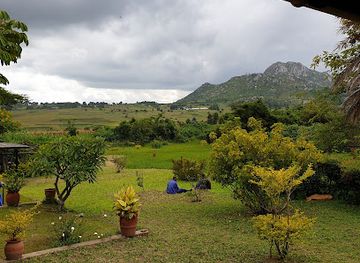
Dedza Pottery and Lodge
Experience the artistry and hospitality of Dedza Pottery and Lodge, your gateway to Malawian culture and craftsmanship.
-
Mountain peak
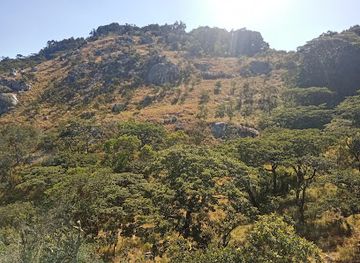
Chongoni Rock Art Area
Explore the Chongoni Rock Art Area, a UNESCO site showcasing ancient rock art amidst stunning landscapes in Malawi.
-
Event venue
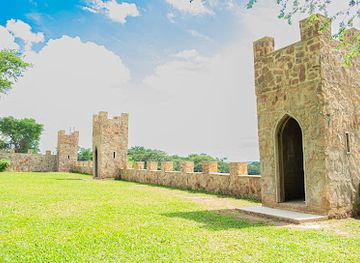
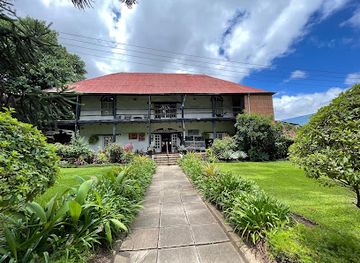
Kumbali Castle Gardens
Explore the serene beauty and vibrant events at Kumbali Castle Gardens, a hidden gem in Lilongwe for nature lovers and event seekers alike.
-
Tourist attraction
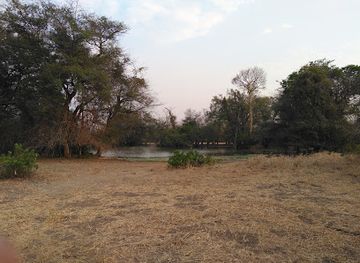
Lengwe National Park
Discover the stunning landscapes and diverse wildlife of Lengwe National Park, a hidden gem in Malawi for nature lovers and adventure seekers.
Best landmarks in Shire Valley
Shire Valley in Malawi is a treasure trove of natural and historical wonders waiting to be explored by intrepid travelers. Visitors can marvel at the majestic Liwonde National Park, home to abundant wildlife including elephants, hippos, and crocodiles along the Shire River, offering thrilling safari experiences. Venture to the ancient rock art sites of Chongoni, a UNESCO World Heritage site, where millennia-old paintings tell stories of early human life. The scenic Nkhotakota Wildlife Reserve offers pristine landscapes and the chance to see rare species like sable antelope. The Shire River itself, Malawi's largest river, provides opportunities for serene boat cruises and vibrant birdwatching. Alongside these natural attractions, the valley's rich cultural tapestry is evident in traditional villages, where visitors can immerse themselves in local customs and crafts. Whether you're an adventurer seeking wildlife encounters or a history enthusiast eager to uncover ancient secrets, Shire Valley promises an unforgettable journey.
-
Lake
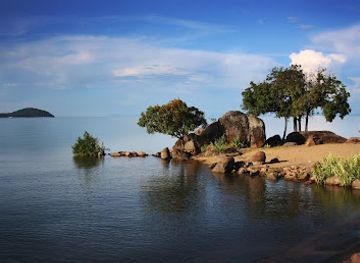
Lake Malawi
Explore the breathtaking beauty of Lake Malawi, a stunning destination in Southern Africa with crystal-clear waters and vibrant local culture.
-
 Resort hotel
The Makokola Retreat
Experience the serene beauty and luxurious comfort of The Makokola Retreat, a premier resort hotel on the shores of Lake Malawi.
-
Lodge
Game Haven Lodge
Experience the charm of Game Haven Lodge, where thrilling wildlife adventures and family dining come together in the heart of Malawi's stunning landscapes.
-
National park
Liwonde National Park
Explore the breathtaking beauty and biodiversity of Liwonde National Park, a premier destination for wildlife enthusiasts in Malawi.

Explore Shire Valley on the map
Plan your trip on one map. See where the top cities, national parks and sights are, and book hotels and experiences in a few clicks.
Best hotels in Shire Valley
Best restaurants in Shire Valley
Nestled within the verdant landscapes and picturesque villages of Shire Valley, the dining scene offers an unforgettable gastronomic journey that celebrates Malawi's rich culinary heritage. Visitors can expect an array of traditional Malawian dishes, such as nsima, a maize-based staple, paired with succulent chambo fish fresh from Lake Malawi, or savour the spicy delights of ndiwo, a variety of vegetable and meat stews. Local markets burst with vibrant produce, offering fresh tropical fruits and indigenous spices that elevate every meal. The valley's eateries, ranging from charming roadside stalls to cozy, family-run restaurants, provide an authentic taste of the region, often accompanied by the warm, welcoming smiles of the local people. For those seeking a more upscale experience, a handful of elegant lodges and eco-resorts serve gourmet interpretations of local fare, ensuring that every palate finds something to relish in this hidden gem of Malawi.
-
Restaurant
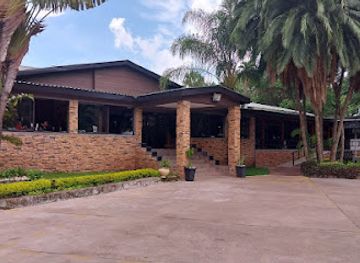
La Cantina
Discover La Cantina in Lilongwe - where authentic Malawian flavors meet international cuisine in a welcoming atmosphere.
-
Restaurant
21 Grill Restaurant
Experience the rich culinary heritage at 21 Grill Restaurant in Blantyre—where local meets global flavors.
-
Lodge
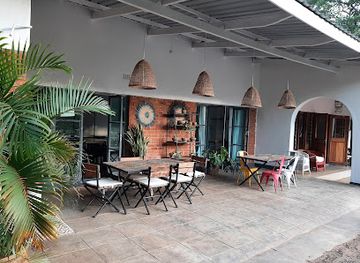
Casa Mia Lodge & Restaurant
Discover tranquility at Casa Mia Lodge & Restaurant, where comfort meets exquisite continental cuisine in Blantyre's serene setting.
-
Italian
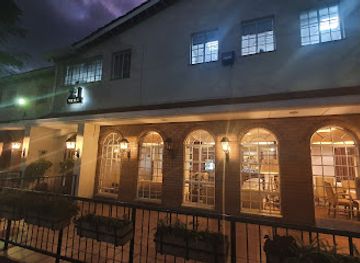
Hostaria Restaurant
Savor authentic Italian cuisine at Hostaria Restaurant in Blantyre - where every dish tells a story of flavor and tradition.
Best bars in Shire Valley
Shire Valley's nightlife offers a captivating blend of traditional Malawian culture and modern entertainment, making it a unique experience for visitors. As the sun sets over the lush landscapes, local bars and nightclubs come alive with the vibrant rhythms of live music, often featuring traditional Malawian instruments and Afro-jazz fusion. For those looking to dance the night away, there are several energetic venues where local DJs spin a mix of international hits and local favorites. The warm and welcoming atmosphere ensures that even newcomers quickly feel at home, with plenty of opportunities to interact with friendly locals and fellow travelers. Additionally, many establishments offer tantalizing Malawian cuisine and exotic cocktails, providing a delicious backdrop to the lively entertainment. Whether you're looking to immerse yourself in cultural performances or simply enjoy a relaxed evening under the stars, Shire Valley's nightlife has something to offer every type of traveler.
-
Hotel
Latitude 13 Degrees
Experience the blend of luxury and local culture at Latitude 13 Degrees, a premier hotel in Lilongwe with exceptional amenities and service.
-
Art gallery
La Caverna
Experience the fusion of art and cuisine at La Caverna, Blantyre's premier art gallery and restaurant.
-
Bar
Red Pub & Grub
Experience the vibrant nightlife at Red Pub & Grub in Blantyre, where local flavors meet a relaxed atmosphere for unforgettable evenings.
-
Fine Dining
Max & Sherry Dine and Lounge
Experience the finest dining in Blantyre at Max & Sherry Dine and Lounge, where local flavors meet culinary artistry in a vibrant setting.
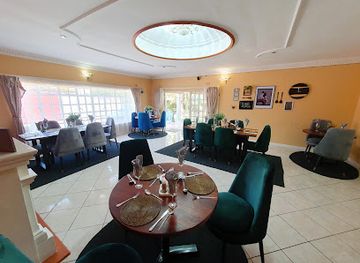
Best nightclubs in Shire Valley
Shire Valley's nightlife offers a captivating blend of traditional Malawian culture and modern entertainment, making it a unique experience for visitors. As the sun sets over the lush landscapes, local bars and nightclubs come alive with the vibrant rhythms of live music, often featuring traditional Malawian instruments and Afro-jazz fusion. For those looking to dance the night away, there are several energetic venues where local DJs spin a mix of international hits and local favorites. The warm and welcoming atmosphere ensures that even newcomers quickly feel at home, with plenty of opportunities to interact with friendly locals and fellow travelers. Additionally, many establishments offer tantalizing Malawian cuisine and exotic cocktails, providing a delicious backdrop to the lively entertainment. Whether you're looking to immerse yourself in cultural performances or simply enjoy a relaxed evening under the stars, Shire Valley's nightlife has something to offer every type of traveler.
-
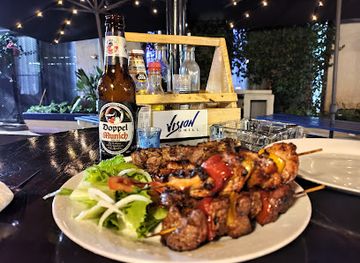
Bar
Visions Malawi
Experience the vibrant nightlife at Visions Malawi, a lively bar in Lilongwe, where you can enjoy a diverse drink menu and a fun atmosphere.
-
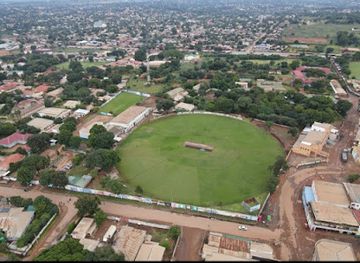
Night club
Muslim Sports Club
Dive into the lively atmosphere of Muslim Sports Club in Lilongwe, a premier nightlife destination known for its music and diverse crowd.
-
Bar
Harry's Bar
Experience the vibrant nightlife of Lilongwe at Harry's Bar, where great drinks and local culture come together for an unforgettable evening.
-
Night club
Chez Ntemba Night Club
Dive into the vibrant nightlife of Lilongwe at Chez Ntemba Night Club, where music, dance, and great vibes await you.

Best shops in Shire Valley
In the heart of Shire Valley, an eclectic shopping experience awaits visitors, blending traditional craftsmanship with vibrant local culture. Wander through bustling markets where the air is filled with the rich aroma of Malawian spices and freshly roasted coffee beans, and discover an array of handwoven textiles, intricately carved wooden artifacts, and beautifully crafted pottery, all reflecting the region's artistic heritage. The colorful stalls brimming with fresh produce, unique souvenirs, and locally made jewelry provide an authentic taste of Shire Valley's community spirit. Additionally, small boutiques and roadside vendors offer a more intimate setting to engage with artisans and learn about the stories behind their creations, making each purchase a memorable part of your journey.
-
International airport
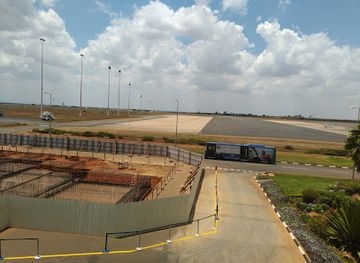
Kamuzu International Airport
Experience Malawi through its main gateway, Kamuzu International Airport, blending convenience with a taste of local culture.
-
Grocery store
Shoprite Lilongwe
Explore Shoprite Lilongwe, a vibrant grocery store offering fresh produce, baked goods, and essential services that cater to all your shopping needs.
-
Art gallery
La Caverna
Explore La Caverna in Blantyre: where art meets culinary excellence in a historic setting.
-
Tourist attraction
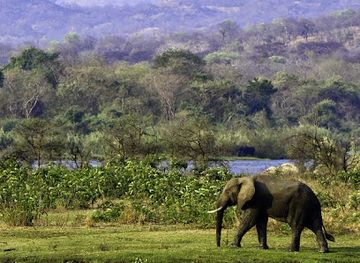
Majete Wildlife Reserve
Explore the stunning Majete Wildlife Reserve, Malawi's premier destination for wildlife encounters and breathtaking landscapes.

Get your free copy of our complete guide to Shire Valley, delivered straight to you.
Everything on this page, from attractions and restaurants to essentials and local phrases, in one PDF you can read offline, print or share.
Already have an account? Sign in
Your Shire Valley guide is ready.
We'll send it to · Not you? Sign out

Getting your guide ready…
We are putting together a fresh copy of the Shire Valley guide. This can take up to a minute.
This can take a few moments. If your browser asks, choose Allow so the download can start. You'll find the guide in your Downloads folder.
Nothing happened? Download it again
Sorry, the guide is taking longer than usual. Please try again in a minute, or get it by email instead.
Shire Valley essentials
Currency and Payment
Safety
Emergency Situations
Do's and Don'ts
Local Tips
From Eve
Local phrases worth knowing
You don't need to get them perfect. A few words go a long way, and locals appreciate the effort.
Basics
| English | Local | Say it |
|---|---|---|
| Hello | Moni | [moh-nee] |
| Goodbye | Tsalani bwino | [tsah-lah-nee bwee-no] |
| Yes | Inde | [een-deh] |
| No | Ayi | [ah-yee] |
| Please/You're welcome | Chonde | [chon-deh] |
| Thank you | Zikomo | [zee-koh-mo] |
| Excuse me/Sorry | Pepani | [peh-pah-nee] |
| How are you? | Muli bwanji? | [moo-lee bwan-jee] |
| Fine. And you? | Ndi bwino. Inu? | [ndee bwee-no. ee-noo?] |
| Do you speak English? | Mukufuna kulankhula Chingerezi? | [moo-koo-foona koo-lan-khoo-lah cheen-ge-reh-zee?] |
| I don't understand | Sindikumva | [seen-dee-kum-vah] |
Eating & Drinking
| English | Local | Say it |
|---|---|---|
| I'd like to see the menu, please | Ndikufuna kuona menyu, chonde | [ndee-koo-foona koo-oh-nah men-yoo, chon-deh] |
| I don't eat meat | Sindikudya nyama | [seen-dee-koo-jah nyah-mah] |
| Cheers! | Zikomo! | [zee-koh-mo!] |
| I would like to pay, please | Ndikufuna kulipira, chonde | [ndee-koo-foona koo-lee-pee-rah, chon-deh] |
Emergencies
| English | Local | Say it |
|---|---|---|
| Help! | Thandizani! | [than-dee-zah-nee!] |
| Go away! | Tengani! | [ten-gah-nee!] |
| Call the Police! | Lembani apolisi! | [lem-bah-nee ah-po-lee-see!] |
| Call a doctor! | Lembani dokotala! | [lem-bah-nee doh-koh-tah-lah!] |
| I'm lost | Ndakhalapo | [ndah-khah-lah-po] |
| I'm ill | Ndili ndi matenda | [ndee-lee n-dee mah-ten-dah] |
Shopping
| English | Local | Say it |
|---|---|---|
| I'd like to buy... | Ndikufuna kugula... | [ndee-koo-foona koo-goo-lah...] |
| I'm just looking | Ndikungowona | [ndee-koon-go-won-ah] |
| How much is it? | Ndi ndalama zingati? | [ndee n-dah-mah zing-ah-tee?] |
| That's too expensive | Izi ndi mtengo wochuluka | [ee-zee n-dee m-ten-go woh-choo-loo-kah] |
| Can you lower the price? | Mungathe kuthetsa mtengo? | [moon-gah-theh koo-thet-sah m-ten-go?] |
Time & Numbers
| English | Local | Say it |
|---|---|---|
| What time is it? | Ndi nthawi yanji? | [ndee n-thawi yahn-jee?] |
| It's one o'clock | Ndi saa imodzi | [ndee sah ah-moh-dzee] |
| Half past (10) | Ndi hafu ya (10) | [ndee hah-foo yah (10)] |
| Morning | Masana | [mah-sah-nah] |
| Afternoon | Madzulo | [mah-dzoo-loh] |
| Evening | Pachikondi | [pah-chee-kohn-dee] |
| Yesterday | Dziwani | [dzee-wah-nee] |
| Today | Lero | [leh-roh] |
| Tomorrow | Mmawa | [mah-wah] |
| 1 | Chimo | [chee-mo] |
| 2 | Chiwiri | [chee-wih-ree] |
| 3 | Chitatu | [chee-tah-too] |
| 4 | Chinayi | [chee-nah-yee] |
| 5 | Chisanu | [chee-sah-noo] |
| 6 | Chisanu ndi chimodzi | [chee-sah-noo n-dee chee-moh-dzee] |
| 7 | Chisanu ndi ziwiri | [chee-sah-noo n-dee zee-wih-ree] |
| 8 | Chisanu ndi zitatu | [chee-sah-noo n-dee zee-tah-too] |
| 9 | Chisanu ndi zina | [chee-sah-noo n-dee zee-nah] |
| 10 | Chikumi | [chee-koo-mee] |
Transport & Directions
| English | Local | Say it |
|---|---|---|
| Where's a/the...? | Kumene kuli...? | [koo-meh-neh koo-lee...?] |
| What's the address? | Ndi adiresi yanji? | [ndee ah-deh-ree-see yahn-jee?] |
| Can you show me (on the map)? | Mungathe kundithandiza (pa chithunzi)? | [moon-gah-theh koon-dih-thahn-dee-zah (pah chee-thoon-zee)?] |
| When's the next (bus)? | Ndi liti (basi) yotsatira? | [ndee lee-tee (bah-see) yoh-tsah-tee-rah?] |
| A ticket (to ....) | Tiketi (ku ....) | [tee-keh-tee (koo ....)] |
History of Shire Valley
Pre-Colonial Period and Indigenous Tribes
Before the arrival of European colonizers, the Shire Valley was inhabited by various indigenous tribes, including the Mang'anja and Yao people. These tribes engaged in agriculture, fishing, and trade, utilizing the fertile floodplains of the Shire River. The Mang'anja, in particular, are known for their sophisticated agricultural techniques and complex social structures.
Portuguese Exploration
In the 16th century, Portuguese explorers were among the first Europeans to reach the Shire Valley. They were primarily interested in establishing trade routes and accessing the rich natural resources of the region. The Portuguese influence is evident in some of the early maps and accounts of the area.
David Livingstone's Expeditions
The Scottish missionary and explorer David Livingstone is a key historical figure in the Shire Valley. In the 1850s and 1860s, Livingstone traveled extensively in the region, documenting the geography, flora, and fauna. His efforts to map the area and abolish the slave trade left a lasting impact on the local communities.
The Slave Trade
The Shire Valley was a significant route for the East African slave trade in the 19th century. Slaves captured from the interior were transported through the valley en route to the coast. This dark period in the region's history had profound effects on the social and economic fabric of the local communities.
British Colonial Rule
In the late 19th century, the Shire Valley came under British colonial rule as part of the British Central Africa Protectorate, later known as Nyasaland. The British established administrative centers and infrastructure projects, including the Shire Highlands Railway, which connected the valley to the port of Beira in Mozambique. The colonial period brought significant changes to the region, including the introduction of cash crops like tea and tobacco.
Independence and the Republic of Malawi
Malawi gained independence from British colonial rule in 1964. The Shire Valley, like the rest of the country, underwent a period of transformation as it established itself as a sovereign nation. Efforts were made to improve infrastructure, education, and healthcare, although challenges remained in addressing the legacies of colonialism.
Cultural Heritage and Traditions
The Shire Valley is a vibrant region with a rich cultural heritage. Traditional dances, music, and festivals are an integral part of the local culture. The Mang'anja people, for instance, celebrate the Nchilembwe Festival, which honors their ancestors and showcases their cultural practices. The valley is also known for its craftsmanship, including pottery, weaving, and carving.
Natural Wonders and Wildlife
The Shire Valley is home to some of Malawi's most stunning natural landscapes and wildlife. The Liwonde National Park, located in the valley, is renowned for its diverse ecosystems and abundant wildlife, including elephants, hippos, and various bird species. The Shire River itself is a lifeline for the region, supporting both human livelihoods and a rich array of flora and fauna.
Shire Valley in Photos
Browse through our photo collection highlighting the charm and character of the destination.
Neighbouring regions of Shire Valley
The closest regions to Shire Valley, if you have time for more than one.
-

-

-

-

-


Swipe for more regions
Explore more

Explore more of Malawi
Discover Malawi, the Warm Heart of Africa, where pristine landscapes, diverse wildlife, and rich cultural heritage await to enchant every traveler.
Explore Malawi