

Phalombe Plains, Malawi Travel Guide
Discover the unspoiled beauty of Phalombe Plains in Malawi, where nature, culture, and adventure meet at the foot of Mount Mulanje.
Nestled at the foot of Mount Mulanje, Phalombe Plains in Malawi is a haven for those seeking to escape the hustle and bustle of city life. The plains offer a unique blend of natural beauty, with sprawling grasslands, lush forests, and streams that meander through the landscape. The area is home to a variety of wildlife, making it an ideal spot for nature enthusiasts and photographers alike. Visitors to the Phalombe Plains can immerse themselves in the local culture by visiting traditional villages and engaging with the friendly local communities. The plains are also a gateway to the Mulanje Mountain Forest Reserve, where adventurers can hike and explore the diverse flora and fauna. The reserve is known for its rare species of birds and butterflies, adding to the charm of this hidden gem. For those interested in history and culture, the nearby town of Phalombe offers a glimpse into Malawi's rich heritage. Local markets, traditional crafts, and delicious Malawian cuisine await those willing to explore beyond the plains. Whether you're seeking adventure or relaxation, the Phalombe Plains provide a serene and unforgettable experience.

Know before you go
Hi, I'm Eve. Here are a few practical things to know before exploring Phalombe Plains.
- Best time to visit is during the dry season from May to October for clear skies and comfortable temperatures.
- Carry insect repellent to protect against mosquitoes, especially if visiting during the wetter months.
- Hire a local guide for an enriched experience and to navigate the trails safely.
- Respect local customs and traditions when visiting villages; ask for permission before taking photographs.
- Bring cash, as ATMs and card facilities may be scarce in rural areas.
Top City Travel Guides in Phalombe Plains
The cities of Phalombe Plains, and the easiest places to base yourself.

Destinations in Phalombe Plains
Resorts, valleys and scenic spots worth a trip of their own.


Explore Phalombe Plains: Things to Do, Places to Eat, Hotels & More
Handpicked recommendations for top attractions, local dining, accommodations, and more

Top Attractions & Sightseeing in Phalombe Plains
Top-rated picks
Best Attractions

Liwonde National Park
Explore the rich biodiversity and stunning landscapes of Liwonde National Park, a premier destination for wildlife enthusiasts in Malawi.

Lake Malawi National Park
Explore the natural beauty and vibrant ecosystems of Lake Malawi National Park, a UNESCO World Heritage Site perfect for adventure and relaxation.

La Caverna
Discover La Caverna in Blantyre: A unique blend of art, culture, and culinary delights within a historic setting.

Majete Wildlife Reserve
Explore the breathtaking Majete Wildlife Reserve in Malawi, home to diverse wildlife, stunning landscapes, and unforgettable adventure experiences.

Best landmarks in Phalombe Plains
Top-rated picks
Best Landmarks
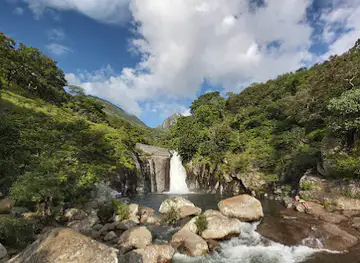
Likhubula Falls (Dziwe la Nkhalamba)
Explore Likhubula Falls in Mulanje, Malawi - a breathtaking waterfall surrounded by lush nature, perfect for hiking and relaxation amidst serene landscapes.

Williams Falls
Discover the breathtaking beauty of Williams Falls in Zomba, a serene escape perfect for nature lovers and adventure seekers alike.

World War I Memorial
Discover the serene beauty and historical significance of the World War I Memorial in Lilongwe, a tribute to the valor and sacrifice of soldiers.
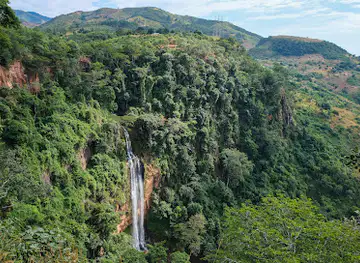
Manchewe Waterfalls (Chipopoma)
Discover the breathtaking Manchewe Waterfalls in Livingstonia, Malawi—a stunning natural attraction perfect for adventure and relaxation.

Best restaurants in Phalombe Plains
Top-rated picks
Best Restaurants

Mamma Mia Restaurant
Savor authentic Italian cuisine at Mamma Mia Restaurant in Lilongwe – where every dish tells a delicious story.

Casa Mia Lodge & Restaurant
Discover tranquility at Casa Mia Lodge & Restaurant in Blantyre—where comfort meets culinary excellence amidst beautiful surroundings.

Veg-Delight Blantyre
Discover the vibrant flavors of vegetarian cuisine at Veg-Delight Blantyre – your culinary oasis in Malawi.

La Caverna
Discover La Caverna: A Unique Art Gallery & Restaurant Experience in Blantyre Featuring Local Cuisine & Stunning Artwork.

Best bars in Phalombe Plains
Top-rated picks
Best Bars

Latitude 13 Degrees
Discover Latitude 13 Degrees, Lilongwe's premier destination combining relaxation, dining, and modern business facilities in a vibrant atmosphere.

21 Grill Restaurant
Discover the vibrant flavors of Malawi at 21 Grill Restaurant in Blantyre, where culinary excellence meets a welcoming atmosphere.

La Caverna
Explore the flavors and artistry of La Caverna, a unique restaurant and art gallery in the heart of Blantyre, Malawi.

Jungle Pepper
Discover the vibrant flavors of local and international cuisine at Jungle Pepper, Blantyre's culinary treasure for food lovers.

Best nightclubs in Phalombe Plains
Top-rated picks
Best Nightclubs

Sky Lounge Bar
Sky Lounge Bar in Blantyre offers stunning views, delicious grilled cuisine, and a relaxing atmosphere for an unforgettable culinary experience.

Harry's Bar
Discover Lilongwe's vibrant nightlife at Harry's Bar—where great drinks, lively music, and friendly faces come together for an unforgettable evening.
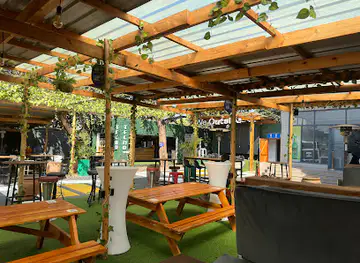
Illusionz
Discover the vibrant nightlife at Illusionz, Lilongwe's premier night club featuring electrifying music and a lively atmosphere.

Epic Exclusive Lounge
Discover the tranquil charm of Epic Exclusive Lounge in Lilongwe, where relaxing vibes meet exquisite drinks for an unforgettable nightlife experience.

Best shops in Phalombe Plains
Top-rated picks
Best Shops

Phalombe Hardware "Let's Build" - Limbe Branch
Explore Phalombe Hardware in Limbe, a vibrant hub for all your DIY and construction needs, featuring quality products and expert advice.

Mall of Africa
Explore the Mall of Africa in Blantyre for a unique shopping experience with diverse stores, delicious dining, and vibrant entertainment options.

Phalombe District Council
Explore Phalombe District Council, a key local government hub in Malawi, where administration meets community engagement.

House of Hayaah
Discover the finest selection of traditional and modern attire at House of Hayaah in Blantyre, Malawi, where style meets quality.

Explore Phalombe Plains on the Map
A handpicked selection of must-see spots in Phalombe Plains, mapped for you.
Phalombe Plains Essentials
-
Phalombe Plains is located in the Southern Region of Malawi. The nearest international airport is Chileka International Airport in Blantyre, approximately 100 kilometers away. From Blantyre, you can take a private car, taxi, or a minibus (local transport known as 'matola') to Phalombe Plains. The journey typically takes around 2 to 3 hours by road.
-
Local transportation in Phalombe Plains includes taxis, minibuses, and bicycle taxis (known as 'kabaza'). While minibuses are the most economical option for getting around, taxis offer a more comfortable ride. For a more immersive experience, consider using a bicycle taxi for shorter distances. Renting a car is also an option if you prefer to explore at your own pace.
-
The official currency in Malawi is the Malawian Kwacha (MWK). Credit cards are accepted in some hotels and larger establishments, but it is advisable to carry cash, especially in smaller shops and rural areas. ATMs are available in larger towns like Blantyre, but may be scarce in Phalombe Plains, so withdraw sufficient cash beforehand.
-
Phalombe Plains is generally a safe destination for tourists. However, it's important to take standard precautions. Avoid walking alone at night in unfamiliar areas, and always keep an eye on your belongings in crowded places. Be cautious in busy markets and transport hubs where pickpocketing can occur. There are no specific high-crime areas targeting tourists, but staying vigilant is always advisable.
-
In case of emergency, dial 997 for police assistance or 998 for medical emergencies. Phalombe Plains has local clinics and a district hospital for medical care. It's recommended to have travel insurance that covers medical emergencies. For minor health issues, there are pharmacies where you can purchase over-the-counter medications.
-
Fashion: Do dress modestly, particularly in rural areas and when visiting religious sites. Avoid wearing revealing clothing. Religion: Do respect local customs and traditions. Always remove your shoes before entering a mosque or someone's home. Public Transport: Do be respectful and give up your seat to elderly passengers. Don’t eat or drink on public transport. Greetings: Do greet people with a handshake and a smile. Using both hands to shake is considered more respectful. Eating & Drinking: Do try local dishes and accept food offerings graciously. Don’t refuse hospitality, as it is considered impolite.
-
To experience Phalombe Plains like a local, visit the local markets where you can buy fresh produce and traditional Malawian crafts. Engage with the locals, who are often friendly and willing to share stories about their culture and history. Don’t miss exploring the beautiful Phalombe Mountains and visiting nearby attractions like Mulanje Mountain, which offers hiking opportunities and stunning views.
When is the best time to visit Phalombe Plains?
Useful Local Phrases for Phalombe Plains
You don't need to speak the language perfectly. Even learning a few simple words can make conversations warmer—and locals usually appreciate the effort.
— Eve

Here are the phrases I use most often in Phalombe Plains. Try a few—you'll be surprised how far they go! 😊
❤️
-
- HelloMoni
[Mow-nee] - GoodbyeTionana
[Tee-oh-nah-nah] - YesInde
[In-day] - NoAyi
[Ah-yee] - Please/You're welcomeChonde
[Chon-day] - Thank youZikomo
[Zee-koh-moh] - Excuse me/SorryPepani
[Pay-pah-nee] - How are you?Muli bwanji?
[Moo-lee bwan-gee] - Fine. And you?Ndili bwino. Inu?
[Ndee-lee bwee-noh. Ee-noo?] - Do you speak English?Mukufuna kulankhula Chingerezi?
[Moo-koo-foo-nah koo-lank-hoo-lah Ching-eh-reh-zee?] - I don't understandSindikumva
[Seen-dee-koo-m-vah]
- HelloMoni
-
- I'd like to see the menu, pleaseNdikufuna kuona menyu, chonde
[Ndee-koo-foo-nah koo-oh-nah men-yoo, chon-day] - I don't eat meatSindikudya nyama
[Seen-dee-koo-jah nyah-mah] - Cheers!Zikomo!
[Zee-koh-moh!] - I would like to pay, pleaseNdikufuna kulipira, chonde
[Ndee-koo-foo-nah koo-lee-pee-rah, chon-day]
- I'd like to see the menu, pleaseNdikufuna kuona menyu, chonde
-
- Help!Thandizani!
[Than-dee-zah-nee!] - Go away!Pita!
[Pee-tah!] - Call the Police!Dialani apolisi!
[Dee-ah-lah-nee ah-poh-lee-see!] - Call a doctor!Dialani daktari!
[Dee-ah-lah-nee dah-kah-ree!] - I'm lostNdakhalapo
[Nda-khal-ah-poh] - I'm illNdine ndi matenda
[Ndee-neh n-dee mah-ten-dah]
- Help!Thandizani!
-
- I'd like to buy...Ndikufuna kugula...
[Ndee-koo-foo-nah koo-goo-lah...] - I'm just lookingNdikungowona
[Ndee-koong-oh-won-ah] - How much is it?Ndi ndalama zingati?
[Ndee n-dah-lah-mah zing-ah-tee?] - That's too expensiveIzi ndi mtengo wapamwamba
[Ee-zee n-dee m-ten-go wah-pah-mwah-neh] - Can you lower the price?Mungathe kutentha mtengo?
[Moo-ngah-theh koo-ten-thah m-ten-go?]
- I'd like to buy...Ndikufuna kugula...
-
- What time is it?Ndi nthawi yanji?
[Ndee n-tha-wee yah-n-gee?] - It's one o'clockNdi saa imodzi
[Ndee sah ah-moh-dzee] - Half past (10)Napakatikati (10)
[Nah-pah-kah-tee-kah-tee (10)] - MorningM'mawa
[Mm-mah-wah] - AfternoonPachaka
[Pah-chah-kah] - EveningMadzulo
[Mah-dzoo-loh] - YesterdayKale
[Kah-leh] - TodayLero
[Leh-roh] - TomorrowM'kuthwa
[M'koo-thwah] - 1Imodzi
[Ee-moh-dzee] - 2Ziwiri
[Zee-wee-ree] - 3Zitatu
[Zee-tah-too] - 4Zina
[Zee-nah] - 5Tsiku
[Tsee-koo] - 6Zisanu
[Zee-sah-noo] - 7Zisanu ndi imodzi
[Zee-sah-noo n-dee ee-moh-dzee] - 8Zisanu ndi ziwiri
[Zee-sah-noo n-dee zee-wee-ree] - 9Zisanu ndi zitatu
[Zee-sah-noo n-dee zee-tah-too] - 10Zisanu ndi zina
[Zee-sah-noo n-dee zee-nah]
- What time is it?Ndi nthawi yanji?
-
- Where's a/the...?Kuti ndi...?
[Koo-tee n-dee...?] - What's the address?Kuti ndi adiresi?
[Koo-tee n-dee ah-dee-reh-see?] - Can you show me (on the map)?Mungandionetse (pa chithunzi)?
[Moo-ngahn-dee-oh-neh-tseh (pah chee-thoon-zee)?] - When's the next (bus)?Nthawi yotsatira ya (basi)?
[N-tha-wee yo-tsah-tee-rah yah (bah-see)?] - A ticket (to ....)Tikiti (ku....)
[Tee-kee-tee (koo....)]
- Where's a/the...?Kuti ndi...?
History of Phalombe Plains
-
The Phalombe Plains have been inhabited for centuries by various indigenous tribes, including the Lomwe people. The fertile lands and abundant water sources made it an ideal location for early settlements. The Lomwe people have a rich cultural heritage, characterized by traditional music, dance, and folklore that have been passed down through generations.
-
During the late 19th and early 20th centuries, the Phalombe Plains, like much of Malawi, experienced the influence of European colonial powers. The British established missions and trading posts in the area, which led to significant changes in the local way of life. The introduction of new crops, education systems, and Christianity had a lasting impact on the region.
-
Malawi gained independence from British colonial rule in 1964, and the Phalombe Plains have since seen various development initiatives. Agricultural projects have been implemented to improve food security and economic stability in the region. Infrastructure improvements, such as roads and healthcare facilities, have also been a focus of the post-independence era.
-
The Phalombe Plains have faced challenges from natural disasters, such as the devastating floods of 1991, which caused significant loss of life and property. However, the resilience of the local communities has been remarkable. Efforts to rebuild and improve disaster preparedness have been ongoing, showcasing the strength and unity of the people in this region.
-
The Phalombe Plains are home to vibrant cultural festivals that celebrate the heritage of the local communities. Events such as the Mulhako wa Alhomwe festival bring together people from different parts of Malawi to celebrate Lomwe culture through traditional dances, music, and cuisine. These festivals are a testament to the enduring cultural richness of the Phalombe Plains.
-
Efforts to conserve the natural beauty and biodiversity of the Phalombe Plains have been a priority in recent years. The area is home to diverse wildlife and unique ecosystems that are vital to the environmental health of the region. Conservation projects aim to protect these natural resources while promoting sustainable tourism and community involvement.
Neighbouring Regions of Phalombe Plains
The closest regions to Phalombe Plains, if you have time for more than one.


Your all‑in‑one travel companion app
Explore expert travel guides, compare and book tours, experiences, hotels, and more—all from the palm of your hand. Download now for seamless trip planning wherever your wanderlust takes you.


Explore More of Malawi

Looking beyond Phalombe Plains? Discover Malawi for broader travel guides, local hot-spots, and regional highlights.
Explore MalawiPhalombe Plains in Photos
Browse through our photo collection highlighting the charm and character of the destination.


The Untouched Beauty of Phalombe Plains
Nestled at the foot of Mount Mulanje, Phalombe Plains in Malawi is a haven for those seeking to escape the hustle and bustle of city life. The plains offer a unique blend of natural beauty, with sprawling grasslands, lush forests, and streams that meander through the landscape. The area is home to a variety of wildlife, making it an ideal spot for nature enthusiasts and photographers alike. Visitors to the Phalombe Plains can immerse themselves in the local culture by visiting traditional villages and engaging with the friendly local communities. The plains are also a gateway to the Mulanje Mountain Forest Reserve, where adventurers can hike and explore the diverse flora and fauna. The reserve is known for its rare species of birds and butterflies, adding to the charm of this hidden gem. For those interested in history and culture, the nearby town of Phalombe offers a glimpse into Malawi's rich heritage. Local markets, traditional crafts, and delicious Malawian cuisine await those willing to explore beyond the plains. Whether you're seeking adventure or relaxation, the Phalombe Plains provide a serene and unforgettable experience.