

Free Southern Region Travel Guide & Mobile App
Explore Southern Region with free travel guides. Discover regional history, expert tips, proposed trips, and audio guides on web or mobile app.


Explore Southern Region, Malawi for Mount Mulanje hikes, Zomba’s plateau, tea estates, wildlife reserves, Blantyre and Lake Malawi shores.
Read more about Southern Region
When is the best time to visit Southern Region?
Best: May, August–September · 23–26°C| Month | High (°C) | Rainfall (mm) |
|---|---|---|
| January | 29 | 150 |
| February | 29 | 140 |
| March | 29 | 130 |
| April | 27 | 110 |
| May (best) | 24 | 90 |
| June | 21 | 70 |
| July | 21 | 70 |
| August (best) | 23 | 80 |
| September (best) | 26 | 90 |
| October | 28 | 110 |
| November | 29 | 130 |
| December | 29 | 150 |
Getting to and around Southern Region
How to get there
Transportation
Top city travel guides in Southern Region
The cities of Southern Region, and the easiest places to base yourself.
-

-

-

-


Swipe for more cities
Destinations in Southern Region
Resorts, valleys and scenic spots worth a trip of their own.
-

-

-

-

-


Swipe for more destinations
Best attractions in Southern Region
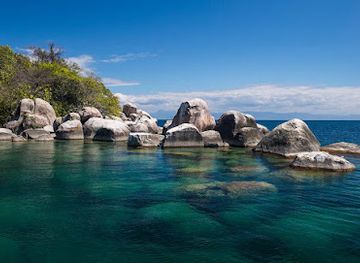
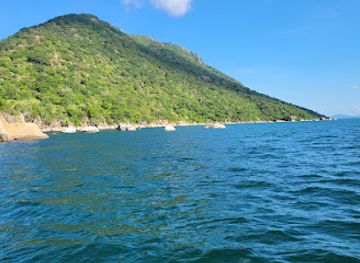
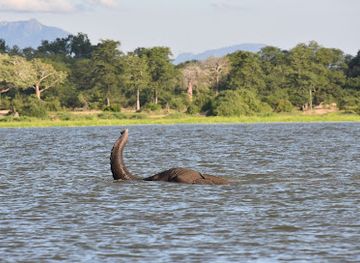
Southern Region brings together urban culture, mountain landscapes, wildlife and Lake Malawi activities. Blantyre offers museums, historic buildings, galleries, markets and a useful introduction to Malawi’s modern commercial life, while nearby Limbe has a long-established trading identity. Zomba is the base for exploring the forested Zomba Plateau, whose roads, viewpoints, streams and walking routes overlook the former capital and surrounding plains. Mount Mulanje provides more demanding hiking among granite peaks, forest and upland scenery, usually with local guiding and careful preparation. Around Thyolo and Mulanje, tea estates create one of the region’s defining agricultural landscapes. In the lower Shire Valley, Majete Wildlife Reserve is known for conservation-led wildlife recovery and guided game viewing, while Lengwe National Park offers dry woodland habitats and opportunities to see species including nyala. The southern lakeshore around Mangochi and Cape Maclear combines swimming, kayaking, snorkelling and village excursions. Lake Malawi National Park protects both land and water environments, with freshwater biodiversity at its centre. These attractions are widely separated, so the region is best experienced through a planned itinerary rather than a series of hurried day trips.
-
Tourist attraction
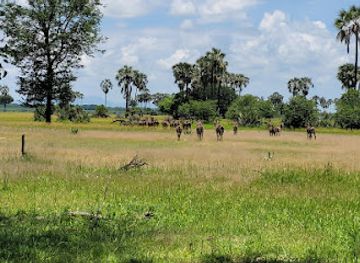
Liwonde National Park
Explore the rich wildlife and stunning landscapes of Liwonde National Park, a true jewel of Malawi's natural heritage, perfect for every nature enthusiast.
-
Tourist attraction
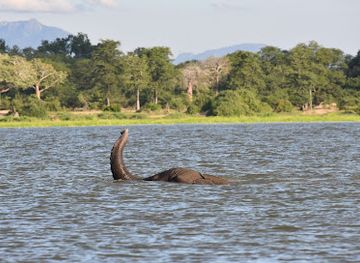
Mvuu Camp
Experience the wild beauty of Malawi at Mvuu Camp, your gateway to adventure in Liwonde National Park with stunning wildlife and breathtaking landscapes.
-
Tourist attraction
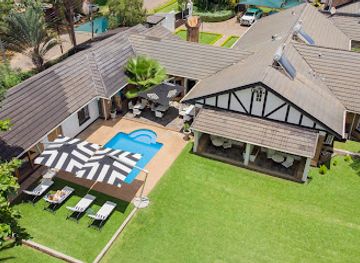
The Leslie
Experience tranquility and comfort at The Leslie, a beautiful lodge and extended stay hotel in Blantyre, Malawi, surrounded by nature’s beauty.
-
Tourist attraction
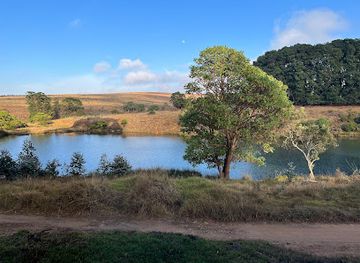
Nyika National Park
Explore the breathtaking landscapes and diverse wildlife of Nyika National Park, a must-visit destination for nature lovers in Malawi.
Best landmarks in Southern Region
Mandala House in Blantyre is one of Southern Region’s most recognisable historic buildings and a tangible reminder of the city’s missionary and commercial origins. The former colonial-era architecture around Blantyre’s central areas gives way to the more expansive commercial streets of Limbe, reflecting the separate growth of the two urban centres. Zomba Plateau is the region’s great natural landmark: a high escarpment of forest, rock, streams and viewpoints rising above the former capital. Mount Mulanje is even more imposing, with distinctive granite peaks that dominate the surrounding tea country and have become a symbol of southern Malawi. In the lower Shire Valley, the Shire River provides the geographical framework for settlement, agriculture and wildlife conservation, while the open landscapes of Majete and Lengwe express different aspects of the valley’s ecology. Around Cape Maclear, the lake, rocky shoreline and islands create a landmark landscape within Lake Malawi National Park, where the meeting of freshwater, village life and protected habitat is central to the area’s identity.
-
Lake
Lake Malawi
Discover the enchanting beauty of Lake Malawi, a stunning natural paradise filled with vibrant marine life and breathtaking landscapes.
-
National park
Liwonde National Park
Explore the breathtaking landscapes and diverse wildlife of Liwonde National Park, Malawi's premier destination for adventure and nature lovers.
-
Nature preserve
Lake Malawi National Park
Explore the stunning landscapes and rich biodiversity of Lake Malawi National Park, a UNESCO World Heritage site perfect for adventure seekers and nature enthusiasts.
-
Wildlife and safari park
Mvuu Camp
Experience the thrill of wildlife and nature at Mvuu Camp, your gateway to exploring the breathtaking Liwonde National Park.
Explore Southern Region on the map
Plan your trip on one map. See where the top cities, national parks and sights are, and book hotels and experiences in a few clicks.
Best hotels in Southern Region
Best restaurants in Southern Region
Dining in Southern Region reflects Malawi’s farming, fishing and trading economies. Nsima, the country’s staple maize dish, is served with vegetables, beans, meat or fish, while rice and cassava are also common in the lower Shire and lakeshore districts. Chambo, a freshwater fish associated with Lake Malawi, may appear on menus around Mangochi and Cape Maclear, although availability and sustainability vary. Blantyre and Zomba provide the broadest choice of restaurants, cafés, bakeries and international cooking, while rural inns and lodge kitchens often focus on locally sourced produce. Tea from the Thyolo and Mulanje plantations is central to the region’s agricultural identity, and sugar, bananas, mangoes and other tropical fruits are widely encountered in the south. Markets offer fresh produce and prepared snacks, but visitors should choose food that is cooked thoroughly and served hot. In smaller towns, meals may require more time and advance ordering than in the main urban centres.
-
Italian
Mamma Mia Restaurant
Experience authentic Italian flavors at Mamma Mia Restaurant in Lilongwe - a must-visit destination for food lovers.
-
Restaurant
La Cantina
Experience authentic Malawian flavors at La Cantina in Lilongwe - where every meal tells a story.
-
Restaurant
21 Grill Restaurant
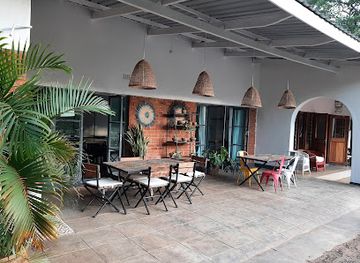
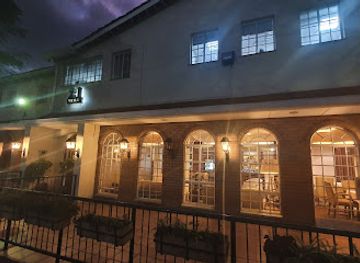
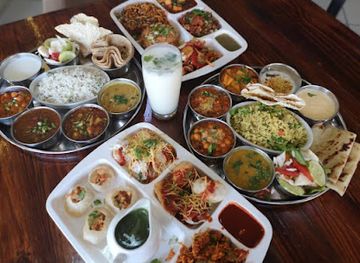
Experience exquisite grill specialties and delightful local cuisine at 21 Grill Restaurant in Blantyre.
-
Italian
Hostaria Restaurant
Savor authentic Italian cuisine in Blantyre at Hostaria Restaurant - where every dish tells a story.

Best bars in Southern Region
Evening life is concentrated in Blantyre, Limbe and Zomba, where hotel bars, restaurants, music venues and a modest selection of clubs serve local residents, business travellers and students. Blantyre has the region’s broadest choice, ranging from contemporary bars and live entertainment to relaxed venues attached to hotels and restaurants. Zomba’s evenings are generally quieter, with social life centred on restaurants, bars and occasional music rather than a large club circuit. In Mulanje, Thyolo, the Shire Valley and lakeshore settlements, nightlife is more likely to mean a lodge bar, local pub, live music or an early dinner. Seasonal activity can increase around holiday periods, but opening arrangements change, particularly outside the cities. Malawi’s Carlsberg beer is widely available nationally, alongside soft drinks and spirits; experiencing the region does not require drinking, and visitors should arrange safe transport after dark.
-
Lodge
Blend. Lodge & Kitchen
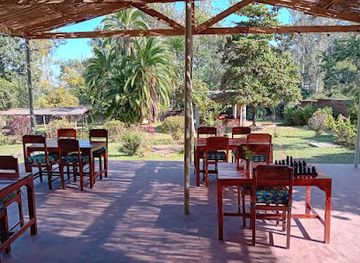
Experience the perfect blend of comfort and local cuisine at Blend. Lodge & Kitchen, your home away from home in Zomba, Malawi.
-
Bar
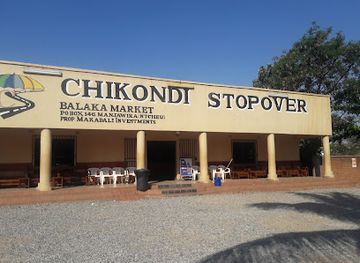
Chikondi Stopover
Experience the essence of Malawian culture at Chikondi Stopover, a vibrant bar where local flavors and friendly atmosphere unite.
-
Bar
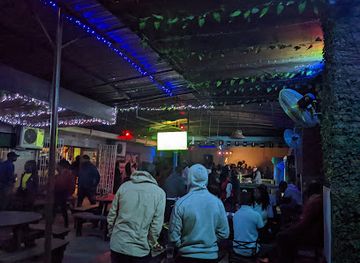
The Blue Elephant
Discover the vibrant nightlife at The Blue Elephant, Blantyre's top bar for locals and tourists alike, with a lively atmosphere and refreshing drinks.
-
Bar
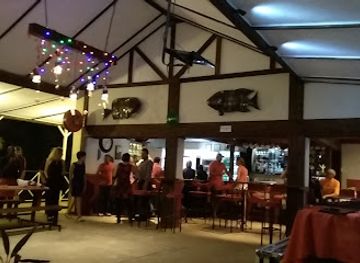
Red Pub & Grub
Experience the vibrant atmosphere of Blantyre at Red Pub & Grub, where locals and tourists unite over delicious drinks and great conversation.
Best nightclubs in Southern Region
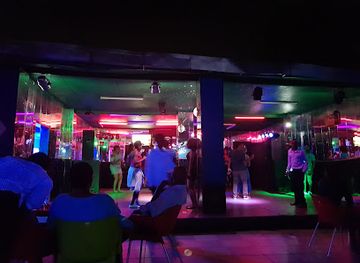
Evening life is concentrated in Blantyre, Limbe and Zomba, where hotel bars, restaurants, music venues and a modest selection of clubs serve local residents, business travellers and students. Blantyre has the region’s broadest choice, ranging from contemporary bars and live entertainment to relaxed venues attached to hotels and restaurants. Zomba’s evenings are generally quieter, with social life centred on restaurants, bars and occasional music rather than a large club circuit. In Mulanje, Thyolo, the Shire Valley and lakeshore settlements, nightlife is more likely to mean a lodge bar, local pub, live music or an early dinner. Seasonal activity can increase around holiday periods, but opening arrangements change, particularly outside the cities. Malawi’s Carlsberg beer is widely available nationally, alongside soft drinks and spirits; experiencing the region does not require drinking, and visitors should arrange safe transport after dark.
-
Night club
Illusionz
Dive into the pulsating nightlife of Lilongwe at Illusionz, where music, dance, and vibrant energy come alive.
-
Night club
Muslim Sports Club
Discover the essence of Malawian nightlife at Muslim Sports Club, where rhythm and culture unite for an unforgettable experience.
-
Lounge
Epic Exclusive Lounge
Discover the serene ambiance of Epic Exclusive Lounge in Lilongwe, where relaxation meets vibrant nightlife.
-
Night club
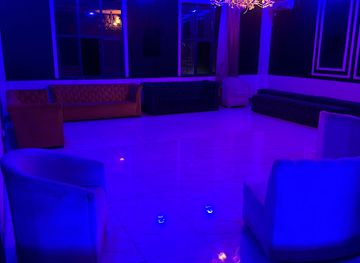
Chez Ntemba Night Club
Discover the electrifying nightlife at Chez Ntemba Night Club, where local and international beats come alive in the heart of Lilongwe.

Best shops in Southern Region
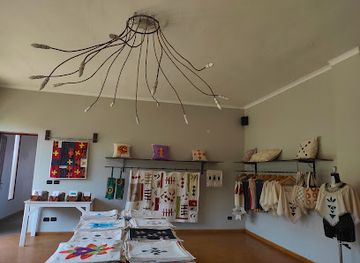
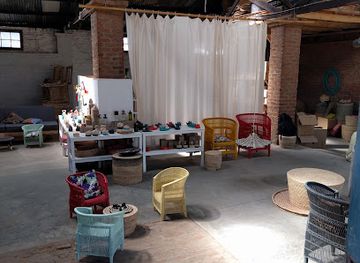
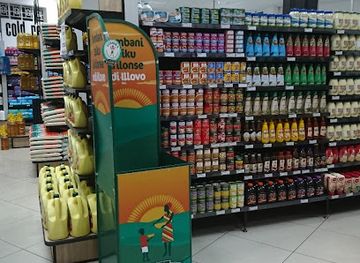
Blantyre and Limbe offer Southern Region’s most varied shopping, including supermarkets, pharmacies, bookshops, clothing retailers, craft outlets and everyday markets. Zomba has a smaller, more local high-street feel, with shops and stalls serving residents, students and visitors heading to the plateau. Markets throughout the region are useful for seasonal fruit, vegetables, textiles, baskets and household goods, while lakeshore communities may sell reed work, carvings and other small crafts; quality and provenance vary, so buy respectfully and avoid wildlife products or archaeological objects. Tea from the Thyolo and Mulanje area is a practical regional purchase, and packaged Malawian coffee, honey, spices and woven goods can also be found in established shops and lodges. Rural markets are primarily places for local trade rather than curated souvenir centres, and carrying small denominations of kwacha makes transactions easier. Bargaining may be acceptable in informal craft settings, but not in every shop or market.
-
Restaurant
ARTHOUSE Cafe And Shop
Experience the perfect blend of culinary delight and artistic flair at ARTHOUSE Cafe And Shop in Balaka.
-
Craft store
People of the Sun
Explore the vibrant craftsmanship of Malawi at People of the Sun, a unique craft store in Blantyre offering handmade treasures and cultural artistry.
-
Shopping mall
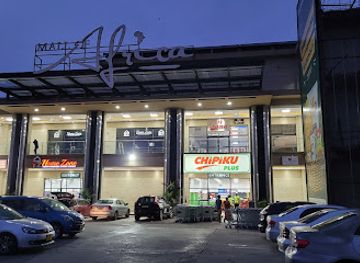
Mall of Africa
Discover the vibrant Mall of Africa in Blantyre, your ultimate shopping destination with diverse stores, delicious dining, and family-friendly fun.
-
Shopping mall
Soche East Shopping Mall
Discover the vibrant Soche East Shopping Mall in Blantyre, where shopping, dining, and entertainment come together for an unforgettable experience.
Get your free copy of our complete guide to Southern Region, delivered straight to you.
Everything on this page, from attractions and restaurants to essentials and local phrases, in one PDF you can read offline, print or share.
Already have an account? Sign in
Your Southern Region guide is ready.
We'll send it to · Not you? Sign out

Getting your guide ready…
We are putting together a fresh copy of the Southern Region guide. This can take up to a minute.
This can take a few moments. If your browser asks, choose Allow so the download can start. You'll find the guide in your Downloads folder.
Nothing happened? Download it again
Sorry, the guide is taking longer than usual. Please try again in a minute, or get it by email instead.
Southern Region essentials
Currency and Payment
Safety
Emergency Situations
Do's and Don'ts
Local Tips
From Eve
Local phrases worth knowing
You don't need to get them perfect. A few words go a long way, and locals appreciate the effort.
Basics
| English | Local | Say it |
|---|---|---|
| Hello | Hi | [Hai] |
| Goodbye | Bye | [Bai] |
| Yes | Yeah | [Yea] |
| No | Nope | [Nope] |
| Please/You're welcome | Sure | [Shur] |
| Thank you | Thanks | [Thangs] |
| Excuse me/Sorry | Sorry | [Sori] |
| How are you? | How's it going? | [Hows it goin?] |
| Fine. And you? | Good. You? | [Good. You?] |
| Do you speak English? | Do you talk English? | [Do you talk English?] |
| I don't understand | I don't get it | [I don't get it] |
Eating & Drinking
| English | Local | Say it |
|---|---|---|
| I'd like to see the menu, please | Can I see the menu? | [Can I see the menu?] |
| I don't eat meat | I don't eat meat | [I don't eat meat] |
| Cheers! | Cheers! | [Cheers!] |
| I would like to pay, please | Can I get the check, please? | [Can I get the check, please?] |
Emergencies
| English | Local | Say it |
|---|---|---|
| Help! | Help! | [Help!] |
| Go away! | Leave me alone! | [Leave me alone!] |
| Call the Police! | Call 911! | [Call 911!] |
| Call a doctor! | Get a doctor! | [Get a doctor!] |
| I'm lost | I can't find my way | [I can't find my way] |
| I'm ill | I'm not feeling well | [I'm not feeling well] |
Shopping
| English | Local | Say it |
|---|---|---|
| I'd like to buy... | I want to buy... | [I want to buy...] |
| I'm just looking | Just browsing | [Just browsing] |
| How much is it? | How much does it cost? | [How much does it cost?] |
| That's too expensive | That's too pricey | [That's too pricey] |
| Can you lower the price? | Can you make it cheaper? | [Can you make it cheaper?] |
Time & Numbers
| English | Local | Say it |
|---|---|---|
| What time is it? | What time is it? | [What time is it?] |
| It's one o'clock | It's 1 PM | [It's 1 PM] |
| Half past (10) | Half past 10 | [Half past 10] |
| Morning | Morning | [Morning] |
| Afternoon | Afternoon | [Afternoon] |
| Evening | Evening | [Evening] |
| Yesterday | Yesterday | [Yesterday] |
| Today | Today | [Today] |
| Tomorrow | Tomorrow | [Tomorrow] |
| 1 | One | [One] |
| 2 | Two | [Two] |
| 3 | Three | [Three] |
| 4 | Four | [Four] |
| 5 | Five | [Five] |
| 6 | Six | [Six] |
| 7 | Seven | [Seven] |
| 8 | Eight | [Eight] |
| 9 | Nine | [Nine] |
| 10 | Ten | [Ten] |
Transport & Directions
| English | Local | Say it |
|---|---|---|
| Where's a/the...? | Where's the...? | [Where's the...?] |
| What's the address? | What's the address? | [What's the address?] |
| Can you show me (on the map)? | Can you show me on the map? | [Can you show me on the map?] |
| When's the next (bus)? | When's the next bus? | [When's the next bus?] |
| A ticket (to ....) | A ticket to... | [A ticket to...] |
History of Southern Region
Early settlement and Iron Age communities
The Southern Region has a long record of settlement shaped by farming, fishing and movement through the Shire Valley and the southern highlands. Iron Age communities cultivated grains, kept livestock and traded across routes linking the interior with the lower Zambezi and Mozambique. Archaeological evidence is particularly important around lake and river environments, where fishing and agricultural societies developed over many centuries. Later Yao, Mang’anja, Lomwe, Sena and other communities formed part of the region’s complex cultural landscape.
Trade routes and the nineteenth-century Yao era
During the nineteenth century, southern Malawi was connected to long-distance trade routes running towards the coast. Yao traders and political leaders were influential around the southern end of Lake Malawi and the Shire Valley, participating in commerce in ivory and other goods while also becoming involved in the slave trade that affected communities across the region. Islamic influence spread along some trading networks, especially in the lakeshore districts. The period brought political change, conflict and population displacement before European colonial rule.
David Livingstone and the Shire mission corridor
The Shire River became central to nineteenth-century European exploration and missionary activity. David Livingstone travelled along the river in 1859, and his reports helped stimulate British interest in the region. Missionaries and trading organisations subsequently established stations and routes in southern Malawi, including areas around Blantyre and the lower Shire. These encounters did not replace existing societies, but they altered patterns of education, Christianity, commerce and political authority while contributing to the wider process of British colonisation.
The establishment of Blantyre and British colonial rule
Blantyre was founded in 1876 by Scottish missionaries associated with the Church of Scotland and named after David Livingstone’s birthplace in Lanarkshire. It grew into a commercial and administrative centre under the British protectorate of Nyasaland, formally established in 1891. European missions, trading firms and colonial officials created new institutions, while African communities continued to provide the labour and agricultural production on which the colonial economy depended. Buildings such as Mandala House remain visible reminders of this formative period.
Plantations, railways and the Shire Highlands economy
Colonial development transformed the Shire Highlands and surrounding lowlands through tea, tobacco, cotton, sugar and other commercial agriculture. Tea estates expanded around Thyolo and Mulanje, taking advantage of reliable rainfall and higher elevations, while railways and roads connected Blantyre and Limbe with the lower Shire and ports beyond Malawi. The system generated export income but also involved land alienation, taxation and highly unequal labour relations. Contemporary southern Malawi still shows the geographical influence of these plantation and transport networks.
Nationalism and independence in 1964
Southern Malawi was a major centre of political organisation during the final years of colonial rule. Blantyre and other towns hosted trade unions, churches, newspapers and political associations that contributed to the growth of nationalism. Malawi achieved independence from Britain in 1964 under Hastings Kamuzu Banda, and the country became a republic in 1966. Independence brought African political control and expanded national institutions, although the early post-colonial period was marked by strong centralisation and restrictions on political opposition.
Democratic transition and conservation renewal
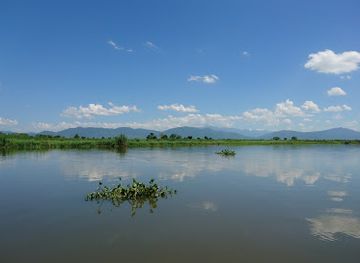
Malawi adopted multiparty democracy in the early 1990s, a major national transformation with strong implications for the Southern Region’s civic and economic life. Since then, urban growth around Blantyre, commercial activity in the tea districts and tourism investment in wildlife and lakeshore areas have reshaped the region. Conservation projects at Majete Wildlife Reserve have become an important example of ecological restoration after severe wildlife decline, while Lake Malawi National Park and the mountain landscapes continue to combine environmental protection with local livelihoods and tourism.
Southern Region in Photos
Browse through our photo collection highlighting the charm and character of the destination.
Neighbouring regions of Southern Region
The closest regions to Southern Region, if you have time for more than one.
-

-

-

-

-


Swipe for more regions
Explore more

Explore more of Malawi
Discover Malawi, the Warm Heart of Africa, where pristine landscapes, diverse wildlife, and rich cultural heritage await to enchant every traveler.
Explore Malawi