

Free Baa Atoll Travel Guide & Mobile App
Explore Baa Atoll with free travel guides. Discover regional history, expert tips, proposed trips, and audio guides on web or mobile app.


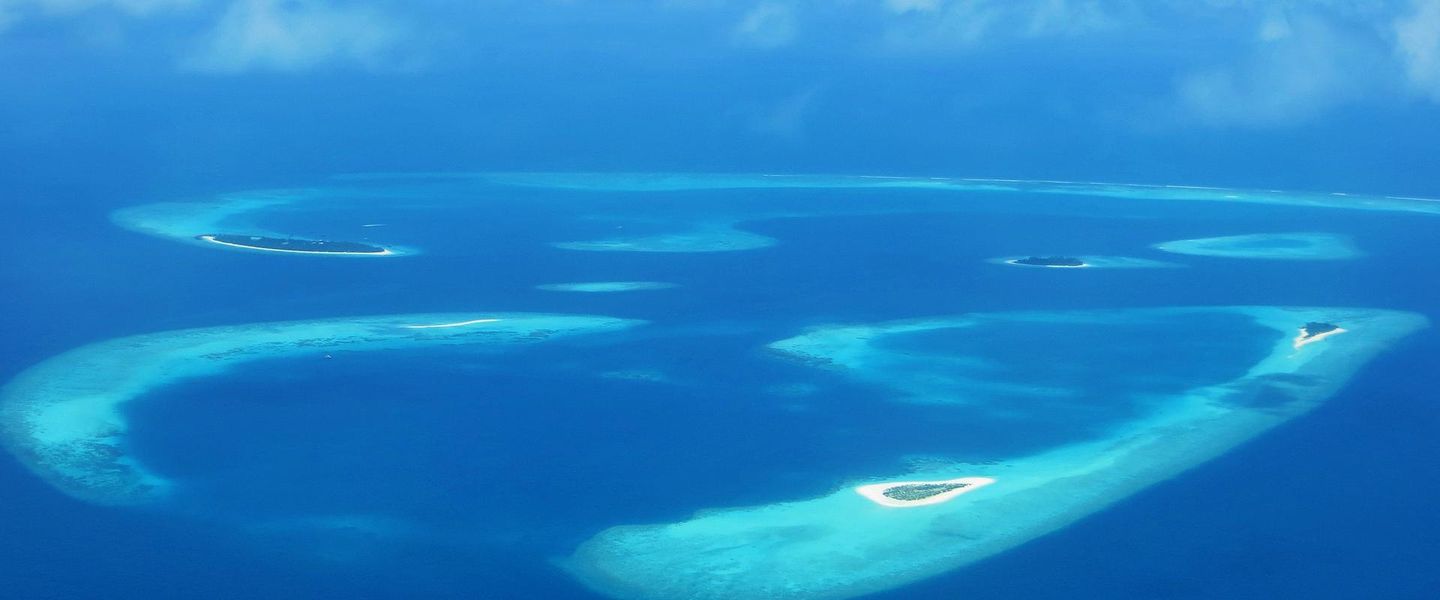


Explore Baa Atoll in the Maldives for manta rays, coral reefs, island communities, lagoon excursions and carefully managed marine experiences.
Read more about Baa Atoll
When is the best time to visit Baa Atoll?
Best: January–March · 29–30°C| Month | High (°C) | Rainfall (mm) |
|---|---|---|
| January (best) | 29 | 91 |
| February (best) | 29 | 70 |
| March (best) | 30 | 88 |
| April | 30 | 134 |
| May | 30 | 230 |
| June | 30 | 209 |
| July | 30 | 191 |
| August | 30 | 213 |
| September | 30 | 236 |
| October | 29 | 270 |
| November | 29 | 244 |
| December | 29 | 211 |
Getting to and around Baa Atoll
How to get there
Transportation
Best attractions in Baa Atoll
Baa Atoll's principal attractions are marine and communal rather than concentrated in a single historic town. Hanifaru Bay is the standout wildlife site, particularly during the south-west monsoon when plankton can attract manta rays and occasional whale sharks; access is regulated, and the animals' presence is seasonal. Around the rest of the atoll, diving and snorkelling excursions explore coral gardens, reef passes, lagoon edges and fish-rich channels, with sites selected according to weather and currents. Resort islands provide beaches, house reefs, kayaking and boat-based activities, while guesthouses on inhabited islands offer a more locally grounded base for fishing trips, sandbank visits and guided reef excursions. Dharavandhoo is a practical hub for marine activities, and nearby islands such as Maalhos, Kamadhoo and Kihaadhoo present different community settings. On land, the attractions are modest but revealing: coconut groves, harbour life, mosques, boatyards, shoreline paths and craft traditions. Thulhaadhoo is especially associated with lacquer work, while local guides can explain fishing methods, island ecology and conservation. The breadth of Baa Atoll lies in the contrast between protected marine habitats, resort recreation and everyday island life.
-
Resort hotel
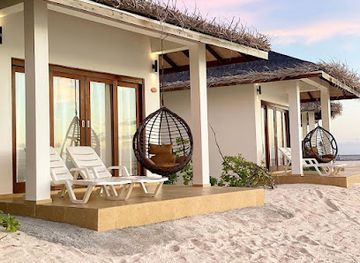
Cocogiri Island Resort Maldives
Discover luxury and adventure at Cocogiri Island Resort, a breathtaking paradise in the Maldives, perfect for relaxation and unforgettable water activities.
-
 Resort hotel
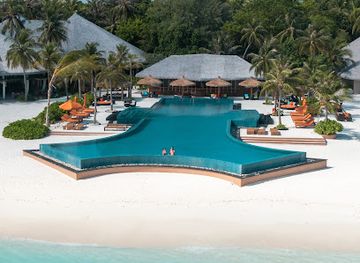
Dreamland Maldives
Experience the ultimate luxury and natural beauty at Dreamland Maldives, a premier resort hotel in the breathtaking Baa Atoll.
-
Resort hotel
Kihaa Maldives
Experience the ultimate tropical escape at Kihaa Maldives Resort, where luxury meets adventure in a stunning island paradise.
-
Resort hotel
Four Seasons Resort Maldives at Landaa Giraavaru
Discover the ultimate luxury escape at Four Seasons Resort Maldives at Landaa Giraavaru, where pristine beaches and unparalleled service meet adventure and relaxation.
Best landmarks in Baa Atoll
Hanifaru Bay is Baa Atoll's most recognisable natural landmark, a shallow reef-shaped inlet whose seasonal plankton concentrations can draw large gatherings of manta rays. Its importance is ecological as well as visual, and regulated access forms part of the conservation approach. Dharavandhoo Airport and harbour are practical points of arrival rather than monuments, but they express the atoll's dependence on domestic aviation and sea travel. Eydhafushi, the administrative capital, is a useful cultural landmark in its own right, with the compact streets, mosque, harbour and daily activity of an inhabited Maldivian island. Thulhaadhoo is associated with the distinctive visual language of lacquered wooden craft, while the atoll's older mosques, coconut-lined paths and boatyards represent enduring elements of island settlement. Offshore, the reef passes and lagoon margins are the defining geographic landmarks: from the surface they appear as changing bands of turquoise and deep blue, while underwater they form walls, channels and coral habitats. No single building dominates Baa Atoll; its sense of place is created by the relationship between small islands, working harbours, reef systems and open ocean.
-
Resort hotel
Royal Island Resort & Spa
Discover the luxurious escape at Royal Island Resort & Spa, where stunning beaches and vibrant marine life await your visit in the Maldives.
-
Resort hotel
Furaveri Maldives
Discover the ultimate tropical escape at Furaveri Maldives, where luxury meets nature in a breathtaking paradise.
-
Resort hotel
Coco Palm Dhuni Kolhu
Experience paradise at Coco Palm Dhuni Kolhu, a luxurious resort in Baa Atoll, offering stunning beaches, exquisite dining, and a serene spa for the perfect getaway.
-
Resort hotel
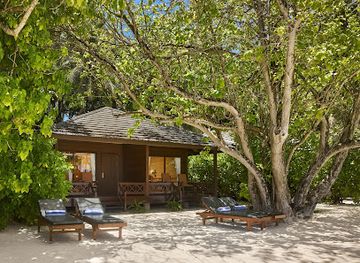
Cocogiri Island Resort Maldives
Experience the ultimate tropical getaway at Cocogiri Island Resort, Maldives, where luxury meets breathtaking natural beauty.
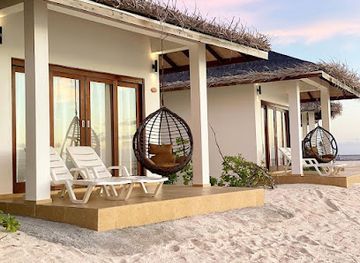
Explore Baa Atoll on the map
Plan your trip on one map. See where the top cities, national parks and sights are, and book hotels and experiences in a few clicks.
Best hotels in Baa Atoll
Best restaurants in Baa Atoll
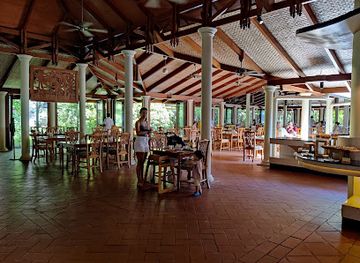
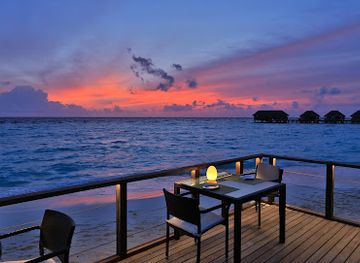
Dining in Baa Atoll ranges from resort restaurants serving international menus to simple cafés and guesthouse kitchens on inhabited islands. Local meals commonly draw on tuna, reef fish, rice, coconut, lime, chilli and flatbreads, with preparations varying from curries and grilled fish to snacks such as fish-filled pastries and savoury short eats. Breakfast may include roshi flatbread, tuna-based dishes and tea, while fresh seafood is a natural feature of both community and resort menus. In Eydhafushi and other populated islands, cafés offer practical, informal meals rather than elaborate dining rooms; service and choice are usually more limited than on a resort island. Guesthouses can often arrange home-style dinners if requested in advance, and this is one of the clearest ways to encounter everyday Maldivian cooking. Resorts add seafood grills, South Asian influences, international cuisine and carefully presented tropical drinks, often using imported ingredients alongside local produce. Vegetarian options are increasingly available, but travellers with dietary restrictions should communicate them before arrival, particularly when staying on a smaller island.
-
Restaurant
Maakana Restaurant
Savor exquisite Maldivian cuisine at Maakana Restaurant in Maalhos – an unforgettable culinary experience awaits!
-
Restaurant
Sea Grill
Experience exquisite seafood dining at Sea Grill in Kihaadhoo, Maldives – where culinary artistry meets breathtaking ocean views.
-
Restaurant
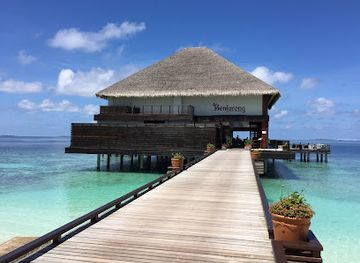
Benjarong
Experience authentic Thai cuisine amidst breathtaking views at Benjarong in Baa Atoll, Maldives - where flavor meets paradise.
-
Italian
Blu Beach Club
Experience unparalleled Italian cuisine at Blu Beach Club in Maldives – where every meal is a journey through Italy's finest flavors.
Best bars in Baa Atoll
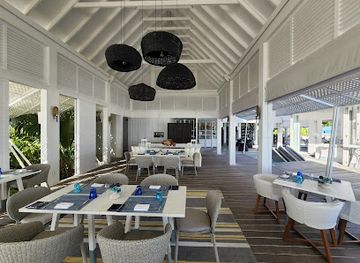
Baa Atoll does not have a conventional mainland-style nightlife district. On resort islands, bars provide the main evening setting, with sunset drinks, lounges, music and occasional entertainment organised within the property; alcohol is generally confined to these tourism establishments. Inhabited islands follow Maldivian Islamic norms, so evening life centres on cafés, guesthouse dining, harbour walks, conversation and small community gatherings rather than bars or nightclubs. Some resorts offer live music, cultural performances or low-key beach events, but programmes and operating arrangements vary. The most distinctive after-dark experiences are often quiet ones: watching the stars away from strong urban lighting, listening to the sea or joining an early-morning wildlife excursion. Visitors exploring community islands should not bring alcohol ashore and should dress and behave according to local expectations. Those seeking a busier club scene will need to look beyond Baa Atoll, while travellers choosing the atoll generally do so for marine activities and a slower evening rhythm.
-
Italian
Blu Beach Club
Experience the best of Italian cuisine with a tropical twist at Blu Beach Club, Maldives - where every meal is a celebration of flavor and beauty.
-
Bar
Boli Bar
Experience the charm of Boli Bar in Maalhos, where stunning views and delicious drinks create a memorable tropical escape.
-
Bar
Sand Bar
Experience the ultimate tropical escape at Sand Bar, where stunning views and refreshing drinks create unforgettable memories in the Maldives.
-
Restaurant
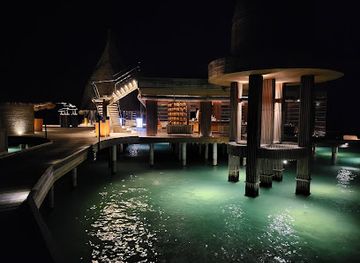
SKY at Anantara Kihavah Maldives Villas
Experience unparalleled dining at SKY, where gourmet cuisine meets stunning ocean views in the heart of the Maldives.
Best nightclubs in Baa Atoll
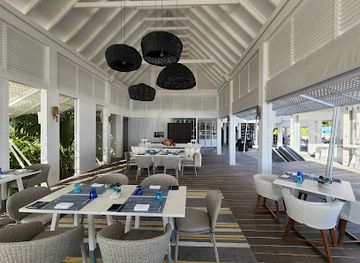
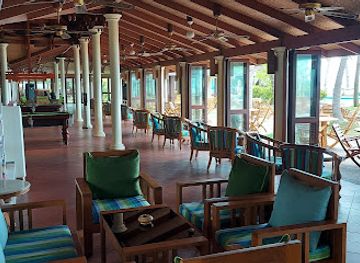
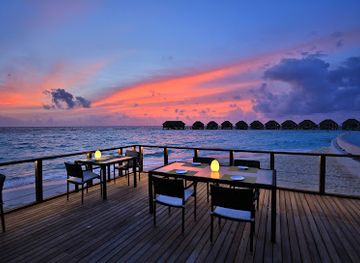
Baa Atoll does not have a conventional mainland-style nightlife district. On resort islands, bars provide the main evening setting, with sunset drinks, lounges, music and occasional entertainment organised within the property; alcohol is generally confined to these tourism establishments. Inhabited islands follow Maldivian Islamic norms, so evening life centres on cafés, guesthouse dining, harbour walks, conversation and small community gatherings rather than bars or nightclubs. Some resorts offer live music, cultural performances or low-key beach events, but programmes and operating arrangements vary. The most distinctive after-dark experiences are often quiet ones: watching the stars away from strong urban lighting, listening to the sea or joining an early-morning wildlife excursion. Visitors exploring community islands should not bring alcohol ashore and should dress and behave according to local expectations. Those seeking a busier club scene will need to look beyond Baa Atoll, while travellers choosing the atoll generally do so for marine activities and a slower evening rhythm.
-
Italian
Blu Beach Club
Blu Beach Club in the Maldives offers exquisite Italian cuisine and stunning ocean views, perfect for families and food lovers alike.
-
Bar
Boli Bar
Experience the vibrant atmosphere and stunning views at Boli Bar in Maalhos, your tropical oasis in the Maldives.
-
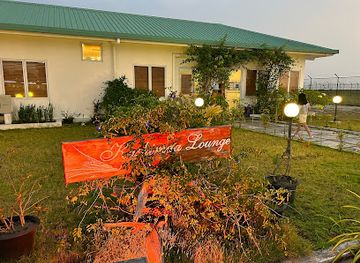
Lounge
Kashimaa Lounge
Discover the tranquil charm of Kashimaa Lounge in Dharavandhoo, where refreshing drinks meet a serene atmosphere.
-
Bar
Conch Bar
Discover the vibrant charm of Conch Bar in Thulhaadhoo, where refreshing drinks and a lively atmosphere await every traveler.

Best shops in Baa Atoll
Shopping in Baa Atoll is modest and locally focused rather than centred on large malls. In Eydhafushi and other inhabited islands, small shops stock daily necessities, snacks, clothing and practical goods, while guesthouse areas may offer a limited selection of souvenirs. Thulhaadhoo is the atoll's best-known craft destination because of its lacquer work, in which artisans decorate wooden objects with layered coloured surfaces and carved patterns. Availability varies, so visitors should allow time to find genuine handmade pieces and ask respectfully about the craft rather than assuming every item is locally produced. Resort boutiques usually sell jewellery, clothing, beachwear, art objects and packaged gifts, often at higher prices and with a wider international selection. Edible souvenirs can include packaged tuna products, coconut-based items, spices and tea, subject to airline and customs rules. Buying directly from artisans or established community businesses can support local production, but bargaining should remain courteous and proportionate to the workmanship. Visitors should not purchase coral, shells or other marine material removed from the reef.
-
Guest house
Aveyla Manta Village
Experience the essence of Maldives at Aveyla Manta Village, where comfort meets adventure amidst stunning natural beauty.
-
Souvenir store
Coral Boutique
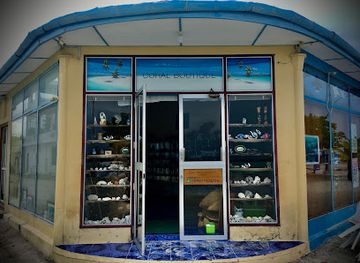
Discover a unique selection of handcrafted souvenirs that capture the spirit of the Maldives at Coral Boutique in Dharavandhoo.
-
Ice Cream
Milk Lab
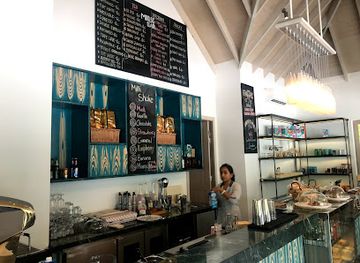
Discover the creamy delights of Milk Lab, an ice cream haven in Hithaadhoo, offering unique flavors and a warm, inviting atmosphere for all ice cream lovers.
-
Grocery store
Dayas Store
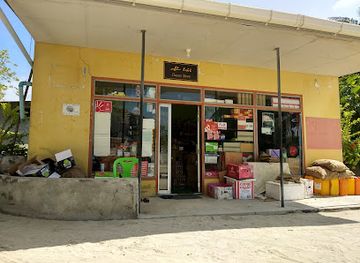
Explore the flavors of the Maldives at Dayas Store, your go-to grocery destination in Maalhos.
Get your free copy of our complete guide to Baa Atoll, delivered straight to you.
Everything on this page, from attractions and restaurants to essentials and local phrases, in one PDF you can read offline, print or share.
Already have an account? Sign in
Your Baa Atoll guide is ready.
We'll send it to · Not you? Sign out

Getting your guide ready…
We are putting together a fresh copy of the Baa Atoll guide. This can take up to a minute.
This can take a few moments. If your browser asks, choose Allow so the download can start. You'll find the guide in your Downloads folder.
Nothing happened? Download it again
Sorry, the guide is taking longer than usual. Please try again in a minute, or get it by email instead.
Baa Atoll essentials
Currency and Payment
Safety
Emergency Situations
Do's and Don'ts
Local Tips
From Eve
Local phrases worth knowing
You don't need to get them perfect. A few words go a long way, and locals appreciate the effort.
Basics
| English | Local | Say it |
|---|---|---|
| Hello | As-salaam 'alaykum | [As-salaam alaykum] |
| Goodbye | Ma'a as-salama | [Ma'a as-salama] |
| Yes | Aye | [Aye] |
| No | Na | [Na] |
| Please/You're welcome | Thibaage thibaageh | [Thibaage thibaageh] |
| Thank you | Shukuriyaa | [Shukuriyaa] |
| Excuse me/Sorry | Thibaage maaz | [Thibaage maaz] |
| How are you? | Thibaage kihineiy? | [Thibaage kihineiy?] |
| Fine. And you? | Bodu kihineiy. Thibaage kihineiy? | [Bodu kihineiy. Thibaage kihineiy?] |
| Do you speak English? | Thibaage English kihineiy? | [Thibaage English kihineiy?] |
| I don't understand | Thibaage thibaageh kihineiy | [Thibaage thibaageh kihineiy] |
Eating & Drinking
| English | Local | Say it |
|---|---|---|
| I'd like to see the menu, please | Thibaage menu thibaageh kihineiy | [Thibaage menu thibaageh kihineiy] |
| I don't eat meat | Thibaage mas huri thibaageh kihineiy | [Thibaage mas huri thibaageh kihineiy] |
| Cheers! | Kihineh! | [Kihineh!] |
| I would like to pay, please | Thibaage dhathuru thibaageh kihineiy | [Thibaage dhathuru thibaageh kihineiy] |
Emergencies
| English | Local | Say it |
|---|---|---|
| Help! | Thibaage ḩaalu! | [Thibaage ḩaalu!] |
| Go away! | Thibaage ḩaalu go! | [Thibaage ḩaalu go!] |
| Call the Police! | Thibaage Police thibaageh kihineiy! | [Thibaage Police thibaageh kihineiy!] |
| Call a doctor! | Thibaage doctor thibaageh kihineiy! | [Thibaage doctor thibaageh kihineiy!] |
| I'm lost | Thibaage ḩaalu kihineiy | [Thibaage ḩaalu kihineiy] |
| I'm ill | Thibaage ḩaalu kihineiy | [Thibaage ḩaalu kihineiy] |
Shopping
| English | Local | Say it |
|---|---|---|
| I'd like to buy... | Thibaage ḩaalu thibaageh kihineiy... | [Thibaage ḩaalu thibaageh kihineiy...] |
| I'm just looking | Thibaage ḩaalu kihineiy | [Thibaage ḩaalu kihineiy] |
| How much is it? | Thibaage thibaageh kihineiy? | [Thibaage thibaageh kihineiy?] |
| That's too expensive | Thibaage ḩaalu kihineiy | [Thibaage ḩaalu kihineiy] |
| Can you lower the price? | Thibaage ḩaalu dhathuru thibaageh kihineiy? | [Thibaage ḩaalu dhathuru thibaageh kihineiy?] |
Time & Numbers
| English | Local | Say it |
|---|---|---|
| What time is it? | Thibaage thibaageh kihineiy? | [Thibaage thibaageh kihineiy?] |
| It's one o'clock | Thibaage ḩaalu ḩalhu kihineiy | [Thibaage ḩaalu ḩalhu kihineiy] |
| Half past (10) | Thibaage ḩaalu ḩalhu thibaageh kihineiy | [Thibaage ḩaalu ḩalhu thibaageh kihineiy] |
| Morning | Bodu kihineiy | [Bodu kihineiy] |
| Afternoon | Thibaageh kihineiy | [Thibaageh kihineiy] |
| Evening | Hithuge kihineiy | [Hithuge kihineiy] |
| Yesterday | Thibaageh kihineiy | [Thibaageh kihineiy] |
| Today | Thibaageh kihineiy | [Thibaageh kihineiy] |
| Tomorrow | Thibaageh kihineiy | [Thibaageh kihineiy] |
| 1 | 1 | [1] |
| 2 | 2 | [2] |
| 3 | 3 | [3] |
| 4 | 4 | [4] |
| 5 | 5 | [5] |
| 6 | 6 | [6] |
| 7 | 7 | [7] |
| 8 | 8 | [8] |
| 9 | 9 | [9] |
| 10 | 10 | [10] |
Transport & Directions
| English | Local | Say it |
|---|---|---|
| Where's a/the...? | Thibaageh... kithun? | [Thibaageh... kithun?] |
| What's the address? | Thibaageh adhu kihineiy? | [Thibaageh adhu kihineiy?] |
| Can you show me (on the map)? | Thibaageh map thibaageh kihineiy? | [Thibaageh map thibaageh kihineiy?] |
| When's the next (bus)? | Thibaageh thibaageh bus kihineiy? | [Thibaageh thibaageh bus kihineiy?] |
| A ticket (to ....) | Thibaageh ticket thibaageh kihineiy... | [Thibaageh ticket thibaageh kihineiy...] |
History of Baa Atoll
Early Settlement and Buddhist Maldives
The islands of Baa Atoll formed part of the wider settlement history of the Maldives, whose coral islands supported communities through fishing, seafaring and coconut cultivation long before modern tourism. Archaeological evidence across the Maldivian archipelago points to periods of Buddhist influence before the islands adopted Islam, although many individual atoll sites are difficult to interpret because of erosion, rebuilding and later development. The surviving landscape of sandbanks, reef channels and island groves also explains why maritime knowledge was central to life here: communities were linked more readily by boat than by roads.
Conversion to Islam and Island Communities
The Maldives converted to Islam in the twelfth century, a transformation that shaped settlement, governance, architecture and daily life across the atolls. In Baa Atoll, as elsewhere in the country, mosques and Islamic institutions became focal points of inhabited islands, while local communities continued to depend on fishing, coconut products and inter-island trade. The atoll's modern villages preserve this pattern of compact settlement beside the sea. Religious practice remains an important part of community life, and visitors should distinguish the social norms of inhabited islands from the more relaxed arrangements of resort properties.
Seafaring, Fishing and Atoll Trade
For centuries, Baa Atoll's economy was tied to the sea. Dhoni boats carried people and goods between islands, fishermen worked the surrounding reefs and channels, and coconut palms supplied copra, rope and other materials. Seasonal winds influenced routes, fishing conditions and contact with other atolls. Traditional boatbuilding and marine skills remain visible in several communities, even though fibreglass vessels, motor transport and modern communications have changed the old economy. The continuing importance of fishing also explains why reef conservation is not simply an environmental concern but a matter connected to livelihoods and food security.
Lacquer Work and Thulhaadhoo Craft Tradition
Thulhaadhoo is widely associated with the Maldivian craft of lacquer work, known locally as laajehun. Artisans apply layers of coloured lacquer to wooden objects, then carve or polish the surface to create intricate decorative patterns. The tradition belongs to a wider Maldivian material culture that includes woodwork, mats, boat construction and household crafts. Tourism has given some products a new market, but visitors should understand that handmade work represents skilled labour rather than merely a souvenir category. Craft production also demonstrates how individual islands developed specialised identities within the atoll network.
The Growth of Maldivian Tourism
Modern tourism began in the Maldives in the 1970s and gradually expanded beyond the capital region into the outer atolls. Baa Atoll became part of this development through resort islands, guesthouses, diving operations and domestic air access. Tourism introduced new employment and infrastructure while also creating questions about waste, freshwater, marine pressure and the relationship between resort economies and inhabited islands. Its geography has allowed Baa Atoll to retain a strong distinction between private resort environments and community islands, where everyday Maldivian life follows national religious and social norms.
Baa Atoll Biosphere Reserve and Marine Conservation
In 2011, Baa Atoll was designated a UNESCO Biosphere Reserve, recognising the importance of its coral reefs, lagoons, mangroves and marine habitats alongside the communities that depend on them. Hanifaru Bay became the reserve's best-known conservation site because seasonal plankton concentrations can draw large gatherings of manta rays and occasional whale sharks. Protection has required visitor-management measures, regulated access and greater awareness of reef ecology. The designation reflects a modern shift in the atoll's identity: tourism remains important, but the health of the marine environment is treated as central to its long-term future.
Baa Atoll in Photos
Browse through our photo collection highlighting the charm and character of the destination.
Neighbouring regions of Baa Atoll
The closest regions to Baa Atoll, if you have time for more than one.
-

-

-

-

-


Swipe for more regions
Explore more

Explore more of Maldives
Experience the unparalleled beauty of the Maldives, where pristine beaches, luxurious resorts, and vibrant marine life create the perfect tropical getaway.
Explore Maldives