

Free Kaafu Atoll Travel Guide & Mobile App
Explore Kaafu Atoll with free travel guides. Discover regional history, expert tips, proposed trips, and audio guides on web or mobile app.


Kaafu Atoll combines Malé’s history with local islands, reef diving, surfing, guesthouses and resort lagoons across the central Maldives.
Read more about Kaafu Atoll
When is the best time to visit Kaafu Atoll?
Best: January–March · 29–30°C| Month | High (°C) | Rainfall (mm) |
|---|---|---|
| January (best) | 29 | 130 |
| February (best) | 29 | 100 |
| March (best) | 30 | 120 |
| April | 30 | 150 |
| May | 30 | 180 |
| June | 30 | 160 |
| July | 30 | 160 |
| August | 30 | 160 |
| September | 29 | 170 |
| October | 29 | 190 |
| November | 29 | 180 |
| December | 29 | 150 |
Getting to and around Kaafu Atoll
How to get there
Transportation
Best attractions in Kaafu Atoll
Kaafu Atoll offers a varied mix of urban, island and marine attractions. In Malé, the National Museum, Sultan Park, fish market, local produce market and historic mosques provide a compact introduction to Maldivian political, religious and maritime life. Hulhumalé adds a newer waterfront environment, while inhabited islands such as Maafushi, Thulusdhoo, Huraa, Dhiffushi and Guraidhoo offer guesthouse stays, village walks, fishing excursions and access to lagoons. The atoll’s principal natural attractions lie underwater or offshore: coral gardens, reef channels, sandbanks, turtle habitats, rays, dolphins and seasonal pelagic life are explored by snorkelling, diving and boat trips. North Malé Atoll is an established surfing area, while other reefs support guided dives and calmer lagoon activities. Resort islands provide their own beaches, house reefs and water-sports facilities, but these are distinct from the public life of local islands. Because each island is small and marine conditions change quickly, responsible operators, weather awareness and careful treatment of coral are central to enjoying the region.
-
Tourist attraction
Sultan Park
Discover the natural beauty and cultural heritage of the Maldives at Sultan Park, a serene urban oasis in the heart of Malé.
-
Tourist attraction
Central Park (Hulhumalé)
Experience the tranquility and natural beauty of Central Park Hulhumalé, a perfect retreat for relaxation, recreation, and exploration in the Maldives.
-
Tourist attraction
Republic Square
Explore Republic Square in Malé, a vibrant city park offering a blend of culture, history, and relaxation in the heart of the Maldives.
-
Tourist attraction
National Museum, Maldives
Explore the rich cultural tapestry of the Maldives at the National Museum, showcasing the islands' history through captivating exhibits.


Best landmarks in Kaafu Atoll
The Friday Mosque, or Hukuru Miskiy, is Malé’s most important historic landmark, built from coral stone and associated with the capital’s long religious and political role; visitors should check access arrangements and observe mosque etiquette. Nearby Sultan Park occupies part of the former royal palace grounds, while the National Museum preserves objects connected with the sultanate, Islam and Maldivian cultural history. The Islamic Centre and its golden dome form one of the capital’s most recognisable modern civic images, although the complex remains a functioning religious institution rather than simply a sightseeing monument. Across the water, the airport island of Hulhulé and reclaimed Hulhumalé represent the region’s contemporary infrastructure and rapid urban expansion. Beyond the built environment, the defining landmarks of Kaafu are its reef passes, lagoons and low coral islands: surf breaks, sandbanks and reef walls are geographical features rather than fixed monuments, and their appearance changes with tide, weather and light. The historic capital and the surrounding sea together express the atoll’s distinctive identity.
-
 Resort hotel
Villa Nautica, Maldives
Experience the allure of yacht life at Villa Nautica Maldives: luxury villas, pristine beaches, and world-class diving await in this tropical paradise.
-
Resort hotel
Adaaran Prestige Vadoo
Experience luxurious, adults-only overwater villa escapes at Adaaran Prestige Vadoo, Maldives, with world-class dining and vibrant marine adventures.
-
Resort hotel
Adaaran Select Hudhuran Fushi
Experience paradise at Adaaran Select Hudhuran Fushi: premium all-inclusive, thrilling surf, and serene relaxation in the Maldives.
-
Resort hotel
Cinnamon Dhonveli Maldives
Experience a luxurious Maldives getaway at Cinnamon Dhonveli: pristine beaches, thrilling water sports, and world-class dining await!
Explore Kaafu Atoll on the map
Plan your trip on one map. See where the top cities, national parks and sights are, and book hotels and experiences in a few clicks.
Best hotels in Kaafu Atoll
Best restaurants in Kaafu Atoll
Dining in Kaafu Atoll ranges from Malé’s crowded cafés and small restaurants to guesthouse kitchens, resort dining rooms and simple island cafés. Maldivian food commonly centres on tuna, coconut, chilli, lime, rice and flatbreads, with dishes such as mas huni, fish curries, grilled seafood and savoury snacks reflecting the country’s ocean-based diet and Indian Ocean connections. Malé is the best place in the atoll to compare everyday local cooking, bakeries, tea shops and contemporary international restaurants, while local islands offer seafood meals and home-style dishes through guesthouses or small eateries. Resort restaurants usually provide broader international menus alongside Maldivian specialities, often with seafood and tropical fruit prominent. Alcohol is available in resorts and licensed tourist venues but not generally on inhabited islands. Visitors should confirm whether service charges and government taxes are added to bills, and should not assume that a dish described as Maldivian has originated specifically in Kaafu rather than being part of the wider national cuisine.
-
Restaurant
Lazeez Gourmet
Experience the finest Arabic cuisine at Lazeez Gourmet in Hulhumalé - where flavor meets elegance amidst stunning Maldivian scenery.
-
Restaurant
Hook Restaurant
Discover exquisite flavors and breathtaking views at Hook Restaurant in Himmafushi - where every meal is a celebration of Maldivian hospitality.
-
American
Hard Rock Cafe Maldives
Discover delicious American cuisine amid iconic rock memorabilia at Hard Rock Cafe Maldives – where every meal is a celebration.
-
Restaurant
The Lagoon Restaurant
Experience exquisite dining at The Lagoon Restaurant in Paradise Island Resort - where gourmet cuisine meets breathtaking views.


Best bars in Kaafu Atoll
Nightlife in Kaafu Atoll is concentrated in Malé, Hulhumalé and resort islands, and it differs sharply between them. Malé and Hulhumalé have cafés, late-opening restaurants and a modest selection of contemporary evening venues, but the capital is not a conventional party destination. On inhabited islands, social life generally centres on cafés, guesthouse restaurants and occasional locally organised entertainment rather than bars, since alcohol is restricted under national Islamic law. Resorts offer the region’s fullest evening programme, including licensed bars, sunset lounges, live music, dining and occasional DJ or themed events; arrangements vary by property and season. Excursion boats and specialist venues may also provide evening cruises or marine experiences. Visitors should not carry alcohol from a resort into a local island and should respect restrictions on public drinking. For a quieter evening, a waterfront café, night fishing trip or resort beach setting is more characteristic of Kaafu than a large nightclub scene.
-
Restaurant
Moonlight - FOOD . DRINKS . SHISHA
Experience the vibrant culinary scene at Moonlight, a premier restaurant and lounge in Maafushi, Maldives, known for its food, drinks, and shisha.
-
Bar
Meeru Uthur Bar, Games & TV Room
Experience the vibrant atmosphere of Meeru Uthur Bar; perfect for relaxation, games, and enjoying the best drinks in the Maldives.
-
Bar
Anchorage Bar
Discover the Anchorage Bar at Sheraton Maldives for breathtaking views and exquisite cocktails in a tropical paradise.
-
Bar
Meeru Kakuni Bar & Game Room
Experience the vibrant atmosphere of Meeru Kakuni Bar & Game Room, where tropical drinks and games meet the serene beauty of the Maldives.


Best nightclubs in Kaafu Atoll
Nightlife in Kaafu Atoll is concentrated in Malé, Hulhumalé and resort islands, and it differs sharply between them. Malé and Hulhumalé have cafés, late-opening restaurants and a modest selection of contemporary evening venues, but the capital is not a conventional party destination. On inhabited islands, social life generally centres on cafés, guesthouse restaurants and occasional locally organised entertainment rather than bars, since alcohol is restricted under national Islamic law. Resorts offer the region’s fullest evening programme, including licensed bars, sunset lounges, live music, dining and occasional DJ or themed events; arrangements vary by property and season. Excursion boats and specialist venues may also provide evening cruises or marine experiences. Visitors should not carry alcohol from a resort into a local island and should respect restrictions on public drinking. For a quieter evening, a waterfront café, night fishing trip or resort beach setting is more characteristic of Kaafu than a large nightclub scene.
-
Bar
Anchorage Bar
Experience the vibrant atmosphere and stunning ocean views at Anchorage Bar, the perfect tropical getaway in the Maldives.
-
Lounge
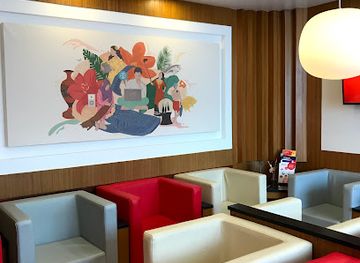
Constance Hotels and Resorts Maldives Airport Lounge
Experience ultimate relaxation at Constance Hotels and Resorts Maldives Airport Lounge, where luxury meets comfort for discerning travelers.
-
Lounge
Ooredoo Club Premier Lounge
Experience the elegance and comfort of the Ooredoo Club Premier Lounge in Malé, a perfect retreat for travelers seeking relaxation and luxury.
-
Lounge
Amina Premium Lounge (APL)
Discover the perfect blend of relaxation and luxury at Amina Premium Lounge in Malé, Maldives, a serene escape for every traveler.


Best shops in Kaafu Atoll
Malé is Kaafu Atoll’s main shopping centre, with crowded streets of small retailers, convenience shops, bookshops, pharmacies, clothing stores and stalls selling everyday goods. The local market near the harbour is useful for seeing imported and island produce, including dried fish, coconuts, fruit and other foodstuffs, while souvenir shops offer lacquerware, woven items, printed textiles, shell-free jewellery and Maldivian-themed crafts. Hulhumalé has newer supermarkets, cafés and services, but its retail scene is less historic and more residential. Local islands mainly provide practical shops, small cafés and guesthouse-based souvenirs rather than broad retail districts. Resort boutiques sell branded beachwear, crafts, jewellery and packaged products, usually at resort pricing. When buying gifts, ask about the material and origin of coral, shells, tortoiseshell and other marine products: many are protected or environmentally damaging, and should not be purchased or taken home. Cards are widely accepted in established businesses, but cash remains useful in smaller shops and markets.
-
Shopping mall
The Marina CROSSROADS Maldives
Explore The Marina CROSSROADS Maldives – a lively shopping and entertainment destination where relaxation meets adventure in paradise.
-
Art gallery
Oevaali Art Shop
Explore the essence of Maldivian culture through unique artworks and handcrafted souvenirs at Oevaali Art Shop in Malé.
-
Department store
Items
Explore the vibrant shopping scene at ITEMS in Malé, where local culture meets modern retail in a unique department store experience.
-
Boutique
Island Bazaar
Discover unique Maldivian handicrafts and souvenirs at Island Bazaar, the boutique treasure trove in the heart of Malé.


Get your free copy of our complete guide to Kaafu Atoll, delivered straight to you.
Everything on this page, from attractions and restaurants to essentials and local phrases, in one PDF you can read offline, print or share.
Already have an account? Sign in
Your Kaafu Atoll guide is ready.
We'll send it to · Not you? Sign out

Getting your guide ready…
We are putting together a fresh copy of the Kaafu Atoll guide. This can take up to a minute.
This can take a few moments. If your browser asks, choose Allow so the download can start. You'll find the guide in your Downloads folder.
Nothing happened? Download it again
Sorry, the guide is taking longer than usual. Please try again in a minute, or get it by email instead.
Kaafu Atoll essentials
Currency and Payment
Safety
Emergency Situations
Do's and Don'ts
Local Tips
History of Kaafu Atoll
Early settlement and Buddhist Maldives
The islands of the Maldives were settled long before written records, with communities shaped by Indian Ocean voyaging, fishing and trade. Before the adoption of Islam, the archipelago followed Buddhist traditions, and archaeological remains across the country include foundations, sculptures and reused stonework associated with that period. In Kaafu Atoll, the long importance of Malé as a central settlement reflects its strategic position among the channels of the central atolls, although much early material evidence has been altered by later construction.
Conversion to Islam in the twelfth century
The Maldives adopted Islam in the twelfth century, a transformation that reshaped political authority, architecture, law and daily life. Malé became the seat of the sultanate and developed as the country’s principal religious and administrative centre. The continuing prominence of mosques in the capital, together with Islamic customs observed on inhabited islands throughout Kaafu Atoll, reflects this change. The traditional historical account links conversion with a ruler known as Dhovemi, though later narratives combine historical memory and legend.
Malé and the sultanate’s maritime capital
For centuries Malé functioned as the political heart of the Maldivian sultanate, whose authority depended upon sea routes connecting widely scattered islands. Rulers, court officials, religious scholars, fishermen and traders shaped the settlement’s character. The capital’s compact form, historic mosques and former palace precincts are reminders that national power was concentrated on a very small island. The surrounding channels also made Kaafu a natural centre for inter-island movement and contact with Indian Ocean trading networks.
Colonial influence and the end of the sultanate
European powers became increasingly involved in Maldivian affairs as maritime trade and imperial competition expanded across the Indian Ocean. The Maldives became a British protected state in 1887 while retaining its internal sultanate, and Malé acquired new administrative and commercial functions during the colonial period. The country became independent in 1965 and became a republic in 1968. Government offices, civic buildings and older religious structures in Malé express different layers of this political transition.
The development of tourism after 1972
Modern tourism began in the Maldives in 1972 with the opening of the first resort islands, establishing a model in which individual islands were developed separately from inhabited communities. Kaafu Atoll, close to the international airport and capital, became one of the main centres of this expansion. Resorts introduced international travel, diving and marine recreation on a large scale, while local islands later developed guesthouses and excursion businesses after regulatory changes allowed broader community participation in tourism.
Malé’s urban expansion and changing islands
Population growth, limited land and increasing demand for housing and infrastructure have transformed the Malé area. Hulhulé became the location of the international airport, while Hulhumalé was developed on reclaimed land as a planned extension for homes, services and businesses. Malé itself has grown denser, and bridges, harbours and ferry links have altered movement around the capital. These changes illustrate the pressures facing an atoll region where land is scarce and the majority of connections still depend on the sea.
Kaafu Atoll in Photos
Browse through our photo collection highlighting the charm and character of the destination.
Neighbouring regions of Kaafu Atoll
The closest regions to Kaafu Atoll, if you have time for more than one.
-

-

-
-

-


Swipe for more regions
Explore more

Explore more of Maldives
Experience the unparalleled beauty of the Maldives, where pristine beaches, luxurious resorts, and vibrant marine life create the perfect tropical getaway.
Explore Maldives