

Lhaviyani Atoll, Maldives Travel Guide
Discover Lhaviyani Atoll in the Maldives, a tropical paradise offering pristine beaches, vibrant coral reefs, and luxurious resorts for an unforgettable escape.
Lhaviyani Atoll, located in the northern part of the Maldives, is a tropical paradise known for its stunning coral reefs, serene lagoons, and luxurious resorts. This atoll is a haven for those seeking tranquility and natural beauty, offering a perfect blend of relaxation and adventure. The atoll is home to several islands, each with its unique charm. You can explore the vibrant marine life through snorkeling and diving excursions, where you may encounter manta rays, turtles, and an array of colorful fish. The crystal-clear waters and pristine beaches make it an ideal destination for sunbathing, swimming, and various water sports. Apart from its natural wonders, Lhaviyani Atoll offers a range of luxurious accommodations, from overwater bungalows to beachfront villas, ensuring a comfortable and memorable stay. The local cuisine, rich in fresh seafood and tropical flavors, is another highlight that adds to the atoll's allure. Whether you're looking for a romantic getaway, a family vacation, or an adventurous escape, Lhaviyani Atoll promises an unforgettable experience.

Know before you go
Hi, I'm Eve. Here are a few practical things to know before exploring Lhaviyani Atoll.
- Book your resort stay well in advance, as accommodations can fill up quickly.
- Don't miss the chance to go snorkeling or diving to explore the diverse marine life.
- Pack reef-safe sunscreen to protect the delicate coral reefs.
- Try the local Maldivian cuisine, especially the fresh seafood dishes.
- Take a sunset cruise to fully appreciate the stunning beauty of the atoll.
Explore Lhaviyani Atoll: Things to Do, Places to Eat, Hotels & More
Handpicked recommendations for top attractions, local dining, accommodations, and more

Top Attractions & Sightseeing in Lhaviyani Atoll
Top-rated picks
Best Attractions

Kanuhuraa
Experience the stunning beauty and tranquility of Kanuhuraa Island, a hidden gem in the Maldives perfect for relaxation and adventure.

Olhuvelifushi
Discover the serene beauty and vibrant culture of Olhuvelifushi Island, a hidden gem in the Maldives perfect for relaxation and adventure.

Fulhadhoo Coral Garden
Explore the mesmerizing Fulhadhoo Coral Garden, a hidden gem in the Maldives filled with vibrant corals and diverse marine life.

Kaashidhoo Faalan
Discover serenity and stunning landscapes at Kaashidhoo Faalan, a captivating tourist attraction in the heart of the Maldives.

Best landmarks in Lhaviyani Atoll
Top-rated picks
Best Landmarks

Atmosphere Kanifushi Maldives
Experience tropical luxury at Atmosphere Kanifushi Maldives: pristine beaches, all-inclusive amenities, and unforgettable moments in Lhaviyani Atoll.

Hurawalhi Island Resort
Experience the extraordinary at Hurawalhi Island Resort: An adults-only Maldives paradise with luxury villas, underwater dining, and pristine beaches.

Hurawali
Experience unparalleled luxury and breathtaking underwater dining at Hurawalhi Island Resort, an adults-only paradise in the Maldives' Lhaviyani Atoll.

Kudadhoo
Experience unparalleled luxury and privacy at Kudadoo Maldives, an exclusive solar-powered private island with all-inclusive indulgence and bespoke service.

Best restaurants in Lhaviyani Atoll
Top-rated picks
Best Restaurants

5.8 Undersea Restaurant
Discover an unforgettable dining experience at 5.8 Undersea Restaurant in Maldives—where exquisite cuisine meets breathtaking underwater views.

Just Veg
Experience delightful vegetarian cuisine at Just Veg in Maafilaafushi, where every dish tells a story of flavor and freshness.

The Sunset
Experience exquisite dining with breathtaking sunset views at The Sunset in Kanifushi, Maldives – where culinary art meets natural beauty.

The Trio
Experience authentic Italian cuisine in paradise at The Trio—where every dish tells a story against the stunning backdrop of the Maldives.

Best bars in Lhaviyani Atoll
Top-rated picks
Best Bars

The Spice
Experience the essence of Maldivian culinary delights at The Spice, where every dish is a celebration of flavor and island serenity.
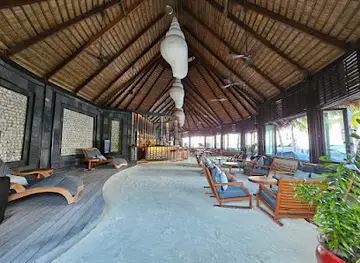
Kuredu Sangu Bar
Discover relaxation and vibrant nightlife at Kuredu Sangu Bar, a tropical paradise offering stunning ocean views and delicious cocktails.

Manta Restaurant
Savor exquisite flavors and breathtaking views at Manta Restaurant in Olhuvelifushi, Maldives.

Champagne Pavilion
Experience luxury dining at the Champagne Pavilion, where gourmet cuisine meets stunning ocean views in the heart of the Maldives.

Best nightclubs in Lhaviyani Atoll
Top-rated picks
Best Nightclubs

Kurum-Bar
Discover Kurum-Bar in the Maldives: A serene bar offering stunning ocean views and refreshing cocktails in a tropical paradise.

Lounge
Discover serenity in the Maldives at this tranquil lounge, where breathtaking views meet delicious refreshments and a relaxing atmosphere.

The Liquid
Experience the vibrant tropical atmosphere at The Liquid, a premier bar and restaurant in the stunning Atmosphere Kanifushi Maldives.

Akiri bar
Discover the enchanting Akiri Bar on Kuredhdhoo, where stunning views and delightful drinks create the perfect tropical escape.

Best shops in Lhaviyani Atoll
Top-rated picks
Best Shops

Goasi
Explore Goasi in Naifaru: Your go-to general store for local products, essentials, and an authentic Maldivian experience.

Alivilaa Mart
Discover the vibrant shopping experience at Alivilaa Mart in Kurendhoo, offering local crafts and essentials amidst the backdrop of the Maldives.

A.D.L 2
Discover authentic Maldivian crafts and souvenirs at A.D.L 2, a must-visit store in Naifaru for an unforgettable shopping experience.

Aloha Ohana
Discover the vibrant shopping scene at Aloha Ohana, Naifaru's top outlet mall, featuring local crafts, fashion, and delightful culinary experiences.

Explore Lhaviyani Atoll on the Map
A handpicked selection of must-see spots in Lhaviyani Atoll, mapped for you.
Lhaviyani Atoll Essentials
-
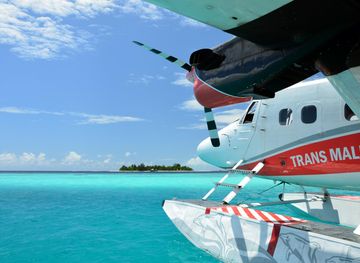
Lhaviyani Atoll is located in the northern part of the Maldives. The nearest international airport is Velana International Airport in Malé. From Malé, you can take a domestic flight to Madivaru Airport, which is located within the Atoll. Alternatively, speedboat transfers and seaplane services are available for a more scenic journey. The seaplane ride offers a breathtaking aerial view of the atolls and typically takes around 40 minutes.
-
Transportation within Lhaviyani Atoll primarily involves speedboats and traditional dhonis (local boats). Many resorts offer their own transport services, so it’s advisable to check with your accommodation for the best options. For island hopping, you can hire private boats or join organized tours. Bicycles are also available on some islands, providing a leisurely way to explore.
-
The official currency in the Maldives is the Maldivian Rufiyaa (MVR). However, US dollars are widely accepted in resorts, hotels, and many businesses. Major credit cards such as Visa, MasterCard, and American Express are widely accepted. ATMs are available on some islands, but it is advisable to carry sufficient cash, especially if you plan to visit more remote areas.
-
Lhaviyani Atoll is generally a safe destination for tourists. However, standard precautions should always be taken. Avoid isolated areas at night and keep your valuables secure. Crime rates are low, but it's always best to stay vigilant. There are no specific high-crime areas targeting tourists, but be cautious in crowded places.
-
In case of an emergency, dial 119 for police assistance and 102 for medical emergencies. Resorts usually have their own medical facilities or can arrange for emergency transportation to the nearest hospital. It is recommended to have comprehensive travel insurance that covers medical emergencies. Pharmacies are available on some islands for minor health issues.
-
Fashion: Do dress modestly, especially when visiting local islands. Swimwear is acceptable at resorts but should be avoided in public areas. Religion: Do respect local customs and traditions. Remove your shoes when entering mosques and dress conservatively. Public Transport: Do be respectful and patient when using local transport options like dhonis. Greetings: Do greet locals with a smile or the phrase 'Assalaamu Alaikum'. Eating & Drinking: Do try local dishes and accept food offerings graciously. Don't eat with your left hand, as it is considered impolite.
-
To experience Lhaviyani Atoll like a local, visit the local markets where you can buy fresh fish and produce. Engage with locals who are often eager to share stories about their culture and traditions. Don't miss the opportunity to try traditional Maldivian dishes like 'Garudhiya' (fish soup) and 'Mas Huni' (tuna salad). For a unique experience, join a fishing trip or a traditional dhoni cruise.
When is the best time to visit Lhaviyani Atoll?
History of Lhaviyani Atoll
-
Lhaviyani Atoll, known locally as Faadhippolhu, has been inhabited for centuries. Archaeological evidence suggests that the early settlers of the Maldives, who arrived around the 5th century BCE, also made their home in Lhaviyani Atoll. These early inhabitants were skilled seafarers and fishermen who relied on the abundant marine resources for their livelihood.
-
Before the Maldives converted to Islam in the 12th century, Buddhism was the dominant religion, and Lhaviyani Atoll was no exception. Remnants of Buddhist stupas and artifacts have been found on some of the islands, indicating that the atoll was an important center for Buddhist worship and culture. The transition from Buddhism to Islam marked a significant change in the religious and cultural landscape of the atoll.
-
The Maldives, including Lhaviyani Atoll, embraced Islam in 1153 AD under the guidance of Abu al-Barakat Yusuf al-Barbari, a North African Islamic scholar. This conversion brought about a profound transformation in the cultural and social fabric of the atoll. The establishment of mosques and the adoption of Islamic customs and laws became integral parts of daily life in the atoll.
-
During the colonial era, the Maldives, including Lhaviyani Atoll, experienced influences from various colonial powers such as the Portuguese, Dutch, and British. The strategic location of the Maldives in the Indian Ocean made it a focal point for maritime trade. Lhaviyani Atoll's islands served as crucial stops for traders and explorers navigating these waters. The atoll's rich marine resources, including its famous tuna fisheries, were highly prized by these visitors.
-
The modern era saw Lhaviyani Atoll emerging as a prime destination for tourism. With its pristine beaches, crystal-clear waters, and vibrant coral reefs, the atoll attracted travelers from around the world. The establishment of luxury resorts and eco-friendly accommodations transformed the atoll into an exclusive tourist haven. Tourism brought economic prosperity to the local communities, while also highlighting the importance of sustainable practices to preserve the natural beauty of the atoll.
-
Despite the influx of modern influences, Lhaviyani Atoll has managed to preserve its rich cultural heritage. Traditional Maldivian music, dance, and crafts continue to thrive in the local communities. The atoll's residents celebrate various festivals, such as Eid and the National Day, with great enthusiasm, showcasing their deep-rooted traditions and customs. The art of boat building, known as 'dhoni' craftsmanship, is a proud cultural legacy that has been passed down through generations.
Neighbouring Regions of Lhaviyani Atoll
The closest regions to Lhaviyani Atoll, if you have time for more than one.

Your all‑in‑one travel companion app
Explore expert travel guides, compare and book tours, experiences, hotels, and more—all from the palm of your hand. Download now for seamless trip planning wherever your wanderlust takes you.


Explore More of Maldives

Looking beyond Lhaviyani Atoll? Discover Maldives for broader travel guides, local hot-spots, and regional highlights.
Explore MaldivesLhaviyani Atoll in Photos
Browse through our photo collection highlighting the charm and character of the destination.


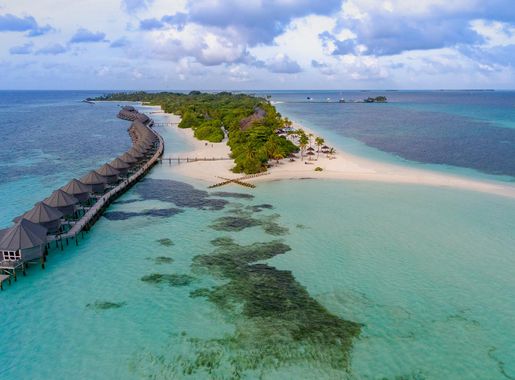


Lhaviyani Atoll: A Tropical Haven in the Maldives
Lhaviyani Atoll, located in the northern part of the Maldives, is a tropical paradise known for its stunning coral reefs, serene lagoons, and luxurious resorts. This atoll is a haven for those seeking tranquility and natural beauty, offering a perfect blend of relaxation and adventure. The atoll is home to several islands, each with its unique charm. You can explore the vibrant marine life through snorkeling and diving excursions, where you may encounter manta rays, turtles, and an array of colorful fish. The crystal-clear waters and pristine beaches make it an ideal destination for sunbathing, swimming, and various water sports. Apart from its natural wonders, Lhaviyani Atoll offers a range of luxurious accommodations, from overwater bungalows to beachfront villas, ensuring a comfortable and memorable stay. The local cuisine, rich in fresh seafood and tropical flavors, is another highlight that adds to the atoll's allure. Whether you're looking for a romantic getaway, a family vacation, or an adventurous escape, Lhaviyani Atoll promises an unforgettable experience.