

Free Noonu Atoll Travel Guide & Mobile App
Explore Noonu Atoll with free travel guides. Discover regional history, expert tips, proposed trips, and audio guides on web or mobile app.


Explore Noonu Atoll for coral reefs, quiet island communities, refined resorts and northern Maldivian landscapes far from the capital.
When is the best time to visit Noonu Atoll?
Best: January–March · 30°C| Month | High (°C) | Rainfall (mm) |
|---|---|---|
| January (best) | 30 | 100 |
| February (best) | 30 | 75 |
| March (best) | 30 | 75 |
| April | 30 | 150 |
| May | 30 | 200 |
| June | 30 | 200 |
| July | 29 | 175 |
| August | 29 | 175 |
| September | 30 | 200 |
| October | 30 | 200 |
| November | 30 | 200 |
| December | 30 | 150 |
Getting to and around Noonu Atoll
How to get there
Transportation
Best attractions in Noonu Atoll
Noonu Atoll's attractions centre on the reef and lagoon rather than on a dense collection of museums or monumental buildings. Snorkelling, diving, kayaking, sailing, dolphin excursions and guided sandbank visits reveal coral gardens, drop-offs, channels and marine life, although conditions vary with weather, tide and the specific reef. Resort dive centres provide access to recognised local sites, while guesthouses on inhabited islands may arrange more community-based fishing or boat trips. Manadhoo, Maafaru, Holhudhoo, Lhohi, Velidhoo and other inhabited islands offer a quieter perspective through village paths, mosques, harbours, home gardens and everyday maritime activity; these are living communities, not open-air attractions. The atoll's private resort islands add beaches, water sports, wellness facilities and carefully planned nature activities, with Soneva Jani, Velaa Private Island, Cheval Blanc Randheli, Mövenpick Resort Kuredhivaru Maldives and Siyam World among its established tourism developments. The strongest experiences are often shaped by the contrast between an unhurried village visit and the open-water scenery of the outer reef. Environmental briefings are important, since coral, turtles, rays, seabirds and other wildlife are vulnerable to careless anchoring, feeding and contact.
-
Resort hotel
Siyam World Maldives
Experience the ultimate luxury at Siyam World Maldives, where pristine beaches and opulent accommodations await in a tropical paradise.
-
 Resort hotel
You & Me Maldives
Experience unparalleled luxury and adventure at You & Me Maldives, your dream resort hotel in the heart of the mesmerizing Maldivian islands.
-
Resort hotel
Fushifaru Maldives
Discover the serene beauty and luxurious comforts of Fushifaru Maldives, a resort hotel in the breathtaking Lhaviyani Atoll.
-
National museum
National Museum, Maldives
Explore the National Museum of Maldives - a cultural gem showcasing the rich heritage and history of this tropical paradise.


Best landmarks in Noonu Atoll
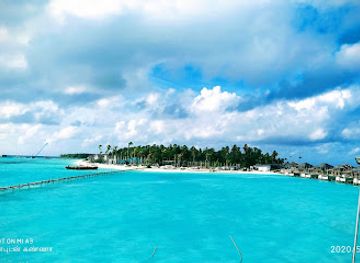
Noonu's most characteristic landmarks are maritime and communal rather than monumental. The long lines of reef, lagoon entrances and shifting sandbanks define the atoll's geography, while jetties and working harbours in Manadhoo, Maafaru and other inhabited islands express its continuing dependence on boats. Village mosques, shaded lanes and compact residential settlements provide the clearest architectural markers of local life, although buildings are frequently repaired or rebuilt rather than preserved as historic monuments. Maafaru Airport is a significant modern landmark because it has changed the accessibility of northern Noonu and strengthened links with the national transport system. The atoll's resort islands create another contemporary visual language through overwater villas, boardwalks and low-rise structures designed around beaches and reefs; Soneva Jani, Velaa Private Island, Cheval Blanc Randheli, Mövenpick Resort Kuredhivaru Maldives and Siyam World are recognisable examples of this tourism landscape. Their importance is economic and experiential rather than historical. Across the atoll, the most meaningful landmarks are often the meeting points between land and sea: jetties, reef channels, fishing boats, mosque compounds and broad lagoon horizons.
-
Hotel
Mövenpick Resort Kuredhivaru Maldives
Experience luxury in the Maldives at Mövenpick Resort Kuredhivaru: pristine beaches, overwater villas, and world-class service in Noonu Atoll.
-
Resort hotel
Sun Siyam Iru Fushi
Experience unparalleled luxury at Sun Siyam Iru Fushi Maldives: pristine beaches, over-water villas, world-class dining, and unforgettable adventures.
-
Resort hotel
Siyam World Maldives
Experience the Maldives like never before at Siyam World: luxury, adventure, and endless possibilities await in this premium all-inclusive paradise.
-
Resort hotel
Cocoon Maldives
Experience the Maldives in style at Cocoon Maldives: Where Italian design meets tropical paradise in Lhaviyani Atoll. A luxury escape awaits.


Explore Noonu Atoll on the map
Plan your trip on one map. See where the top cities, national parks and sights are, and book hotels and experiences in a few clicks.
Best hotels in Noonu Atoll
Best restaurants in Noonu Atoll
Dining in Noonu reflects the division between inhabited islands and private resorts. Resort restaurants offer international menus alongside Maldivian influences, with seafood, coconut, chilli, lime, rice and tuna appearing in different forms; properties may also arrange sandbank meals, beach dinners or cooking demonstrations. On inhabited islands, small cafés and local eateries are more likely to serve straightforward dishes such as fish curry, mas huni, roshi, rice, fried snacks and sweet tea, although choices and opening patterns are modest compared with Malé. Freshly caught fish is central to the atoll's food culture, while coconut and locally prepared spice mixtures provide much of its flavour. Visitors staying in a guesthouse should follow the host's advice about where to eat, and should not expect alcohol on inhabited islands, where it is not generally available. Resort meal plans can be practical because independent dining options are limited after boat transfers, but local-island visits offer a more direct understanding of Maldivian everyday food.
-
American
Hard Rock Cafe Maldives
Dive into a culinary journey at Hard Rock Cafe Maldives—where delicious American flavors meet iconic rock music in paradise.
-
Restaurant
5.8 Undersea Restaurant
Discover exquisite dining beneath the waves at 5.8 Undersea Restaurant in Maldives, where culinary artistry meets stunning underwater views.
-
Restaurant
The Cloud Restaurant
Experience exceptional dining at The Cloud Restaurant in Malé - where exquisite cuisine meets breathtaking views.
-
Restaurant
Baan Huraa
Discover Baan Huraa in the Maldives - where exquisite cuisine meets stunning island views for an unforgettable dining experience.



Best bars in Noonu Atoll
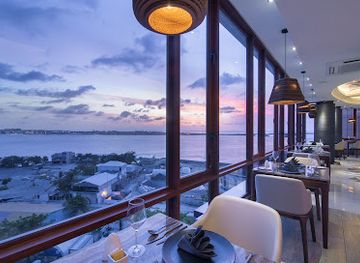
Noonu Atoll is not a conventional nightlife destination. On private resort islands, licensed bars provide cocktails, wine, beer and non-alcoholic drinks, often in settings overlooking the lagoon, and some resorts organise occasional live music, cinema evenings or other programmed entertainment. These arrangements are commercial and property-specific rather than representative of nightlife across the atoll. In Manadhoo, Maafaru and other inhabited islands, evening life is centred on family visits, cafés, harbour activity and community occasions; alcohol is not generally available because Maldives law and local religious customs restrict it outside resort environments. There is no broad nightclub circuit, and travel between islands after dark is limited by boat safety and weather. Visitors seeking a quieter evening can choose sunset cruises, stargazing, night snorkelling with qualified guides or a meal overlooking the water, while checking in advance what their accommodation actually offers.
-
Bar
Mekunu Bar
Discover the vibrant Mekunu Bar in Fenfushi, Maldives, where relaxation meets tropical charm amidst stunning views and delightful drinks.
-
Restaurant
The Wahoo Grill
Experience fresh seafood and local flavors at The Wahoo Grill, a culinary delight in Dhigurah, Maldives.
-
Bar
Together
Discover Together, the vibrant bar in Dhigurah offering refreshing cocktails and a lively atmosphere for the ultimate relaxation experience.
-
Bar
Kuredu Sangu Bar
Experience the vibrant atmosphere of Kuredu Sangu Bar, a tropical haven for cocktails and unforgettable sunsets in the Maldives.


Best nightclubs in Noonu Atoll
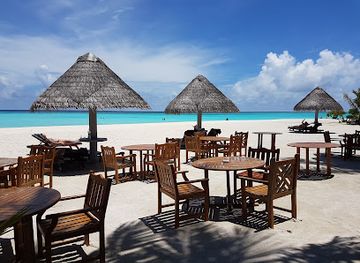
Noonu Atoll is not a conventional nightlife destination. On private resort islands, licensed bars provide cocktails, wine, beer and non-alcoholic drinks, often in settings overlooking the lagoon, and some resorts organise occasional live music, cinema evenings or other programmed entertainment. These arrangements are commercial and property-specific rather than representative of nightlife across the atoll. In Manadhoo, Maafaru and other inhabited islands, evening life is centred on family visits, cafés, harbour activity and community occasions; alcohol is not generally available because Maldives law and local religious customs restrict it outside resort environments. There is no broad nightclub circuit, and travel between islands after dark is limited by boat safety and weather. Visitors seeking a quieter evening can choose sunset cruises, stargazing, night snorkelling with qualified guides or a meal overlooking the water, while checking in advance what their accommodation actually offers.
-
Resort hotel
Robinson Club Noonu
Discover luxury and tranquility at Robinson Club Noonu, a premier resort hotel in the stunning Noonu Atoll of the Maldives, perfect for relaxation and adventure.
-
Bar
Together
Discover Together, the vibrant bar in Dhigurah, Maldives, where refreshing cocktails and a lively atmosphere meet stunning tropical views for the perfect escape.
-
Bar
The Orchid
Experience the vibrant atmosphere of The Orchid, a premier bar in Dhigurah offering exquisite cocktails and stunning tropical views.
-
Lounge
Lounge
Experience the serene beauty of the Maldives at this charming lounge, where relaxation meets exquisite local flavors.


Best shops in Noonu Atoll
Shopping in Noonu is modest and practical rather than centred on large retail districts. Manadhoo and other inhabited islands have small general shops, cafés and service businesses where visitors may find snacks, toiletries, drinks, locally made food and basic souvenirs. Guesthouses can sometimes help arrange purchases of Maldivian craftwork or locally prepared products, but availability varies and should not be assumed. Resort boutiques focus on clothing, beach items, jewellery, art, gifts and branded essentials, usually at resort prices. Regional shopping is most interesting when it supports local producers: dried or prepared fish, coconut-based products, spice mixtures and small handicrafts may be available where community rules and transport allow. Visitors should not remove coral, shells, turtle products or other marine material, and should check customs restrictions before carrying food or natural products abroad. For extensive retail, Malé is the country's principal shopping centre, but it lies outside Noonu and should not be treated as part of the atoll.
-
Store
New View Manadhoo
Explore a diverse shopping experience at New View Manadhoo, where style meets culture in the heart of the Maldives.
-
Convenience store
Earth fihaara
Discover the convenience of Earth Fihaara, your go-to shop for essentials and local treasures in the heart of Noonu Atoll.
-
Grocery store
Ave Shopping Mart
Discover the flavors of the Maldives at Ave Shopping Mart, a local grocery store brimming with fresh produce and regional delicacies.
-
Store
Coinage
Explore the rich craftsmanship at Coinage, a must-visit store in Kudafari for unique Maldivian souvenirs and local culture.


Get your free copy of our complete guide to Noonu Atoll, delivered straight to you.
Everything on this page, from attractions and restaurants to essentials and local phrases, in one PDF you can read offline, print or share.
Already have an account? Sign in
Your Noonu Atoll guide is ready.
We'll send it to · Not you? Sign out

Getting your guide ready…
We are putting together a fresh copy of the Noonu Atoll guide. This can take up to a minute.
This can take a few moments. If your browser asks, choose Allow so the download can start. You'll find the guide in your Downloads folder.
Nothing happened? Download it again
Sorry, the guide is taking longer than usual. Please try again in a minute, or get it by email instead.
Noonu Atoll essentials
Currency and Payment
Safety
Emergency Situations
Do's and Don'ts
Local Tips
History of Noonu Atoll
Early settlement and the Buddhist Maldives
The islands of Noonu Atoll formed part of the wider settlement network of the Maldives long before written records became extensive. Communities depended on reefs, lagoons, coconut palms and seasonal fishing, while maritime links connected the atolls with Sri Lanka, southern India and wider Indian Ocean routes. Before the conversion to Islam, the Maldives followed Buddhist traditions, and archaeological remains elsewhere in the archipelago demonstrate the presence of stupas and religious structures. Much of the atoll's early material heritage has been altered by rebuilding, erosion and later settlement, but its dispersed island geography reflects a very old pattern of seaborne life.
The conversion to Islam in the twelfth century
The Maldives became an Islamic sultanate in the twelfth century, a transformation that affected every inhabited atoll, including Noonu. Mosques, Islamic burial grounds and new forms of religious authority gradually replaced earlier Buddhist institutions, while island communities retained many practical traditions connected with fishing, navigation and coconut cultivation. Islam remains central to public life in Noonu's inhabited islands. Visitors will see its influence in mosque architecture, daily rhythms and local customs, although the resort islands are managed as international tourism environments with their own regulations.
Sultanate rule and atoll communities
For centuries, Noonu Atoll was governed within the Maldivian sultanate, whose authority was exercised through island chiefs, local officials, religious leaders and maritime connections to the capital region. Atoll communities were not isolated: they exchanged fish, coconuts, timber, foodstuffs and craft knowledge by boat, and families often maintained relationships across several islands. Manadhoo's later prominence reflects the continuing importance of administrative centres in coordinating public services and transport. The surviving settlement pattern, with villages distributed across separate islands, is a legacy of this long period of decentralised maritime life.
Fishing, coconut production and the dhoni
Traditional economic life in Noonu depended heavily on pole-and-line fishing, coconut products, small-scale cultivation and inter-island trade. The dhoni, a wooden working boat adapted to Maldivian waters, was essential for fishing, transport and the movement of goods. Tuna remains an important part of Maldivian food culture, and the knowledge required to read currents, reefs and weather has been passed through generations. Motorisation and modern infrastructure have changed the scale and speed of travel, but boats and fishing harbours remain visible reminders that Noonu is a working atoll as well as a holiday setting.
The modern Maldivian state
The Maldives became a British protected state in the late nineteenth century and gained independence in 1965, later becoming a republic. These political changes brought new systems of administration, education, communications and public infrastructure to the atolls. Noonu's communities have experienced the same national transformation, including growing links to Malé, improved health and transport services, and increased migration for education and employment. Atoll administration remains important because each island faces distinctive challenges of land, freshwater, waste management and connection to the national economy.
Tourism and the northern atoll economy
International tourism began in the Maldives in the 1970s and gradually expanded beyond the central atolls. Noonu later became part of the country's northern resort frontier, with private-island developments, seaplane access and Maafaru Airport improving connections. Resorts such as Soneva Jani, Velaa Private Island, Cheval Blanc Randheli, Mövenpick Resort Kuredhivaru Maldives and Siyam World represent the contemporary economy, while inhabited islands continue to support residential communities and local services. This dual structure creates employment and investment but also makes environmental management, reef protection and equitable connections between resort and community economies important regional issues.
Noonu Atoll in Photos
Browse through our photo collection highlighting the charm and character of the destination.
Neighbouring regions of Noonu Atoll
The closest regions to Noonu Atoll, if you have time for more than one.
-

-

-

-
-


Swipe for more regions
Explore more

Explore more of Maldives
Experience the unparalleled beauty of the Maldives, where pristine beaches, luxurious resorts, and vibrant marine life create the perfect tropical getaway.
Explore Maldives