

Free Dhaalu Atoll Travel Guide & Mobile App
Explore Dhaalu Atoll with free travel guides. Discover regional history, expert tips, proposed trips, and audio guides on web or mobile app.


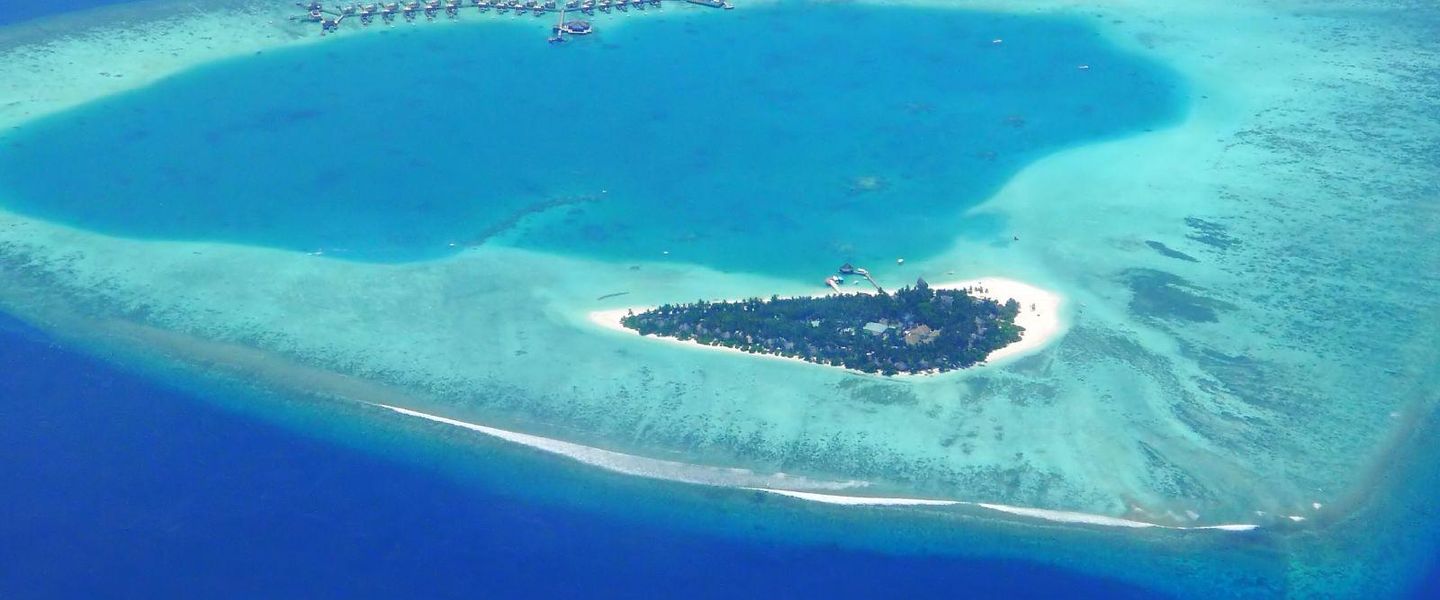


Explore Dhaalu Atoll in the Maldives for coral reefs, island communities, archaeological heritage and secluded resort stays far from Malé.
Read more about Dhaalu Atoll
When is the best time to visit Dhaalu Atoll?
Best: January–March · 29–30°C| Month | High (°C) | Rainfall (mm) |
|---|---|---|
| January (best) | 29 | 83 |
| February (best) | 30 | 55 |
| March (best) | 30 | 84 |
| April | 30 | 140 |
| May | 30 | 197 |
| June | 29 | 172 |
| July | 29 | 170 |
| August | 29 | 186 |
| September | 29 | 230 |
| October | 29 | 243 |
| November | 29 | 211 |
| December | 29 | 242 |
Getting to and around Dhaalu Atoll
How to get there
Transportation
Best attractions in Dhaalu Atoll
Dhaalu Atoll's attractions are primarily marine and island-based. Lagoon snorkelling, guided reef trips and scuba diving reveal coral gardens, reef fish, turtles and the channels where stronger currents bring more advanced underwater conditions. Resorts on islands such as Velavaru, Maagau, Olhuveli and Vatavarrehaa offer differing combinations of water sports, beach activities and guided excursions, but access and facilities vary by property. Kudahuvadhoo provides the atoll's most important cultural and archaeological visit, with its prominent hawitta and the everyday setting of an inhabited island. Trips to islands including Meedhoo, Bandidhoo, Rinbudhoo, Hulhudheli and Maaenboodhoo can add context about local worship, fishing and community life, provided they are organised with appropriate guidance. Dolphin- or whale-watching excursions may be available seasonally, but sightings are never guaranteed. The landscape itself is part of the appeal: pale beaches, coconut vegetation, shallow lagoons and open-ocean horizons create a slower form of travel in which transfer by boat is an essential part of the experience.
-
Resort hotel
Niyama Private Islands Maldives
Experience luxury and adventure at Niyama Private Islands Maldives, where pristine beaches meet vibrant marine life in a tropical paradise.
-
Tourist attraction
Shark Feeding
Discover the thrill of shark feeding in Fenfushi, Maldives, an unforgettable adventure in an exotic paradise.
-
Tourist attraction
Stingray Observation Point
Experience the enchanting sight of stingrays in their natural habitat at Fulidhoo's stunning observation point, perfect for marine wildlife enthusiasts.
-
Tourist attraction
Veyru
Explore Veyru, a historical gem in Kinbidhoo, Maldives, where rich heritage meets stunning natural beauty.


Best landmarks in Dhaalu Atoll
Kudahuvadhoo's hawitta is Dhaalu Atoll's most important archaeological landmark, a large mound that preserves evidence of the Buddhist period before the Maldives became an Islamic society. Its presence gives the administrative capital historical weight beyond its present-day role in local government. The mosques and settlement fabric of Kudahuvadhoo and the other inhabited islands are also meaningful cultural landmarks, although they should be approached as living community spaces rather than museum exhibits. Across the atoll, the most recognisable geographical landmarks are the reef edges, lagoon entrances and low coral islands themselves: beaches and palms form a fragile boundary between settlement and Indian Ocean. Resort architecture, including villas raised above lagoons and jetties extending across shallow water, has become a contemporary visual feature, but it remains secondary to the natural reef setting. Because tides, weather and development change the appearance of individual shorelines, guided visits provide a more reliable way to understand the significance of channels, reef flats and island formations.
-
Resort hotel
Villa Park, Maldives
Experience luxurious tranquility at Villa Park, a premier resort hotel in the Maldives, offering breathtaking views and exceptional amenities.
-
Resort hotel
Sun Siyam Iru Veli
Discover unparalleled luxury and breathtaking beauty at Sun Siyam Iru Veli, a premier resort in the Maldives offering relaxation, adventure, and exquisite dining.
-
Resort hotel
Sun Siyam Vilu Reef
Experience the ultimate luxury getaway at Sun Siyam Vilu Reef, where stunning villas and pristine beaches create a tropical paradise in the Maldives.
-
Resort hotel
Kandima Maldives
Experience the ultimate tropical escape at Kandima Maldives, where luxury meets adventure in a picturesque island paradise.


Explore Dhaalu Atoll on the map
Plan your trip on one map. See where the top cities, national parks and sights are, and book hotels and experiences in a few clicks.
Best hotels in Dhaalu Atoll
Best restaurants in Dhaalu Atoll
Dining in Dhaalu Atoll divides broadly between resort restaurants and the more modest food culture of inhabited islands. Resorts usually provide several menus, often combining international cooking with Maldivian dishes such as fish-based curries, rice, flatbreads and sambol-style accompaniments. Fresh tuna and other locally caught fish are important to the national cuisine, while coconut, chilli, lime and curry leaves give many preparations their characteristic flavour. On inhabited islands, cafés and small eateries offer simpler meals and sweet tea rather than the extensive choice found in resorts; availability and opening patterns can be limited. Visitors may encounter snacks made from fish, coconut and flour, as well as regional interpretations of dishes shared across the Maldives. Resort bars and dining rooms commonly serve imported drinks and produce, while local food markets are more useful for observing everyday commerce than for browsing a large tourist food scene. Dietary requirements should be communicated in advance, especially when transfers limit alternative dining options.
-
Restaurant
Flavour Restaurant
Discover breathtaking views and exquisite flavors at Flavour Restaurant in Male', where culinary excellence meets stunning vistas.
-
Restaurant
Sea Dragon Restaurant / Forbidden Bar
Experience unparalleled dining at Sea Dragon Restaurant / Forbidden Bar with stunning views and exquisite flavors in Malé.
-
Restaurant
Azzuro
Experience exquisite dining at Azzuro on Velavaru Island - where fresh seafood meets stunning views in the heart of the Maldives.
-
Restaurant
The Aqua
Experience exquisite dining at The Aqua in Meedhoo, where fresh seafood meets breathtaking views in an unforgettable Maldivian setting.


Best bars in Dhaalu Atoll
Nightlife in Dhaalu Atoll is concentrated on resort islands and is generally relaxed rather than club-led. Resort bars serve cocktails, wine, beer and soft drinks, with evening programming that may include live music, cultural performances, informal beach gatherings or organised entertainment; schedules vary by property and season. On inhabited islands, public alcohol consumption is not part of ordinary social life, and evening activity centres more on family visits, cafés, community spaces and mosque life. Some resorts provide music or dancing, but Dhaalu is not a destination for a large urban nightclub circuit. Sunset cruises, over-water lounges and quiet stargazing are more typical evening pursuits than late-night venues. Visitors should remember that licensed alcohol service is restricted to appropriate tourist settings and should respect local customs when travelling between resorts and inhabited islands.
-
Bar
Mekunu Bar
Experience the vibrant atmosphere of Mekunu Bar in Fenfushi, where refreshing drinks and local flavors come together in a tropical paradise.
-
 Resort hotel
Baglioni Maldives - Luxury All Inclusive Resort
Discover the ultimate luxury experience at Baglioni Maldives, a serene all-inclusive resort on Maagau Island, where relaxation meets adventure in paradise.
-
Restaurant
Blu, Niyama Private Islands Maldives
Experience the exquisite flavors of the Maldives at Blu, Niyama Private Islands, where gourmet dining meets stunning ocean views.
-
Restaurant
Sea Dragon Restaurant / Forbidden Bar
Discover the exquisite flavors of Maldivian cuisine at Sea Dragon Restaurant, a top dining destination in Malé offering stunning views and a luxurious experience.


Best nightclubs in Dhaalu Atoll
Nightlife in Dhaalu Atoll is concentrated on resort islands and is generally relaxed rather than club-led. Resort bars serve cocktails, wine, beer and soft drinks, with evening programming that may include live music, cultural performances, informal beach gatherings or organised entertainment; schedules vary by property and season. On inhabited islands, public alcohol consumption is not part of ordinary social life, and evening activity centres more on family visits, cafés, community spaces and mosque life. Some resorts provide music or dancing, but Dhaalu is not a destination for a large urban nightclub circuit. Sunset cruises, over-water lounges and quiet stargazing are more typical evening pursuits than late-night venues. Visitors should remember that licensed alcohol service is restricted to appropriate tourist settings and should respect local customs when travelling between resorts and inhabited islands.
-
Bar
The Nautilus
Discover The Nautilus - a tranquil bar in Atoll offering exquisite cocktails and stunning ocean views, perfect for relaxation and socializing.
-
Bar
The Whale Bar
Experience luxury and tranquility at The Whale Bar on Vommuli Island, where exotic cocktails meet breathtaking ocean views.
-
Bar
Beach Club at Kandima
Experience the vibrant atmosphere and breathtaking views at the Beach Club at Kandima, the ultimate tropical getaway in the Maldives.
-
Bar
Breeze Bar
Experience stunning views and refreshing cocktails at Breeze Bar, Malé's premier destination for relaxation and nightlife.



Best shops in Dhaalu Atoll
Shopping in Dhaalu Atoll is modest and divided between resort boutiques and small shops on inhabited islands. Resort stores commonly sell beachwear, jewellery, crafts, artwork, toiletries and souvenirs, while prices and selection reflect the cost of supplying remote islands. Kudahuvadhoo and other communities are more useful for everyday goods, snacks and glimpses of local commerce than for extensive retail browsing. Maldivian-themed handicrafts, woven items, shell-free souvenirs and locally inspired jewellery may be available, although provenance and production methods vary. Rinbudhoo is particularly associated with traditional goldsmithing and jewellery craftsmanship, but visitors should confirm what is currently available rather than assume that every workshop operates as a public shop. Regional foods and packaged products can make practical souvenirs, subject to airline and customs rules. Bargaining is not a universal expectation, and respectful, straightforward payment is preferable in small community businesses. Carrying rufiyaa is useful away from resorts, where card facilities may be limited.
-
Home goods store
3SL Mart
Explore 3SL Mart in Kudahuvadhoo for unique local products and essentials, enhancing your Maldives experience with every visit.
-
Grocery store
Esjehi Store
Explore Esjehi Store in Nilandhoo for a taste of local life, fresh produce, and unique Maldivian delicacies.
-
Supermarket
Ekuveni
Discover Ekuveni: The vibrant supermarket in Bandidhoo for local flavors, essentials, and delightful shopping experiences.
-
Bakery
Maaenboodhoo Harbor
Discover the tranquil charm of Maaenboodhoo Harbor, where fresh pastries meet stunning ocean views in the heart of the Maldives.


Get your free copy of our complete guide to Dhaalu Atoll, delivered straight to you.
Everything on this page, from attractions and restaurants to essentials and local phrases, in one PDF you can read offline, print or share.
Already have an account? Sign in
Your Dhaalu Atoll guide is ready.
We'll send it to · Not you? Sign out

Getting your guide ready…
We are putting together a fresh copy of the Dhaalu Atoll guide. This can take up to a minute.
This can take a few moments. If your browser asks, choose Allow so the download can start. You'll find the guide in your Downloads folder.
Nothing happened? Download it again
Sorry, the guide is taking longer than usual. Please try again in a minute, or get it by email instead.
Dhaalu Atoll essentials
Currency and Payment
Safety
Emergency Situations
Do's and Don'ts
Local Tips
From Eve
Local phrases worth knowing
You don't need to get them perfect. A few words go a long way, and locals appreciate the effort.
Basics
| English | Local | Say it |
|---|---|---|
| Hello | Hello | [Hello] |
| Goodbye | Baa'jeh | [Baa'jeh] |
| Yes | Aah | [Aah] |
| No | Naa | [Naa] |
| Please/You’re welcome | Thibaageh | [Thibaageh] |
| Thank you | Dhanyavaad | [Dhanyavaad] |
| Excuse me/Sorry | Maaf | [Maaf] |
| How are you? | Thibaageh kihineiy? | [Thibaageh kihineiy?] |
| Fine. And you? | Thibaageh kihineiy, thibaageh kihineiy? | [Thibaageh kihineiy, thibaageh kihineiy?] |
| Do you speak English? | Ingrisi kihineiy? | [Ingrisi kihineiy?] |
| I don't understand | Thibaageh kihineiy nah? | [Thibaageh kihineiy nah?] |
Eating & Drinking
| English | Local | Say it |
|---|---|---|
| I’d like to see the menu, please | Thibaageh menu thibaageh kihineiy | [Thibaageh menu thibaageh kihineiy] |
| I don't eat meat | Thibaageh mas thibaageh kihineiy | [Thibaageh mas thibaageh kihineiy] |
| Cheers! | Kihineh! | [Kihineh!] |
| I would like to pay, please | Thibaageh thibaageh kihineiy, thibaageh | [Thibaageh thibaageh kihineiy, thibaageh] |
Emergencies
| English | Local | Say it |
|---|---|---|
| Help! | Thibaageh hiriyaa! | [Thibaageh hiriyaa!] |
| Go away! | Gadhun! | [Gadhun!] |
| Call the Police! | Thibaageh Police kihineiy! | [Thibaageh Police kihineiy!] |
| Call a doctor! | Thibaageh dhakunu kihineiy! | [Thibaageh dhakunu kihineiy!] |
| I’m lost | Thibaageh dhafaathun | [Thibaageh dhafaathun] |
| I’m ill | Thibaageh hithun | [Thibaageh hithun] |
Shopping
| English | Local | Say it |
|---|---|---|
| I’d like to buy... | Thibaageh thibaageh thibaageh | [Thibaageh thibaageh thibaageh] |
| I’m just looking | Thibaageh thibaageh kihineiy | [Thibaageh thibaageh kihineiy] |
| How much is it? | Ih dhathuru kihineiy? | [Ih dhathuru kihineiy?] |
| That’s too expensive | Thibaageh dhathuru baajjeh | [Thibaageh dhathuru baajjeh] |
| Can you lower the price? | Thibaageh dhathuru hurihaalu kihineiy? | [Thibaageh dhathuru hurihaalu kihineiy?] |
Time & Numbers
| English | Local | Say it |
|---|---|---|
| What time is it? | Ih thibaageh dheh? | [Ih thibaageh dheh?] |
| It’s one o'clock | Ih thibaageh 1 dheh | [Ih thibaageh 1 dheh] |
| Half past (10) | 10 dheh thibaageh hurihaalu | [10 dheh thibaageh hurihaalu] |
| Morning | Bodu thibaageh | [Bodu thibaageh] |
| Afternoon | Dhuhr thibaageh | [Dhuhr thibaageh] |
| Evening | Nehdhu thibaageh | [Nehdhu thibaageh] |
| Yesterday | Thibaageh feshun | [Thibaageh feshun] |
| Today | Thibaageh | [Thibaageh] |
| Tomorrow | Thibaageh miadhu | [Thibaageh miadhu] |
| 1 | 1 | [1] |
| 2 | 2 | [2] |
| 3 | 3 | [3] |
| 4 | 4 | [4] |
| 5 | 5 | [5] |
| 6 | 6 | [6] |
| 7 | 7 | [7] |
| 8 | 8 | [8] |
| 9 | 9 | [9] |
| 10 | 10 | [10] |
Transport & Directions
| English | Local | Say it |
|---|---|---|
| Where's a/the...? | Thibaageh ... kihineiy? | [Thibaageh ... kihineiy?] |
| What’s the address? | Thibaageh address kihineiy? | [Thibaageh address kihineiy?] |
| Can you show me (on the map)? | Thibaageh map thibaageh kihineiy? | [Thibaageh map thibaageh kihineiy?] |
| When’s the next (bus)? | Thibaageh bus thibaageh kihineiy? | [Thibaageh bus thibaageh kihineiy?] |
| A ticket (to ....) | Thibaageh ticket (to ...) kihineiy? | [Thibaageh ticket (to ...) kihineiy?] |
History of Dhaalu Atoll
Pre-Islamic Buddhist Heritage
Before the Maldives adopted Islam in the twelfth century, its islands followed Buddhist traditions influenced by wider Indian Ocean networks. Dhaalu's most visible reminder is the substantial hawitta on Kudahuvadhoo, an archaeological mound associated with an earlier religious structure or settlement. Its precise interpretation is part of the wider archaeological study of Maldivian Buddhist remains, but its scale demonstrates that the atoll was inhabited and connected to regional cultural currents long before the modern resort industry.
The Conversion to Islam
The Maldives became an Islamic sultanate during the twelfth century, a transformation that altered religious practice, architecture and political identity throughout the archipelago, including Dhaalu Atoll. Older Buddhist sites were incorporated into later layers of settlement or gradually absorbed into local landscapes, while mosques became the central communal buildings of inhabited islands. Contemporary Dhaalu therefore contains both archaeological traces of its pre-Islamic past and the Islamic traditions that have shaped Maldivian society for centuries.
Island Communities and Indian Ocean Trade
For much of its history, Dhaalu's islands were small maritime communities sustained by fishing, coconut cultivation, boatbuilding and exchange between atolls. The Maldives occupied an important position along Indian Ocean sailing routes, and local economies were linked to the movement of dried fish, coir rope made from coconut fibre and other island products. Atoll life depended on reefs, lagoons and seasonal knowledge, with inter-island travel conducted by traditional sailing vessels and later by powered boats.
Rinbudhoo and Traditional Craft
Rinbudhoo became known within the Maldives for skilled goldsmithing and jewellery-making, a craft tradition associated with specialised island workmanship. Such traditions illustrate that Maldivian communities were not defined solely by fishing and seafaring: particular islands developed reputations for distinct trades that were exchanged across the archipelago. Contemporary production and livelihoods have changed, but craft heritage remains an important part of understanding the cultural differences between Dhaalu's inhabited islands.
The Modern Maldivian Republic
The Maldives became independent from Britain in 1965 and became a republic in 1968, developments that established the national political framework in which Dhaalu Atoll is administered today. Government services, schools, telecommunications and transport gradually connected formerly isolated islands more closely to Malé and to one another. The atoll's administrative capital, Kudahuvadhoo, has consequently grown in importance as a centre for public services and local commerce.
Tourism and Changing Island Economies
International resort tourism began in the Maldives in the 1970s and later spread beyond the areas closest to Malé. Dhaalu Atoll became part of this expansion, with resort islands developed separately from permanent settlements and connected through aviation and marine transfers. Tourism has brought employment, infrastructure and new commercial opportunities, while fisheries, family networks and community institutions remain important on inhabited islands. The coexistence of these two models is one of the atoll's defining contemporary features.
Dhaalu Atoll in Photos
Browse through our photo collection highlighting the charm and character of the destination.
Neighbouring regions of Dhaalu Atoll
The closest regions to Dhaalu Atoll, if you have time for more than one.
-

-
-
-

-


Swipe for more regions
Explore more

Explore more of Maldives
Experience the unparalleled beauty of the Maldives, where pristine beaches, luxurious resorts, and vibrant marine life create the perfect tropical getaway.
Explore Maldives