

Ari Atoll, Maldives Travel Guide
Discover Ari Atoll: A pristine paradise in the Maldives, perfect for snorkeling, diving, and luxurious relaxation.
Ari Atoll is one of the most stunning atolls in the Maldives, known for its crystal-clear waters, vibrant coral reefs, and luxurious resorts. Located in the heart of the Indian Ocean, this destination offers a perfect blend of natural beauty and modern amenities. The atoll is divided into two sections, North Ari Atoll and South Ari Atoll, each with its own unique charm. One of the main attractions of Ari Atoll is its rich marine life. Snorkelers and divers can explore the colorful underwater world, teeming with tropical fish, manta rays, and even whale sharks. The atoll's coral reefs are among the best-preserved in the Maldives, making it a paradise for underwater photography. For those looking to relax, Ari Atoll offers some of the most luxurious resorts in the world. Many of these resorts feature overwater bungalows, private beaches, and world-class spas. Whether you're seeking adventure or tranquility, Ari Atoll has something to offer every traveler.

Know before you go
Hi, I'm Eve. Here are a few practical things to know before exploring Ari Atoll.
- Book your resort well in advance, especially during peak season.
- Don't miss out on a night dive to see the bioluminescent plankton.
- Try local Maldivian cuisine at least once during your stay.
- Pack reef-safe sunscreen to protect the coral reefs.
- Consider a seaplane transfer for breathtaking aerial views of the atoll.
Top City Travel Guides in Ari Atoll
The cities of Ari Atoll, and the easiest places to base yourself.


Destinations in Ari Atoll
Resorts, valleys and scenic spots worth a trip of their own.


Explore Ari Atoll: Things to Do, Places to Eat, Hotels & More
Handpicked recommendations for top attractions, local dining, accommodations, and more

Top Attractions & Sightseeing in Ari Atoll
Top-rated picks
Best Attractions

Safari Island Maldives
Discover the ultimate tropical paradise at Safari Island Maldives, where luxury meets nature in a stunning resort experience.

Baraboa excursions & store
Discover Baraboa Excursions & Store in Ukulhas – a vibrant hub for unique souvenirs and thrilling adventures in the Maldives.

Ari Atoll
Experience the serene beauty and vibrant marine life of Ari Atoll, a tropical paradise in the Maldives perfect for relaxation and adventure.

Sand Bank, Kuramathi Island, Maldives
Experience the enchanting beauty of Sand Bank on Kuramathi Island, a tranquil paradise in the Maldives perfect for relaxation and underwater adventures.

Best landmarks in Ari Atoll
Top-rated picks
Best Landmarks

Nalaguraidhoo
Discover Nalaguraidhoo: Sun-kissed beaches, turquoise waters, and vibrant marine life await in this Maldivian paradise. Your unforgettable island escape begins here.
OUTRIGGER Maldives Maafushivaru
Experience barefoot luxury in the Maldives at OUTRIGGER Maafushivaru. Pristine beaches, vibrant reefs, and unforgettable dining await.
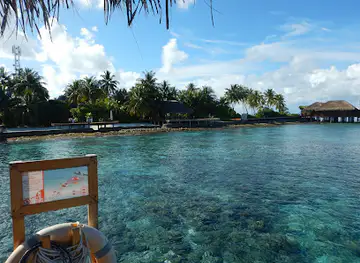
Maafushivaru
Discover a secluded island paradise in the Maldives, with pristine beaches, vibrant reefs, and luxurious overwater villas. Your dream escape awaits!

Island Divers
Experience the breathtaking underwater world of the Maldives at Island Divers in Dhigurah, a haven for diving enthusiasts and adventure seekers.

Best restaurants in Ari Atoll
Top-rated picks
Best Restaurants

Al Pontile
Experience authentic Italian flavors at Al Pontile in Fenfushi - where every meal is a celebration of culinary tradition.

Lemon Drop
Experience the best of Maldivian cuisine at Lemon Drop in Rasdhoo - where every meal is a celebration of flavor!

Maaniya Restaurant
Discover the rich flavors of Maldives at Maaniya Restaurant in Fenfushi – where local cuisine meets warm hospitality.

Compass Beach & Bistro
Experience exquisite dining with breathtaking ocean views at Compass Beach & Bistro in Dhangethi.

Best bars in Ari Atoll
Top-rated picks
Best Bars

Mekunu Bar
Discover Mekunu Bar, the lively hotspot in Fenfushi for refreshing drinks and a vibrant nightlife experience.

Laguna Bar Kuramathi
Experience the ultimate beachside getaway at Laguna Bar Kuramathi, where refreshing drinks meet breathtaking ocean views under the Maldivian sun.

Coco Bar
Discover Coco Bar in Ukulhas, Maldives – the ultimate tropical bar experience with refreshing cocktails and vibrant atmosphere.

Cheese & Wine Bar
Experience the exquisite flavors of artisanal cheeses and fine wines at the Cheese & Wine Bar in Mandhoo, a paradise for connoisseurs.

Best nightclubs in Ari Atoll
Top-rated picks
Best Nightclubs

Laguna Bar Kuramathi
Discover the vibrant energy and breathtaking views at Laguna Bar Kuramathi, the perfect beachside destination in the Maldives.

Fung Bar
Experience the vibrant nightlife at Fung Bar in Rasdhoo, where tropical cocktails and friendly vibes create unforgettable memories.

Sunset Bar Angaga Resort
Discover the serene beauty and exquisite cocktails at Sunset Bar Angaga Resort, a must-visit paradise in the Maldives.

Dhoni Bar
Experience the vibrant atmosphere and refreshing cocktails at Dhoni Bar in Kuramathi Island, a tropical paradise in the Maldives.

Best shops in Ari Atoll
Top-rated picks
Best Shops

Diamonds Athuruga Maldives Resort & SPA
Experience unparalleled luxury and breathtaking beauty at Diamonds Athuruga Maldives Resort & SPA, your perfect island escape.

The Marina CROSSROADS Maldives
Experience a blend of shopping, dining, and entertainment at The Marina CROSSROADS Maldives, a tropical paradise for discerning travelers.
Beach Star Maldives
Discover the charm of Beach Star Maldives, where comfort meets the beauty of the Maldives, and local flavors delight your palate.

Island Divers
Explore the vibrant underwater world with Island Divers in Dhigurah, Maldives, where adventure meets tranquility in a breathtaking tropical paradise.

Explore Ari Atoll on the Map
A handpicked selection of must-see spots in Ari Atoll, mapped for you.
Ari Atoll Essentials
-
Ari Atoll is accessible via Velana International Airport (MLE) in Malé, the capital of the Maldives. From Malé, you can reach Ari Atoll by seaplane, domestic flight, or speedboat. Seaplanes offer a scenic and quick route, usually taking 20-30 minutes. Alternatively, you can take a domestic flight to Maamigili Airport, followed by a speedboat transfer to your resort. Speedboat transfers from Malé typically take around 90 minutes to 2 hours.
-
Within Ari Atoll, transportation is mostly limited to boats and seaplanes. Resorts often provide transfers between islands and offer excursions via dhonis (traditional Maldivian boats) or speedboats. Bicycles and golf carts are popular for getting around larger resort islands. There is no public transportation system within the atoll, so plan to rely on your resort's offerings.
-
The official currency of the Maldives is the Maldivian Rufiyaa (MVR). However, US dollars are widely accepted, especially in resorts and tourist areas. Credit cards are commonly used for most transactions, and ATMs are available in larger islands and resorts. It's advisable to carry some cash for small purchases or tips, as smaller establishments might not accept cards.
-
Ari Atoll is generally safe for tourists, with low crime rates. However, it's always wise to take standard precautions such as keeping valuables secure and being aware of your surroundings. Avoid leaving belongings unattended on the beach or in public areas. There are no specific high-crime areas targeting tourists within Ari Atoll.
-
In case of emergency, dial 119 for police assistance and 102 for medical emergencies. Each resort typically has a resident doctor or access to nearby medical facilities. It is highly recommended to have travel insurance that covers medical emergencies and evacuations. For minor health issues, resorts usually have first aid kits and basic medical supplies.
-
Fashion: Do dress modestly when visiting local islands; swimwear is acceptable only on resort islands and designated beaches. Religion: Do respect Islamic customs, including dressing modestly and refraining from public displays of affection. Public Transport: N/A, as there is no public transport within the atoll. Greetings: Do greet locals with 'Assalamu Alaikum' or a simple 'hello'; a handshake is acceptable. Eating & Drinking: Do try local Maldivian cuisine, but don’t bring alcohol to local islands as it is prohibited outside resorts.
-
To experience Ari Atoll like a local, consider staying in a guesthouse on a local island to immerse yourself in Maldivian culture. Participate in traditional fishing trips, visit local markets, and enjoy a meal in a local café. Engage with locals to learn about their way of life, and don’t miss out on a boduberu (traditional Maldivian drumming) performance.
When is the best time to visit Ari Atoll?
History of Ari Atoll
-
Ari Atoll, known in the Maldivian language as Alif Alif Atoll, has been inhabited since ancient times. Archaeological findings indicate that the atoll was settled well before the 3rd century BCE. The early settlers were likely from the Indian subcontinent and Sri Lanka, bringing with them the rich cultural and religious traditions that have influenced the region’s development.
-
Before the Maldives embraced Islam in 1153 AD, the region, including Ari Atoll, was predominantly Buddhist. Remnants of Buddhist stupas and statues have been discovered on several islands within the atoll, providing a glimpse into the religious practices and artistic heritage of the era. The island of Mandhoo, in particular, is known for its ancient Buddhist ruins.
-
The conversion to Islam in the 12th century marked a significant turning point in the history of Ari Atoll. According to Maldivian folklore, the conversion was initiated by a North African visitor named Abu al-Barakat Yusuf al-Barbari. This era saw the construction of numerous mosques, many of which stand to this day, such as the ancient mosque on the island of Maafushi.
-
During the 16th and 17th centuries, the Maldives, including Ari Atoll, experienced periods of foreign domination, first by the Portuguese and later by the Dutch. These colonial powers sought to control the strategic maritime routes. The Portuguese occupation, in particular, was met with resistance from the Maldivians, leading to several uprisings.
-
In the late 19th century, the Maldives became a British protectorate. This period brought some modernization to the atoll, including improvements in infrastructure and education. The British influence is still visible in some administrative practices and in the architecture of certain buildings on the islands.
-
The Maldives gained independence from British rule on July 26, 1965. Since then, Ari Atoll has developed rapidly, especially as a hub for tourism. The atoll's stunning coral reefs, abundant marine life, and luxury resorts have made it one of the most popular destinations in the Maldives. Despite this modernization, the atoll has managed to preserve its rich cultural heritage and traditions.
-
Ari Atoll is known for its vibrant cultural festivals, such as Eid and the traditional Maldivian dance 'Bodu Beru.' These celebrations are held with great enthusiasm, reflecting the atoll's deep-rooted cultural heritage. The local craftsmanship, including boat building (Dhoni), is also an essential part of the cultural landscape.
Neighbouring Regions of Ari Atoll
The closest regions to Ari Atoll, if you have time for more than one.


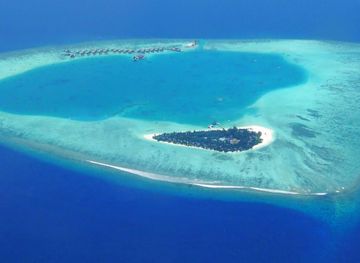

Your all‑in‑one travel companion app
Explore expert travel guides, compare and book tours, experiences, hotels, and more—all from the palm of your hand. Download now for seamless trip planning wherever your wanderlust takes you.


Explore More of Maldives

Looking beyond Ari Atoll? Discover Maldives for broader travel guides, local hot-spots, and regional highlights.
Explore MaldivesAri Atoll in Photos
Browse through our photo collection highlighting the charm and character of the destination.


Ari Atoll: The Jewel of the Maldives
Ari Atoll is one of the most stunning atolls in the Maldives, known for its crystal-clear waters, vibrant coral reefs, and luxurious resorts. Located in the heart of the Indian Ocean, this destination offers a perfect blend of natural beauty and modern amenities. The atoll is divided into two sections, North Ari Atoll and South Ari Atoll, each with its own unique charm. One of the main attractions of Ari Atoll is its rich marine life. Snorkelers and divers can explore the colorful underwater world, teeming with tropical fish, manta rays, and even whale sharks. The atoll's coral reefs are among the best-preserved in the Maldives, making it a paradise for underwater photography. For those looking to relax, Ari Atoll offers some of the most luxurious resorts in the world. Many of these resorts feature overwater bungalows, private beaches, and world-class spas. Whether you're seeking adventure or tranquility, Ari Atoll has something to offer every traveler.