

Vaavu Atoll, Maldives Travel Guide
Discover Vaavu Atoll in the Maldives: A serene escape with pristine beaches, stunning dive sites, and rich local culture, perfect for relaxation and adventure.
Vaavu Atoll, located in the heart of the Maldives, is a pristine paradise that offers a tranquil escape from the hustle and bustle of everyday life. This stunning destination is composed of five inhabited islands and numerous uninhabited ones, each boasting white sandy beaches, turquoise waters, and vibrant marine life. The atoll's serene environment is perfect for those seeking relaxation and a deep connection with nature. The underwater world of Vaavu Atoll is a diver’s dream. The atoll is home to some of the Maldives' most renowned dive sites, including the famous Fotteyo Kandu, one of the best channel dives in the world. Divers and snorkelers can expect to encounter an array of marine species, from colorful coral reefs to majestic manta rays and even the occasional hammerhead shark. The clear, warm waters provide excellent visibility, making underwater exploration both thrilling and accessible. In addition to its natural beauty, Vaavu Atoll offers a glimpse into the traditional Maldivian way of life. The local islands provide an opportunity to experience the culture and hospitality of the Maldivian people. Visitors can enjoy local cuisine, participate in traditional music and dance, and even try their hand at fishing with the locals. Whether you're lounging on a secluded beach, exploring undersea wonders, or immersing yourself in local culture, Vaavu Atoll promises an unforgettable experience.

Know before you go
Hi, I'm Eve. Here are a few practical things to know before exploring Vaavu Atoll.
- Visit during the dry season from November to April for the best weather and visibility for diving and snorkeling.
- Stay in a local guesthouse to experience the authentic Maldivian culture and hospitality.
- Plan a night dive to see the spectacular bioluminescent plankton light up the waters.
- Bring reef-safe sunscreen to protect the delicate marine ecosystem.
- Try the local Maldivian dish, Garudhiya, a traditional fish soup served with rice, lime, and chili.
Explore Vaavu Atoll: Things to Do, Places to Eat, Hotels & More
Handpicked recommendations for top attractions, local dining, accommodations, and more

Top Attractions & Sightseeing in Vaavu Atoll
Top-rated picks
Best Attractions

Oe Dhuni Finolhu
Discover Oe Dhuni Finolhu, a Maldives paradise with pristine beaches, vibrant marine life, and an unforgettable local culture.

Vaavu Shipwreck
Discover the enchanting Vaavu Shipwreck in the Maldives, a diver's paradise teeming with vibrant marine life and rich history beneath the waves.
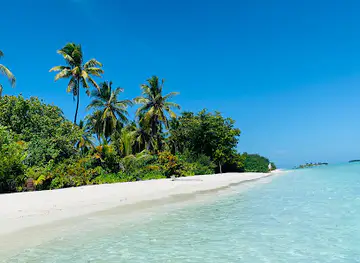
Bodumohora Beach
Experience the tranquility of Bodumohora Beach, a pristine escape in Rakeedhoo Island, Maldives, perfect for sunbathing, swimming, and relaxation.

Darkgreen Adventures New Sharkpoint
Explore the vibrant marine life of the Maldives at Darkgreen Adventures New Sharkpoint, the ultimate destination for snorkeling and diving enthusiasts.

Best landmarks in Vaavu Atoll
Top-rated picks
Best Landmarks

Cinnamon Velifushi Maldives
Experience luxury and adventure at Cinnamon Velifushi Maldives, a serene tropical escape in the heart of Vaavu Atoll with vibrant marine life.

Cocogiri Island Resort Maldives
Discover a serene Maldivian escape at Cocogiri Island Resort, where luxury meets tranquility in the heart of Vaavu Atoll's natural beauty.

Alimathaa
Discover Alimathaa Island: Pristine beaches, vibrant marine life, and luxurious relaxation in the heart of the Maldives' Vaavu Atoll.
Plumeria Maldives
Experience affordable luxury in the Maldives at Plumeria Maldives, Thinadhoo. Dive into crystal-clear waters and discover vibrant marine life!

Best restaurants in Vaavu Atoll
Top-rated picks
Best Restaurants
Cinnamon Velifushi Maldives
Experience luxury and tranquility at Cinnamon Velifushi Maldives - your ultimate tropical escape surrounded by stunning beaches and vibrant marine life.
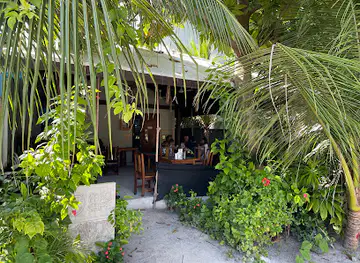
Faru Cafe
Experience culinary delight at Faru Cafe in Fulidhoo - where local flavors meet international flair amidst breathtaking island views.

M6M Restaurant
Discover exceptional dining at M6M Restaurant in Malé - where local flavors meet international cuisine amidst stunning surroundings.

Bougainvillea Inn Beach Restaurant
Experience exquisite Maldivian cuisine at Bougainvillea Inn Beach Restaurant while enjoying stunning ocean views on Fulidhoo island.

Best bars in Vaavu Atoll
Top-rated picks
Best Bars
Cinnamon Velifushi Maldives
Experience luxury and adventure in the heart of the Maldives at Cinnamon Velifushi, where pristine beaches meet vibrant marine life.

Plumeria Maldives
Discover the authentic Maldivian experience at Plumeria Maldives, where local cuisine and warm hospitality await you.

Faru Cafe
Experience the best of Maldivian and international cuisine at Faru Cafe in Fulidhoo, where every meal is a celebration of flavor and culture.

Bougainvillea Inn Beach Restaurant
Experience the best of Maldivian cuisine at Bougainvillea Inn Beach Restaurant, where stunning ocean views meet delectable flavors.

Best nightclubs in Vaavu Atoll
Top-rated picks
Best Nightclubs

Overwater Bar
Experience the ultimate tropical retreat at the Overwater Bar in Thinadhoo, where stunning views and refreshing drinks await.

Dhoni Bar
Discover the vibrant cocktail culture at Dhoni Bar in Guraidhoo, where every sip is a celebration of local flavors and tropical vibes.

Lagoon Bar
Discover Lagoon Bar in Guraidhoo - your tropical escape for refreshing cocktails and breathtaking lagoon views.

Fen Bar
Experience the vibrant nightlife of Thinadhoo at Fen Bar, where locals and tourists come together for great drinks and warm hospitality.

Best shops in Vaavu Atoll
Top-rated picks
Best Shops

Dhon Muraka Collection
Explore the vibrant beauty offerings at Dhon Muraka Collection in Dhiggaru, Maldives - a treasure trove for cosmetics enthusiasts.

Thinadhoo Island Mart
Experience local culture and flavors at Thinadhoo Island Mart, your go-to grocery store on Thinadhoo Island.

Hammerhead store
Explore Hammerhead Store in Fulidhoo, your ultimate supermarket for local snacks and essentials in the Maldives.

ZIVIT SHOP
Explore ZIVIT SHOP in Dhiggaru for a unique blend of fashion and local culture, perfect for the discerning traveler.

Explore Vaavu Atoll on the Map
A handpicked selection of must-see spots in Vaavu Atoll, mapped for you.
Vaavu Atoll Essentials
-
Vaavu Atoll is located in the Maldives, and the nearest international airport is Velana International Airport in Malé. From Malé, you can reach Vaavu Atoll by speedboat or seaplane. Speedboat transfers are the most common and take approximately 1.5 to 2 hours. Seaplanes offer a more scenic and faster option, taking around 25 minutes, but they can be more expensive. Make sure to arrange your transfers in advance through your resort or a travel agency.
-
Within Vaavu Atoll, the primary mode of transportation is by boat. Local ferries connect the inhabited islands, and speedboats are available for quicker travel. Many resorts also offer private boat transfers for their guests. Walking and bicycles are common ways to get around the islands themselves, as they are small and easily navigable. There are no cars on the islands, making for a serene and pedestrian-friendly environment.
-
The official currency in the Maldives is the Maldivian Rufiyaa (MVR), but US dollars are widely accepted, especially in resorts and tourist areas. Credit cards are also commonly accepted in most hotels, restaurants, and shops. It's advisable to carry some cash for smaller purchases and tips, especially if you plan to visit local islands. ATMs are available in Malé, but they are scarce in Vaavu Atoll, so withdraw enough cash before you leave the capital.
-
Vaavu Atoll is generally a very safe destination for tourists. Crime rates are low, and the local community is welcoming. However, standard travel precautions should be taken. Keep an eye on your belongings, especially in crowded areas like ferry terminals. Avoid walking alone on isolated beaches at night. Always use reputable service providers for excursions and water activities.
-
In case of emergency, dial 119 for police assistance and 102 for medical emergencies. Each inhabited island in Vaavu Atoll has a health center, but more serious medical cases may require transfer to a hospital in Malé. It is highly recommended to have travel insurance that covers medical emergencies and evacuation. Resorts typically have first aid kits and can assist in arranging medical help if needed.
-
Fashion: Do dress modestly on local islands, covering shoulders and knees. Swimwear is acceptable at resorts and designated beach areas. Religion: Do respect Islamic customs. Avoid public displays of affection and refrain from eating or drinking in public during Ramadan. Public Transport: Do be courteous and patient when using ferries and boats. Follow safety instructions given by the crew. Greetings: Do greet locals with a friendly 'hello' or 'assalaamu alaikum'. A smile goes a long way. Eating & Drinking: Do try local dishes such as Garudhiya (fish soup) and Fihunu Mas (spiced grilled fish). Avoid alcohol on local islands, as it is prohibited outside of resorts.
-
To experience Vaavu Atoll like a local, consider staying in a guesthouse on one of the inhabited islands. This offers a more authentic experience compared to resorts. Engage with the local community and participate in cultural activities like traditional music and dance. Visit the local markets to buy fresh seafood and handmade crafts. Don't miss the opportunity to snorkel or dive in the atoll's pristine waters, as Vaavu is known for its rich marine life, including sharks, manta rays, and vibrant coral reefs.
When is the best time to visit Vaavu Atoll?
Useful Local Phrases for Vaavu Atoll
You don't need to speak the language perfectly. Even learning a few simple words can make conversations warmer—and locals usually appreciate the effort.
— Eve

Here are the phrases I use most often in Vaavu Atoll. Try a few—you'll be surprised how far they go! 😊
❤️
-
- HelloAadhu
[Aah-dhoo] - GoodbyeKihineiy
[Kee-hee-nay] - YesHaa
[Hah] - NoKihineh
[Kee-hee-neh] - Please/You're welcomeThibaageh
[Thee-bah-geh] - Thank youShukuriyaa
[Shoo-kur-ee-ah] - Excuse me/SorryBodu hithun
[Boh-doo hee-thun] - How are you?Thibaageh kihineh?
[Thee-bah-geh kee-hee-neh?] - Fine. And you?Thibaageh miadhu kihineh?
[Thee-bah-geh mee-ah-doo kee-hee-neh?] - Do you speak English?Ingiliizuh kihineh?
[In-gee-leez-oo kee-hee-neh?] - I don't understandThibaageh hithun miadhu kihineh
[Thee-bah-geh hee-thun mee-ah-doo kee-hee-neh]
- HelloAadhu
-
- I'd like to see the menu, pleaseThibaageh menu kihineh?
[Thee-bah-geh meh-noo kee-hee-neh?] - I don't eat meatThibaageh mas hithun miadhu kihineh
[Thee-bah-geh mahs hee-thun mee-ah-doo kee-hee-neh] - Cheers!Vandhuneh!
[Vahn-doo-neh] - I would like to pay, pleaseThibaageh hara hithun kihineh
[Thee-bah-geh hah-rah hee-thun kee-hee-neh]
- I'd like to see the menu, pleaseThibaageh menu kihineh?
-
- Help!Hithun!
[Hee-thun!] - Go away!Kihineh!
[Kee-hee-neh!] - Call the Police!Policeh kihineh!
[Po-lee-seh kee-hee-neh!] - Call a doctor!Dhaalu kihineh!
[Dhaa-loo kee-hee-neh!] - I'm lostThibaageh dhidhun miadhu kihineh
[Thee-bah-geh dhee-thun mee-ah-doo kee-hee-neh] - I'm illThibaageh dhathuru miadhu kihineh
[Thee-bah-geh dhah-thoo-roo mee-ah-doo kee-hee-neh]
- Help!Hithun!
-
- I'd like to buy...Thibaageh ḩaalu kihineh...
[Thee-bah-geh ha-loo kee-hee-neh...] - I'm just lookingThibaageh hithun miadhu kihineh
[Thee-bah-geh hee-thun mee-ah-doo kee-hee-neh] - How much is it?Kihineh thibaageh?
[Kee-hee-neh thee-bah-geh?] - That's too expensiveThibaageh thibaageh dhathuru
[Thee-bah-geh thee-bah-geh dhah-thoo-roo] - Can you lower the price?Thibaageh thibaageh dhathuru kihineh?
[Thee-bah-geh thee-bah-geh dhah-thoo-roo kee-hee-neh?]
- I'd like to buy...Thibaageh ḩaalu kihineh...
-
- What time is it?Kihineh thibaageh?
[Kee-hee-neh thee-bah-geh?] - It's one o'clockThibaageh ekku
[Thee-bah-geh eh-kkoo] - Half past (10)Dhuvas thibaageh (10)
[Dhoo-vahs thee-bah-geh (10)] - MorningBaajjeh
[Bah-jjeh] - AfternoonDhuvas
[Dhoo-vahs] - EveningRaalhu
[Rah-lhoo] - YesterdayKihineh dheh
[Kee-hee-neh dheh] - TodayKihineh
[Kee-hee-neh] - TomorrowKihineh dheh
[Kee-hee-neh dheh] - 1Ekku
[Eh-kkoo] - 2Dheh
[Dheh] - 3Thibaa
[Thee-baa] - 4Ney
[Nay] - 5Thun
[Thun] - 6Fai
[Fah-ee] - 7Haa
[Hah] - 8Thah
[Thah] - 9Nai
[Nay] - 10Dhaalu
[Dhaa-loo]
- What time is it?Kihineh thibaageh?
-
- Where's a/the...?Kihineh thibaageh...?
[Kee-hee-neh thee-bah-geh...?] - What's the address?Thibaageh address kihineh?
[Thee-bah-geh ad-dress kee-hee-neh?] - Can you show me (on the map)?Mappeh thibaageh dheh kihineh?
[Mahp-peh thee-bah-geh dheh kee-hee-neh?] - When's the next (bus)?Dhuvas thibaageh bus kihineh?
[Dhoo-vahs thee-bah-geh bus kee-hee-neh?] - A ticket (to ....)Thibaageh ticket (to....)
[Thee-bah-geh tik-ket (to....)]
- Where's a/the...?Kihineh thibaageh...?
History of Vaavu Atoll
-
Vaavu Atoll, known historically as Felidhoo Atoll, has evidence of human settlements dating back to ancient times. Archaeological findings suggest that the earliest inhabitants were skilled fishers and seafarers, who established small communities across the various islands. Artifacts such as pottery shards, tools, and remnants of ancient structures indicate a thriving early society engaged in fishing, agriculture, and trade.
-
During the medieval period, Vaavu Atoll was an integral part of the Maldivian Kingdom. The atoll's strategic location made it a significant point for maritime trade routes. Historical records from the 12th to 16th centuries highlight the role of Vaavu Atoll in the broader socio-political landscape of the Maldives. It served as a critical outpost for the kingdom, with local chieftains governing the islands under the authority of the Maldivian sultans.
-
The Maldives, including Vaavu Atoll, underwent a significant transformation in the 12th century with the conversion to Islam. This pivotal change was spearheaded by the arrival of Abu al-Barakat Yusuf al-Barbari, a Moroccan scholar and traveler. The introduction of Islam brought about changes in cultural practices, architecture, and societal norms. Mosques were constructed, and Islamic festivals and traditions became central to the community's life.
-
The Maldives, including Vaavu Atoll, experienced various colonial encounters primarily with the Portuguese, Dutch, and British. The Portuguese briefly occupied parts of the Maldives in the 16th century, leading to conflicts and resistance from the locals. Later, the Dutch and British established their influence, with the British making the Maldives a protectorate in the 19th century. Vaavu Atoll, like the rest of the Maldives, navigated these colonial dynamics while maintaining a distinct cultural identity.
-
The Maldives gained independence from British protection in 1965. Vaavu Atoll, along with the rest of the nation, embarked on a journey of modernization and development. The post-independence era saw significant changes in infrastructure, education, and economic activities. Tourism emerged as a vital industry, with Vaavu Atoll becoming a sought-after destination for its pristine beaches, vibrant marine life, and traditional Maldivian culture.
-
Vaavu Atoll is renowned for its rich cultural heritage and the preservation of traditional practices. The atoll's inhabitants continue to celebrate traditional Maldivian music, dance, and craftsmanship. Bodu Beru, a traditional form of drumming and dancing, is a prominent cultural expression in Vaavu Atoll. The local artisans are skilled in mat weaving, lacquer work, and boat building, maintaining the artisanal legacy of their ancestors.
-
Vaavu Atoll is celebrated for its stunning marine biodiversity, featuring vibrant coral reefs, diverse fish species, and larger marine creatures like manta rays and sharks. In recent decades, conservation efforts have been initiated to protect this fragile ecosystem. Local and international organizations work together to promote sustainable tourism practices, marine research, and conservation projects to ensure the preservation of Vaavu Atoll's unique marine environment for future generations.
Neighbouring Regions of Vaavu Atoll
The closest regions to Vaavu Atoll, if you have time for more than one.




Your all‑in‑one travel companion app
Explore expert travel guides, compare and book tours, experiences, hotels, and more—all from the palm of your hand. Download now for seamless trip planning wherever your wanderlust takes you.


Explore More of Maldives

Looking beyond Vaavu Atoll? Discover Maldives for broader travel guides, local hot-spots, and regional highlights.
Explore MaldivesVaavu Atoll in Photos
Browse through our photo collection highlighting the charm and character of the destination.


Vaavu Atoll: The Hidden Jewel of the Maldives
Vaavu Atoll, located in the heart of the Maldives, is a pristine paradise that offers a tranquil escape from the hustle and bustle of everyday life. This stunning destination is composed of five inhabited islands and numerous uninhabited ones, each boasting white sandy beaches, turquoise waters, and vibrant marine life. The atoll's serene environment is perfect for those seeking relaxation and a deep connection with nature. The underwater world of Vaavu Atoll is a diver’s dream. The atoll is home to some of the Maldives' most renowned dive sites, including the famous Fotteyo Kandu, one of the best channel dives in the world. Divers and snorkelers can expect to encounter an array of marine species, from colorful coral reefs to majestic manta rays and even the occasional hammerhead shark. The clear, warm waters provide excellent visibility, making underwater exploration both thrilling and accessible. In addition to its natural beauty, Vaavu Atoll offers a glimpse into the traditional Maldivian way of life. The local islands provide an opportunity to experience the culture and hospitality of the Maldivian people. Visitors can enjoy local cuisine, participate in traditional music and dance, and even try their hand at fishing with the locals. Whether you're lounging on a secluded beach, exploring undersea wonders, or immersing yourself in local culture, Vaavu Atoll promises an unforgettable experience.